Why petunias are related to tobacco and 9 other flower mysteries revealed


Published on August 31, 2026
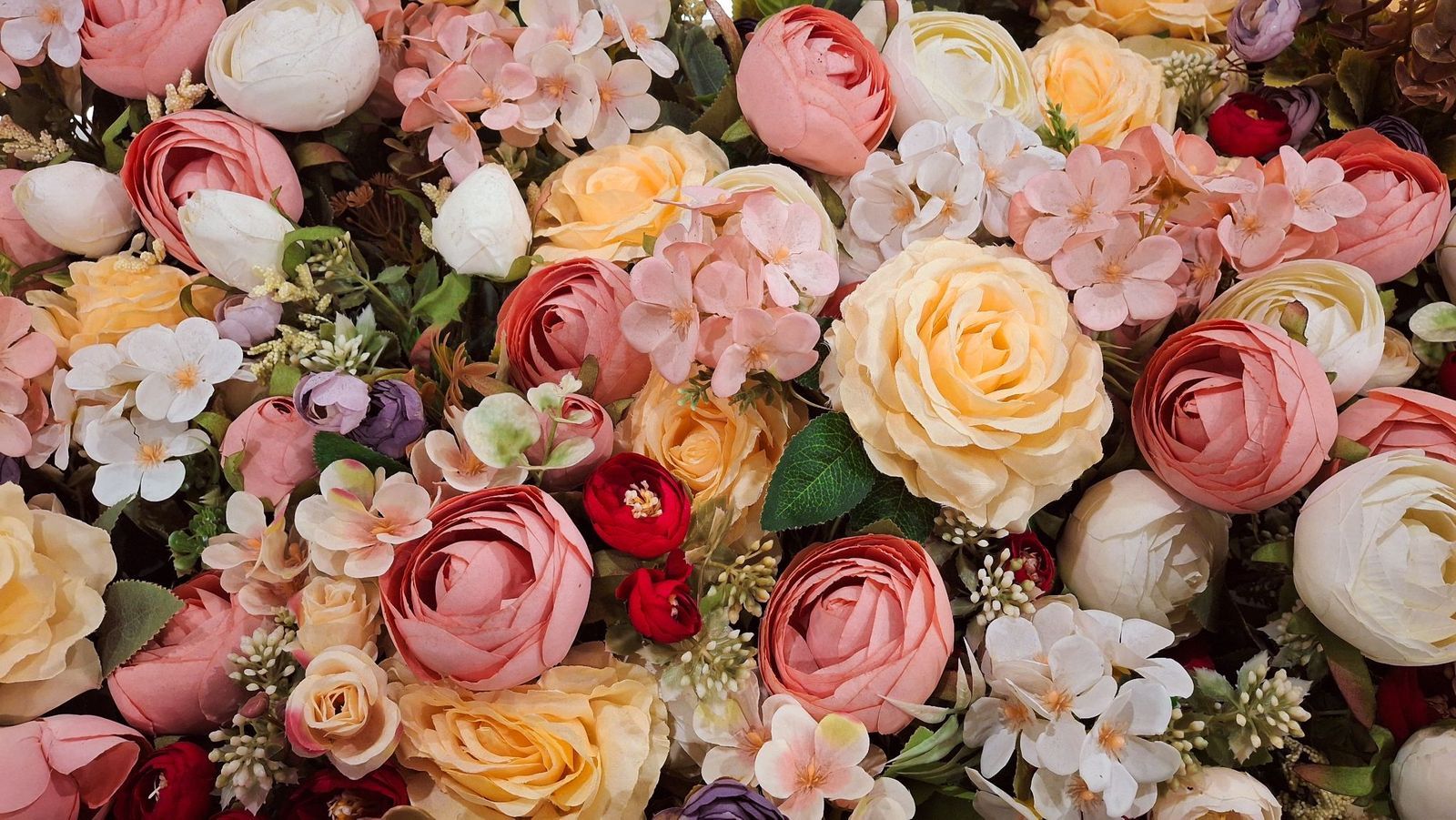

Image: M.Ibnu C Nugraha

The names of the flowers blooming in gardens, parks, and shops carry centuries of linguistic history. Modern botanical taxonomies standardized plant classification, but everyday names were forged through visual observation, ancient mythology, and cultural trade. Exploring flower etymologies reveals how past generations perceived the natural world. Keep reading to discover the origin of the names of 10 common flowers.

1

Dandelion

Image: AustralianCamera

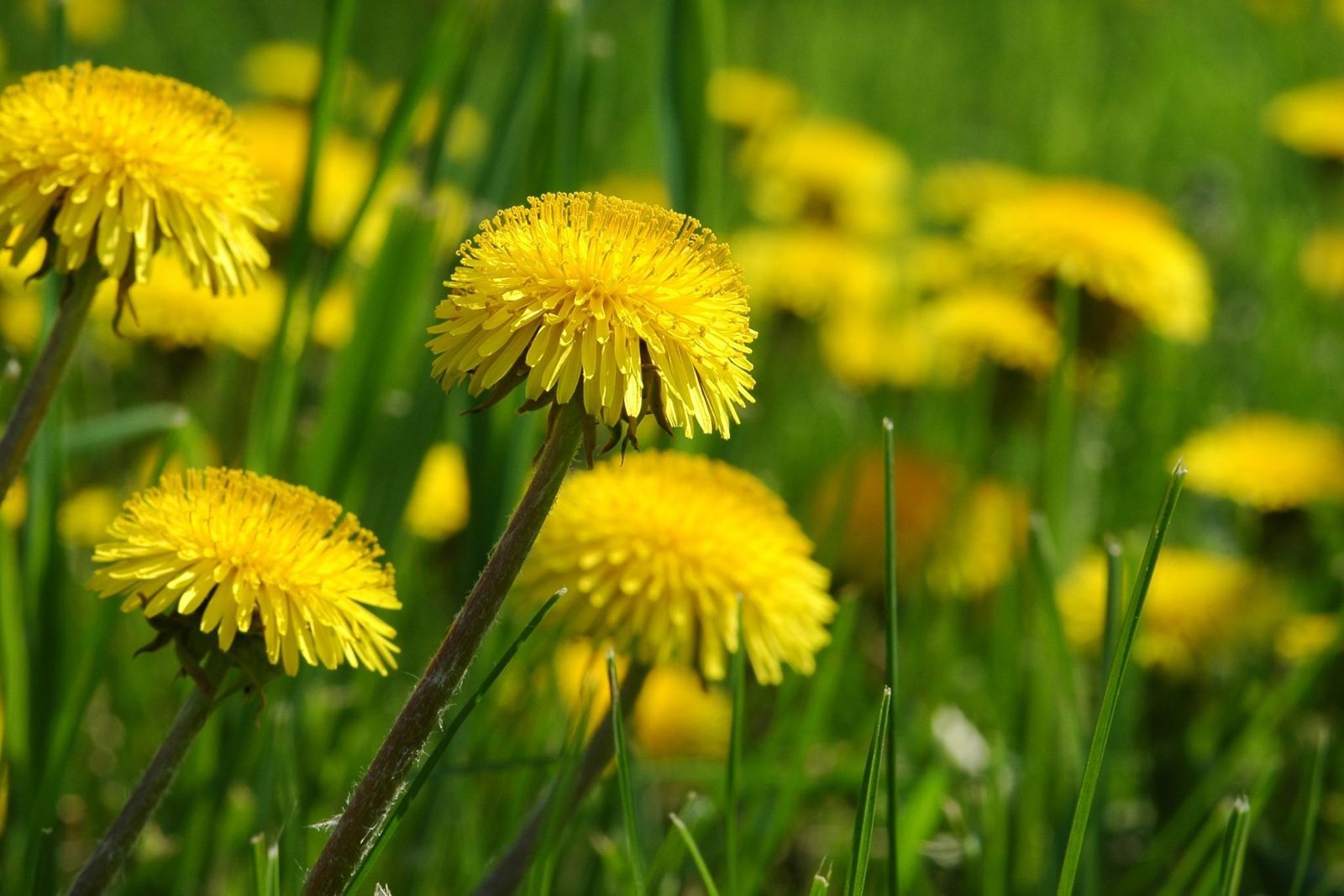
The common bright yellow flower often dismissed as a lawn weed derives its name from an anatomical comparison. "Dandelion" enters English from the Anglo-French phrase dent-de-lion, which translates literally to "lion’s tooth".

Rather than referring to the yellow blossom, the name describes the plant’s sharp green leaves. Medieval botanists noted that these jagged edges of foliage closely resembled the sharp incisors of a lion. Similar literal translations exist in other languages, including the German Löwenzahn and the Spanish diente de león.

2

Azalea

Image: Katerina Maksymenko

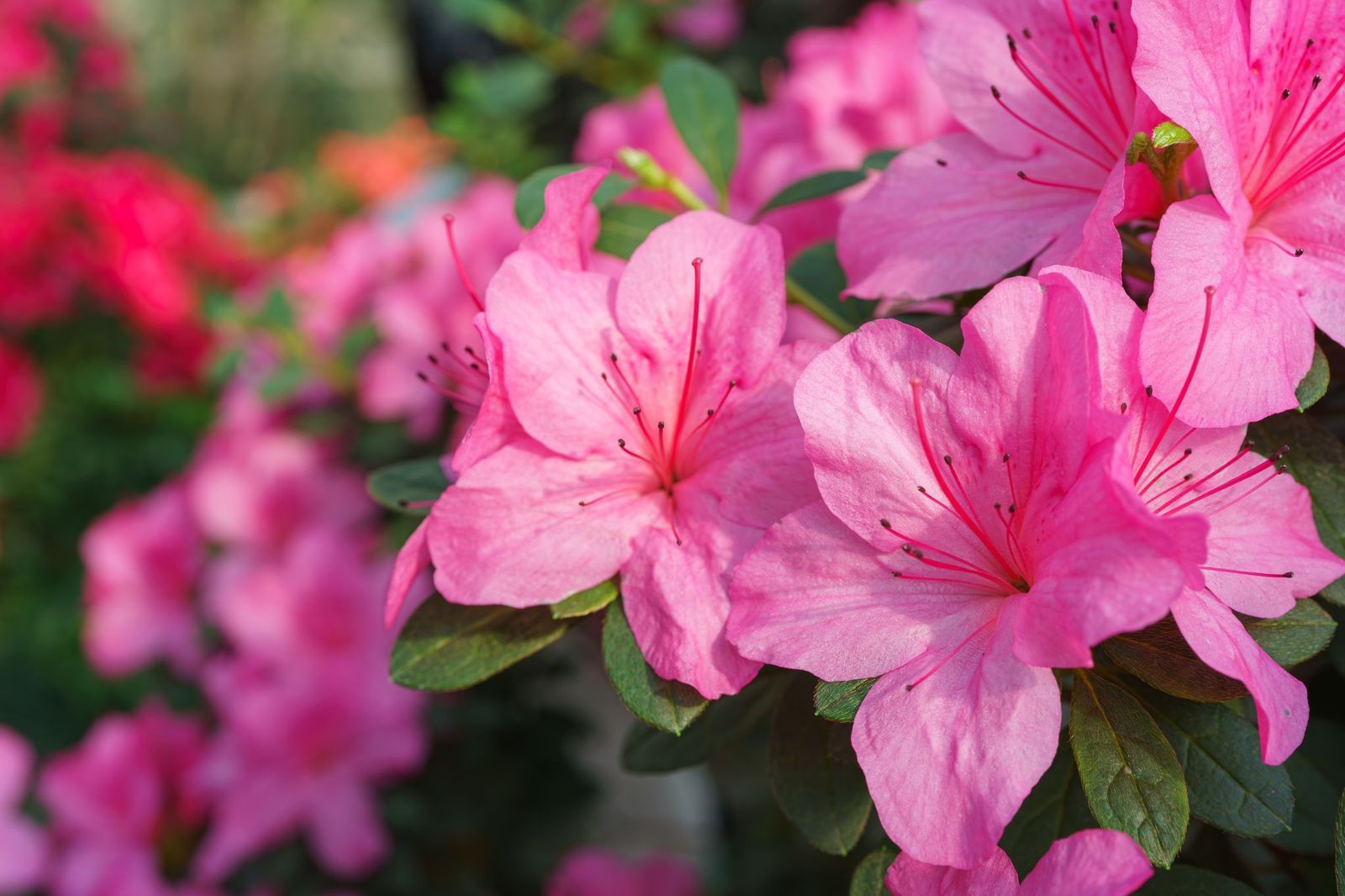
Derived from the Ancient Greek adjective azaleos, meaning "dry" or "parched", the azalea received its name from the pioneering Swedish botanist Carl Linnaeus in the 18th century.

Linnaeus picked the name because this flower typically thrives in dry sandy soils and suffers when rooted in waterlogged ground. Though modern gardeners associate azaleas with damp spring rains and temperate woodlands, the name is a tribute to the plant’s preference for dry soil conditions.

3

Pansy

Image: Elena Krivorotova

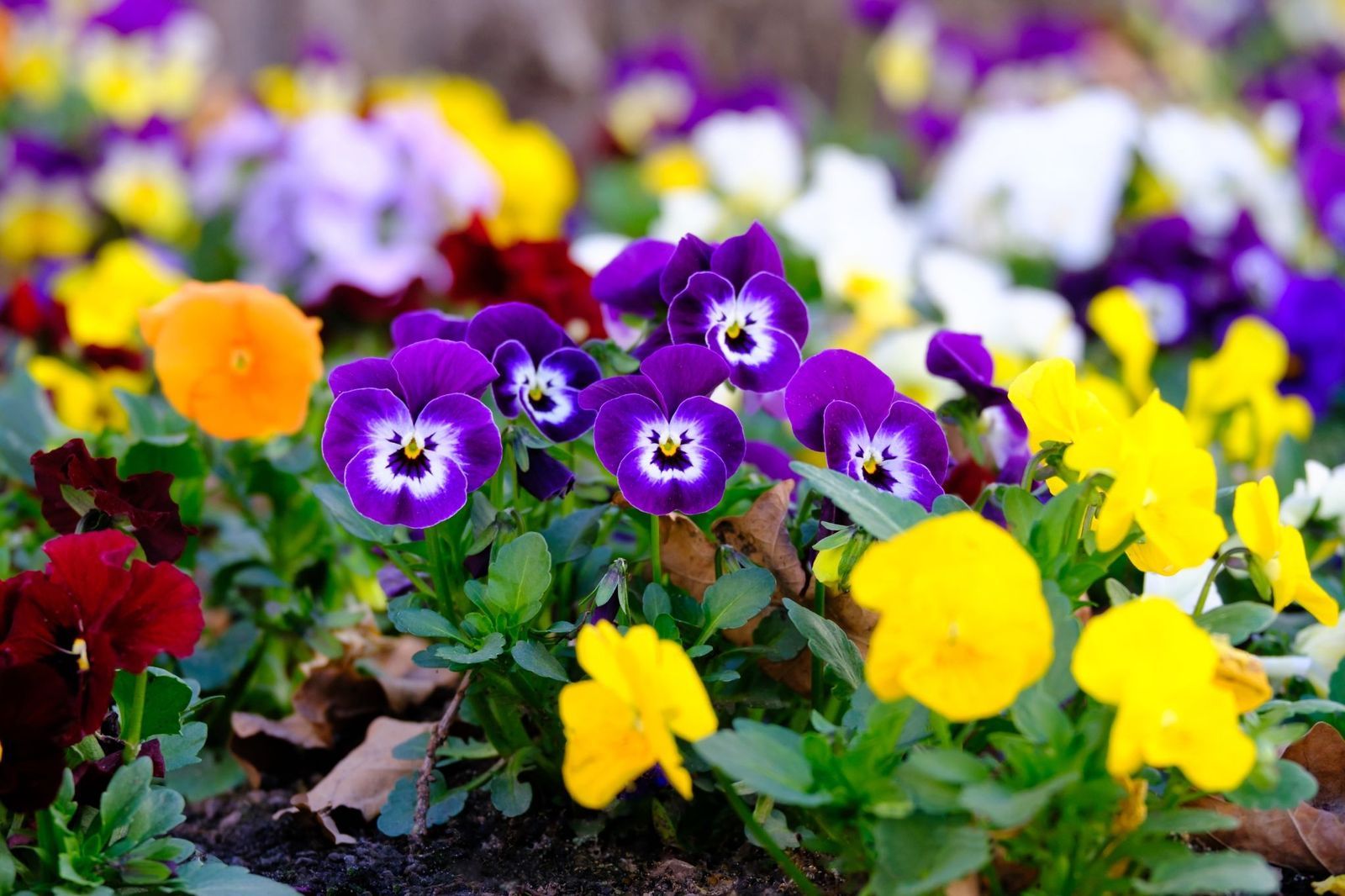
The name of the garden pansy originates from the Middle French word pensée, meaning "thought" or "remembrance" (derived from the Latin verb pensare, meaning "to consider" or "to ponder").

During the Renaissance, herbalists felt the flower’s dark center and forward-facing petals resembled a human face bowed slightly forward in deep contemplation. Because of this association, pansies became traditional gifts to signal that the giver was thinking of the recipient, a symbolism later immortalized in Shakespeare’s Hamlet when Ophelia remarks, "there is pansies, that’s for thoughts".

4

Carnation

Image: Wirestock Creators

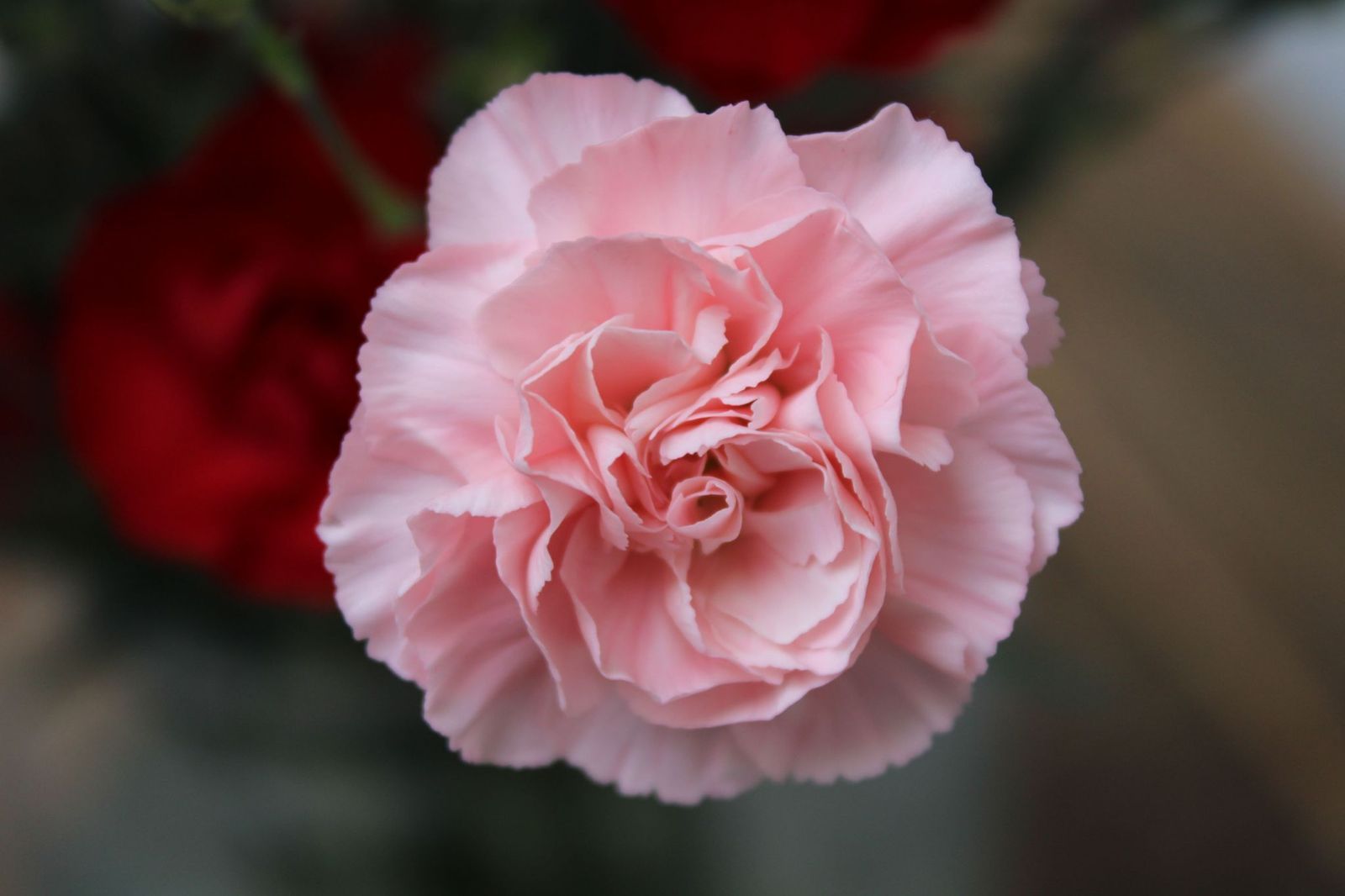
The etymology of "carnation" follows two intertwined historical paths. The most widely accepted origin traces back to the Middle French carnation and the Latin carnatio (derived from caro, meaning "flesh"), referencing the soft pinkish flesh tone characteristic of the original wild blooms.

Another linguistic influence stems from "coronation". In ancient Greece and Rome, carnation blooms were woven into floral crowns (coronae) worn during ceremonial festivities and royal coronation rites. Over centuries of English usage, the terms for flesh color and ceremonial crowns merged into the modern word.

5

Tulip

Image: ShuttrDrift

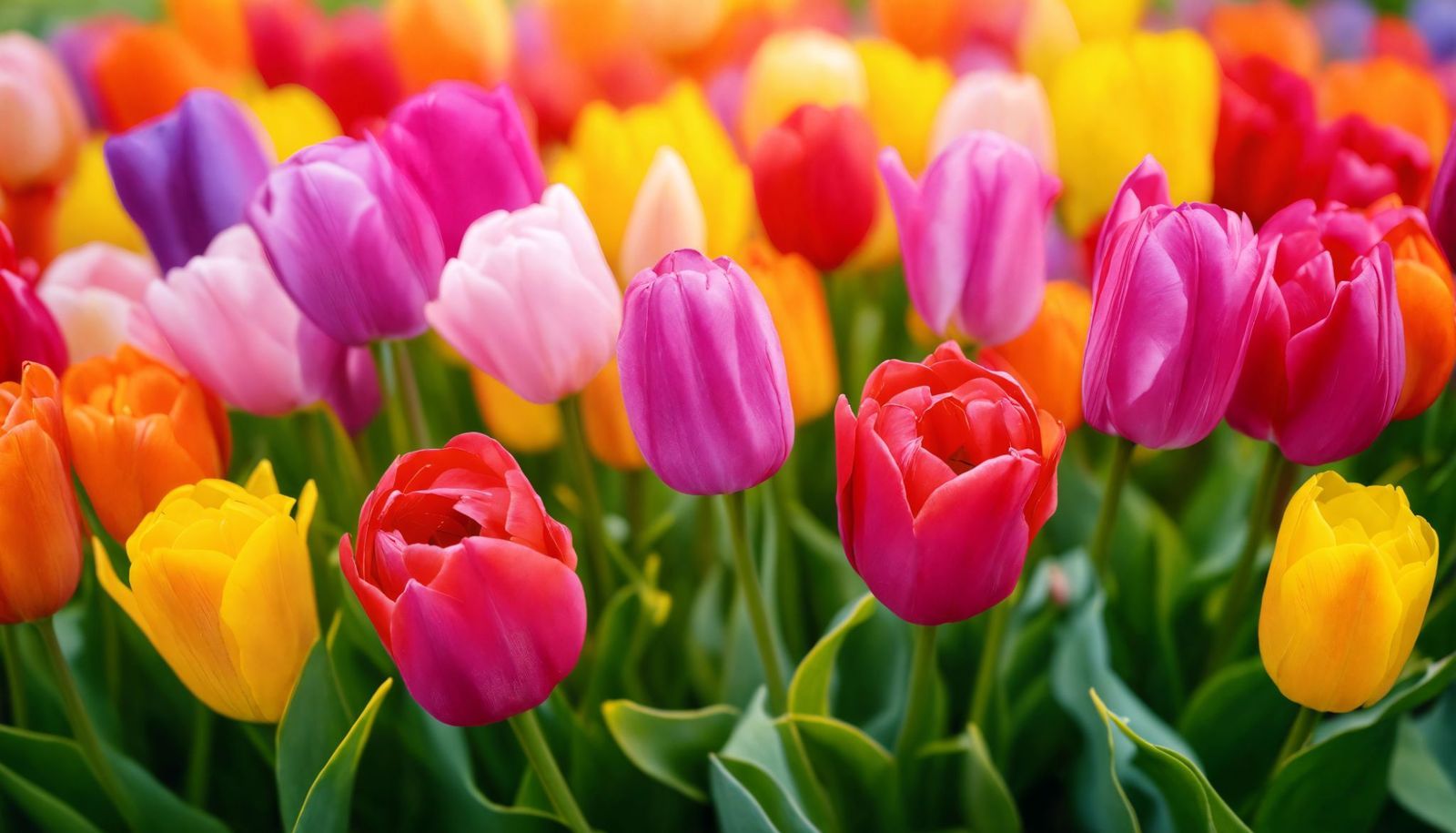
The story of the tulip’s name reflects the historical trade routes between Western Europe and the Ottoman Empire during the 16th century. The word comes into English via Middle French (tulipe) and Italian (tulipano), which adapted the Ottoman Turkish word tülbend (derived from the Persian dulband), meaning "turban".

European travelers visiting Constantinople were impressed by the resemblance between the folded layers of fabric in a traditional Ottoman turban and the cup-shaped, overlapping petals of the flower.

6

Daisy

Image: Smile Donor

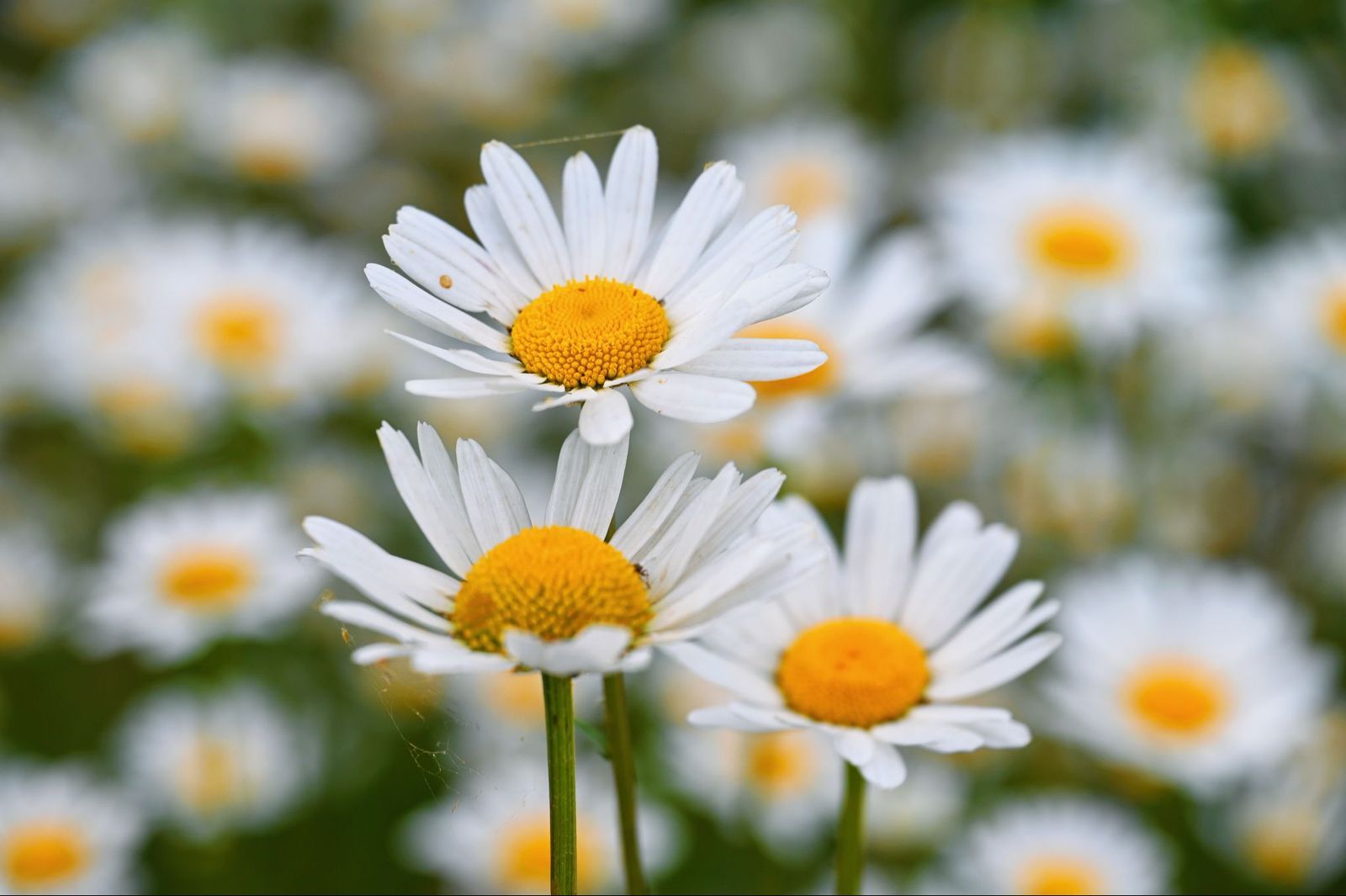
"Daisy" stands as an example of Old English botanical descriptive naming. Originating from the compound word dægesēage (literally translating to "day’s eye"), the name describes the flower’s natural sleep movement.

At nightfall, a daisy’s white outer petals fold inward over its central yellow disk. As dawn arrives, the petals unfold, exposing the golden center to the morning sun, mimicking an eye opening at the break of day.

7

Hydrangea

Image: Aliaksandra M

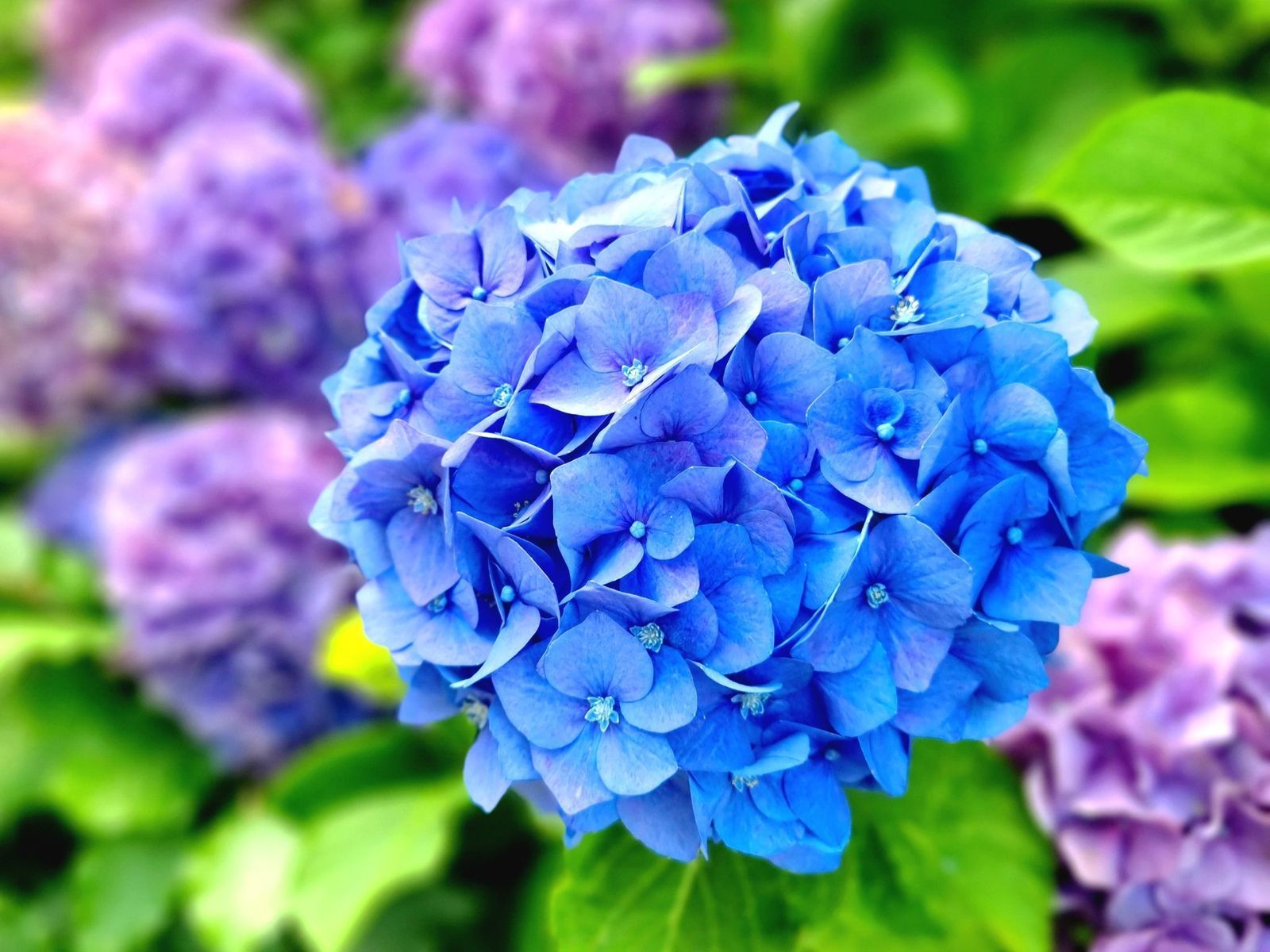
Coined by French botanist Philibert Commerson in the 18th century, "hydrangea" combines two ancient Greek roots: hydr- (meaning "water") and angeion (meaning "vessel", "picher", or "capsule").

Many gardeners assume the name refers to the plant’s high water requirements; however, it actually describes the distinct shape of the plant’s mature seed pods. Once the colorful petals drop, the small seed capsules resemble traditional Greek water jars or pitchers.

8

Calendula

Image: Wut_Moppie

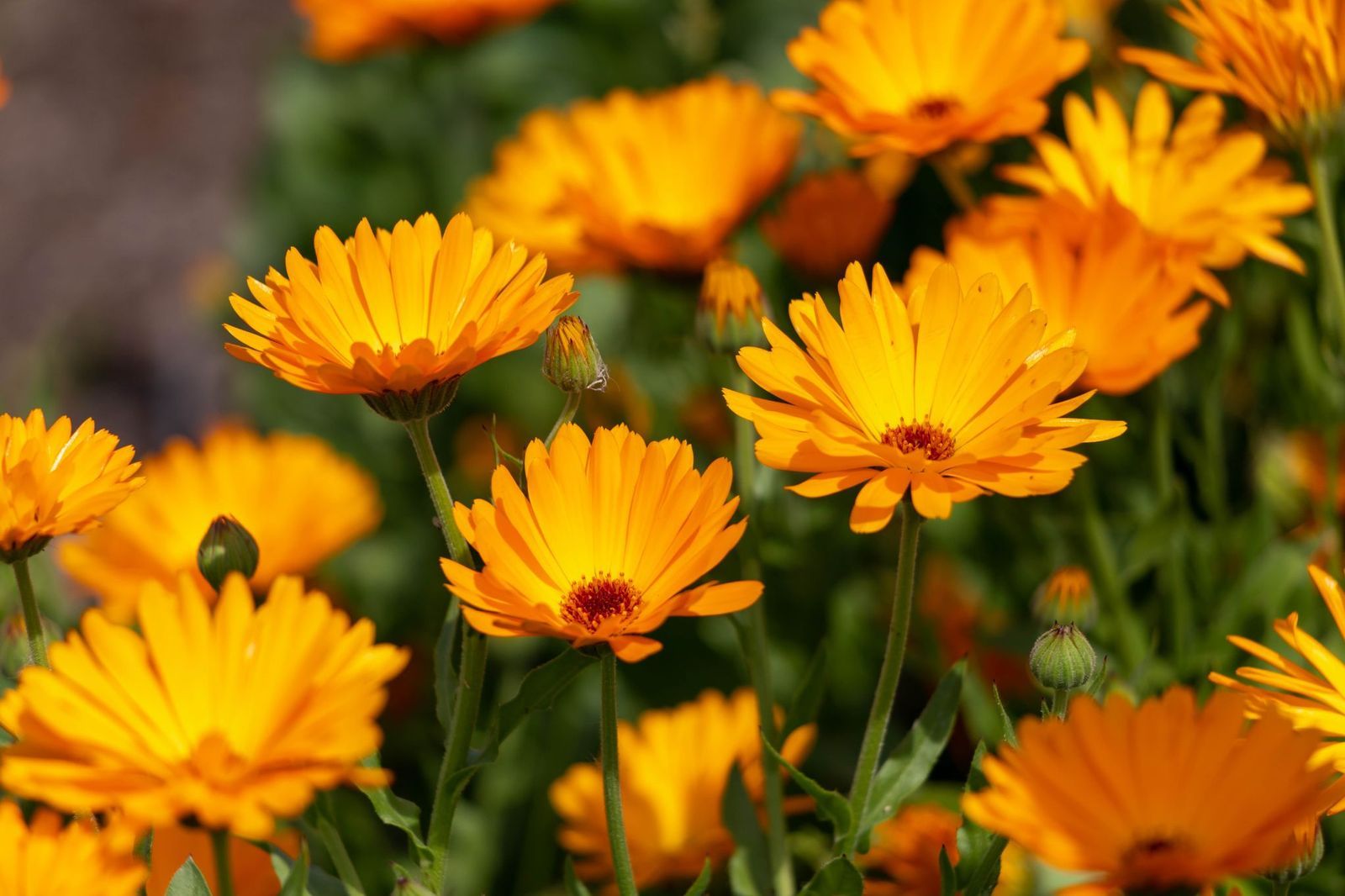
Popularly known as pot marigold, "calendula" derives its name from the Medieval Latin calendula, a diminutive form of calendar (the "calends", or the first day of each month in the Roman calendar).

The Romans observed that in mild Mediterranean climates, calendula plants bloomed on or near the first day of almost every month of the year. This way, the name acts as a botanical calendar.

9

Petunia

Image: AW777_Photo

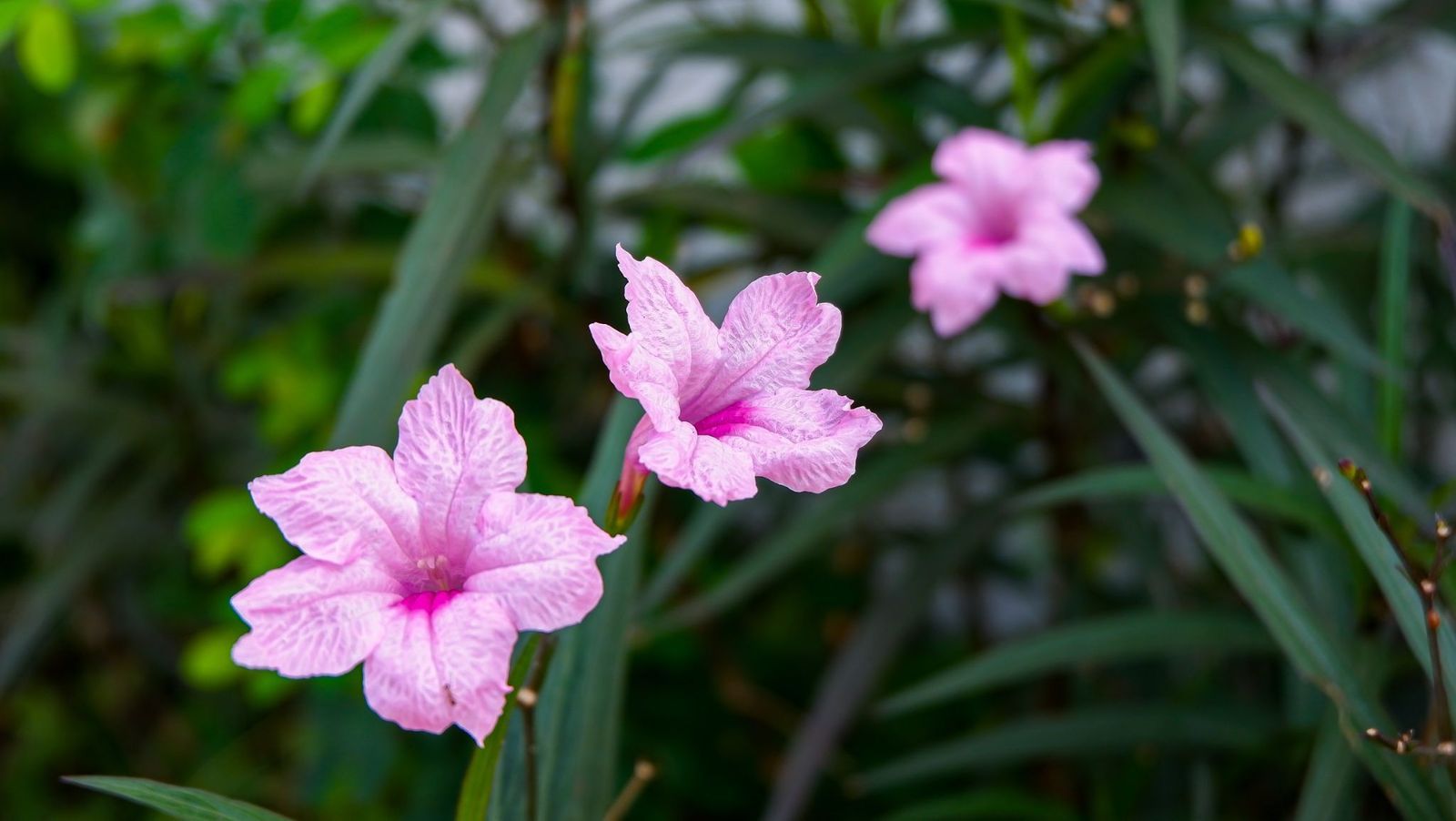
The word "petunia" arrived in European languages during the 18th century through French botanical reports from South America. French herbalists adapted the word pétun, an early French term for tobacco borrowed from petyn, a word used by the indigenous Tupi-Guarani peoples of Brazil.

When early European explorers encountered petunias growing wild in South America, they recognized their close physical resemblance to tobacco plants. Modern taxonomy confirmed this intuition: both petunias and tobacco belong to the nightshade family (Solanaceae).

10

Iris

Image: Lipatova Maryna

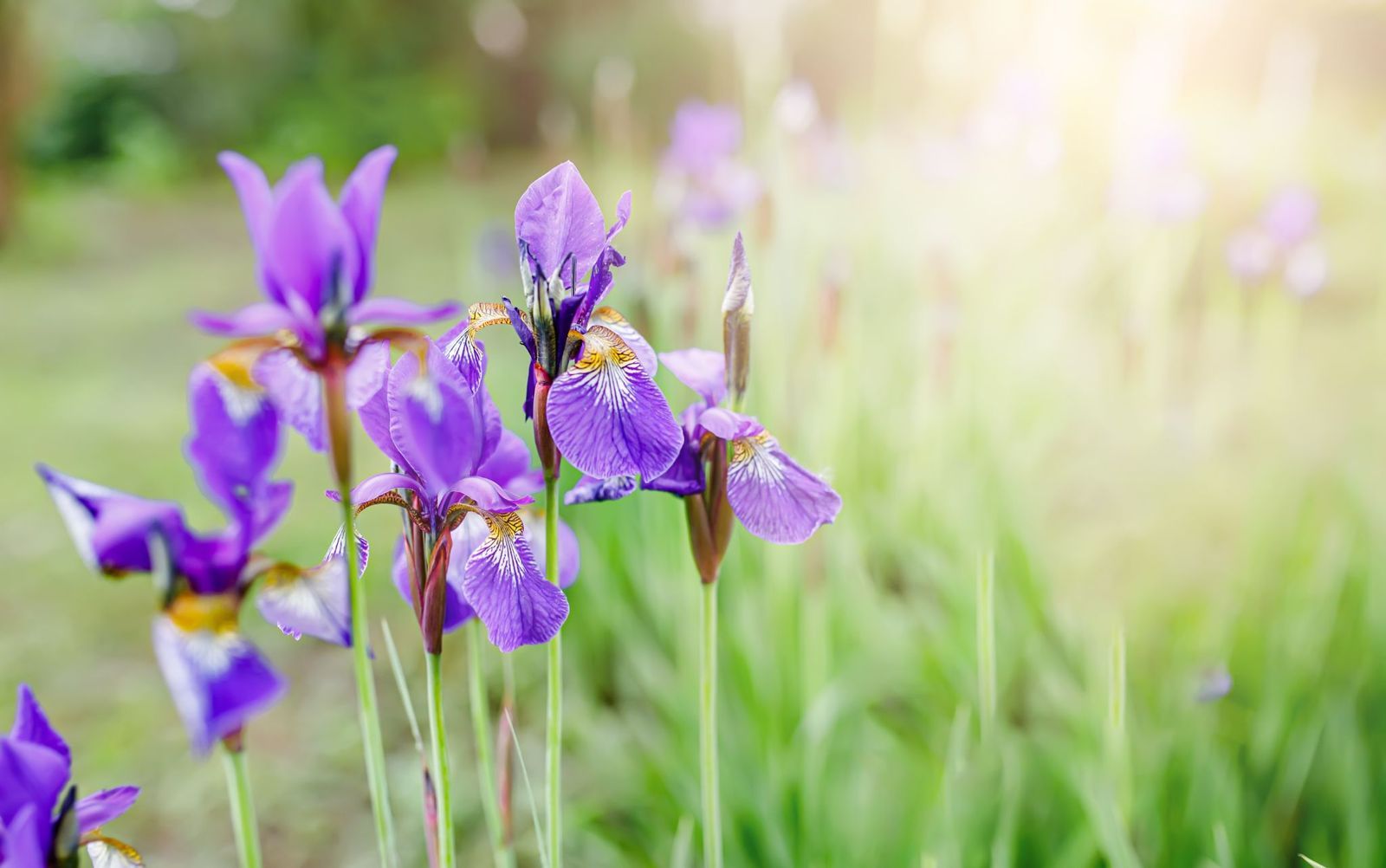
Named after Iris, the Greek goddess of the rainbow and divine messenger between heaven and earth, this classic garden perennial boasts an ancient name.

In Greek mythology, the goddess Iris traveled along rainbows, connecting the realms of gods and mortals. Ancient botanists bestowed her name upon the flower because of its remarkable spectrum of natural colors, ranging from deep purple and cobalt blue to yellow, pink, and white.



Deathbed statements

Beyond the grave: Take a look at the last words of 12 famous people


Published on August 31, 2026


Image: Daderot, CC0, via Wikimedia Commons

Throughout history, hundreds of historical figures have left their mark on the world through their marvelous achievements. When their lives came to an end, their last words were often a reflection of their lives and ideals. From George Washington and Mark Twain to Frank Sinatra and Leonardo Da Vinci, in this article, we will reveal 12 final words of memorable personalities.

1

George Washington

Image: The New York Public Library

After serving two terms as the United State's first president, George Washington retired to his Virginia plantation. In mid-December 1799, he developed a cold and a severe sore throat. Despite doctors' efforts to cure him, the end was imminent.

His long-time secretary, Tobias Lear, was at his side during his last days and documented all the events that transpired, including the former president's last words. According to his account, shortly before he took his last breath George Washington said "Tis well" —an old-fashioned way of saying "everything is okay."

2

Humphrey Bogart

Image: Signal Corps Archive from United States, Public domain, via Wikimedia Commons

Noir icon of perpetual elegance and rebellious charisma, Humphrey Bogart is an undisputed legend in cinema history. A Hollywood Golden Age star, Bogart is still remembered today for his scar on his upper lip, his everlasting cigarette, and his perfect portrayal of gangsters and detectives.

At the age of 57 Bogart was diagnosed with esophageal cancer, for which he was hospitalized for several months. According to lore, the legendary star's last words were "I should never have switched from scotch to martinis." However, his wife Lauren Bacall confirmed that the last thing he actually said was "Goodbye Kid. Hurry back," before she left his bedside to get their children.

3

Mark Twain

Image: Miscellaneous Items in High Demand, PPOC, Library of Congress, Public domain, via Wikimedia Commons

As one of the greatest American writers of all time, Mark Twain is usually credited with all sorts of great quotes that he often didn't say. For that reason, there are different versions of what his last words were before he died in 1910 at the age of 74.

The most plausible theory can be found in an article published one day after his death. According to this chronicle, Samuel Langhorne Clemens' last words were not spoken aloud but written. The famous humorist and essayist reportedly wrote to his daughter Clara, who accompanied him on his bedside, "Give me my glasses."

4

Joan Crawford

Image: MGM, Public domain, via Wikimedia Commons

Joan Crawford, the Oscar winner for Mildred Pierce and one of the greatest stars of Hollywood's golden age, died in 1977 of a heart attack.

The actress, who had a complicated personality, was true to her nature until her last breath. She was so ill that her doctor felt it wasn’t worth taking her to the hospital. One of her nurses began to pray aloud in desperation. Losing her patience, Crawford snapped for the last time and said, "Damn it... Don't you dare ask God to help me."

5

Marco Polo

Image: Municipal Library of Trento, CC0, via Wikimedia Commons

The year 2024 marked the 700th anniversary of the death of the man who better described remote lands. Marco Polo was a merchant who spent more than 20 years of his life traveling through the Orient and wrote about his adventures in a book that became a bestseller when the printing press wasn’t even invented.

Marco Polo was, and still is, a legend. When, on his deathbed, his wife and friends begged the brave explorer to confess if what he had told in the book was true, he barely whispered: "I have not told the half of what I saw and did."

6

Groucho Marx

Image: MGM, Public domain, via Wikimedia Commons

Julius Henry Marx, better known as Groucho Marx, is considered one of the most influential comedians of all time. The man with the bushy black mustache was one of the Marx Brothers. Together they made 13 films, including the classic Duck Soup. After a long and prominent career, Groucho passed away in Los Angeles in 1977 at the age of 86.

His brilliant one-liners are still remembered and replayed to this day, so it is not surprising that not one but several final words are attributed to him. A few close friends have suggested that his last line was "This is no way to live!", while most suggest that his last words were in fact dedicated to his wife: "Die, my dear? Why, that's the last thing I'll do!"

7

Voltaire

Image: Nicolas de Largillière, Public domain, via Wikimedia Commons

Voltaire, the French writer, philosopher, historian, and lawyer, one of the major figures of the Enlightenment, died in 1778 at the age of 83. Different accounts of his deathbed make it impossible to determine exactly what his last days were like.

One of these stories, however, is consistent with his ideas about God and his well-known criticism of the Church. According to this version, when the priest asked him if he wanted to renounce Satan before he died, Voltaire replied, "This is no time to make new enemies."

8

L. Frank Baum

Image: William Wallace Denslow, Public domain, via Wikimedia Commons

L. Frank Baum was a prolific American author. He wrote 55 novels, 82 short stories, and more than 200 poems. However, his most memorable work is his series of children's fantasy books The Wonderful Wizard of Oz.

On May 5, 1919, Baum suffered a heart attack. He died the next day, shortly before his 63rd birthday. Disturbed by the imminence of death, he whispered to his wife: "Now we can cross the Shifting Sands," a clear reference to the Land of Oz.

9

Augustus

Image: National Archaeological Museum of Athens, CC0, via Wikimedia Commons

Augustus, the first Roman emperor, is often attributed with the phrase: "Behold, I found Rome of clay, and leave her to you of marble," alluding to the great infrastructural works carried out during his prosperous 40 years of rule.

However, according to other historical accounts, his last words were addressed to the friends who stayed with him on his deathbed: "Have I played the part well? Then applaud, as I exit."

10

Frank Sinatra

Image: English: Distributed by NBC. Photographer unknown., Public domain, via Wikimedia Commons

"Darling, you've gone through worse and you can beat this too. You have to fight," implored Barbara Marx, Frank Sinatra's fourth wife, to her beloved on his deathbed. "I'm losing," The Voice whispered through teary eyes.

Barbara recounted the last hours of the singer of such hits as My Way and New York, New York in her memoir Lady Blue Eyes: My Life With Frank. Frank Sinatra, one of the most popular entertainers of the mid-20th century, pronounced his last words in 1998 at the age of 82.

11

Leonardo Da Vinci

Image: Jean-Auguste-Dominique Ingres, CC0, via Wikimedia Commons

Despite being one of the most famous artists of the Renaissance, Leonardo da Vinci was very hard on himself. All his life he challenged his own limits, evident in his paintings and sculptures as well as in his inventions, some of which were truly revolutionary.

Even after a lifetime of success, he wasn’t quite satisfied. When he suffered a stroke at the age of 67, he sent for a priest to receive the Holy Sacrament and, according to historians, his greatest regret was that he hadn’t achieved excellence with his work. In that sense, it is said that his last words were: "I have offended God and mankind because my work did not reach the quality it should have."

12

Joe DiMaggio

Image: National Museum of Health and Medicine, Public domain, via Wikimedia Commons

The Yankee Clipper was one of the greatest baseball players of all time but he is also known for having been married to the iconic American actress Marilyn Monroe. Joe and Marilyn were together for less than three years. In 1955 the actress left him for American playwright Arthur Miller.

DiMaggio was devastated. He never married again, and never got over his one true love. His last words before he died in 1999 at the age of 84 were: "I'll finally get to see Marilyn."

Looking for an extra scoop of literary fun?

Learn more with our Word of the day

remit

/rəˈmɪt/