What are you actually eating? 10 foods with deeply deceptive titles


Published on August 1, 2026


Image: New Africa

If you’ve ever ordered a dish expecting a sweet pastry and received a plate of organ meat instead, you have experienced the confusing world of culinary misnomers. Food names are rarely literal. Often, they are shaped by historical slang, ironic jokes, changing definitions, or creative marketing to make a strange dish sound more appetizing. Here are ten of the most famously misleading food names out there.

1

Welsh rabbit

Image: kokofoundit

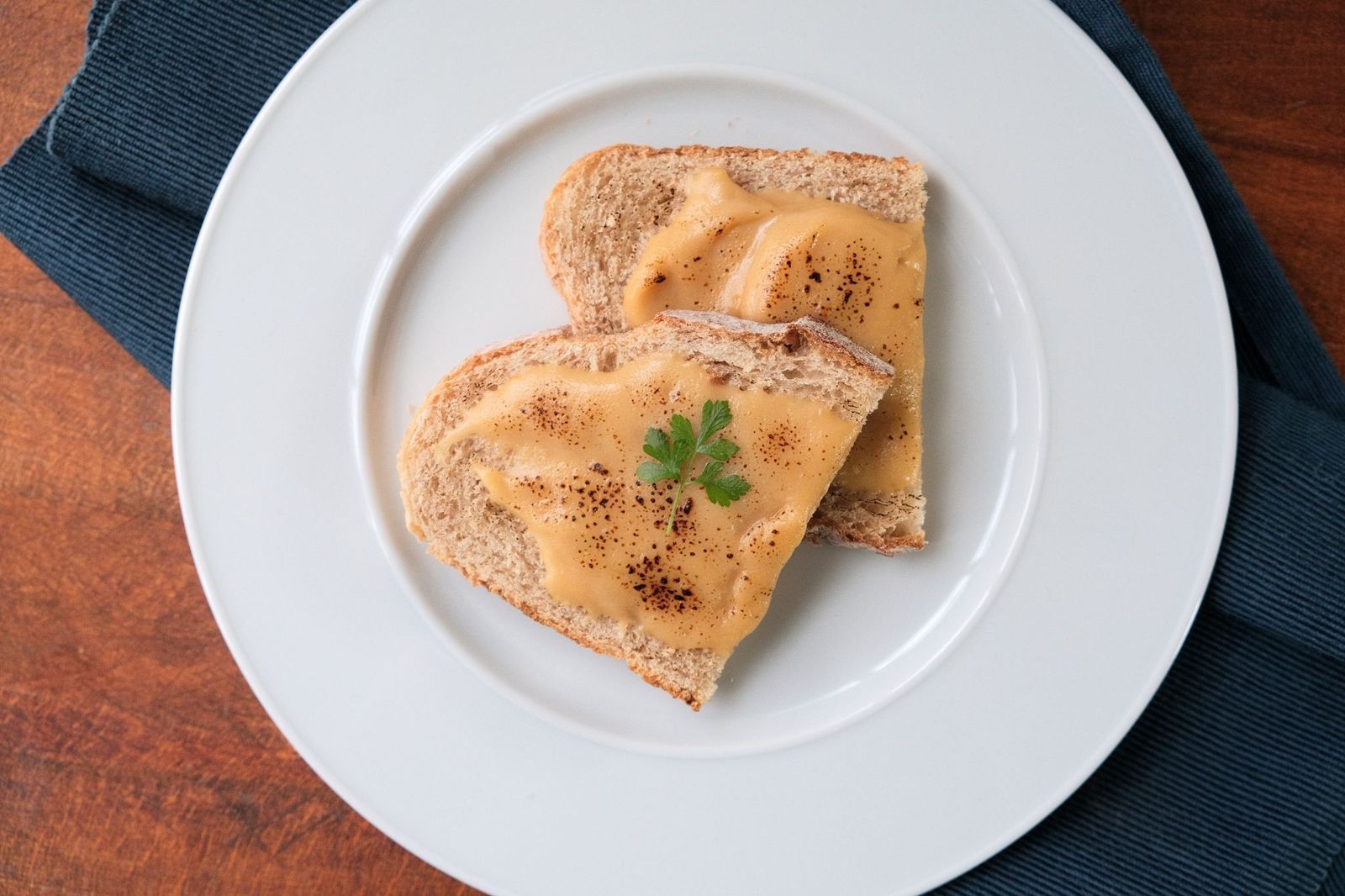
If you order Welsh rabbit expecting a plate of meat, you will be disappointed. Welsh rabbit contains absolutely zero poultry. Instead, it’s a savory comfort dish featuring a melted cheese sauce seasoned with ale, mustard, and Worcestershire sauce, poured hot over toasted bread.

The name originated in 18th-century Britain as a joke. At the time, the Welsh were stereotyped as being particularly fond of cheese, and the name was likely a mocking way to imply that they either couldn’t afford real meat or lacked the hunting skills to catch a rabbit.

2

Sweetbreads

Image: Pozhar_S

This item is neither sweet nor is it a baked bread. Sweetbreads are a type of offal—the culinary term for organ meats—specifically referring to the thymus gland or pancreas of a calf or a lamb.

The origin of this deceptive name has two linguistic origins. The "sweet" part likely refers to the meat’s delicate and slightly sweet flavor compared to other meats like liver or kidney. The "bread" part comes from the Old English word bræd, which meant flesh or meat. Over the centuries, the spelling shifted to look like a bakery item, leading to modern confusion.

3

Rocky Mountain oysters

Image: Sham Clicks

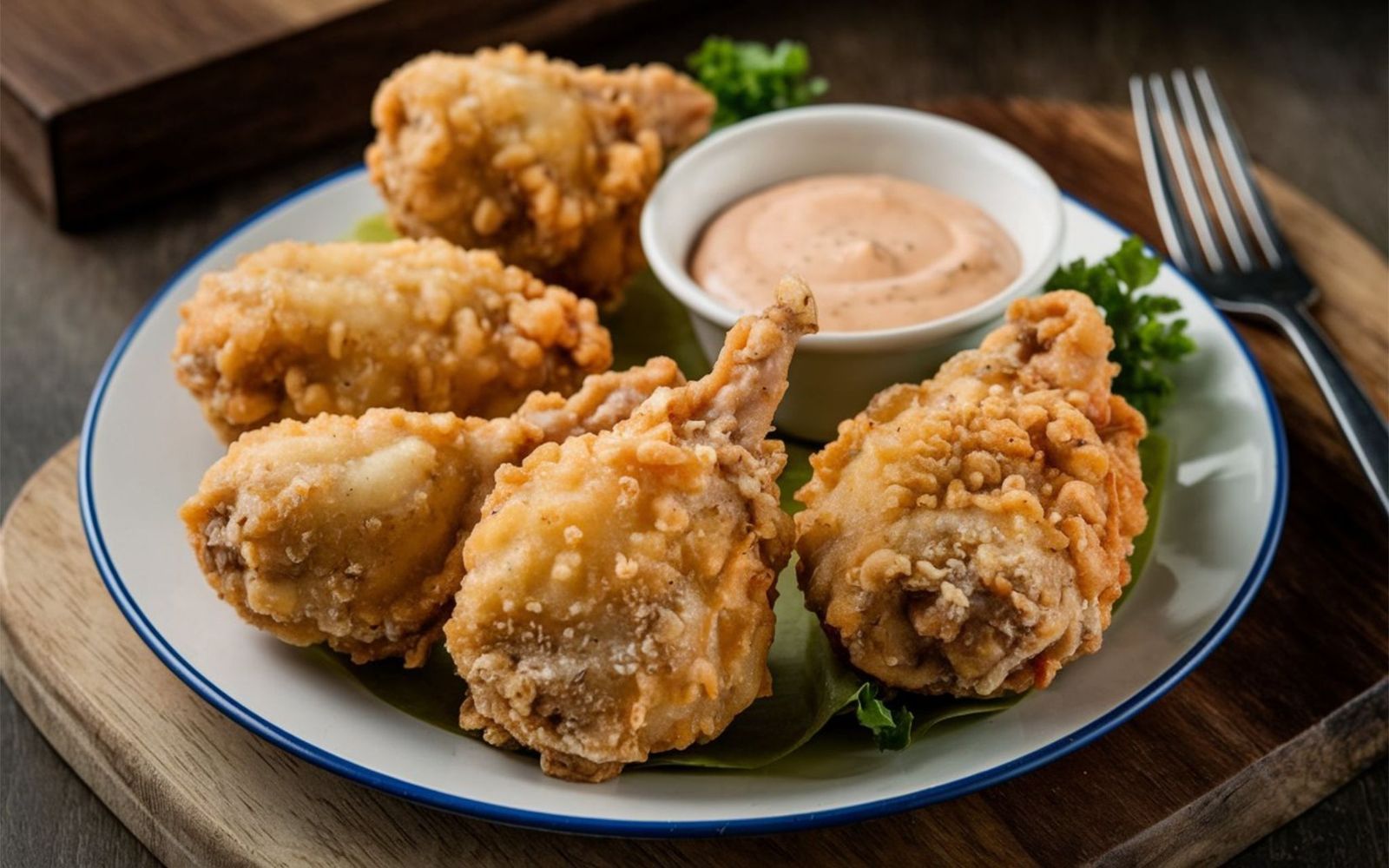
Found mainly on menus across the American West and the Canadian prairies, this dish has nothing to do with oysters. You won’t find any pearls here: Rocky Mountain oysters are bull, pig, or sheep testicles. They are typically peeled, coated in a seasoned flour batter, and finally deep-fried.

The name is a euphemism. When cattle ranchers separated young bulls from the herd, they minimized waste by turning every part of the animal into food. To make the dish sound more attractive, they dubbed them "oysters" for the similar slippery texture of the raw seafood counterparts.

4

Headcheese

Image: Natalia Hanin

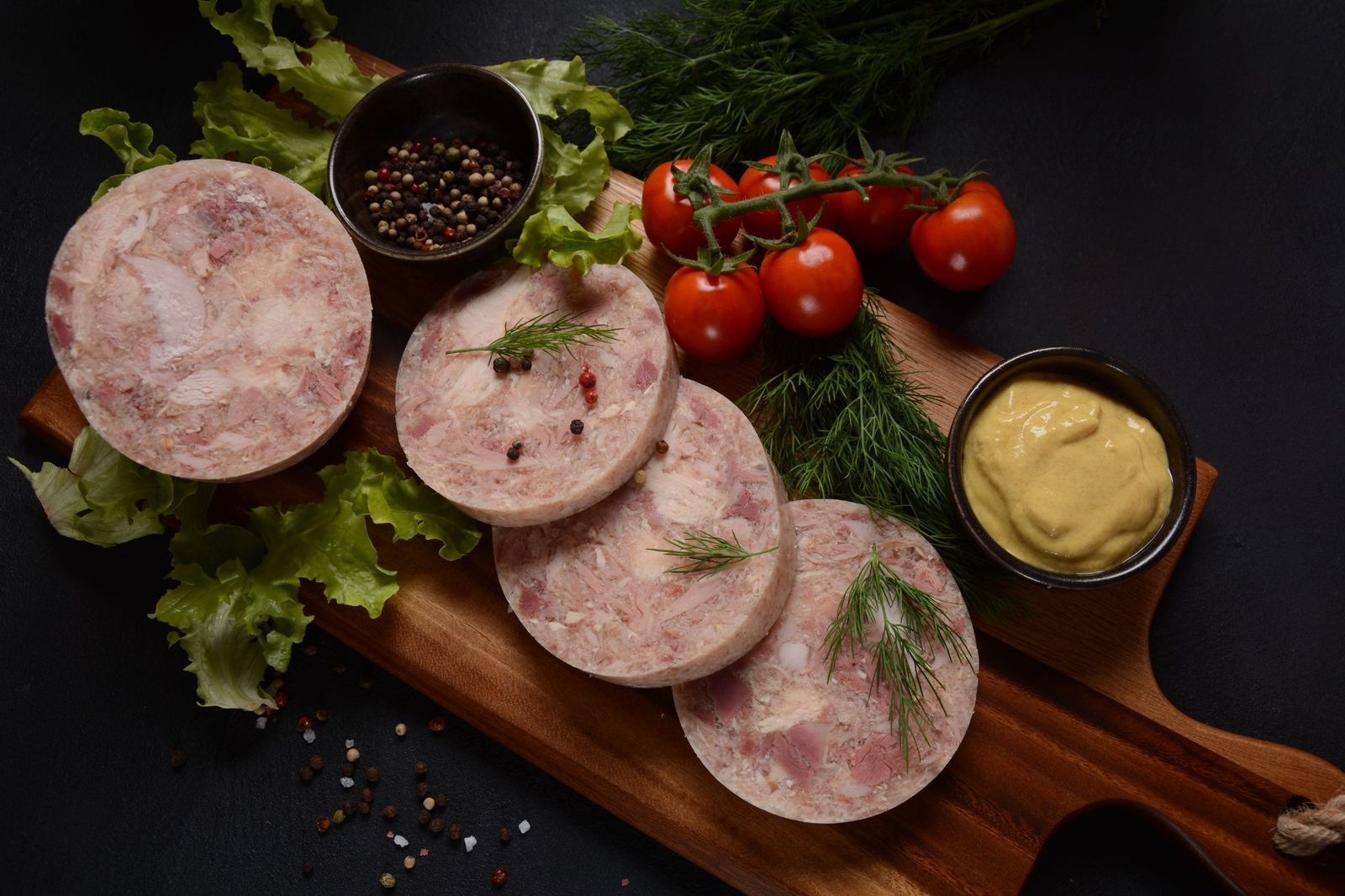
Despite what the name implies, headcheese is a cold cut, specifically a meat jelly or terrine made from the flesh of a pig or calf’s head. The meat is simmered with spices, chopped up, and cooled inside its own natural gelatinous broth until it sets into a sliceable loaf.

The confusion lies in how the word "cheese" used to be used. Historically, "cheese" could refer to any food item that was pressed, molded, and shaped into a solid block or loaf.

5

Marrowfat

Image: James McDowall

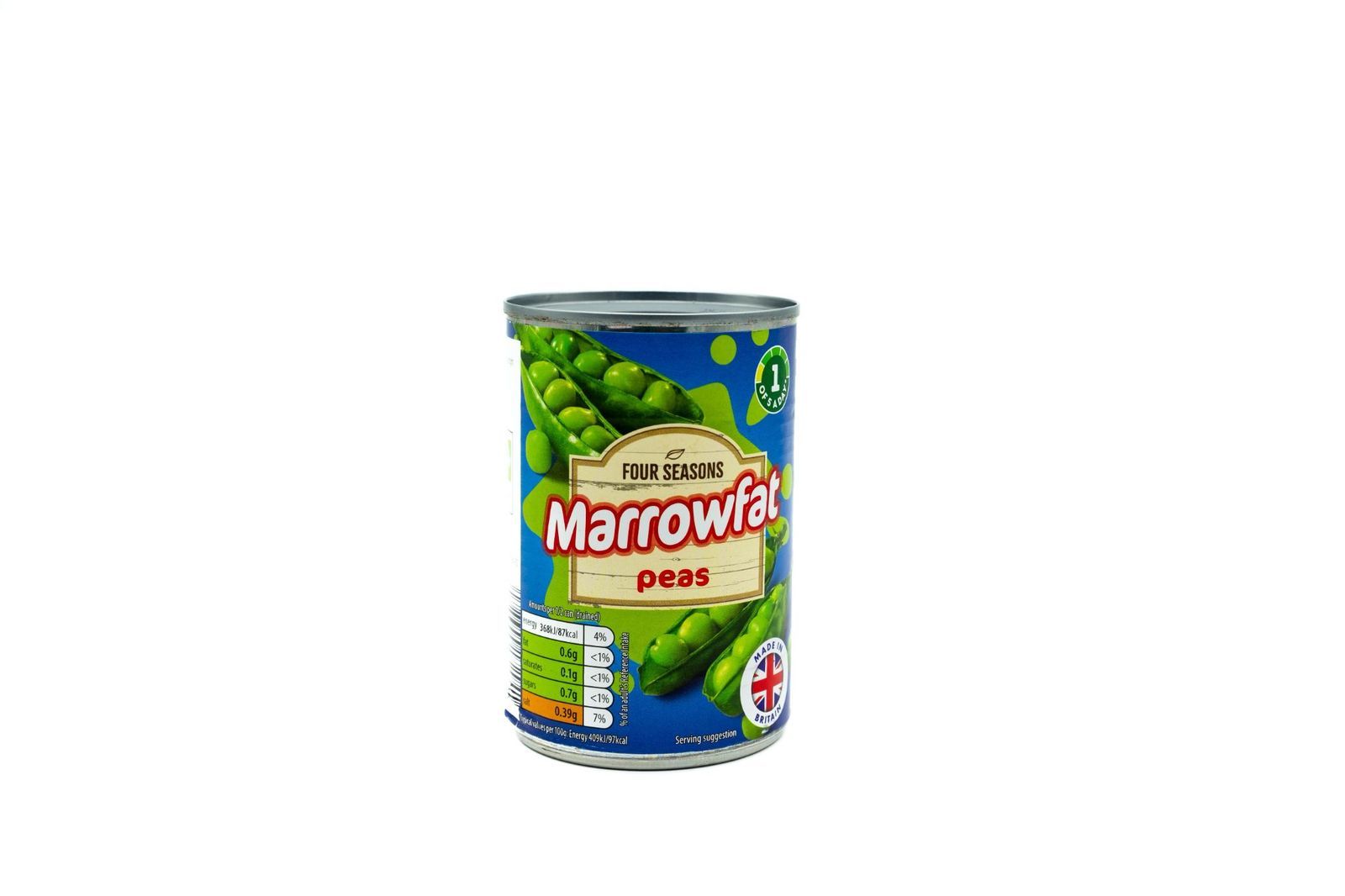
The name marrowfat evokes images of savory animal fat. In reality, marrowfat is 100% plant-based. Marrowfat peas are a specific variety of large green peas that are left to dry naturally in the field before harvesting.

Linguistically, the name combines two older adjectives. "Marrow" was used to describe something plump, soft, and thick-textured, while "fat" was used to describe any crop or soil that was unusually rich or abundant.

6

Ladyfingers

Image: WS-Studio

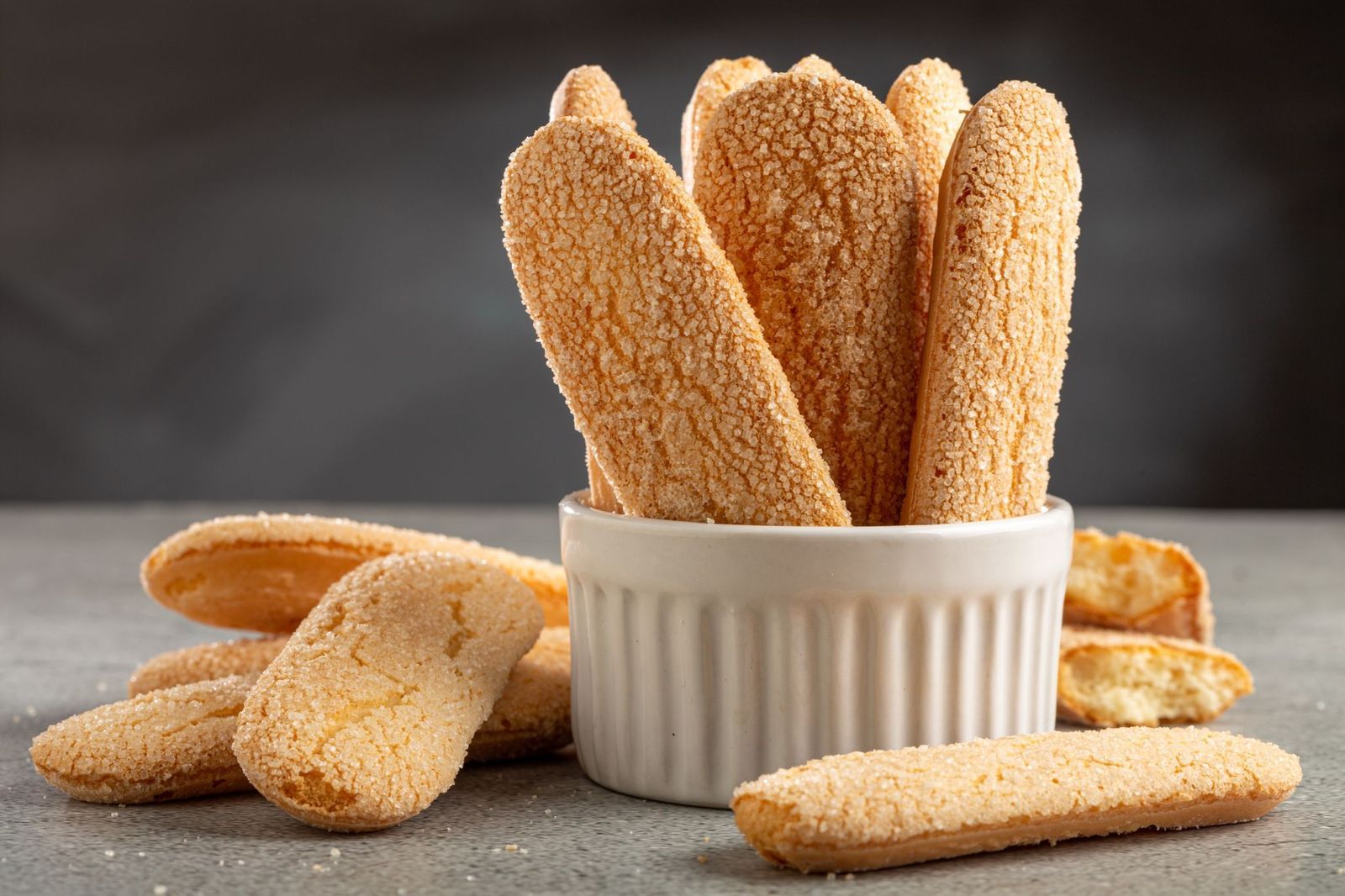
Although the name sounds like an ingredient from a fairy tale, ladyfingers are actually sweet sponge biscuits. They are used as the base for several desserts, such as Italian tiramisu and British trifles.

Ladyfingers are said to have originated in the 14th century at the court of the County of Savoy, to mark a visit by the King of France. Their long shape and their resemblance to slender fingers earned them their name.

7

Egg cream

Image: Brent Hofacker

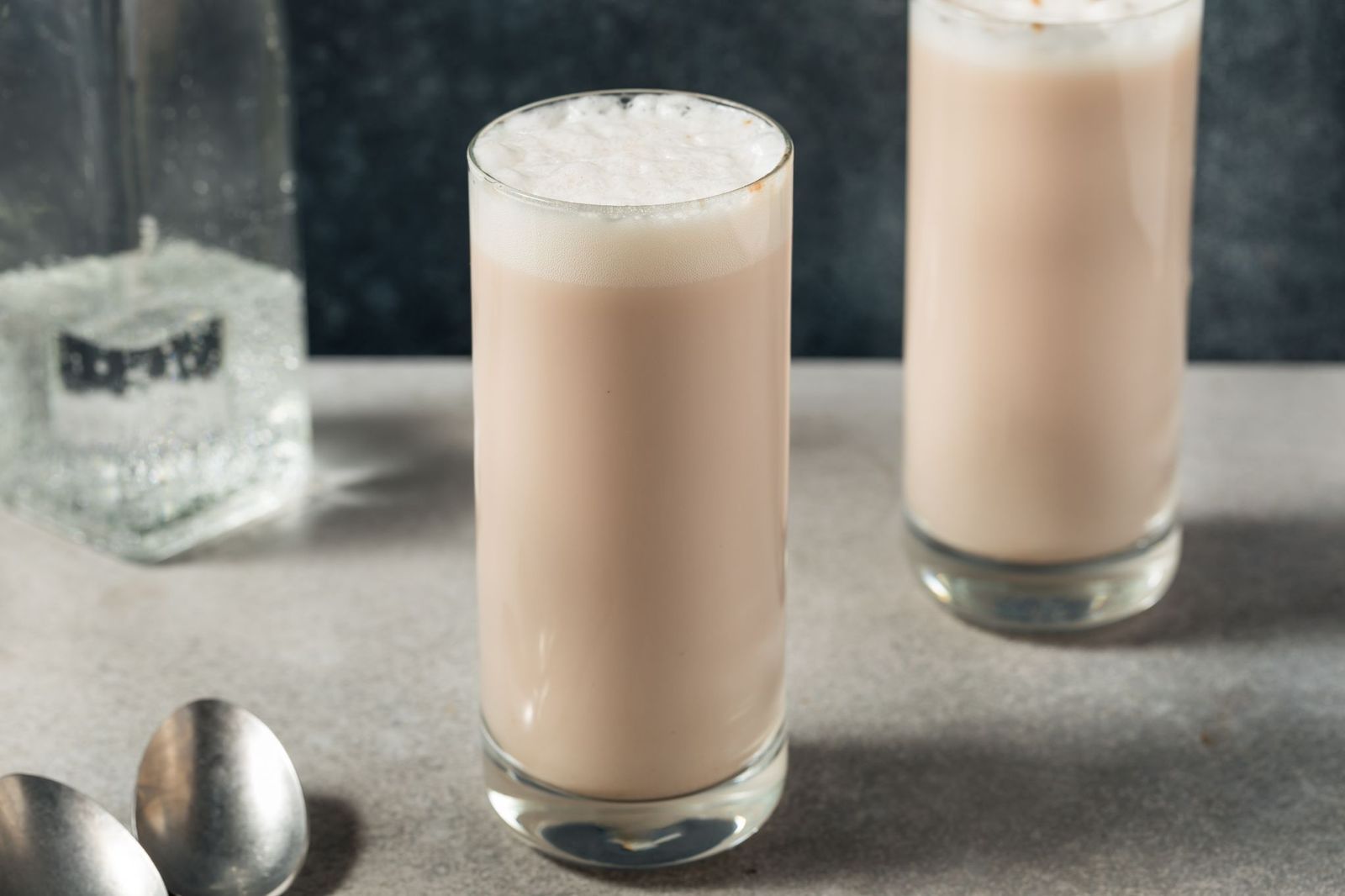
Order an egg cream at an old-school New York City soda fountain, and you’ll get a frothy drink with no eggs and no cream. A traditional egg cream consists of just three ingredients: whole milk, seltzer water, and chocolate syrup.

How did a drink with no eggs or cream inherit such a name? The most popular theory points to a linguistic mix-up. Brooklyn soda fountain owners in the early 20th century may have used the Yiddish word echt, which means "genuine" or "real." Customers likely misheard echt cream as "egg cream," and the catchier name stuck.

8

Sweetmeat

Image: Samosudov

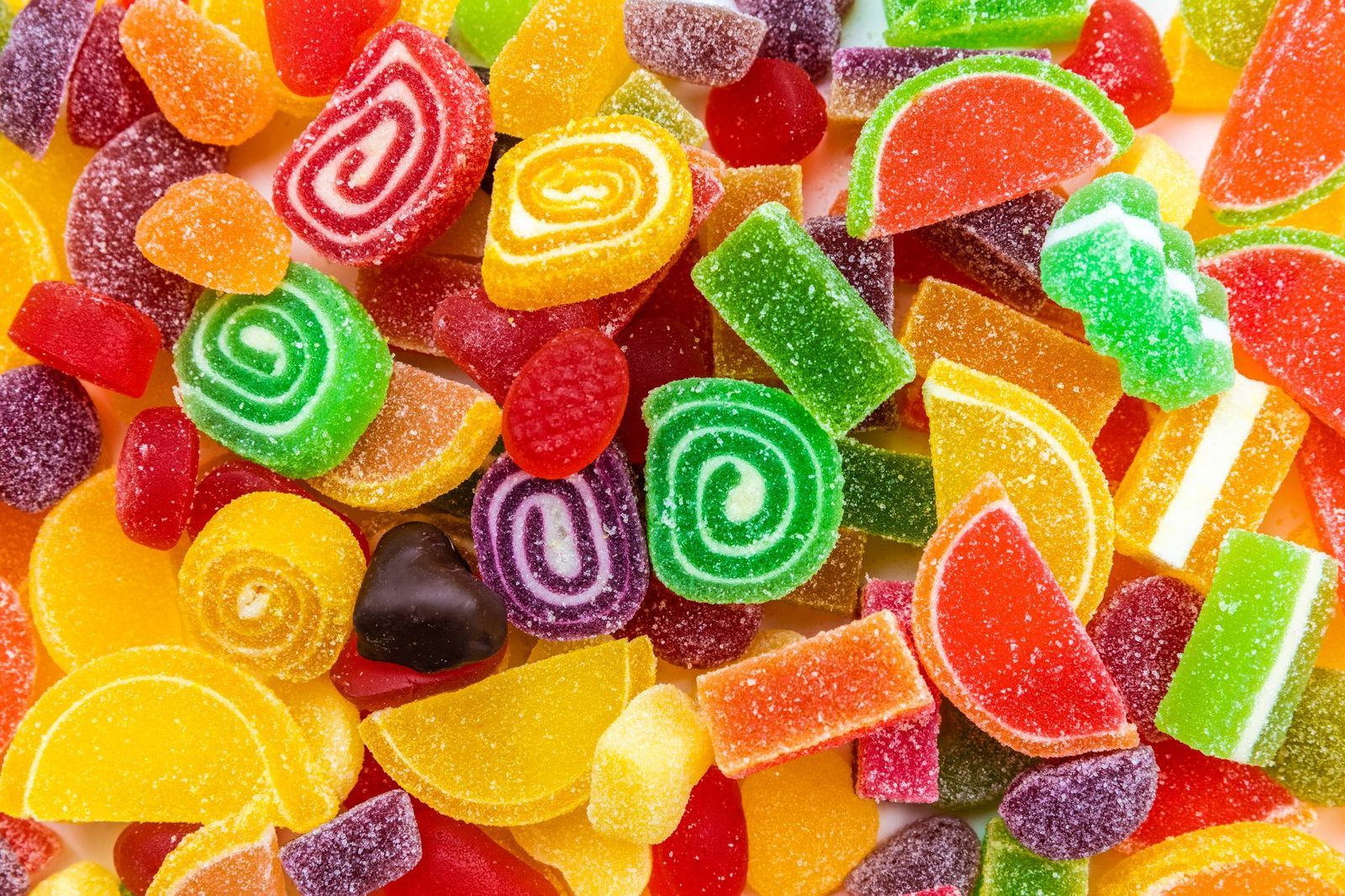
To a modern reader, "sweetmeat" might sound like glazed ham or candied bacon. However, it’s an old-fashioned word for simple candy, candied fruits, or sugar confections.

In Old English, mete didn't mean animal flesh; it was a generic term for any solid food or sustenance. Therefore, a "sweet-meat" was merely a "sweet food item." As the definition of meat narrowed exclusively to animal muscle, the candy word stayed current.

9

Cold duck

Image: Natalia Carbajal

If you see Cold Duck on the menu, don’t expect a savory poultry dish. Cold Duck is a sweet cocktail made by blending sparkling red wine with champagne.

The name is actually a translation error originating in Germany. Invented in the 19th century, the drink was originally called Kalte Ende (meaning "cold end"), because it was made by mixing all the leftover, opened bottles of wine together. Over time, the German word Ende (end) was accidentally mispronounced as Ente (duck). When the recipe traveled across the Atlantic, it was translated literally into English as "Cold Duck."

10

Spotted dick

Image: Foodgraphy39

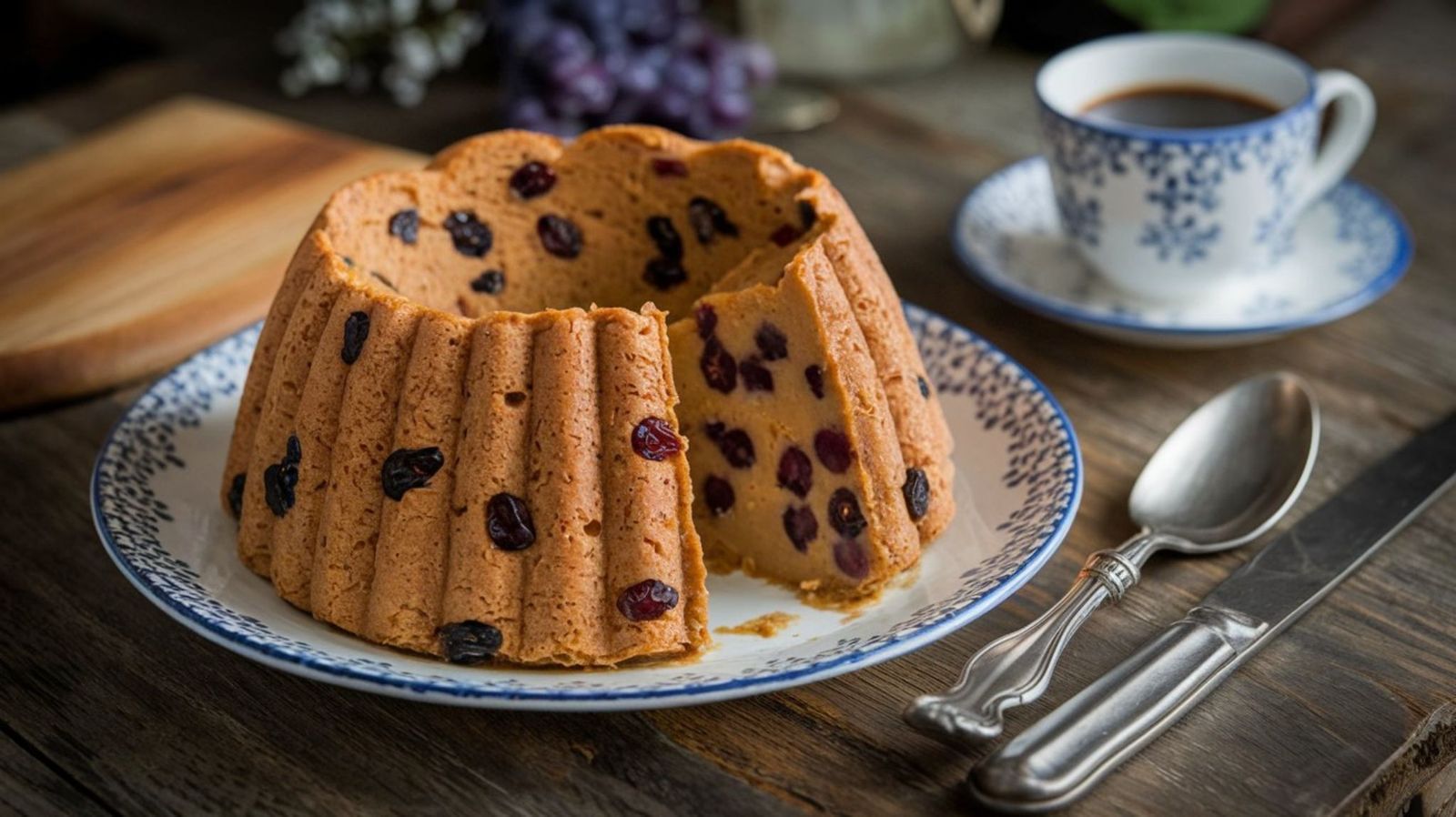
Despite its name, Spotted Dick is a completely innocent dessert. It’s a traditional British steamed pudding packed with dried fruits like raisins and currants, usually served on top of warm vanilla custard.

The confusion lies in old regional dialects. The "spotted" part describes the dark raisins peeking out of the dough. "Dick," on the other hand, was a 19th-century dialectal corruption of the words pudding or dough (likely evolving from dough to dook to dick).



Deathbed statements

Beyond the grave: Take a look at the last words of 12 famous people


Published on August 1, 2026


Image: Daderot, CC0, via Wikimedia Commons

Throughout history, hundreds of historical figures have left their mark on the world through their marvelous achievements. When their lives came to an end, their last words were often a reflection of their lives and ideals. From George Washington and Mark Twain to Frank Sinatra and Leonardo Da Vinci, in this article, we will reveal 12 final words of memorable personalities.

1

George Washington

Image: The New York Public Library

After serving two terms as the United State's first president, George Washington retired to his Virginia plantation. In mid-December 1799, he developed a cold and a severe sore throat. Despite doctors' efforts to cure him, the end was imminent.

His long-time secretary, Tobias Lear, was at his side during his last days and documented all the events that transpired, including the former president's last words. According to his account, shortly before he took his last breath George Washington said "Tis well" —an old-fashioned way of saying "everything is okay."

2

Humphrey Bogart

Image: Signal Corps Archive from United States, Public domain, via Wikimedia Commons

Noir icon of perpetual elegance and rebellious charisma, Humphrey Bogart is an undisputed legend in cinema history. A Hollywood Golden Age star, Bogart is still remembered today for his scar on his upper lip, his everlasting cigarette, and his perfect portrayal of gangsters and detectives.

At the age of 57 Bogart was diagnosed with esophageal cancer, for which he was hospitalized for several months. According to lore, the legendary star's last words were "I should never have switched from scotch to martinis." However, his wife Lauren Bacall confirmed that the last thing he actually said was "Goodbye Kid. Hurry back," before she left his bedside to get their children.

3

Mark Twain

Image: Miscellaneous Items in High Demand, PPOC, Library of Congress, Public domain, via Wikimedia Commons

As one of the greatest American writers of all time, Mark Twain is usually credited with all sorts of great quotes that he often didn't say. For that reason, there are different versions of what his last words were before he died in 1910 at the age of 74.

The most plausible theory can be found in an article published one day after his death. According to this chronicle, Samuel Langhorne Clemens' last words were not spoken aloud but written. The famous humorist and essayist reportedly wrote to his daughter Clara, who accompanied him on his bedside, "Give me my glasses."

4

Joan Crawford

Image: MGM, Public domain, via Wikimedia Commons

Joan Crawford, the Oscar winner for Mildred Pierce and one of the greatest stars of Hollywood's golden age, died in 1977 of a heart attack.

The actress, who had a complicated personality, was true to her nature until her last breath. She was so ill that her doctor felt it wasn’t worth taking her to the hospital. One of her nurses began to pray aloud in desperation. Losing her patience, Crawford snapped for the last time and said, "Damn it... Don't you dare ask God to help me."

5

Marco Polo

Image: Municipal Library of Trento, CC0, via Wikimedia Commons

The year 2024 marked the 700th anniversary of the death of the man who better described remote lands. Marco Polo was a merchant who spent more than 20 years of his life traveling through the Orient and wrote about his adventures in a book that became a bestseller when the printing press wasn’t even invented.

Marco Polo was, and still is, a legend. When, on his deathbed, his wife and friends begged the brave explorer to confess if what he had told in the book was true, he barely whispered: "I have not told the half of what I saw and did."

6

Groucho Marx

Image: MGM, Public domain, via Wikimedia Commons

Julius Henry Marx, better known as Groucho Marx, is considered one of the most influential comedians of all time. The man with the bushy black mustache was one of the Marx Brothers. Together they made 13 films, including the classic Duck Soup. After a long and prominent career, Groucho passed away in Los Angeles in 1977 at the age of 86.

His brilliant one-liners are still remembered and replayed to this day, so it is not surprising that not one but several final words are attributed to him. A few close friends have suggested that his last line was "This is no way to live!", while most suggest that his last words were in fact dedicated to his wife: "Die, my dear? Why, that's the last thing I'll do!"

7

Voltaire

Image: Nicolas de Largillière, Public domain, via Wikimedia Commons

Voltaire, the French writer, philosopher, historian, and lawyer, one of the major figures of the Enlightenment, died in 1778 at the age of 83. Different accounts of his deathbed make it impossible to determine exactly what his last days were like.

One of these stories, however, is consistent with his ideas about God and his well-known criticism of the Church. According to this version, when the priest asked him if he wanted to renounce Satan before he died, Voltaire replied, "This is no time to make new enemies."

8

L. Frank Baum

Image: William Wallace Denslow, Public domain, via Wikimedia Commons

L. Frank Baum was a prolific American author. He wrote 55 novels, 82 short stories, and more than 200 poems. However, his most memorable work is his series of children's fantasy books The Wonderful Wizard of Oz.

On May 5, 1919, Baum suffered a heart attack. He died the next day, shortly before his 63rd birthday. Disturbed by the imminence of death, he whispered to his wife: "Now we can cross the Shifting Sands," a clear reference to the Land of Oz.

9

Augustus

Image: National Archaeological Museum of Athens, CC0, via Wikimedia Commons

Augustus, the first Roman emperor, is often attributed with the phrase: "Behold, I found Rome of clay, and leave her to you of marble," alluding to the great infrastructural works carried out during his prosperous 40 years of rule.

However, according to other historical accounts, his last words were addressed to the friends who stayed with him on his deathbed: "Have I played the part well? Then applaud, as I exit."

10

Frank Sinatra

Image: English: Distributed by NBC. Photographer unknown., Public domain, via Wikimedia Commons

"Darling, you've gone through worse and you can beat this too. You have to fight," implored Barbara Marx, Frank Sinatra's fourth wife, to her beloved on his deathbed. "I'm losing," The Voice whispered through teary eyes.

Barbara recounted the last hours of the singer of such hits as My Way and New York, New York in her memoir Lady Blue Eyes: My Life With Frank. Frank Sinatra, one of the most popular entertainers of the mid-20th century, pronounced his last words in 1998 at the age of 82.

11

Leonardo Da Vinci

Image: Jean-Auguste-Dominique Ingres, CC0, via Wikimedia Commons

Despite being one of the most famous artists of the Renaissance, Leonardo da Vinci was very hard on himself. All his life he challenged his own limits, evident in his paintings and sculptures as well as in his inventions, some of which were truly revolutionary.

Even after a lifetime of success, he wasn’t quite satisfied. When he suffered a stroke at the age of 67, he sent for a priest to receive the Holy Sacrament and, according to historians, his greatest regret was that he hadn’t achieved excellence with his work. In that sense, it is said that his last words were: "I have offended God and mankind because my work did not reach the quality it should have."

12

Joe DiMaggio

Image: National Museum of Health and Medicine, Public domain, via Wikimedia Commons

The Yankee Clipper was one of the greatest baseball players of all time but he is also known for having been married to the iconic American actress Marilyn Monroe. Joe and Marilyn were together for less than three years. In 1955 the actress left him for American playwright Arthur Miller.

DiMaggio was devastated. He never married again, and never got over his one true love. His last words before he died in 1999 at the age of 84 were: "I'll finally get to see Marilyn."

Looking for an extra scoop of literary fun?

Learn more with our Word of the day

nascent

/ˈneɪs(ə)nt/