Dutch Baby, anyone?

A Dutch Baby is not made with babies. Then, why is it called that way?


Published on June 28, 2026

Image: Pixel-Shot

English is full of food names that sound completely straightforward. There is not much mystery about what a stuffed tomato or a grilled chicken is. But that is not always the case. Some names refer to ingredients that disappeared centuries ago. Others are jokes that somehow became official names. Take a look at these 10 food names that seem to describe a completely different product from the one they represent.

1

Mincemeat

Image: OlgaBombologna

If you’ve never tasted mincemeat, you might assume it contains finely chopped meat. Historically, that assumption would have been correct. Medieval English cooks mixed minced beef, mutton, or venison with dried fruits, spices, and sugar to create rich pies.

Over time, the meat gradually vanished from most recipes. Modern mincemeat is usually made from raisins, currants, apples, citrus peel, spices, and sometimes even brandy. Despite containing little or no meat today, the name survived.

2

Sweetbread

Image: redzen2

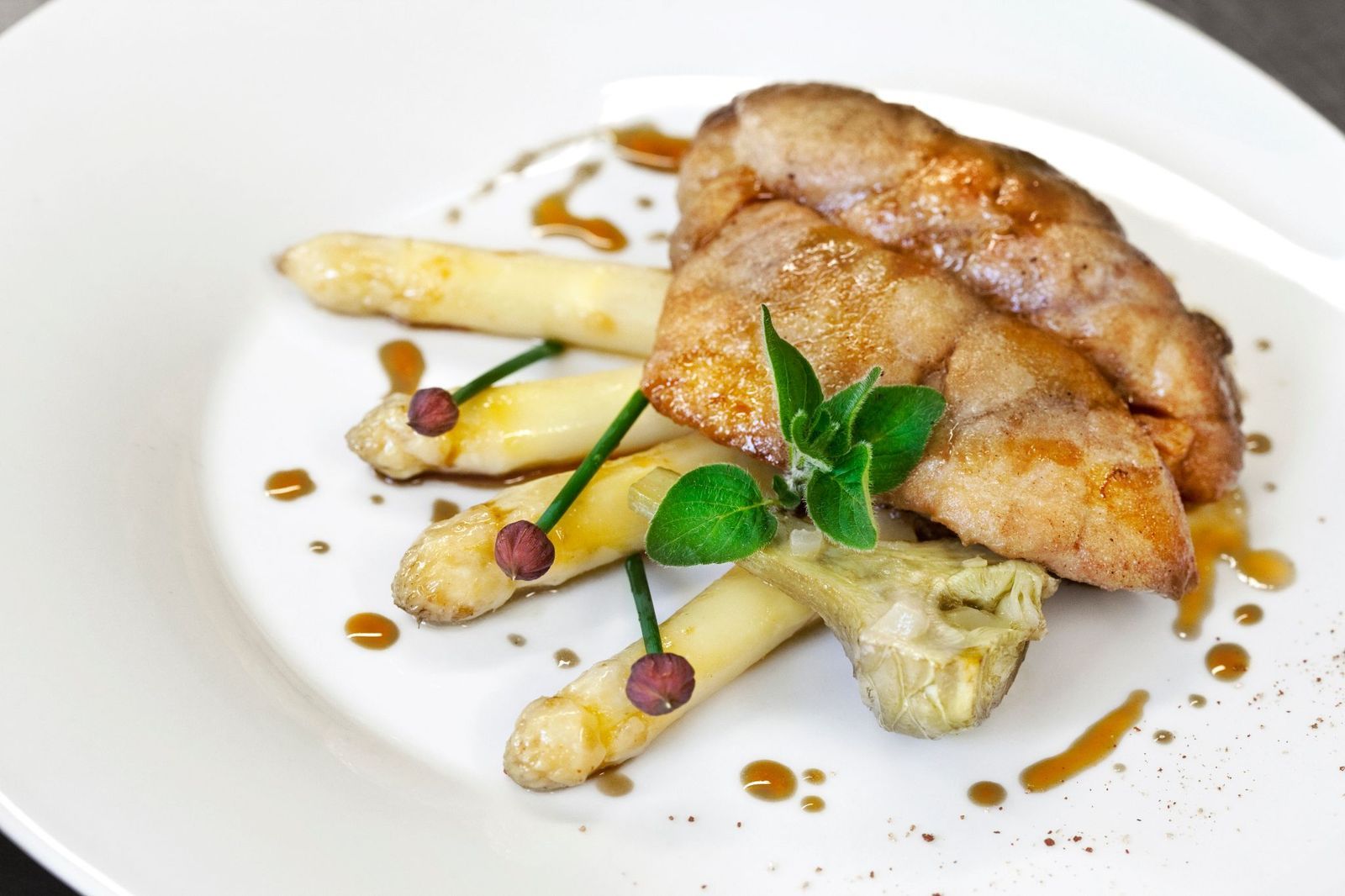
Sweetbread sounds like a bakery item, perhaps a sugary loaf or a pastry. In reality, it is neither sweet nor bread. The term refers to the thymus gland or pancreas of a young calf or lamb.

Sweetbreads have long been prized in French and European cuisine for their delicate texture and mild flavor. Food historians are not entirely sure where the name originated, but it has appeared in English culinary records for centuries. It remains one of the most misleading names in the culinary world.

3

Black pudding

Image: Nima Naseri

Many Americans hear the word "pudding" and think of dessert. Black pudding is something entirely different. It is a type of blood sausage traditionally made from pork blood, fat, and oats or barley.

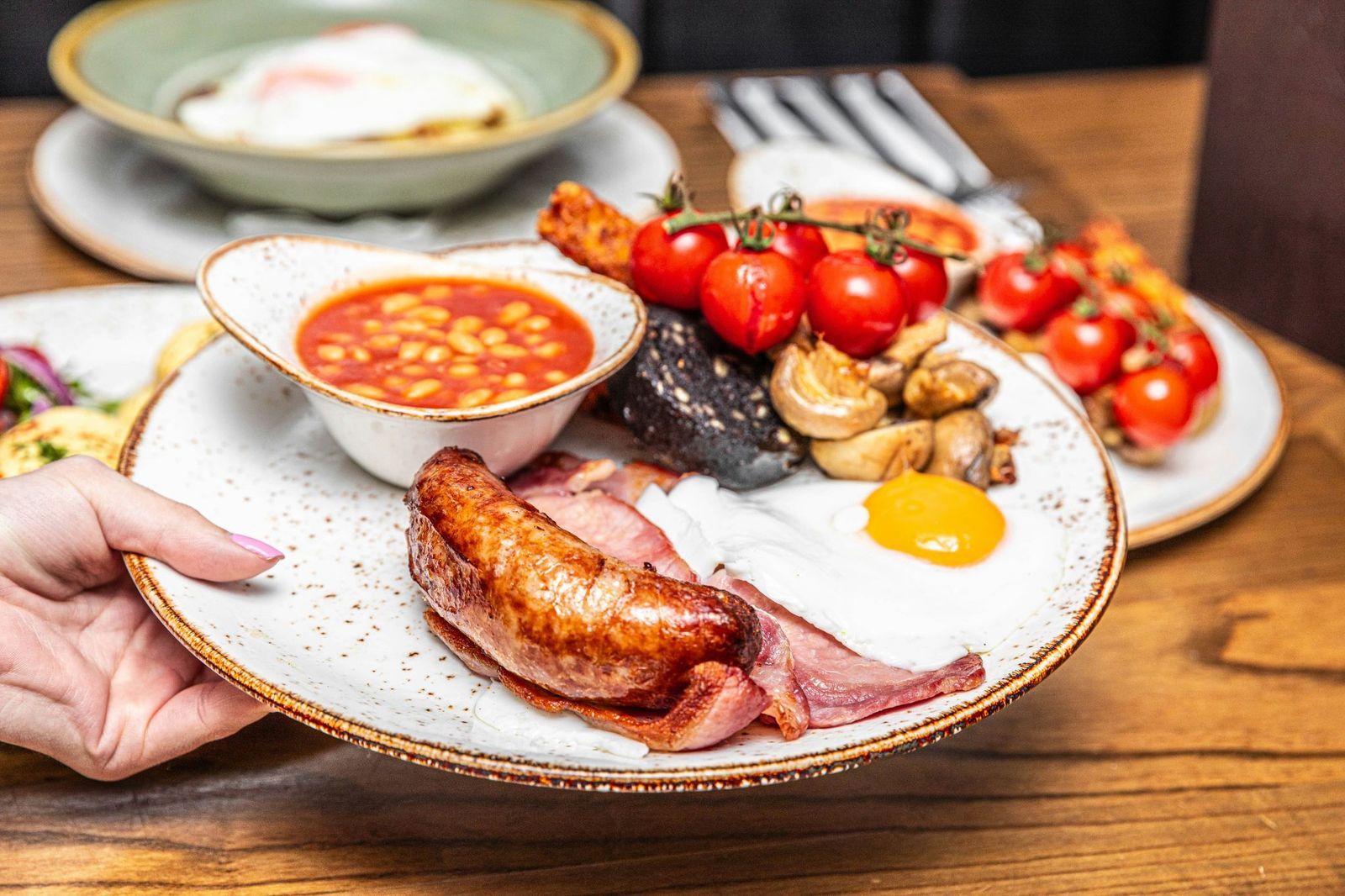
The dish has been eaten throughout Britain and Ireland for hundreds of years and remains a classic component of a traditional full breakfast. The word "pudding" once had a much broader sense than it does today, which helps explain why a sausage ended up with that name.

4

Welsh Rabbit

Image: Foodgraphy39

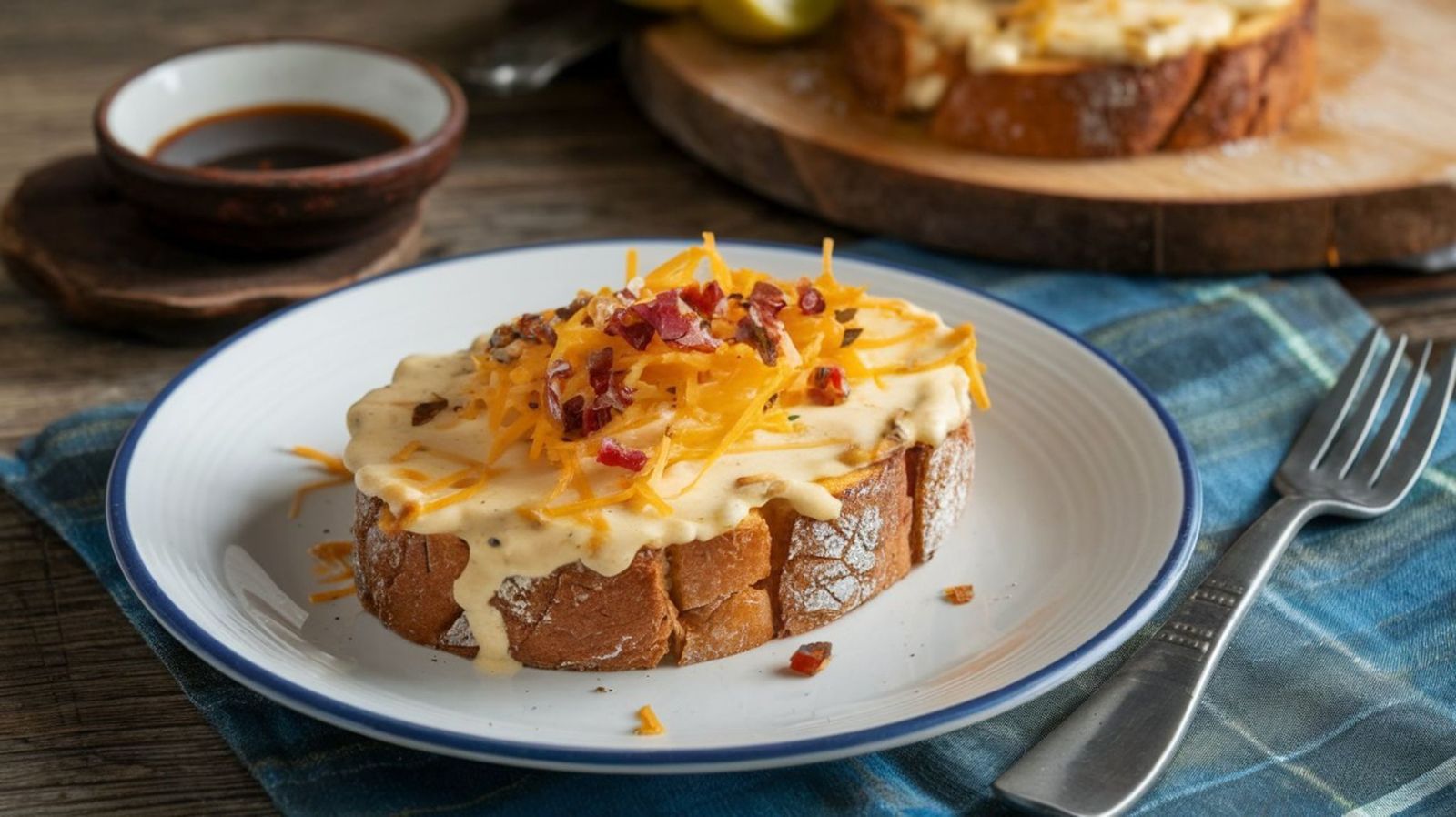
A person ordering Welsh Rabbit for the first time might reasonably expect rabbit meat. Instead, the dish consists of toasted bread topped with a savory sauce made from melted cheese, often flavored with mustard or ale.

The name appeared in print by the early eighteenth century. At some point, people began calling it "Welsh Rarebit," possibly because diners were confused by the complete absence of rabbit. Despite the newer name, many historians consider Welsh Rabbit the original and more authentic term.

5

Ladyfingers

Image: WS-Studio

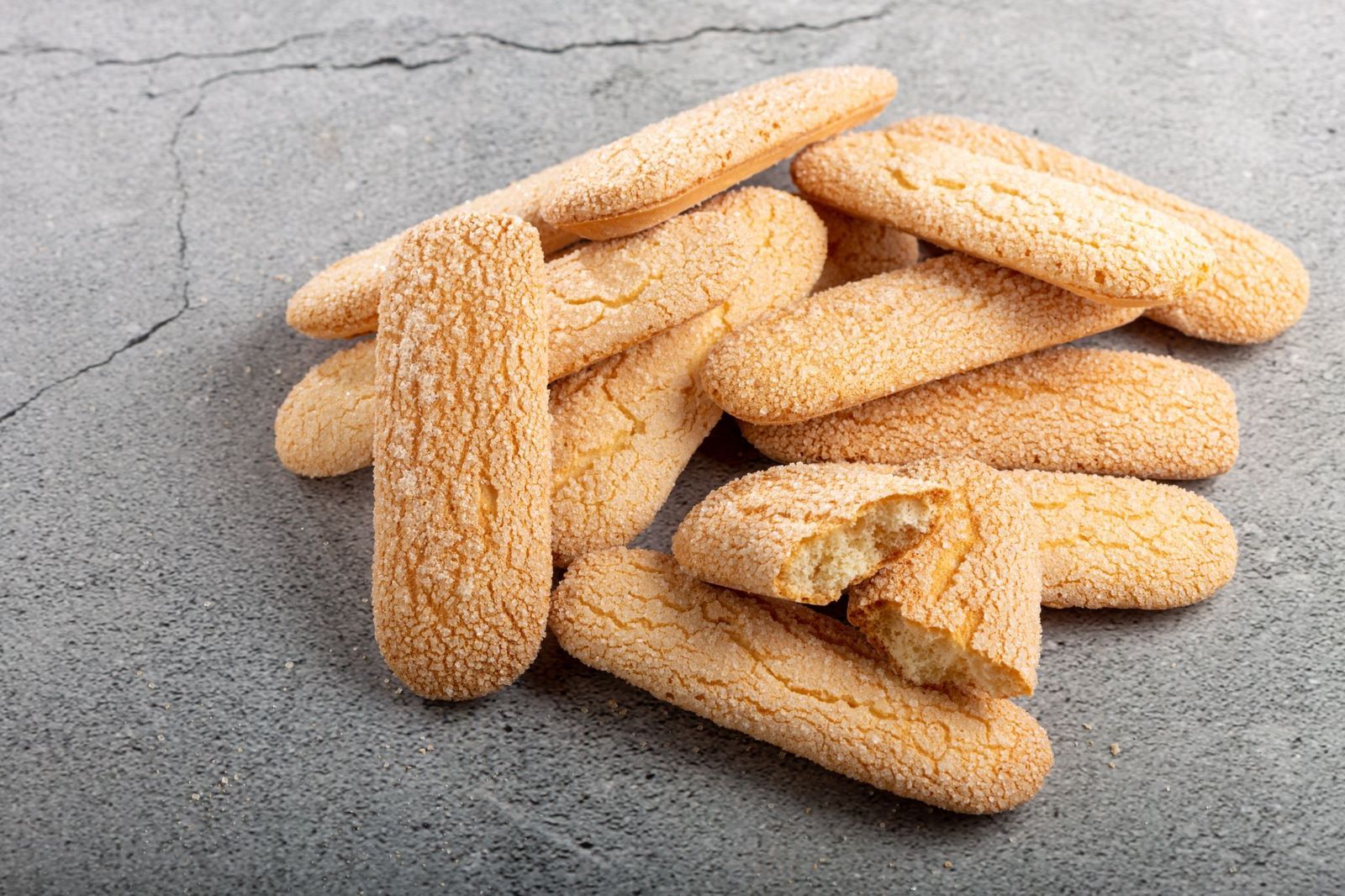
Ladyfingers are delicate sponge biscuits often used in desserts such as tiramisu and charlotte cakes. Their elegant name has nothing to do with a person and everything to do with appearance.

The cookies originated in the Duchy of Savoy, a region that once stretched across parts of modern France and Italy. Their long, slender shape was thought to resemble graceful fingers, giving rise to the name.

6

Bombay duck

Image: Akella Srinivas Ramalingaswami

Bombay duck sounds like a poultry dish from India. But it is actually a fish. Specifically, it is Harpadon nehereus, a species commonly found in the waters of the Arabian Sea.

The fish is especially associated with Mumbai, formerly known as Bombay. One popular explanation traces the name to the old "Bombay Daak" mail train, which reportedly carried the strongly scented dried fish across India.

7

Egg cream

Image: Brent Hofacker

The classic New York egg cream contains neither eggs nor cream. Traditionally, it is made with milk, chocolate syrup, and carbonated water, creating a frothy drink that became famous in Brooklyn and Manhattan.

The beverage emerged in immigrant neighborhoods during the late nineteenth and early twentieth centuries.

8

Mock turtle soup

Image: Dar1930

During the eighteenth century, turtle soup became a fashionable dish among wealthy diners in Britain. Real turtle meat, however, was expensive and difficult to obtain. Enter Mock Turtle Soup.

Cooks developed a less costly alternative using a calf’s head and other ingredients to imitate the flavor and texture of turtle soup. The imitation became so well known that Lewis Carroll included a Mock Turtle character in Alice’s Adventures in Wonderland in 1865, helping preserve the name in popular culture.

9

Dutch baby

Image: sheri silver

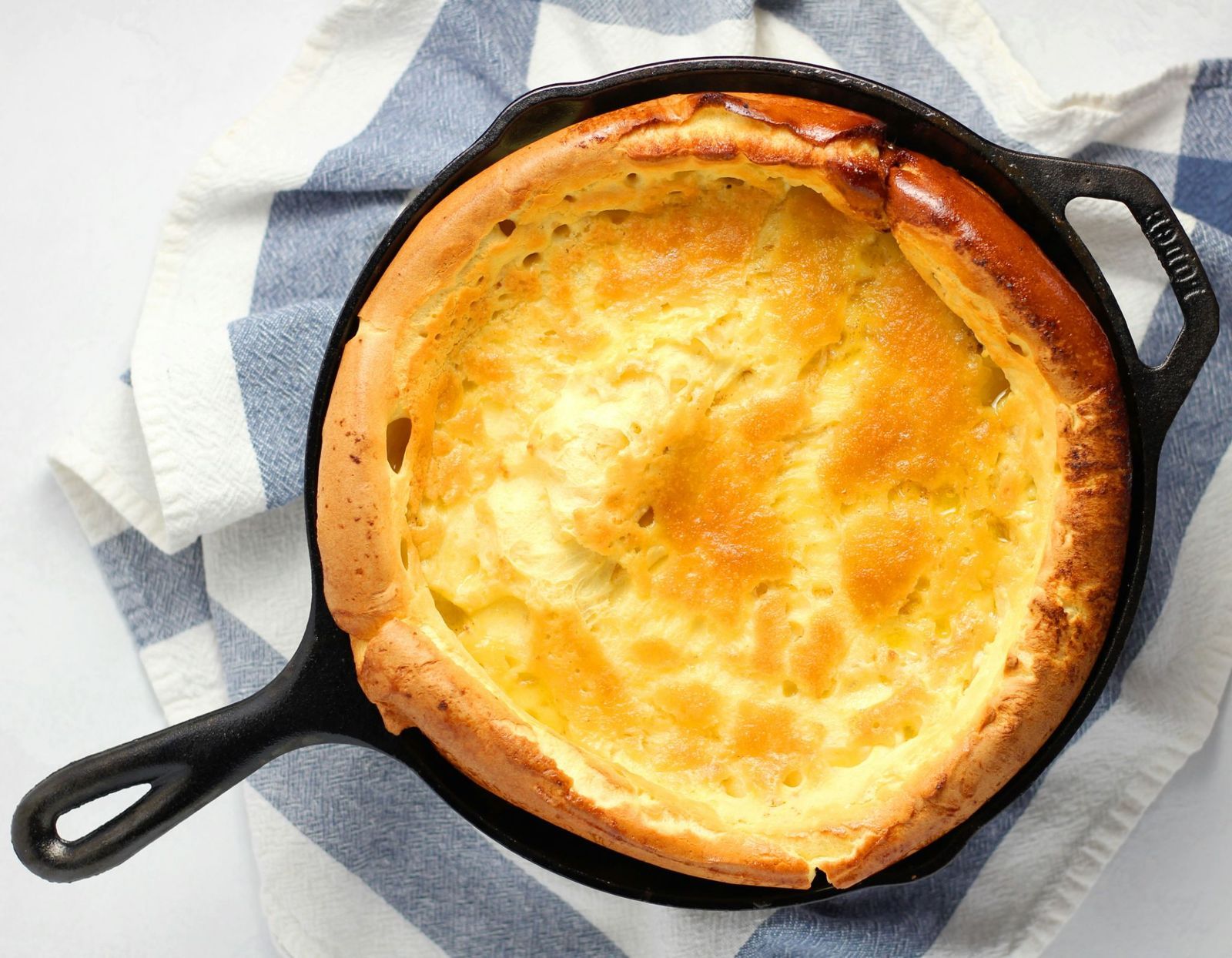
A Dutch Baby is a large baked pancake that puffs dramatically in the oven before settling into a bowl-like shape. Despite its name, it’s not Dutch.

Most food historians trace the dish to German pancake traditions. The name likely emerged from a misunderstanding of the word Deutsch, meaning German. The recipe became especially popular in the U.S. during the early twentieth century.

10

Angels of horseback

Image: Maren Winter

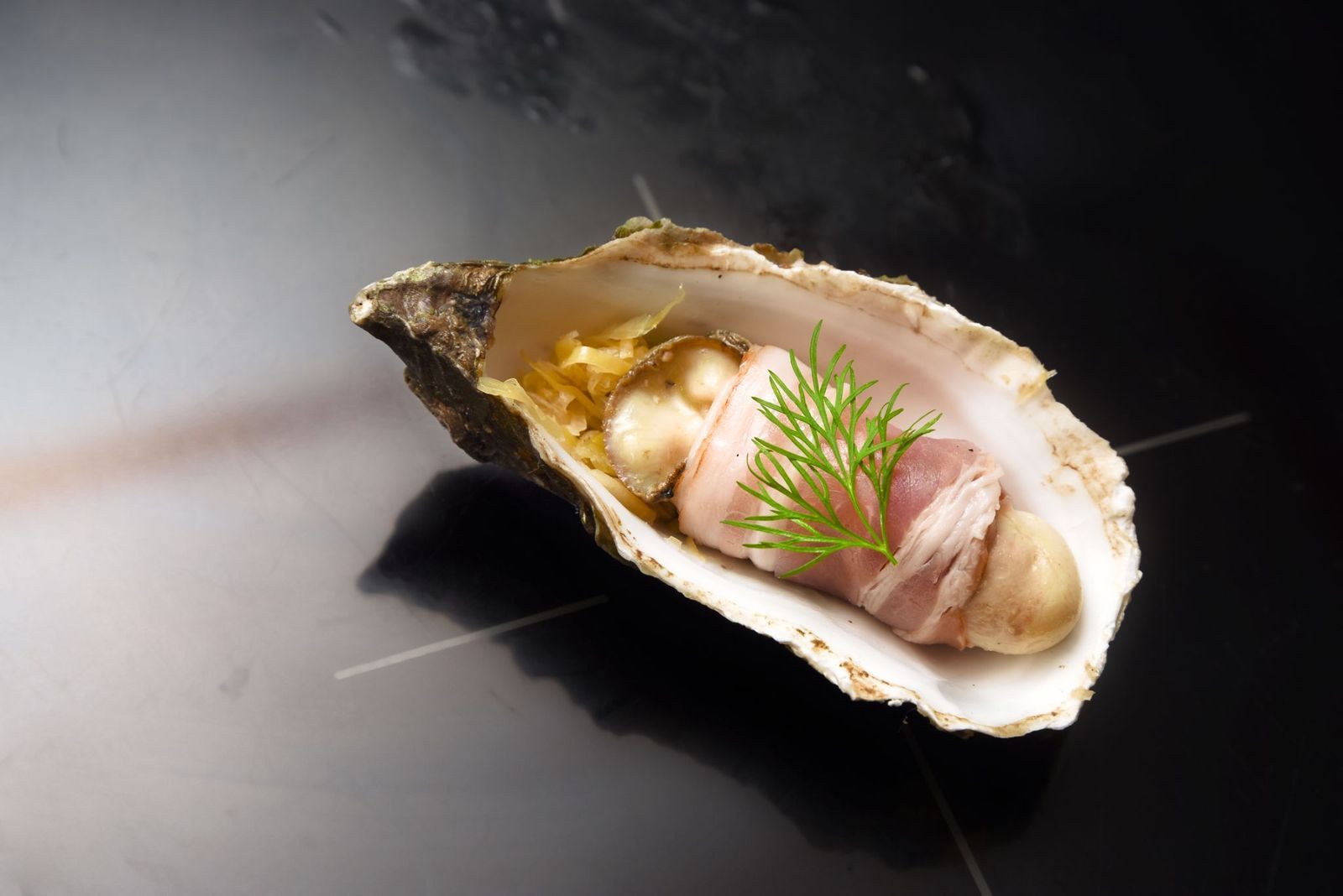
No angels or horses were harmed in the making of this classic British appetizer. The dish consists of oysters wrapped in bacon and then grilled or broiled until crisp.

Angels on Horseback became popular during the Victorian era and was often served at formal dinners. It even has a culinary counterpart called Devils on Horseback, which typically substitutes dried fruit such as prunes for the oysters.


Hospital secrets

What is a "Code Gray" and what you should know if you hear it at the E.R.


Published on June 28, 2026


Image: voronaman

A trip to the emergency room can be stressful enough without hearing doctors and nurses speak a language that sounds like a secret code. One minute, someone is asking for medication "STAT," the next there’s a "Code Gray," and another patient is suddenly "NPO." What do those words really mean? Some are official medical terms, others are insider slang, but they all help hospital staff communicate quickly when every second counts. Here are 10 of those codes explained.

1

Code Gray

Image: PeopleImages

The E.R. can be hectic and unpredictable. Most patients are frightened or uncomfortable, but now and then someone becomes aggressive because of pain, confusion, mental illness, or the effects of alcohol or other substances. That’s when you can hear "Code Gray" announced over the speakers.

The code is used to summon security officers to help manage a violent or combative situation. While color codes vary from one hospital to another, Code Gray commonly signals that staff needs extra assistance to protect patients, visitors, and healthcare workers. Even if you know it now, most people in the waiting room never know what happened, and that’s exactly the point.

2

NPO

Image: PeopleImages

You have a scheduled surgery, you’re in your bed waiting to be taken to the surgery room, and you ask for a cup of coffee to make the wait lighter. The nurse will probably tell you you’re an NPO. You may think it’s serious, but it’s simply a procedure.

"NPO" is an abbreviation that comes from the Latin phrase Nil Per Os, which means "nothing by mouth." It tells patients they cannot eat, drink, or sometimes even take medication until doctors say it’s safe. The rule is most common before surgery or certain medical tests, when food or liquids could increase the risk of complications or alter the results. It may be frustrating, but it’s an important part of keeping patients safe.

3

STAT!

Image: PeopleImages

You’ve probably been through the experience of visiting an emergency room, either to get checked or to visit a loved one. In that part of the hospital where everyone is rushing to save lives, you’ve probably heard a doctor asking for the R.C.P. cart or medication "STAT!" It sounds urgent, and that's because it is.

The expression comes from the Latin statim, which means "immediately" or "without delay." Hospitals have used Latin medical terms for centuries, but STAT is one of the few that remains part of everyday conversation. When a doctor says it, the request jumps to the top of the priority list. It doesn’t always refer to a life-or-death situation, but it does mean the medical team needs something done as quickly as possible.

4

Code Pink

Image: Vladimir Tretyakov

Newborns are always a reason to celebrate at the hospital. Parents usually rest happily next to their child as they receive congratulations from close relatives. However, the hospital is always prepared to handle extremely rare emergencies under "code pink."

If you hear a "Code Pink," it usually means a baby or young child is suspected of being abducted from the hospital. Within seconds, security officers respond, exits may be monitored or blocked, and staff begins following carefully rehearsed procedures. Although different hospitals sometimes use different color codes, Code Pink has become widely recognized across North America as one of the most serious alerts a hospital can issue.

5

Walkie-talkie

Image: Arunporn Thanapotivirat

If you’ve ever spent a few days in the hospital, you’ve probably noticed that some patients are walking up and down the halls, while others need help just getting out of bed. When a nurse refers to someone as a "walkie-talkie," it’s actually good news.

This informal expression refers to patients who can walk on their own, use the bathroom without assistance, and handle most basic tasks independently. It’s not an official medical term, of course, but it’s commonly used among healthcare workers because it quickly tells the next shift that the patient requires less hands-on care than many others.

6

Total

Image: sebra

As nurses change shifts, you’ll often hear them give a quick report about each patient. One person may only need medication, while another is described as a "total."

The term is short for a patient who requires total care. They may need help eating, bathing, getting dressed, turning in bed, or moving from one place to another. Although the expression sounds impersonal, it’s simply a practical way for caregivers to communicate how much assistance someone needs.

7

Frequent flyer

Image: Studio Romantic

Most people hear "frequent flyer" and think of an airline reward program. And that’s correct, but in an emergency room, the phrase has a very different meaning.

A frequent flyer is an informal nickname for patients who repeatedly return to the hospital, often due to chronic illness, recurring medical conditions, or other ongoing health issues. Behind the light-hearted nickname is often a difficult reality. Many of these patients are simply dealing with medical problems that require regular emergency care, and the expression is just a way to make the experience a bit lighter among the familiar faces of doctors and nurses.

8

WOW

Image: Studio Romantic

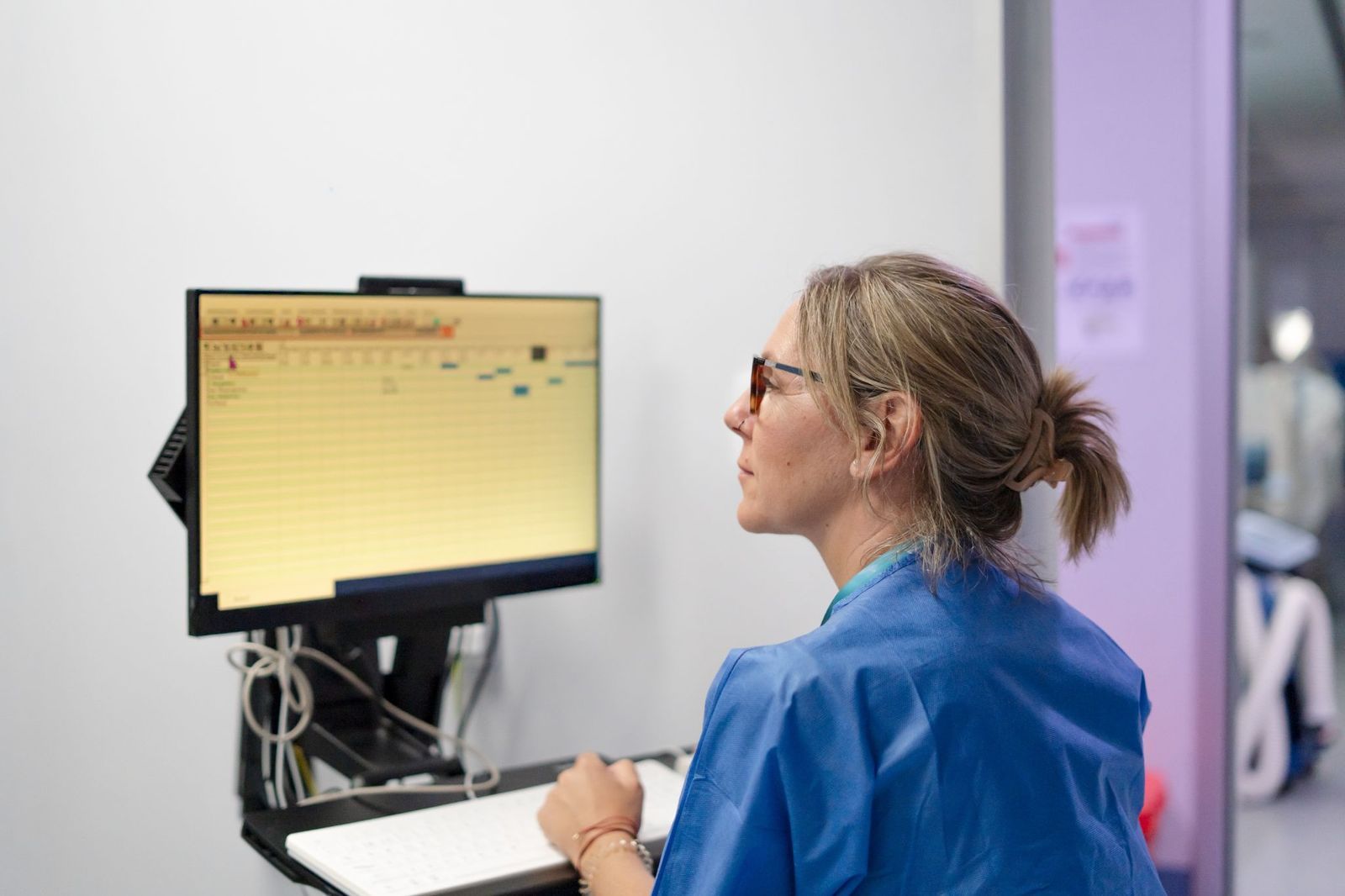
Not all codes are for patients. The next time you’re in a hospital, look closely at what the nurse is pushing from room to room. It may look like a small rolling desk with a computer on top. Staff often call it a "WOW," short for "workstation on wheels."

As hospitals switched from paper charts to electronic medical records, these mobile computers became essential. Nurses use them to review test results, scan medications, update patient charts, and check doctors’ orders without leaving the bedside. The name sounds funny, but the technology helps caregivers spend more time with patients instead of walking back and forth to a nursing station.

9

Sharp container

Image: NMK-Studio

After getting a shot or having blood drawn, most patients never think about where the used needle ends up. It certainly doesn't go into an ordinary trash can.

Hospitals place needles, scalpels, and other sharp medical instruments into special containers designed to prevent accidental injuries. These sturdy, puncture-resistant boxes are sealed when full and safely disposed of in accordance with strict health regulations. This not only protects nurses, but it also protects cleaning crews, waste handlers, and even the public from dangerous needle sticks. It’s one of the most important safety measures in every hospital, even though most patients never notice it.

10

B-52

Image: Photoroyalty

If you’ve ever watched a medical drama, you've probably seen a patient become so agitated that several staff members rush into the room. In situations like that, a doctor or nurse may ask for a "B-52." But the name has nothing to do with numbers themselves; it actually comes from a medicine.

B-52 is hospital slang for a fast-acting injection used to calm down patients who are severely combative or at risk of harming themselves or others. The nickname comes from a commonly used combination of medications that usually include diphenhydramine, haloperidol, and lorazepam. It’s strictly reserved for when other methods of calming the patient haven’t worked.

Looking for an extra scoop of literary fun?

Learn more with our Word of the day

roseate

/ˈroʊziət/