Treasures with a history

Did Romans invent army knives? These things are way older than you think


Published on March 22, 2026
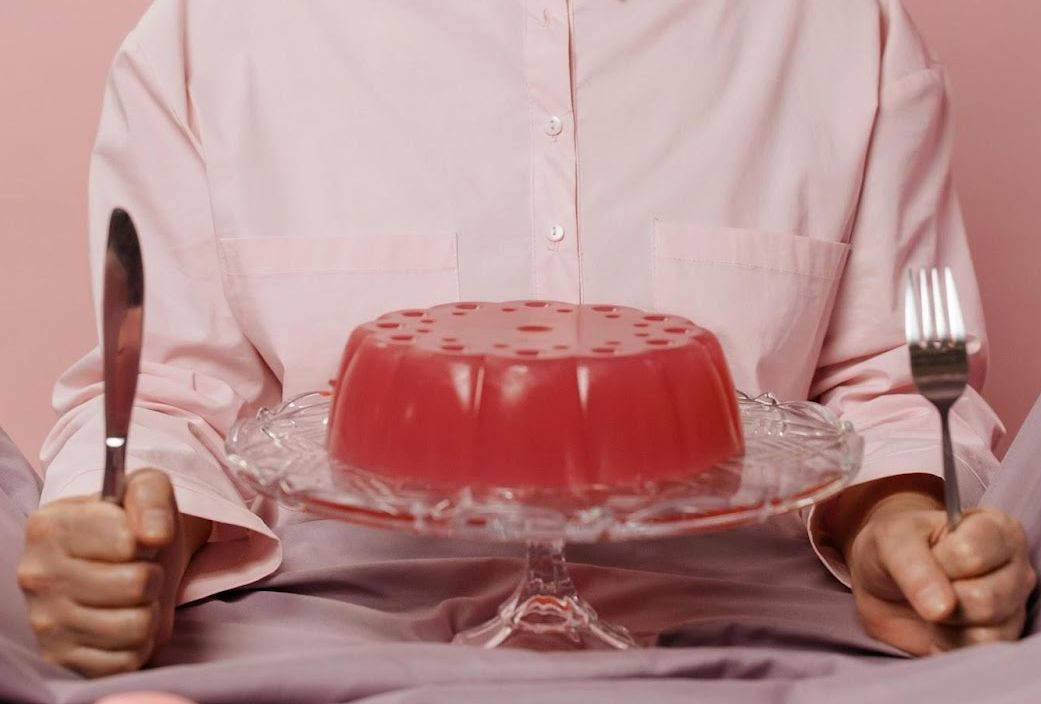

Image: cottonbro studio

Jell-O, Swiss Army Knives, roller skates, lighters… It’s hard to picture these items existing hundreds of years ago, isn’t it? And yet, some of the treasures that make modern life easier have indeed been around, in some cases, for millennia. Read on to learn when these 11 items were actually first invented!

1

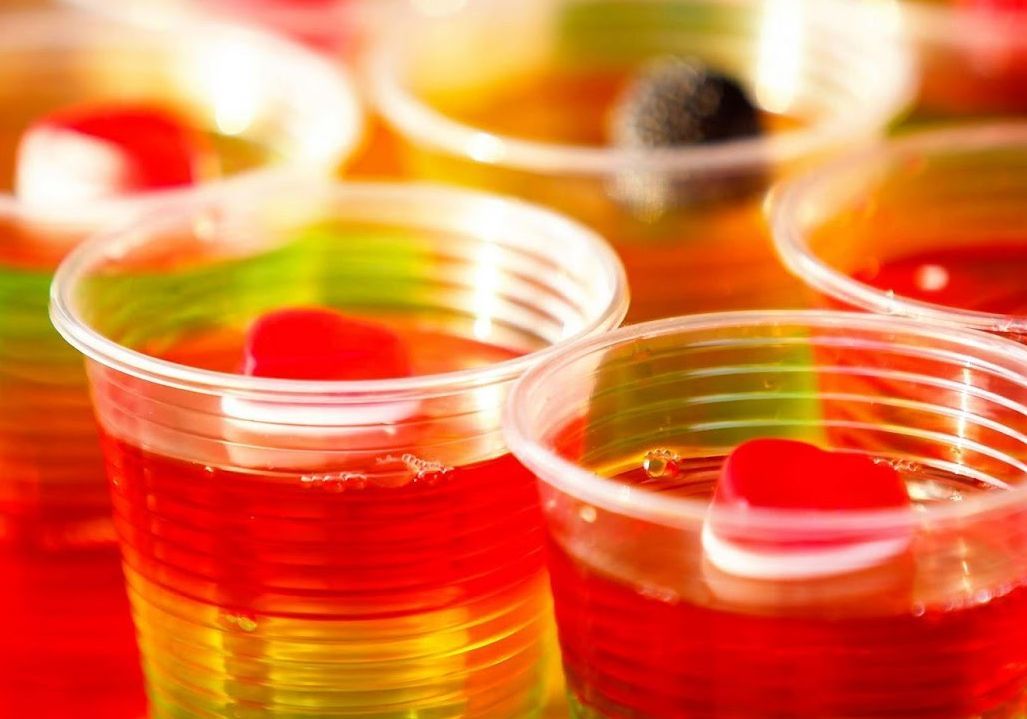
Gelatin

Image: Lena Ti

Gelatin desserts existed centuries before Jell-O! Medieval cooks used boiled animal collagen to make shimmering molds for banquets. The brand Jell-O came in 1897, when Pearl B. Wait in New York flavored powdered gelatin with fruit syrups.

2

Nintendo

Image: Sigmund

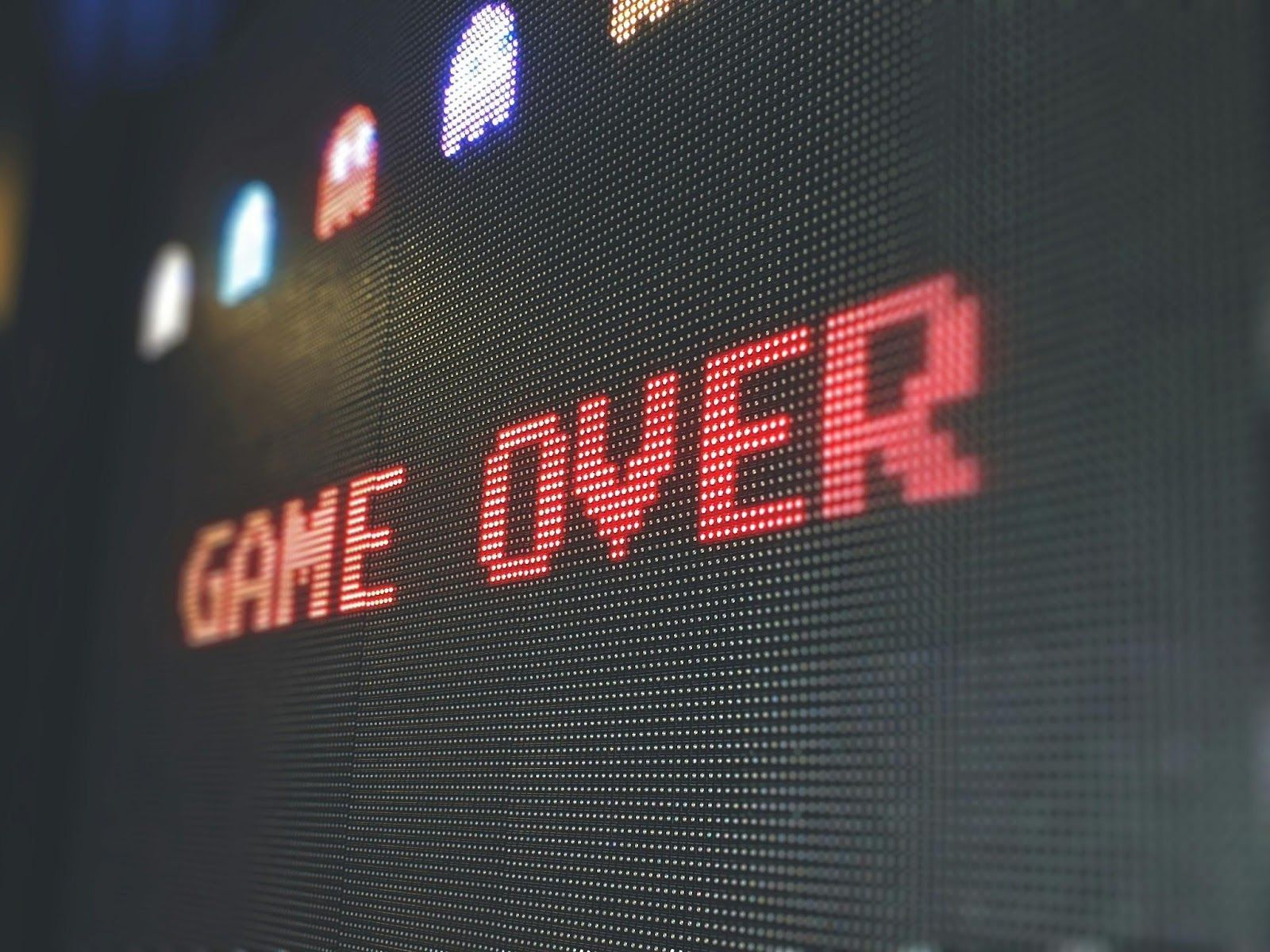
It’s hard to imagine the video game giant existing before electricity. But Nintendo was founded in 1889 in Kyoto as a playing card company. For decades, it produced hanafuda cards, then toys, and only entered electronics in the 1970s.

3

Roller skates

Image: Brittani Burns

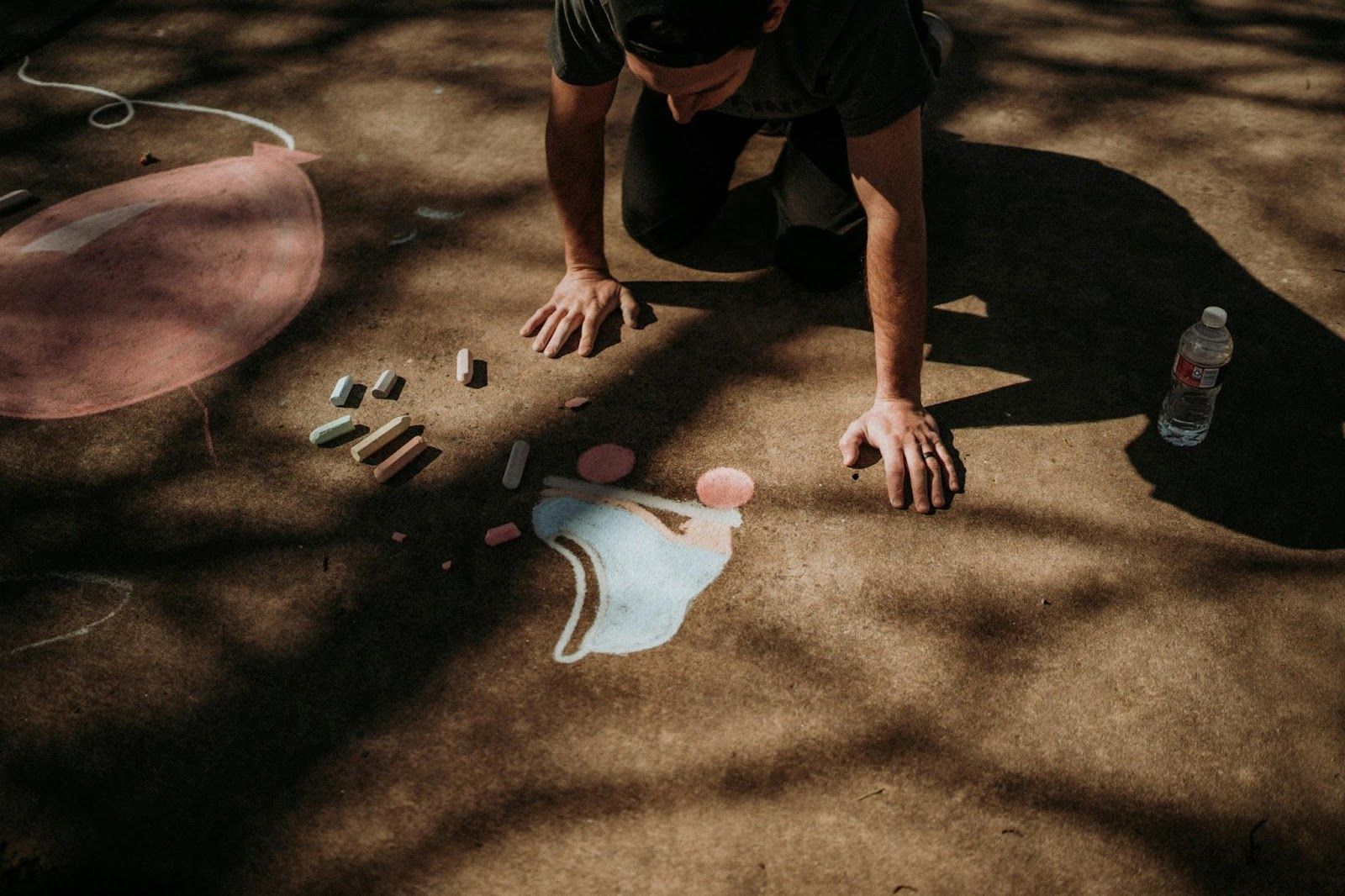
Long before disco rinks or inline blades, a Belgian inventor named John Joseph Merlin assembled the first roller skates in 1760, skating into a London ballroom (and famously crashing). Early versions had fixed metal wheels and very poor steerability.

4

Lighters

Image: Thomas Despeyroux

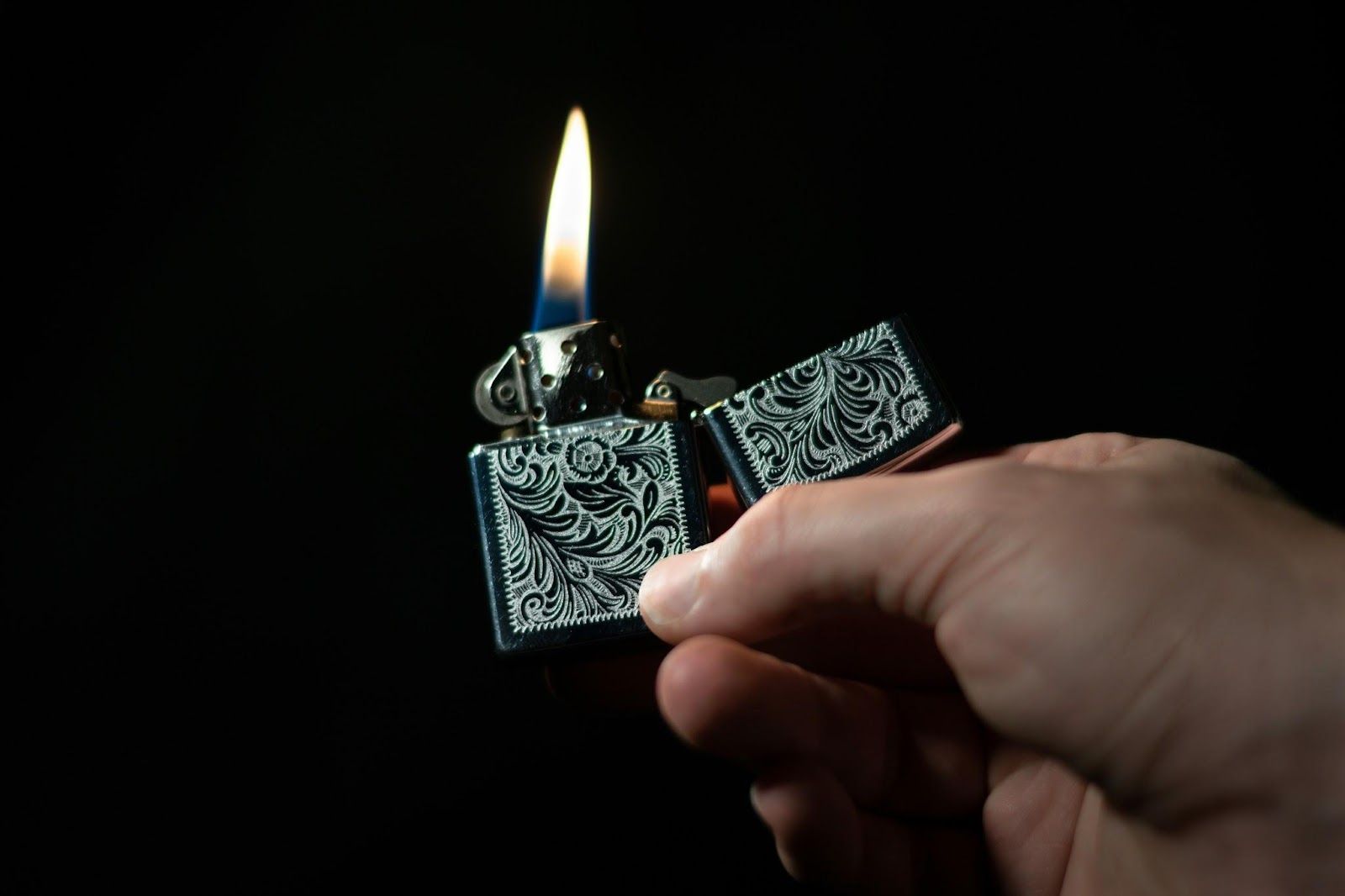
Famously, lighters predate matches. But do you know exactly how long lighters have existed? The first usable one appeared in 1823, invented by a German chemist. The first friction match only appeared 3 years later.

5

"Swiss Army Knife"

Image: Denise Jans

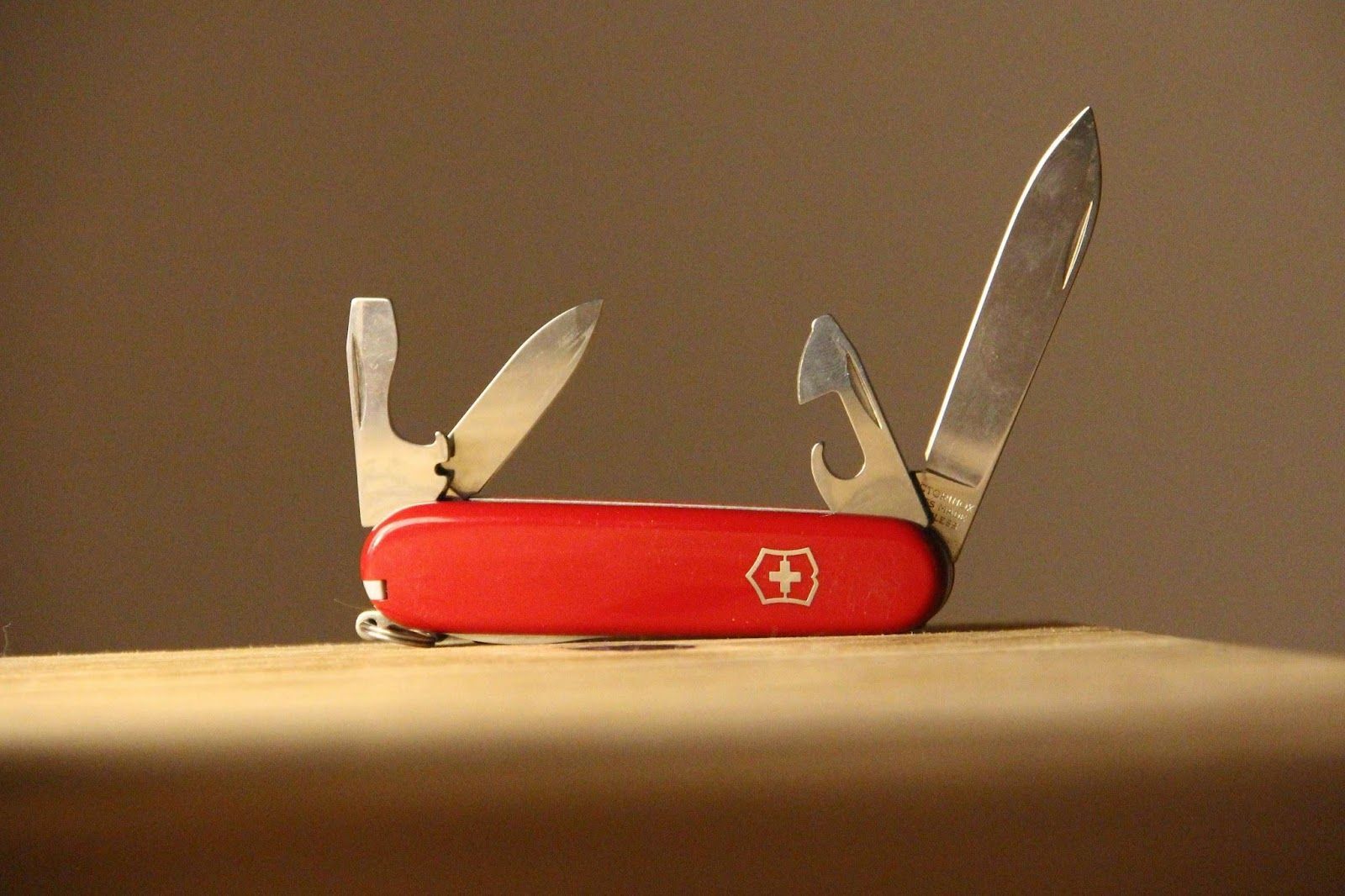
That’s what we call the famous red multi-tool standardized by Victorinox in 1891. But archaeologists discovered a Roman folding tool from around 200 AD made of silver and iron, with knife, spoon, fork, spike, and spatula. It might not have been mass-produced or standardized, but it certainly was there first.

6

Dishwasher

Image: Mohammad Esmaili

We may associate dishwashers with mid-20th-century suburban kitchens, but the first one dates to 1886, when Josephine Cochrane built a hand-cranked model to save her fine china from clumsy servants.

7

Escalators

Image: Teemu Laukkarinen

The 20th century was still far away when the first working escalator was patented. The year was 1859, yet it was introduced at Coney Island only 30 years later—as an amusement ride!

8

The Internet

Image: Leon Seibert

It’s not a thing of the 90s! Its roots go back to 1969, when ARPANET connected four U.S. universities for military-funded research. The web’s 1991 debut by Tim Berners-Lee made it public and visual, hence the illusion that the "Internet" appeared overnight.

9

Concrete

Image: Robert Keane

Do you associate concrete blocks with modernity in your mind? Think again! The Romans used advanced volcanic-ash mixes to build huge, durable structures (like the Pantheon dome or aqueducts). The Ancient Roman techniques even give clues on how to make longer-lasting concrete today.

10

Printing technology

Image: Bruno Martins

We are not talking about electronic printers. Think about the movable type technology: It goes back in history way, way farther than Gutenberg’s system.

Printing with woodblocks and even early movable type existed in China long before the 15th-century European printing that Gutenberg perfected and popularized.

11

Magnetic compass

Image: Mick Haupt

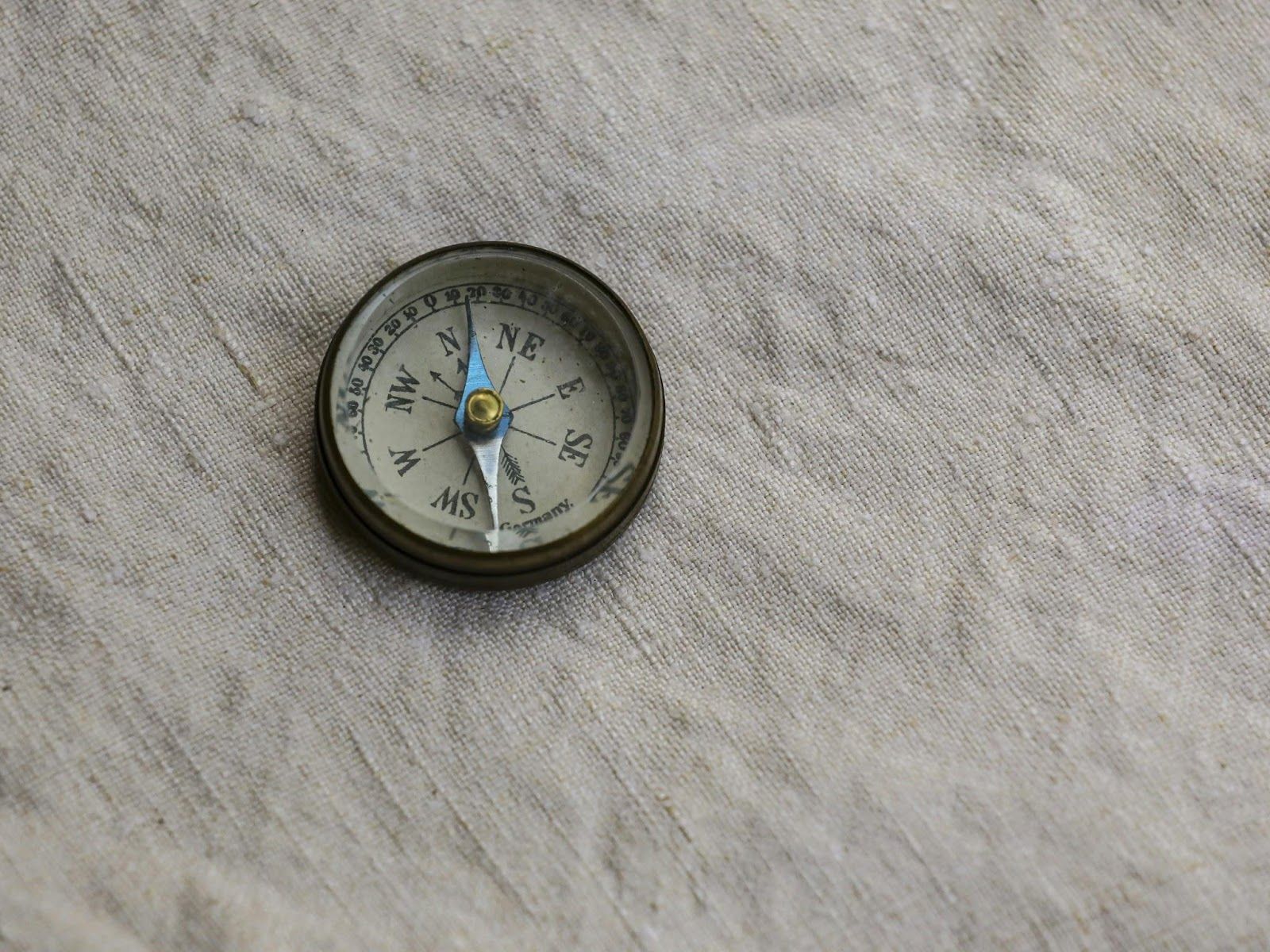
The great ancestor of GPS was probably the magnetic compass used for navigation. The discovery that magnetic force could be used to calculate the position of the poles occurred over 2000 years ago during the Han dynasty, in China.


What science says

It was false after all: 10 health myths that sound true—but aren't


Published on March 22, 2026


Image: Alicja Gancarz

Health myths are everywhere! These ideas were simply passed down for so long that they became part of what we believed. But now science has stepped in to clear things up. Does cold weather make you sick? Can lemon detox your body? Is reading in low light really harmful? Let's uncover the truth behind 10 common health myths!

1

Cutting your hair makes it grow faster

Image: Element5 Digital

Have you ever been told that cutting your hair will make it grow faster? We're sorry to say that's just a myth. Hair grows from the root, not the ends. So, trimming it won't boost growth, though it does help remove split ends that can make your hair look dry or unhealthy.

2

Cold weather causes colds

Image: Thom Holmes

This is one of the most common health myths. Cold weather often gets blamed, but it's not the temperature that makes you catch a cold. During winter, we tend to stay indoors with others and keep the windows closed, an environment that makes it easier for viruses to spread. That's why colds tend to be more common in winter!

3

Eating before bed makes you gain weight

Image: Michelen Studios

The idea that eating before bed automatically leads to weight gain is a myth. In reality, it has more to do with what you eat and how much, rather than the time of day. Often, when we eat very late at night, we're tired and more likely to reach for quick, high-calorie, heavy foods. This can disrupt sleep and lead to consuming more calories than we burn, both of which may affect weight. If it's close to bedtime, it's better to have something light and healthy in a moderate portion than to skip a meal altogether.

4

Wearing glasses weakens your vision

Image: Bud Helisson

Does wearing glasses weaken your vision? Myth! If an eye doctor prescribes glasses, wearing them as directed helps correct your vision; it won't make it worse. Additionally, the right glasses can help prevent or reduce headaches caused by reading or spending long hours in front of a screen.

5

Reading in low light causes permanent eye damage

Image: Amir Balam

This myth is closely related to the previous one. If you love reading and sometimes have to do it in low light because of the situation, don't worry. According to experts, reading in low light doesn't cause permanent or irreversible eye damage. However, it's not recommended because it can make your eyes feel tired or strained, leading to discomfort or headaches.

6

You need to drink 8 glasses of water a day

Image: engin akyurt

We're all different, and so are our bodies. The idea that everyone should drink exactly eight glasses of water a day is more of a general guideline than a rule. Staying well hydrated throughout the day is extremely important, but how much water you need depends on factors like your weight, age, climate, and overall health. We should prioritize staying consistently hydrated instead of obsessing over the number of glasses we drink.

7

Lemon water detox and cleanse your body

Image: Tirza van Dijk

Some people say drinking lemon water helps eliminate toxins and cleanse the body. While adding a slice of lemon to your water is a refreshing way to stay hydrated, it doesn't have any special "detoxifying" powers. The vitamin C in citrus fruits is beneficial, but the body has its own natural detox system. The liver and kidneys are the main organs that filter waste and eliminate toxins.

8

All fat is bad

Image: Aneta Voborilova

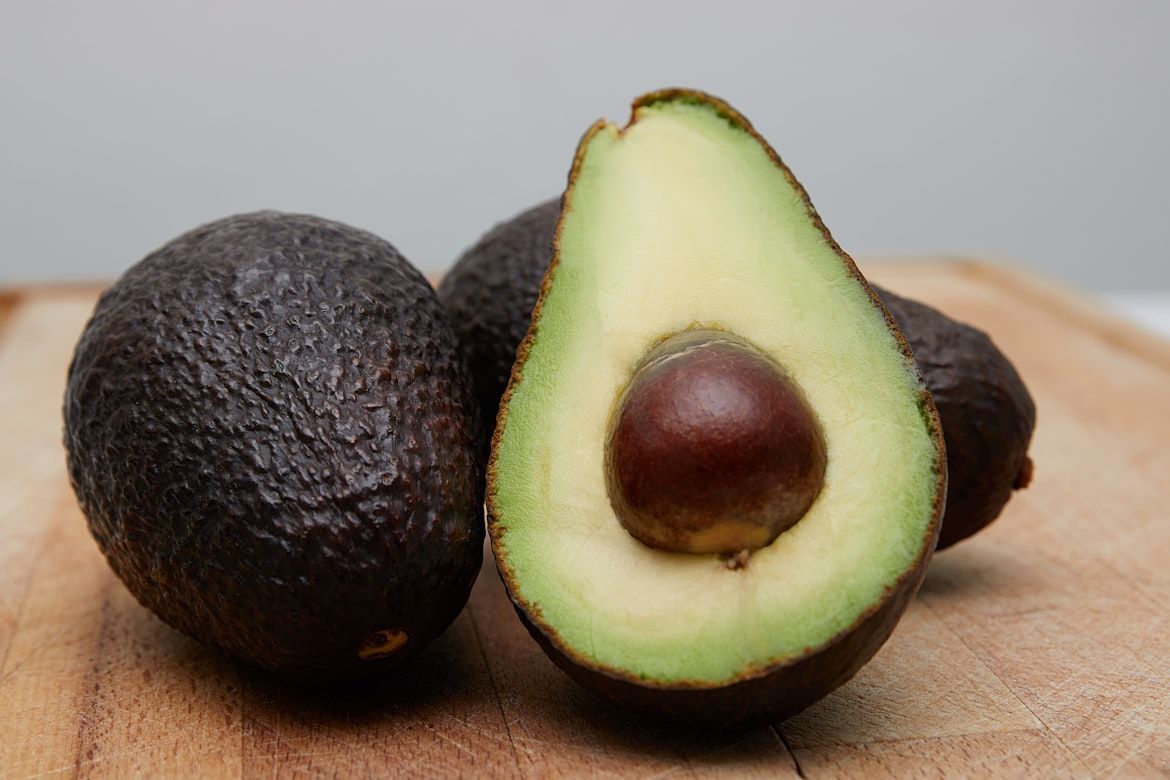
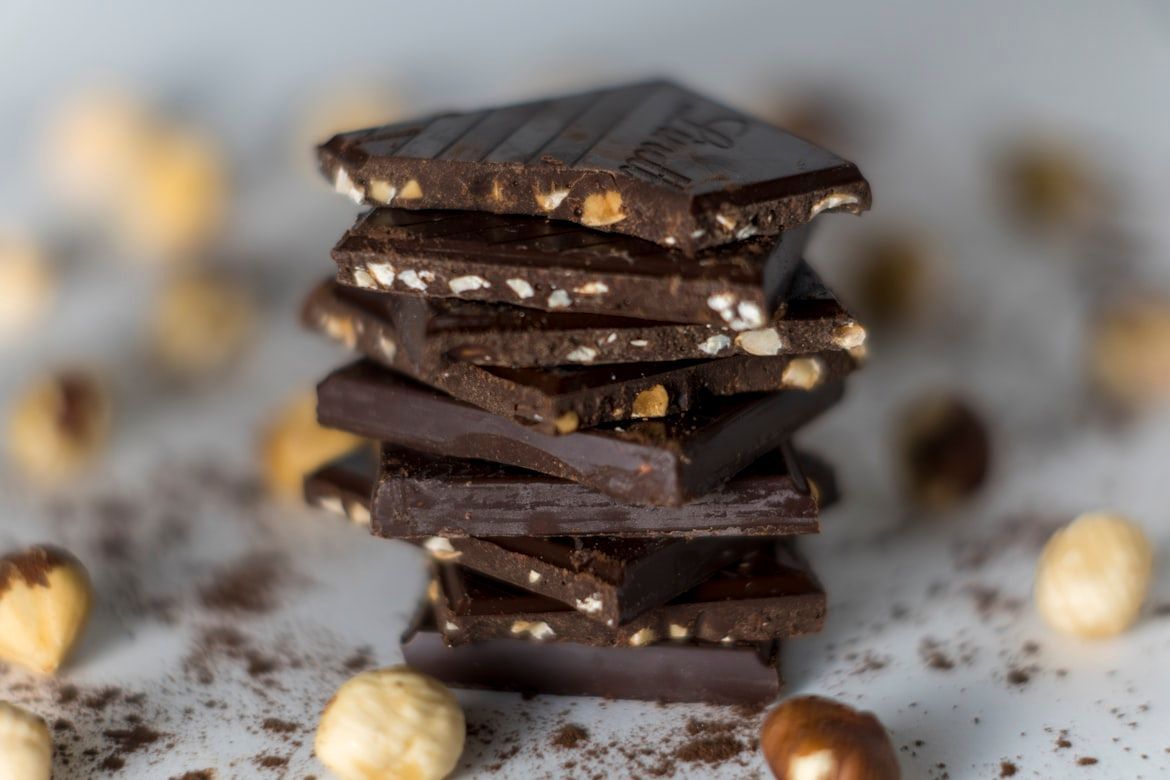
Not all fats are bad! Just like other food groups, your body needs fats to function properly. The important thing is knowing the difference between healthy fats and those that can be harmful. Foods like avocados, seeds, olive oil, fish, and nuts are rich in healthy fats. On the other hand, the fats found in processed or fried foods are the ones that can have a negative impact on your body.

9

Liver disease is always caused by alcohol or fats

Image: Elevate

Liver diseases can be serious. While heavy and frequent consumption of alcohol and fats is a major contributor, it's not the only cause. Liver problems can also result from many other factors. These include viral infections, autoimmune diseases, genetic disorders, high blood pressure, and exposure to certain chemicals.

10

Breakfast is the most important meal

Image: Brooke Lark

There's some truth to it: breakfast is important because it replenishes our glucose and energy levels and supports proper metabolism. However, the idea that it's the most important meal of the day might be an exaggeration. Everyone's body has different needs, and all meals are important, so we shouldn't skip any of them!

Looking for an extra scoop of literary fun?

Learn more with our Word of the day

indolence

/ˈɪndələns/