Big names ahead

Why is the Apple logo bitten? Learn the truth about 12 iconic logos


Published on May 4, 2025


Image: Yucel Moran

A good logo has to communicate what the brand it represents is all about. It should do so in the simplest and most elegant way possible, conveying the brand’s spirit and core concept. The following 12 famous brands have managed to create iconic logos that not only represent them successfully but also include a subtle, partially hidden message. Did you know about any of these?

1

Carrefour

Image: James Orr

The name of the French supermarket chain means "intersection" in its native language. This meaning is clearly reflected in its logo, with its two arrows pointing in opposite directions. Additionally, hidden in the space between the arrows you can see the shape of the letter "C."

2

Amazon

Image: BoliviaInteligente

Amazon’s logo has a ubiquitous online presence. It’s simple, and it has been streamlined over the years. If you’ve ever wondered what the arrow beneath the logo means, take a look at its starting and ending points: it goes from A to Z.

3

Cisco

Image: Zozz_

The name Cisco comes from the common abbreviation of San Francisco, its hometown. The logo portrays the two towers of the Golden Gate Bridge, arranged in a shape that also suggests a sound wave.

4

Apple

Image: Bangyu Wang

Why does Apple’s logo have a bite mark on it? The reason is practical: if there was no bite mark, the smaller versions of the logo—used on a variety of gadgets including the iPhone—might look like a cherry.

5

FedEx

Image: jp26jp

The FedEx logo looks quite normal, but it hides a small detail, overlooked by most: between the second "E" and the "x," the negative space forms a small arrow pointing forward, symbolizing speed and precision.

6

Toblerone

Image: Safwan C K

The triangular Swiss chocolate Toblerone uses the Matterhorn—one of Switzerland’s most iconic mountains—as its logo. But, if you look closely, inside the mountain you can spot the shape of a bear, which is the official symbol of the Swiss town of Bern, the original home of Toblerone.

7

Levi’s

Image: Eduardo Pastor

If you’ve ever wondered what the red logo of the Levi’s brand means, then you should take a look at the stitching on the back pocket of any pair of their jeans—the shape matches perfectly.

8

Wendy’s

Image: Jacob McGowin

If you take a closer look at the neckline of the redheaded girl in the Wendy’s logo, you’ll notice that her shirt collar subtly spells out the word "mom." This detail is meant to evoke the feeling of home-cooked meals, just like something made by your mom.

9

NBC

Image: appshunter.io

The NBC logo is formed by the colors of the rainbow, which represent the colors of modern television. But at the center, you can see the shape of a peacock, with its beak pointing to the right. The colorful shapes around it represent the bird’s spread feathers.

10

BMW

Image: Pablo Martinez

While some people suggest that the two-colored BMB circle represents a propeller, based on the airplane manufacturing history of the brand, the truth points elsewhere. The blue and white segments actually represent the flag of Bavaria, the region where the company originated.

11

Baskin-Robbins

Image: Crystal Jo

The world’s largest chain of ice cream shops, Baskin-Robbins, is best known for offering 31 flavors of ice cream. Its logo cleverly features the number "31" highlighted in pink, hidden within the center of the design.

12

Tesla

Image: Alexander Shatov

The stylized logo and lettermark of the electric car brand Tesla is designed to resemble the cross-section of an electric motor. Or, at least, a meaningful part of it.


Deep roots

11 everyday words with indigenous roots


Published on May 4, 2025


Image: Zoshua Colah

English is a very welcoming language in the sense that it incorporates terms from many other languages from all over the world. And, as it couldn’t be otherwise, Native American languages have lent many of their words and terms to English speakers. Some traveled through Spanish or French before settling into English, and others arrived directly through early contact and trade, helping shape the way we speak today. Did you know about these 11 terms?

1

Canoe

Image: Michael Niessl

The word "canoe" comes from the Taino term canoa, which was first used by Caribbean islanders long before Europeans arrived. Early explorers adopted it to describe the slim, sturdy boats they saw.

Over time, "canoe" became the standard English word for a small paddled craft. Today it still carries that sense of simplicity and closeness to nature.

2

Barbecue

Image: Philipp Kämmerer

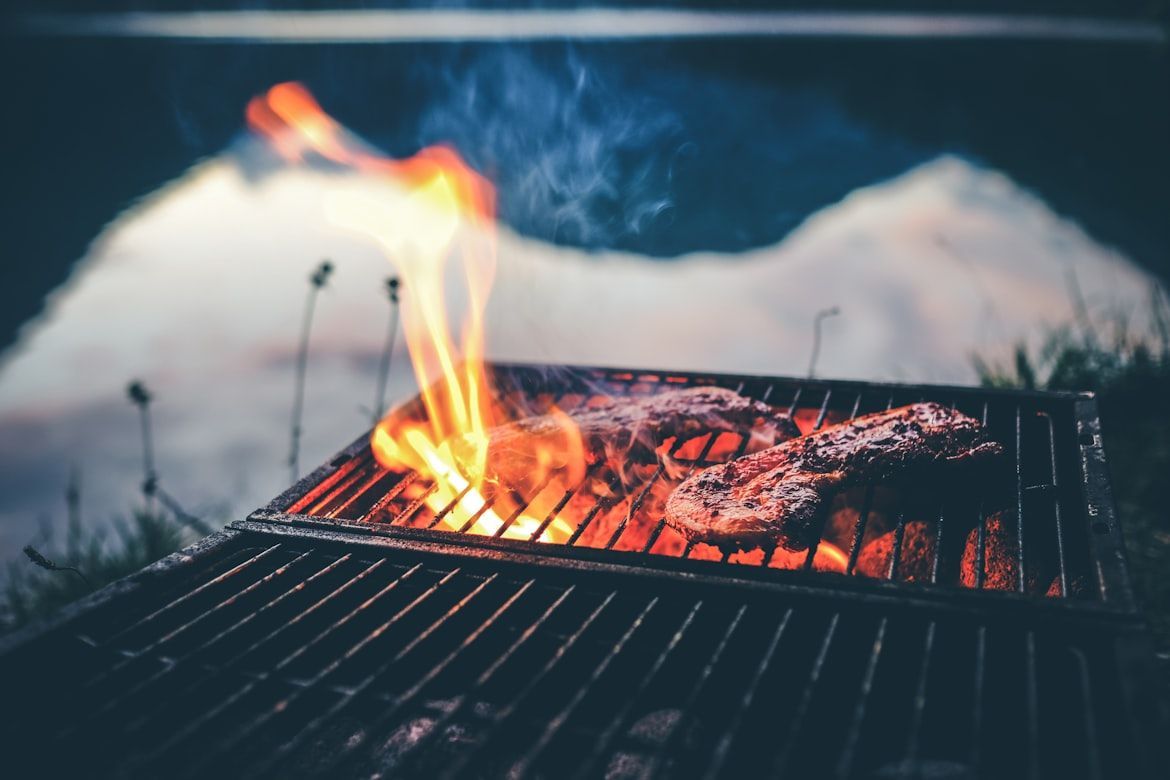
The word "barbecue" comes from barbacoa, another Taino term for a wooden frame used for cooking meat over fire. Europeans adopted it and applied it to both the method and the gathering itself.

Today, "barbecue" means everything from a backyard cookout to a regional cooking style. Its origins highlight the deep culinary influence of Native Americans in the nation's current culture.

3

Skunk

Image: Elisa Stone

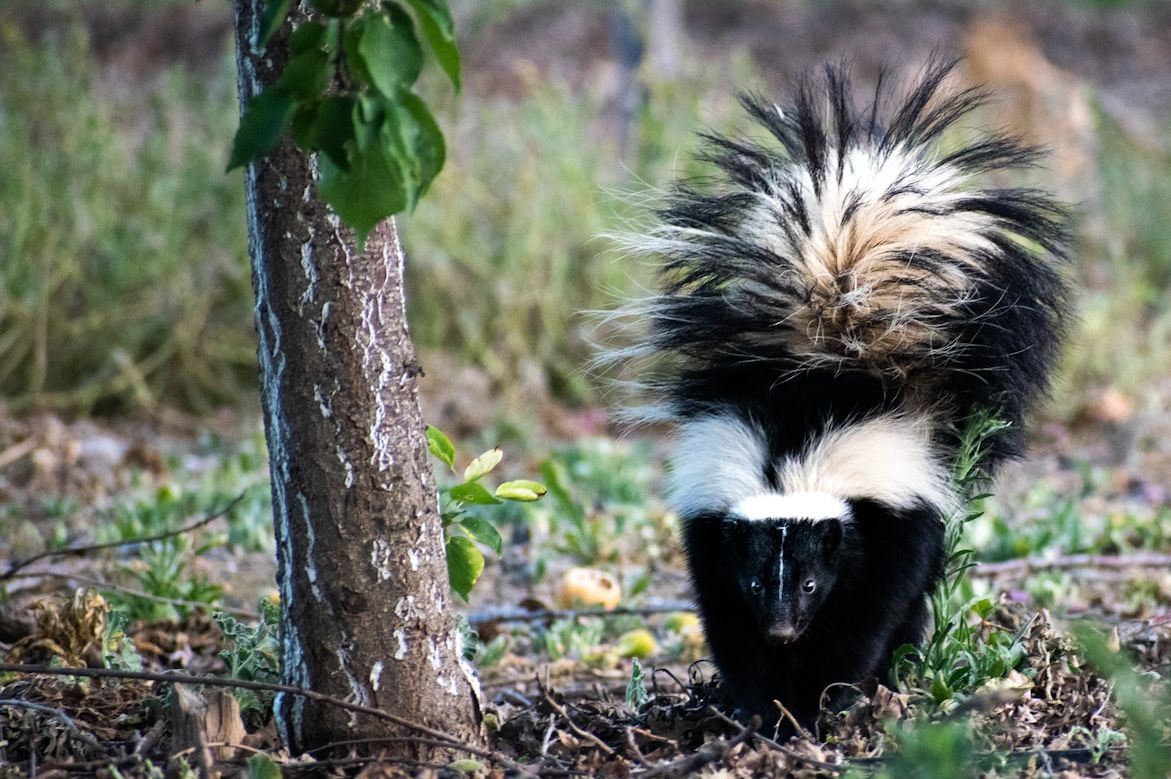
"Skunk" comes from the Algonquian word squnk, which means "urinating fox" (quite a fitting term, indeed). This was an obvious reference to the animal’s strong defensive spray. Early settlers adopted the term directly.

Since English had no better name for the creature, the Native word stuck. Today, the word skunks is also used as playful slang.

4

Moose

Image: Shivam Kumar

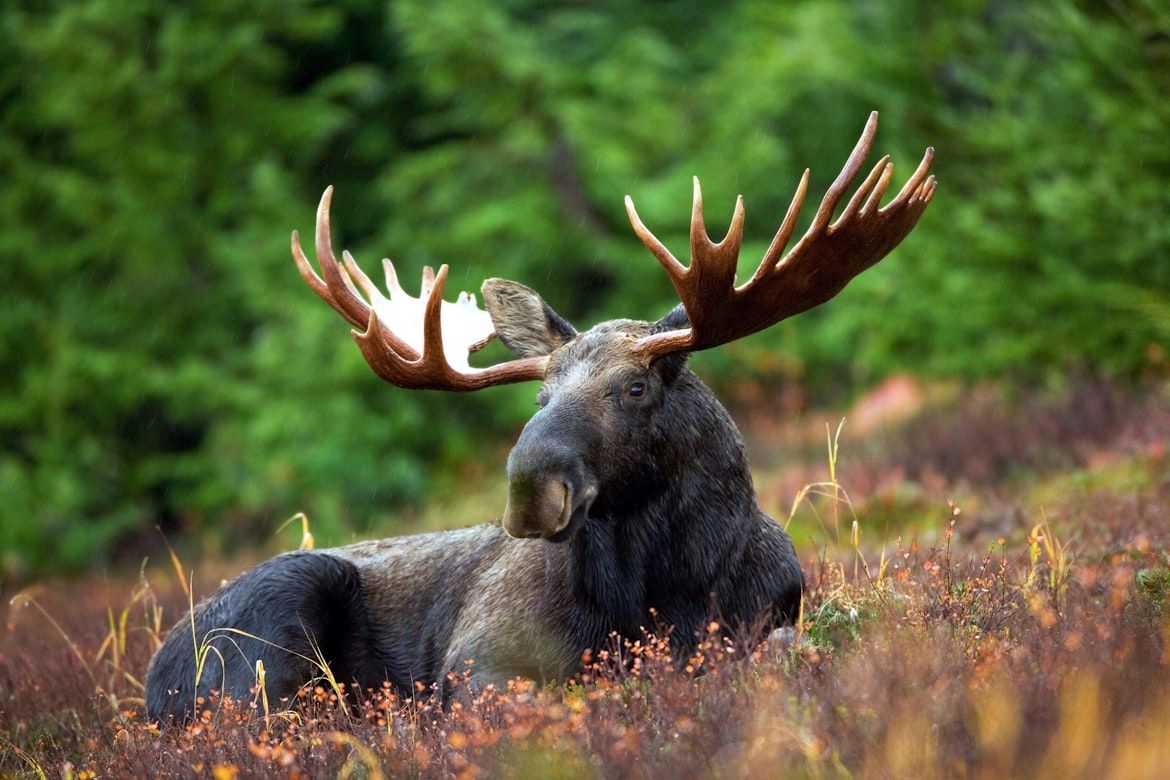
The word "moose" originates from Eastern Abenaki, a part of the Algonquian family, where it meant "he strips off bark." Yes, it described the animal’s habit of tearing bark from trees.

The name entered English quickly because settlers relied on Native knowledge of local fauna. The word remains unchanged because of its accuracy and usefulness.

5

Raccoon

Image: Gary Bendig

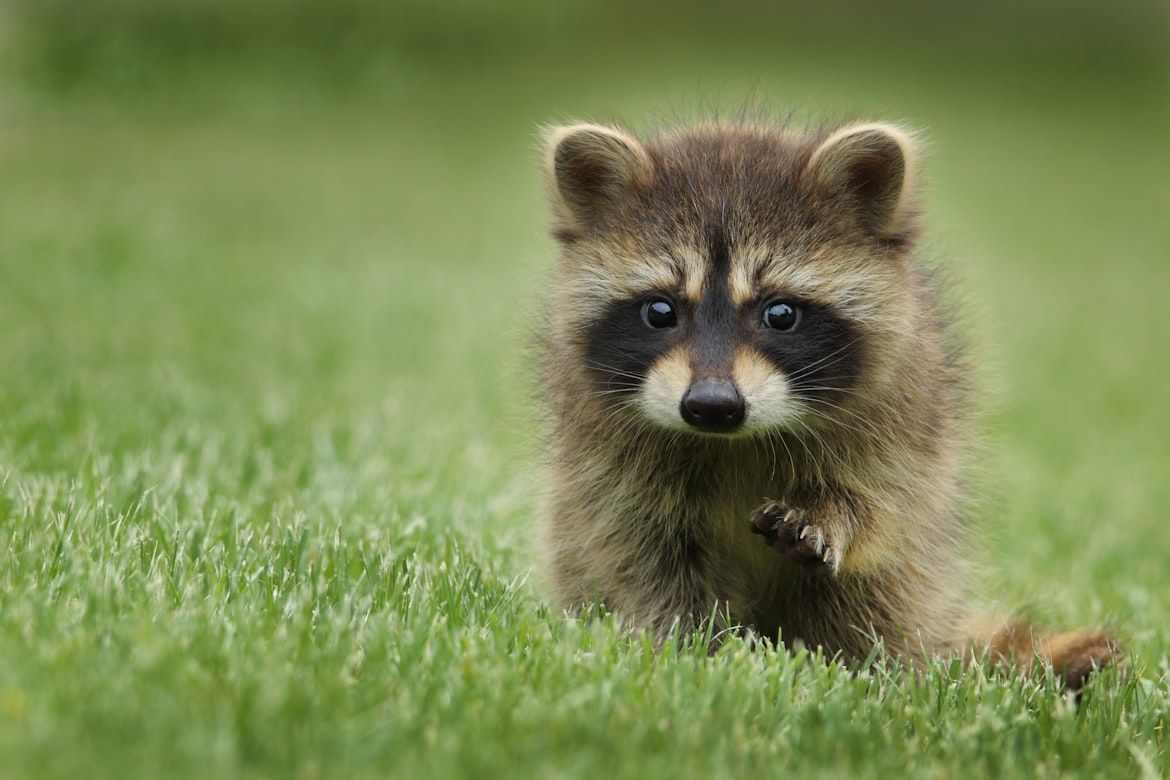
"Raccoon" comes from the Powhatan word arakun, meaning "he scratches with his hands." It described the animal’s clever, humanlike front paws.

Settlers adopted the term because it captured the creature’s behavior beautifully. Today, the raccoon is used as a household symbol of curiosity, not unlike the animal itself.

6

Chipmunk

Image: Annegret Kammer

The term "chipmunk" most probably comes from the Ojibwe word ajidamoo, which means "one who descends trees headfirst." Early English settlers adapted the sound into today’s form.

Though the spelling changed over time, the lively image of a chipmunk racing down a tree face-first stayed.

7

Caribou

Image: JD-Photos

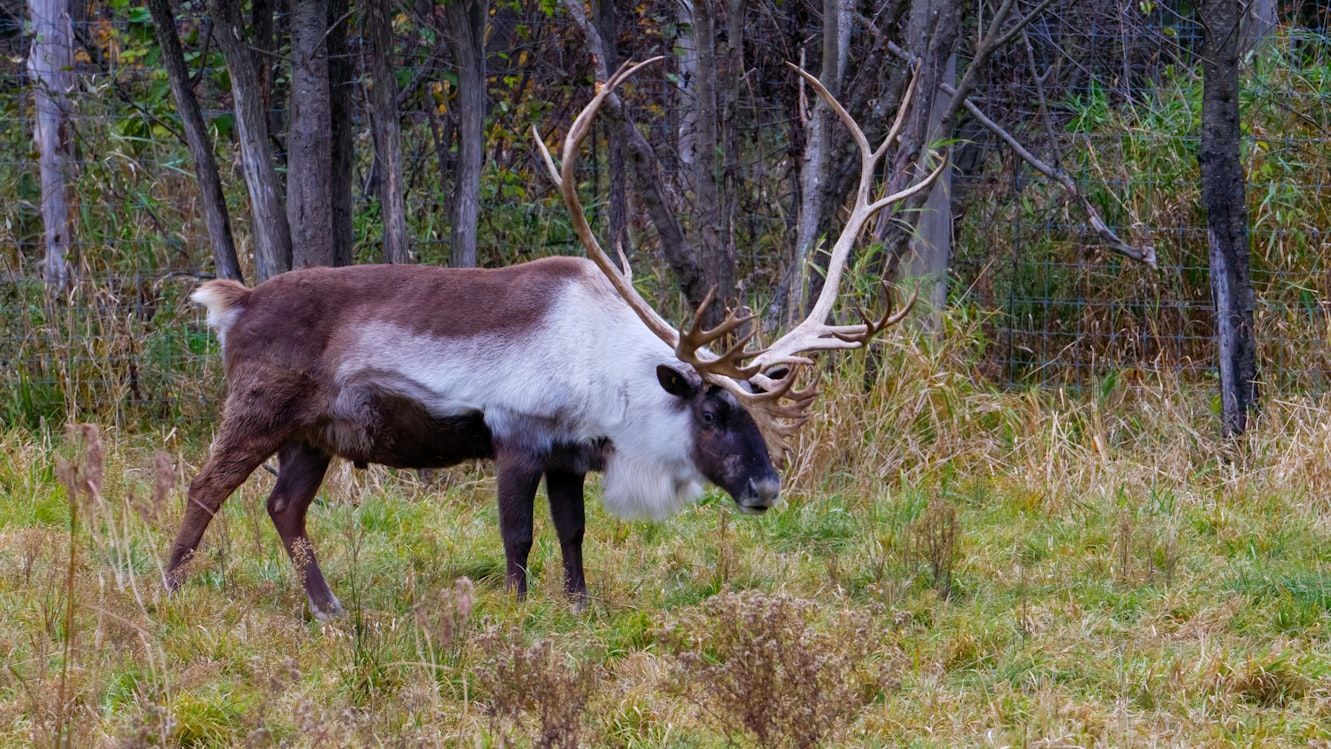
The word "caribou" comes from the Mi’kmaq term qalipu, which means "snow shoveler," referring to the animal’s habit of digging through snow for food.

French settlers brought the word into English, keeping its descriptive nature. The name still connects the modern animal to the winter landscapes it belongs to.

8

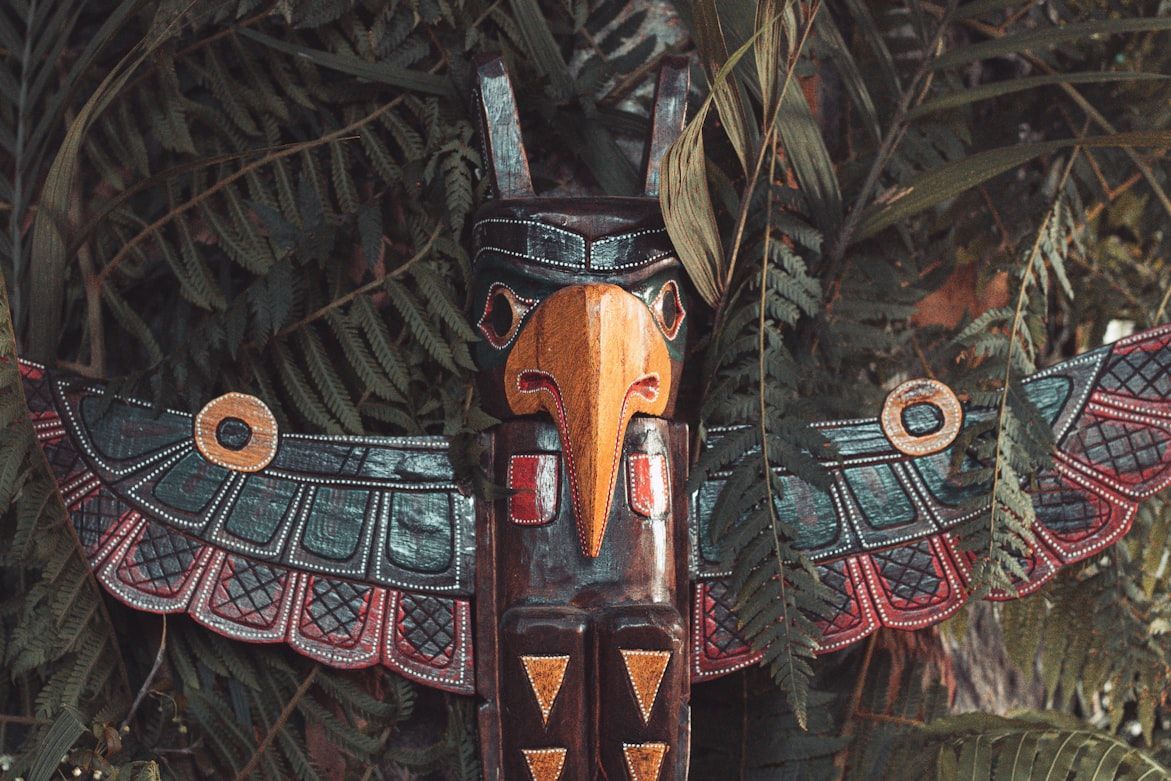
Totem

Image: Stéfano Girardelli

"Totem" comes from the Ojibwe word ototeman, which means "kinship group." It described symbols representing clans and shared roots.

English adopted it to describe carved poles and symbolic elements. Though broader in modern usage, it still hints at the original sense of community, identity, and heritage.

9

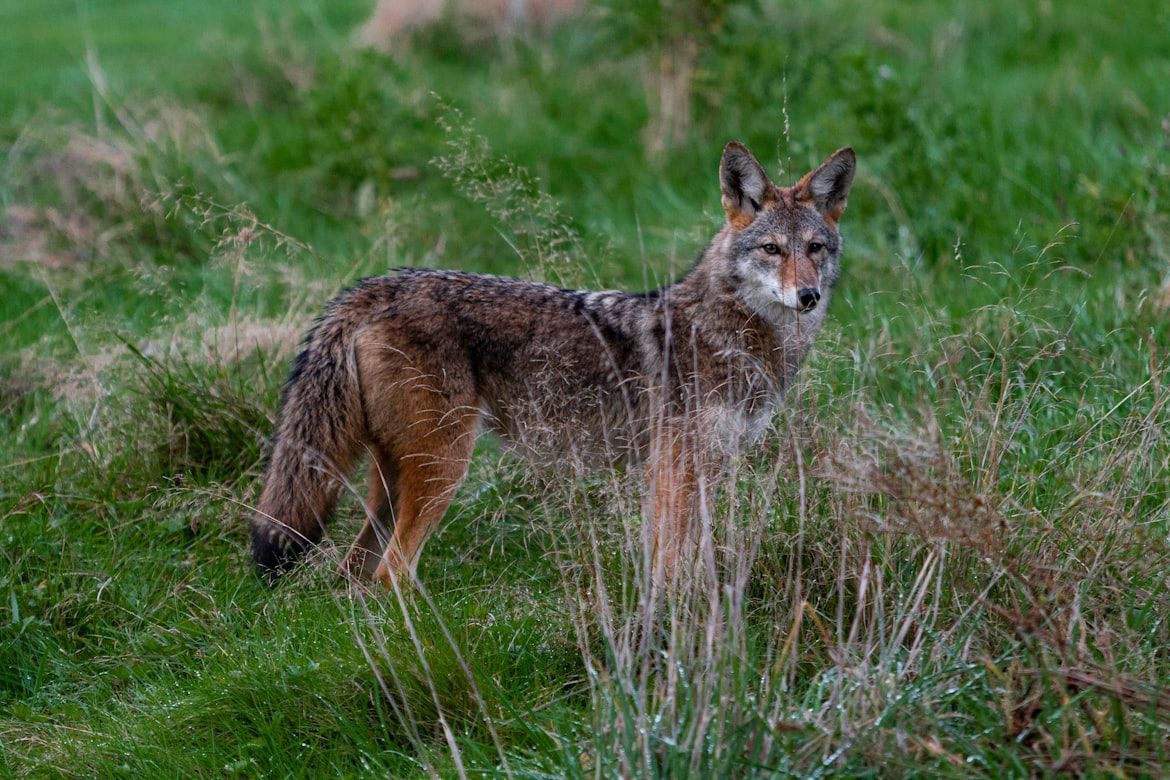
Coyote

Image: Dylan Ferreira

"Coyote" comes from the Nahuatl word coyōtl, which was used by Indigenous tribes of central Mexico. Spanish speakers adopted it, and English borrowed later.

The word kept its meaning, and it remains one of the most direct links between the English language and Nahuatl.

10

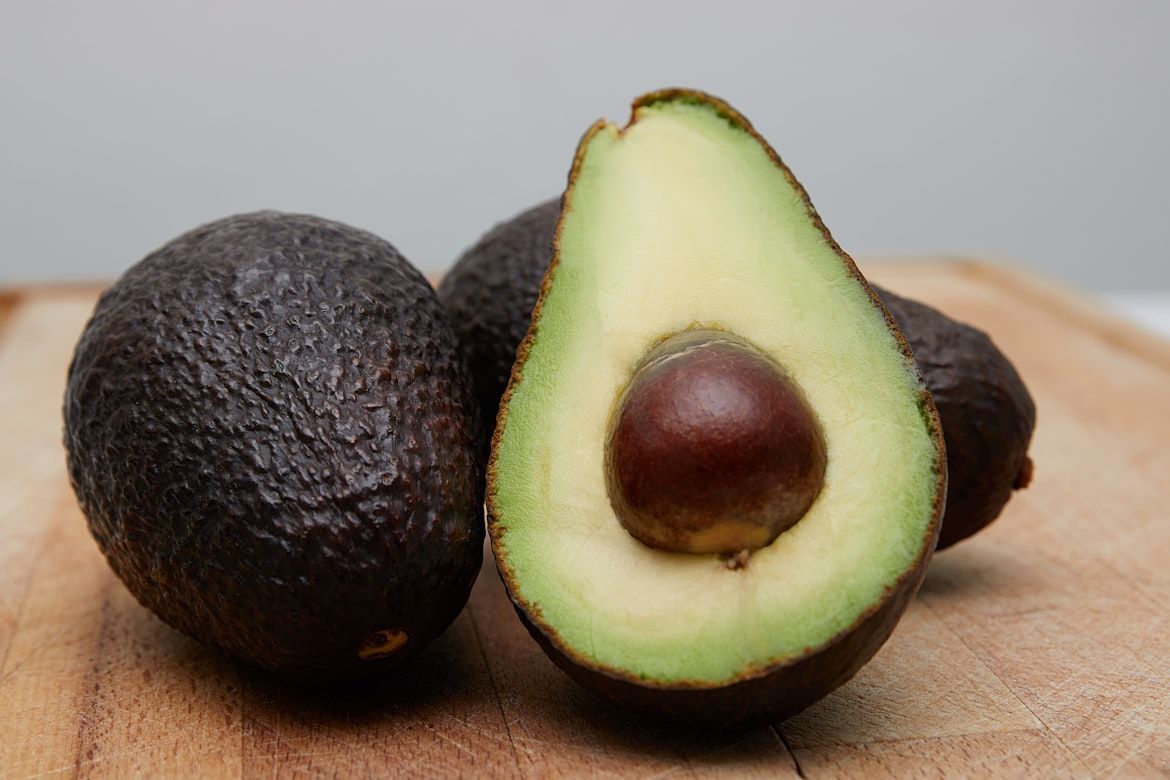
Avocado

Image: Gil Ndjouwou

The tasty avocado’s name traces to the Nahuatl word ahacatl, which refers to the fruit and to a body part as well. Spanish speakers transformed it into aguacate.

Later on, English speakers adapted it to avocado. While the name sounds contemporary and culinary, it has ancient Native roots.

11

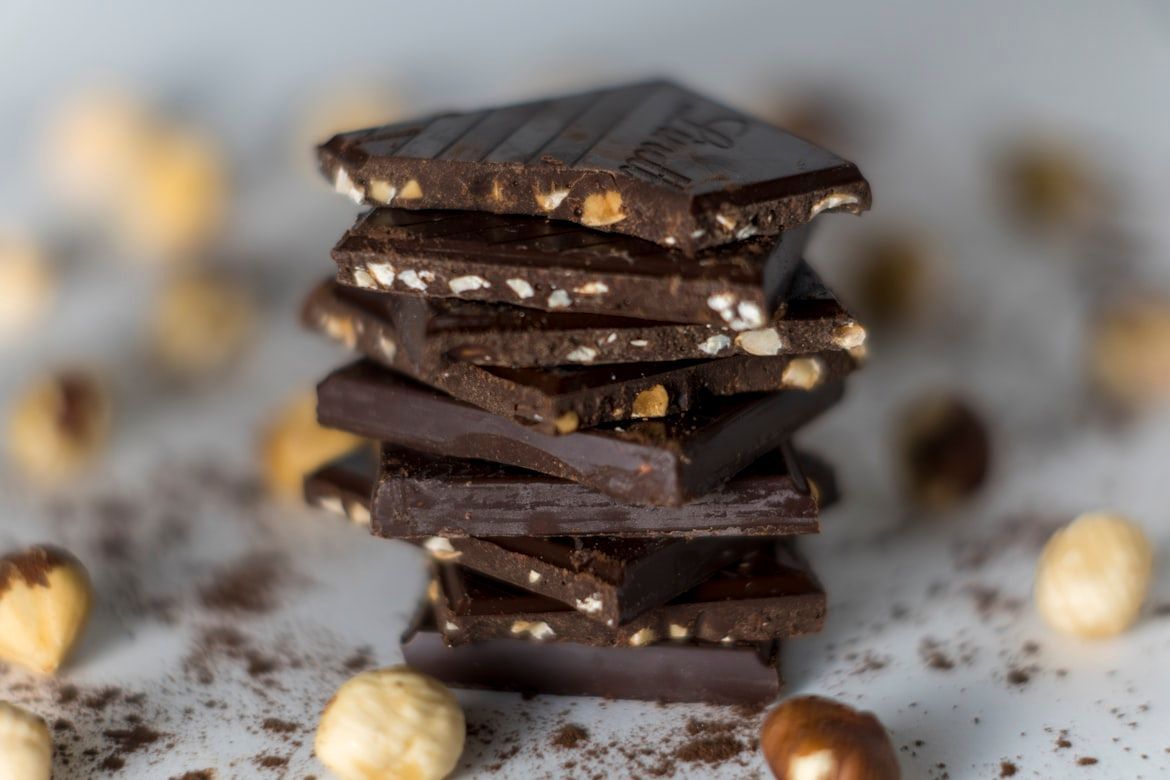
Chocolate

Image: amirali mirhashemian

The last Nahuatl word and also the last word on the list comes from the term xocolātl, which describes a bitter cacao drink that was consumed long before Europeans arrived in America. The name traveled from Spanish to English.

Though the product changed dramatically, the word survived. Today, chocolate is a universal symbol of sweetness, with rich and deeply indigenous roots.

Looking for an extra scoop of literary fun?

Learn more with our Word of the day

ephemeral

/əˈfɛm(ə)rəl/