Deep roots

12 Native American words that you use daily without even knowing it


Published on July 5, 2026


Image: Zoshua Colah

English is a very welcoming language in the sense that it incorporates terms from many other languages from all over the world. And, as it couldn’t be otherwise, Native American languages have lent many of their words and terms to English speakers. Some traveled through Spanish or French before settling into English, and others arrived directly through early contact and trade, helping shape the way we speak today. Did you know about these 11 terms?

1

Canoe

Image: Michael Niessl

The word "canoe" comes from the Taino term canoa, which was first used by Caribbean islanders long before Europeans arrived. Early explorers adopted it to describe the slim, sturdy boats they saw.

Over time, "canoe" became the standard English word for a small paddled craft. Today it still carries that sense of simplicity and closeness to nature.

2

Barbecue

Image: Philipp Kämmerer

The word "barbecue" comes from barbacoa, another Taino term for a wooden frame used for cooking meat over fire. Europeans adopted it and applied it to both the method and the gathering itself.

Today, "barbecue" means everything from a backyard cookout to a regional cooking style. Its origins highlight the deep culinary influence of Native Americans in the nation's current culture.

3

Skunk

Image: Elisa Stone

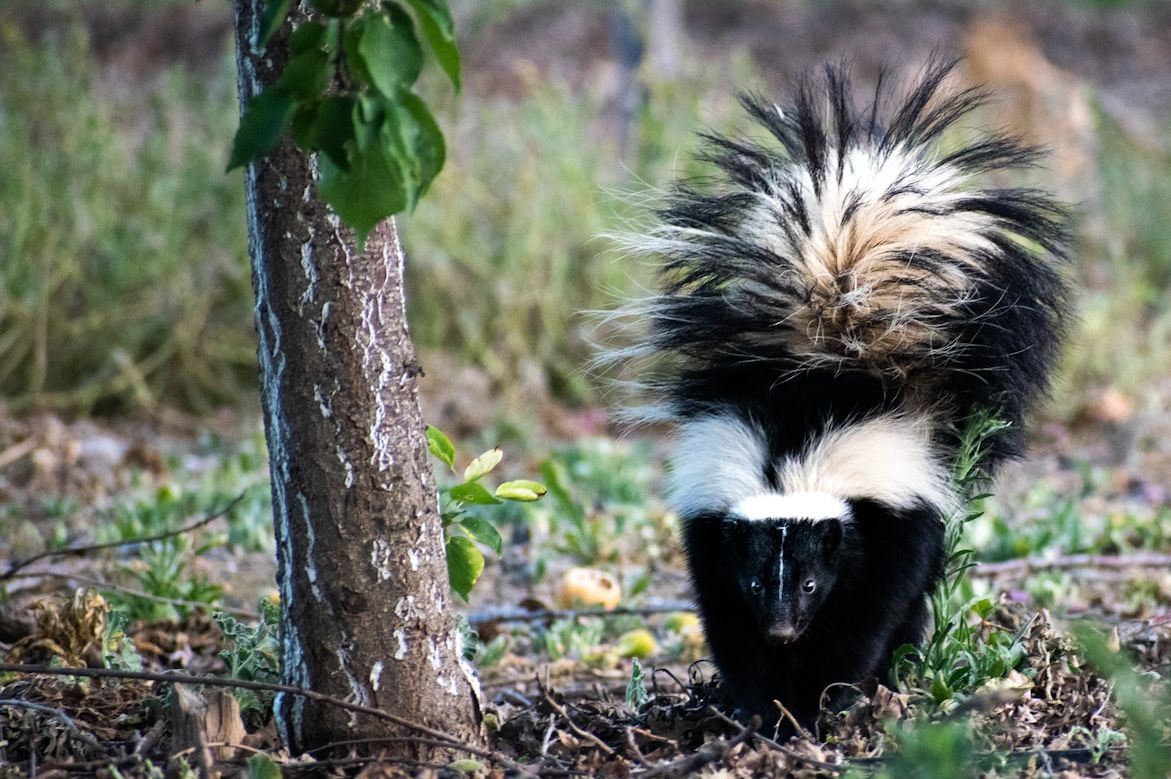
"Skunk" comes from the Algonquian word squnk, which means "urinating fox" (quite a fitting term, indeed). This was an obvious reference to the animal’s strong defensive spray. Early settlers adopted the term directly.

Since English had no better name for the creature, the Native word stuck. Today, the word skunks is also used as playful slang.

4

Moose

Image: Shivam Kumar

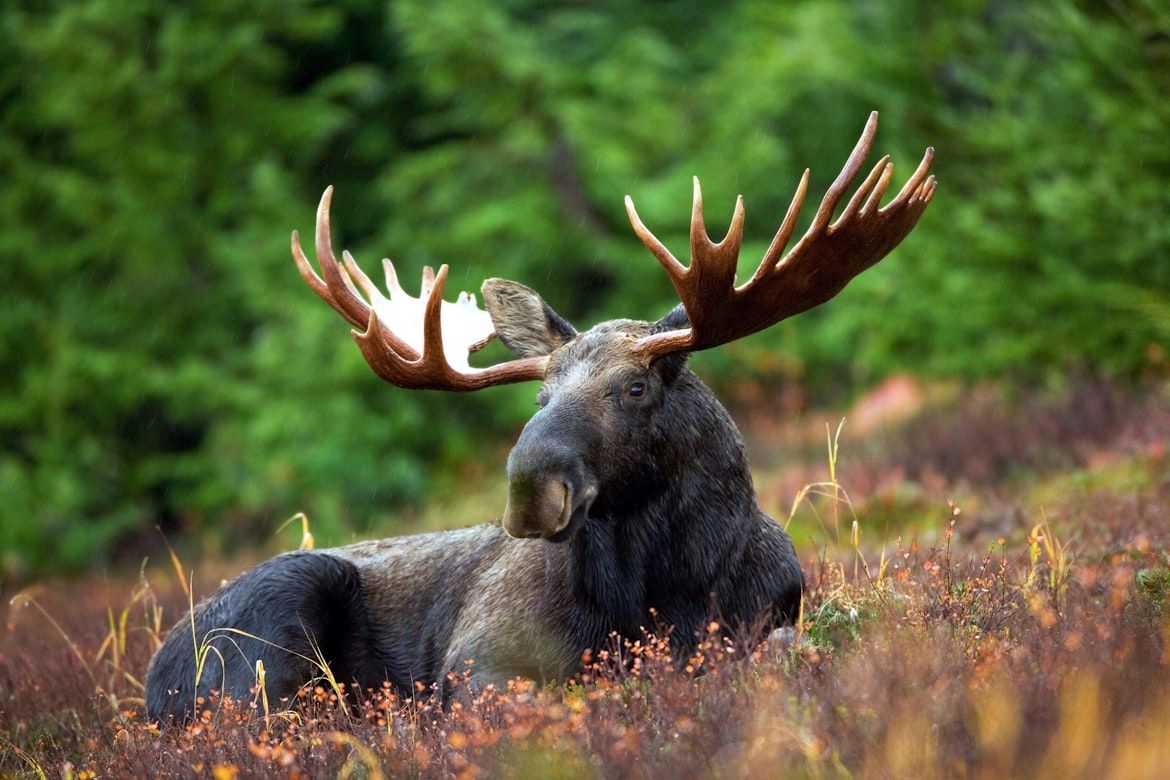
The word "moose" originates from Eastern Abenaki, a part of the Algonquian family, where it meant "he strips off bark." Yes, it described the animal’s habit of tearing bark from trees.

The name entered English quickly because settlers relied on Native knowledge of local fauna. The word remains unchanged because of its accuracy and usefulness.

5

Raccoon

Image: Gary Bendig

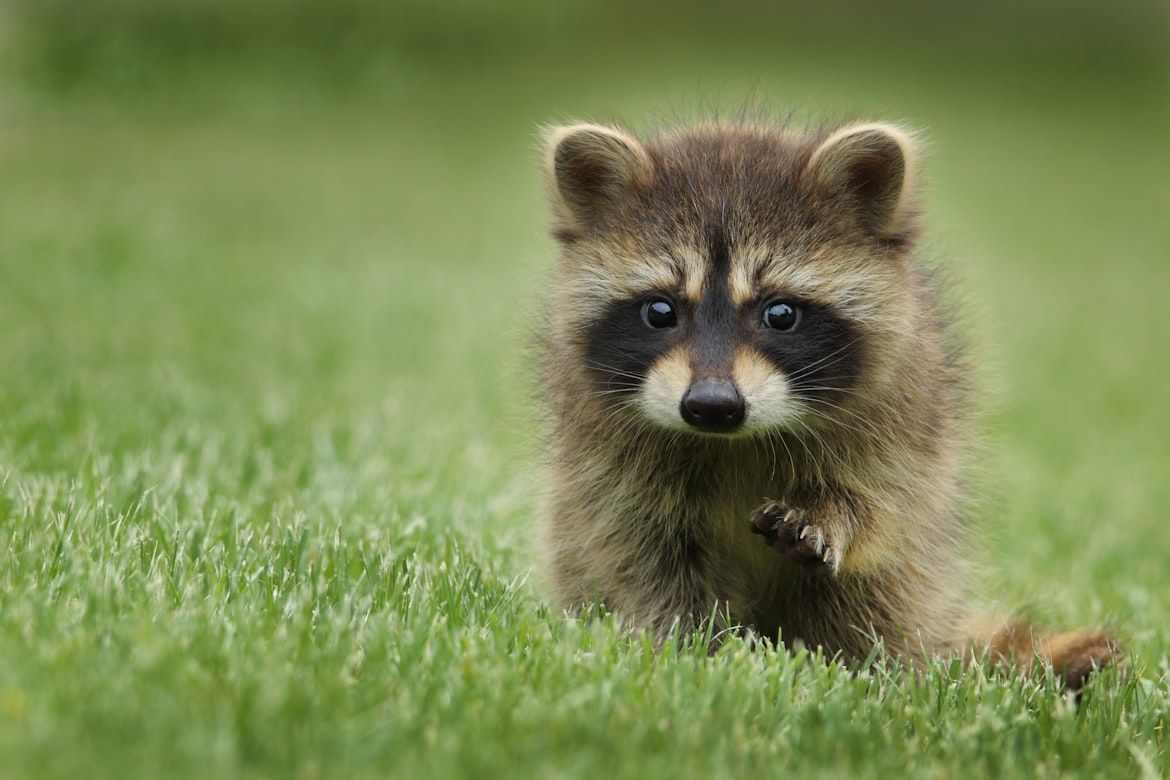
"Raccoon" comes from the Powhatan word arakun, meaning "he scratches with his hands." It described the animal’s clever, humanlike front paws.

Settlers adopted the term because it captured the creature’s behavior beautifully. Today, the raccoon is used as a household symbol of curiosity, not unlike the animal itself.

6

Chipmunk

Image: Annegret Kammer

The term "chipmunk" most probably comes from the Ojibwe word ajidamoo, which means "one who descends trees headfirst." Early English settlers adapted the sound into today’s form.

Though the spelling changed over time, the lively image of a chipmunk racing down a tree face-first stayed.

7

Caribou

Image: JD-Photos

The word "caribou" comes from the Mi’kmaq term qalipu, which means "snow shoveler," referring to the animal’s habit of digging through snow for food.

French settlers brought the word into English, keeping its descriptive nature. The name still connects the modern animal to the winter landscapes it belongs to.

8

Totem

Image: Stéfano Girardelli

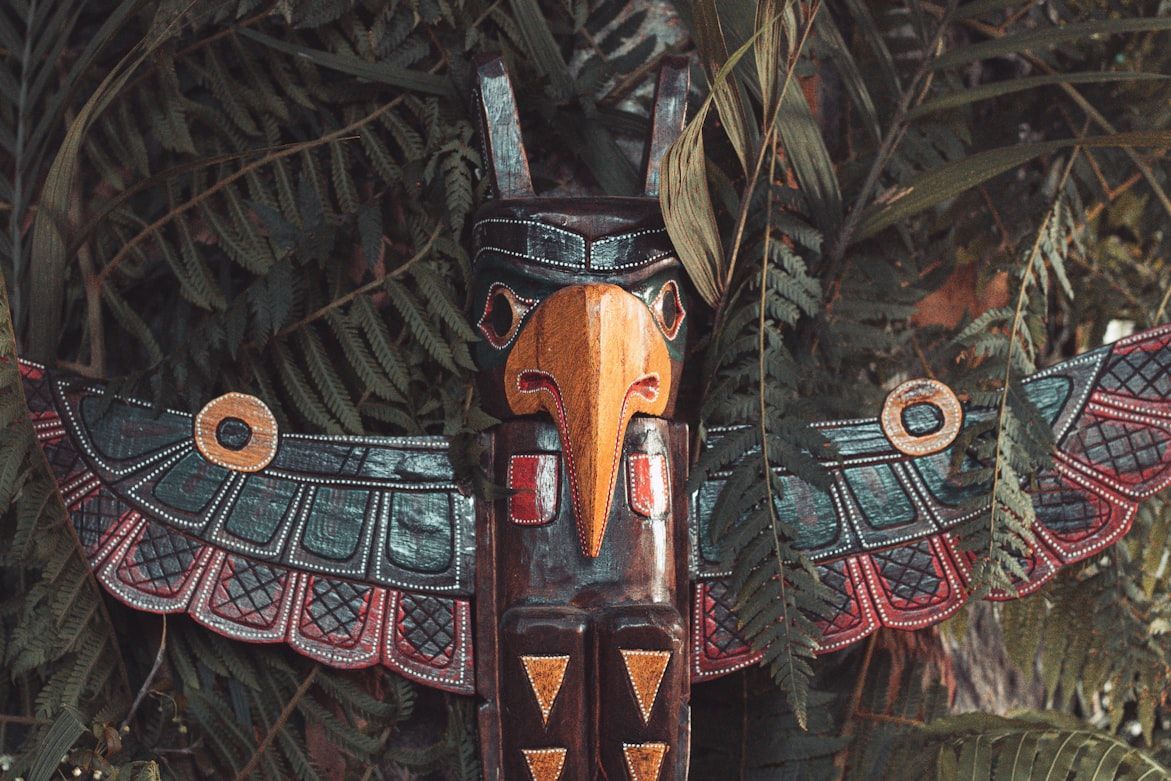
"Totem" comes from the Ojibwe word ototeman, which means "kinship group." It described symbols representing clans and shared roots.

English adopted it to describe carved poles and symbolic elements. Though broader in modern usage, it still hints at the original sense of community, identity, and heritage.

9

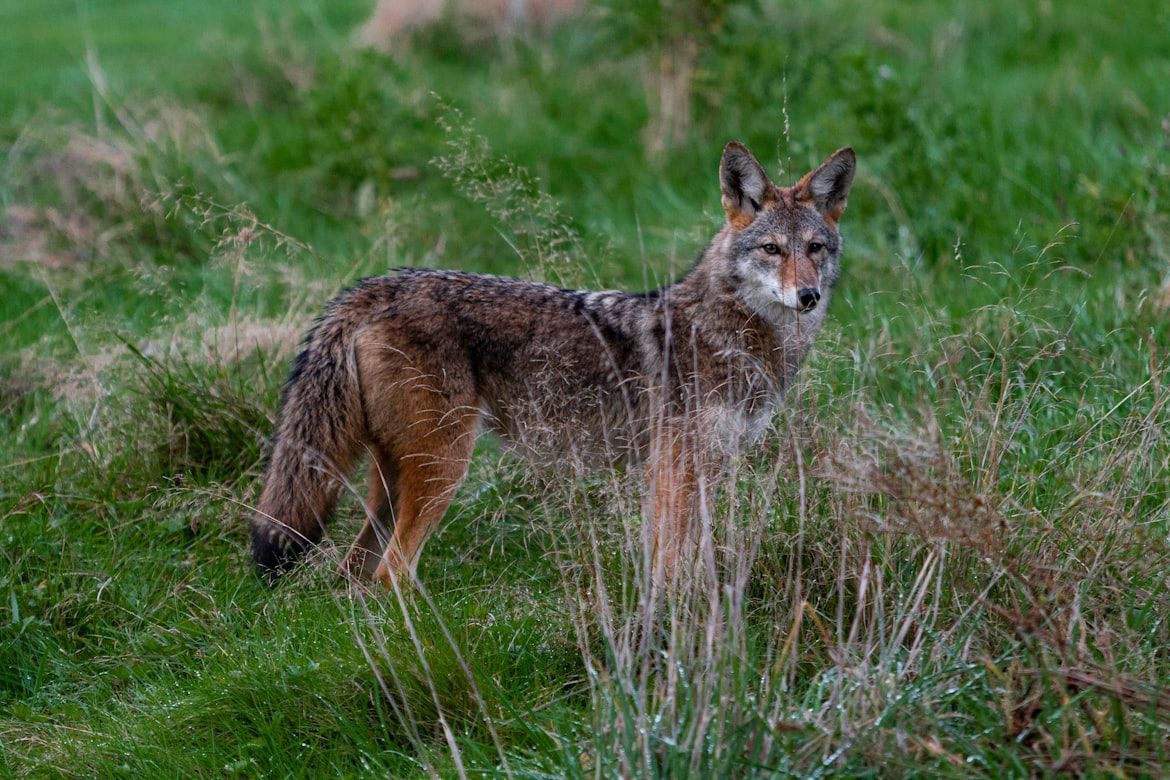
Coyote

Image: Dylan Ferreira

"Coyote" comes from the Nahuatl word coyōtl, which was used by Indigenous tribes of central Mexico. Spanish speakers adopted it, and English borrowed later.

The word kept its meaning, and it remains one of the most direct links between the English language and Nahuatl.

10

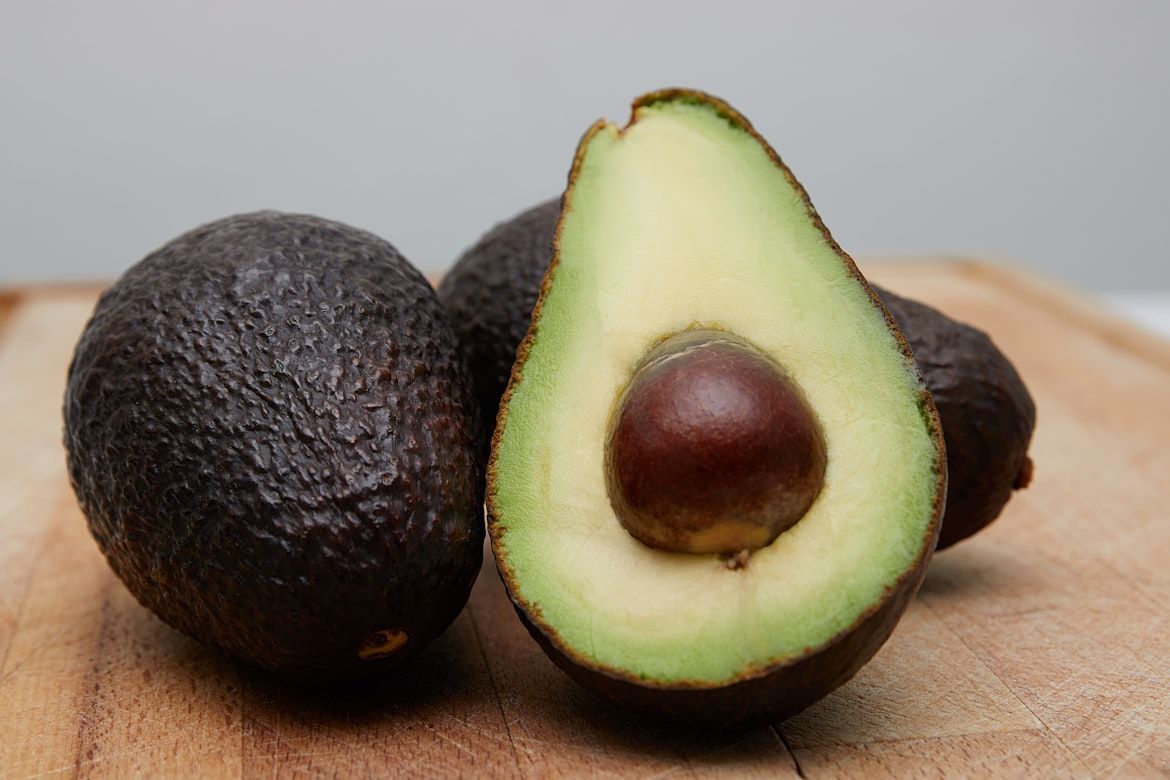
Avocado

Image: Gil Ndjouwou

The tasty avocado’s name traces to the Nahuatl word ahacatl, which refers to the fruit and to a body part as well. Spanish speakers transformed it into aguacate.

Later on, English speakers adapted it to avocado. While the name sounds contemporary and culinary, it has ancient Native roots.

11

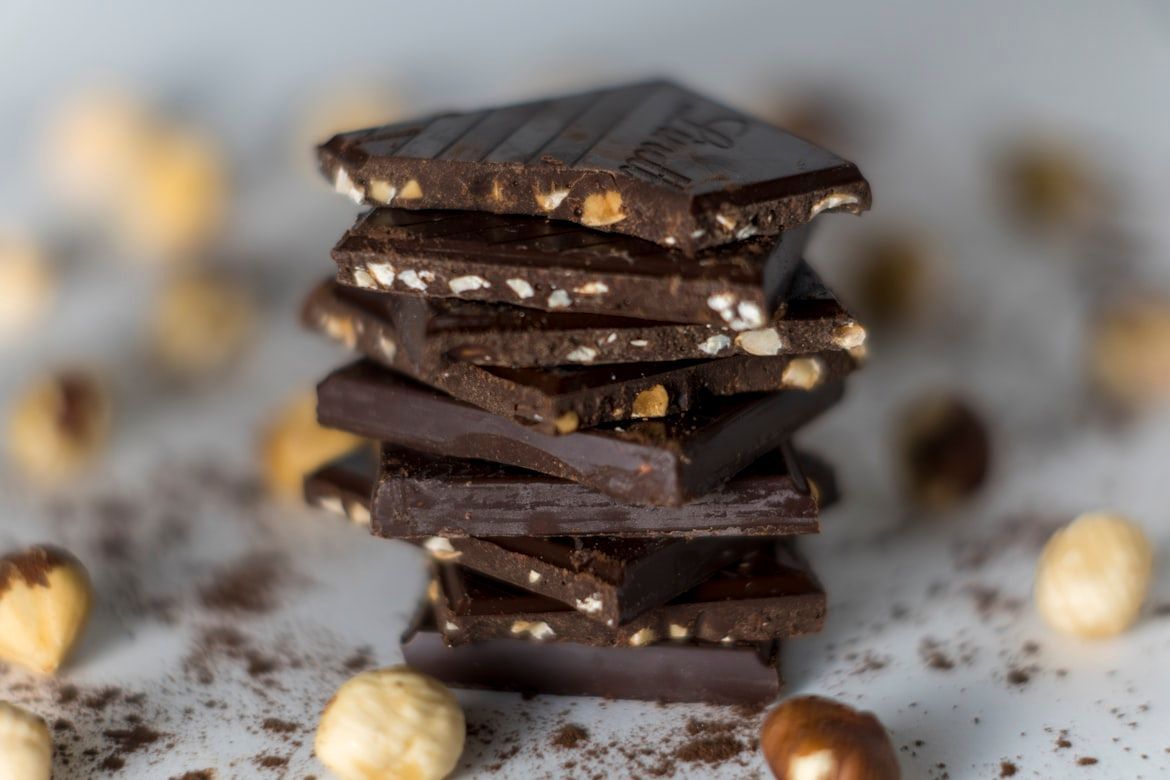
Chocolate

Image: amirali mirhashemian

The last Nahuatl word and also the last word on the list comes from the term xocolātl, which describes a bitter cacao drink that was consumed long before Europeans arrived in America. The name traveled from Spanish to English.

Though the product changed dramatically, the word survived. Today, chocolate is a universal symbol of sweetness, with rich and deeply indigenous roots.


Colors and what they represent

The meaning of colors: What shades say about clothes, décor, and mood


Published on July 5, 2026


Colors aren’t just decoration: they’re tiny storytellers. They set the mood at dinner, change how we feel about our clothes, and can even trick us into thinking a room is bigger (or smaller) than it really is. Here’s a fun tour through ten of the most common colors and what they say in our daily lives. Warning: once you read this, you might never look at your closet—or your living room—the same way again.

1

1. Red: The Life of the Party

Image: Filip Mishevski

Red is the show-off of the color wheel. It’s bold, fiery, and impossible to ignore. Slip on a red dress or tie, and suddenly you’re the main character in the room. Restaurants often use red in their logos because it makes us hungry—think ketchup labels, pizza signs, and soda cans. Coincidence? Definitely not.

In home décor, red can be a little tricky. A red wall screams, "Look at me!" A splash of red, though—like a lamp, pillow, or rug—can give a room instant warmth and energy.

2

2. Blue: The Chill Factor

Image: Merani Cosme

Blue is that friend who always calms things down. Think of the ocean or a clear summer sky—just looking at blue makes us breathe a little easier. Studies show it can even lower blood pressure and slow the heart rate.

In fashion, a blue suit or dress shirt has "trustworthy" written all over it. It’s a classic for job interviews and first dates, because it makes people feel safe around you.

3

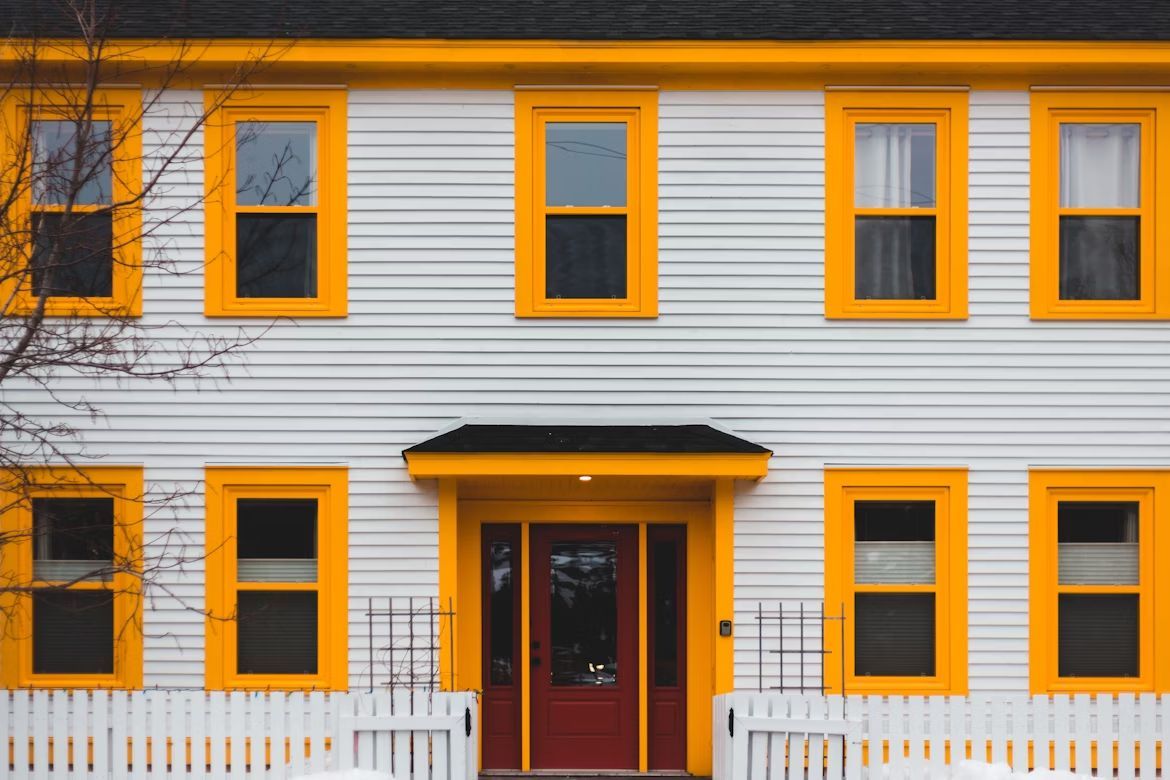
3. Yellow: The Human Highlighter

Image: Larisa Brita

Yellow is sunshine in a crayon box. It’s the color of smiley faces, lemonade stands, and those sticky notes that keep your whole desk organized. Wear yellow, and people immediately think "cheerful."

When decorating, yellow brightens up any space. A pale yellow kitchen feels warm and inviting, like grandma’s house on Sunday morning. Too much, though, and it can be overstimulating—babies have even been shown to cry more in bright yellow rooms.

4

4. Green: Nature’s Neutral

Image: Junior REIS

Green is the color of life itself. It’s the grass under our feet, the leaves above our heads, and the money in our wallets (if we’re lucky). Green clothes often give off a grounded, approachable vibe—perfect for that "I’m relaxed but stylish" look.

In home décor, green works like a neutral while still feeling lively. Olive green couches are surprisingly forgiving of snack spills, and sage walls look fresh without being overwhelming.

5

5. Purple: The Drama Queen

Image: Peter Fitzpatrick

Purple has been associated with royalty for centuries, and it still has that mysterious, slightly dramatic air. A purple scarf or tie says, "I’m bold, but I also read poetry."

At home, purple can be tricky but rewarding. Deep purple curtains bring elegance and luxury, while lighter lavender shades are soothing and romantic. A purple accent wall? That’s the kind of choice that makes your neighbors whisper, "Wow, they must be creative."

6

6. Orange: The Attention Grabber

Image: Erik Mclean

Orange is like red’s more approachable cousin. It’s energetic but playful, the color of pumpkins, sunsets, and every construction cone you’ve ever tried to avoid. Wear orange, and you’ll never blend into the background—it’s the ultimate "notice me" shade.

In décor, orange works best in doses. A burnt orange sofa pillow can make a beige couch look exciting instead of boring. Pair orange with neutrals, and it feels warm and cozy, like a fall afternoon.

7

7. Black: The Timeless Classic

Image: Andrey Zvyagintsev

Black never goes out of style. In fashion, it’s the ultimate slimming trick, but it’s also chic and elegant.

At home, black adds drama and contrast. A black lamp or table grounds a space, making lighter colors pop. Too much, however, can feel a little cave-like—unless you’re going for that "Batman’s lair" vibe.

8

8. White: The Blank Canvas

Image: Hans

White is all about freshness and simplicity. Wear a crisp white shirt, and you look instantly polished—even if you got dressed in three minutes flat. The downside? White attracts stains like magnets attract fridge doors.

In decoration, white walls are like a blank canvas. They make rooms look bigger and brighter, but they can also feel a little… sterile. Add texture—like a fluffy white rug or a cozy throw blanket—and suddenly white feels welcoming instead of hospital chic.

9

9. Pink: The Playful Rebel

Image: Doyo Hermann

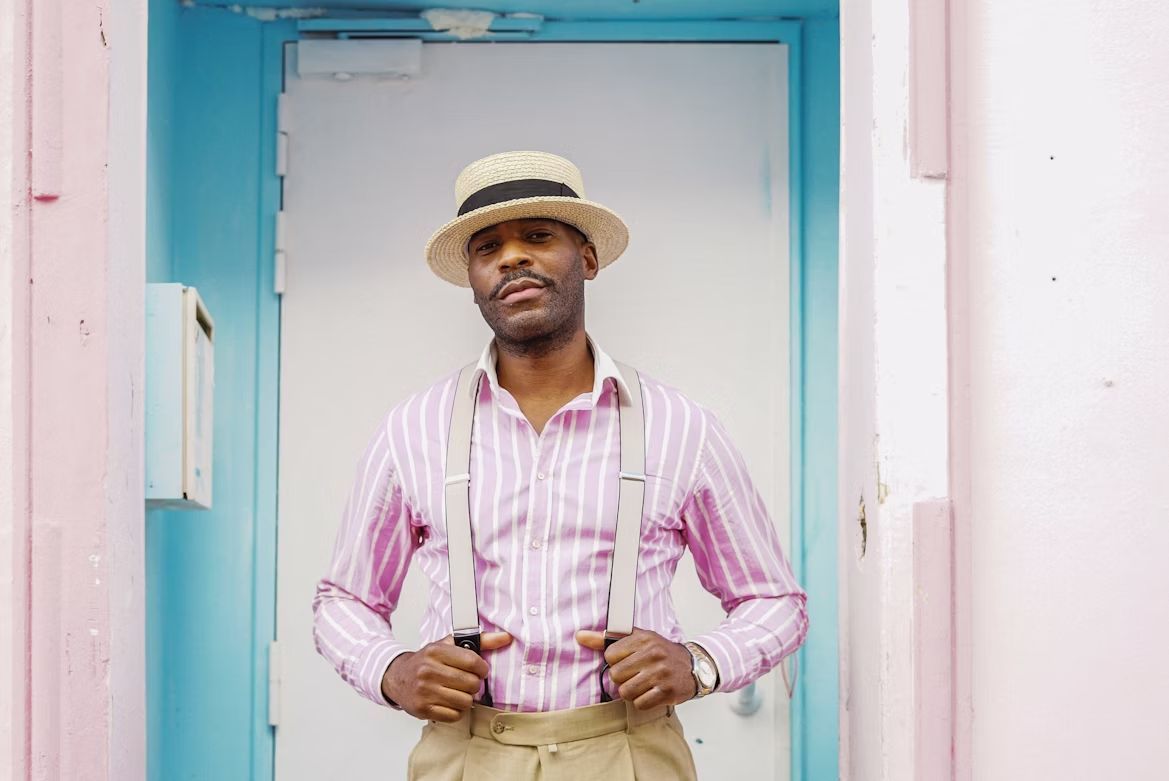
Pink has traveled a long way from being "just for girls." These days, a pink shirt or dress can look bold, stylish, and surprisingly powerful. Wear pink, and you’re basically saying, "I don’t take myself too seriously—but I look good doing it."

In décor, pink can soften a room without making it feel childish. A dusty rose couch feels trendy and chic, while blush pink walls give off a warm, welcoming glow. Add gold accents, and suddenly pink is less "cotton candy" and more "cocktail lounge."

10

10. Brown: The Unsung Hero

Image: Mary Skrynnikova

Brown doesn’t usually grab the spotlight, but it’s everywhere—coffee, chocolate, leather jackets, and comfy boots. Wear brown, and you instantly look approachable, dependable, and maybe just a little outdoorsy.

In homes, brown works like a cozy blanket. Wooden furniture, tan couches, or even a rustic rug instantly make a room feel grounded and warm. It’s the color equivalent of comfort food: steady, reliable, and always satisfying.

Looking for an extra scoop of literary fun?

Learn more with our Word of the day

permeate

/ˈpərmiˌeɪt/