Fun facts you’ll want to share

They know what you want: What you ignore about the most popular apps


Published on May 8, 2026


Image: Jonny Gios

We carry these apps with us in our pockets everywhere we go. Yet how little we know about them… Did you know TikTok can learn how to make you laugh in less than an hour? Or that Google’s first server was literally built with toys? Or the percentage of songs on Spotify that have never been heard by anyone –ever? Here’s a list of fun facts that you’ll want to share with your friends.

1

Google

Image: Richard Heinen

This story sounds made up, but you can Google it yourself. In its very early days, Google’s founders stored the company’s first server in a box made of… Lego bricks! It held ten 4 GB hard drives.

As you can imagine, that colorful, practical, creative image cemented the same aesthetic that Google is nowadays so well-known for.

2

Instagram

Image: cottonbro studio

Gone are the days when we judged people harshly for posting pictures of the food they ate.

The strange habit of showing the world your meal via Instagram is a die-hard, worldwide trend. And the most Instagrammed food globally is #Pizza (with 75.6 million posts), followed by #Sushi (39.2 million).

3

Netflix

Image: Mathieu Improvisato

Has this ever happened to you? You log into Netflix and find a romantic poster for a brand new series. But when your friend goes in through his account, the same series has a poster that makes it look like a horror show.

This is intentional: Netflix famously runs tests on almost everything, including the artwork you see for a show. They know what you’d prefer to watch!

4

Twitter ("X")

Image: Terrillo Walls

Yes, many people use Twitter (a.k.a. "X"). But only about 10% of those active users are responsible for around 92% of all tweets.

In other words, most people lurk and use the site to get their instant news or a few laughs. Very few accounts produce the content!

5

Facebook

Image: Ben Sweet

The first logo of Facebook (around 20 years ago, when it was still "thefacebook.com") used a portrait; specifically, it was a white-and-blue profile of the young face of actor Al Pacino. You can still look up that old logo.

6

Spotify

Image: Reet Talreja

Massive and popular as Spotify is, a big part of it is completely unexplored. That’s because roughly 25% of the songs on Spotify have never been played.

Are you thinking about the poor artists whose songs have 0 plays? Well, consider this: A 2024 report showed that around 99,000 new tracks were uploaded every day!

7

Amazon

Image: ANIRUDH

If you type Relentless.com into a browser today, it still redirects to Amazon. That’s because "Relentless" was one of the early names considered.

"Cadabra" (as in abracadabra) was another early option, but it was changed because the founder’s lawyer noted it sounded too much like "cadaver."

8

YouTube

Image: NordWood Themes

It would be impossible for a human to watch even a third of YouTube’s content in a lifetime. The site has 5.1 billion videos, and the number keeps growing: More than 360 hours of new content are uploaded every minute.

9

WhatsApp

Image: Brett Jordan

WhatsApp is one of the world’s leading messaging apps, and it is currently owned by Facebook. But it was created by two former Yahoo employees who were repeatedly rejected from jobs at Facebook… and then Facebook ended up buying their app for 19 billion dollars.

10

TikTok

Image: Zulfugar Karimov

TikTok’s algorithm is so precise that studies show it can figure out your preferences in about 40 minutes of use, just from what you linger on. That is scary-precise technology.

Also, TikTok has been the most downloaded app in the world since 2020, surpassing even Facebook and Instagram.

11

Wikipedia

Image: Oberon Copeland

Wikipedia supports one of the largest knowledge bases on Earth. Yet it runs on a budget far smaller than people assume, roughly comparable to a mid-size NGO.

It’s edited by a surprisingly tiny active community. A small percentage of editors maintain a huge portion of the platform.
12

Reddit

Image: Brett Jordan

Would you trust information found in "r/AskReddit"? As it turns out, it is officially one of the site’s most influential subreddits and has shaped countless journalism pieces, TikToks, and YouTube videos. So, basically, it has transformed organically into a quiet content engine behind the internet.



Deep roots

11 everyday words with indigenous roots


Published on May 8, 2026


Image: Zoshua Colah

English is a very welcoming language in the sense that it incorporates terms from many other languages from all over the world. And, as it couldn’t be otherwise, Native American languages have lent many of their words and terms to English speakers. Some traveled through Spanish or French before settling into English, and others arrived directly through early contact and trade, helping shape the way we speak today. Did you know about these 11 terms?

1

Canoe

Image: Michael Niessl

The word "canoe" comes from the Taino term canoa, which was first used by Caribbean islanders long before Europeans arrived. Early explorers adopted it to describe the slim, sturdy boats they saw.

Over time, "canoe" became the standard English word for a small paddled craft. Today it still carries that sense of simplicity and closeness to nature.

2

Barbecue

Image: Philipp Kämmerer

The word "barbecue" comes from barbacoa, another Taino term for a wooden frame used for cooking meat over fire. Europeans adopted it and applied it to both the method and the gathering itself.

Today, "barbecue" means everything from a backyard cookout to a regional cooking style. Its origins highlight the deep culinary influence of Native Americans in the nation's current culture.

3

Skunk

Image: Elisa Stone

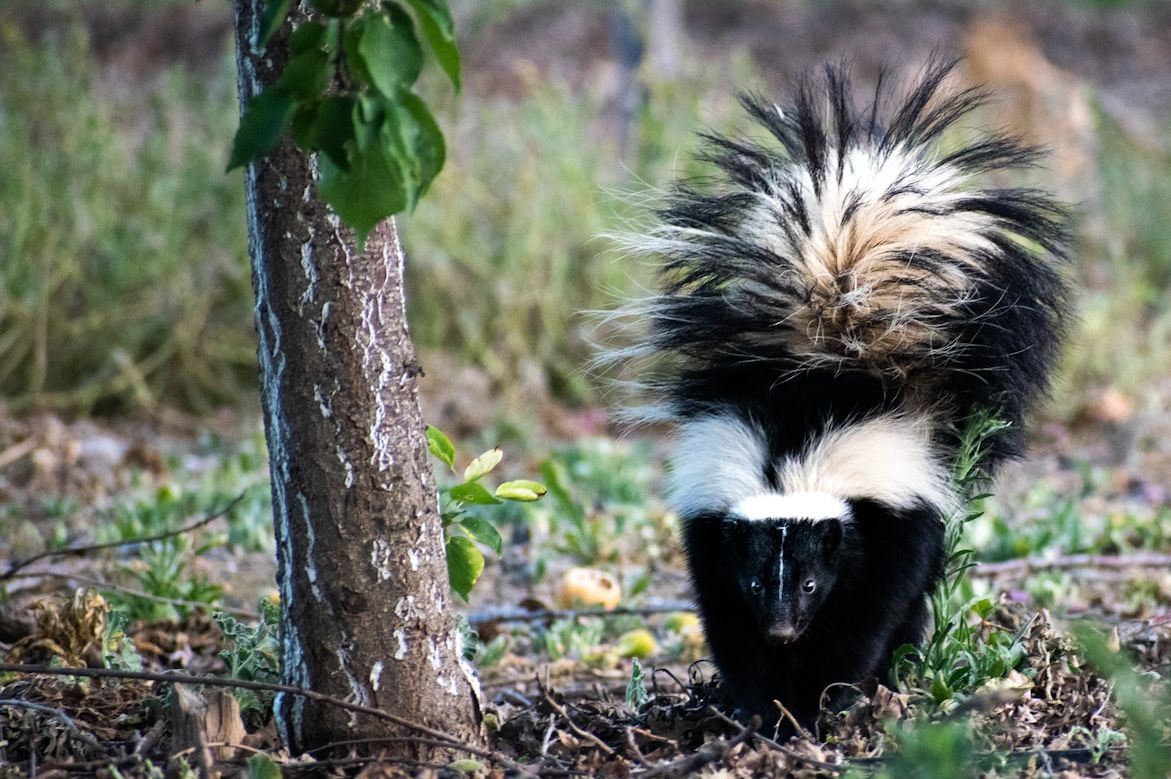
"Skunk" comes from the Algonquian word squnk, which means "urinating fox" (quite a fitting term, indeed). This was an obvious reference to the animal’s strong defensive spray. Early settlers adopted the term directly.

Since English had no better name for the creature, the Native word stuck. Today, the word skunks is also used as playful slang.

4

Moose

Image: Shivam Kumar

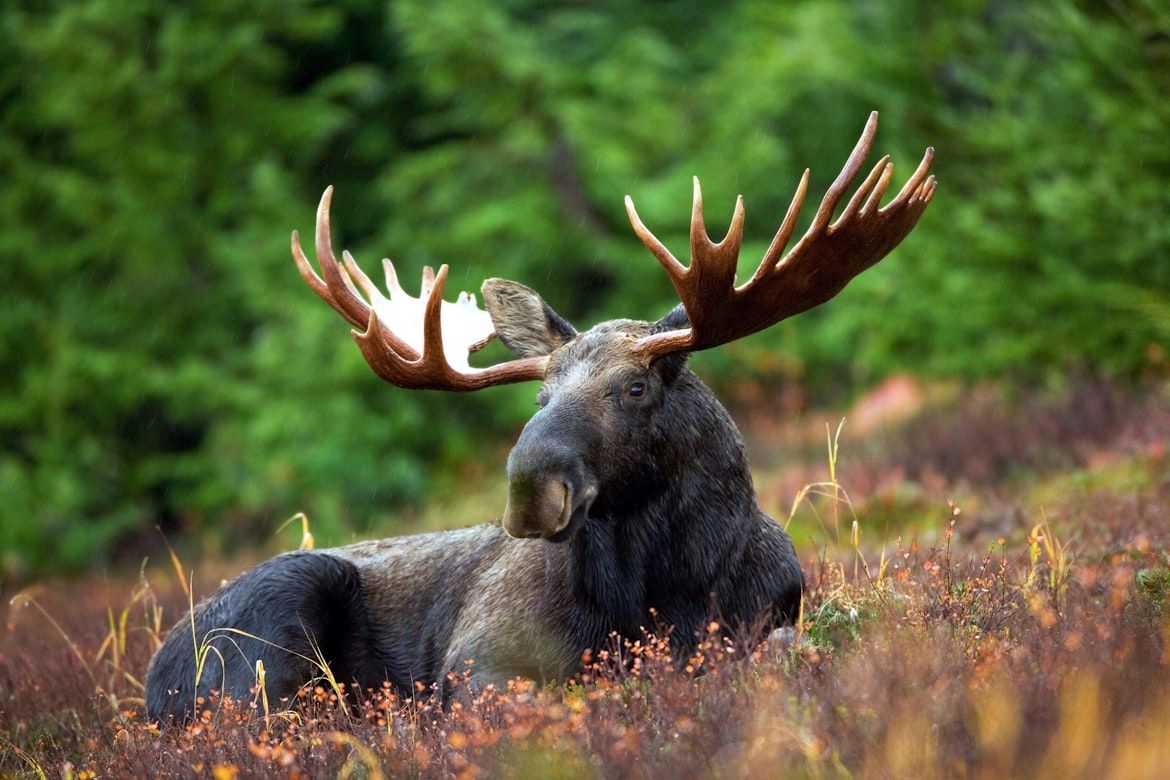
The word "moose" originates from Eastern Abenaki, a part of the Algonquian family, where it meant "he strips off bark." Yes, it described the animal’s habit of tearing bark from trees.

The name entered English quickly because settlers relied on Native knowledge of local fauna. The word remains unchanged because of its accuracy and usefulness.

5

Raccoon

Image: Gary Bendig

"Raccoon" comes from the Powhatan word arakun, meaning "he scratches with his hands." It described the animal’s clever, humanlike front paws.

Settlers adopted the term because it captured the creature’s behavior beautifully. Today, the raccoon is used as a household symbol of curiosity, not unlike the animal itself.

6

Chipmunk

Image: Annegret Kammer

The term "chipmunk" most probably comes from the Ojibwe word ajidamoo, which means "one who descends trees headfirst." Early English settlers adapted the sound into today’s form.

Though the spelling changed over time, the lively image of a chipmunk racing down a tree face-first stayed.

7

Caribou

Image: JD-Photos

The word "caribou" comes from the Mi’kmaq term qalipu, which means "snow shoveler," referring to the animal’s habit of digging through snow for food.

French settlers brought the word into English, keeping its descriptive nature. The name still connects the modern animal to the winter landscapes it belongs to.

8

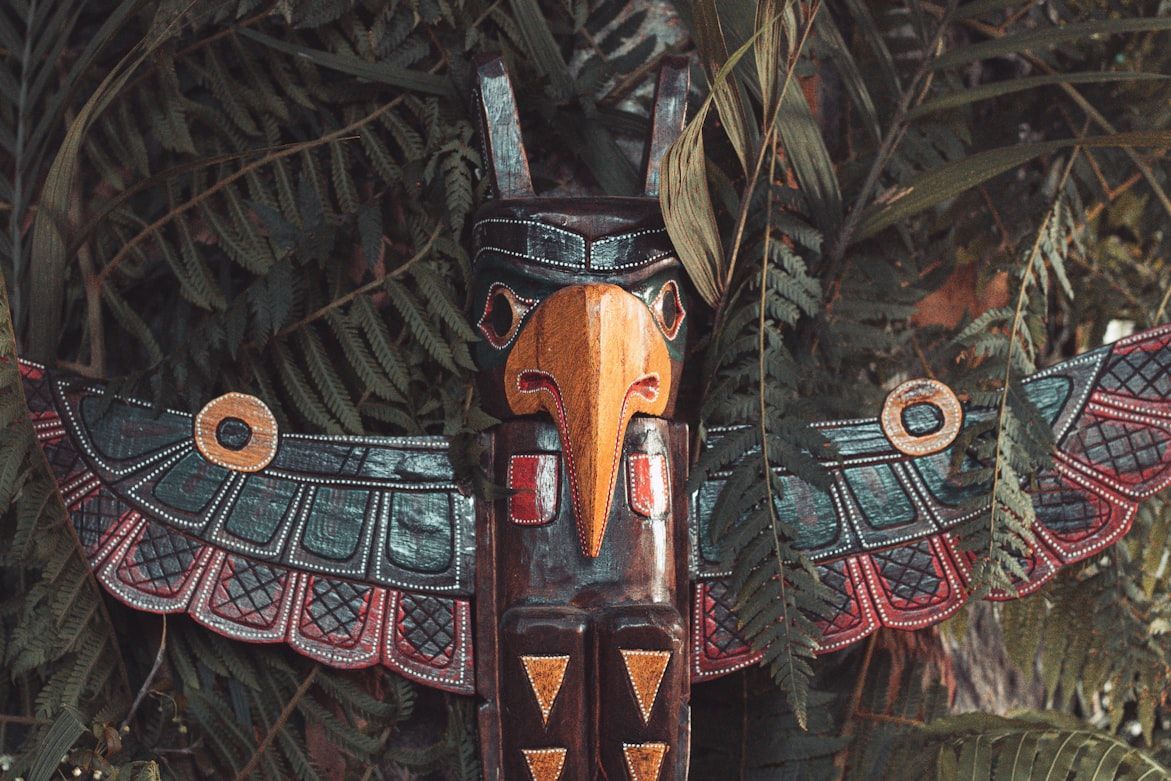
Totem

Image: Stéfano Girardelli

"Totem" comes from the Ojibwe word ototeman, which means "kinship group." It described symbols representing clans and shared roots.

English adopted it to describe carved poles and symbolic elements. Though broader in modern usage, it still hints at the original sense of community, identity, and heritage.

9

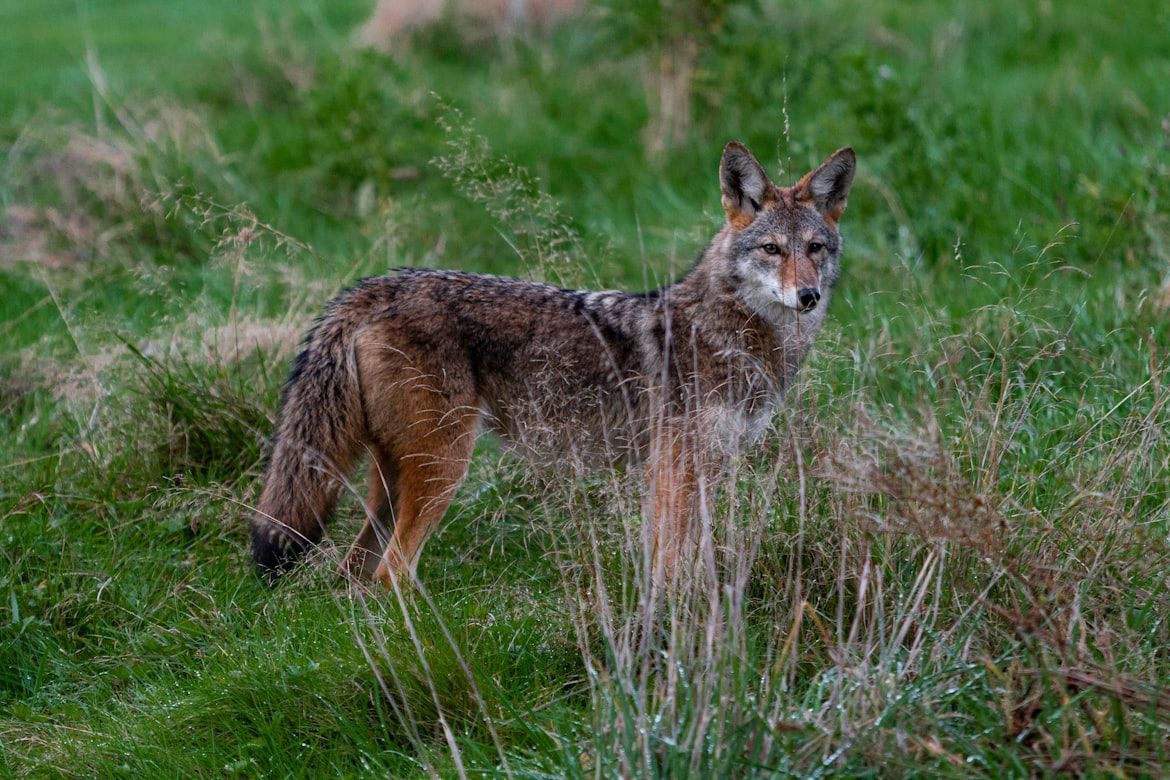
Coyote

Image: Dylan Ferreira

"Coyote" comes from the Nahuatl word coyōtl, which was used by Indigenous tribes of central Mexico. Spanish speakers adopted it, and English borrowed later.

The word kept its meaning, and it remains one of the most direct links between the English language and Nahuatl.

10

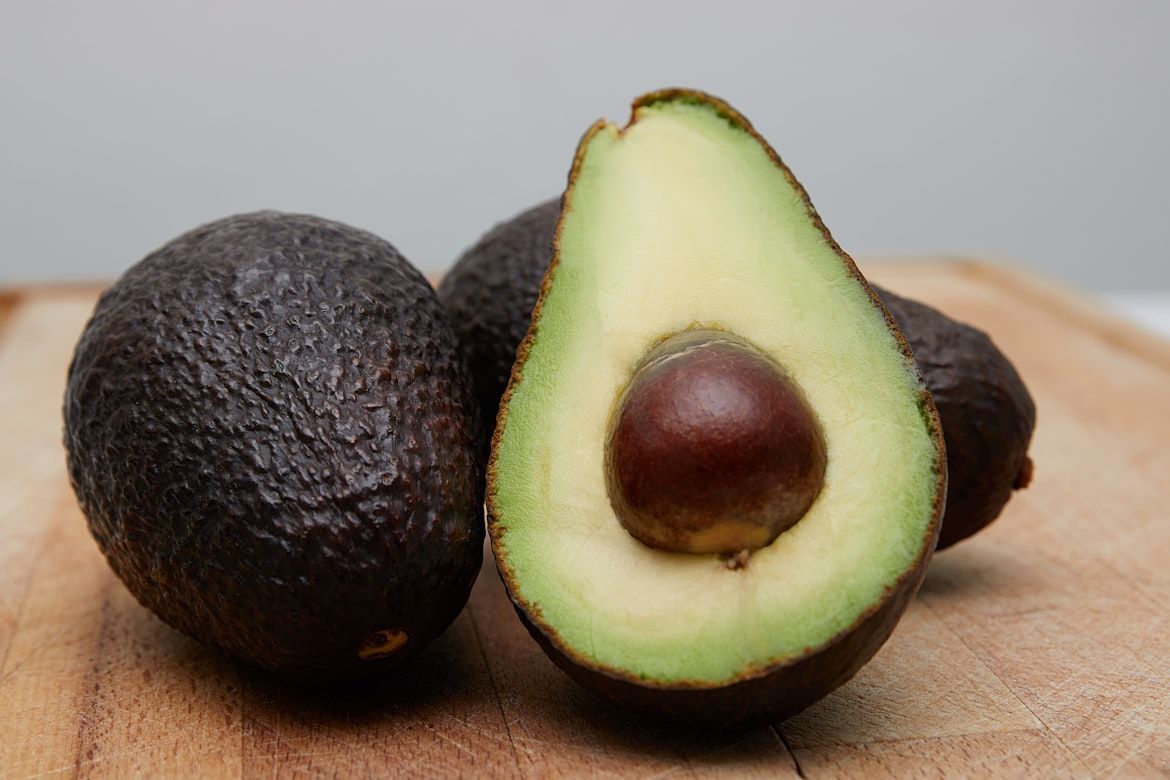
Avocado

Image: Gil Ndjouwou

The tasty avocado’s name traces to the Nahuatl word ahacatl, which refers to the fruit and to a body part as well. Spanish speakers transformed it into aguacate.

Later on, English speakers adapted it to avocado. While the name sounds contemporary and culinary, it has ancient Native roots.

11

Chocolate

Image: amirali mirhashemian

The last Nahuatl word and also the last word on the list comes from the term xocolātl, which describes a bitter cacao drink that was consumed long before Europeans arrived in America. The name traveled from Spanish to English.

Though the product changed dramatically, the word survived. Today, chocolate is a universal symbol of sweetness, with rich and deeply indigenous roots.

Looking for an extra scoop of literary fun?

Learn more with our Word of the day

expedite

/ˈɛkspəˌdaɪt/