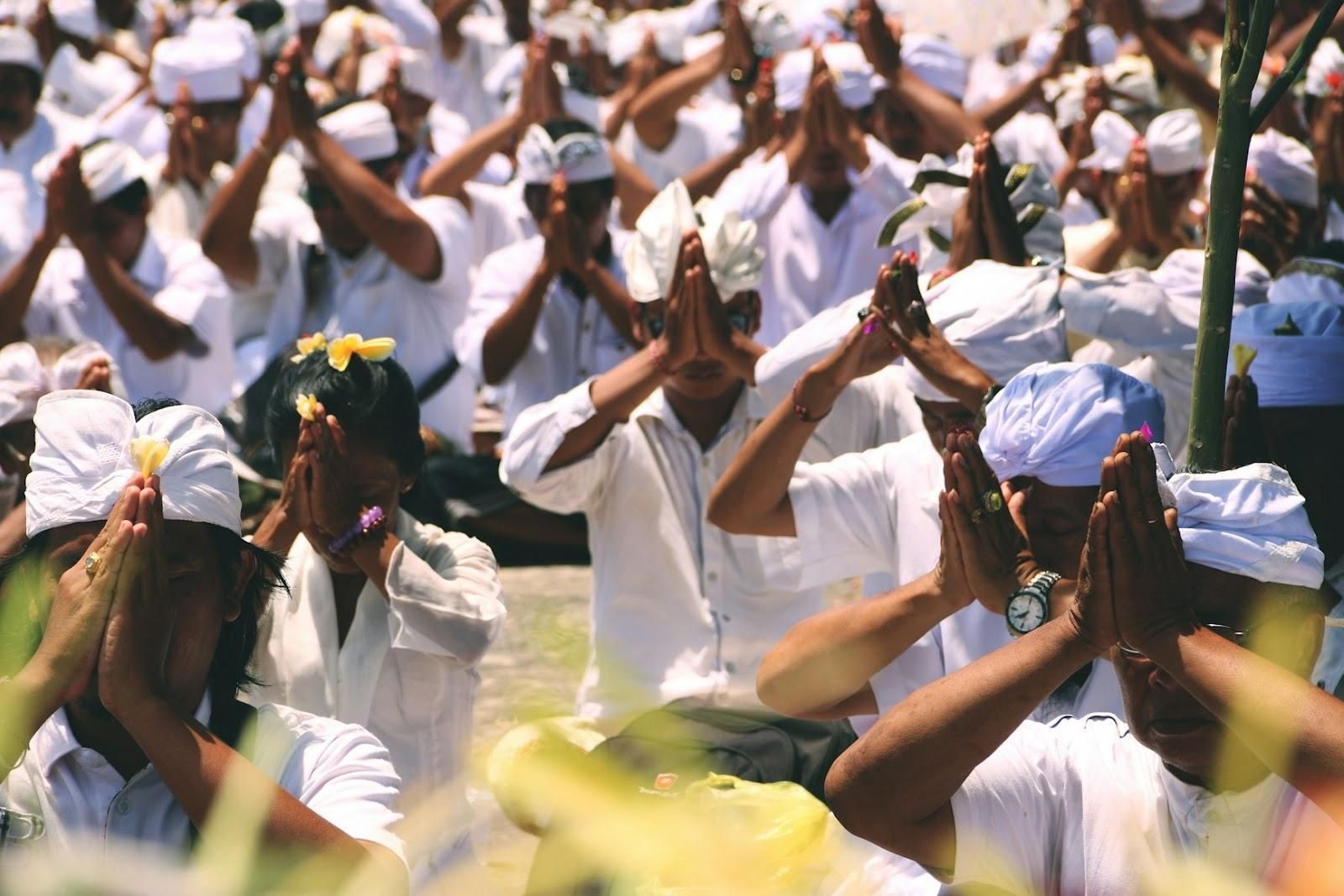
"Spitting On The Bride" and 9 other bizarre wedding rituals


Published on March 21, 2026
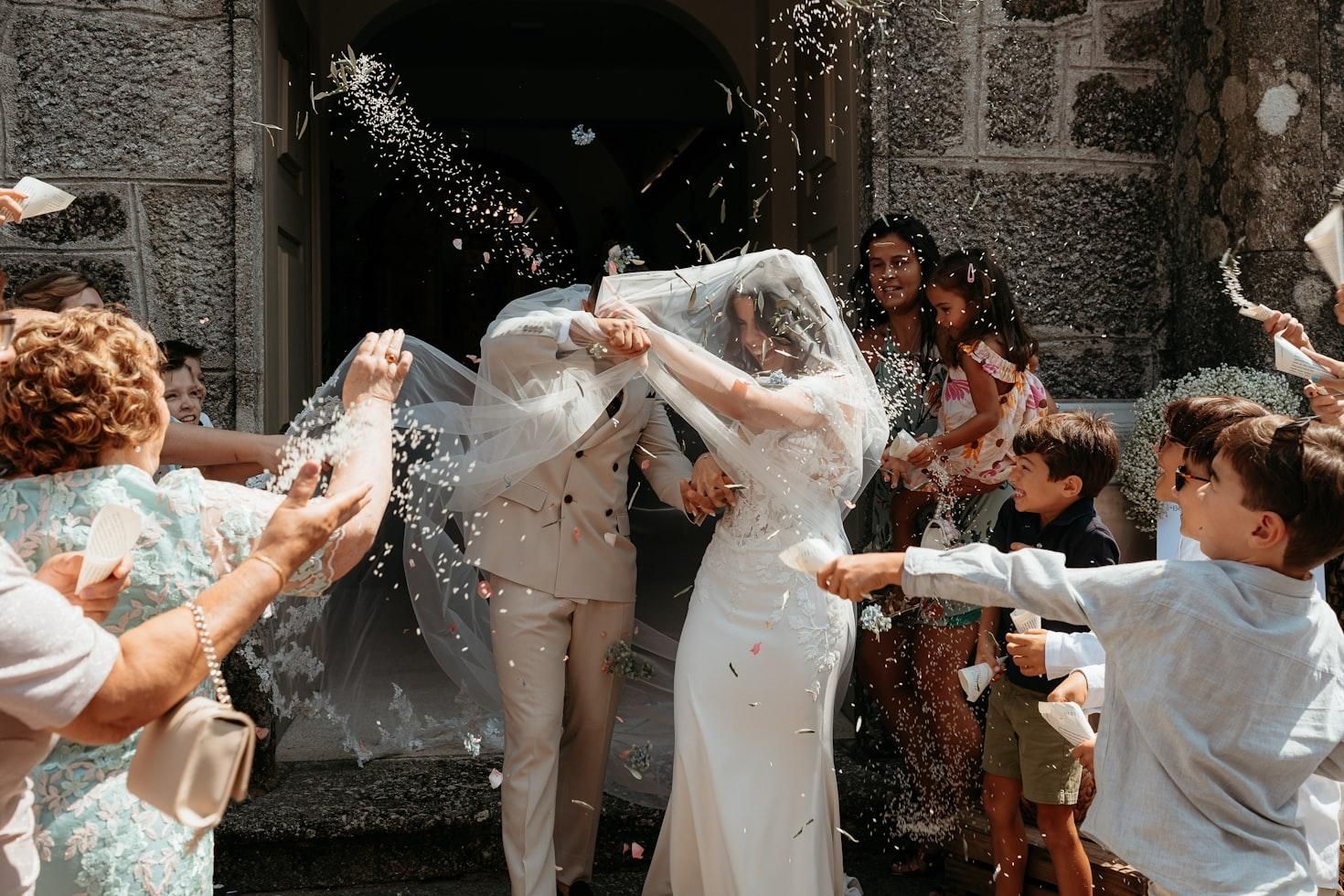

Image: Pedro Pulido

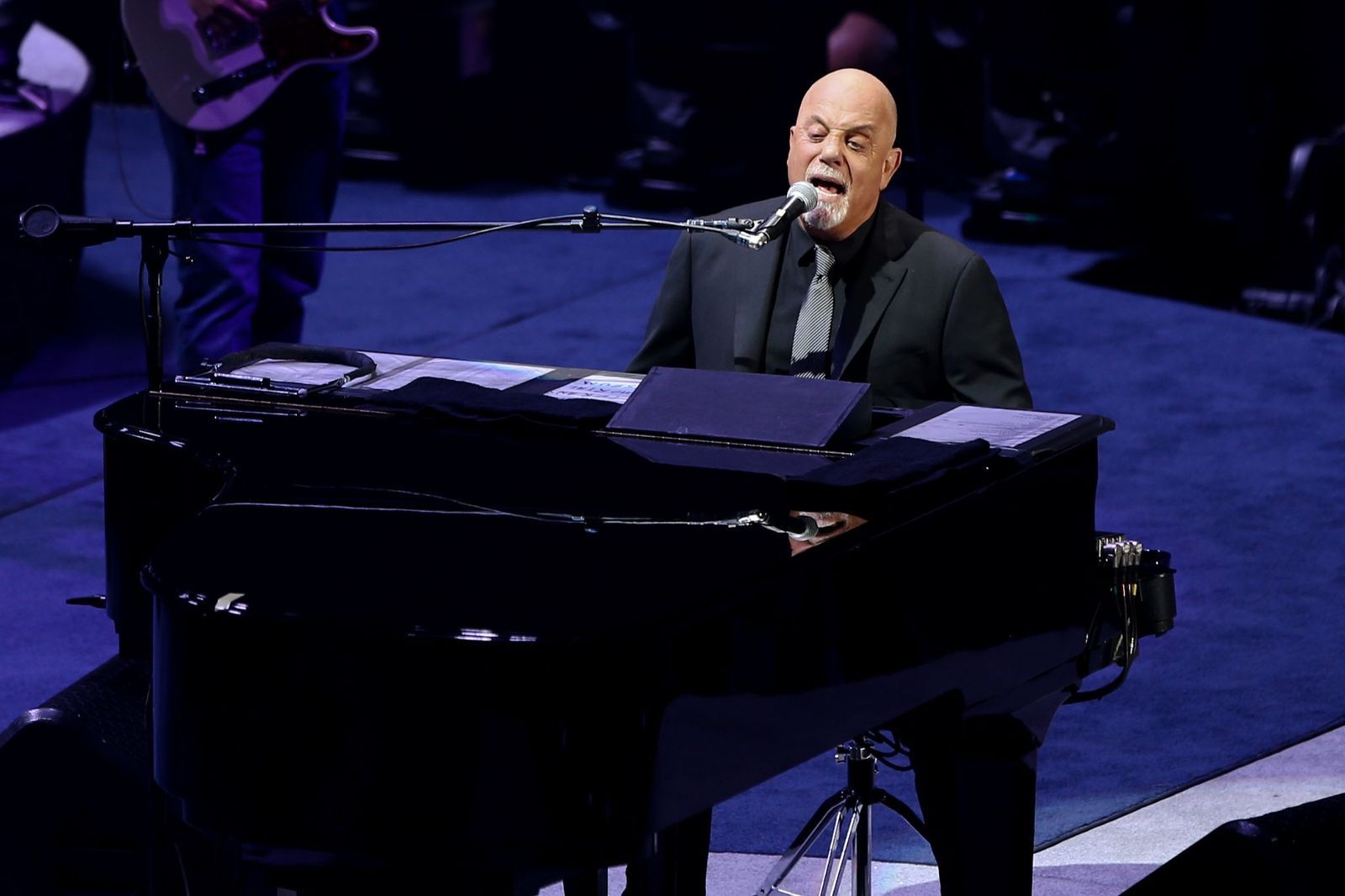
Love may be universal, but the ways people celebrate it couldn’t be more different. Some couples toast with champagne and dance under candlelight, while others begin their journey with leftovers, arrows, or even a month's worth of tears. Across the globe—from Chinese villages to remote Pacific islands—wedding rituals range from deeply symbolic to downright strange. Here are some of the wildest wedding traditions from around the world.

1

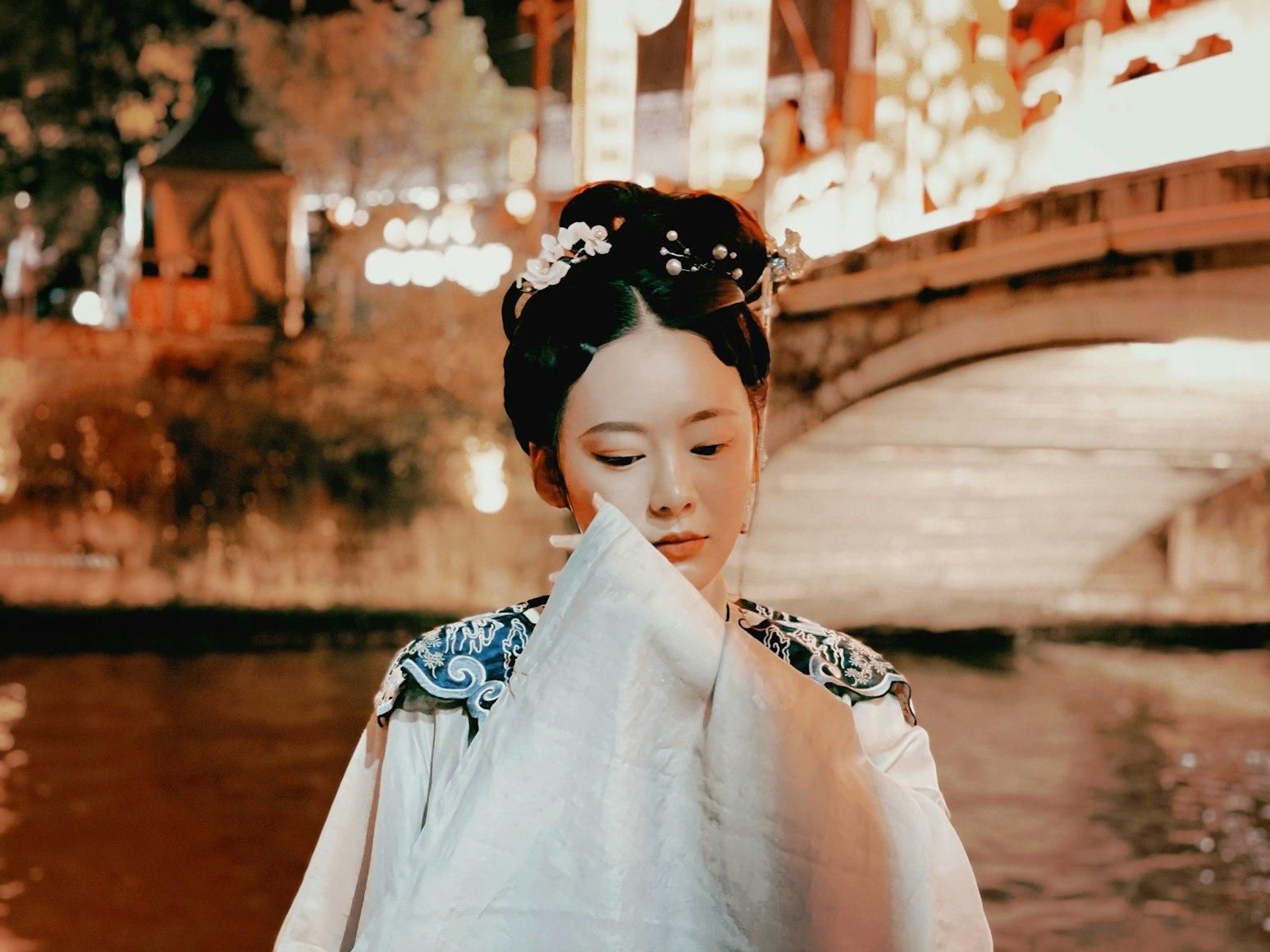
A month of joyful tears

Image: Hu bo

Imagine a wedding tradition where joy is measured not by laughter but by tears. In certain regions of China, brides from the Tujia ethnic group begin crying a full month before their big day. For one hour each evening, the bride weeps to express happiness and gratitude. Ten days in, her mother joins her, and by the final week, her grandmother, sisters, aunts, and cousins take part as well. The sound is said to resemble a "symphony of tears," as locals call it. It may seem dramatic to outsiders, but for the Tujia, this ritual is believed to wash away misfortune and welcome joy into the marriage, turning tears into a celebration of family and future.

2

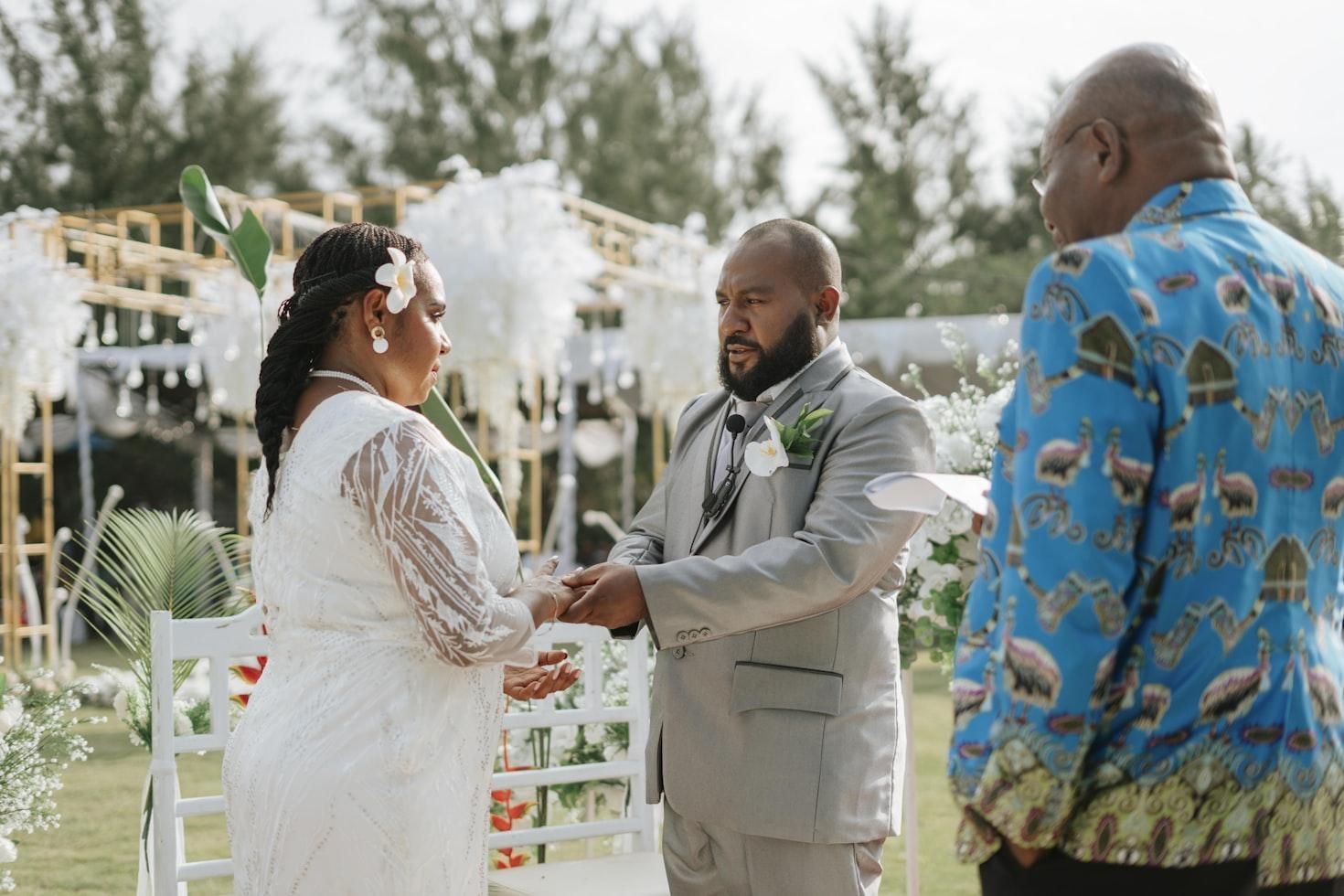
A smile-free ceremony

Image: Asso Myron

In some parts of Africa, weddings are not always centered on laughter and dancing. In the Democratic Republic of the Congo, for example, certain traditional ceremonies are described as austere and solemn. The bride and groom are expected to remain serious from start to finish, not even a hint of a smile allowed. The reasoning is that marriage is a sacred commitment, too important for outward giggles or casual grins. To an outsider, the sight might look less like a celebration of love and more like the world’s most intense staring contest; for locals, it’s a symbol of respect, devotion, and gravity.

3

A mucky proof of love

Image: KoolShooters

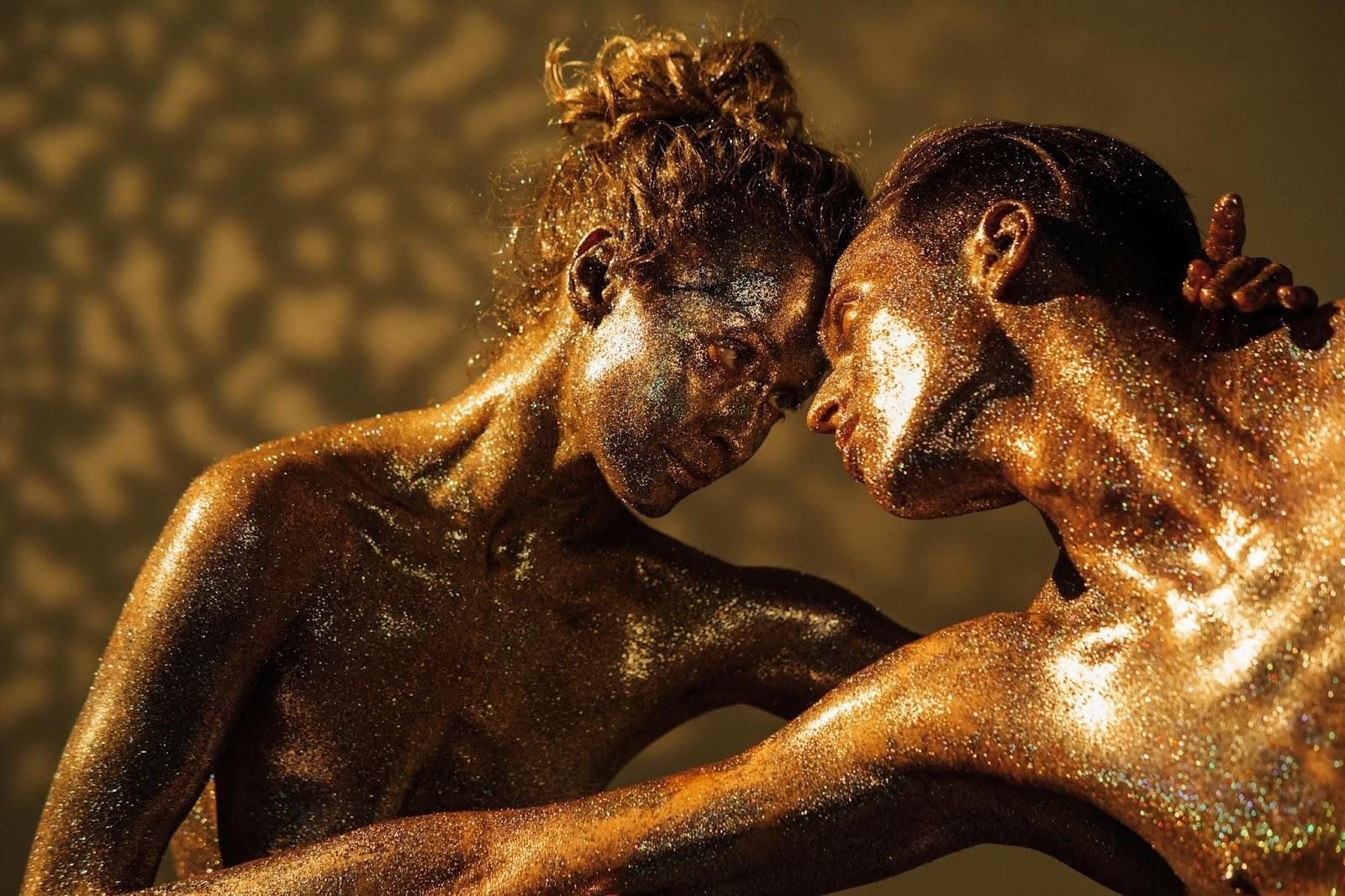
Scotland’s version of pre-wedding "fun" isn’t for the faint of heart. Here, the couple’s closest friends gather before the ceremony to stage the blackening, a messy and mischievous ritual meant to test the pair’s endurance. The bride and groom are chased, caught, and covered in a vile mix of sticky leftovers, spoiled milk, fish guts, flour, and rotten eggs. Once properly coated, they’re paraded through town for everyone to admire. It’s smelly, chaotic, and a little cruel, but there’s meaning behind the madness: if two people can handle such public embarrassment together, they can probably handle anything marriage throws their way.

4

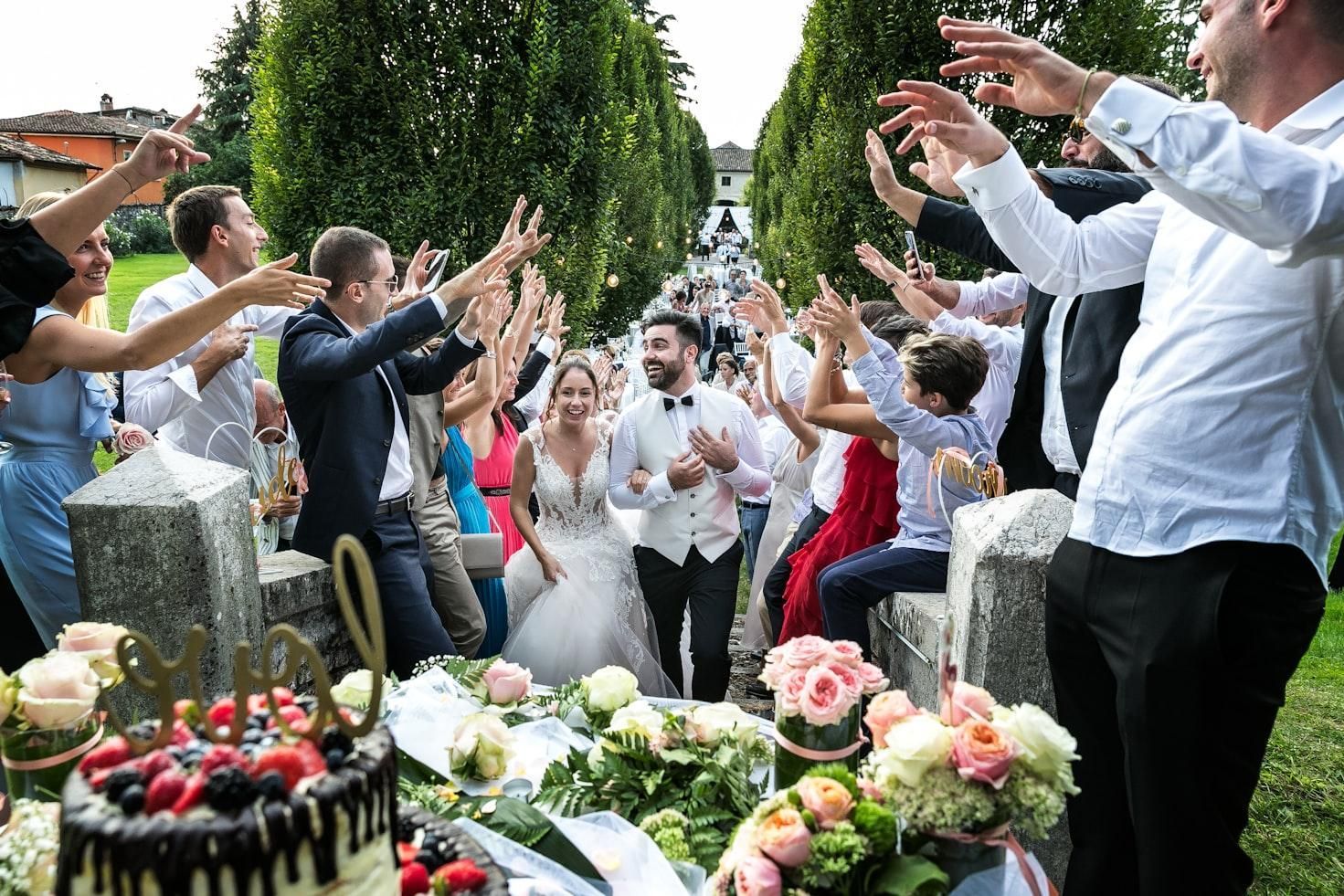
Kisses on standby

Image: Carlo Buttinoni

Would you let your new spouse kiss every guest on your wedding day? No, it’s not the plot of some surreal romantic comedy. As it happens, in Sweden it’s a lighthearted wedding tradition! Whenever the bride or groom leaves the room, the guests line up to give a kiss to the one who stays behind. It may sound a little too wild to some, but in Sweden it’s generally seen as a playful and harmless way to celebrate the newlyweds.

5

The human carpet

Image: Hakan Nural

In the remote Marquesas Islands of French Polynesia, love takes a surprisingly literal form. At the end of the ceremony, family members may lie down on the ground to form what is sometimes described as a "human carpet." The newlyweds then walk across their relatives’ backs on their way out, a gesture meant to honor the family’s blessing and symbolize unity between both sides. It works as a reminder that marriage rests, quite literally, on the support of loved ones. The only caution? It’s best if the bride leaves the high heels aside for this one.

6

Toilet dinner

Image: Bailey Alexander

France, known for elegant cuisine and candlelit dinners, once had a wedding custom that was far less glamorous. After the celebration ended, family and friends would gather the leftovers and serve them to the newlyweds in a toilet bowl or chamber pot. The concoction, commonly referred to as la soupe, was meant to "restore the couple’s strength" after their long day. In later versions of the tradition, guests substituted the original mixture with chocolate or champagne to make it more "festive." While it sounds more like a prank than a tradition, it symbolized good fortune and fertility. Thankfully, modern French couples now prefer to recover their energy with a croissant and café au lait instead of… whatever that was.

7

A wet blessing

Image: Tom Rumble

In Maasai culture in Kenya and northern Tanzania, blessings sometimes take an unexpected yet heartfelt form. Instead of a long speech or formal ceremony, a father offers his daughter good fortune with a simple gesture: he spits lightly on her head and chest before she leaves to begin her married life. It may sound disgusting, but among the Maasai, it’s a deeply respectful gesture. In a region where water is scarce and every drop is precious, even a small amount of saliva carries powerful symbolism. It represents life, protection, and the hope that the union will be strong and prosperous.

8

Feet of steel

Image: Samuel Chan

In South Korea, a groom’s path to the altar sometimes comes with one final challenge. Before the ceremony, his friends tie his ankles together, lift his feet, and playfully strike the soles with sticks or dried fish while firing off trivia questions. The custom, commonly known as bal dalli gi (literally "beating the feet"), is less about pain and more about proving the groom’s resilience and quick wit under pressure. The blows are meant to sting just enough to keep him alert, while the laughter from the crowd keeps the mood light. It’s a comical mix of endurance test and friendship ritual.

9

Love at first arrow

Image: Volodymyr Tokar

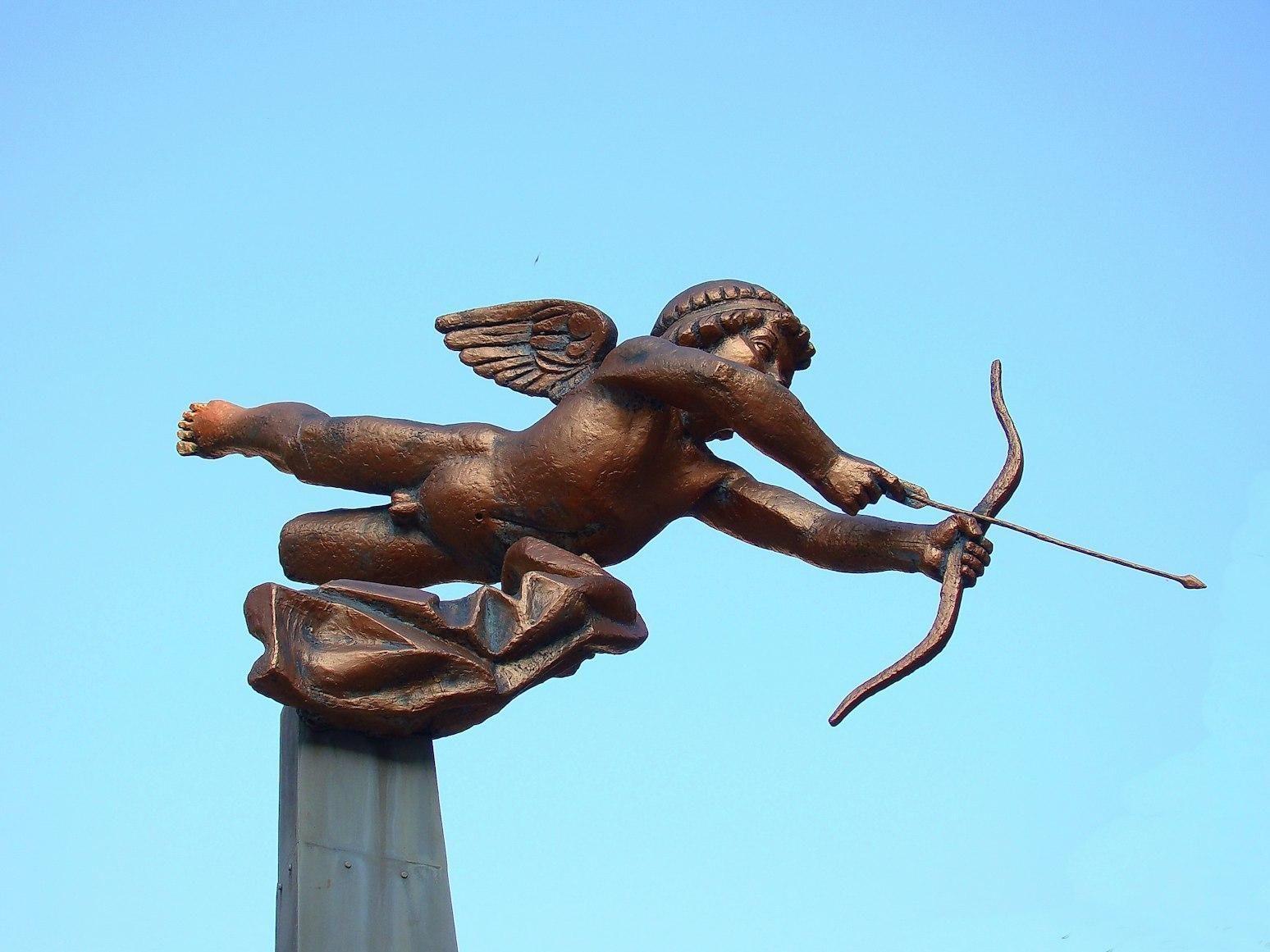
Among the Yugur (also known as the Yughur) people of northwestern China, love traditionally begins with a symbolic act of archery. In this centuries-old ritual, the groom takes a bow and fires three arrows directly at his bride. Don’t worry, the arrows are deliberately blunted or have their tips removed to ensure safety. Once the arrows have struck her dress, he retrieves them and breaks them in half, symbolizing that their bond can never be broken. All in all, the gesture represents both trust and eternal devotion, showing that true love doesn’t always come in diamond form.

10

The honeymoon lock-in

Image: cocoparisienne

On the misty island of Borneo, love begins with an endurance test worthy of a reality show. According to widely circulated accounts, among the Tidong people, newlyweds spend their honeymoon locked in a small room for three full days and nights—not even bathroom breaks allowed! Family members monitor the couple to ensure the rules are observed. The couple is given just enough food and water to get by, but the challenge is mostly symbolic: a test of patience, trust, and teamwork. If they can face three days in close quarters without escaping (or arguing), legend says their marriage will be long and unbreakable. It’s not exactly a tropical getaway, but it might just be the ultimate test of compatibility!
Some names stick around

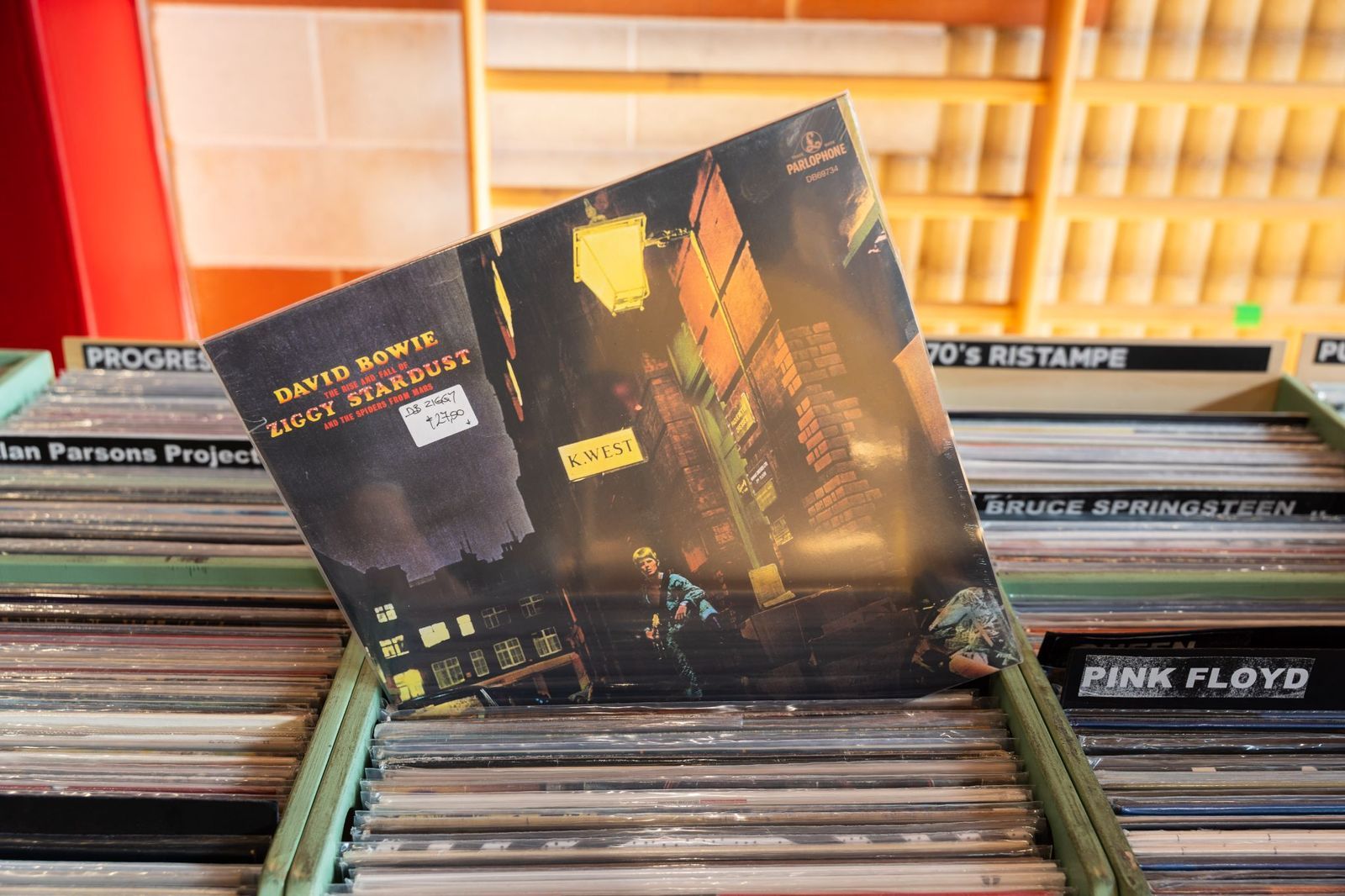
From Table Tap Joe to Ziggy Stardust: Who are the best song characters?


Published on March 21, 2026


Image: Christina Radevich

Sometimes, a character is the perfect alter-ego to write a song about oneself without self-referencing so much. Other times, a character is just a character. Over the years, musicians have come up with lonely dreamers, fearless heroes, mysterious strangers, and even supernatural villains who have become just as famous as the songs themselves. Some were inspired by real people, others sprang entirely from imagination, but all of them left a lasting mark on music history. Which of these 12 do you remember?

1

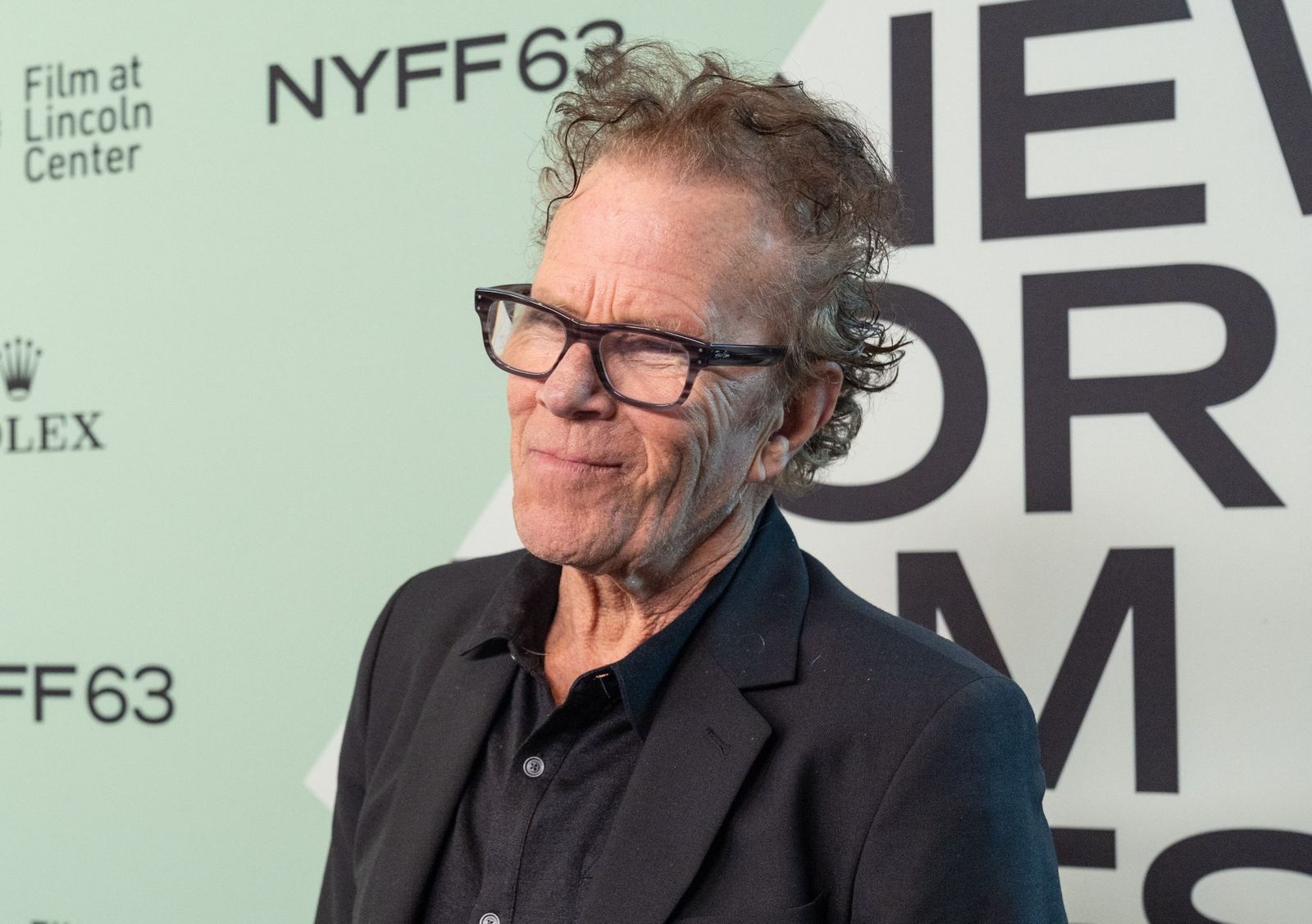
Table Top Joe — Tom Waits — "Table Top Joe"

Image: lev radin

Tom Waits has always had a soft spot for society's oddballs, and few are even stranger than Table Top Joe. Introduced on the 2002 album Alice, Joe is born with only a head and hands, yet grows into a brilliant piano player whose extraordinary talent earns him fame despite the odds stacked against him.

The song unfolds like a forgotten American folk tale, complete with references to Coney Island's legendary Dreamland amusement park and composer Igor Stravinsky. Although many listeners assume the story is based on an old carnival legend, Table Top Joe is entirely Tom Waits' own creation.

2

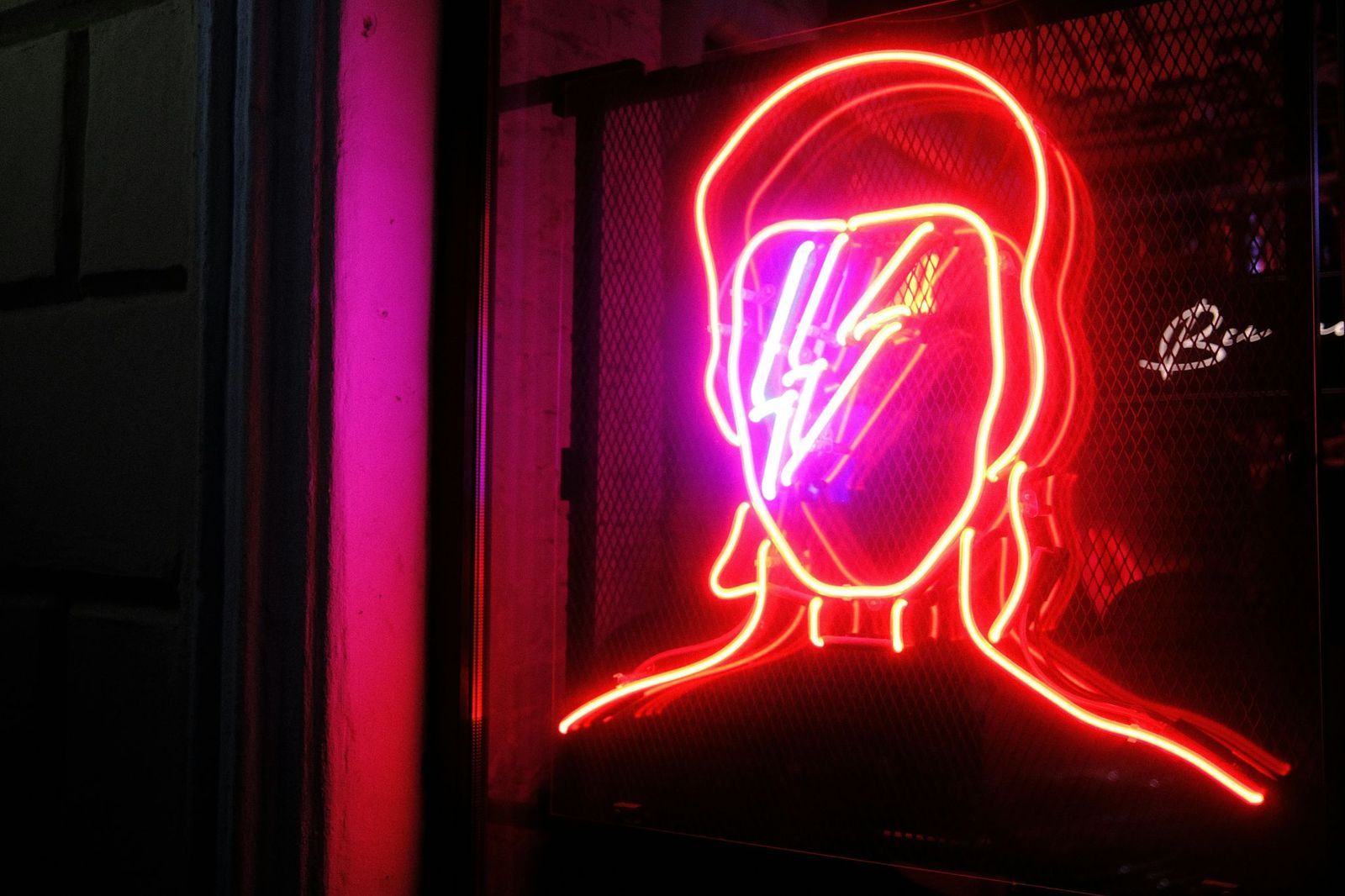
Ziggy Stardust — David Bowie — "Ziggy Stardust"

Image: PHLD Luca

Few fictional musicians have ever become as famous as Ziggy Stardust. Introduced in 1972, Ziggy is an alien rock star sent to Earth shortly before humanity's end, only to be consumed by the very fame that makes him a savior to millions.

David Bowie blurred the line between fiction and reality by performing as Ziggy onstage for more than a year. When he unexpectedly announced Ziggy's retirement during a concert at London's Hammersmith Odeon in 1973, many fans believed the character, and perhaps Bowie himself, had truly reached the end of the story.

3

Tommy — The Who — "Tommy"

Image: defotoberg

Tommy Walker isn't just the hero of a song, he's the central figure of one of rock music's first great operas. After witnessing a traumatic event as a child, Tommy becomes deaf, mute, and blind, yet somehow develops astonishing pinball skills that transform him into an unlikely celebrity.

Pete Townshend built an entire musical world around Tommy, exploring themes of trauma, faith, and redemption. First released in 1969, Tommy later became a hit film, a Broadway production, and one of the most influential concept albums ever recorded.

4

Johnny B. Goode — Chuck Berry — "Johnny B. Goode"

Image: Erman Gunes

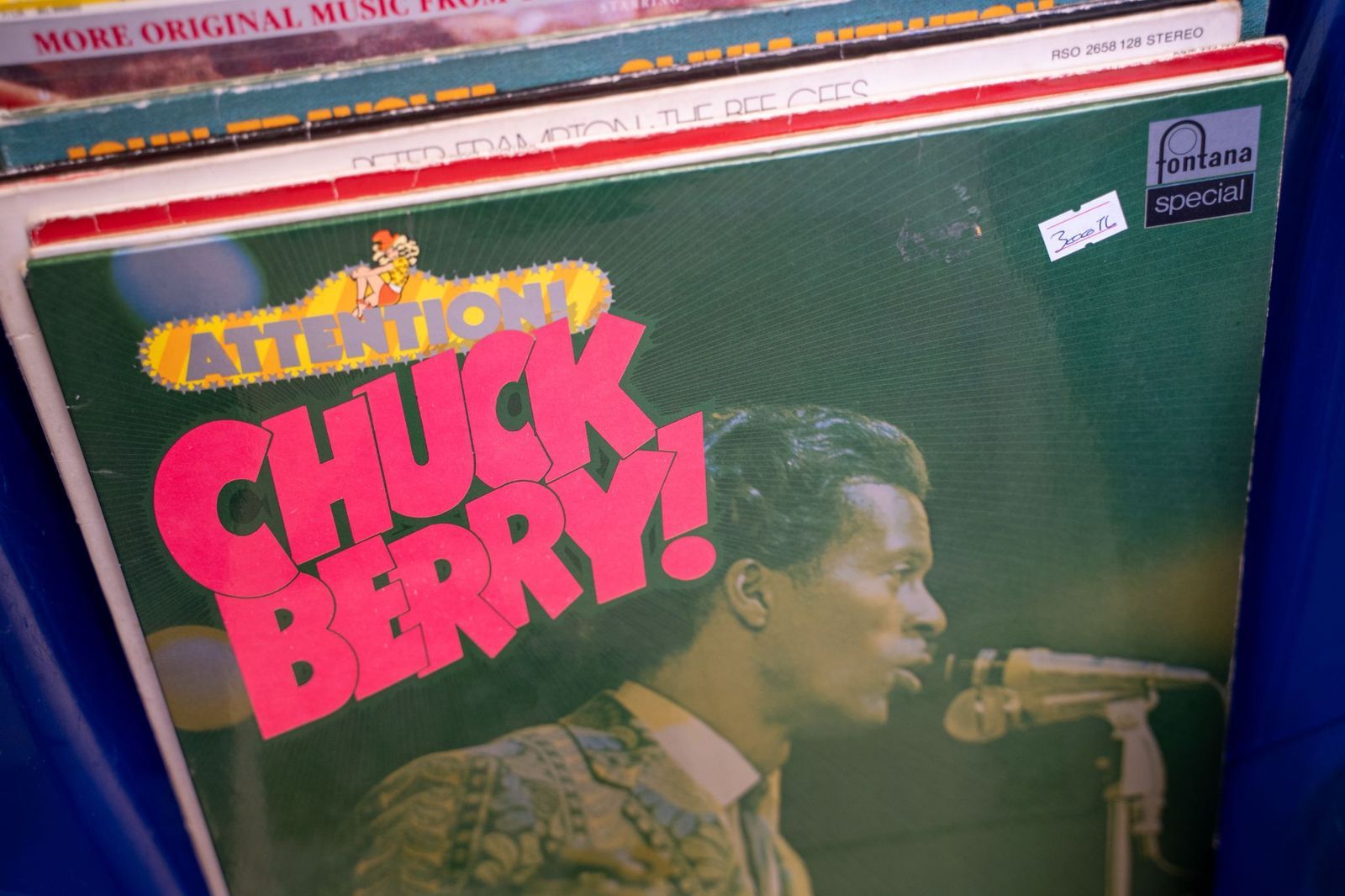
Johnny B. Goode is every aspiring musician's dream. Growing up in rural Louisiana with little more than a guitar and natural talent, he plays so brilliantly that listeners predict "his name will be in lights."

Chuck Berry based the character partly on himself and partly on pianist Johnnie Johnson. Originally described as a "colored boy," Johnny became a "country boy" in the final lyrics, making the song more likely to receive airplay during the segregation era. Nearly two decades later, Johnny's anthem would even travel into space aboard NASA's Voyager Golden Record.

5

Eleanor Rigby — The Beatles — "Eleanor Rigby"

Image: chrisdorney

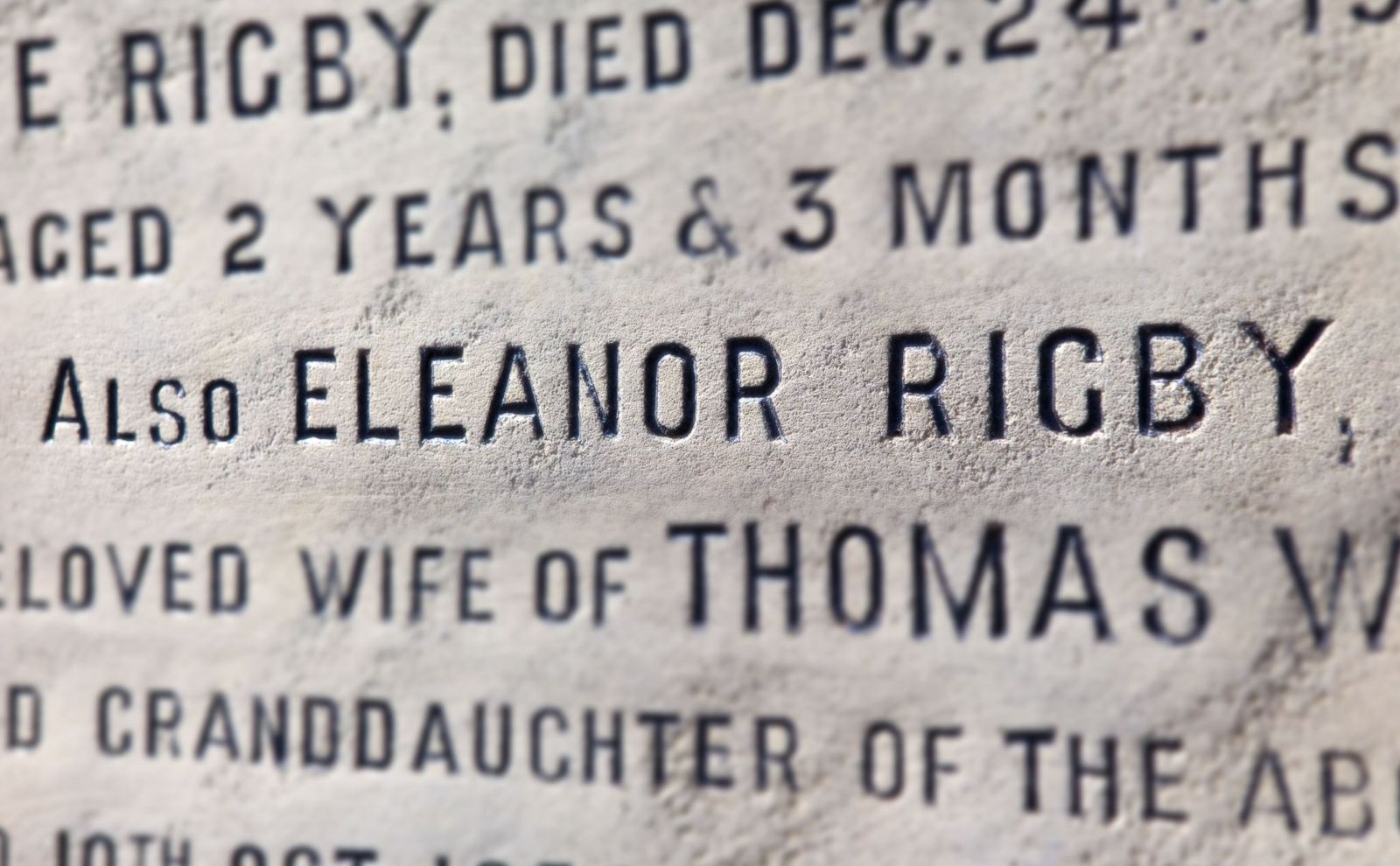
Few fictional characters have captured loneliness as powerfully as Eleanor Rigby. She quietly moves through life unnoticed, while Father McKenzie delivers sermons that no one hears, creating one of popular music's saddest portraits of isolation.

Paul McCartney later explained that Eleanor's name came from actress Eleanor Bron and the Liverpool shop Rigby & Evens. The discovery of an actual Eleanor Rigby gravestone in Liverpool only deepened the song's mystique, though McCartney maintained the coincidence was unintentional.

6

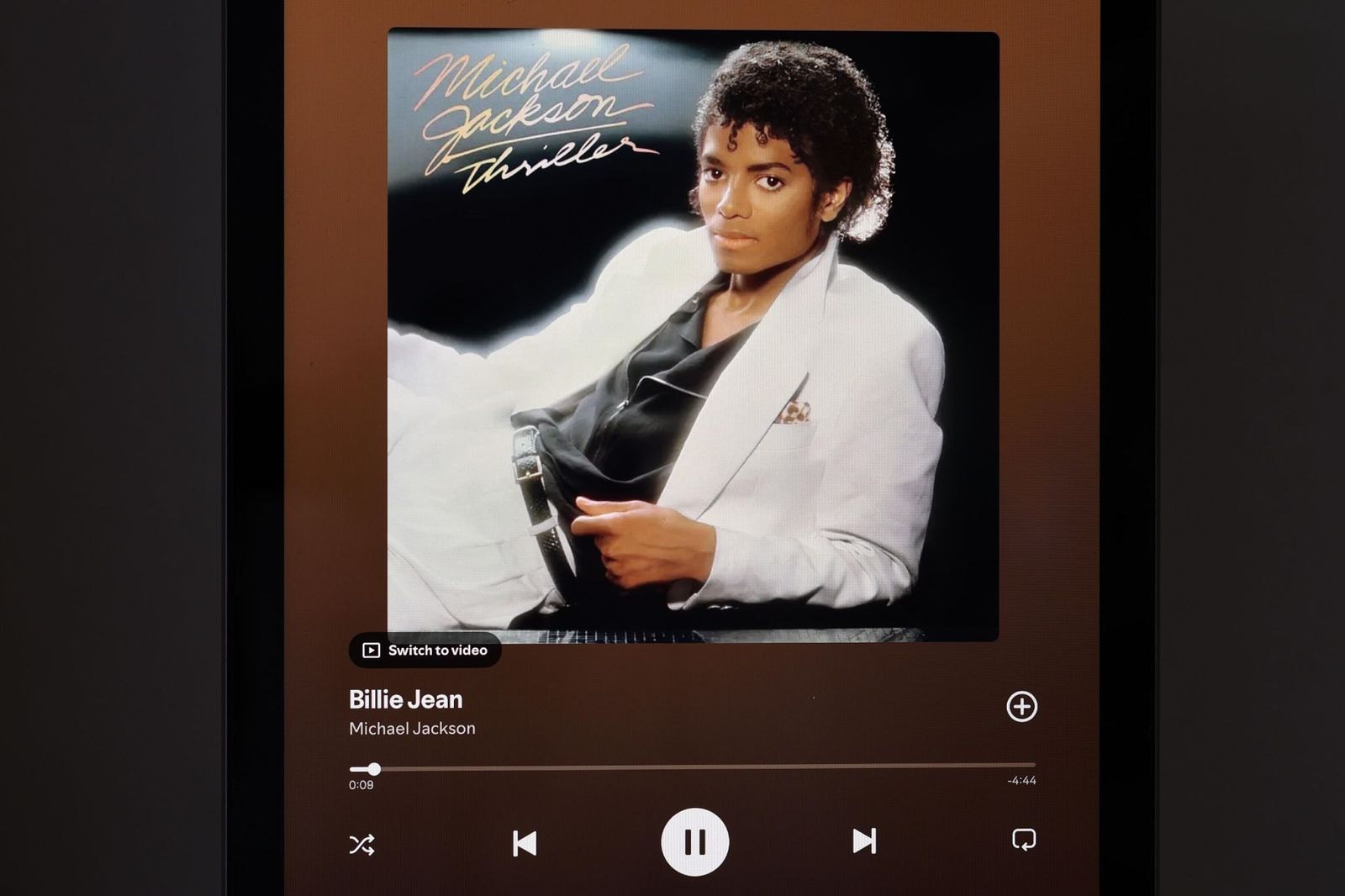
Billie Jean — Michael Jackson — "Billie Jean"

Image: McSleepy

Billie Jean may be one of pop music's most famous women, yet Michael Jackson insisted she wasn't a real person. Instead, she represented several women who falsely claimed that he had fathered their children during the height of the Jackson 5's fame.

Released in 1983 as part of Thriller, the song became a global phenomenon. It also provided the stage for Jackson's legendary moonwalk during Motown 25.

7

Stagger Lee — Lloyd Price — "Stagger Lee"

Image: L Paul Mann

Unlike many legendary song characters, Stagger Lee actually existed. His real name was Lee Shelton, a St. Louis criminal who murdered Billy Lyons during an argument over a hat on Christmas Eve in 1895.

The shocking crime quickly entered American folklore through countless folk songs before Lloyd Price transformed it into a chart-topping hit in 1958. More than a century later, Stagger Lee remains one of the most enduring antiheroes in American music.

8

Tom Dooley — The Kingston Trio — "Tom Dooley"

Image: BOOCYS

Tom Dooley was inspired by Thomas Dula, a Confederate veteran executed in North Carolina in 1868 after being convicted of murdering Laura Foster. His surname was locally pronounced "Dooley," giving the ballad its familiar title.

The Kingston Trio revived the old Appalachian folk song in 1958, turning it into an international hit and helping launch America's folk music revival.

9

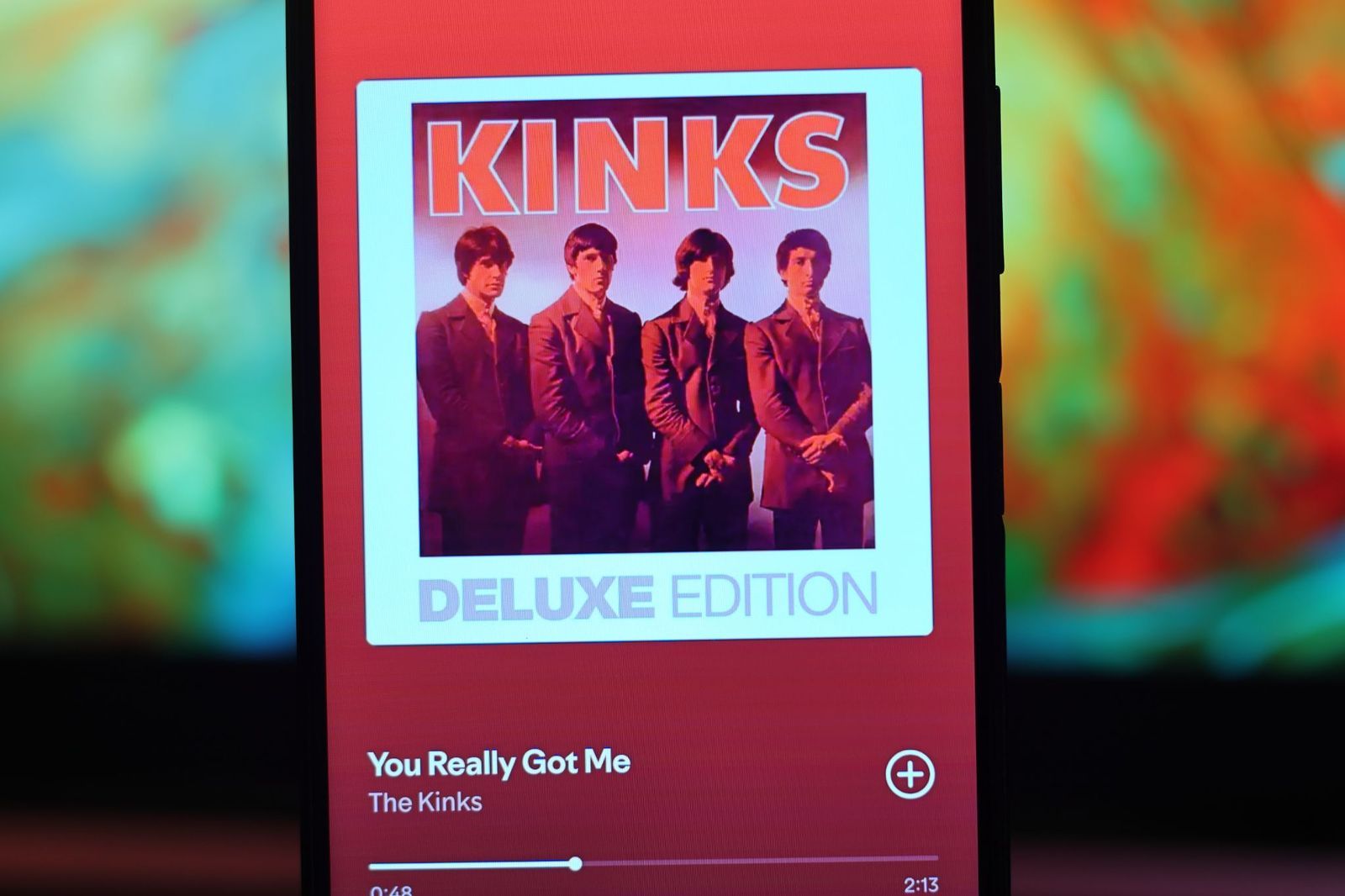
Lola — The Kinks — "Lola"

Image: McSleepy

When the narrator of "Lola" meets an intriguing stranger in a Soho nightclub, expectations quickly give way to surprise. Ray Davies crafted one of rock's earliest mainstream stories exploring gender ambiguity, decades before the topic entered popular conversation.

The recording rarely reached British radio. Because BBC rules prohibited commercial product names, Davies had to interrupt a U.S. tour and fly back to London simply to replace the lyric "Coca-Cola" with the now-famous "cherry cola."

10

Piano Man — Billy Joel — "Piano Man"

Image: Debby Wong

Unlike most famous song characters, the Piano Man is really Billy Joel himself. Before becoming a superstar, Joel spent six months in 1972 and 1973 performing under the pseudonym Bill Martin at the Executive Room, a piano bar in Los Angeles, after becoming trapped in a bad recording contract. The song transforms those experiences into a bittersweet portrait of ordinary people searching for escape at the end of another week.

Joel has said that virtually every character in the song was based on a real person, from bartender John to "Paul, the real estate novelist" and Davy, who really was in the Navy. Yet the Piano Man himself became the story's most enduring character: a quiet observer who offers music as a brief refuge for dreamers, lonely souls, and regulars alike. More than fifty years after its 1973 release, "Piano Man" remains Billy Joel's signature song, and its title has effectively become his lifelong nickname.

11

Amos Moses — Jerry Reed — "Amos Moses"

Image: AS project

Standing nearly seven feet tall and missing an arm, Amos Moses roams the Louisiana swamps hunting alligators. Jerry Reed filled the song with colorful Southern expressions and exaggerated storytelling that make Amos feel like an authentic folk legend.

Although fictional, Amos embodies the larger-than-life heroes found throughout American tall tales. His adventures turned the song into one of Reed's biggest crossover hits and secured Amos a permanent place among country music's greatest characters.

12

Big Bad John — Jimmy Dean — "Big Bad John"

Image: mirigifford

Big Bad John hardly says a word, but he doesn't have to. The towering coal miner earns everyone's respect through quiet strength before sacrificing his own life to save fellow workers when a mine collapses.

Jimmy Dean's 1961 ballad became a smash hit, winning a Grammy and inspiring several sequel songs. More than sixty years later, Big Bad John still stands as one of country music's defining working-class heroes.

Looking for an extra scoop of literary fun?

Learn more with our Word of the day

irksome

/ˈərksəm/