Wacky history
When Australia lost to birds and 9 more wacky military conflicts
Published on August 3, 2025
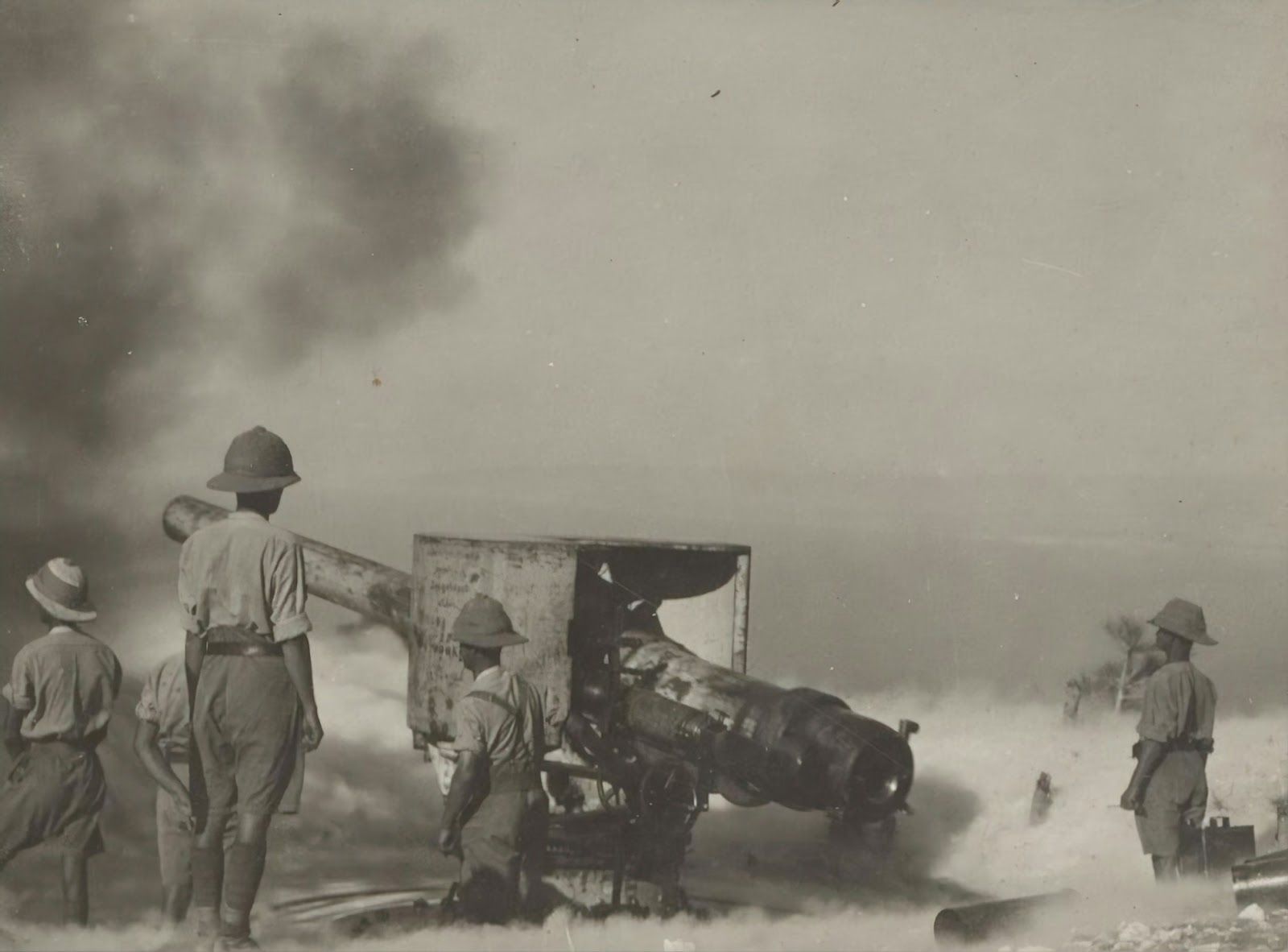 Image: Museums Victoria
Not all conflicts are fought for power or territory—some "wars" erupted over pies, buckets, and even unsuspecting animals. Human history, it seems, can be incredibly unpredictable. From bizarre misunderstandings to centuries-long stalemates over trivial disputes, here are 10 of the strangest "wars" ever fought.
The Pastry War
 Image: The Now Time
In 1838, French pastry chef Remontel demanded compensation after his shop in Mexico was looted by soldiers. France sent warships to collect, escalating into an all-out war.
When Mexico refused to pay, France blockaded Veracruz and bombarded the city. The war only ended when Britain mediated, leading to Mexico paying 600,000 pesos to avoid further conflict.
The Toledo War
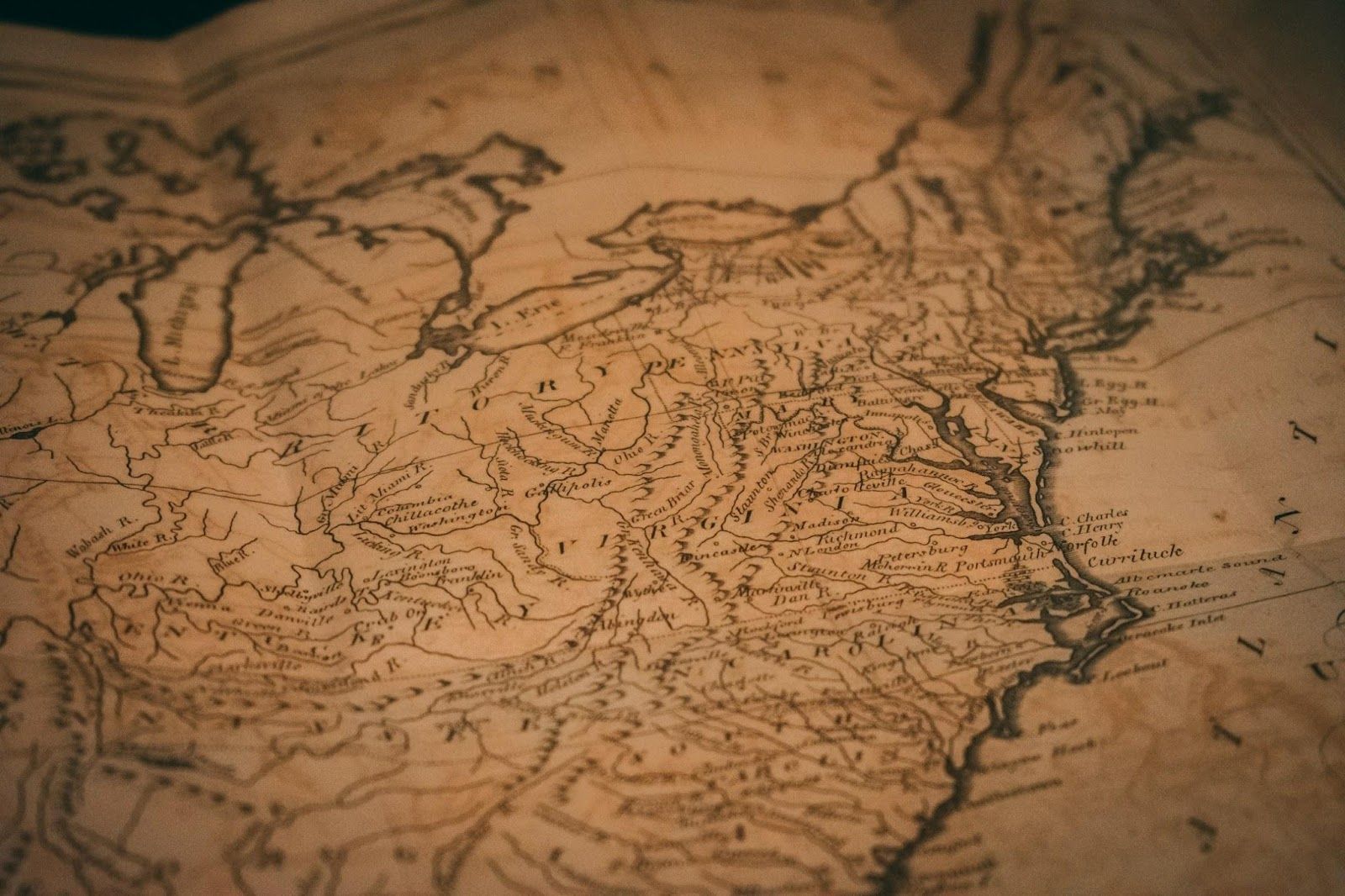 Image: Alex Boyd
A land dispute over a strip of land called the Toledo Strip caused Ohio and Michigan to nearly go to war in the 1830s. The states armed militias but only exchanged minor skirmishes.
The conflict only ended when the federal government intervened, awarding Ohio the disputed land and giving Michigan the Upper Peninsula as compensation.
The War of the Stray Dog
 Image: Alexandra Mirgheș
In 1925, a Greek soldier chased his stray dog across the Bulgarian border and was shot, sparking hostilities. In response, Greece invaded, capturing several villages before the League of Nations intervened.
Greece was ordered to withdraw and pay reparations to Bulgaria. Despite its absurd start, the conflict helped prove the effectiveness of international diplomacy in averting larger wars.
The Cod Wars
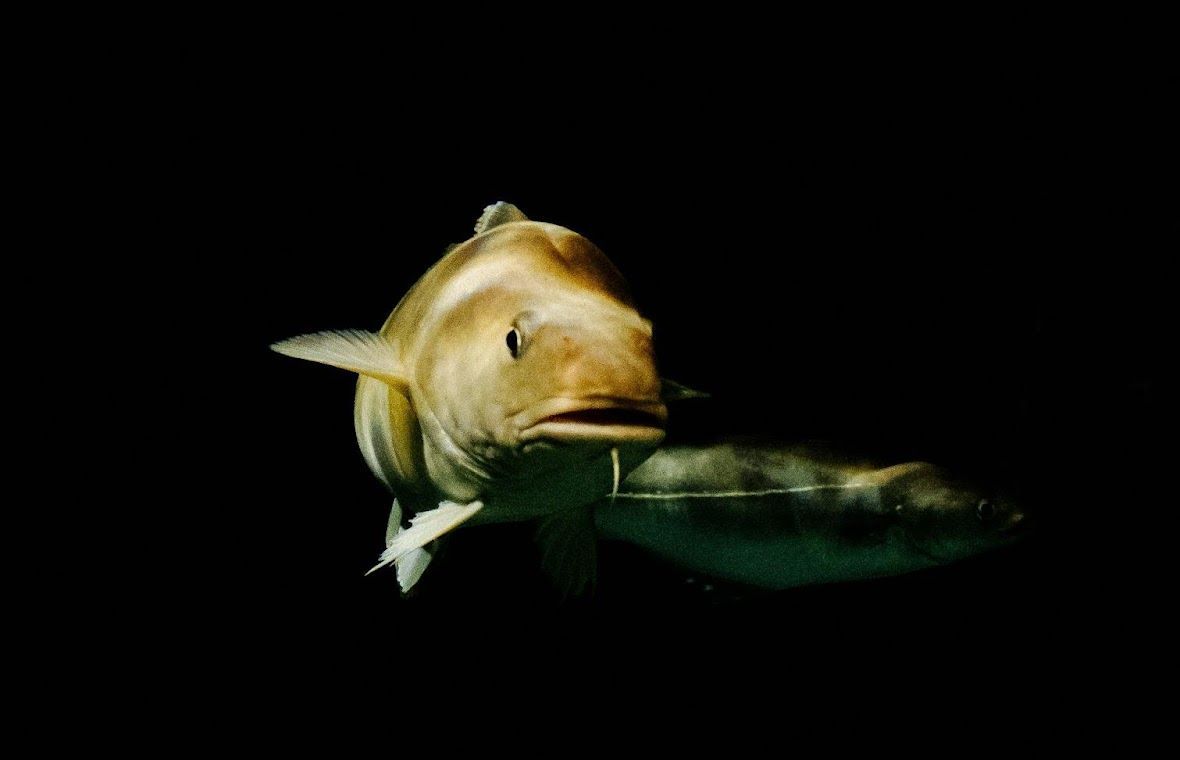 Image: Ricardo Resende
A 20th-century conflict, the Cod Wars were disputes between Iceland and the UK over fishing rights in the North Atlantic. Iceland extended its fishing boundaries several times, angering British trawlers.
Despite no deaths, the confrontations involved ramming ships and cutting nets. Iceland eventually prevailed, asserting control over its waters and reshaping international fishing agreements.
The Emu War
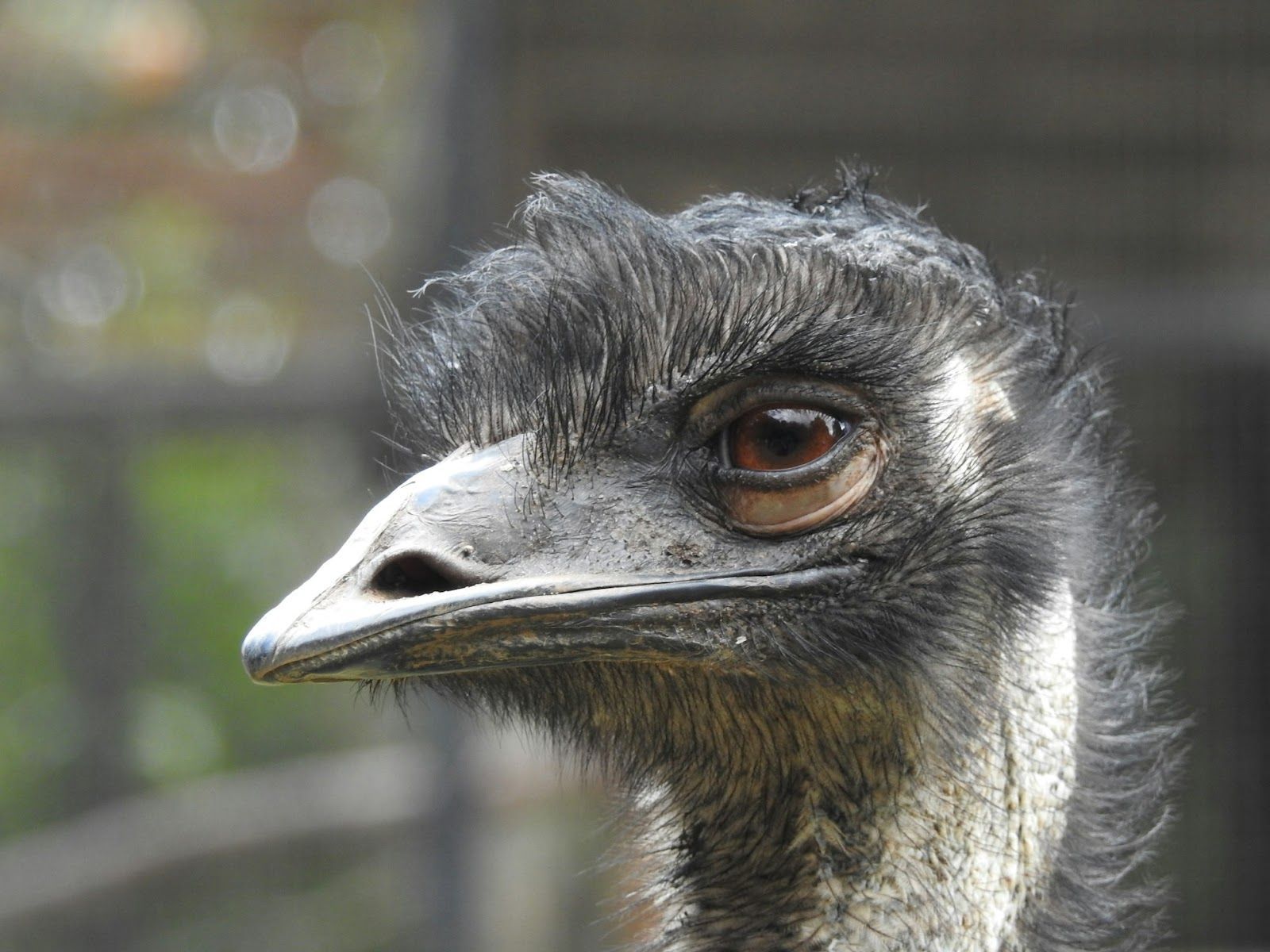 Image: Sharon Co Images
In 1932, Australia deployed soldiers to manage an emu overpopulation wreaking havoc on crops. Using machine guns, they expected an easy victory but were surprisingly outwitted by the agile birds, accomplishing nothing.
The campaign failed spectacularly, and emus remains a humorous symbol of nature’s resistance to human efforts, even to its military might! The government later turned to fencing to manage the problem without making fools of themselves.
The War of the Bucket
 Image: Pavlo Semeniuk
In 1325, rival Italian city-states Bologna and Modena clashed when Modenese soldiers stole a bucket from Bologna's city well. A large battle ensued, resulting in well over 2,000 deaths.
Eventually, Modena triumphed, and the bucket is still displayed as a trophy in the city. While the origins of the conflict might seem bizarre, it highlights the intense (and sometimes absurd) rivalries between independent cities in medieval Italy.
The Pig War
 Image: Christopher Carson
In 1859, on the still undefined U.S.-Canada border, a stray pig innocently crossed the border to eat vegetables from a neighboring farm, prompting an angry farmer to shoot it. This led to a feud with his neighbor that escalated into a military standoff between American and British forces, which lasted months.
The "war" only ended when the border issue was peacefully resolved through international arbitration. Fortunately, there were no casualties, except for the poor pig.
The Three Hundred and Thirty-Five Years War
 Image: Clark Young
This conflict between the Netherlands and the Isles of Scilly began during the English Civil War. According to local historians, the small archipelago declared war on the Netherlands but never bothered to sign a peace treaty afterward.
Despite no fighting, it technically lasted over 300 years due to the forgotten declaration of war. In 1986, a peace treaty was finally signed, bringing an end to one of history’s most prolonged and bloodless "wars."
The Whisky War
 Image: martin bennie
Since the 1970s, Denmark and Canada have engaged in a playful "war" over Hans Island, with each side leaving flags and bottles of whisky or schnapps during their visits.
The dispute was finally resolved in 2022, with the island being split between the two nations. This resolution also resulted in Canada and Denmark sharing a land border, meaning neither country borders just one other—the United States in the case of Canada, and Germany in the case of Denmark.
The Kettle War
 Image: Maria Angelova
In 1784, the Holy Roman Empire and the Dutch Republic clashed over trade rights, with the Dutch winning the conflict by firing only one shot. The only casualty? A kettle of soup.
Apparently, when the bullet ricocheted off the metal container, the captain became so nervous that he immediately surrendered. While this incident wasn’t the last conflict between the two states, it remains a humorous example of history’s quirks.