Sacred actions

Cross your fingers: 10 everyday habits with secret spiritual origins


Published on May 6, 2026
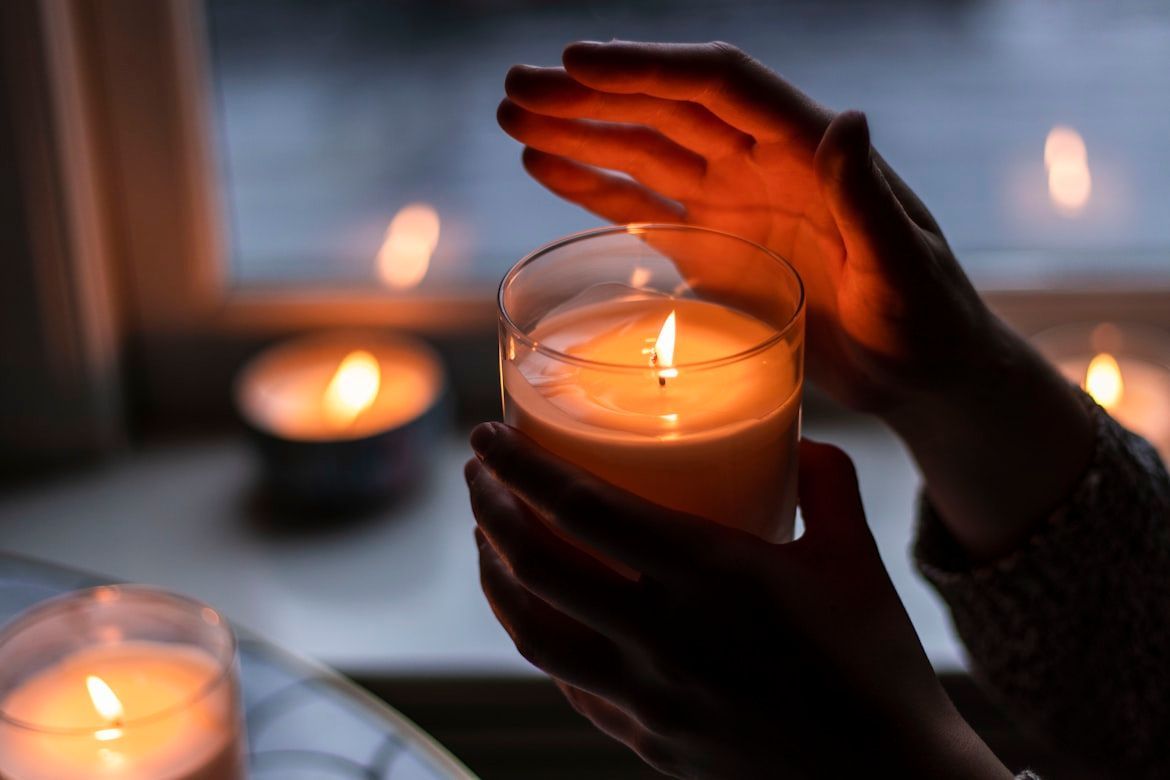

Image: Rebecca Peterson-Hall

Many daily habits we take for granted can be traced back to ancient rituals, religious practices, or traditional customs. From washing your hands to enjoying a morning cup of coffee, these everyday acts carry echoes of centuries-old beliefs, offering a fascinating glimpse into how history shapes modern life.

1

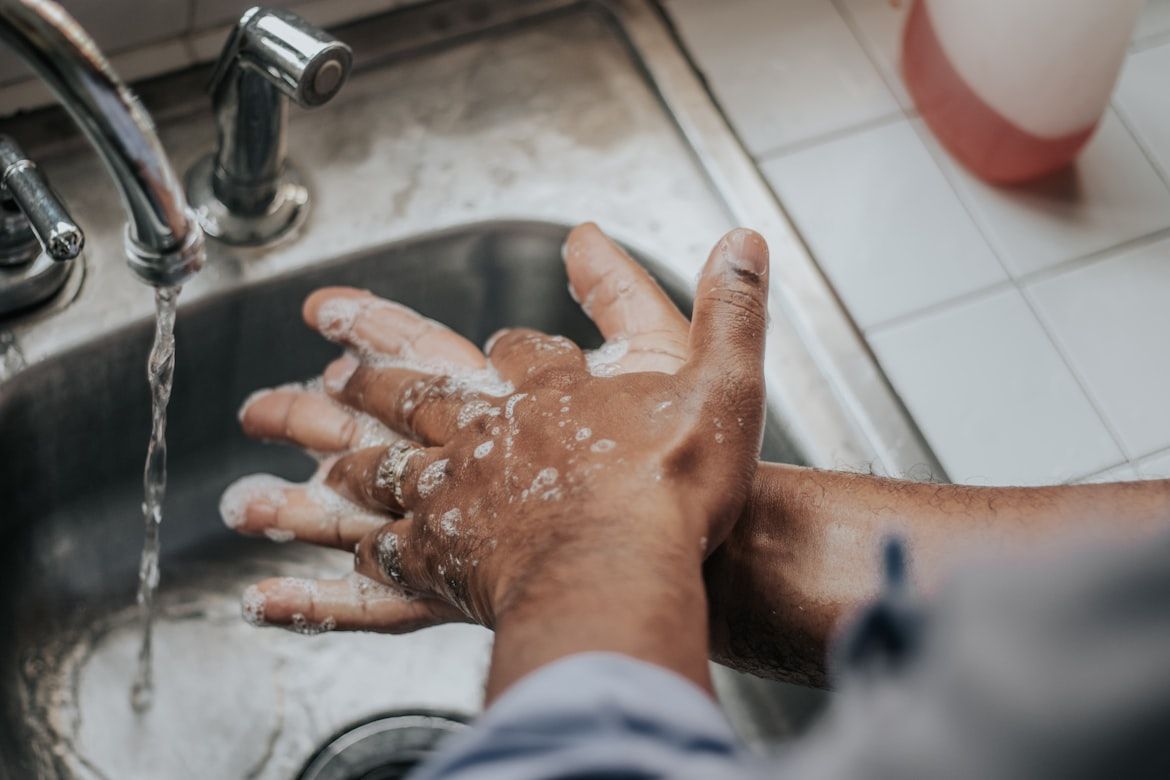
Washing hands

Image: Mélissa Jeanty

There was a time when washing one's hands wasn’t just about hygiene. Long before germs were understood, people performed this act for entirely different reasons.

Handwashing originated as a ritual of purification in ancient Egypt and Mesopotamia, where priests and worshippers cleansed themselves before ceremonies to remove spiritual impurities. Today, many faiths, including Judaism and Islam, uphold these traditions, incorporating specific handwashing practices into their sacred rites.

2

Bathing

Image: zana pq

Similarly, many of our ancestors didn't view bathing as a daily hygienic necessity, save for ceremonial purposes. In Hindu, Jewish, and Roman traditions, water immersion was tied to spiritual purification rather than hygiene alone.

Modern continuations of these practices include ritual baths such as the Jewish mikveh and the Hindu ghats along the Ganges, where devotees bathe to cleanse both body and spirit. European spa culture also traces its lineage back to the grand public bath traditions of Ancient Rome, which were as much about social and spiritual status as they were about getting clean.

3

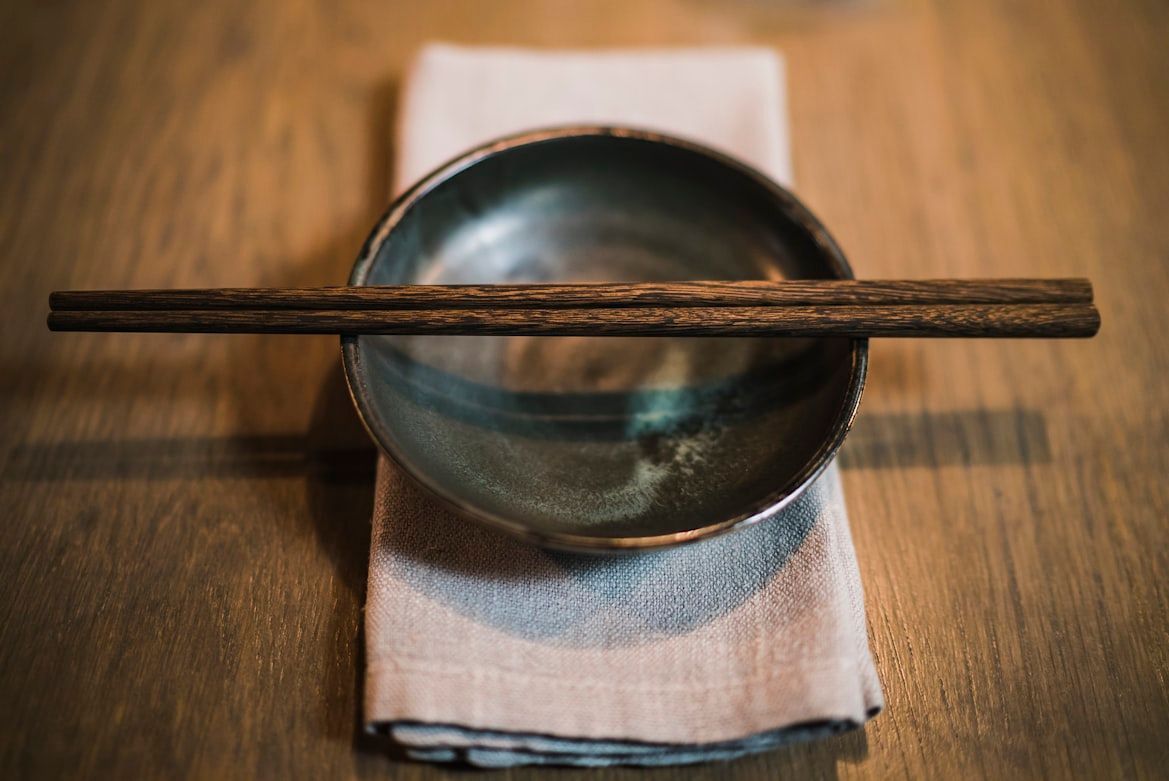
Eating with utensils

Image: Juan Encalada

Surprisingly, eating utensils weren’t always seen as daily necessities. Both chopsticks in East Asia and forks in Europe originally served ritualistic or symbolic purposes.

Chopsticks were often used in ancestor offerings and ceremonial meals before becoming household staples. Similarly, early European forks were designed to avoid direct contact with food; however, this reflected more of a concern with social etiquette and status rather than a true preoccupation with hygiene.

4

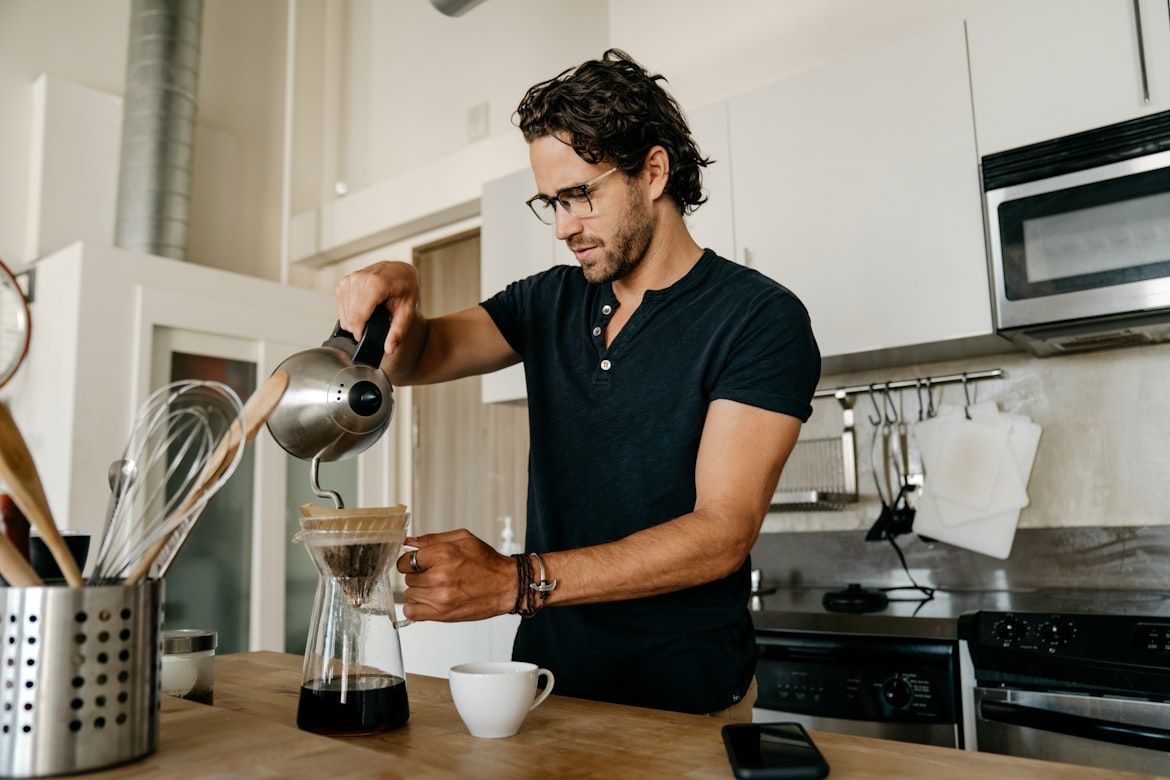
Morning coffee

Image: Oveth Martinez

Coffee’s origins trace back to the 15th century, when Sufi monks in Yemen brewed it to remain alert during nighttime prayers. They viewed the beverage as a tool to enhance focus and spiritual discipline during long hours of devotion.

From its origins in the monastery, coffee spread across the Islamic world and eventually into Europe by the 17th century. Over time, it evolved from a sacred stimulant into a global morning ritual, forever linking the act of "waking up" to a practice rooted in centuries of religious discipline.

5

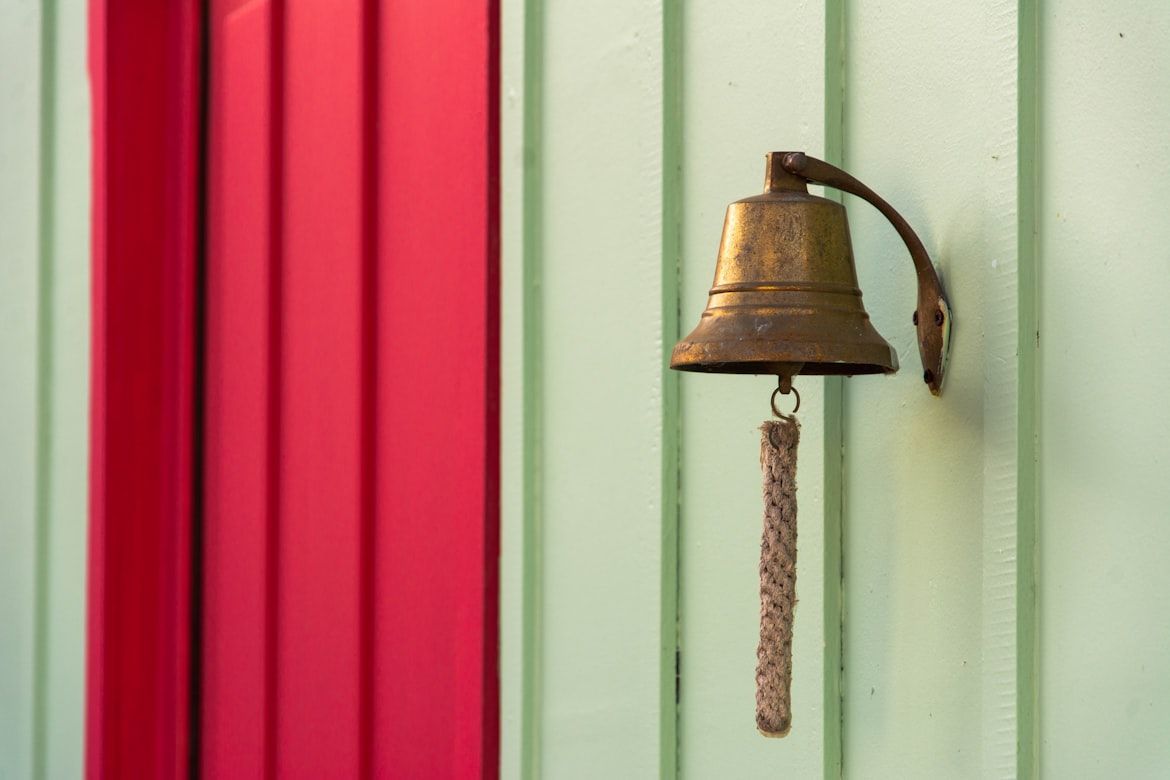
Ringing a bell

Image: Luís Perdigão

Bells have long served as powerful tools in Hindu, Buddhist, and Christian traditions—signaling prayer times, marking sacred rituals, and warding off malevolent spirits. Many cultures also hold that the resonant sound of a bell purifies the surrounding space and invites positive energy.

From church towers to school hallways, bells continue this legacy today. Even the modern dinner bell or digital alert links our daily schedules to this ancient practice of "marking" time and calling a community to attention during significant moments.

6

Wearing rings

Image: Febrian Zakaria

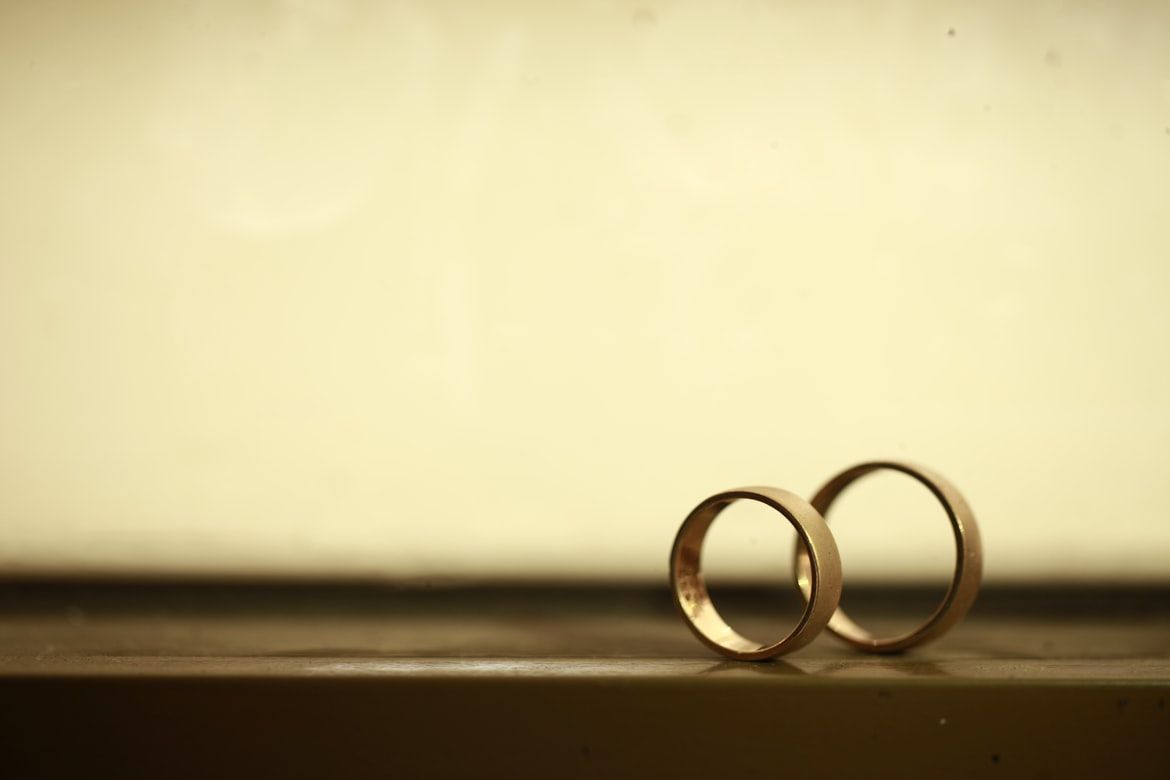
In ancient Egypt and Rome, rings were far more than simple decoration. Egyptians wore rings adorned with sacred symbols—such as the scarab or the Shen ring—as protective talismans to ward off misfortune. Meanwhile, Romans used signet rings to denote social rank and authenticate documents, often selecting specific gemstones for their purported mystical properties.

While many modern rings are purely aesthetic, wedding bands and heirlooms still carry deep symbolic weight, echoing their ancient roles as markers of status, protection, and lifelong commitment.

7

Birthday candles

Image: Lan Gao

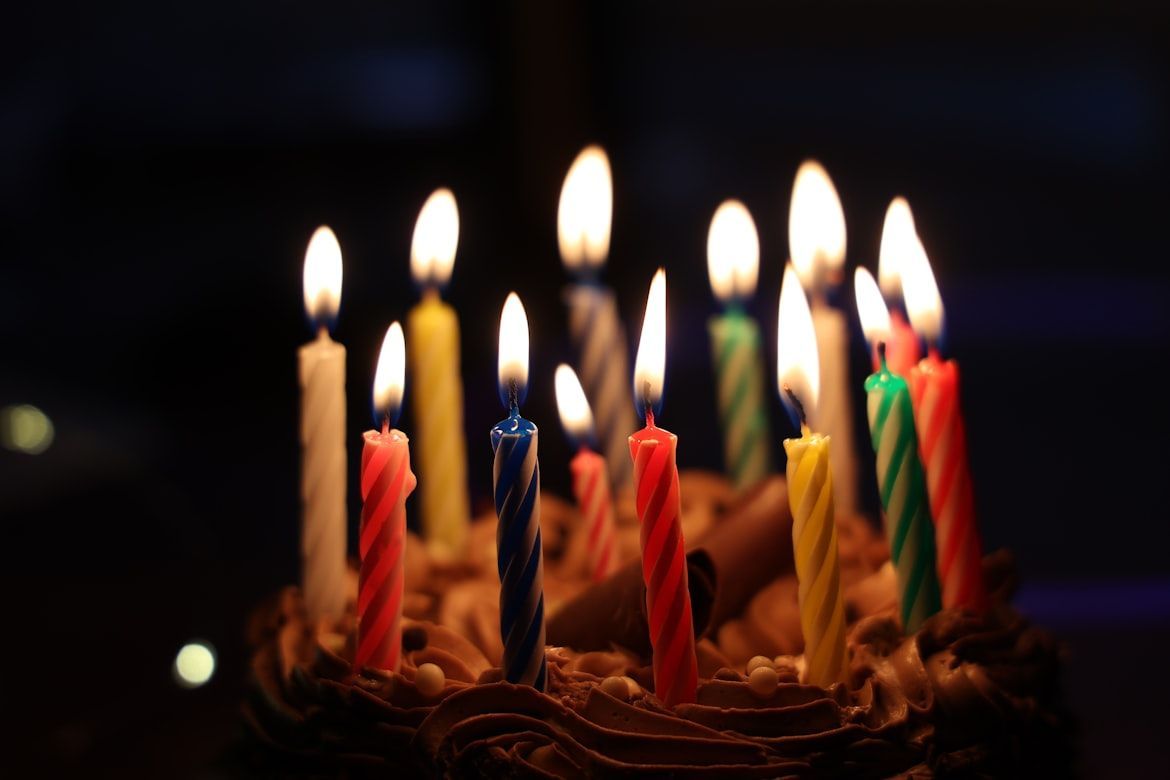
In ancient Greece, during the Mounychia festival (around the full moon), Athenians offered round cakes called amphiphontes to Artemis, goddess of the moon. Historical accounts suggest that these cakes were decorated with small torches or candles arranged in a circle, intended to mimic the moon’s ethereal glow.

Scholars suggest this ritual may have inspired later traditions. Today, birthday candles carry on this practice in a celebratory form, though they still symbolize the ancient themes of light, hope, and protection.

8

Crossing fingers

Image: Dayne Topkin

The gesture of crossing one’s fingers has roots in early Christianity: believers are thought to have crossed their index fingers with those of another person to form a secret "X" (like a tiny cross) as a sign of faith and to invoke divine protection during times of persecution.

Over time, the gesture evolved from a two-person pact into a solitary act. By the Middle Ages, individuals began crossing their own fingers to ward off evil or "trap" good luck, eventually becoming the universal symbol for hope and fortune we recognize today**.**

9

Waving

Image: Leanne Lucas

Waving likely evolved from the precursors of the modern salute. In the medieval period, knights would lift the visors of their helmets to reveal their faces and bare their right hands—a practical way to prove they were not carrying a weapon or harboring hostile intent.

Over time, this open‑hand gesture transitioned into a universal greeting. Today, when we wave, the raised palm still subconsciously signals peaceful intentions, echoing its origins as a gesture of peace.

10

Making a toast

Image: Quan Nguyen

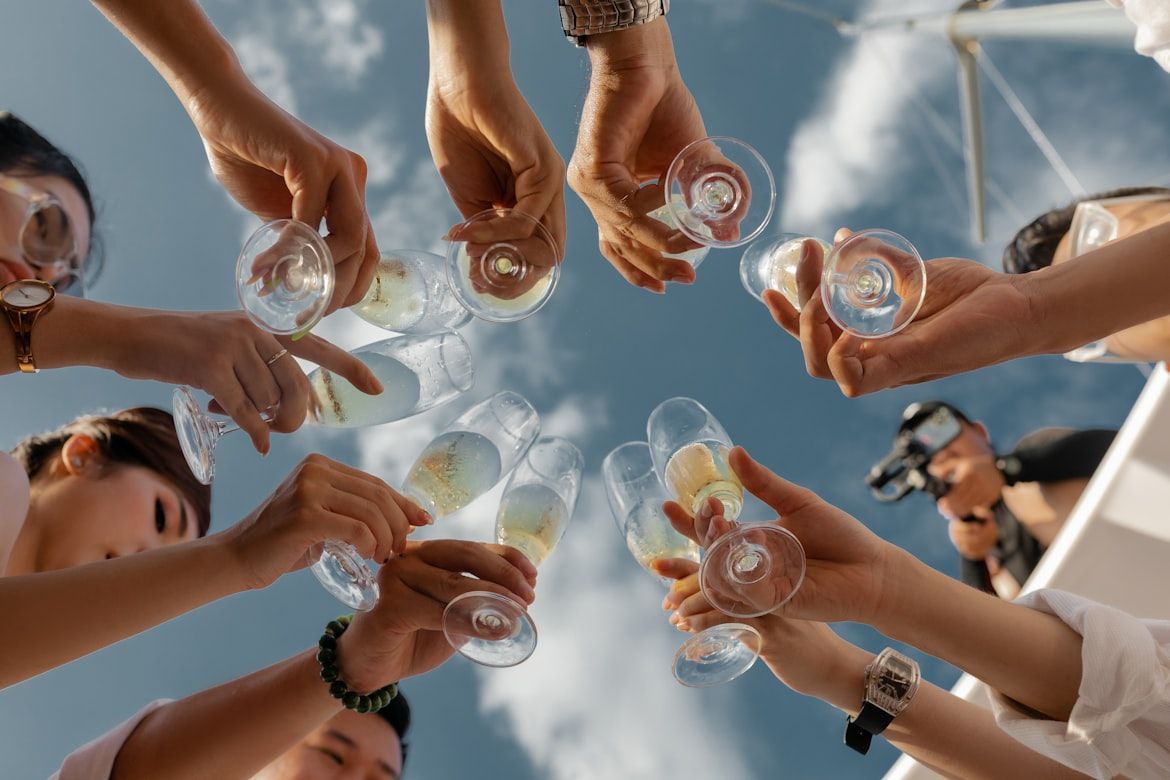
Raising a glass has deep roots in ancient Greece and Rome. At Greek drinking parties, participants raised their cups in libations to the gods—a practice documented in the works of Homer, where toasts were offered to deities like Zeus and Hygieia.

In Rome, the custom took a literal turn: guests often dropped a piece of toasted bread into their wine to temper its acidity and improve the flavor. This birthed the term "toast," from the Latin tostus, meaning "parched" or "burnt." While legends suggest that clinking glasses forcefully was a way to spill wine between cups to prove neither was poisoned, the act remains a universal symbol of trust and celebration.

Hospital secrets

What is a "Code Gray" and what you should know if you hear it at the E.R.


Published on May 6, 2026


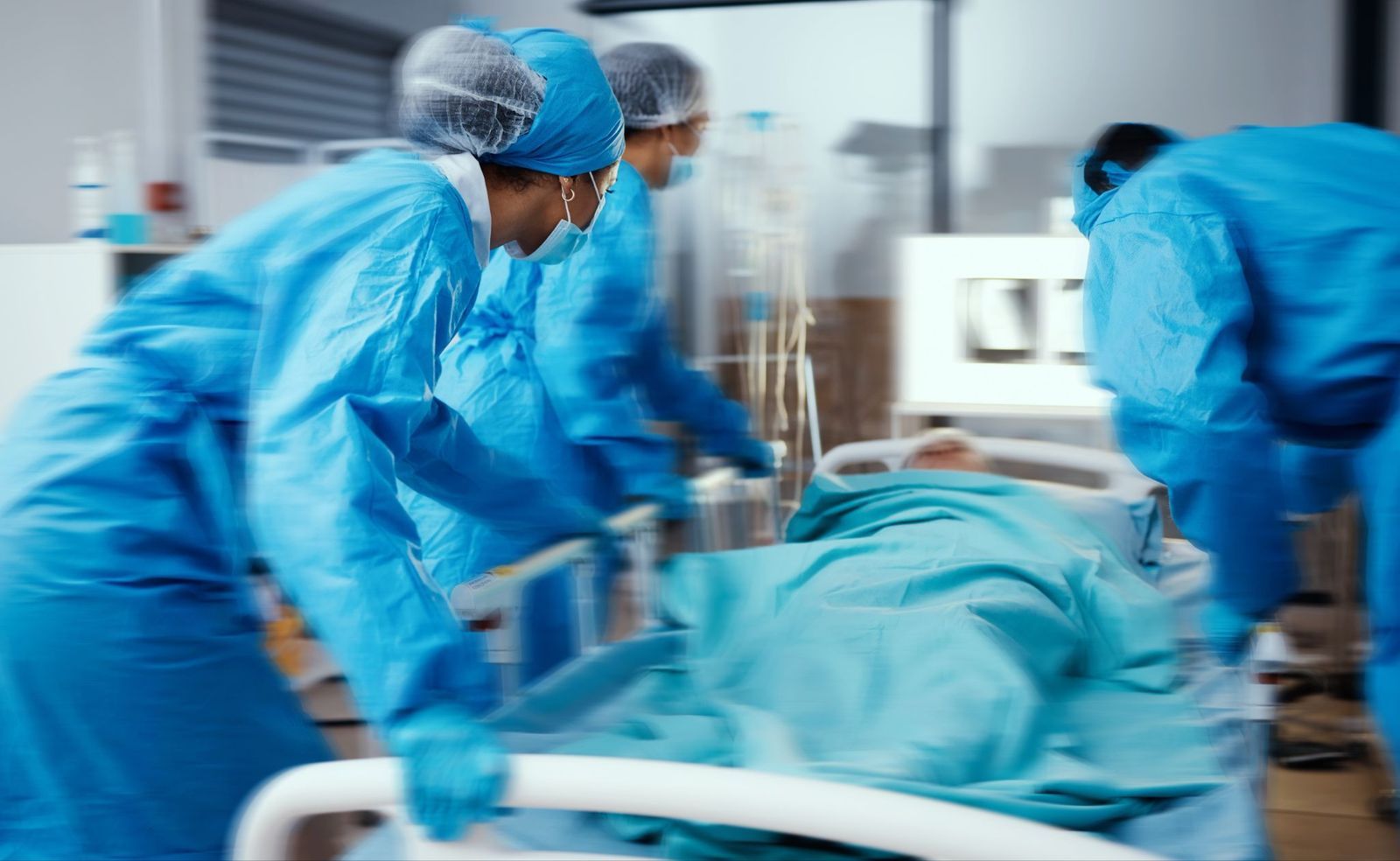
Image: voronaman

A trip to the emergency room can be stressful enough without hearing doctors and nurses speak a language that sounds like a secret code. One minute, someone is asking for medication "STAT," the next there’s a "Code Gray," and another patient is suddenly "NPO." What do those words really mean? Some are official medical terms, others are insider slang, but they all help hospital staff communicate quickly when every second counts. Here are 10 of those codes explained.

1

Code Gray

Image: PeopleImages

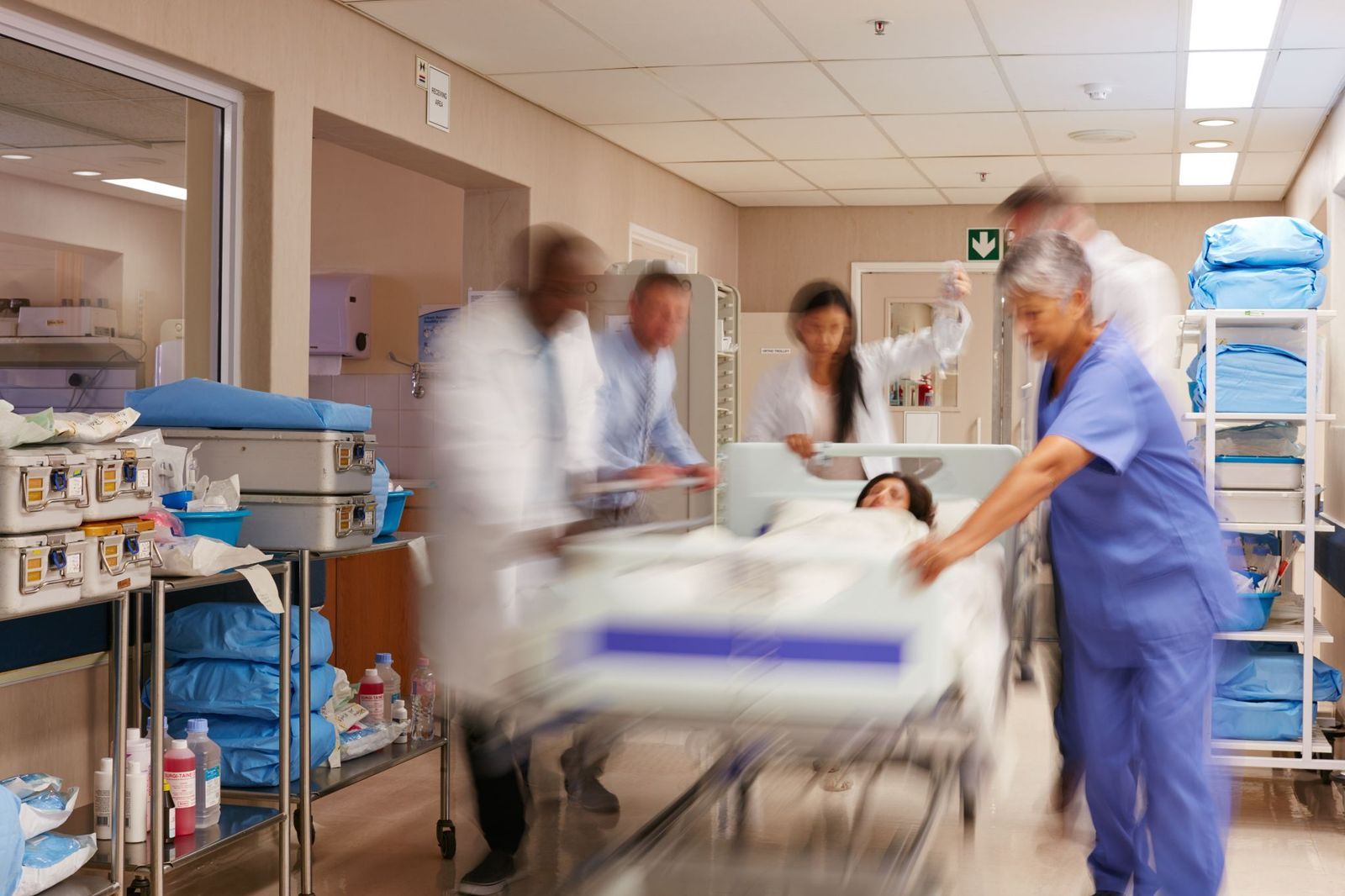
The E.R. can be hectic and unpredictable. Most patients are frightened or uncomfortable, but now and then someone becomes aggressive because of pain, confusion, mental illness, or the effects of alcohol or other substances. That’s when you can hear "Code Gray" announced over the speakers.

The code is used to summon security officers to help manage a violent or combative situation. While color codes vary from one hospital to another, Code Gray commonly signals that staff needs extra assistance to protect patients, visitors, and healthcare workers. Even if you know it now, most people in the waiting room never know what happened, and that’s exactly the point.

2

NPO

Image: PeopleImages

You have a scheduled surgery, you’re in your bed waiting to be taken to the surgery room, and you ask for a cup of coffee to make the wait lighter. The nurse will probably tell you you’re an NPO. You may think it’s serious, but it’s simply a procedure.

"NPO" is an abbreviation that comes from the Latin phrase Nil Per Os, which means "nothing by mouth." It tells patients they cannot eat, drink, or sometimes even take medication until doctors say it’s safe. The rule is most common before surgery or certain medical tests, when food or liquids could increase the risk of complications or alter the results. It may be frustrating, but it’s an important part of keeping patients safe.

3

STAT!

Image: PeopleImages

You’ve probably been through the experience of visiting an emergency room, either to get checked or to visit a loved one. In that part of the hospital where everyone is rushing to save lives, you’ve probably heard a doctor asking for the R.C.P. cart or medication "STAT!" It sounds urgent, and that's because it is.

The expression comes from the Latin statim, which means "immediately" or "without delay." Hospitals have used Latin medical terms for centuries, but STAT is one of the few that remains part of everyday conversation. When a doctor says it, the request jumps to the top of the priority list. It doesn’t always refer to a life-or-death situation, but it does mean the medical team needs something done as quickly as possible.

4

Code Pink

Image: Vladimir Tretyakov

Newborns are always a reason to celebrate at the hospital. Parents usually rest happily next to their child as they receive congratulations from close relatives. However, the hospital is always prepared to handle extremely rare emergencies under "code pink."

If you hear a "Code Pink," it usually means a baby or young child is suspected of being abducted from the hospital. Within seconds, security officers respond, exits may be monitored or blocked, and staff begins following carefully rehearsed procedures. Although different hospitals sometimes use different color codes, Code Pink has become widely recognized across North America as one of the most serious alerts a hospital can issue.

5

Walkie-talkie

Image: Arunporn Thanapotivirat

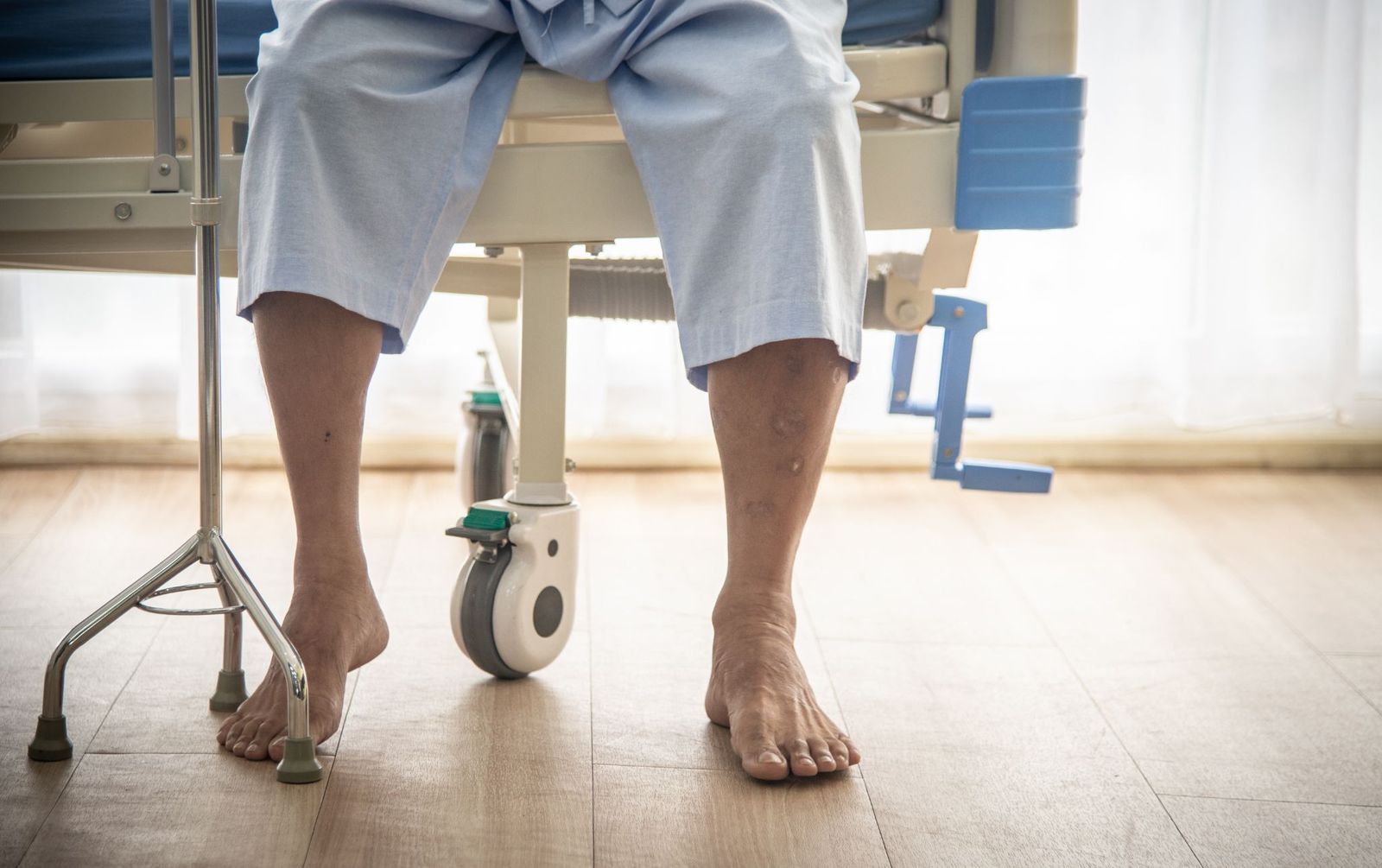
If you’ve ever spent a few days in the hospital, you’ve probably noticed that some patients are walking up and down the halls, while others need help just getting out of bed. When a nurse refers to someone as a "walkie-talkie," it’s actually good news.

This informal expression refers to patients who can walk on their own, use the bathroom without assistance, and handle most basic tasks independently. It’s not an official medical term, of course, but it’s commonly used among healthcare workers because it quickly tells the next shift that the patient requires less hands-on care than many others.

6

Total

Image: sebra

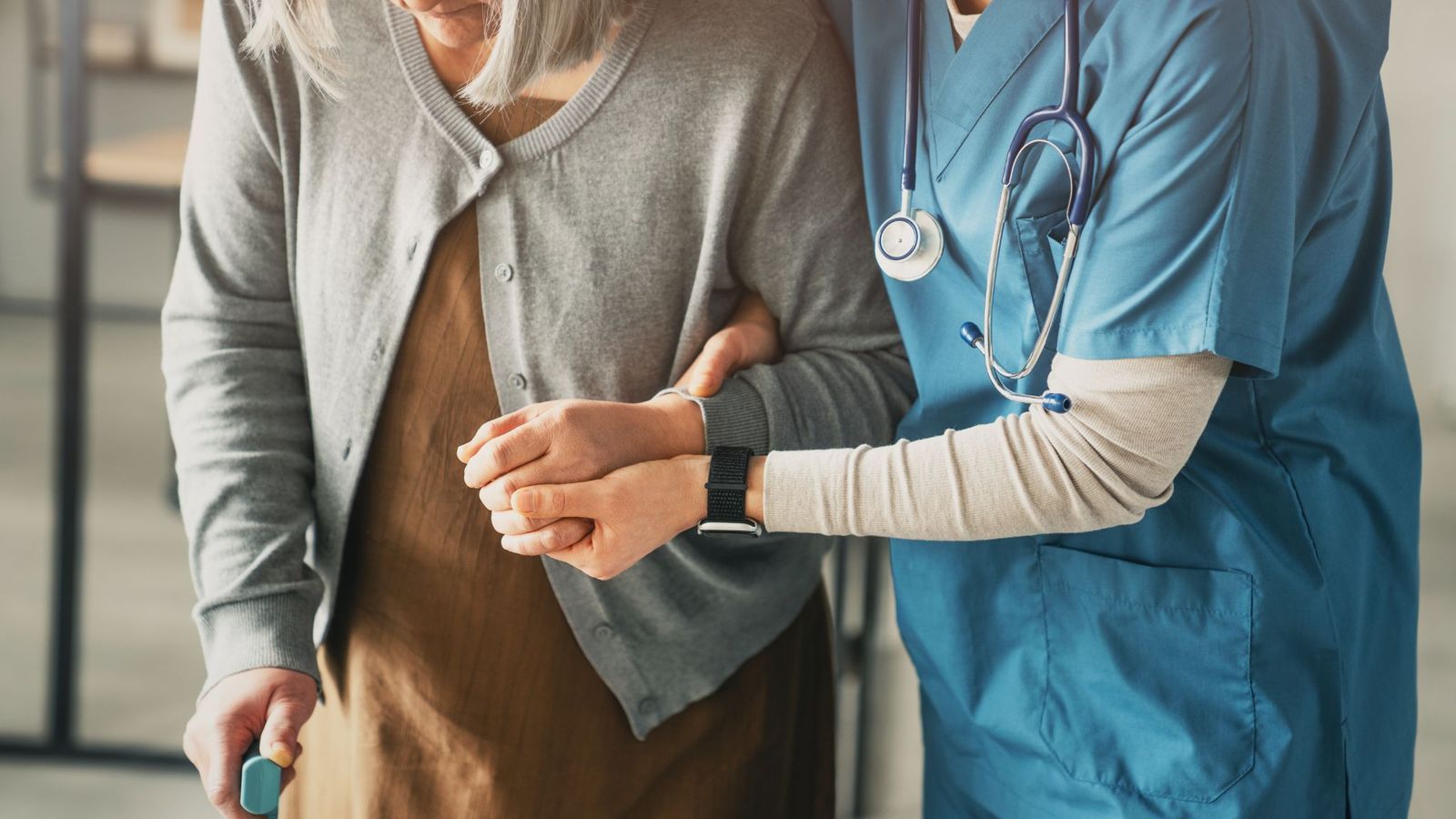
As nurses change shifts, you’ll often hear them give a quick report about each patient. One person may only need medication, while another is described as a "total."

The term is short for a patient who requires total care. They may need help eating, bathing, getting dressed, turning in bed, or moving from one place to another. Although the expression sounds impersonal, it’s simply a practical way for caregivers to communicate how much assistance someone needs.

7

Frequent flyer

Image: Studio Romantic

Most people hear "frequent flyer" and think of an airline reward program. And that’s correct, but in an emergency room, the phrase has a very different meaning.

A frequent flyer is an informal nickname for patients who repeatedly return to the hospital, often due to chronic illness, recurring medical conditions, or other ongoing health issues. Behind the light-hearted nickname is often a difficult reality. Many of these patients are simply dealing with medical problems that require regular emergency care, and the expression is just a way to make the experience a bit lighter among the familiar faces of doctors and nurses.

8

WOW

Image: Studio Romantic

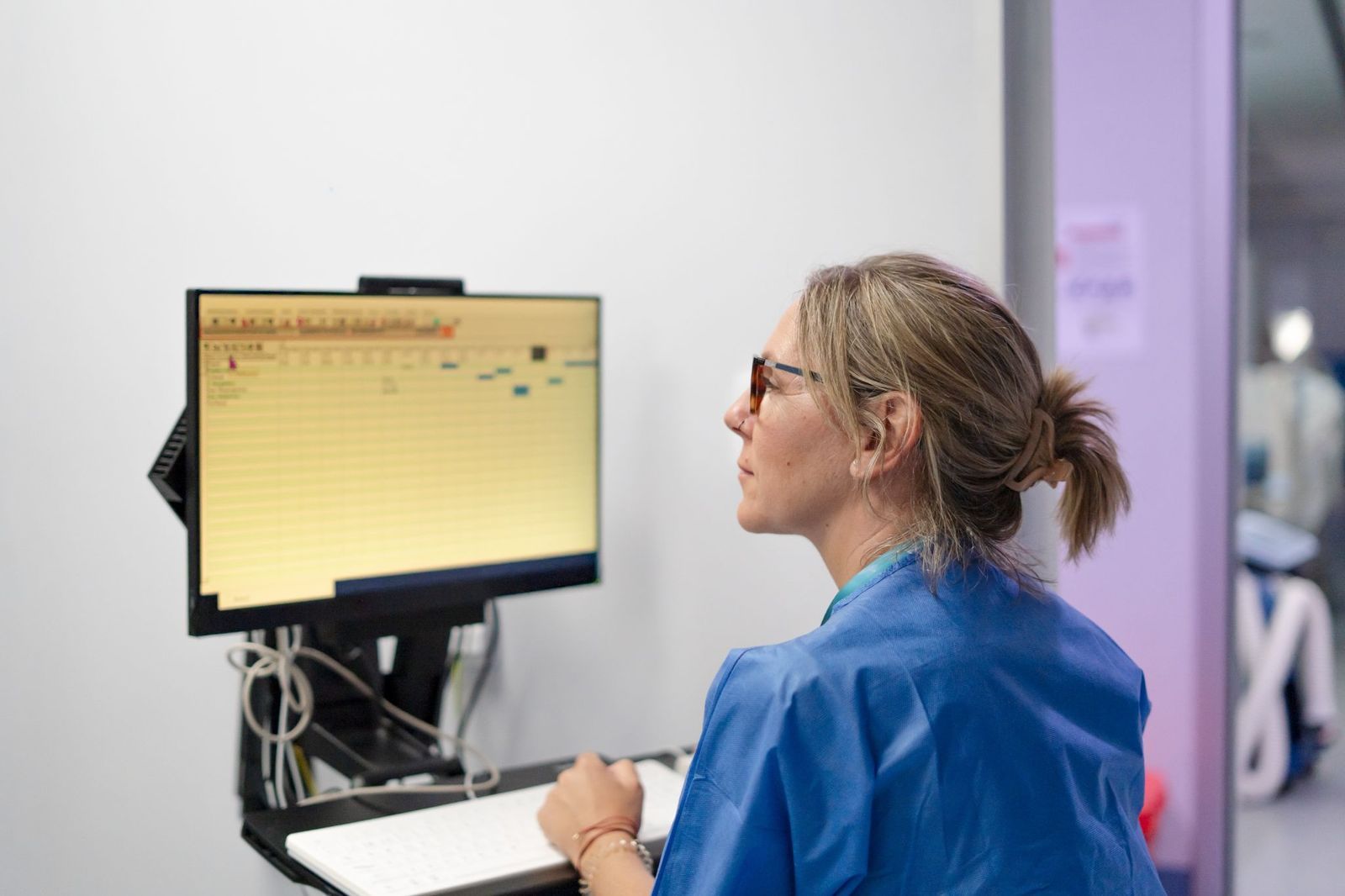
Not all codes are for patients. The next time you’re in a hospital, look closely at what the nurse is pushing from room to room. It may look like a small rolling desk with a computer on top. Staff often call it a "WOW," short for "workstation on wheels."

As hospitals switched from paper charts to electronic medical records, these mobile computers became essential. Nurses use them to review test results, scan medications, update patient charts, and check doctors’ orders without leaving the bedside. The name sounds funny, but the technology helps caregivers spend more time with patients instead of walking back and forth to a nursing station.

9

Sharp container

Image: NMK-Studio

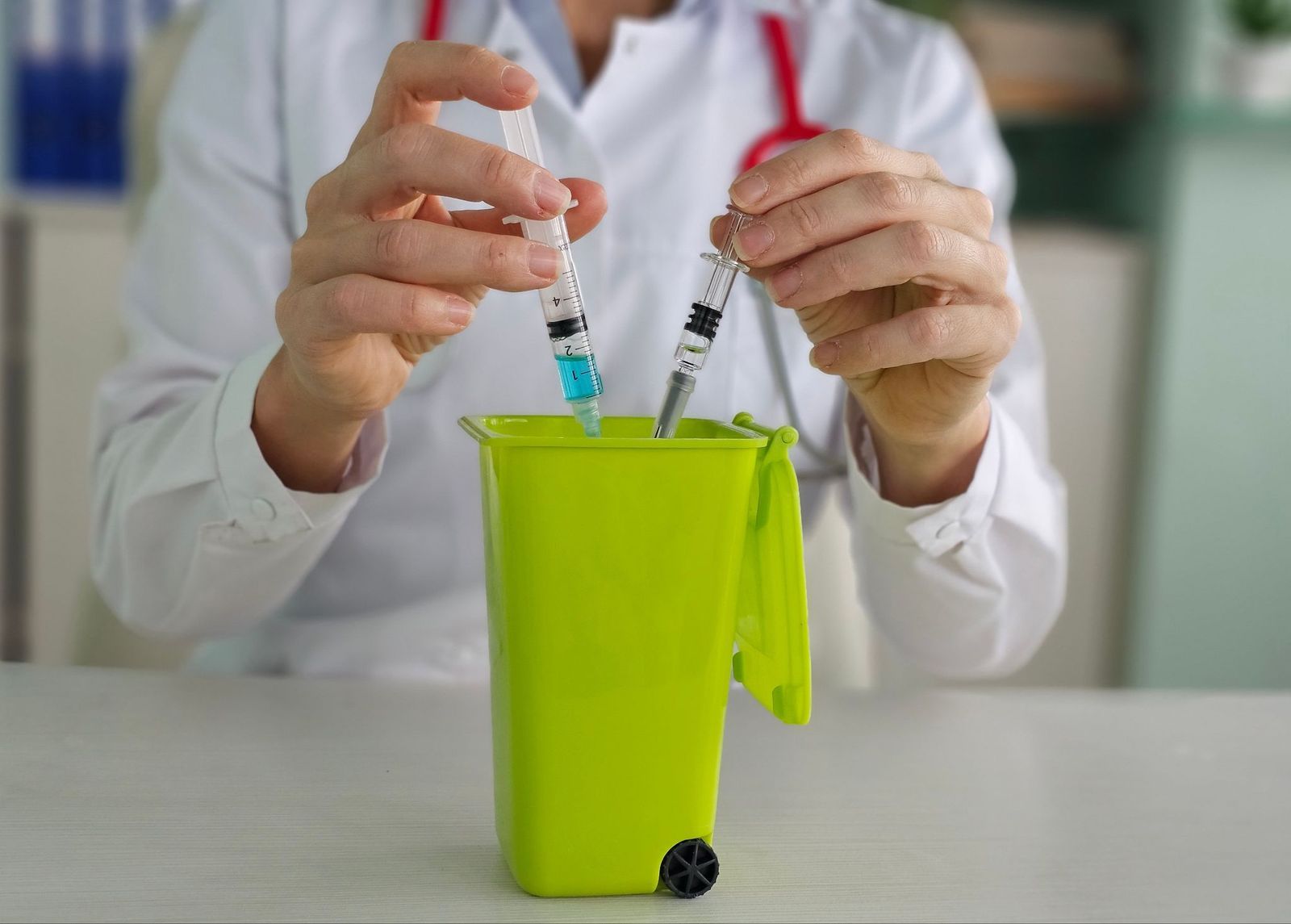
After getting a shot or having blood drawn, most patients never think about where the used needle ends up. It certainly doesn't go into an ordinary trash can.

Hospitals place needles, scalpels, and other sharp medical instruments into special containers designed to prevent accidental injuries. These sturdy, puncture-resistant boxes are sealed when full and safely disposed of in accordance with strict health regulations. This not only protects nurses, but it also protects cleaning crews, waste handlers, and even the public from dangerous needle sticks. It’s one of the most important safety measures in every hospital, even though most patients never notice it.

10

B-52

Image: Photoroyalty

If you’ve ever watched a medical drama, you've probably seen a patient become so agitated that several staff members rush into the room. In situations like that, a doctor or nurse may ask for a "B-52." But the name has nothing to do with numbers themselves; it actually comes from a medicine.

B-52 is hospital slang for a fast-acting injection used to calm down patients who are severely combative or at risk of harming themselves or others. The nickname comes from a commonly used combination of medications that usually include diphenhydramine, haloperidol, and lorazepam. It’s strictly reserved for when other methods of calming the patient haven’t worked.

Looking for an extra scoop of literary fun?

Learn more with our Word of the day

beguile

/bəˈɡaɪl/