Naming oddities

10 oddly named US towns and cities and their surprising stories


Published on August 11, 2026
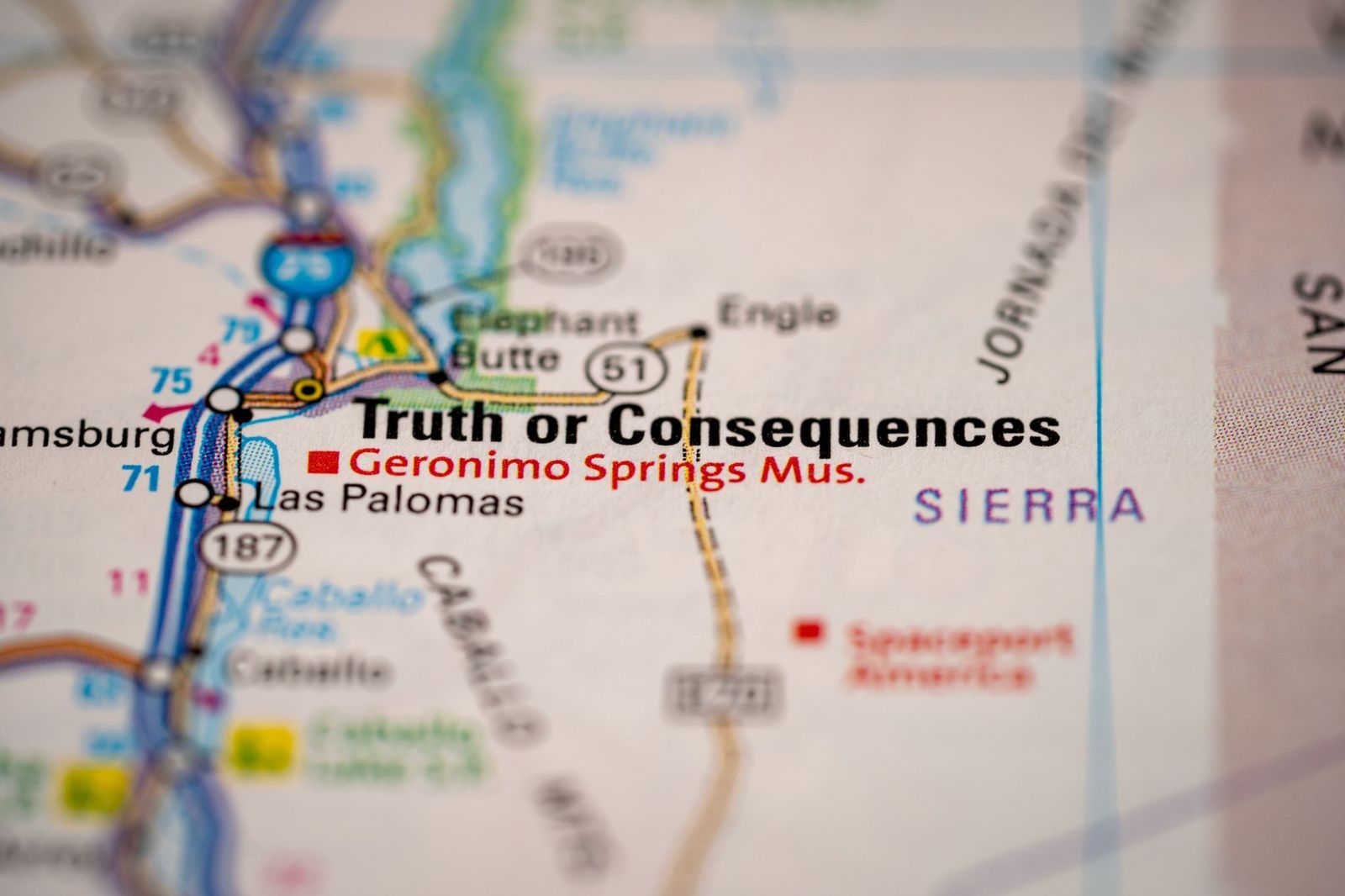

Image: Erman Gunes

America is home to over 19,000 incorporated cities and towns. While many have familiar names, others sound so unusual that they often force credibility. However, behind these atypical names, there are stories rooted in America's past, from the Gold Rush and the westward expansion to local legends that have endured for generations. Let's walk through some of the most peculiar city names out there and discover their surprising origins.

1

Tombstone, Arizona

Image: 1960s Travis

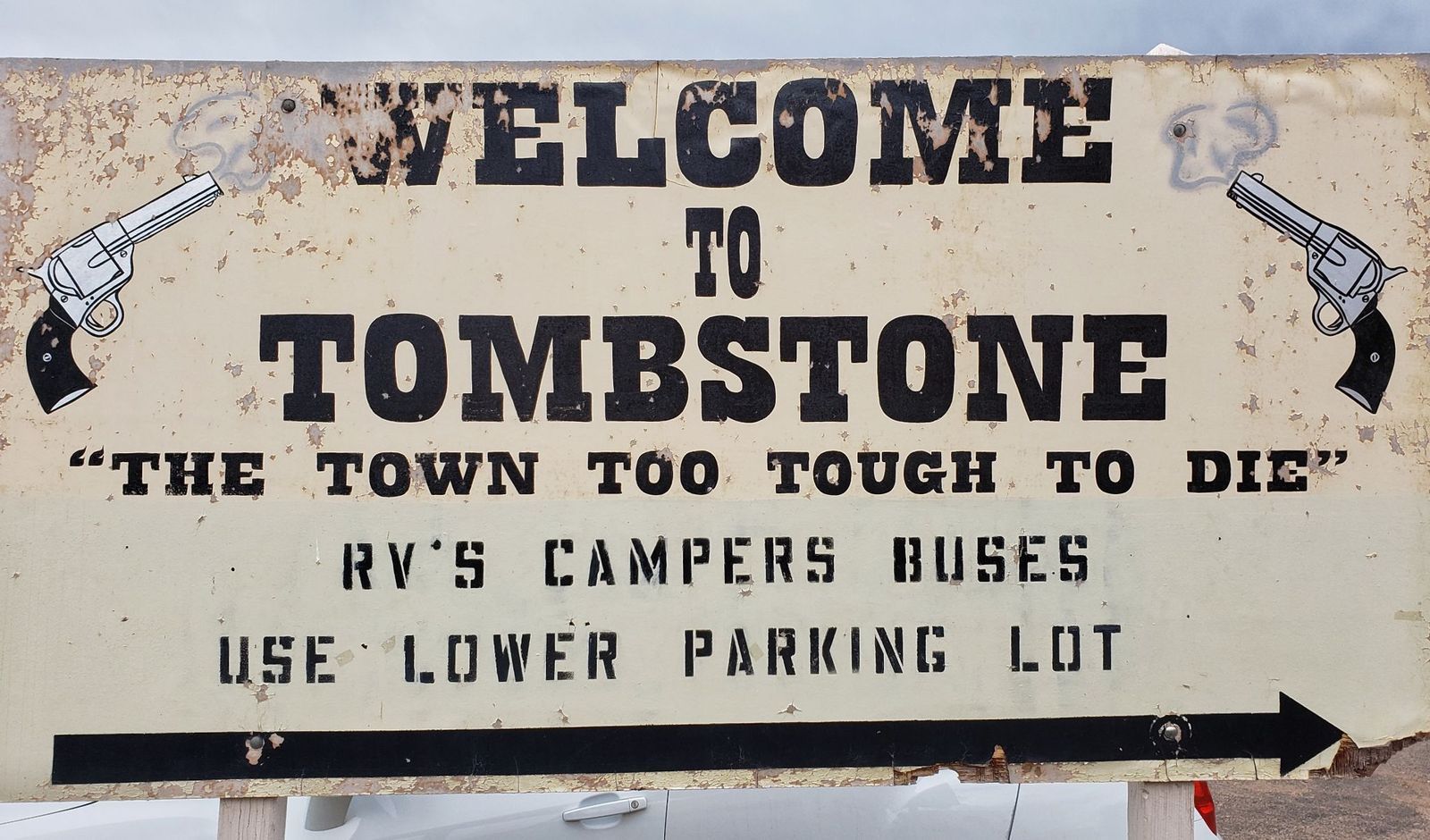
Founded in 1879 by prospector Ed Schieffelin, Tombstone owes its notoriously bleak name to a sarcastic remark. While searching for silver in southeastern Arizona, Schieffelin was warned by soldiers that the only thing he would find in Apache territory was his own tombstone.

Instead, Schieffelin struck one of the richest silver deposits in the American West. He named his mining claim Tombstone, and the booming town that sprang up around it quickly became one of the frontier's most prosperous communities, best remembered today by Old West figures like Wyatt Earp and Doc Holliday.

2

Truth or Consequences, New Mexico

Image: SevenMaps

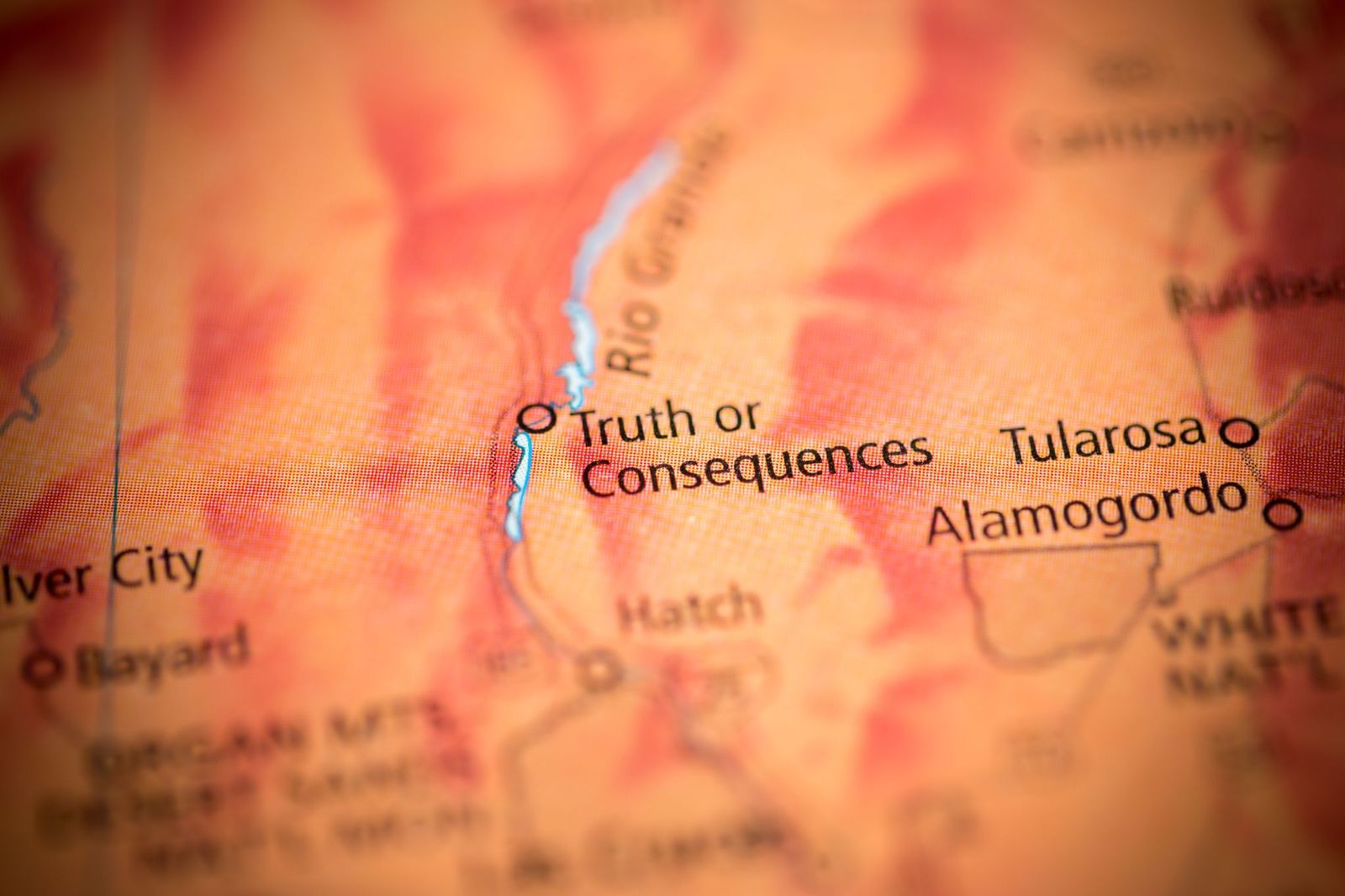
Originally known as Hot Springs, this community was founded in the late nineteenth century around a series of natural mineral springs that attracted visitors. By the middle of the twentieth century, it had become a well-known spa destination in the Southwest.

Everything changed in 1950, when radio personality Ralph Edwards announced that he would broadcast the anniversary episode of his wildly popular show Truth or Consequences from any town willing to adopt the show's name. In one of the most successful publicity campaigns in American history, the residents of Hot Springs voted in favor of the change, and the town still bears its unusual name more than 70 years later.

3

Zzyzx, California

Image: Kevin Key

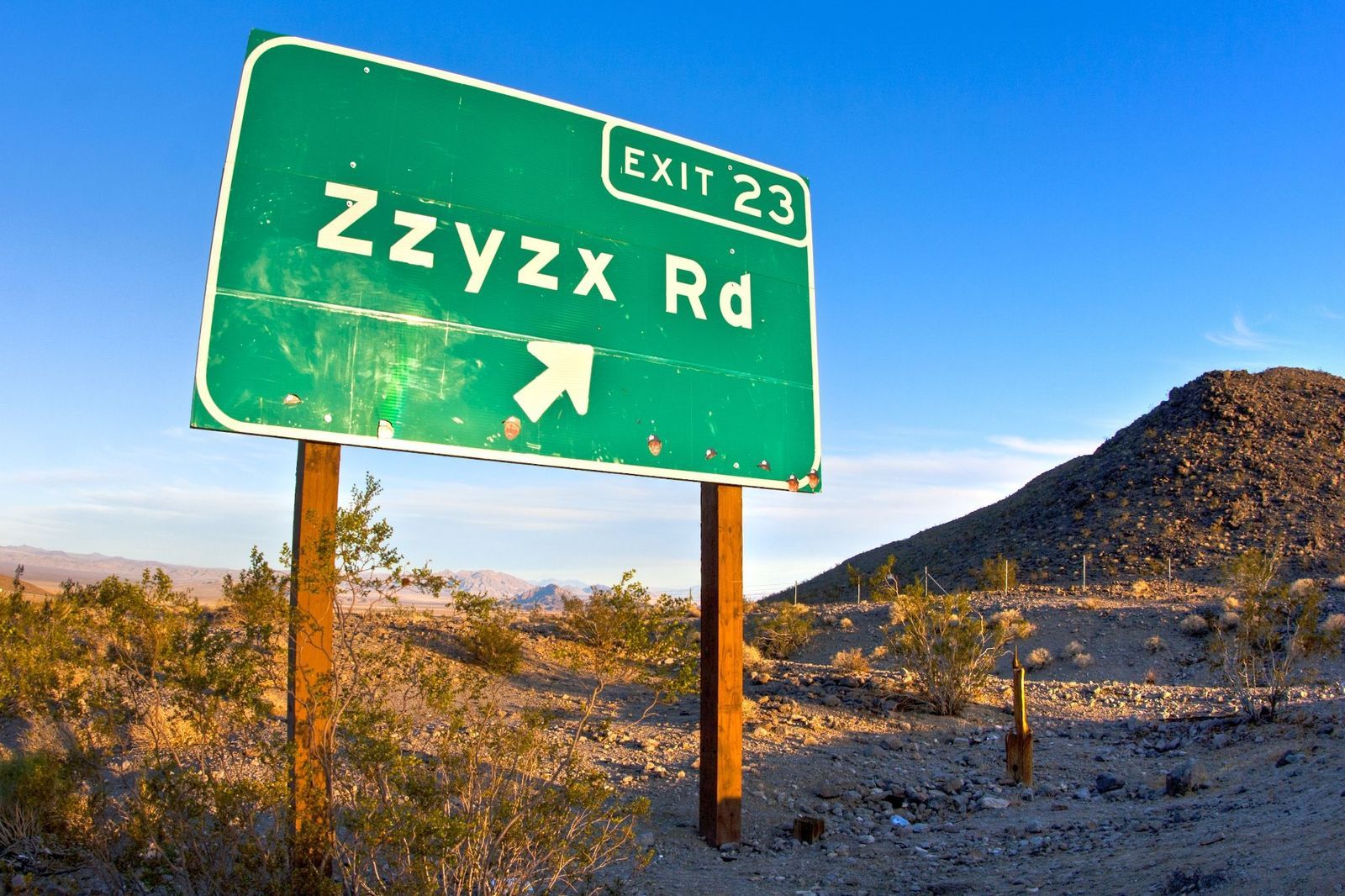
In 1944, minister and radio evangelist Curtis Howe Springer established a health resort in the Mojave Desert and deliberately named it Zzyzx. Springer claimed that he chose that specific name with the intention of making it the last word of the English dictionary.

Although the resort eventually closed and the federal government reclaimed the land, the name survived: today, Zzyzx is home to a desert studies center operated by California State University, and remains one of the most unusual names in America.

4

Accident, Maryland

Image: SevenMaps

Founded during the colonial era, Accident traces its origins to a remarkable surveying mistake during the 1750s. Two surveyors, working independently, selected exactly the same 315-acre parcel while mapping western Maryland.

The overlapping claim became known as "The Accident", and when settlers established a community there, the name stuck. More than two centuries later, the town continues to embrace the name and its fortuitous history.

5

Chicken, Alaska

Image: Robert Sockey

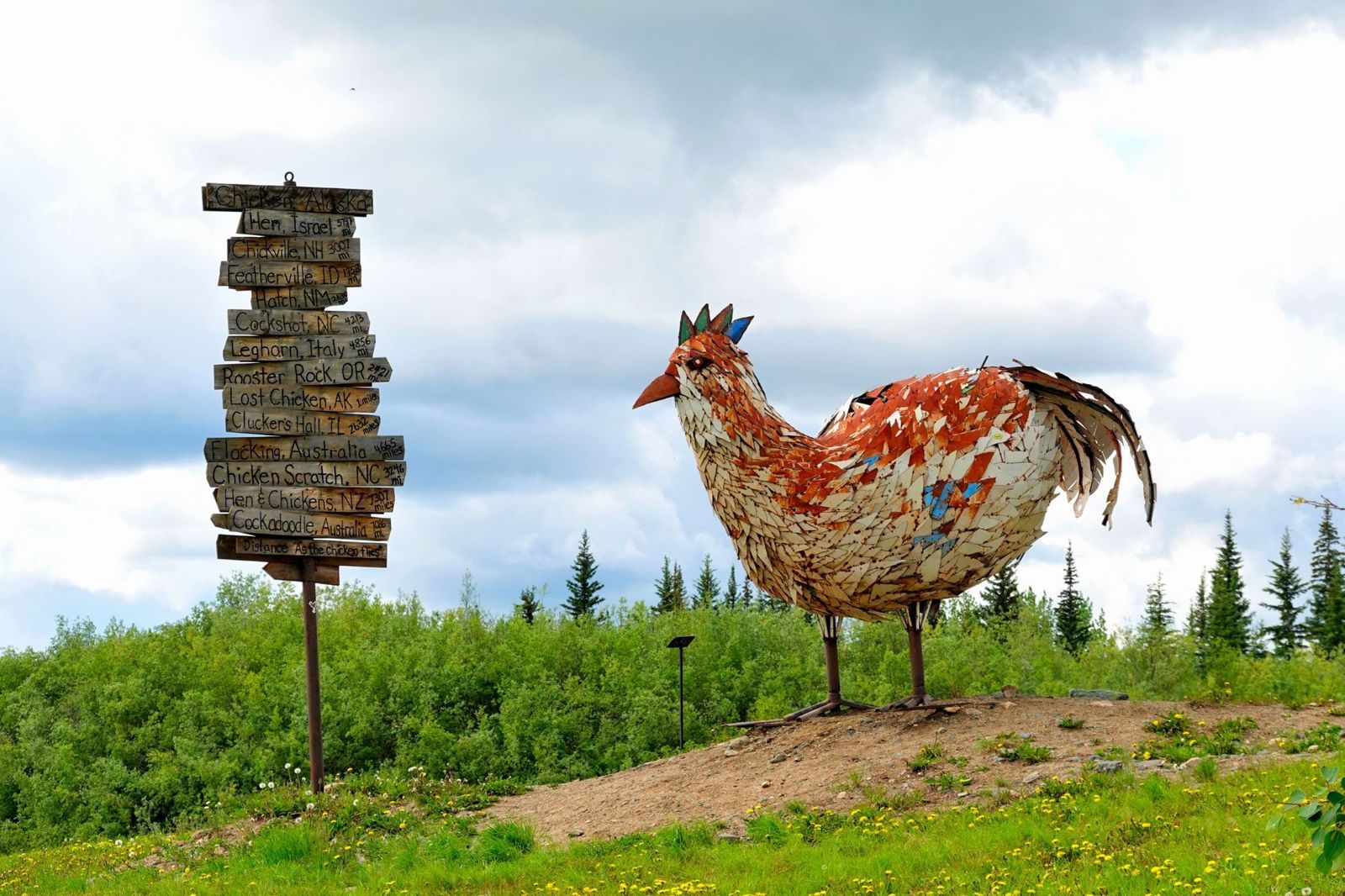
The community of Chicken was established during Alaska's gold rush around 1902. Prospectors frequently hunted the local ptarmigan for food and originally wanted to name the settlement after the bird.

The problem was that few of the miners could agree on how to spell ptarmigan. Rather than risk embarrassment, and because the two species share some similarities, they chose the much simpler name Chicken.

6

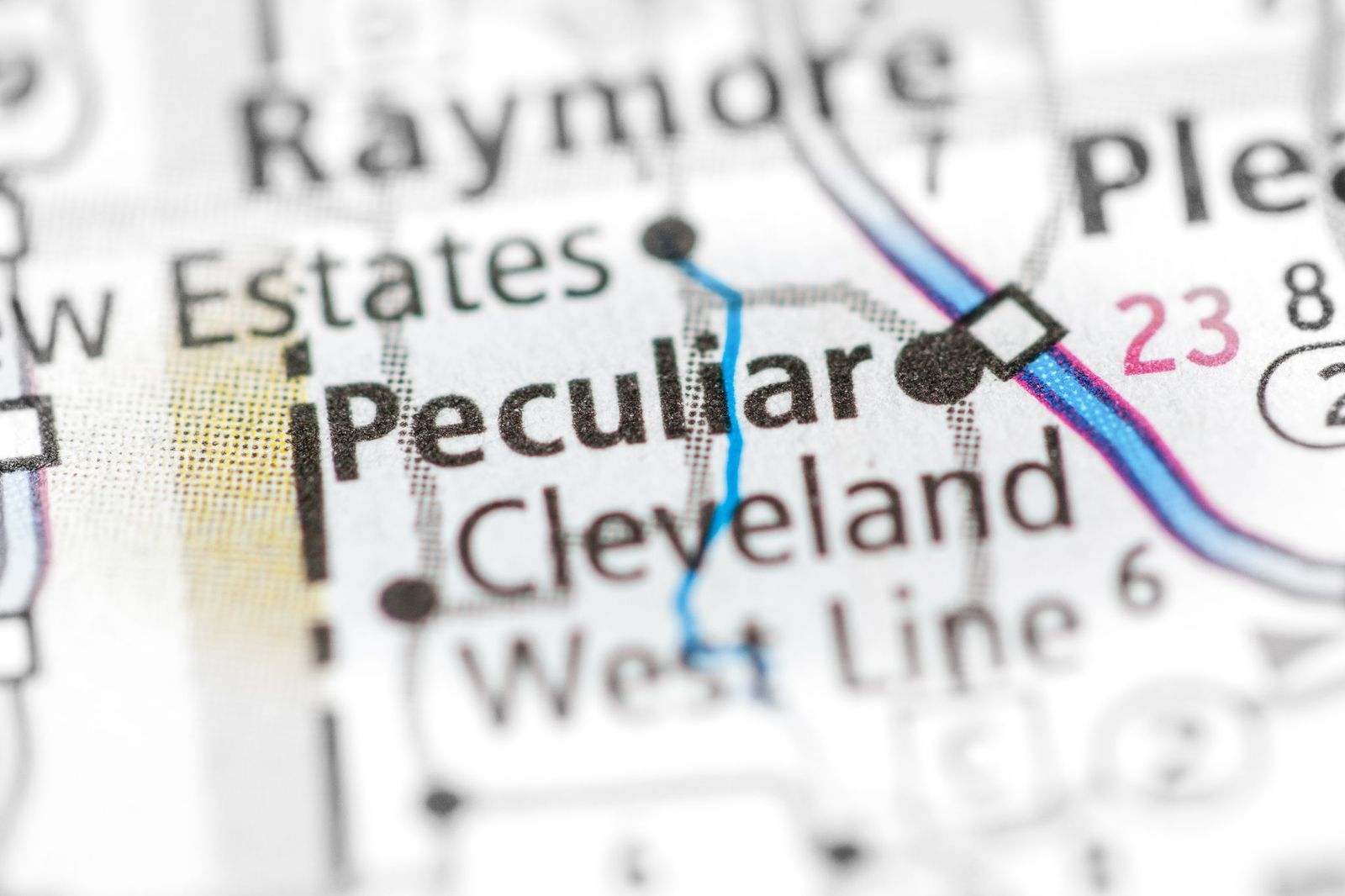
Peculiar, Missouri

Image: SevenMaps

Founded in 1868, as the railroad expanded across western Missouri, the community encountered an unexpected problem when applying for a post office: Every proposed town name had already been claimed elsewhere in the state.

The story goes that the local postmaster, in frustration, wrote to Washington stating that he didn't care what the town was called as long as it was something "peculiar." More than 150 years later, Peculiar still bears the name with pride.

7

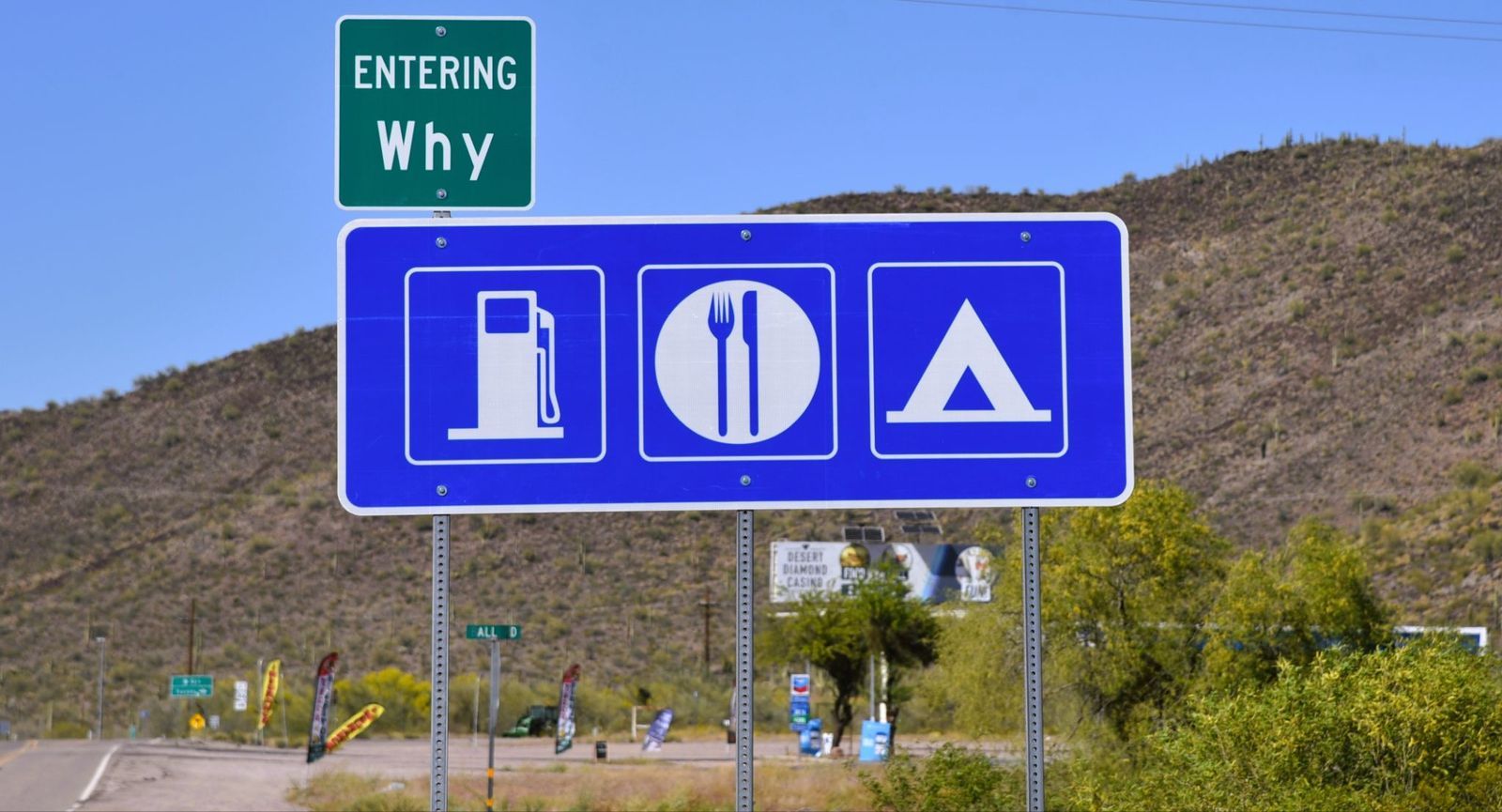
Why, Arizona

Image: Thomas Trompeter

"Why" is a community located in the Sonoran Desert, whose unusual name is the product of an unexpected legal technicality. The settlement developed during the early twentieth century at the point where the State Routes 85 and 86 intersected in the shape of the letter "Y."

The community originally wanted to call itself "Y" in honor of that intersection, but because Arizona law required community names to contain at least three letters, they spelled it out. As a result, even after the intersection has since been redesigned, the town of Why still keeps one of the most curious and memorable names in America.

8

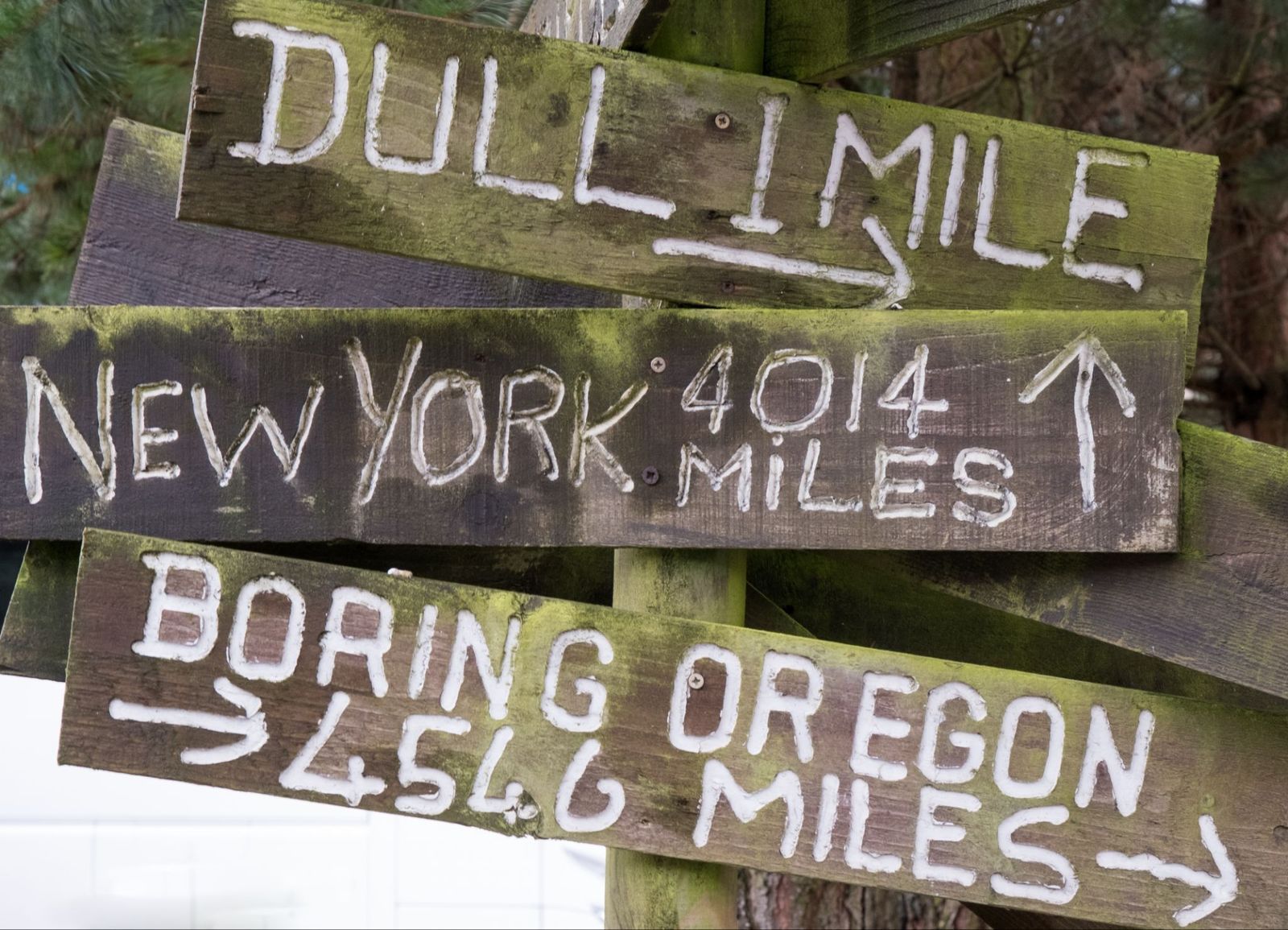
Boring, Oregon

Image: Johann Knox

While the name "Boring" may sound unflattering, its story is a pretty common one. The town is named after William Harrison Boring, a Union Army veteran who moved into the area in the 1870s and became one of its earliest settlers.

Over time, the accidental double meaning of Boring turned it into a tourist curiosity. The community, rather than shy away from the jokes, embraced them, even forming a lighthearted partnership with the village of Dull, Scotland, to celebrate their similarly harsh names.

9

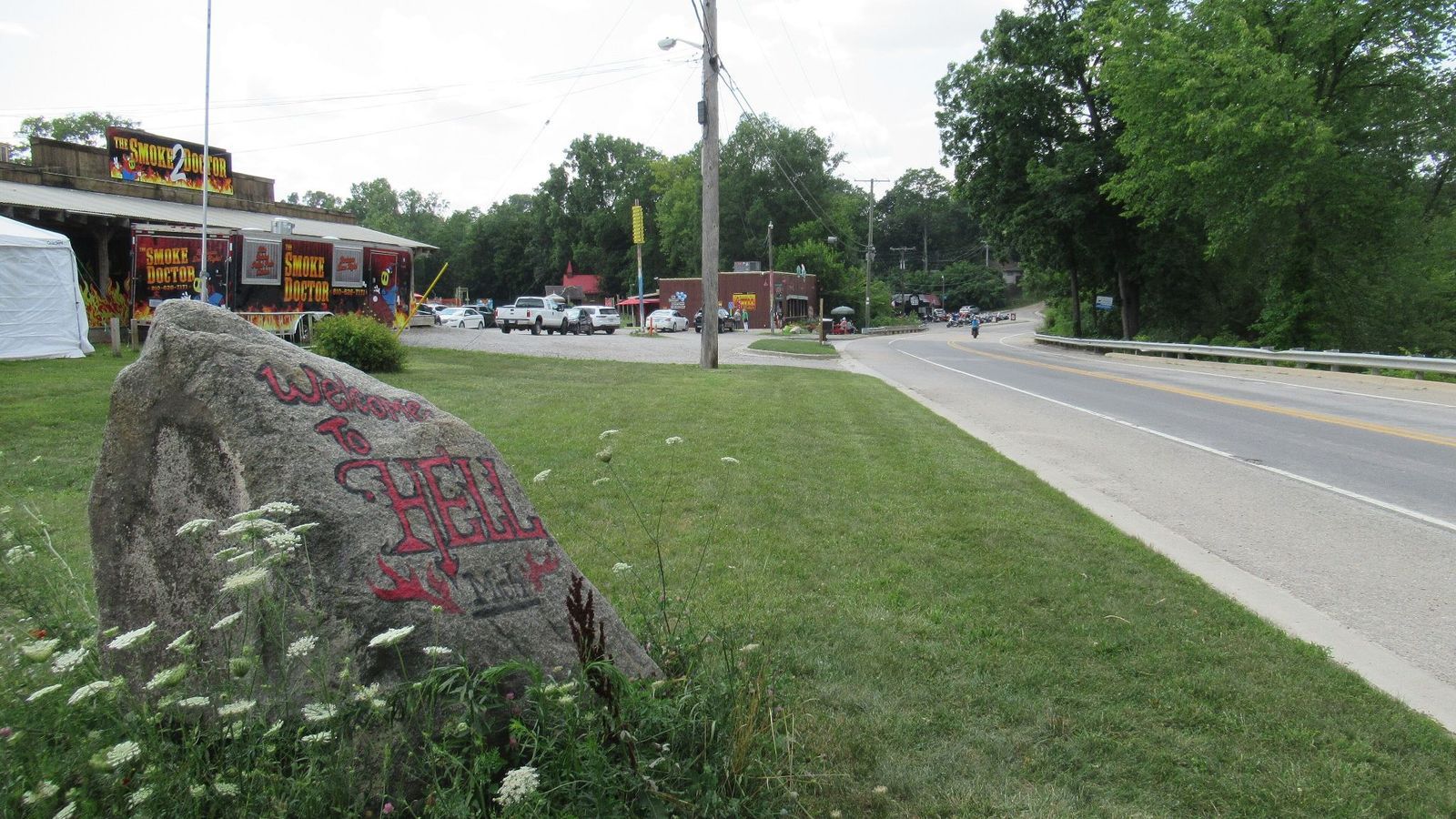
Hell, Michigan

Image: Notorious4life (talk) (Uploads), CC0, via Wikimedia Commons

Hell began as a small milling community in southern Michigan during the 1830s, when pioneer George Reeves established it along nearby waterways. The exact origin of its name is shrouded in legend and local folklore.

One of the most popular stories claims that, when Reeves was asked what the settlement should be called, he jokingly replied: "Call it Hell for all I care." On the other hand, some historians believe that the name evolved from early German settlers using the word hell, meaning "bright".

While the true origin of the name may never be known, the town of Hell fully embraced its reputation, welcoming thousands of visitors each year with thematic attractions and souvenirs.

10

Jackpot, Nevada

Image: pswister

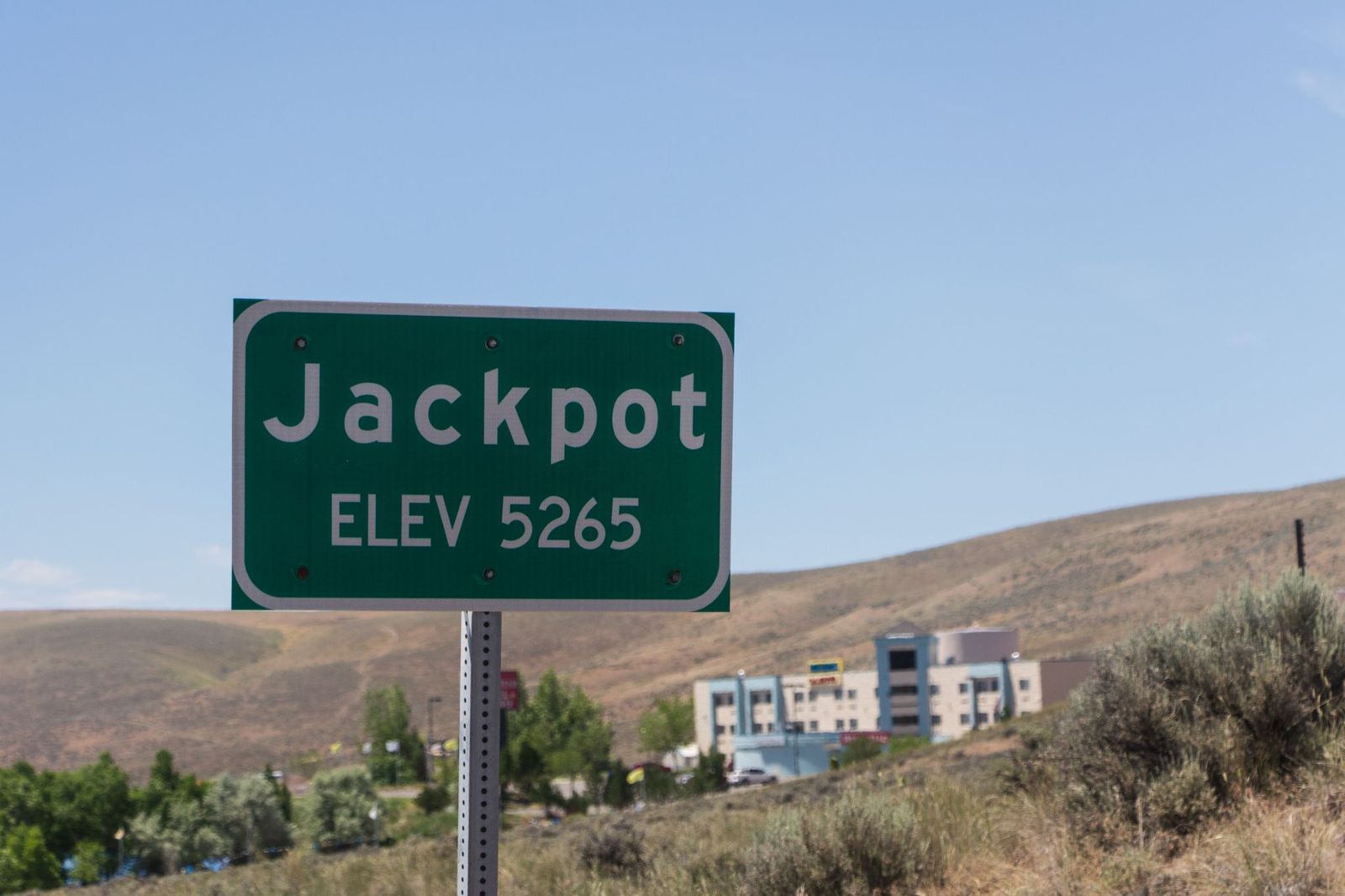
Unlike many Western towns that grew naturally around mines or railroads, Jackpot was created almost overnight in 1954 as a direct result of Idaho banning casino gambling. Entrepreneurs realized they could attract Idaho residents simply by building casinos just across the Nevada border.

The new community was aptly named Jackpot, and it quickly became a thriving destination. Few towns have a name that so perfectly matches the reason they came into existence.

Some names stick around

From Table Tap Joe to Ziggy Stardust: Who are the best song characters?


Published on August 11, 2026


Image: Christina Radevich

Sometimes, a character is the perfect alter-ego to write a song about oneself without self-referencing so much. Other times, a character is just a character. Over the years, musicians have come up with lonely dreamers, fearless heroes, mysterious strangers, and even supernatural villains who have become just as famous as the songs themselves. Some were inspired by real people, others sprang entirely from imagination, but all of them left a lasting mark on music history. Which of these 12 do you remember?

1

Table Top Joe — Tom Waits — "Table Top Joe"

Image: lev radin

Tom Waits has always had a soft spot for society's oddballs, and few are even stranger than Table Top Joe. Introduced on the 2002 album Alice, Joe is born with only a head and hands, yet grows into a brilliant piano player whose extraordinary talent earns him fame despite the odds stacked against him.

The song unfolds like a forgotten American folk tale, complete with references to Coney Island's legendary Dreamland amusement park and composer Igor Stravinsky. Although many listeners assume the story is based on an old carnival legend, Table Top Joe is entirely Tom Waits' own creation.

2

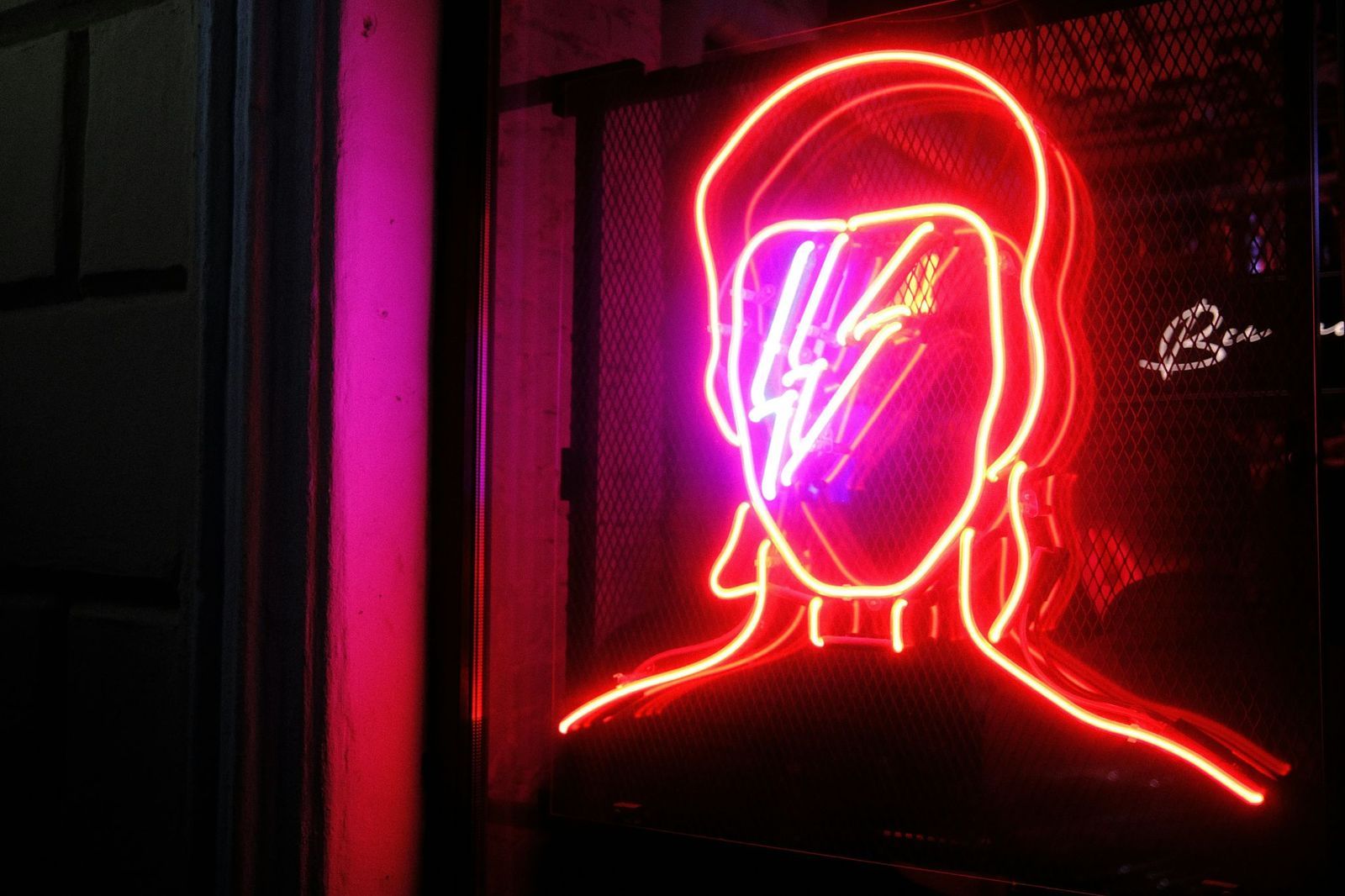
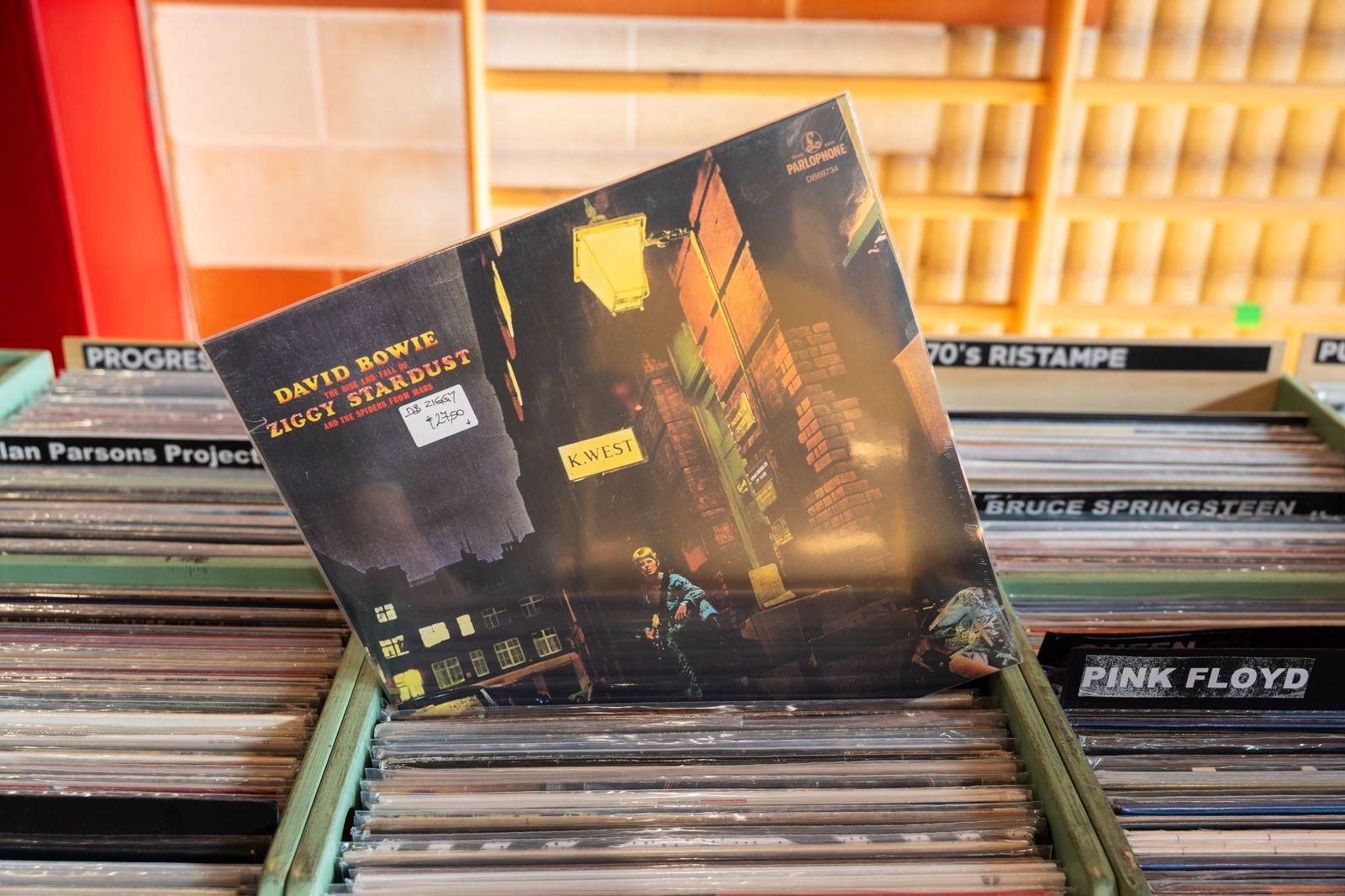
Ziggy Stardust — David Bowie — "Ziggy Stardust"

Image: PHLD Luca

Few fictional musicians have ever become as famous as Ziggy Stardust. Introduced in 1972, Ziggy is an alien rock star sent to Earth shortly before humanity's end, only to be consumed by the very fame that makes him a savior to millions.

David Bowie blurred the line between fiction and reality by performing as Ziggy onstage for more than a year. When he unexpectedly announced Ziggy's retirement during a concert at London's Hammersmith Odeon in 1973, many fans believed the character, and perhaps Bowie himself, had truly reached the end of the story.

3

Tommy — The Who — "Tommy"

Image: defotoberg

Tommy Walker isn't just the hero of a song, he's the central figure of one of rock music's first great operas. After witnessing a traumatic event as a child, Tommy becomes deaf, mute, and blind, yet somehow develops astonishing pinball skills that transform him into an unlikely celebrity.

Pete Townshend built an entire musical world around Tommy, exploring themes of trauma, faith, and redemption. First released in 1969, Tommy later became a hit film, a Broadway production, and one of the most influential concept albums ever recorded.

4

Johnny B. Goode — Chuck Berry — "Johnny B. Goode"

Image: Erman Gunes

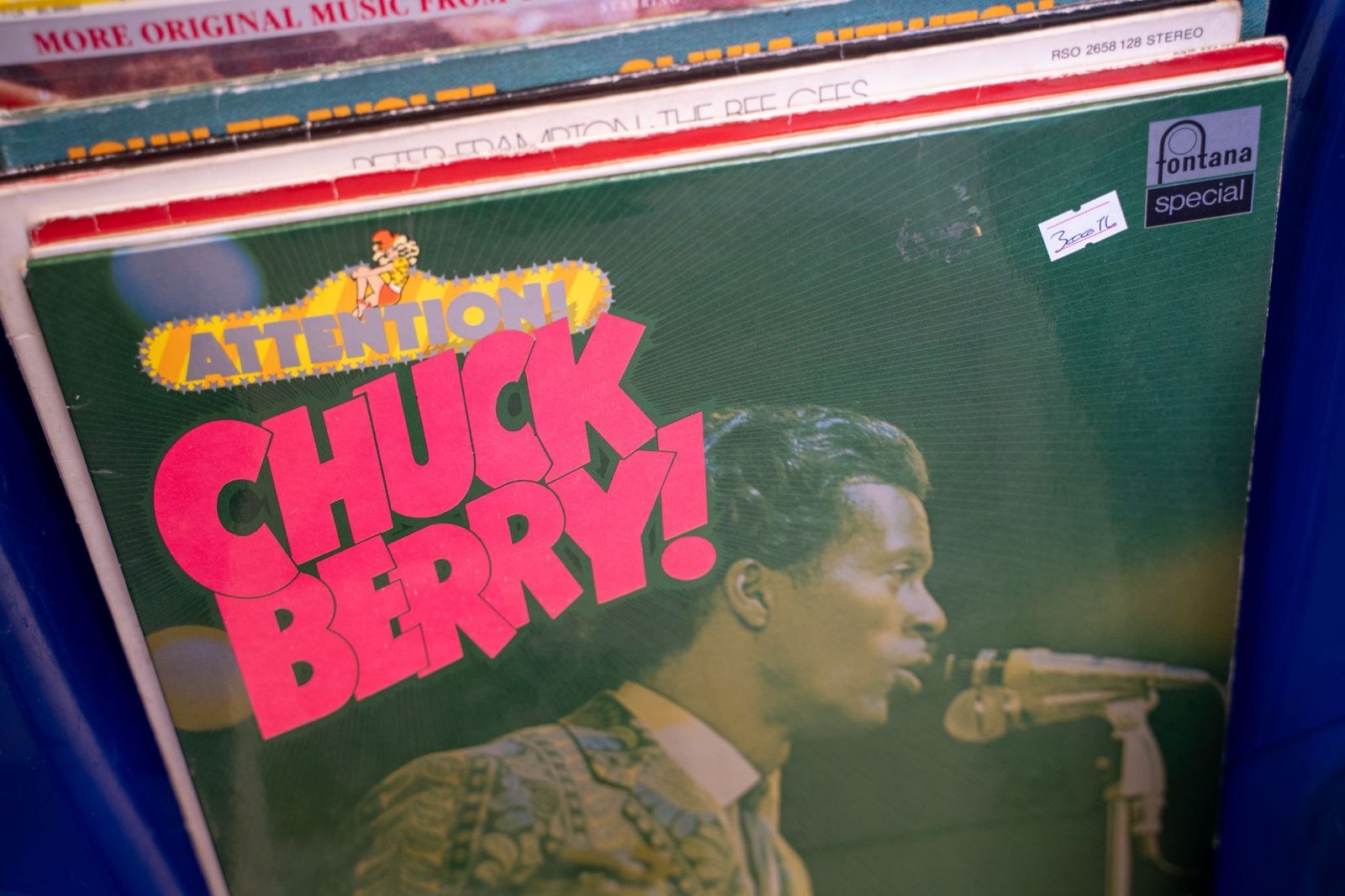
Johnny B. Goode is every aspiring musician's dream. Growing up in rural Louisiana with little more than a guitar and natural talent, he plays so brilliantly that listeners predict "his name will be in lights."

Chuck Berry based the character partly on himself and partly on pianist Johnnie Johnson. Originally described as a "colored boy," Johnny became a "country boy" in the final lyrics, making the song more likely to receive airplay during the segregation era. Nearly two decades later, Johnny's anthem would even travel into space aboard NASA's Voyager Golden Record.

5

Eleanor Rigby — The Beatles — "Eleanor Rigby"

Image: chrisdorney

Few fictional characters have captured loneliness as powerfully as Eleanor Rigby. She quietly moves through life unnoticed, while Father McKenzie delivers sermons that no one hears, creating one of popular music's saddest portraits of isolation.

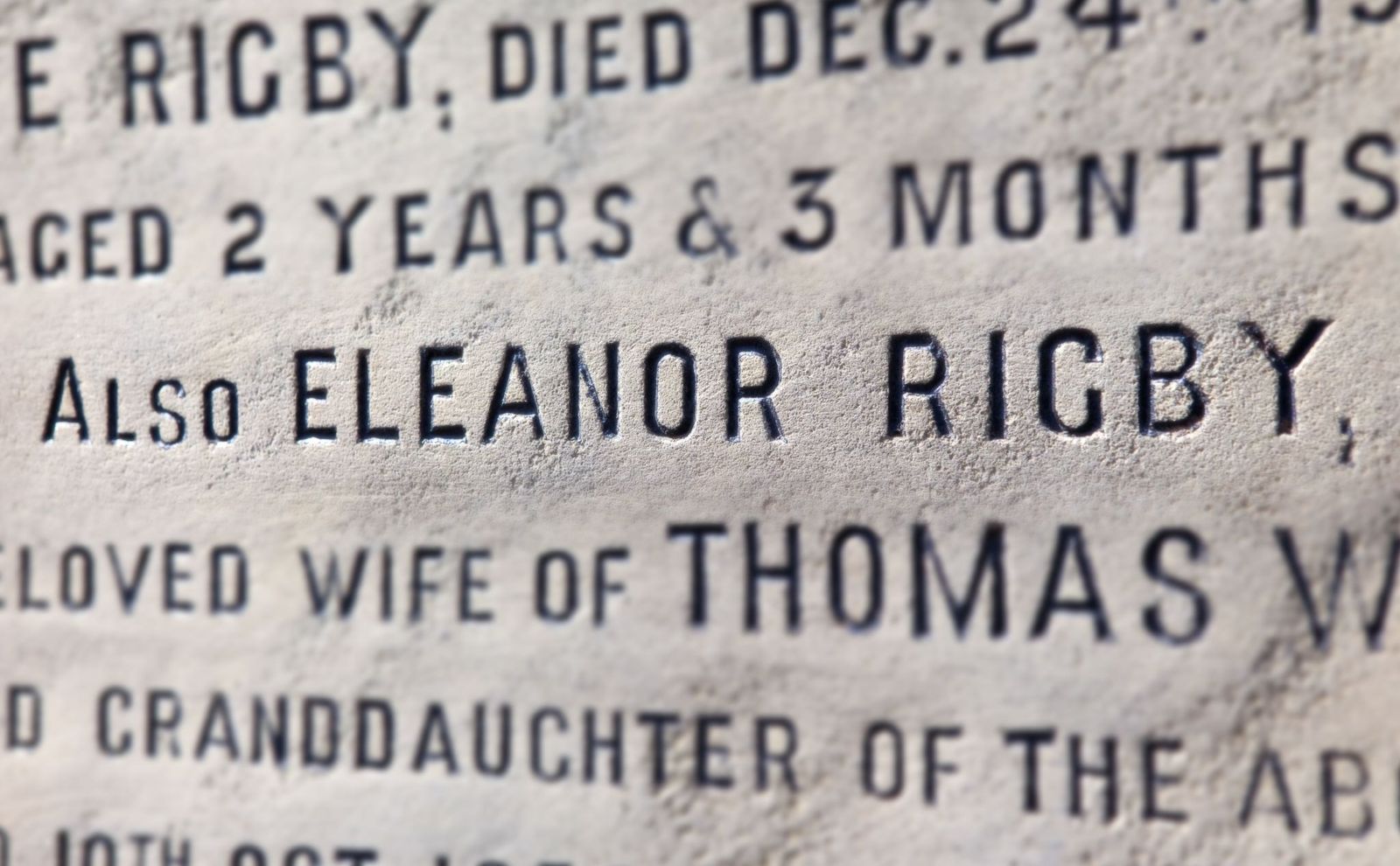
Paul McCartney later explained that Eleanor's name came from actress Eleanor Bron and the Liverpool shop Rigby & Evens. The discovery of an actual Eleanor Rigby gravestone in Liverpool only deepened the song's mystique, though McCartney maintained the coincidence was unintentional.

6

Billie Jean — Michael Jackson — "Billie Jean"

Image: McSleepy

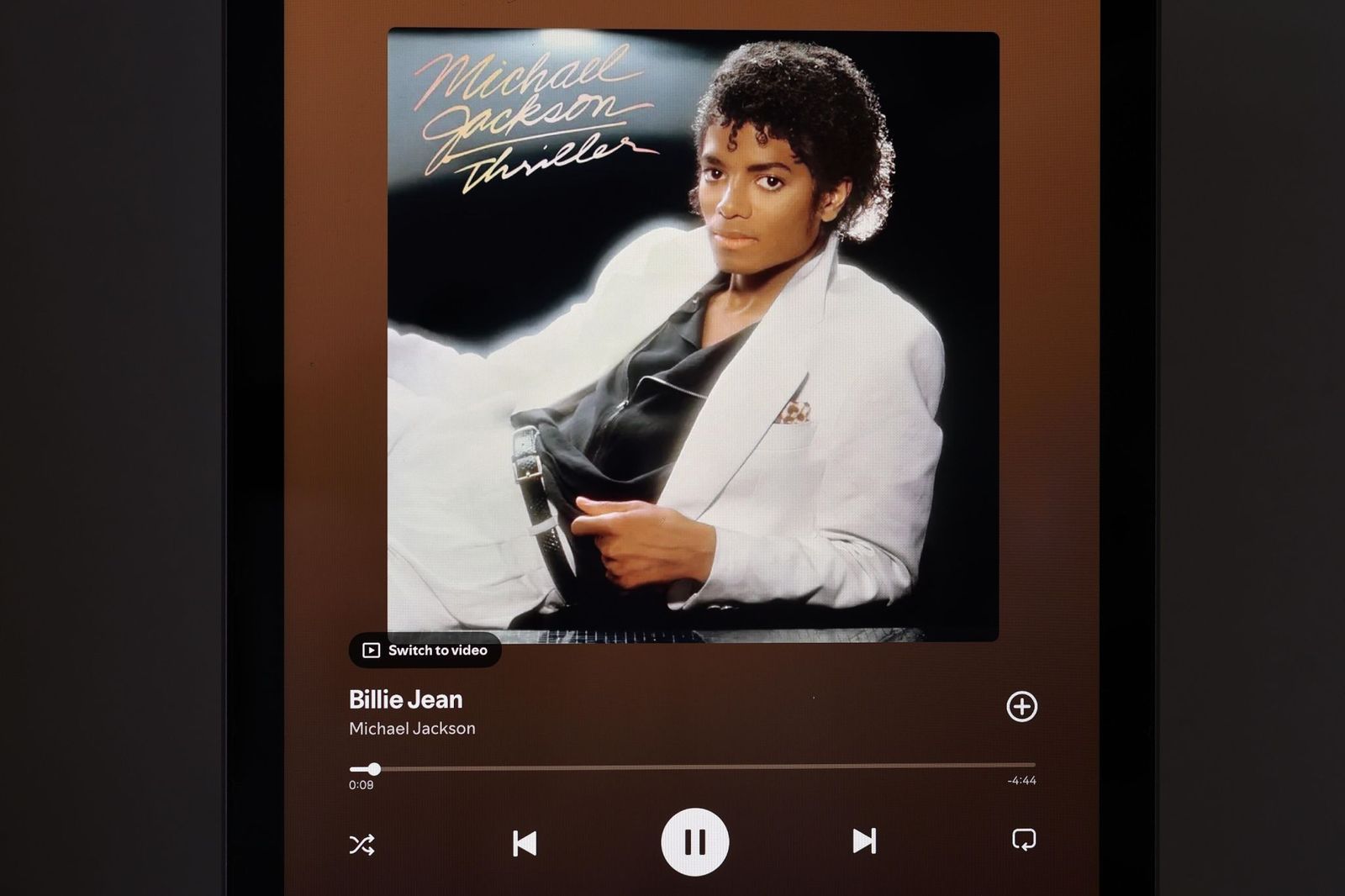
Billie Jean may be one of pop music's most famous women, yet Michael Jackson insisted she wasn't a real person. Instead, she represented several women who falsely claimed that he had fathered their children during the height of the Jackson 5's fame.

Released in 1983 as part of Thriller, the song became a global phenomenon. It also provided the stage for Jackson's legendary moonwalk during Motown 25.

7

Stagger Lee — Lloyd Price — "Stagger Lee"

Image: L Paul Mann

Unlike many legendary song characters, Stagger Lee actually existed. His real name was Lee Shelton, a St. Louis criminal who murdered Billy Lyons during an argument over a hat on Christmas Eve in 1895.

The shocking crime quickly entered American folklore through countless folk songs before Lloyd Price transformed it into a chart-topping hit in 1958. More than a century later, Stagger Lee remains one of the most enduring antiheroes in American music.

8

Tom Dooley — The Kingston Trio — "Tom Dooley"

Image: BOOCYS

Tom Dooley was inspired by Thomas Dula, a Confederate veteran executed in North Carolina in 1868 after being convicted of murdering Laura Foster. His surname was locally pronounced "Dooley," giving the ballad its familiar title.

The Kingston Trio revived the old Appalachian folk song in 1958, turning it into an international hit and helping launch America's folk music revival.

9

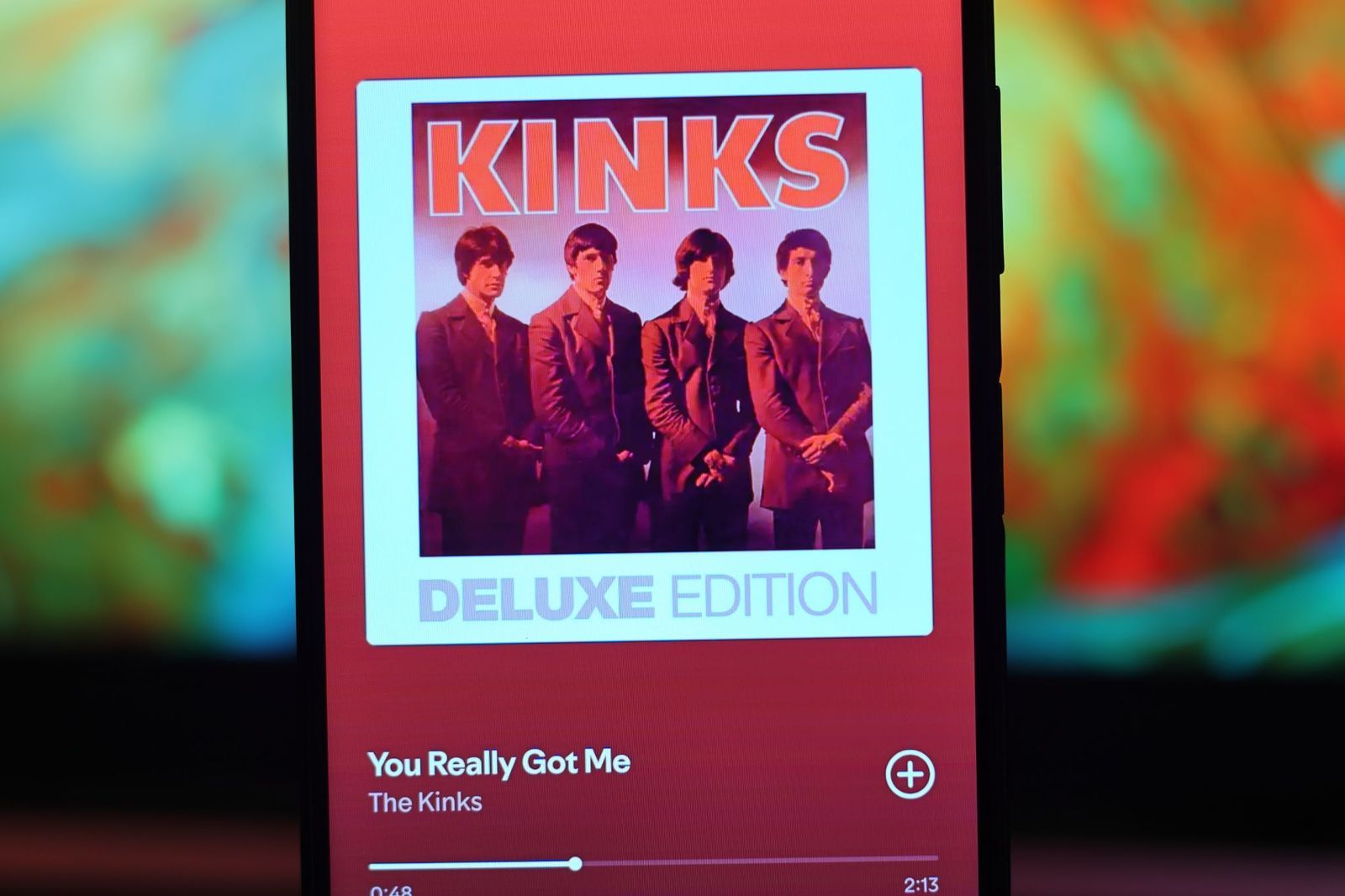
Lola — The Kinks — "Lola"

Image: McSleepy

When the narrator of "Lola" meets an intriguing stranger in a Soho nightclub, expectations quickly give way to surprise. Ray Davies crafted one of rock's earliest mainstream stories exploring gender ambiguity, decades before the topic entered popular conversation.

The recording rarely reached British radio. Because BBC rules prohibited commercial product names, Davies had to interrupt a U.S. tour and fly back to London simply to replace the lyric "Coca-Cola" with the now-famous "cherry cola."

10

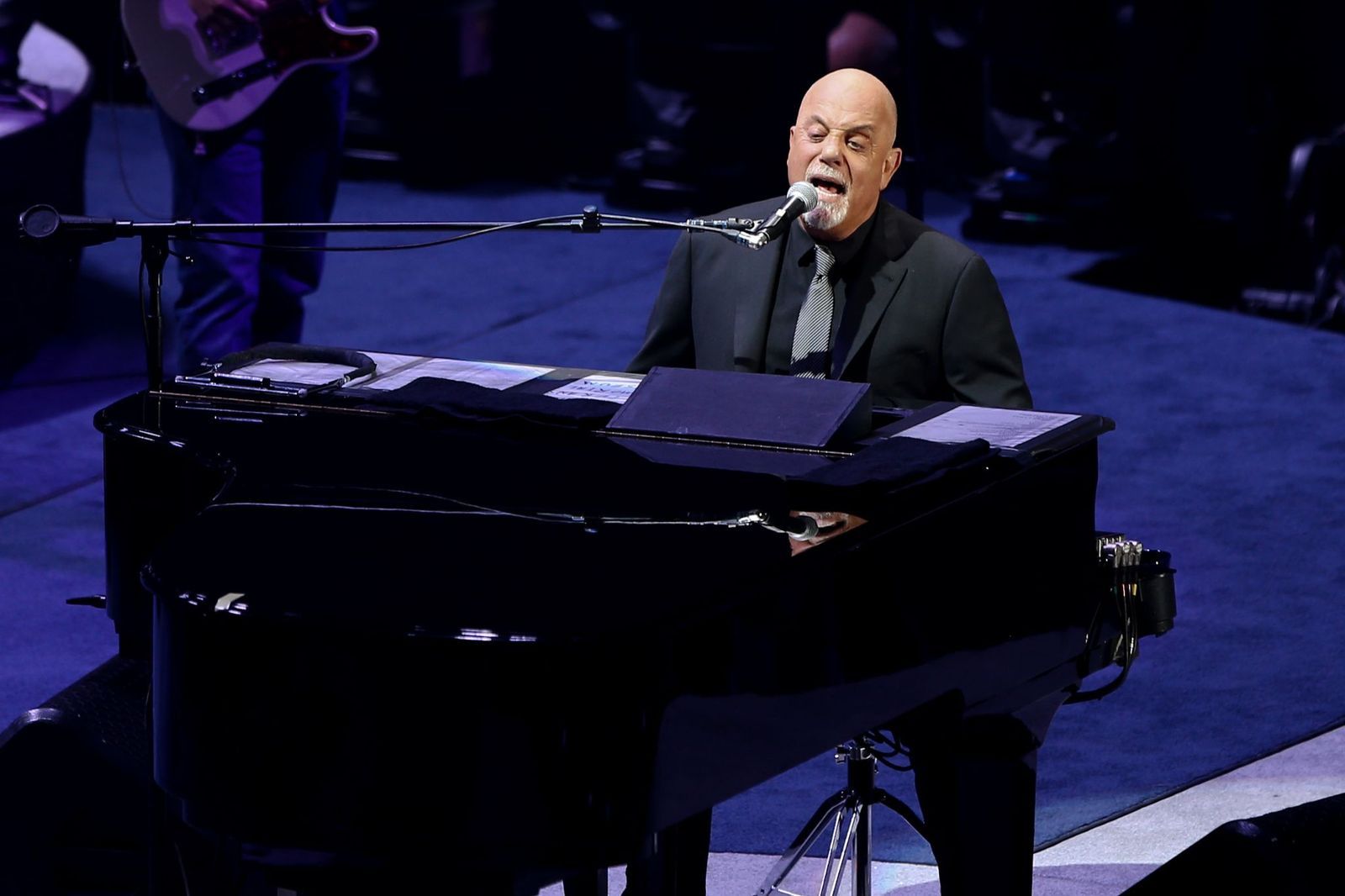
Piano Man — Billy Joel — "Piano Man"

Image: Debby Wong

Unlike most famous song characters, the Piano Man is really Billy Joel himself. Before becoming a superstar, Joel spent six months in 1972 and 1973 performing under the pseudonym Bill Martin at the Executive Room, a piano bar in Los Angeles, after becoming trapped in a bad recording contract. The song transforms those experiences into a bittersweet portrait of ordinary people searching for escape at the end of another week.

Joel has said that virtually every character in the song was based on a real person, from bartender John to "Paul, the real estate novelist" and Davy, who really was in the Navy. Yet the Piano Man himself became the story's most enduring character: a quiet observer who offers music as a brief refuge for dreamers, lonely souls, and regulars alike. More than fifty years after its 1973 release, "Piano Man" remains Billy Joel's signature song, and its title has effectively become his lifelong nickname.

11

Amos Moses — Jerry Reed — "Amos Moses"

Image: AS project

Standing nearly seven feet tall and missing an arm, Amos Moses roams the Louisiana swamps hunting alligators. Jerry Reed filled the song with colorful Southern expressions and exaggerated storytelling that make Amos feel like an authentic folk legend.

Although fictional, Amos embodies the larger-than-life heroes found throughout American tall tales. His adventures turned the song into one of Reed's biggest crossover hits and secured Amos a permanent place among country music's greatest characters.

12

Big Bad John — Jimmy Dean — "Big Bad John"

Image: mirigifford

Big Bad John hardly says a word, but he doesn't have to. The towering coal miner earns everyone's respect through quiet strength before sacrificing his own life to save fellow workers when a mine collapses.

Jimmy Dean's 1961 ballad became a smash hit, winning a Grammy and inspiring several sequel songs. More than sixty years later, Big Bad John still stands as one of country music's defining working-class heroes.

Looking for an extra scoop of literary fun?

Learn more with our Word of the day

crux

/krəks/