BAD IDEAS

Crash and burn: The 10 biggest product fails of all time


Published on March 2, 2025


Image: Steve Johnson

Not every innovation is destined to succeed. Some ideas might sound promising on paper but fail to meet real-world consumer needs. And these flops aren’t always easy to prevent— even the most successful companies make mistakes that end up costing millions. From the infamous Ford Edsel to Colgate-branded frozen meals, there’s no shortage of failed products that should have never left the drawing board. Join us on a journey through 10 of the biggest commercial failures of all time!

1

New Coke

Image: James Yarema

In 1985, Coca-Cola made the bold decision to change its classic formula in an attempt to compete with the rising popularity of Pepsi. The new version, known as "New Coke," was sweeter and aimed at capturing Pepsi's younger customer base. Coca-Cola’s executives believed this shift would boost sales but completely underestimated the emotional attachment millions of loyal Coke drinkers had to the original formula.

Consumer outrage was immediate, and the company was flooded with angry letters, petitions, and protests, all accompanied by disappointing sales. Just three months later, Coca-Cola was forced to reintroduce the original formula under the name Coca-Cola Classic. The episode is now remembered as a cautionary tale about the risks of tampering with beloved brands.

2

Ford Edsel

Image: Peter Secan

Though you may have never heard of it, the Edsel was Ford's failed attempt to introduce a new automotive brand in the late 1950s. Marketed as the car of the future and named after Henry Ford’s son, Edsel Ford, the first model featured innovative elements like a push-button transmission and an overall modern design.

Unfortunately, it became a major commercial flop. While Ford executives expected it to dominate its price segment, consumers found the car unattractive and plagued by mechanical issues. The marketing hype had raised expectations so high that the car ultimately failed to live up to them, leading to one of the biggest automotive failures in history.

3

Harley-Davidson Perfume

Image: Bruno Kelzer

Anyone with common sense would know that perfumes and Harley-Davidsons are not exactly a match made in heaven. The rugged, tough image of the motorcycle brand doesn’t align well with the idea of a pleasant fragrance—unless grease and gasoline are your go-to cologne.

Well, despite this being obvious, Harley-Davidson briefly ventured into the fragrance business in the 1990s. The ill-advised idea didn’t last long, as the brand’s consumers were confused by it, and the high-end fragrance market showed little interest. The result? The mismatched perfume was quietly pulled from shelves shortly after its release.

4

Segway

Image: Les Corpographes

While not a complete failure—similar devices made by other companies are still being made after all—the product never lived up to its inflated expectations. When the Segway was introduced in 2001, it was billed as a groundbreaking personal transport device that would revolutionize how people got around in cities.

And while the self-balancing technology was impressive, the high cost that came with it put it out of reach for most consumers. Additionally, city infrastructure wasn’t really designed to accommodate the device, making it impractical for daily use. The original Segway was discontinued in 2020, after almost two decades of poor sales.

5

Gerber Singles

Image: Rachel Loughman

Who in their right mind sees a can of baby food and thinks, "We can market this to adults, you know"? Apparently, Gerber's marketing executives did. In 1974, Gerber, a brand known for its baby food, made a puzzling attempt to target adults with "Gerber Singles," a line of pureed meals.

The concept was simple: convenient, single-serve meals for adults seeking quick nutrition. However, most people weren’t interested in eating what felt like astronaut food on a daily basis. As expected, the product flopped almost immediately, with consumers finding the idea unappealing and even infantilizing. It quickly became an industry joke and was swiftly pulled from the market.

6

Frito-Lay Wow! Chips

Image: Bermix Studio

When companies rush to introduce innovative products for quick profits, they sometimes overlook the testing phase. In 1998, Frito-Lay launched Wow! Chips, a revolutionary product marketed as fat-free snacks made with olestra, a fat substitute that couldn’t be absorbed by the body.

While the idea of guilt-free snacking seemed appealing, the new component caused very unpleasant—and rather laxative—effects on people. The product quickly earned a bad reputation, and consumers avoided it. A few years later, most olestra-based chips were removed from the market.

7

Perfume Bic

Image: Christian Allard

What’s with well-established companies trying to venture into the fragrance industry? In the 1980s, Bic, a brand famous for its disposable pens, reliable lighters, and inexpensive razors, attempted to introduce a line of cheap, disposable perfumes. The idea was that consumers would buy fragrance as easily as they would a pen or lighter.

However, the concept of throwaway perfume didn’t resonate with the public, who typically associate perfumes with luxury and longevity. Additionally, the market for cheap perfumes was already oversaturated. Why would consumers choose a Bic perfume over other options? Sales were dismal, and the product quickly disappeared from shelves.

8

Colgate Kitchen Entrees

Image: Diana Polekhina

Sometimes companies give too much credit to the bizarre conclusions of hare-brained marketing brainstorm sessions, but rarely as much as when Colgate decided to enter the frozen food market in the 1980s. Colgate Kitchen Entrees offered a range of ready-to-eat meals, from lasagna to roasted chicken.

However, consumers were clearly put off by the idea of buying food from a brand so closely associated with dental hygiene. Unsurprisingly, sales were terrible, as the Colgate name universally evokes thoughts of toothpaste rather than appetizing meals. Remembered as one of the worst marketing decisions in history, the experiment was quickly terminated.

9

McPizza

Image: Ivan Torres

You could excuse McDonald’s for trying to expand into the pizza industry. After all, their business is fast food, and pizza is one of the most popular fast-ish food items in the world. They tried their luck with the concept in the late 1980s by introducing the McPizza, hoping to capture a share of the pizza market.

However, the pizzas took too long to prepare, clashing with McDonald’s fast-food model. Additionally, customers didn’t really associate McDonald’s with pizza, preferring their classic menu items instead. As a result, the experiment was short-lived, and most locations phased out McPizza by the mid-1990s.

10

Google Glass

Image: Dylan Carr

Google Glass debuted in 2013 as a cutting-edge wearable device offering augmented reality. The futuristic glasses allowed users to take photos, access the internet, and receive notifications. Despite the hype surrounding its potential, privacy concerns emerged over the built-in camera, with fears that it could lead to covert surveillance in public spaces.

But what ultimately doomed the concept was its high cost combined with limited functionality for everyday users. More of a prototype than a finished product, Google Glass struggled to find a mainstream market. It was quietly discontinued in 2015, though it is still credited with advancing the trend of wearable technology.
10 weird historical events that no one has been able to explain (yet)


Published on March 2, 2025


Image: Walters Art Museum, Public domain, via Wikimedia Commons

Who doesn't like a good mystery? And if the mystery isn’t a work of fiction but the result of a true story, even better! The great unsolved enigmas of history are absolutely fascinating. Some have been solved over time, but there are still many old secrets for which neither scientists nor historians have found an explanation—yet. Time-travel with us as we uncover 10 of the biggest historical mysteries that will probably never be cracked!

1

A ghost island

Image: Tanner, Henry S., Public domain, via Wikimedia Commons

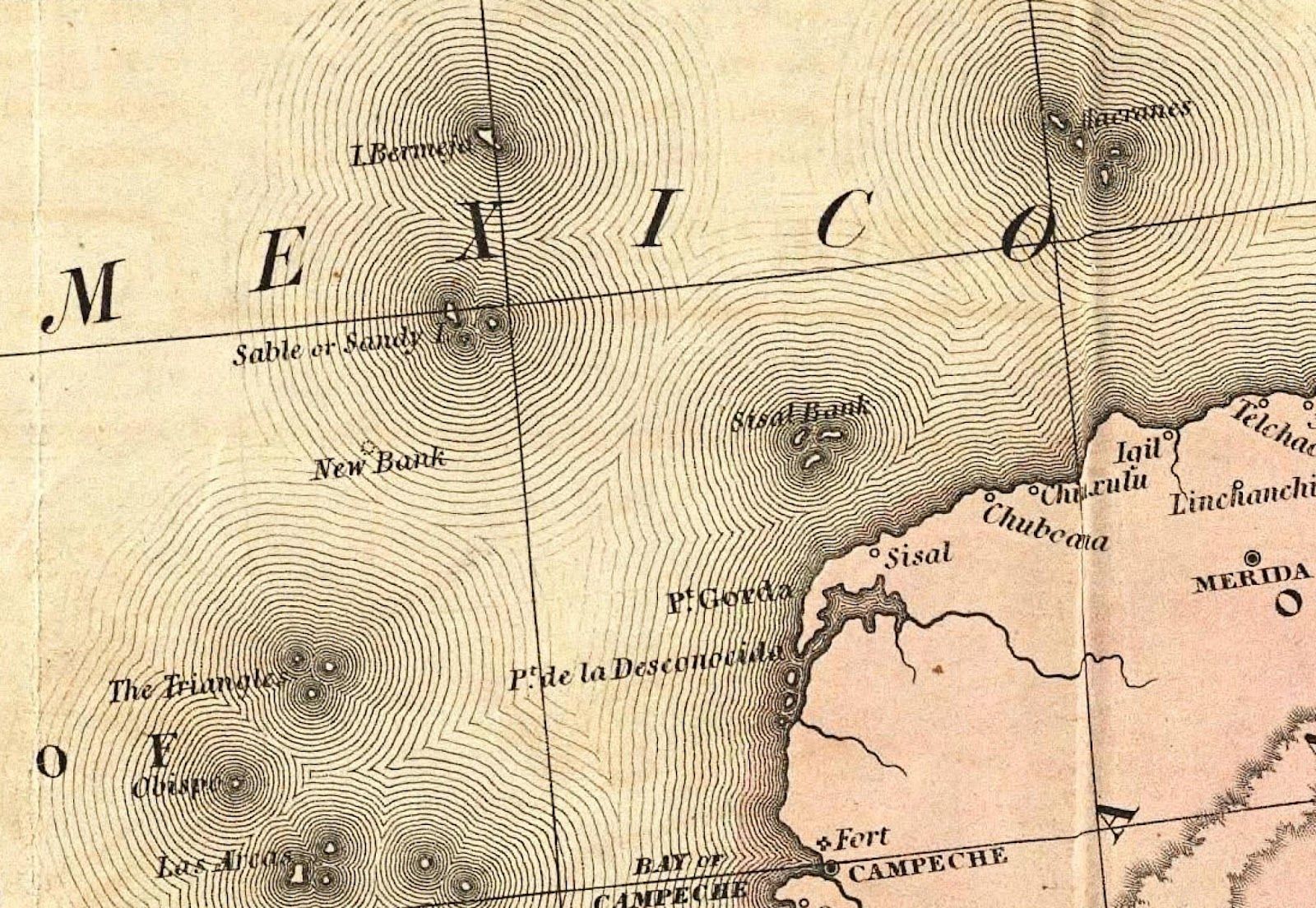
Bermeja Island is mentioned in navigation texts written by European travelers and appears in cartography from the 16th to 19th centuries. Old maps place it off the north coast of the Yucatán Peninsula; however, multiple searches over the years have yielded no concrete evidence of its existence.

So, what happened to Isla Bermeja? Was it a cartographic error? Did it sink due to a tidal wave? Because of its geopolitical significance, some have even suggested that it was blown up by the CIA! A 2009 study by the Autonomous University of Mexico concluded that Isla Bermeja does not exist today, nor were any traces found at its supposed coordinates. Yet, it will forever remain a mystery that will surely keep many entertained.

2

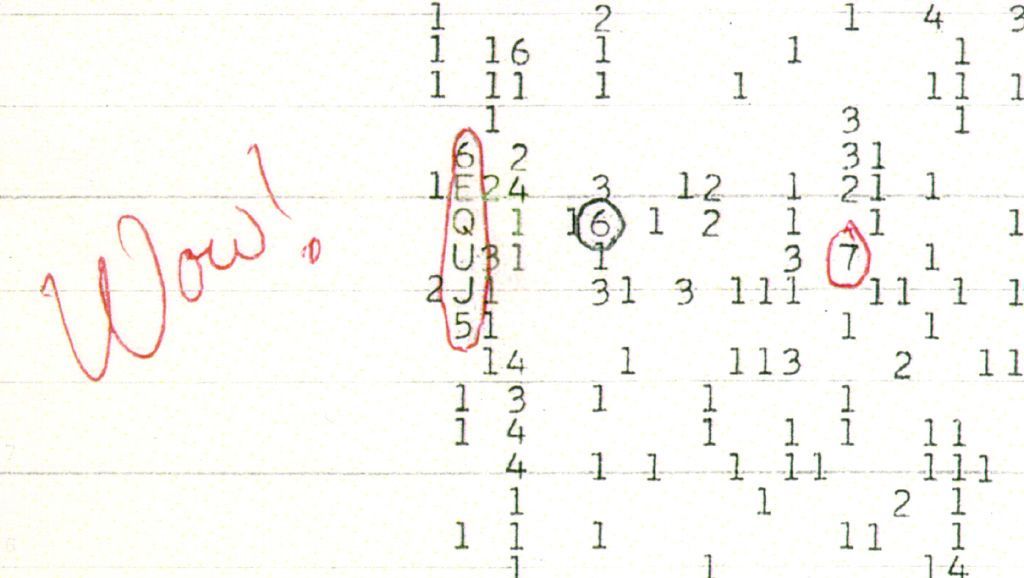
The longest alien signal ever

Image: Credit: Big Ear Radio Observatory and North American AstroPhysical Observatory (NAAPO)., Public domain, via Wikimedia Commons

In 1977, Ohio State University’s Big Ear radio telescope, used in the search for extraterrestrial intelligence, detected a signal now known as the Wow! signal. While reviewing the data, astronomer Jerry R. Ehman noticed a sequence represented as "6EQUJ5." Baffled by the anomaly, he circled it and wrote "Wow!" in the margins.

The signal lasted 72 seconds and, unfortunately, has never been repeated. To this day, no one can fully explain the phenomenon, although some suggest it may have come from a man-made source. Still, the Wow! signal remains one of the strongest candidates for potential extraterrestrial contact ever detected.

3

The disappearance of an entire Inuit village

Image: Edward S. Curtis, Public domain, via Wikimedia Commons

How is it possible for an entire village to vanish without a trace? Believe it or not, this is said to have happened nearly a century ago. According to lore, a small Inuit village in Canada was well known among fur trappers who visited regularly to trade. But in 1930, something very strange supposedly occurred.

A hunter named Joe Labelle claimed he visited the village one day and couldn’t find a single person. Reports said there were guns and food left behind, and even claims that the graves in the cemetery were empty. A thorough investigation, however, found no conclusive evidence of what happened to the villagers. Some witnesses from nearby towns even reported seeing a huge green light. Theories ranged from mass migration to extraterrestrial abductions. The Royal Canadian Mounted Police has since dismissed the case as an urban legend. Some still believe the story to be true.

4

The Joyita Mystery

Image: bbb

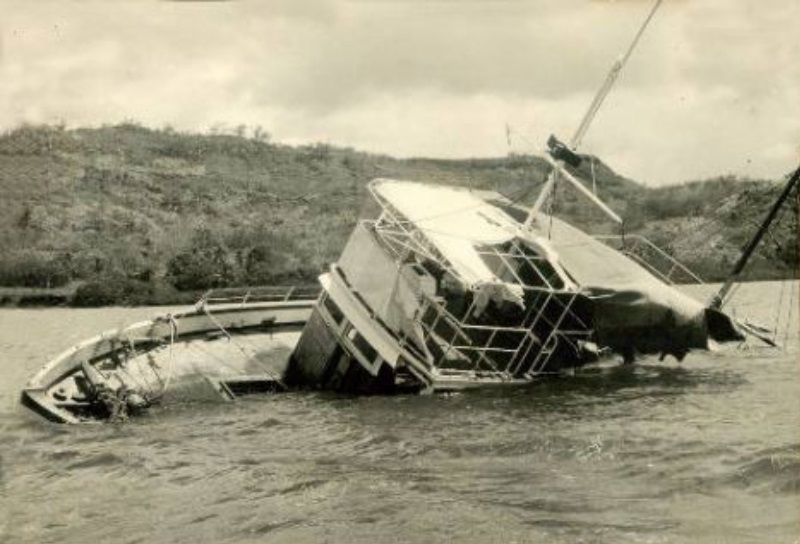
We know thousands of shipwreck stories, but this one is quite unique. The MV Joyita, designed to be nearly unsinkable, was found adrift in the South Pacific, practically unharmed, but the crew had disappeared completely.

In October 1955, the American merchant vessel left the port of Apia in Samoa with 16 crew members and 9 passengers bound for the Tokelau Islands. After days without news, a rescue mission was launched. Five weeks later, the Joyita was spotted more than 600 miles west of its intended route. The vessel was partially submerged, and there was no sign of the passengers or crew. Four tons of cargo and all three life rafts were missing. They were never seen again.

5

A mummy and a mysterious fluid

Image: Gary Todd from Xinzheng, China, CC0, via Wikimedia Commons

Do you know where one of the best-preserved mummies was found? Hint: not in Egypt. Xin Zhui, the Marquise of Dai during the Western Han Dynasty in China, was discovered in her tomb at Mawangdui 2,000 years after her death, along with hundreds of valuable documents and artifacts.

What makes this mummy so extraordinary is how well-preserved her body is. Her organs and veins remain intact, and she still has hair and even eyelashes. Scientists analyzed the fluid present in the coffin and discovered it was acidic and contained salt and magnesium. They believe this mysterious liquid may have been responsible for preserving Xin Zhui so well. What they don’t know is whether it was intentionally poured into the coffin or came from the body itself.

6

A missing prime minister

Image: Yoichi Okamoto, Public domain, via Wikimedia Commons

The United States has its fair share of presidents who died while in office, but none of our 45 presidents have ever disappeared without a trace. Did you know that this actually happened in The Land Down Under?

Harold Edward Holt was the Prime Minister of Australia from 1966 until his presumed death in 1967. He loved the ocean and spearfishing. During a weekend trip with friends, Holt visited the remote Cheviot Beach to take a swim. Rough sea conditions that day caused him to be swept away by the waves, and he never reappeared. Despite an intensive search, his body was never found, which has given rise to numerous conspiracy theories. Ironically, Australians built the Harold Holt Memorial Swimming Centre in Melbourne in his honor.

7

The anonymous hijacker

Image: FBI, Public domain, via Wikimedia Commons

Many famous criminals have managed to remain unidentified for decades, but the D.B. Cooper case is something else entirely. In 1971, Cooper boarded a flight from Portland to Seattle. Shortly after takeoff, he showed a flight attendant a device he claimed was a bomb and demanded four parachutes and $200,000 in cash.

The crew landed to meet Cooper’s demands in exchange for the passengers and then took off again. As the plane flew over southwestern Washington, Cooper jumped into the cold, rainy night carrying his haul. His whereabouts and true identity were never discovered, although it is likely he didn’t survive the jump. In 1980, some of the ransom money was found near the Columbia River. Although the FBI officially closed the case in 2016, amateur sleuths continue to try to crack it.

8

Dancing to death

Image: Pieter Brueghel the Elder, Public domain, via Wikimedia Commons

Can you imagine an epidemic where the main symptom is uncontrollable dancing? Sounds like science fiction, doesn’t it? Yet this really happened during the Middle Ages. In 1518, a dancing plague struck Strasbourg, Alsace, in what is now France. This strange condition affected up to 400 people, making them dance frantically for weeks. It is said that some even died of heart attacks, exhaustion, or strokes.

Doctors and authorities tried all kinds of measures to stop the spread. They even banned music for a while! To this day, scientists are not certain what caused this bizarre condition: it may have been food poisoning from toxins in the ergot fungus, or perhaps a case of stress-induced mass hysteria.

9

A manuscript no one understands

Image: Public domain, via Wikimedia Commons

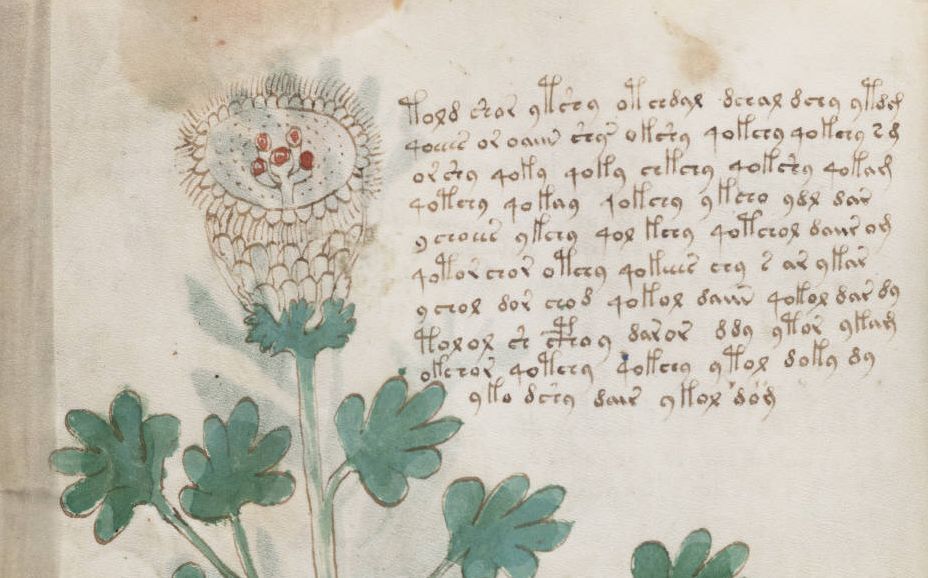
The Voynich manuscript is a codex written roughly 500 years ago in an unknown language and writing system by an anonymous author. Known as Voynichese, the manuscript was named after Wilfrid Voynich, a Polish bibliophile and antiquarian who purchased it in 1912.

Radiocarbon testing has shown that it dates to the early 15th century. Many cryptographers and codebreakers have attempted to decipher its roughly 240 pages without success. The manuscript contains diagrams and illustrations of unknown plants and astrological symbols. Some believe it may be a made-up language, a secret code, a work of fiction, or even a hoax. If you think you can solve this mystery, the Voynich manuscript is available for viewing at Yale University’s Beinecke Rare Book and Manuscript Library.

10

An ancestor of movable-type printing

Image: Bernhard

Similar to the Voynich manuscript, the Phaistos Disc is a fired clay disc believed to have been created during the Bronze Age. It was discovered by an Italian archaeologist in the basement of a palace in Crete, Greece, in 1908.

What makes this disc fascinating is that it contains a mysterious message. Stamped into the clay is a set of signs, forming a text that many scientists have tried to decipher—without success. It is considered an early attempt at printing, a technological innovation that would not become widespread for several centuries. While enthusiasts still hope the enigma can be solved, this is unlikely unless other documents are discovered to provide context.

Looking for an extra scoop of literary fun?

Learn more with our Word of the day

circumlocution

/ˌsərkəmˌləˈkjuʃən/