Weird nature

10 animals that shouldn’t exist (but do anyway)


Published on January 7, 2026


Image: Rachael Mbaika

Nature doesn’t always play by the rules. Some animals seem like evolutionary jokes, while others look like science experiments gone rogue. Whether it's their appearance, behavior, or biology, these 10 creatures will have you questioning reality—but every single one is real. Let’s meet them together!

1

The Platypus

Image: Michael Jerrard

The platypus looks like someone smashed together a duck, beaver, and otter—and then added venom, for good measure. Native to Australia, it's one of only five monotremes, mammals that lay eggs.

Males have venomous spurs on their hind legs, capable of delivering excruciating pain. And when it hunts underwater, it closes its eyes, ears, and nostrils, relying entirely on electroreception to sense the tiny electric fields of its prey.

2

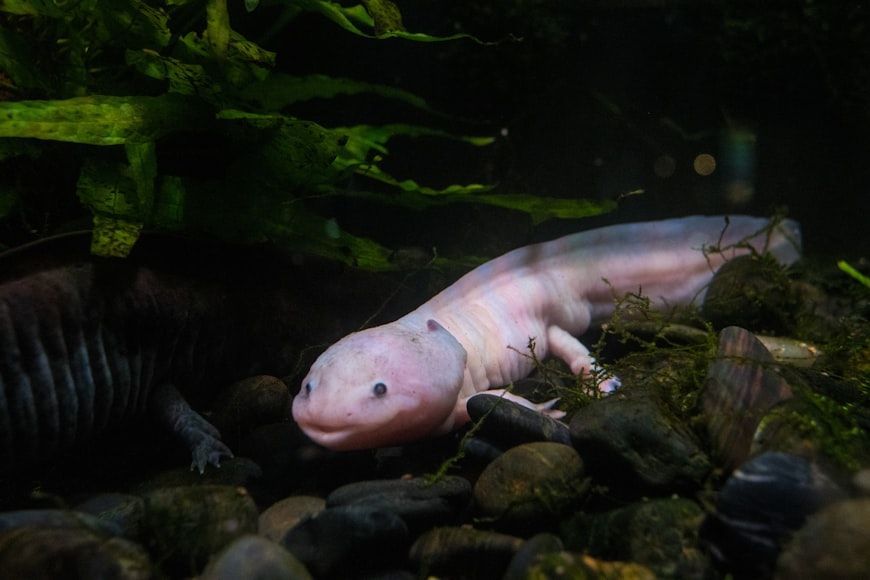
Axolotl

Image: Mattias Banguese

These weird-looking guys never grow up—literally. Unlike other types of salamanders, the axolotl retains its larval features throughout life, a trait known as neoteny.

They can regrow limbs, spinal cords, parts of their heart, and even sections of their brain. Found only in lakes near Mexico City, it's critically endangered in the wild but common in labs due to its regenerative abilities.

3

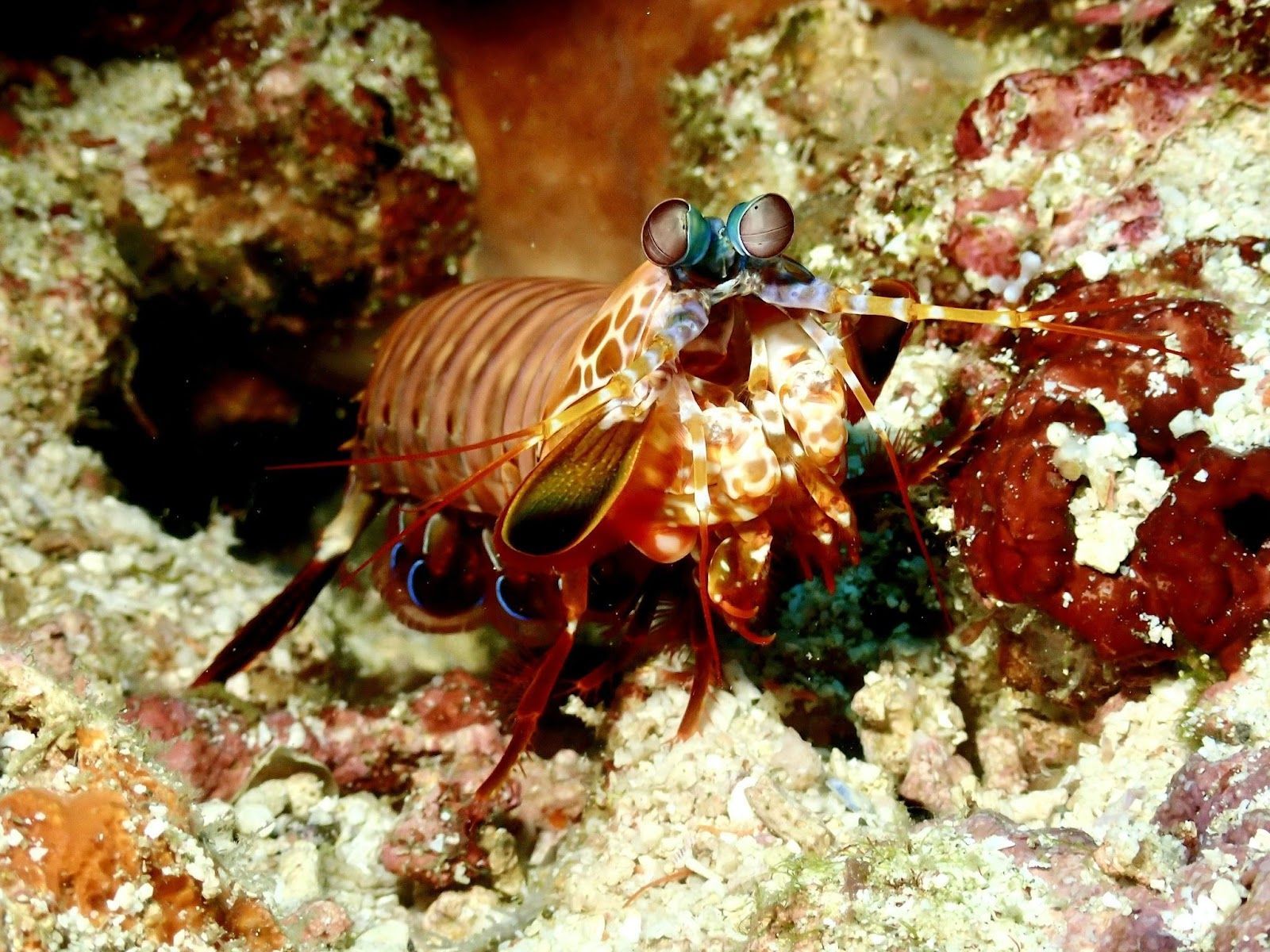
Mantis Shrimp

Image: Claus Giering

These tiny crustaceans pack a punch so fast it boils the water around them, creating shockwaves and cavitation bubbles. Their strikes can hit speeds of about 50 mph, with accelerations rivaling a speeding bullet.

They also have some of the most complex eyes in the animal kingdom, capable of seeing polarized light and 12 color channels (for comparison, humans only have 3).

4

Saiga Antelope

Image: Dasha Urvachova

Native to the Eurasian steppes, the saiga’s oversized, drooping nose looks cartoonish but serves real functions: it filters dust and regulates temperature.

Once widespread, the species is now critically endangered due to poaching and disease outbreaks that can wipe out huge populations in weeks.

5

Naked Mole Rat

Image: Lara Lone

These hairless rodents—close cousins of more familiar, fur-covered mole species (pictured)—live in underground colonies with a social structure similar to bees. They're nearly immune to cancer, insensitive to pain, and can survive 18 minutes without oxygen.

Their cells have unique mechanisms for DNA repair and protein stability, making them a valuable subject in medical research, especially for aging and disease resistance.

6

Aye-Aye

Image: Clement Meers

This lemur species from Madagascar uses its grotesquely long middle finger to tap on wood and fish out insects—like a skeletal woodpecker.

Locals have traditionally feared them as omens of death. Sadly, this superstition contributes to its declining population, alongside habitat loss.

7

Immortal Jellyfish

Image: Albert Canite

This jellyfish can revert its cells to an earlier stage of life, effectively resetting its aging process. It doesn’t die of old age—it just starts over.

It's not truly immortal—injuries and predation can still kill it—but its ability to cheat aging is unique in the animal kingdom.

8

Pink Fairy Armadillo

Image: Joe Lemm

This six-inch-long, velvety creature looks like it was designed by a plush toy company. Found mainly in Argentina, it burrows underground and is rarely spotted in the wild.

Its pink armor acts as both protection and a way to regulate body temperature. Despite its cuteness, very little is known due to its elusive, nocturnal behavior.

9

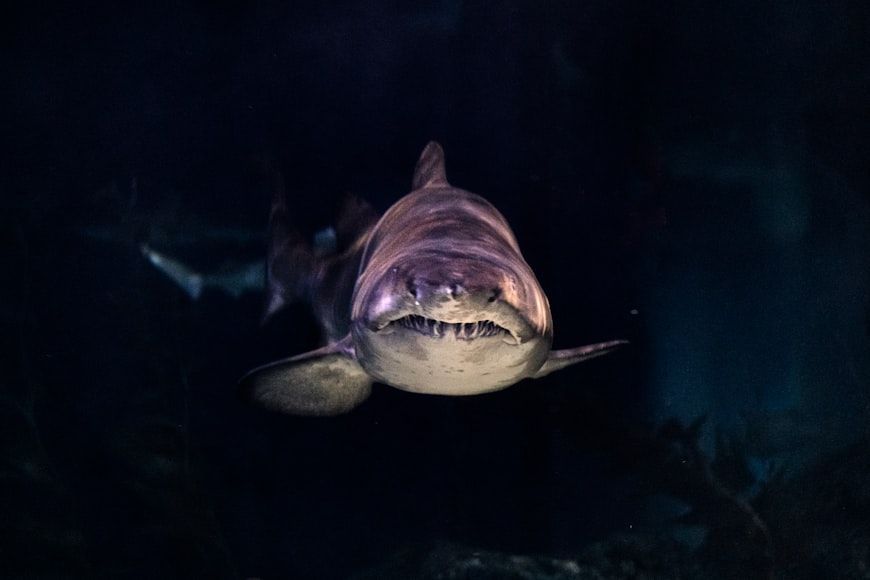
Goblin Shark

Image: Wai Siew

This deep-sea shark can shoot its jaw forward at about 10 feet per second, snatching prey with lightning speed. Its long, flat snout houses special sensors to detect electric fields.

With translucent skin and a prehistoric look, it’s sometimes called a "living fossil." It’s rarely seen alive due to its deep-sea habitat.

10

Proboscis Monkey

Image: Tim Morgan

With its comically large nose, the male proboscis monkey looks absurd—but females apparently find it attractive. The nose also amplifies vocalizations to assert dominance.

Native to Borneo, it’s a strong swimmer with webbed feet but is threatened by habitat loss and hunting.


Hospital secrets

What is a "Code Gray" and what you should know if you hear it at the E.R.


Published on January 7, 2026


Image: voronaman

A trip to the emergency room can be stressful enough without hearing doctors and nurses speak a language that sounds like a secret code. One minute, someone is asking for medication "STAT," the next there’s a "Code Gray," and another patient is suddenly "NPO." What do those words really mean? Some are official medical terms, others are insider slang, but they all help hospital staff communicate quickly when every second counts. Here are 10 of those codes explained.

1

Code Gray

Image: PeopleImages

The E.R. can be hectic and unpredictable. Most patients are frightened or uncomfortable, but now and then someone becomes aggressive because of pain, confusion, mental illness, or the effects of alcohol or other substances. That’s when you can hear "Code Gray" announced over the speakers.

The code is used to summon security officers to help manage a violent or combative situation. While color codes vary from one hospital to another, Code Gray commonly signals that staff needs extra assistance to protect patients, visitors, and healthcare workers. Even if you know it now, most people in the waiting room never know what happened, and that’s exactly the point.

2

NPO

Image: PeopleImages

You have a scheduled surgery, you’re in your bed waiting to be taken to the surgery room, and you ask for a cup of coffee to make the wait lighter. The nurse will probably tell you you’re an NPO. You may think it’s serious, but it’s simply a procedure.

"NPO" is an abbreviation that comes from the Latin phrase Nil Per Os, which means "nothing by mouth." It tells patients they cannot eat, drink, or sometimes even take medication until doctors say it’s safe. The rule is most common before surgery or certain medical tests, when food or liquids could increase the risk of complications or alter the results. It may be frustrating, but it’s an important part of keeping patients safe.

3

STAT!

Image: PeopleImages

You’ve probably been through the experience of visiting an emergency room, either to get checked or to visit a loved one. In that part of the hospital where everyone is rushing to save lives, you’ve probably heard a doctor asking for the R.C.P. cart or medication "STAT!" It sounds urgent, and that's because it is.

The expression comes from the Latin statim, which means "immediately" or "without delay." Hospitals have used Latin medical terms for centuries, but STAT is one of the few that remains part of everyday conversation. When a doctor says it, the request jumps to the top of the priority list. It doesn’t always refer to a life-or-death situation, but it does mean the medical team needs something done as quickly as possible.

4

Code Pink

Image: Vladimir Tretyakov

Newborns are always a reason to celebrate at the hospital. Parents usually rest happily next to their child as they receive congratulations from close relatives. However, the hospital is always prepared to handle extremely rare emergencies under "code pink."

If you hear a "Code Pink," it usually means a baby or young child is suspected of being abducted from the hospital. Within seconds, security officers respond, exits may be monitored or blocked, and staff begins following carefully rehearsed procedures. Although different hospitals sometimes use different color codes, Code Pink has become widely recognized across North America as one of the most serious alerts a hospital can issue.

5

Walkie-talkie

Image: Arunporn Thanapotivirat

If you’ve ever spent a few days in the hospital, you’ve probably noticed that some patients are walking up and down the halls, while others need help just getting out of bed. When a nurse refers to someone as a "walkie-talkie," it’s actually good news.

This informal expression refers to patients who can walk on their own, use the bathroom without assistance, and handle most basic tasks independently. It’s not an official medical term, of course, but it’s commonly used among healthcare workers because it quickly tells the next shift that the patient requires less hands-on care than many others.

6

Total

Image: sebra

As nurses change shifts, you’ll often hear them give a quick report about each patient. One person may only need medication, while another is described as a "total."

The term is short for a patient who requires total care. They may need help eating, bathing, getting dressed, turning in bed, or moving from one place to another. Although the expression sounds impersonal, it’s simply a practical way for caregivers to communicate how much assistance someone needs.

7

Frequent flyer

Image: Studio Romantic

Most people hear "frequent flyer" and think of an airline reward program. And that’s correct, but in an emergency room, the phrase has a very different meaning.

A frequent flyer is an informal nickname for patients who repeatedly return to the hospital, often due to chronic illness, recurring medical conditions, or other ongoing health issues. Behind the light-hearted nickname is often a difficult reality. Many of these patients are simply dealing with medical problems that require regular emergency care, and the expression is just a way to make the experience a bit lighter among the familiar faces of doctors and nurses.

8

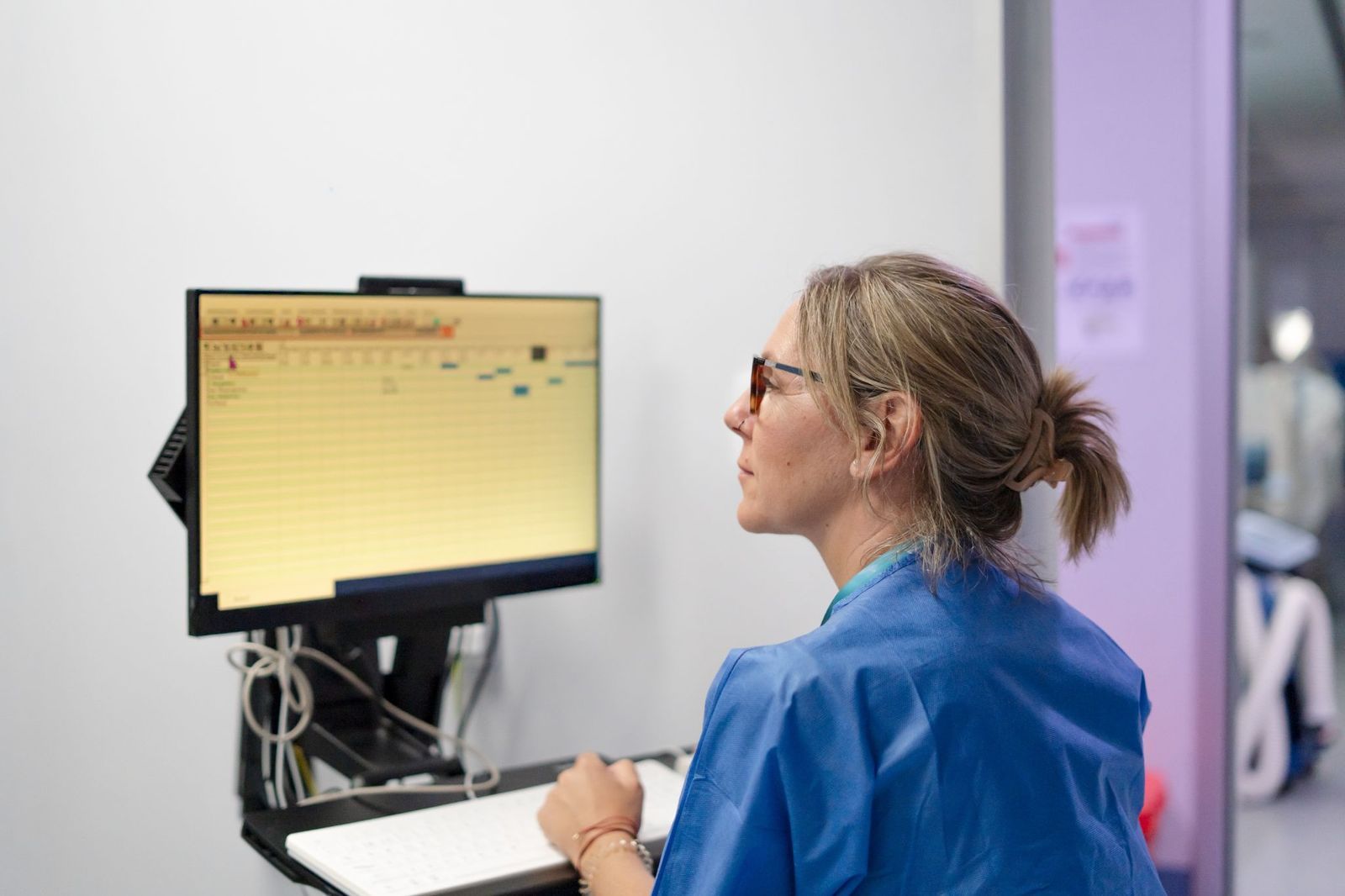
WOW

Image: Studio Romantic

Not all codes are for patients. The next time you’re in a hospital, look closely at what the nurse is pushing from room to room. It may look like a small rolling desk with a computer on top. Staff often call it a "WOW," short for "workstation on wheels."

As hospitals switched from paper charts to electronic medical records, these mobile computers became essential. Nurses use them to review test results, scan medications, update patient charts, and check doctors’ orders without leaving the bedside. The name sounds funny, but the technology helps caregivers spend more time with patients instead of walking back and forth to a nursing station.

9

Sharp container

Image: NMK-Studio

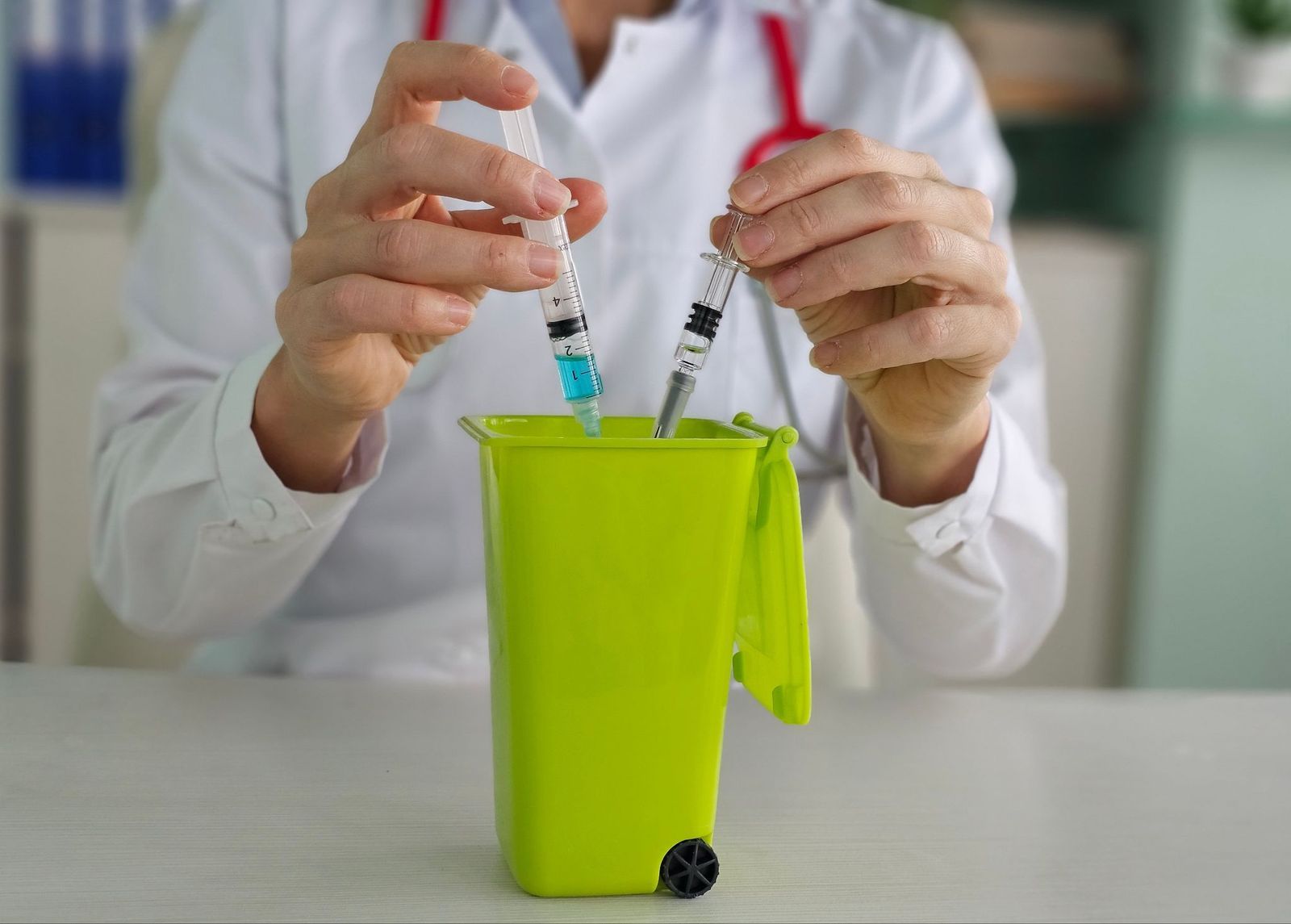
After getting a shot or having blood drawn, most patients never think about where the used needle ends up. It certainly doesn't go into an ordinary trash can.

Hospitals place needles, scalpels, and other sharp medical instruments into special containers designed to prevent accidental injuries. These sturdy, puncture-resistant boxes are sealed when full and safely disposed of in accordance with strict health regulations. This not only protects nurses, but it also protects cleaning crews, waste handlers, and even the public from dangerous needle sticks. It’s one of the most important safety measures in every hospital, even though most patients never notice it.

10

B-52

Image: Photoroyalty

If you’ve ever watched a medical drama, you've probably seen a patient become so agitated that several staff members rush into the room. In situations like that, a doctor or nurse may ask for a "B-52." But the name has nothing to do with numbers themselves; it actually comes from a medicine.

B-52 is hospital slang for a fast-acting injection used to calm down patients who are severely combative or at risk of harming themselves or others. The nickname comes from a commonly used combination of medications that usually include diphenhydramine, haloperidol, and lorazepam. It’s strictly reserved for when other methods of calming the patient haven’t worked.

Looking for an extra scoop of literary fun?

Learn more with our Word of the day

pique

/pik/