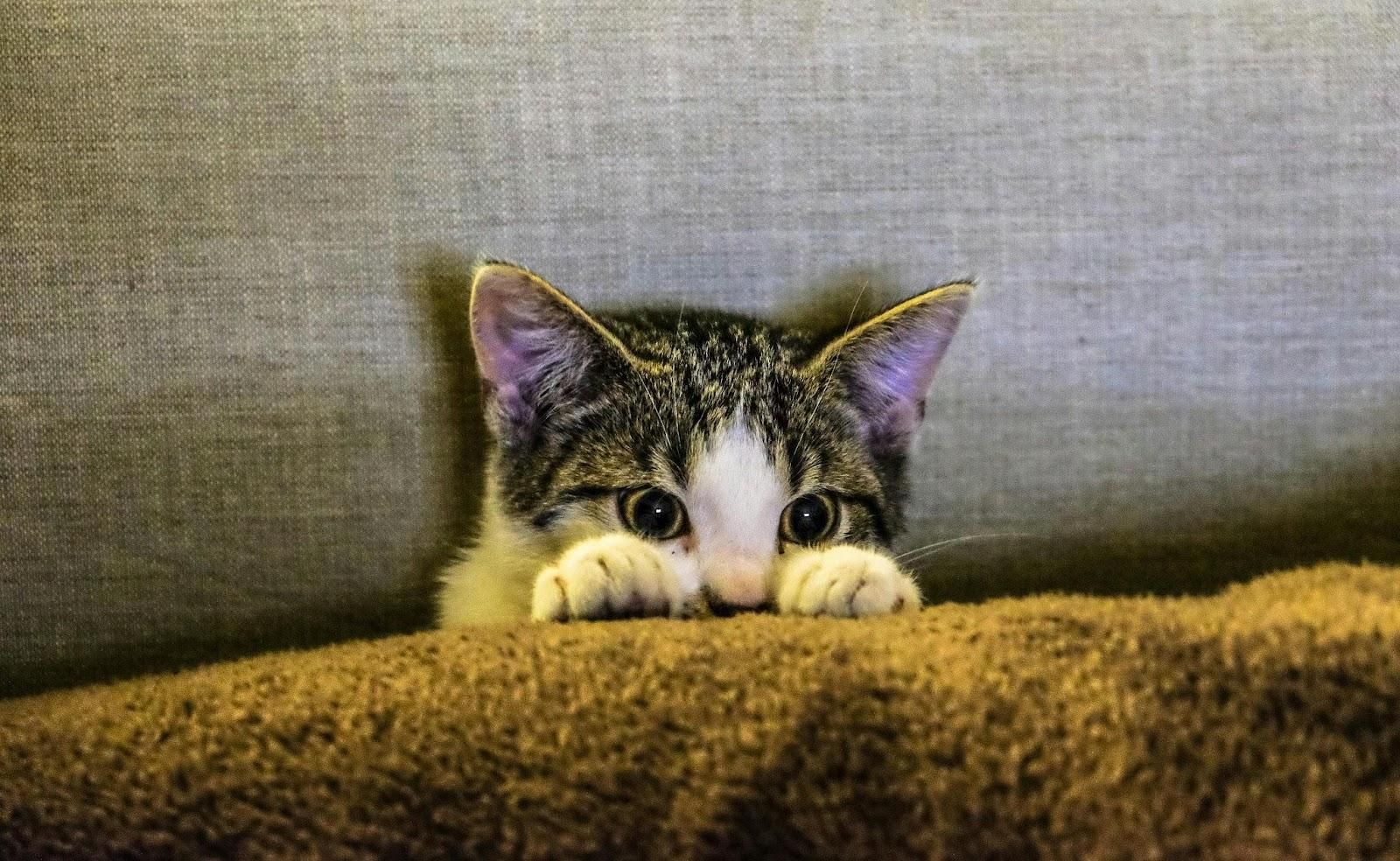
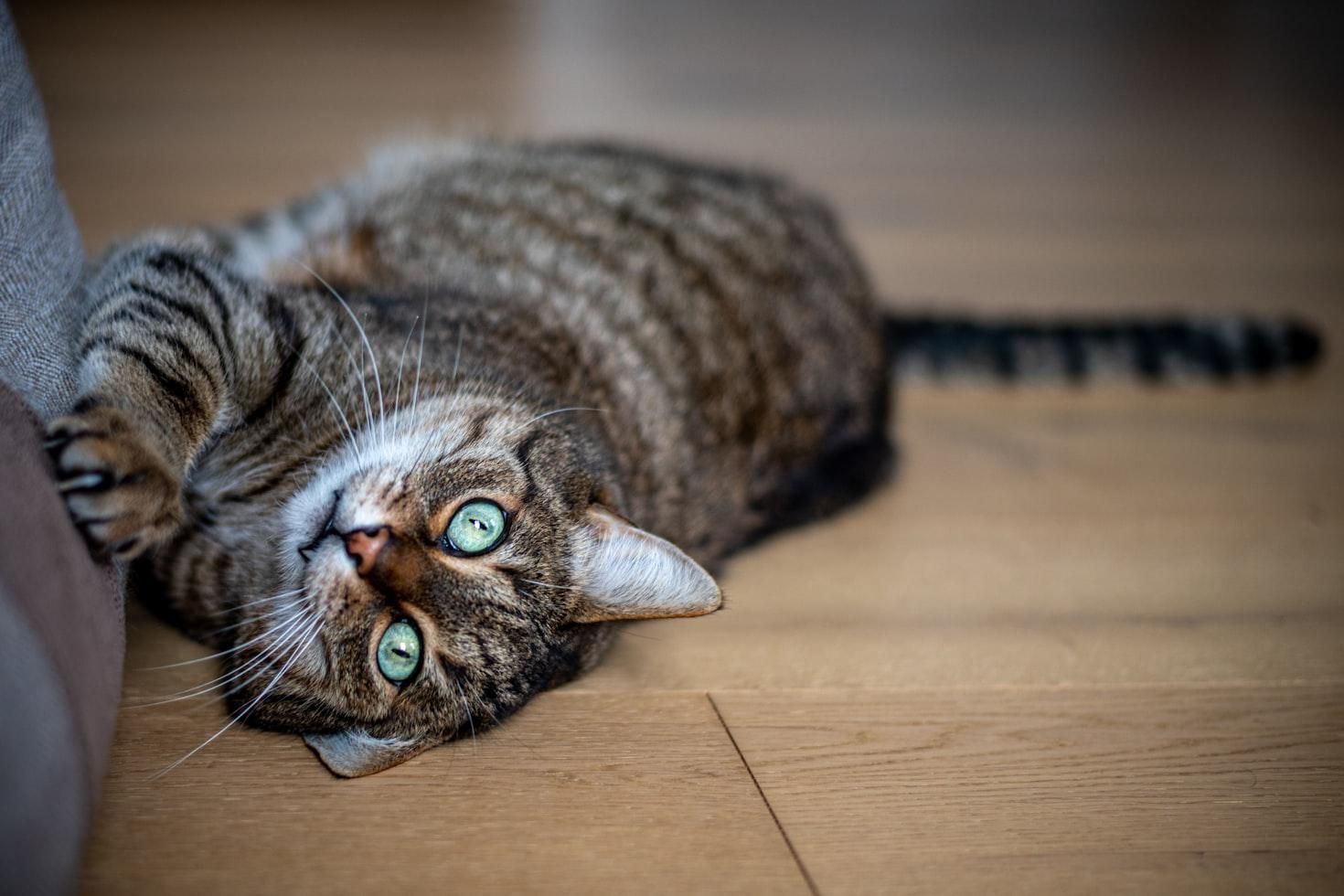
Blame evolution: 10 reasons why cats are (not) the worst pets


Published on May 27, 2026


Image: Paul Hanaoka

Cats often get a reputation for being difficult, distant, or unreliable pets. People who grew up with dogs sometimes describe them as cold, stubborn, or uninterested in pleasing anyone. This list looks at familiar cat behaviors that can feel frustrating at first, especially to new owners. Seen more closely, these same traits help explain why cats fit comfortably into many homes and why millions of people continue to choose them as companions year after year. Continue reading to discover that your cat truly loves you!

1

They ignore you when you call them

Image: Cats Coming

Calling a cat by name and getting no response is a common experience. Unlike dogs, cats rarely come running just because they are called. This can feel dismissive, even rude, to owners who expect a pet to respond on cue.

What’s often overlooked is that cats evolved as mostly solitary hunters. They did not develop social behaviors centered on following leaders or responding to group signals. Studies and everyday observation show that cats can recognize their names and the sound of their owner’s voice, but they decide for themselves whether to react or not. For many people, this independence means fewer demands for constant interaction and a pet that is comfortable spending time on its own.

2

They knock objects off tables and shelves
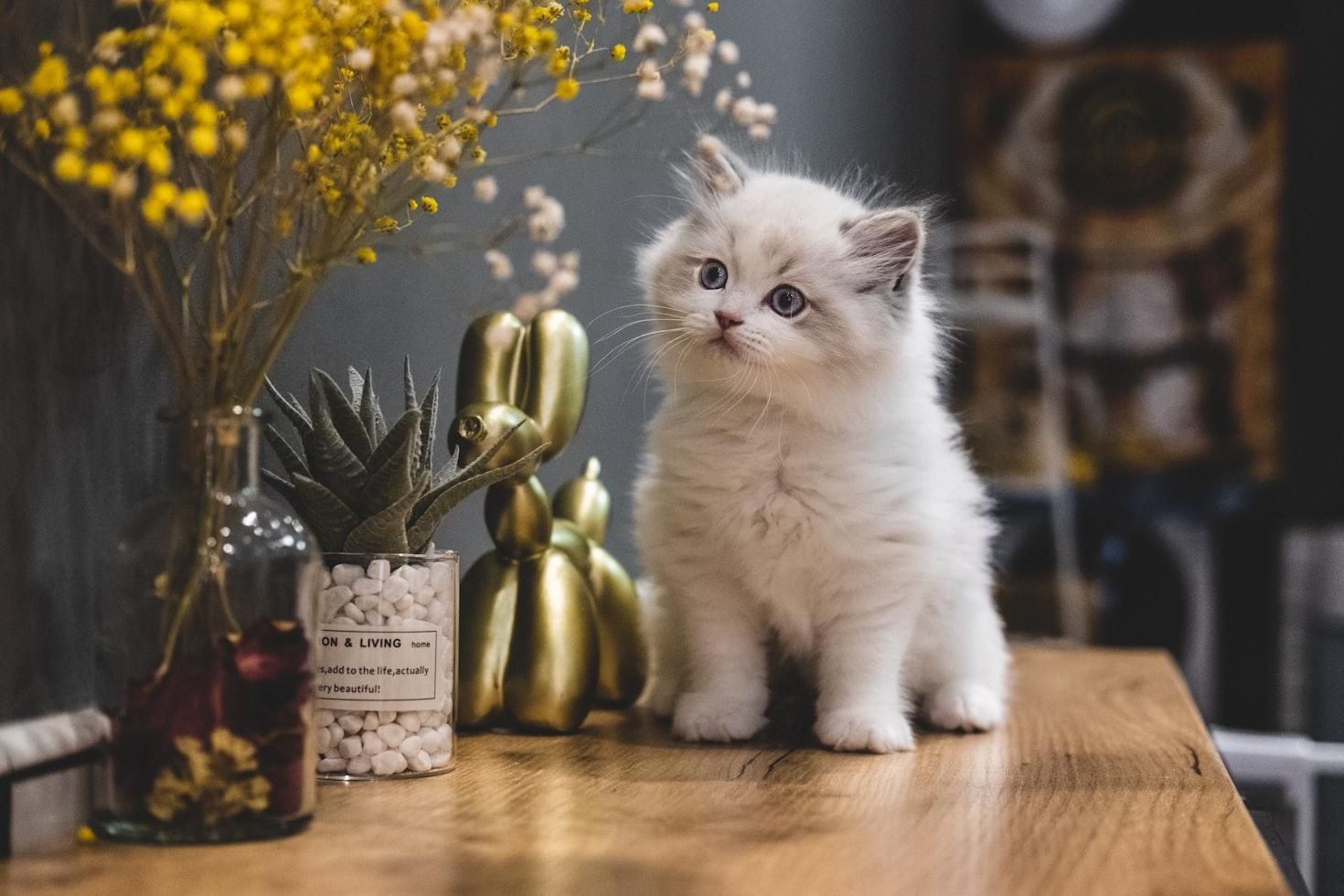
Image: Steve Tsang

Many cat owners know the sound: a slow tap, a pause, and then a cup or pen sliding off the edge of a table. Cats often push objects while watching closely, as if waiting for the result.

This behavior is tied to curiosity and learning. Cats use their paws to test how objects move, whether they roll, wobble, or fall. This kind of testing is connected to hunting instincts, where judging motion and distance matters. While it can be annoying, it also shows that cats stay mentally engaged with their environment instead of simply reacting to commands or routines.

3

They seem more attached to places than people
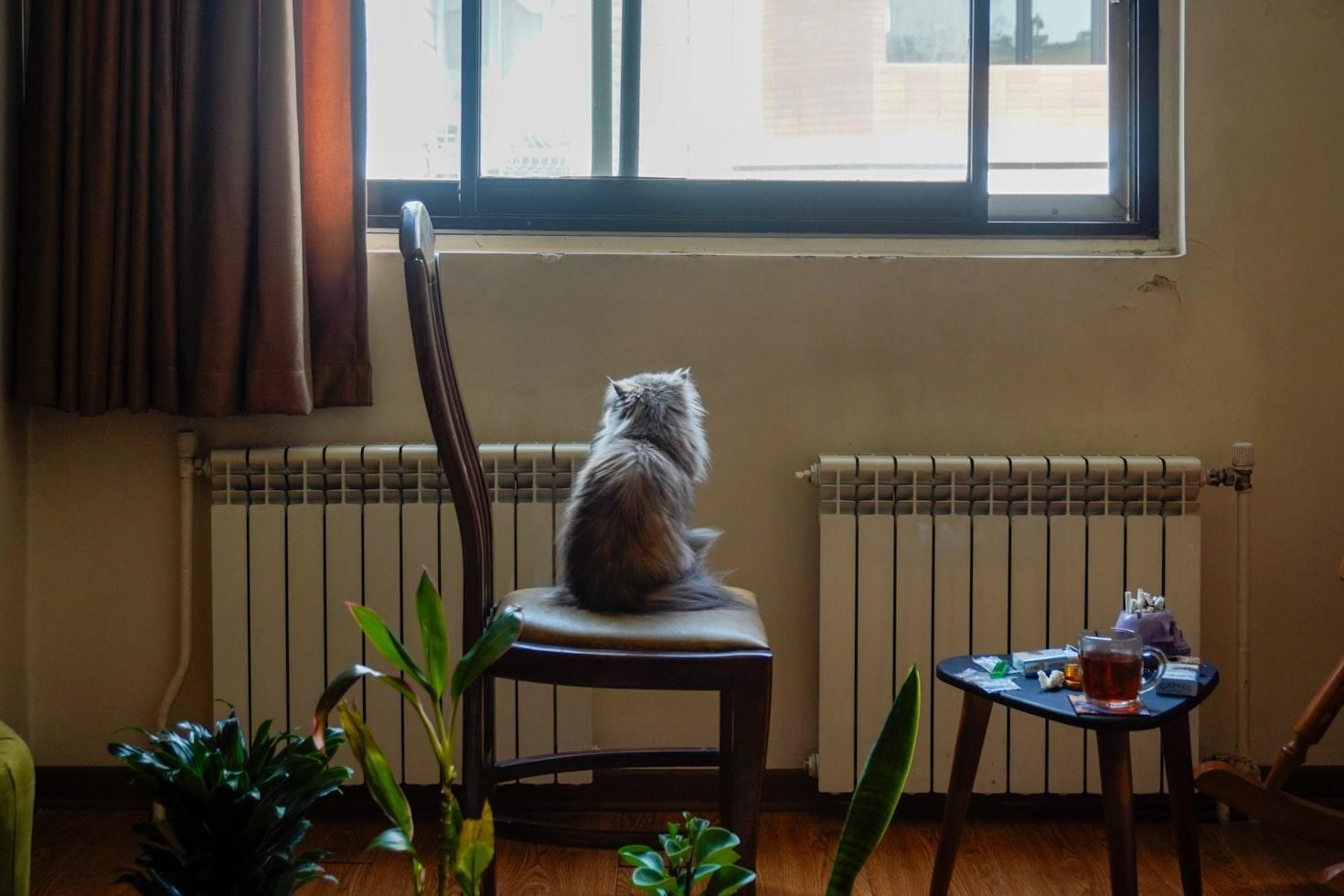
Image: Odile

Some cats appear deeply committed to a favorite chair, window, or room, while paying less attention to following their owners around the house. This can be mistaken for emotional distance.

In reality, cats rely heavily on familiar spaces. Territorial behavior is well documented in feline behavior, and known areas provide safety and predictability. Many cats show affection by choosing to remain near trusted people within these familiar spots. Staying close without constant contact is often how cats express comfort and attachment. It looks like indifference. It usually isn’t.

4

They are difficult to train

Image: Piotr Musioł

Cats can learn routines, such as using a litter box or recognizing feeding times, but they rarely perform tricks or tasks simply to please people. Compared to dogs, they are often labeled "untrainable." Domestication helps explain this difference. Cats were domesticated much later than dogs and retained more independent behavior. Dogs were bred over thousands of years for cooperation with humans, while cats largely adapted themselves to human environments. For many owners, this means living with an animal whose behavior feels consistent and self-directed, rather than shaped by constant training.

5

They sleep for hours at a time

Image: Francesco Ungaro

Adult cats sleep a lot—often 12 to 16 hours a day. This pattern comes from their natural rhythm as predators that conserve energy between short periods of activity. Instead of constant attention-seeking, cats rest when nothing demands their focus. For many households, this makes cats easier to live with, especially for people who value quiet or spend part of the day away from home.

6

They can be picky about food

Image: Piotr Musioł

Cats frequently refuse foods that dogs would eat without hesitation. They are obligate carnivores, meaning their bodies are designed to rely on nutrients found primarily in meat. They require specific amino acids that plant-based foods do not provide. Their selectiveness reflects a digestive system shaped by evolution, not stubbornness. Once owners understand this, feeding routines often become simpler and more predictable.

7

They scratch furniture

Image: Daniel Zopf

Every new couch seems to be noticed immediately. Scratching furniture is one of the most common complaints about cats: sofas, chairs, and rugs often suffer. Scratching serves several purposes. It helps cats stretch muscles, maintain claw health, and mark territory using scent glands in their paws. While scratching can damage household items, the behavior itself supports physical comfort and well-being. Providing appropriate scratching surfaces allows cats to meet this need without constant correction.

8

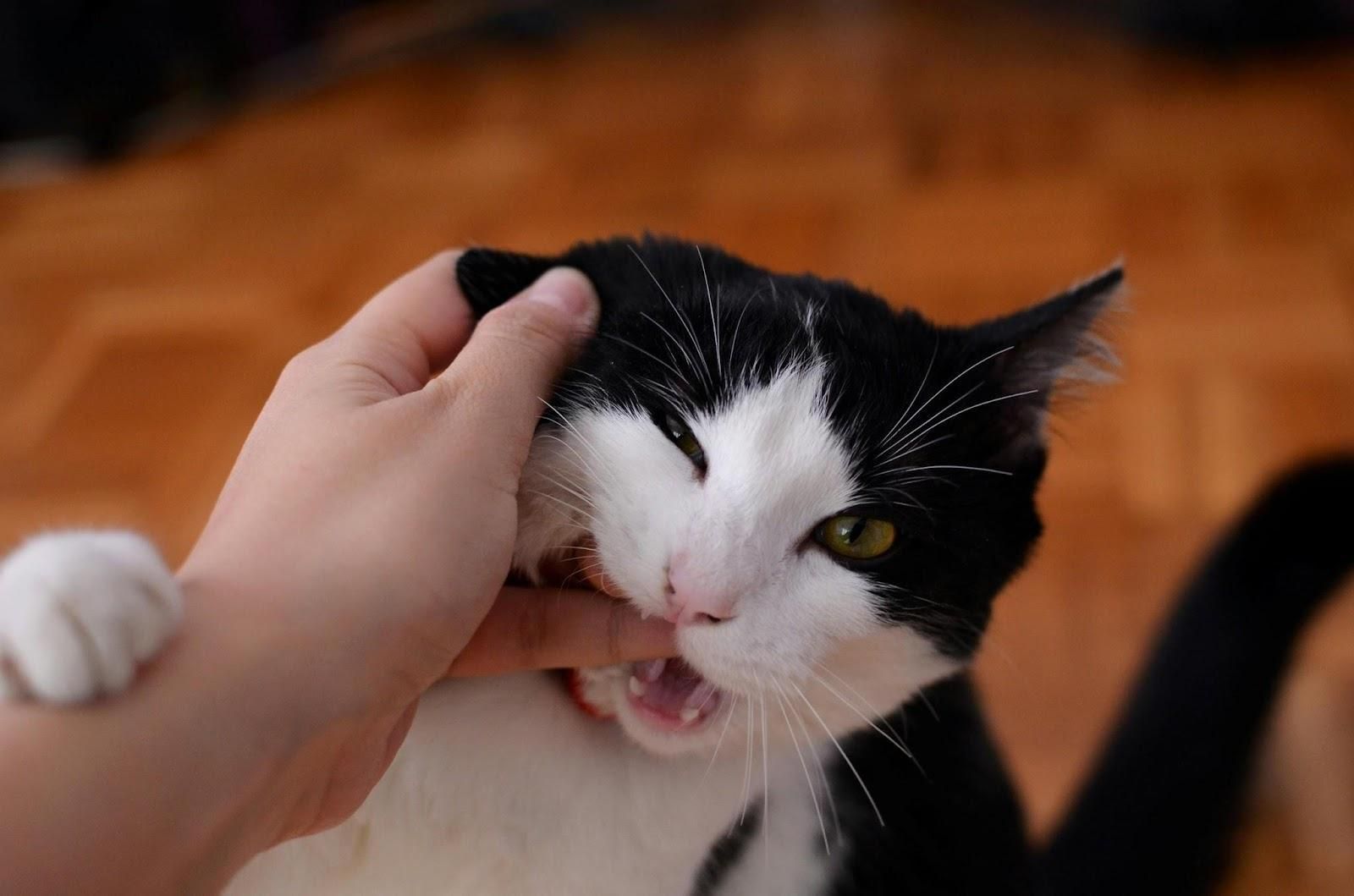
They bite or nip without warning

Image: Crina Doltu

Some cats nip during play or petting, especially when stimulation becomes too intense. It feels personal, but it rarely is. In many cases, cats show subtle warning signs first, such as tail flicking, ear movement, or muscle tension. Overstimulation, particularly around sensitive areas like the tail or lower back, triggers these reactions. Owners who learn to read these signals often find that cats communicate boundaries clearly and consistently.

9

They wake you up at night

Image: Gayatri Malhotra

Cats are often active early in the morning or late at night, which can interrupt your sleep. This crepuscular pattern comes from hunting instincts, as small prey animals are active at those times. Even indoor cats retain this rhythm. While it doesn’t always align with human sleep schedules, it also means cats can go about life without constant attention during the day, when many households are busiest.

10

They act indifferent, then suddenly seek affection
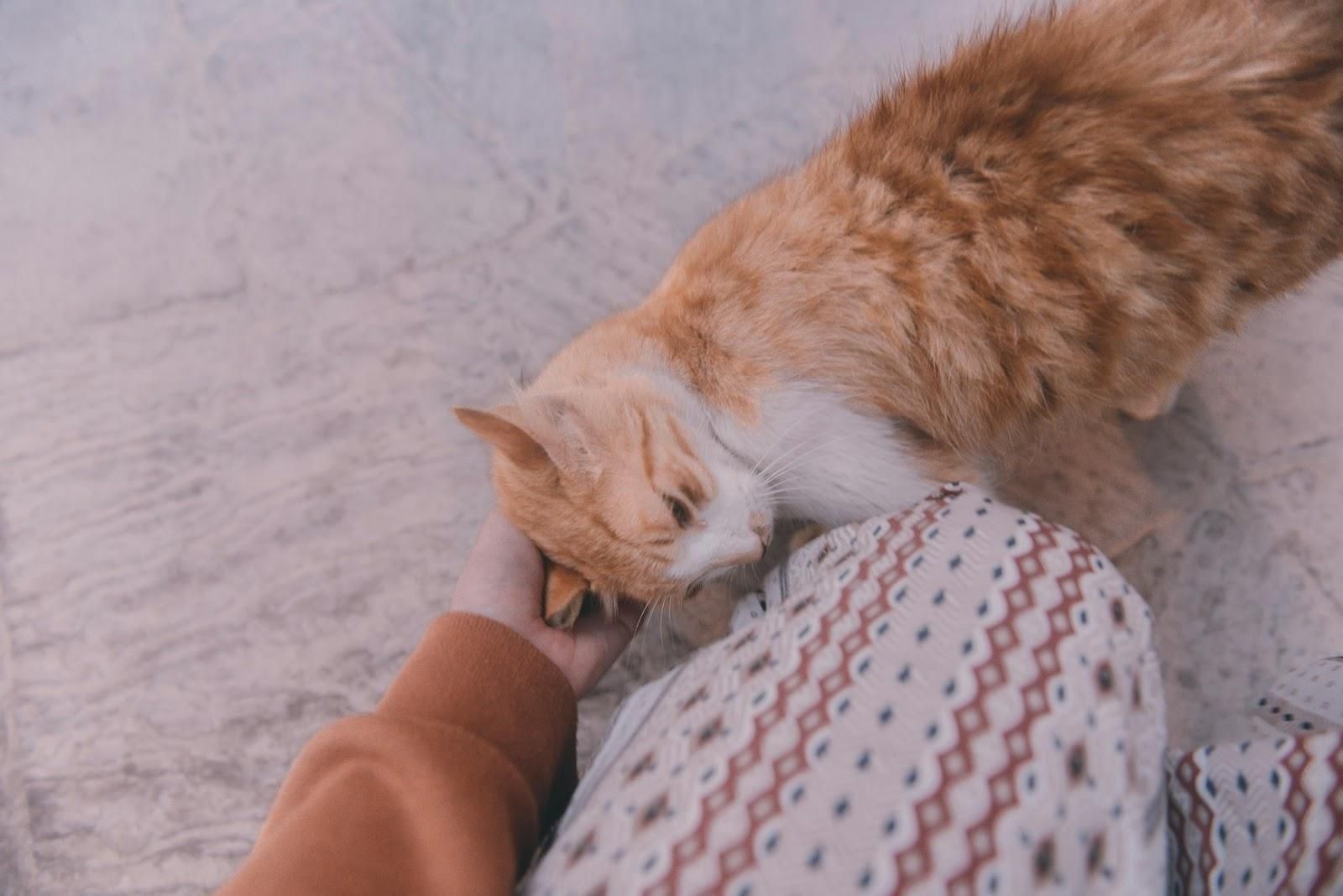
Image: Meiying Ng

Cats may ignore attention for long periods and then suddenly want closeness. This shift can feel confusing or inconsistent. They usually approach people when they feel calm and secure. Affection offered on their terms often feels different—and more noticeable—than affection given on demand. For many owners, these moments feel meaningful precisely because they happen by the cat’s choice rather than by routine or training.


Common slip-ups

You're saying it wrong! These are the 10 most common grammar mistakes


Published on May 27, 2026


Image: JESHOOTS.COM

We all slip up from time to time, but it turns out that some errors are more common than others, especially when it comes to reading and writing. Of course, there is no "unique" way to use language, but even if we've spoken English since childhood, there are still common "mistakes" that native speakers tend to make. Read on to see if you make any of these too!

1

There/their/they're

Image: Nick Fewings

Ever received a message that reads, "I love they're new house"? Homophones are words that sound the same (or very, very similar), and this is the case with "there," "their," and "they're," which is why many native speakers tend to confuse them.

However, these three words have quite different meanings and functions. "There" can be used with the verb to be, as in "There's a problem with your order," or as an adverb to indicate place: "I found the cat; it's there!" On the other hand, "their" functions as a possessive, indicating ownership, as in "I love their new house." Finally, "they're" is a contraction of "they are," as in "They're a lovely couple."

2

Your/you're

Image: Markus Spiske

You've probably written or read something like "I think your right about that" or "I'd love to meet you're parents." These usages are considered incorrect, but don't worry—you’re not alone! Like the words in the previous entry, "your" and "you're" are homophones, meaning they sound identical when spoken.

To understand them better, remember that "you're" is a contraction of "you are" (pronoun + verb), as in "You're the best friend I ever had." Meanwhile, "your" is a possessive adjective, which indicates that something belongs to "you."

3

Fewer/less

Image: the blowup

This case is different from the previous ones. The common confusion between "fewer" and "less" has nothing to do with pronunciation but rather with meaning, as both are quantifiers used for comparisons and indicate a smaller quantity.

The key is knowing which type of noun each word should be used with. "Fewer" is used with countable nouns (things you can count individually), as in "He made fewer mistakes this time." On the other hand, "less" is used with uncountable nouns (things you can't count individually, as they are considered a whole), such as in "You drank less water today than yesterday."

4

Affect/effect

Image: Thought Catalog

Another case of commonly confused words is "affect" and "effect." In addition to their similar pronunciation, these two terms also have related meanings, making it even more challenging to distinguish between them.

"To affect" is a verb meaning "to cause a change" or "to influence." For example, you can say, "Cold weather affects my mood." On the other hand, "effect" is a noun that indicates the consequence of an action or change, as in "The storm had a devastating effect on the city." To simplify: "affect" is the action, while "effect" is the result.

5

Me/I

Image: mohammad takhsh

Many times, we tend to say things like, "The teacher gave an assignment to Lily and I." While that's quite common, it's actually a grammatical error.

We know it’s difficult to tell them apart: both are pronouns used to refer to oneself. However, each has a different function. "I" is used as the subject of the sentence (the one performing the action), as in "Sarah and I went to the store." "Me," on the other hand, is used as the object of the sentence (the one receiving the action), as in, "The doctor told Lucas and me to drink more water."

6

Lose/loose

Image: Jozsef Hocza

Another pair of very, very similar words: lose and loose. The key to distinguishing them is understanding what kind of word each one is.

"Lose" is a verb, meaning it always indicates an action (and can be expressed in the past, present, or future tense). For example: "I don't want to lose my keys" or "Joan lost the remote control." On the other hand, "loose" is an adjective, meaning it describes the characteristics, state, or condition of something, as in "I prefer loose pants; tight ones make me uncomfortable."

7

Well/good

Image: René Porter

"I slept well last night" or "I slept good last night"? (Spoiler: it's the first one!) But why? While both "well" and "good" are used to describe something positively, they are different types of words.

"Well" is an adverb, meaning it describes the verb. In the sentence "She sings well," the adverb modifies the verb "sings." Meanwhile, "good" is an adjective, so it describes a noun, as in "She's a really good singer!"

8

Could have/Could of

Image: Ben Mullins

The confusion between "could have" and "could of" is so widespread that many of us sometimes don’t even notice it. This error usually occurs because of the way they sound when pronounced.

When said quickly in conversation, "could have" can sound like "could of." But there's only one correct form: "could have" ("could of" has no grammatical meaning). For example, "I could have done better on the test" is correct, while "I could of done better on the test" is not.

9

Lay/lie

Image: Vladislav Muslakov

Ok, homophones really can cause chaos, and this is the case with the words "lay" and "lie," which also have similar meanings. We must warn you: If you say, "I need to lay down," you're officially guilty!

While both words have to do with position, "lay" requires a direct object (something being placed), whereas "lie" does not. In other words, "lay" means to put something down (it needs an object), while "lie" means to recline or rest (no object needed).

10

Literally

Image: Randy Tarampi

Finally, we have a word that has often been used incorrectly or exaggeratedly in recent times: "literally" — or just "lit" if you're really cool.

According to the dictionary, "literally" means something happened exactly as stated, without exaggeration. However, in modern slang, it's often used to emphasize or dramatize a situation. For example, you might hear someone say, "I literally died laughing." Of course, if they're saying it, then luckily, they didn't literally die!

Looking for an extra scoop of literary fun?

Learn more with our Word of the day

remedy

/ˈrɛmədi/