Mysteries of the brain
Why do we suddenly forget certain words? The "tip of the tongue" effect
Published on May 28, 2026

You’re talking with friends, everything is flowing perfectly… but then it happens. The name of that actor from a classic movie, or even something as simple as a familiar word, suddenly disappears. You can almost feel it there, but you just can’t say it. And it’s not just you. This happens to everyone, and there’s even a name for it. It’s called the "tip-of-the-tongue" phenomenon, and here you'll discover why your brain does this and what you can do when it happens.
What is TOT?

It’s probably happened to you, too: you’re seconds away from remembering a word, you can almost grab it, but it slips away. That frustrating mental pause is called the "tip-of-the-tongue" (TOT) phenomenon, also known as lethologica.
According to cognitive neuroscience research published by the National Library of Medicine, it’s a temporary moment when a perfectly familiar word, one you absolutely know and understand, refuses to fully come forward in your mind and your mouth. In simple terms, your brain has the meaning, but can’t quite pull up the sound of the word.
The brain isn’t failing; it’s full
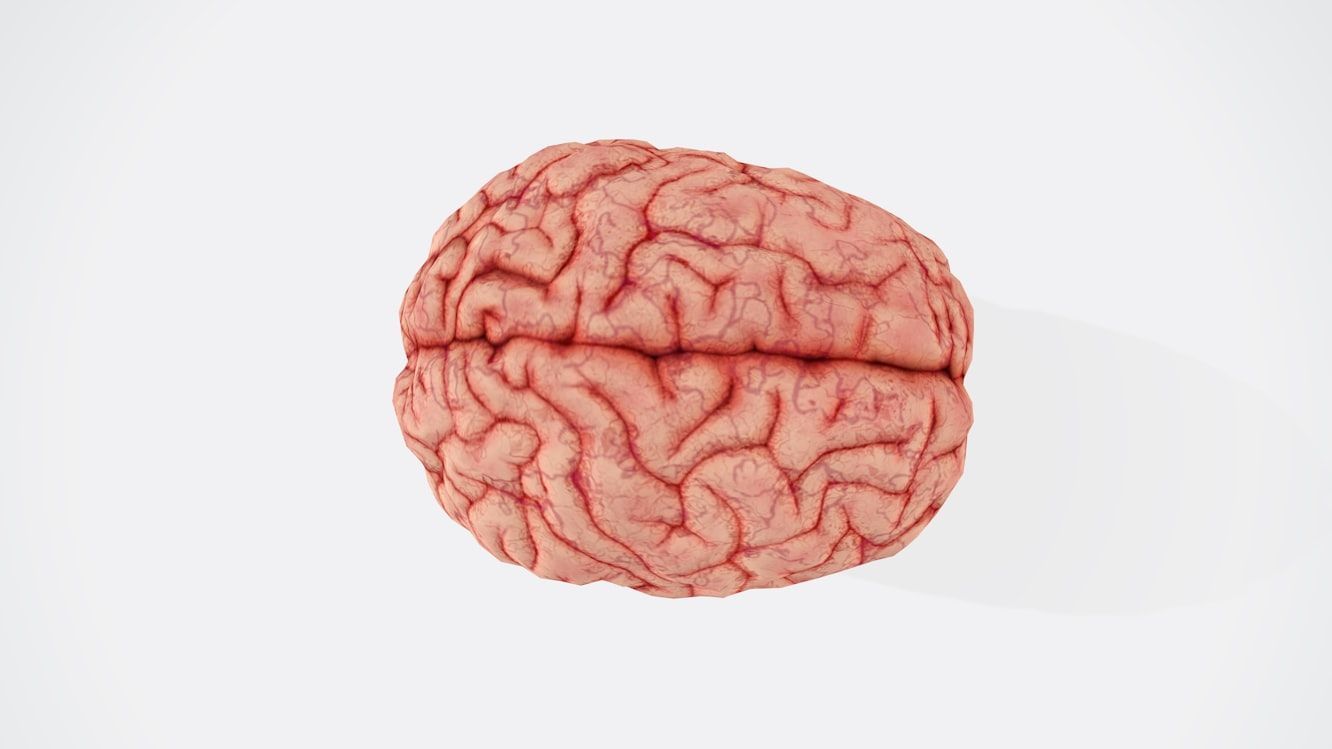
If this happens to you often, don’t worry. The "tip-of-the-tongue" (TOT) effect is not a sign of a failing memory. Simply put, it’s not a malfunction; it’s more like a system getting momentarily crowded.
According to one of the theories that explains this phenomenon, you don’t forget words because you don’t know them, but because your brain knows too many words. When you try to pull out one specific term, other words can briefly "block it" from coming. The more you know, the more your brain has to sift through, and sometimes the right word gets momentarily stuck.
The "Transmission Deficit Hypothesis"
Sometimes you briefly forget a word simply because you haven’t used it in a while. If a term isn’t part of your regular conversation, the "path" to saying it isn’t as well-worn.
A widely accepted scientific explanation, known as the "Transmission Deficit Hypothesis", adds to this idea. It suggests that the brain can easily retrieve the meaning of a word, but has more difficulty pulling up its sound at the same time. Basically, you don’t lose the word itself; you just momentarily lose access to how to say it.
Why are names the biggest victims

Among the words most often "affected" by the TOT, names of people and places tend to be the first to slip away. And that’s not a coincidence.
Unlike everyday words like "car" or "house," proper names have fewer mental connections. Each name is unique in sound and meaning, with almost no similar words to "pull" it into memory. In essence, common words are tied to a web of associations we use every day, while names are more isolated in the brain, making them harder to grab when you suddenly need them after a while.
The role of stress and self-consciousness

It’s ironic, but the more you try to remember that word or name, the harder it becomes. And it’s not just a feeling; it’s something well documented.
The moment you realize you can’t recall it, a bit of frustration and anxiety naturally kicks in. According to psychology and cognitive neuroscience, stress can actually interfere with memory, as it further blocks the neural pathways to vocabulary. Often, the best way to get it back is simply relaxing and letting it go for a moment.
The "let it go" rule

It seems that when you finally give up and decide to stop chasing the word because it just won’t come, out of nowhere, it suddenly pops into your head.
Since stress and frustration can block memory retrieval, the key is often to stop forcing it. The so-called "let it go" strategy is exactly that: shift your attention to something else, talk about a different topic, or simply move on as if it doesn’t matter. And then, when you least expect it, the word returns on its own.
Phonetic recovery tips - "The alphabet trick"

The strategy of shifting your attention for a moment works surprisingly well, but it’s not the only trick that can help. There’s another simple method people often use when a word just won’t appear.
It’s called the "alphabet trick," a basic memory exercise where you slowly go through the letters of the alphabet, sometimes in your head, sometimes out loud, one by one. The idea is that the single sound of a letter can "trigger" the missing word. For example, if you’re trying to remember the name of Diane Keaton, by the time you reach "D," there’s a good chance it suddenly pops back in your mind.
Circumlocution exercises

And it’s not just the sound of the letters that can help you recover a forgotten word or name. You can also get there through its meaning.
When TOT happens, it’s often recommended to start circling the idea instead of chasing the exact word. Think of related terms, synonyms, or simply describe what you’re trying to name: what it does, what it looks like, where you heard it, or who you associate it with. All of those mental clues can guide your brain to the word you were looking for, often when you don’t try so hard to force it.
Science-based word games

Another way to train your brain when it comes to vocabulary is simple, but powerful: challenge it regularly. How? Word games like crossword puzzles, Scattergories, or quick spelling challenges are not just fun, they’re real mental exercises. In fact, they can stimulate your recall even more than passive reading.
It may sound like a cliché, but it’s true. Every time you force your brain to search for meanings, patterns, or exact word forms, you’re essentially practicing for those TOT moments, so the next time a word disappears, your mind finds it faster.
Lifestyle habits for verbal agility

Word games are great, there’s no doubt about it. However, when we talk about "exercise," we’re not just referring to mental workouts.
Science has shown a clear connection between aerobic activity, sleep quality, and how well the brain processes language. Staying physically active, moving throughout the day, and getting a solid night’s sleep all work together to support brain health, especially memory. So yes, if you take care of both mind and body, those frustrating "what is that word?" moments can become less frequent.