Hidden secrets of memory

10 surprising facts about memory you probably didn't know


Published on April 18, 2026


Image: ian dooley

Have you been a little forgetful lately? Here’s the good news: your memory is far more powerful than you might realize! With a capacity no computer can truly match, the human brain is packed with incredible abilities and peculiarities. Join us as we uncover 10 unexpected facts you probably didn’t know about your memory. Trust us; you’re in for a few surprises!

1

Storage capacity

Image: Milad Fakurian

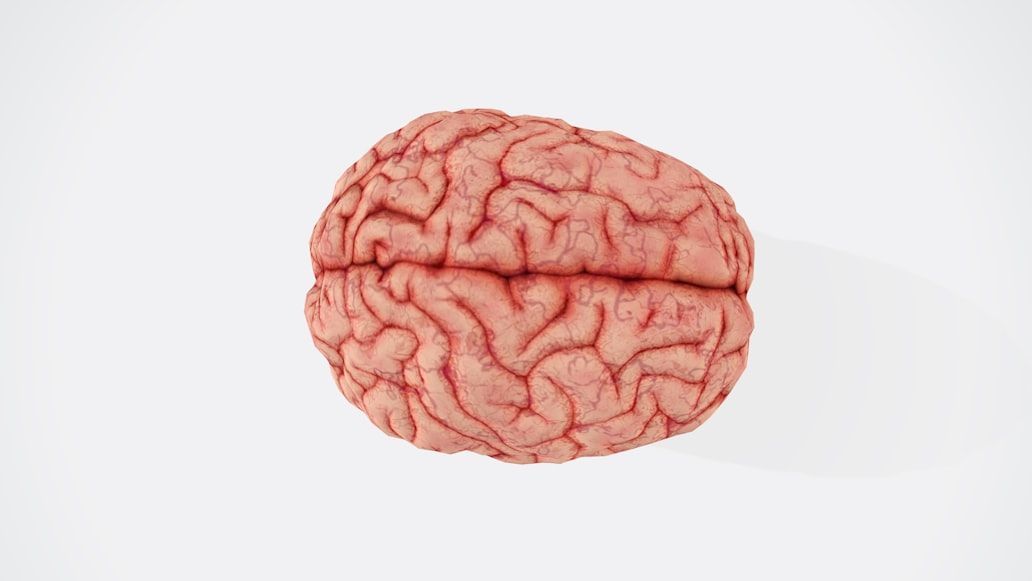
The more we learn about the human brain, the more awesome it proves to be, and memory is one of its most remarkable superpowers. While no one can say exactly how much the brain can store, one thing is clear: its capacity is enormous, far beyond what we typically imagine. In fact, a widely cited estimate suggests the brain could hold around 2.5 million gigabytes of information; that’s roughly the equivalent of 3 million hours of TV!

2

New knowledge changes your brain

Image: BUDDHI Kumar SHRESTHA

Learning new things really does change your brain, and not just metaphorically, but physically. That’s right: every time you absorb new information or form a memory, your brain actually reshapes itself. Studies using brain imaging have shown that, thanks to a process called neuroplasticity, your brain builds new neural networks, strengthens connections, and creates new pathways.

3

Less sugar, more memories

Image: Daniel Kraus

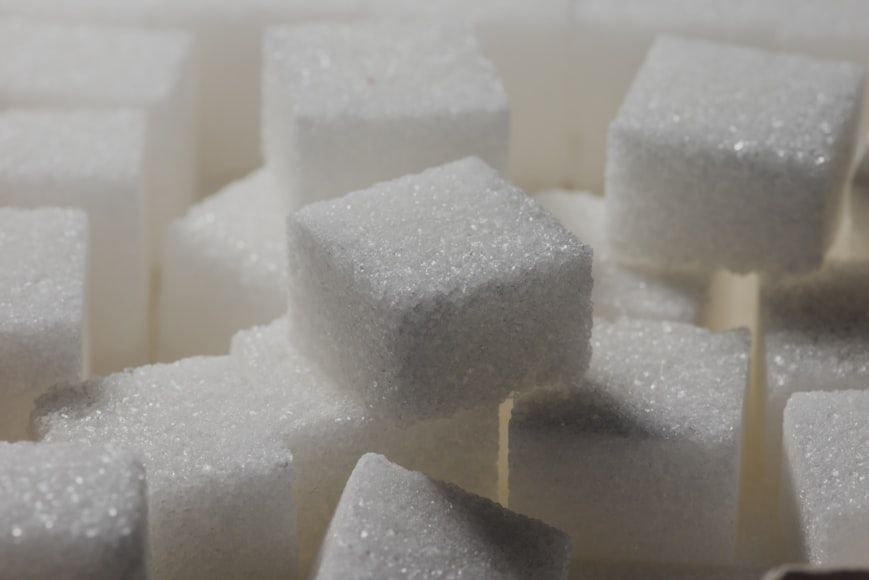
Evidence suggests that processed sugar isn’t just bad for your body; it can also affect your brain, especially your memory.

Yes, we need glucose to survive, but diets high in added sugars are a different story. Too much added sugar can damage the hippocampus, the part of the brain responsible for memory formation and learning. When that area is affected, recollection and overall cognitive function can suffer.

4

Baby memories

Image: Kelly Sikkema

When a mom says her newborn smiles at a song she played during pregnancy, believe her: science has proven it! It turns out babies can form sensory and auditory memories while they’re still in the womb, and they can recognize those familiar sounds for a short time after birth.

5

Memory can fool you

Image: J. Balla Photography

Human memory is amazing, but it’s not perfect. Sometimes we "remember" things that never happened, or we recall real events in ways that are completely different from how they unfolded. But why does this happen? Memory is shaped by emotions, perspective, and the way we tell experiences. Two people can experience the same event and have very different memories of it. Even more surprising is the fact that every time you tell a story, your brain slightly rewrites it, which means small details can change.

6

Memory can atrophy

Image: Helena Lopes

Just like the muscles in your body, your memory can weaken if you don’t use it. And just like your muscles, the way to keep it strong is to give it a workout.

The internet makes everything so easy that our brains don’t have to work as hard. Instead of instantly reaching for your phone, pause and try to recall the information yourself. Challenge your brain! That little bit of effort makes a big difference.

7

Walking backwards improves memory

Image: 愚木混株 Yumu

Have you ever walked into a room and completely forgotten why you went in there? Try retracing your steps. And we mean that literally. Research suggests that walking backward boosts activity in the brain’s prefrontal cortex, which plays a key role in short-term memory.

And there’s more: while real movement has real benefits, just imagining yourself walking backward can help you remember!

8

The pencil is your memory aid

Image: Daria Tumanova

One of the most powerful ways to lock in new information is through drawing or handwriting. Studies show that writing things down by hand or sketching them helps your brain retain information much better than just typing or rereading. Don’t worry, you don’t have to be an artist; just draw the best picture you can, you’ll thank yourself later!

9

Your brain cleans itself

Image: Slaapwijsheid.nl

You don't need antivirus software to delete unnecessary files in your brain. Some memories don’t just fade away over time; your brain actively clears them out. While you sleep, it classifies the day’s information, strengthens what matters, and gets rid of what doesn’t, so it can run more efficiently the next day. Getting a good night’s sleep truly refreshes your mind!

10

It smells like memories

Image: Clay Banks

You’ve probably experienced it: just a hint of an old perfume, and suddenly you’re transported back to another time. That’s no coincidence. As we’ve said, memory is deeply connected to experience, and experience is shaped by your senses.

Of all five senses, smell has the strongest link to memory. Unlike sight or sound, scents take a more direct route in the brain, connecting quickly to areas tied to emotion and memory.


What science says

It was false after all: 10 health myths that sound true—but aren't


Published on April 18, 2026


Image: Alicja Gancarz

Health myths are everywhere! These ideas were simply passed down for so long that they became part of what we believed. But now science has stepped in to clear things up. Does cold weather make you sick? Can lemon detox your body? Is reading in low light really harmful? Let's uncover the truth behind 10 common health myths!

1

Cutting your hair makes it grow faster

Image: Element5 Digital

Have you ever been told that cutting your hair will make it grow faster? We're sorry to say that's just a myth. Hair grows from the root, not the ends. So, trimming it won't boost growth, though it does help remove split ends that can make your hair look dry or unhealthy.

2

Cold weather causes colds

Image: Thom Holmes

This is one of the most common health myths. Cold weather often gets blamed, but it's not the temperature that makes you catch a cold. During winter, we tend to stay indoors with others and keep the windows closed, an environment that makes it easier for viruses to spread. That's why colds tend to be more common in winter!

3

Eating before bed makes you gain weight

Image: Michelen Studios

The idea that eating before bed automatically leads to weight gain is a myth. In reality, it has more to do with what you eat and how much, rather than the time of day. Often, when we eat very late at night, we're tired and more likely to reach for quick, high-calorie, heavy foods. This can disrupt sleep and lead to consuming more calories than we burn, both of which may affect weight. If it's close to bedtime, it's better to have something light and healthy in a moderate portion than to skip a meal altogether.

4

Wearing glasses weakens your vision

Image: Bud Helisson

Does wearing glasses weaken your vision? Myth! If an eye doctor prescribes glasses, wearing them as directed helps correct your vision; it won't make it worse. Additionally, the right glasses can help prevent or reduce headaches caused by reading or spending long hours in front of a screen.

5

Reading in low light causes permanent eye damage

Image: Amir Balam

This myth is closely related to the previous one. If you love reading and sometimes have to do it in low light because of the situation, don't worry. According to experts, reading in low light doesn't cause permanent or irreversible eye damage. However, it's not recommended because it can make your eyes feel tired or strained, leading to discomfort or headaches.

6

You need to drink 8 glasses of water a day

Image: engin akyurt

We're all different, and so are our bodies. The idea that everyone should drink exactly eight glasses of water a day is more of a general guideline than a rule. Staying well hydrated throughout the day is extremely important, but how much water you need depends on factors like your weight, age, climate, and overall health. We should prioritize staying consistently hydrated instead of obsessing over the number of glasses we drink.

7

Lemon water detox and cleanse your body

Image: Tirza van Dijk

Some people say drinking lemon water helps eliminate toxins and cleanse the body. While adding a slice of lemon to your water is a refreshing way to stay hydrated, it doesn't have any special "detoxifying" powers. The vitamin C in citrus fruits is beneficial, but the body has its own natural detox system. The liver and kidneys are the main organs that filter waste and eliminate toxins.

8

All fat is bad

Image: Aneta Voborilova

Not all fats are bad! Just like other food groups, your body needs fats to function properly. The important thing is knowing the difference between healthy fats and those that can be harmful. Foods like avocados, seeds, olive oil, fish, and nuts are rich in healthy fats. On the other hand, the fats found in processed or fried foods are the ones that can have a negative impact on your body.

9

Liver disease is always caused by alcohol or fats

Image: Elevate

Liver diseases can be serious. While heavy and frequent consumption of alcohol and fats is a major contributor, it's not the only cause. Liver problems can also result from many other factors. These include viral infections, autoimmune diseases, genetic disorders, high blood pressure, and exposure to certain chemicals.

10

Breakfast is the most important meal

Image: Brooke Lark

There's some truth to it: breakfast is important because it replenishes our glucose and energy levels and supports proper metabolism. However, the idea that it's the most important meal of the day might be an exaggeration. Everyone's body has different needs, and all meals are important, so we shouldn't skip any of them!

Looking for an extra scoop of literary fun?

Learn more with our Word of the day

charm

/tʃɑrm/