Mapping vocabulary
What is a cay? And a fjord? Discover the meaning of 10 geographical terms
Published on February 6, 2026
 Image: Andrew Neel
Geography, like all academic disciplines, has its own vocabulary and terminology. Concerned with everything from physical phenomena of the planet to social interactions, geographers have many specialized terms and concepts. You’ve probably used some of the words in this list. Do atlas, fjord, geyser, lagoon, and volcano ring a bell? Yet, do you know exactly what they mean or where they originated? In this article, we are going through 10 terms that will turn you into a true geographer!
Atlas
 Image: StockSnap
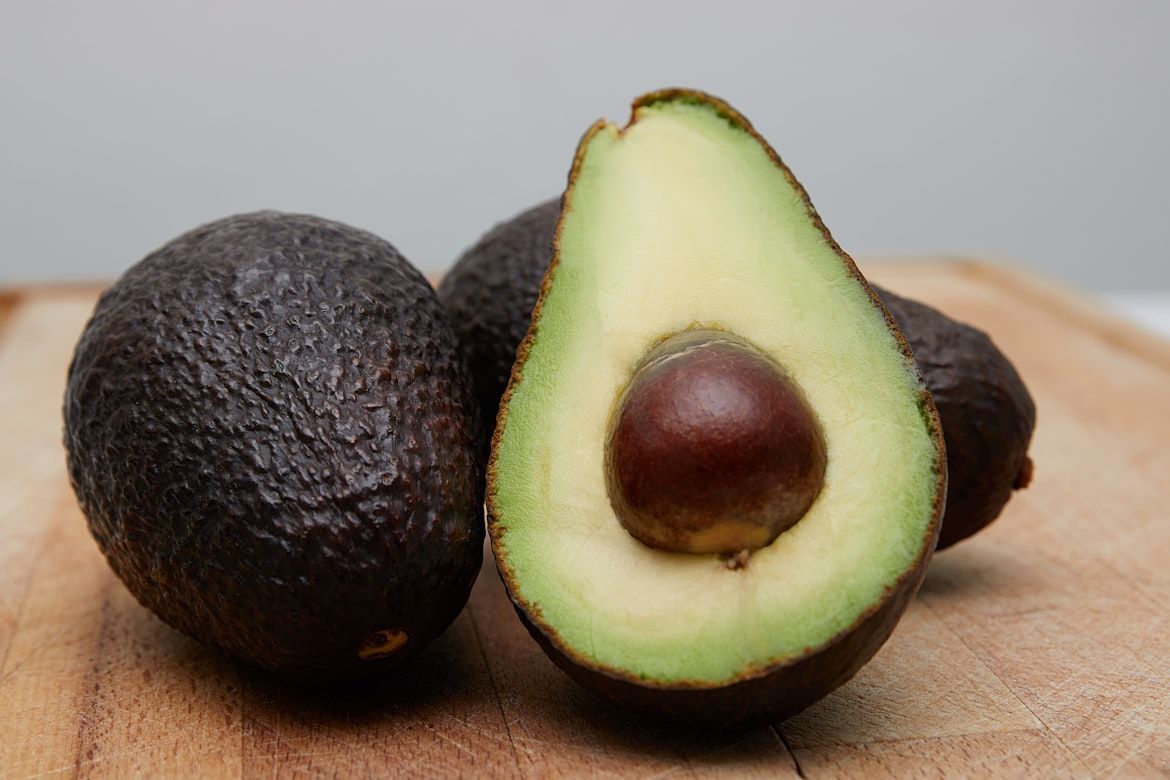
An atlas is a collection of maps bound in a volume or book, but have you ever wondered why we call it that? The story is quite interesting and has to do with Greek mythology. Atlas was a member of the older family of Gods, a Titan. It is believed that in Ancient Greek, Atlas meant "The Bearer of the Heavens."
So, what’s the connection with maps? Apparently, it was so named because some early collections showed a representation of Atlas supporting the heavens on his shoulders. The first documented use of the term dates back to 1595 when a collection by the German-Flemish geographer Gerardus Mercator was published. In the preface, Mercator explains why he chose this particular allusion: He considered Titan Atlas to be the first great geographer.
Fjord
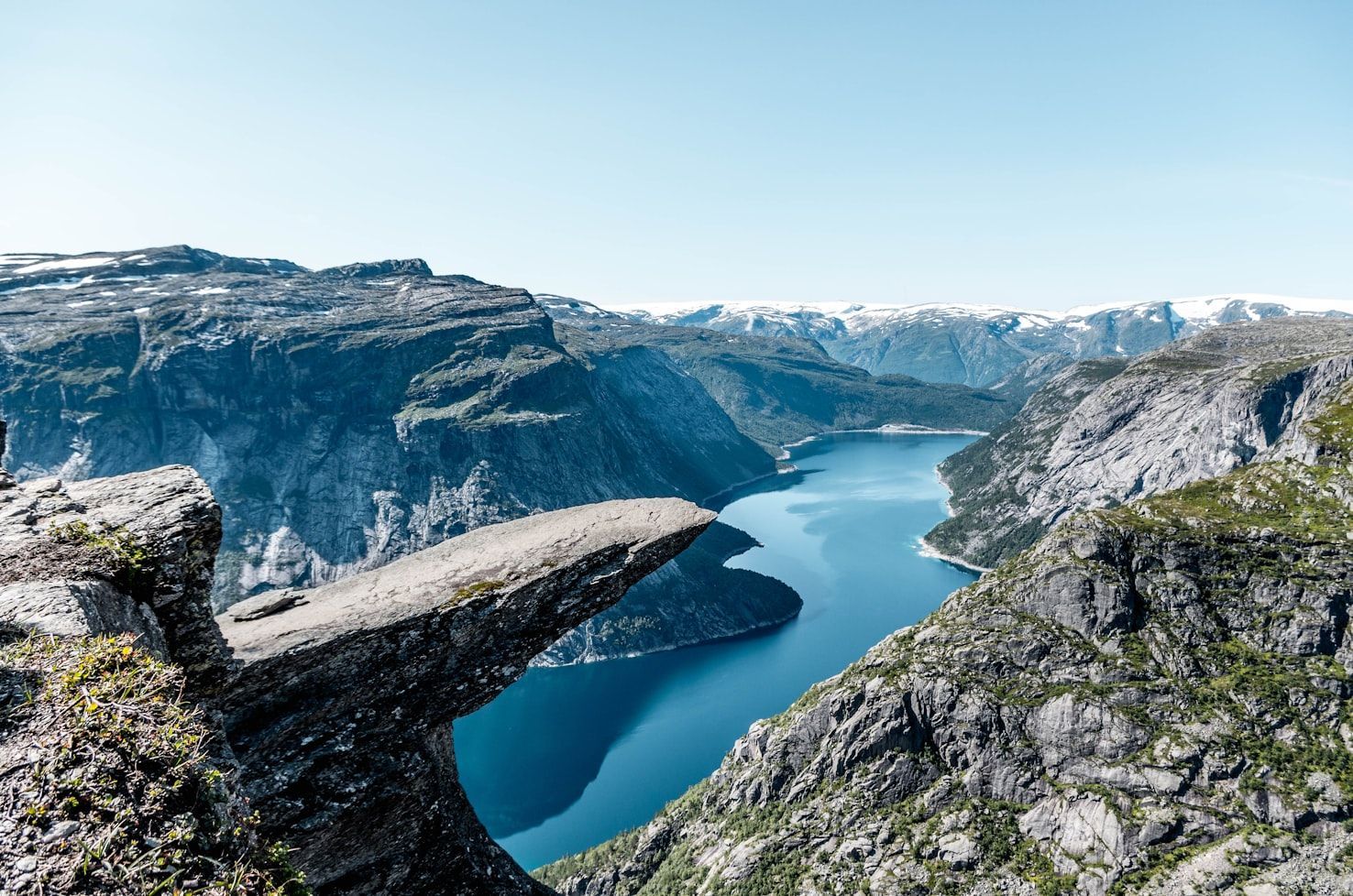 Image: Dong Zhang
In English fjord is a term applied to a deep and narrow inlet in the coast caused by the submergence of a deep glacial valley, with high rocky parallel sides, hanging valleys, and an irregular rocky floor. However, in Norwegian, it has a more general meaning and often refers to any long, narrow body of water, inlet, or channel.
The word fjord derives from the Old Norse fjǫrðr, meaning a "lake-like body of water used for passage" and is closely related to ferð, which means "traveling, ferrying, journey". Sounds familiar? Well, the English words ferry and fare have the same origin.
Geyser
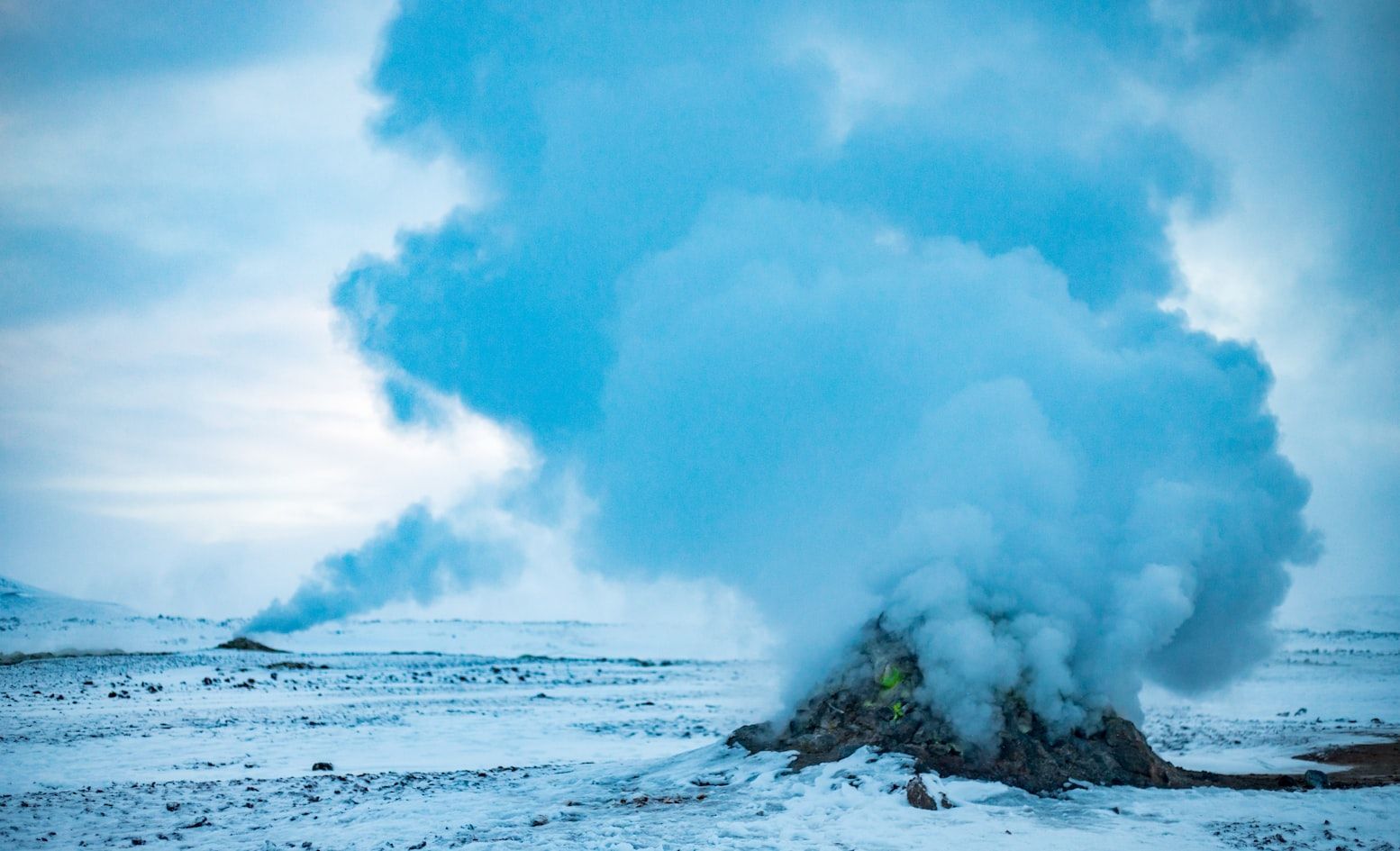 Image: redcharlie
A geyser is a hot spring that intermittently, sometimes at regular intervals, throws up a jet of hot water and steam in areas that are or were volcanic. We can find famous examples of geysers in the volcanic districts of Iceland and in the United States, for example, in Yellowstone National Park.
The English word geyser originated in the late 18th century and was borrowed from Geysir, which is the name of a specific hot spring in the valley of Haukadal, Iceland. In turn, geysir comes from the Old Norse term geysa, meaning "to gush".
Jungle
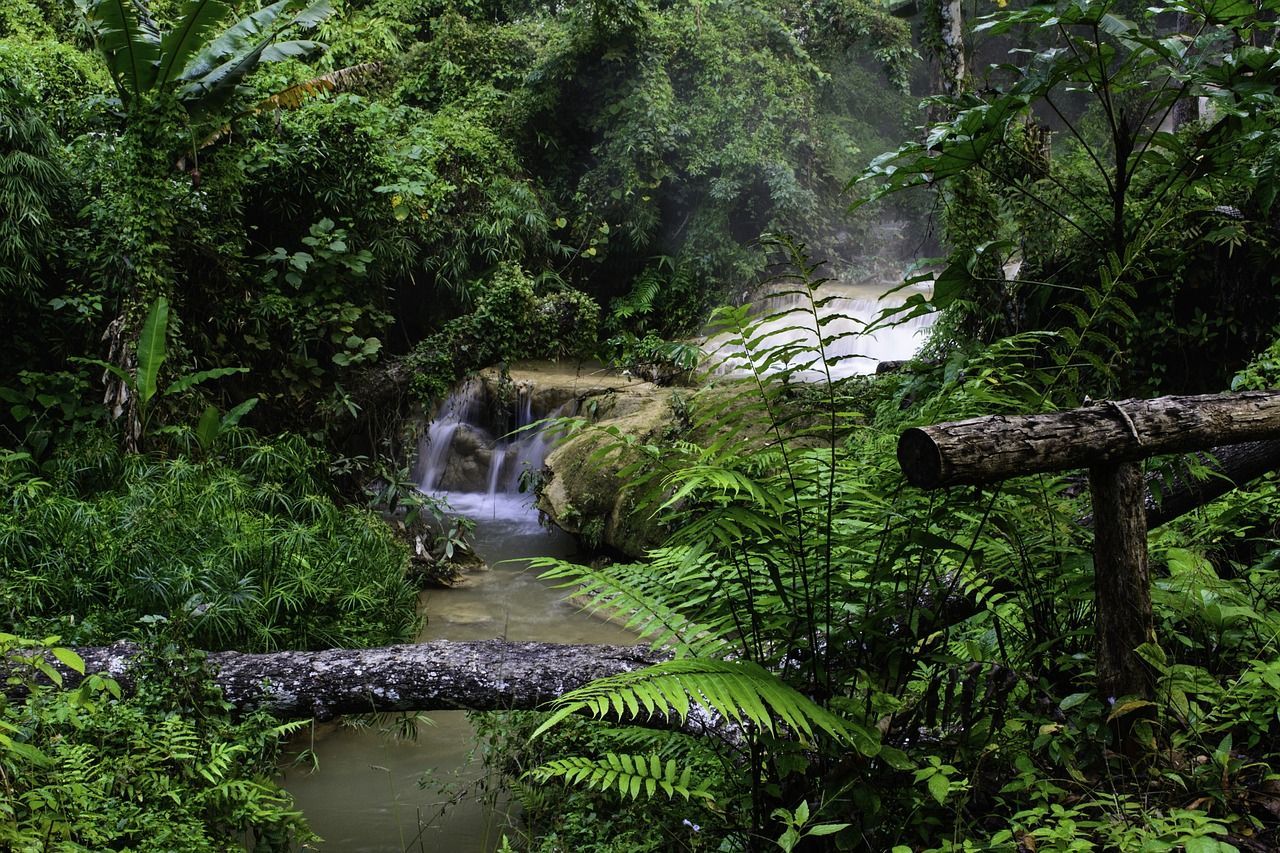 Image: Thaizeal
Jungle is a word brought home from India by the British in the 18th century. It derives from the Hindi and Marathi term jangal, which means desert, wasteland, or uncultivated ground. This land was frequently covered with scrub and tangled vegetation, including long grass.
In turn, jangal comes from the Sanskrit word jaṅgala, meaning rough and arid. Today, the term jungle is used popularly for any type of tropical forest with thick undergrowth.
Volcano
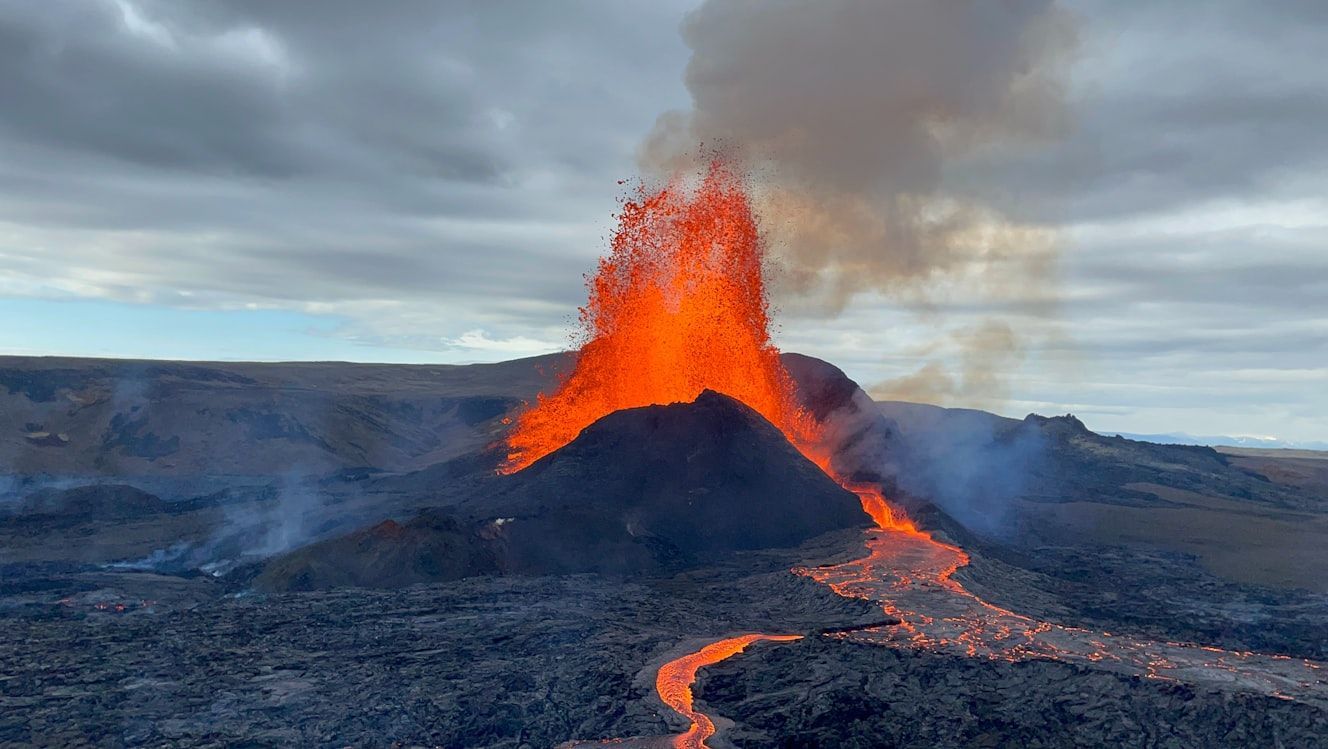 Image: Jacob Lawler
A volcano is a rift or vent in the Earth’s crust through which molten material erupts in the form of hot lava, gases, volcanic ash, and dust. In the United States, there are about 170 potentially active volcanoes, including Mount St. Helens in southwestern Washington, the Lassen Volcanic Center in California, the Yellowstone Caldera in Wyoming, and Kilauea in Hawaii.
The earliest known use of the word volcano in English dates from the early 1600s in the works of Samuel Purchas, a British compiler of travel and discovery writings. It comes from the Latin word Vulcan, the Ancient Roman god of fire. The name was first used by the Romans to refer to Mount Etna, an active volcano on the east coast of Sicily, Italy.
Tundra
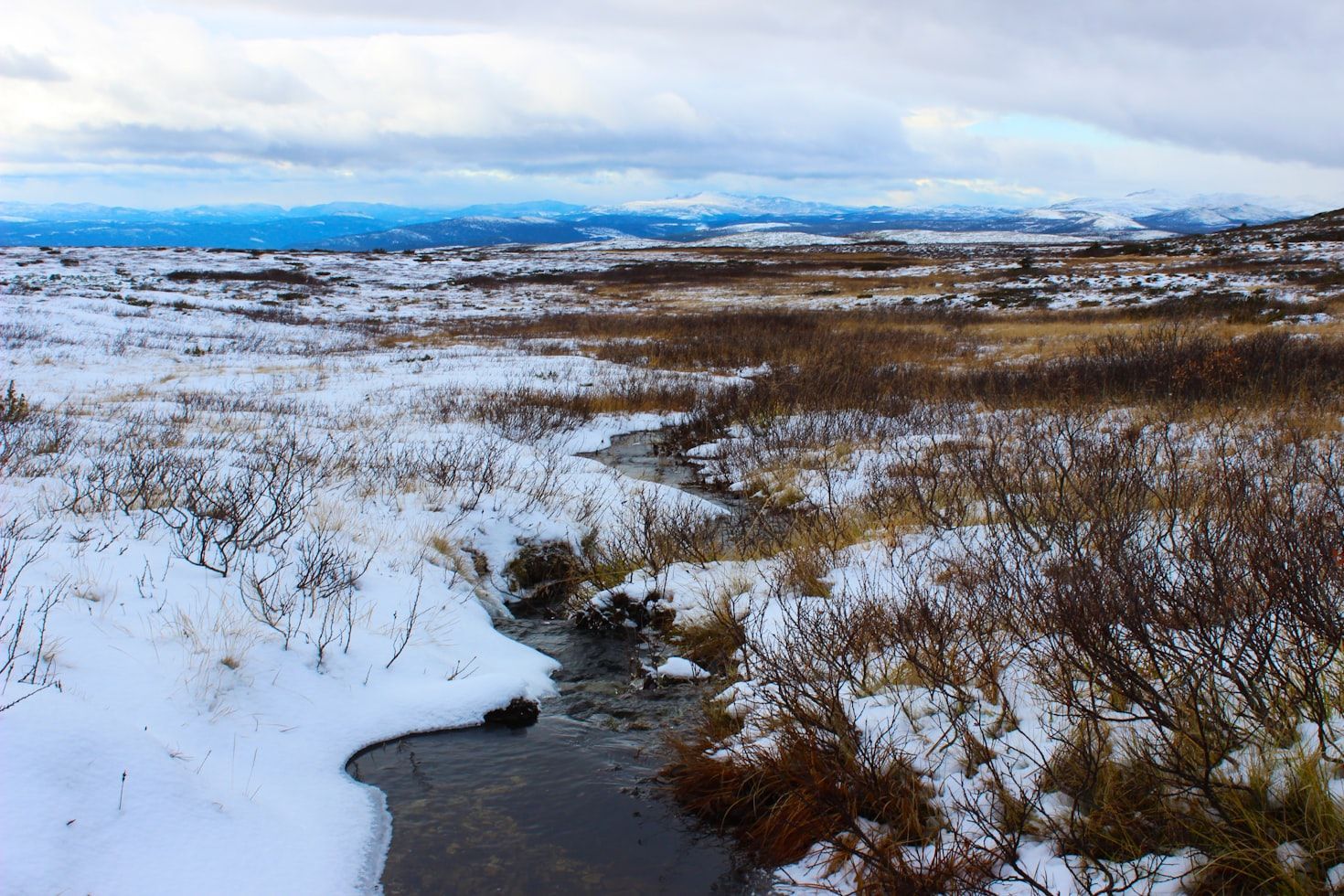 Image: Marc Eggert
Tundra is the area comprising the barren plains of northern Canada, Alaska, and Eurasia. There's also an alpine tundra and an Antarctic tundra. It's a treeless region characterized by long, very cold winters and permafrost, where vegetation is restricted to mosses, lichens, and dwarf shrubs.
Since this particular biome includes vast areas of northern Russia, it makes sense that the word tundra has a Russian origin. It derives from the term tundar, from the Finno-Ugric languages of the Sami people, meaning "elevated wasteland, high-topped hill," or "a marshy plain".
Archipelago
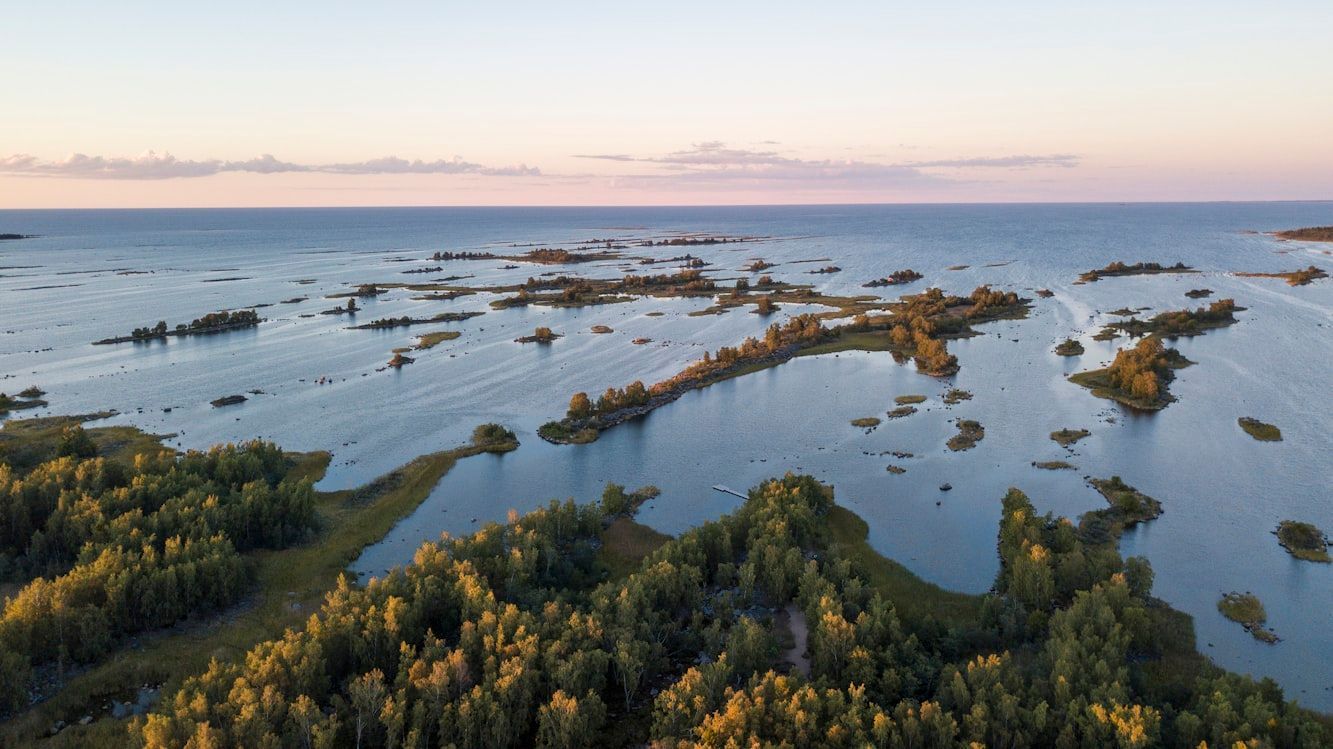 Image: Hendrik Morkel
Nowadays, we use the word archipelago to refer to a group of islands scattered close to a sea. However, in Medieval Greek, archipelago was the proper name for the Aegean Sea, an arm of the Mediterranean where numerous large and small islands emerged from the clear blue waters.
Archipelago derives from the Ancient Greek arkhi, meaning "chief" and pélagos, "sea". The term was later applied to any sea over which numerous islands are dispersed, and more recently simply to the islands themselves.
Steppe
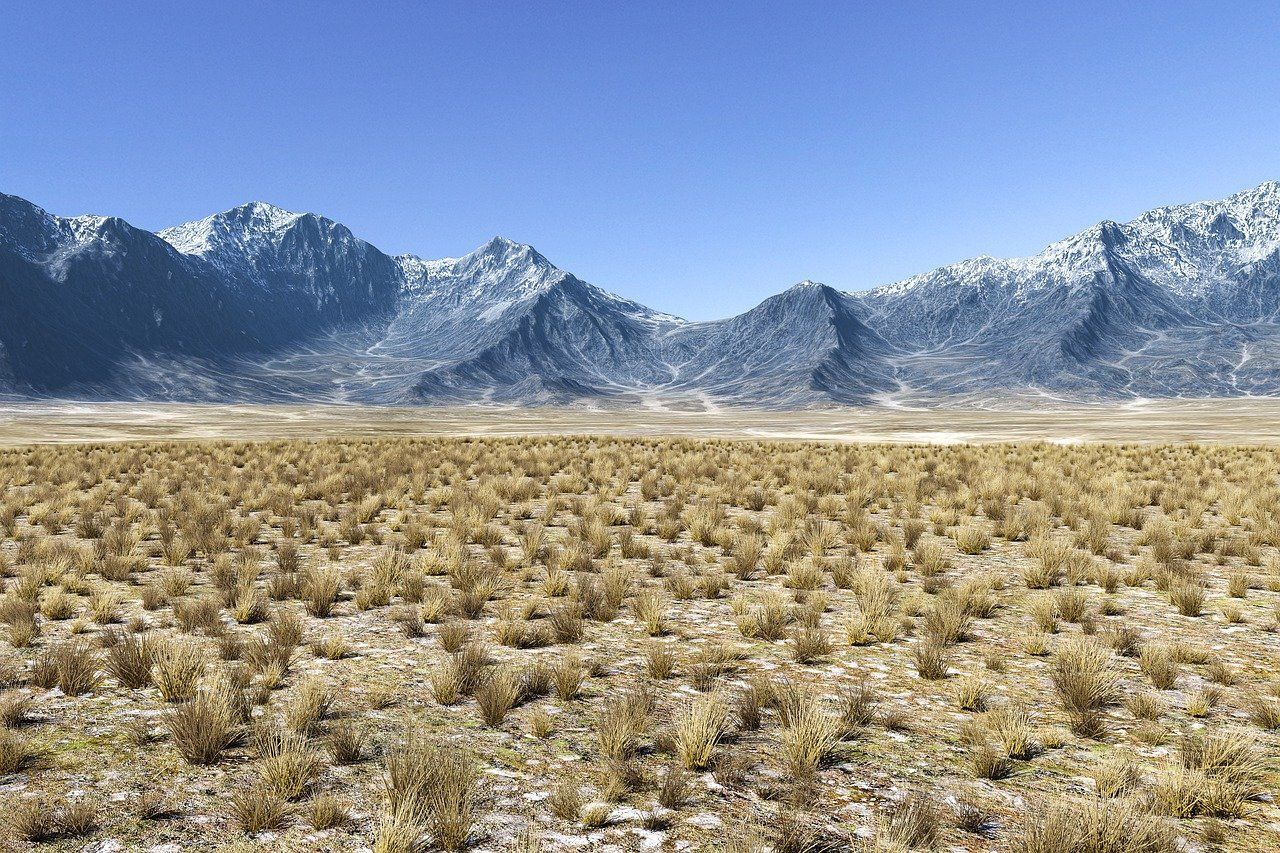 Image: anaterate
Another geographic term we borrowed form Russian is steppe. Steppe refers to the treeless midlatitude grassland stretching from central Europe to southern Siberia in Asia. Steppes can also be found in other regions, such as Patagonia in South America, western Canada, the northern part of Mexico, and the Great Basin region in the United States.
The word was introduced in Western Europe by German geographer and explorer Alexander von Humboldt in the early 19th century. It derives from the German steppe, which in turn comes from the Russian step, meaning "flat grassy plain."
Cay
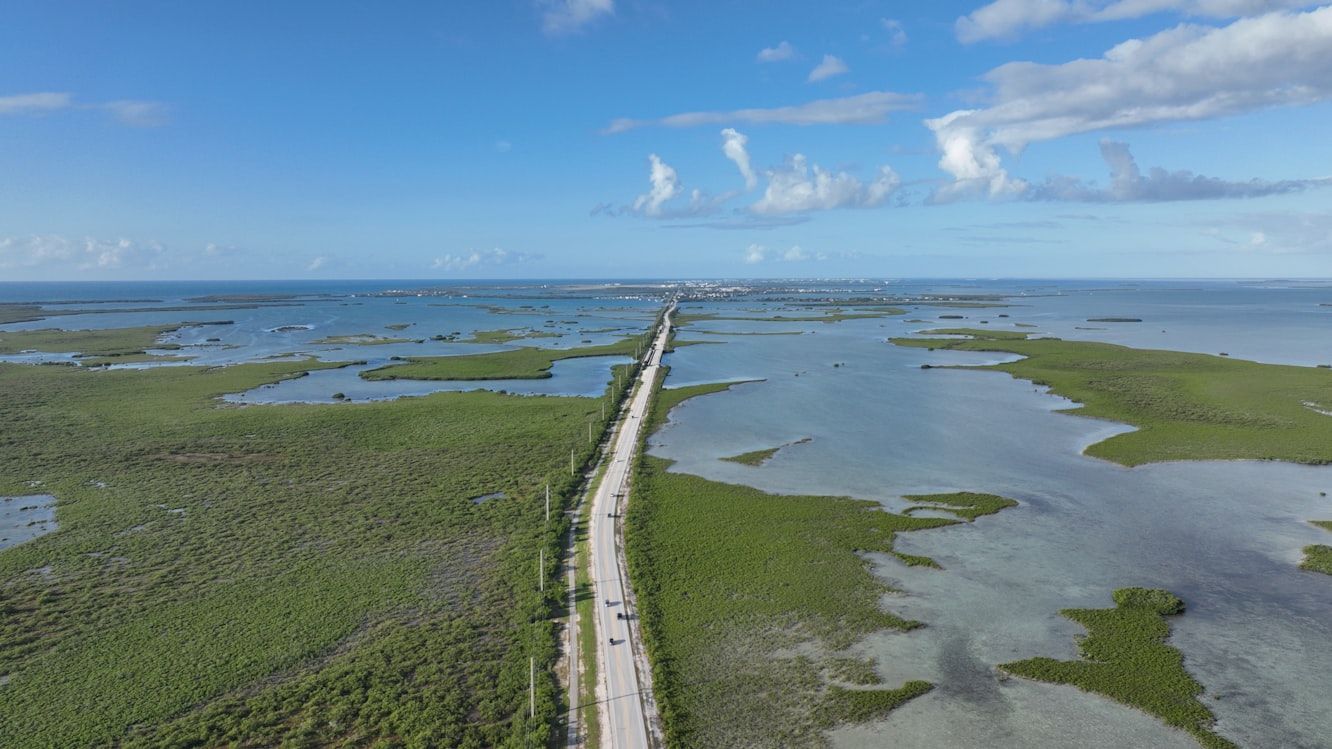 Image: Freysteinn G. Jonsson
Are you familiar with the Florida Keys? What about the Elbow Cays in the Bahamas? And Cayo Grande off the coast of Venezuela? Although they are spelled slightly differently, all these places respond to the same geographical feature. A cay or key is a low island of sand and coral fragments, built up by waves on a reef-flat drying at low water. Cays occur in tropical environments in the Atlantic, Pacific, and Indian oceans.
But where does the word come from? Cay derives from the Spanish word cayo, which originates from cairi, the Taíno word for "small island". The spelling key, most used in American English, was probably influenced by the Middle English word key, meaning "wharf" or from the Old French kai, which means "sand bank".
Lagoon
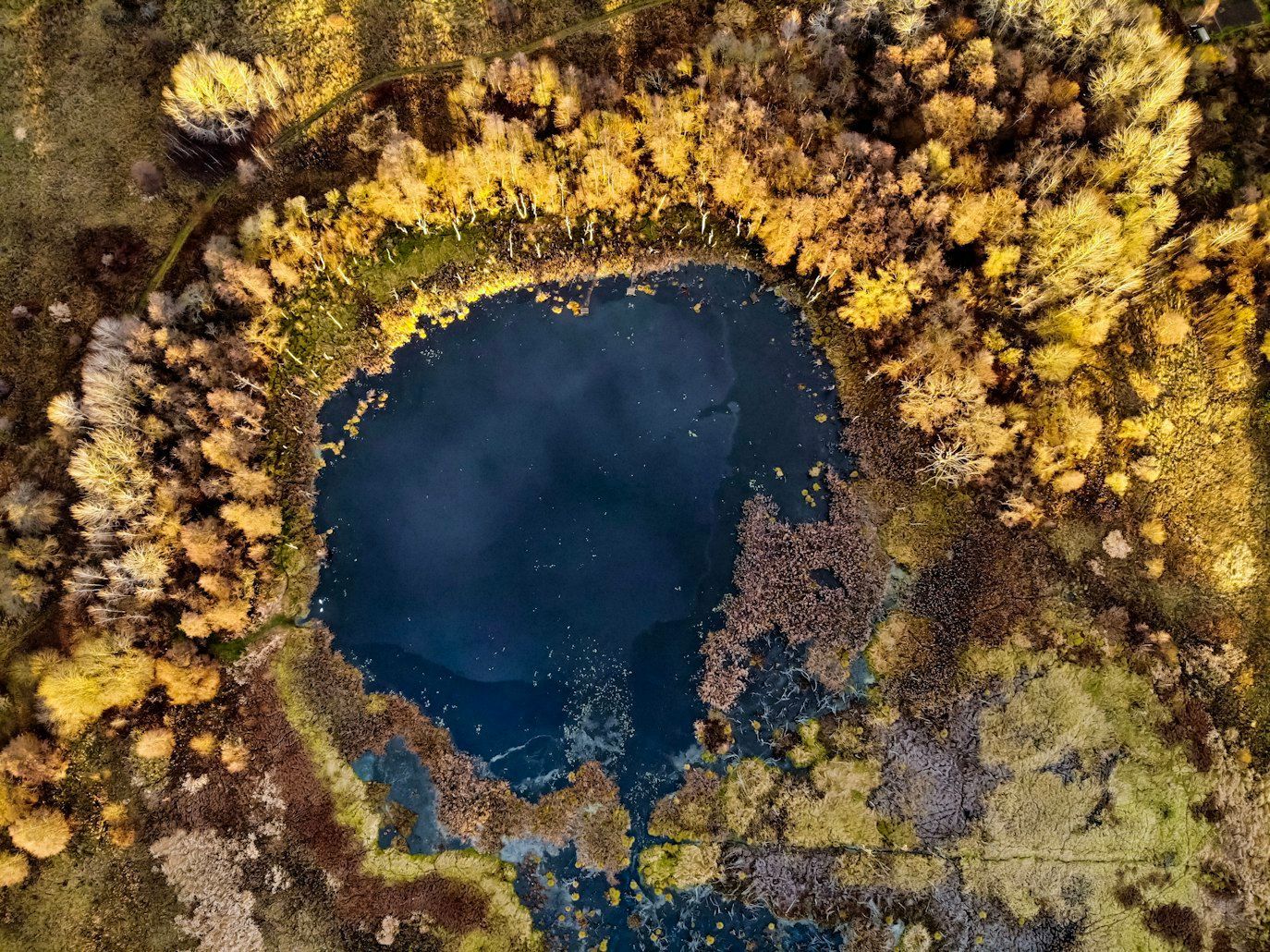 Image: Yegor Chuperka
In this article, we have learned about the origin of geographical terms whose etymology derives from Greek, Old Norse, Spanish, and Sanskrit. Now it’s the turn of Italian. A lagoon is a shallow area of salt or brackish coastal water completely or partly separated from the open sea by some more or less effective obstacle, such as a low sandbank.
The word lagoon derives from the Italian laguna, which refers to the waters around Venice. It was such a specific term that it was used in this way in English until the 17th century. Later, it was anglicized to lagune, to finally take the form we use today —lagoon— in the late 18th century at the hand of none other than Captain James Cook.