Everybody makes mistakes
“Decimate” doesn’t mean what you think: Words often used incorrectly
Published on February 9, 2025
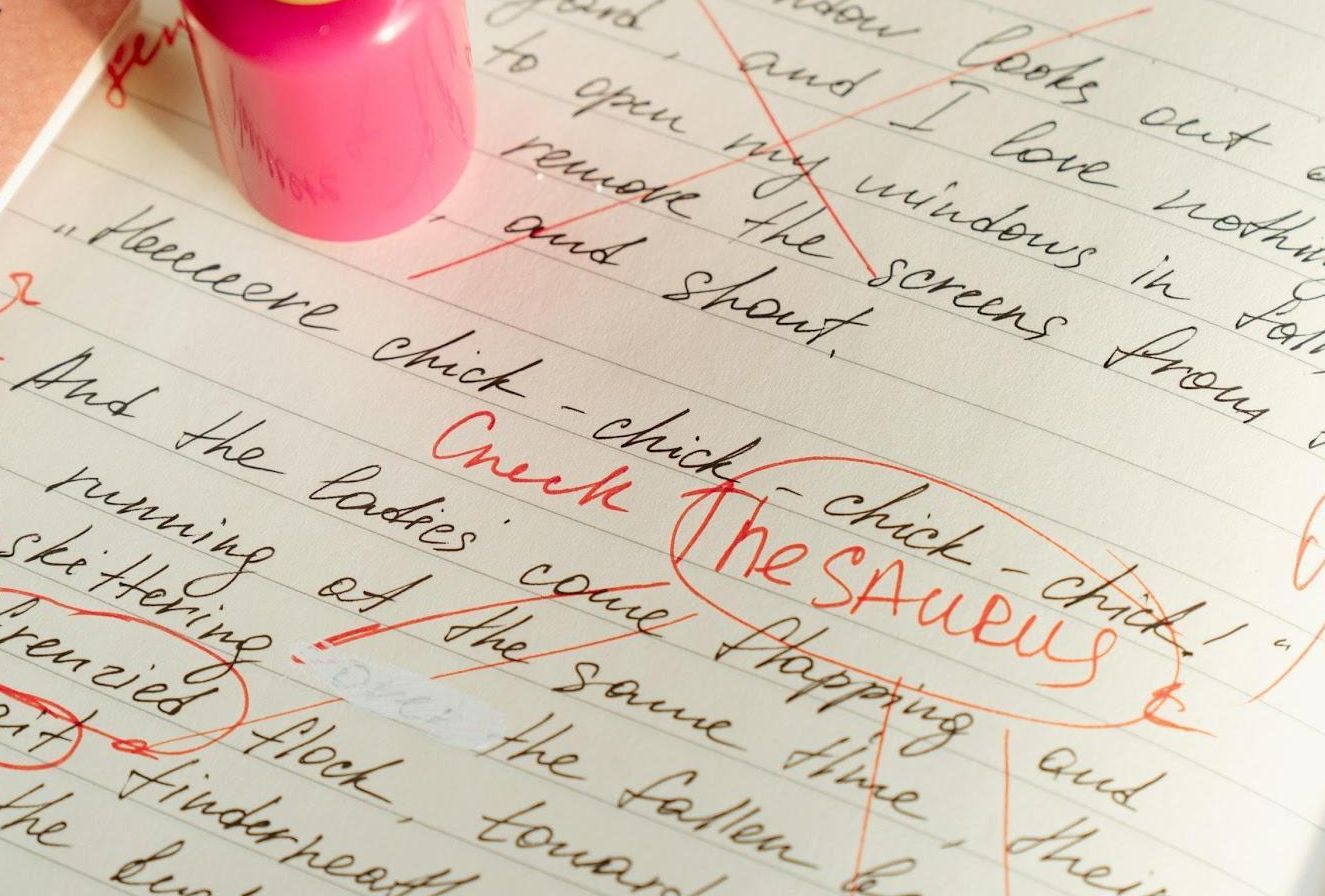
Surely, we’ve all made grammatical mistakes that still haunt us. But that doesn’t mean our eyes are safe from twitching when we hear words like "irregardless." A dozen popular mistakes have spread and infiltrated the vocabulary of many, much to the dismay of word lovers. Let’s explore some of these and hope we aren’t among the ones committing them!
Using "nauseous" for "nauseated"

Careful: If you say you are nauseous, that means you are causing someone else nausea. You probably don’t mean that you stink, but that you are feeling sick yourself.
When stepping off a rollercoaster, you don’t feel nauseous: You might feel nauseated, which is the correct term.
Infamous: Not the fame you want
When did people start using "infamous" interchangeably with "famous"? It’s hard to know, but this mistake is heard often. Remember, "infamous" and "notorious" are adjectives that imply the subject has a bad reputation.
Maybe the confusion comes from "famous" being right there in the word, but keep in mind: infamous isn’t the kind of fame you want.
Bemused: Confused, not amused

If you’re bemused, you’re scratching your head, not laughing. "Bemused" gets thrown around as a fancier way to say "amused," but it actually means "confused" or "bewildered." One often isn’t bemused by a funny meme, but a complex set of instructions could leave you bemused.
Decimate: Not total destruction

People often use "decimate" to mean "destroy entirely," but its original meaning is "reduce by one-tenth." It derives from a Roman practice of punishing armies.
For example, you could announce that a crop was decimated by pests but that some survived. The confusion is likely because "one-tenth" doesn’t sound dramatic enough. Ironically, modern misuse has decimated the word’s original meaning.
Peruse: Read deeply, not skim

Some people wrongly state that they have perused a magazine when what they did was flip through it lightly. To "peruse" means to read thoroughly and carefully.
You could peruse a contract document before signing it, for example. Remember, the verb shouldn’t be used as a fancy synonym for "skim."
Irregardless: Is it a real word?

"Irregardless" gets thrown around, but mostly as the less-preferred form of the word "regardless." Adding "ir-" to it makes it a nonstandard double negative. The word "regard-less" already means "without regard."
Why do people use the wrong form, then? Maybe inventing a prefix feels extra emphatic, but really, it’s like putting a hat on a hat.
Use "supposably" with care

"Supposably" is often (and incorrectly) used instead of "supposedly." While the former does exist, it means "as could be imagined or believed". "Supposedly" means "according to what is assumed or believed".
So, which adverb should be used? It depends on whether the reality described is supposed to be true (supposedly) or possible to be true (supposably).
Irony: More than a coincidence
Irony isn’t just a coincidence or bad luck; it’s when there’s a contradiction between expectation and reality. It would be ironic, for example, that a fire station should burn down.
If you simply ran into someone you know, however, that would not be ironic. It would simply be a funny coincidence.
Literally: Not for exaggeration
"Literally" means something is true exactly as is stated. It is often misused for exaggerations to add emphasis.
People have grown used to inserting that word into any hyperbolic sentence, such as "I’m literally dying of laughter". The word does have its correct place in some phrases, though. For example, you could literally trip over your own shoelaces.
Jealousy: Not to be confused with envy

You cannot feel jealous of someone who enjoys something that you’ve never had. That’s because, strictly speaking, "jealousy" involves the fear of losing something.
"Envy" would be the correct term for referring to the desire to have what someone else does. For example, envying a gold medal when you only achieved the silver one.
Disinterested vs. Uninterested: Impartial vs. Bored

Sometimes students claim to be failing a class because they are "disinterested" in the subject, which is an incorrect statement. "Disinterested" means "impartial", or "unbiased". What they mean is that they are not interested, or "uninterested".
Affect vs. Effect: Action vs. Outcome
"Affect" is a verb, meaning "to influence," while "effect" is a noun, meaning "a result." These two are spotted in the wrong sentence way too often. A speech can have an effect on an audience, but it cannot "effect" the audience. It can only "affect" it.
Everyday vs. Every Day: Adjective vs. Frequency

The space between the words (or lack thereof) does affect the meaning! "Everyday" is an adjective meaning ordinary, while "every day" means "each day." Ask yourself carefully which of the two you are using.
Remember, every day we can find everyday words used incorrectly!