Alright, alright, alright!
From Southern drawl to Yooper: 12 All-American regional accents explained
Published on February 21, 2026
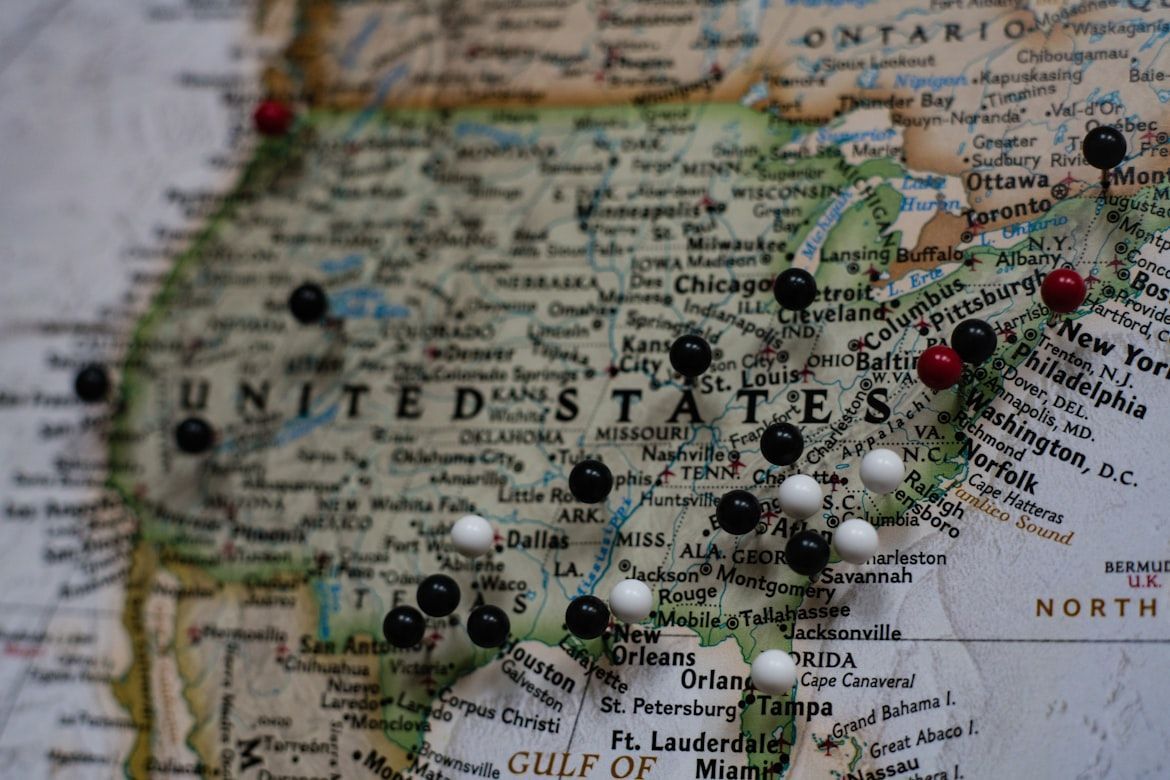 Image: Joey Csunyo
The U.S. is a collection of regional accents, each with its own unique story. From coastal cities to rural towns, these speech patterns didn’t just happen—they evolved from waves of immigration, geography, and history. Let’s take a look at how some of the most recognizable American accents came to be. Is yours on the list?
California
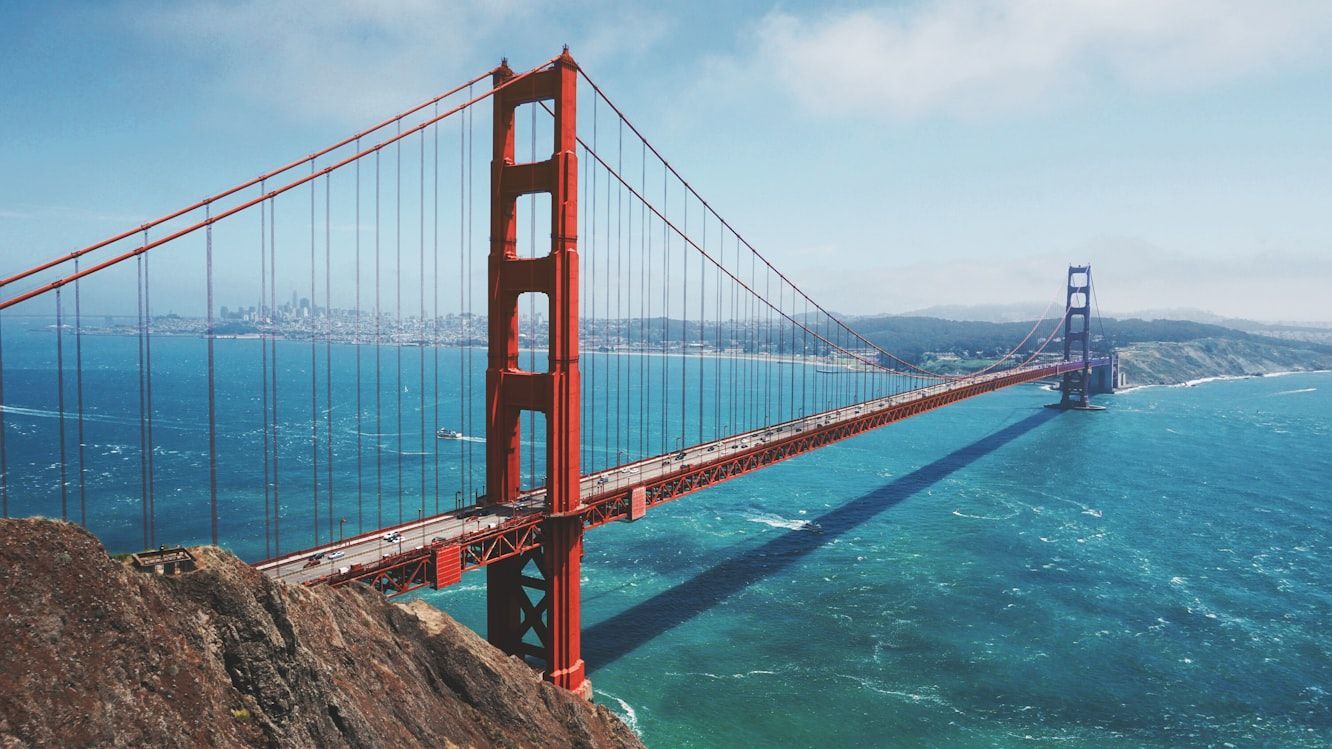 Image: Maarten van den Heuvel
California accents may seem subtle, but they’re deeply rooted in the state’s layered history. Spanish was the dominant language before the Gold Rush brought English speakers and immigrants from Mexico, China, and other parts of the world. These waves of settlement shaped the way Californians speak today.
The Dust Bowl brought Southern dialects to the Central Valley, still heard in local speech. One major trend is the California vowel shift, which changes sounds in words like "kit" to "ket".
Appalachia
 Image: Wes Hicks
Appalachia is a cultural region stretching from New York to Alabama, rooted in Cherokee lands and later settled by immigrants from Europe and beyond. Its rugged geography led to the development of Appalachian English, a dialect shaped by isolation and unique speech patterns like "ghostes" or "holler" for "hollow."
The Scots-Irish had a strong influence, bringing words like "britches" for pants and calling valleys "bottoms."
New Orleans
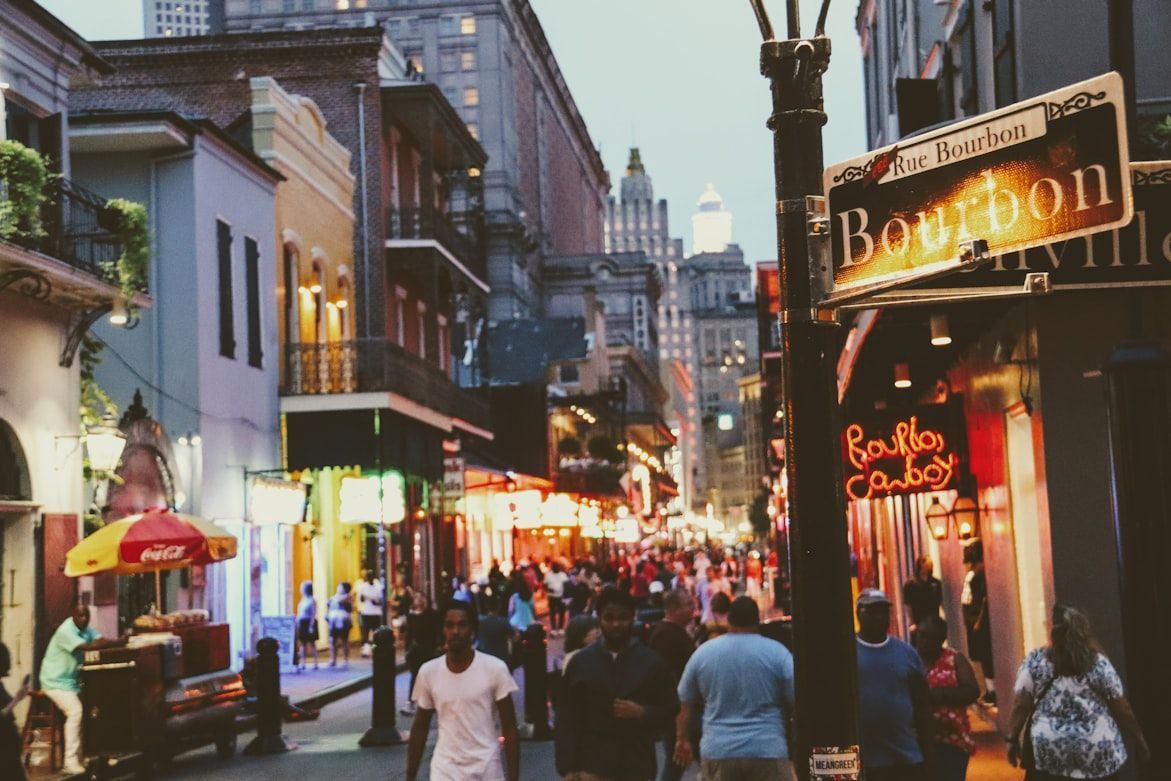 Image: Mitch Hodiono
New Orleans, founded by the French, became a melting pot of cultures. Haitian, Irish, German, Jewish, Chinese, and Sicilian immigrants all left their mark on the city’s language and neighborhoods.
These influences shaped many local dialects, including Cajun and Yat. Yat, spoken in areas like the Ninth Ward, shares features with Brooklynese, thanks to shared Irish and Italian roots, including accents like "watah" for "water."
Southern accent
 Image: Taylor Brandon
Probably one of the, if not the most famous, accents on the list, the Southern accent is widely recognized—think drawls and "y’all"—but it's often misrepresented by media and stereotypes.
Not everyone in the South talks the same, and terms like "Southern American English" might be more accurate than old Civil War associations.
Boston
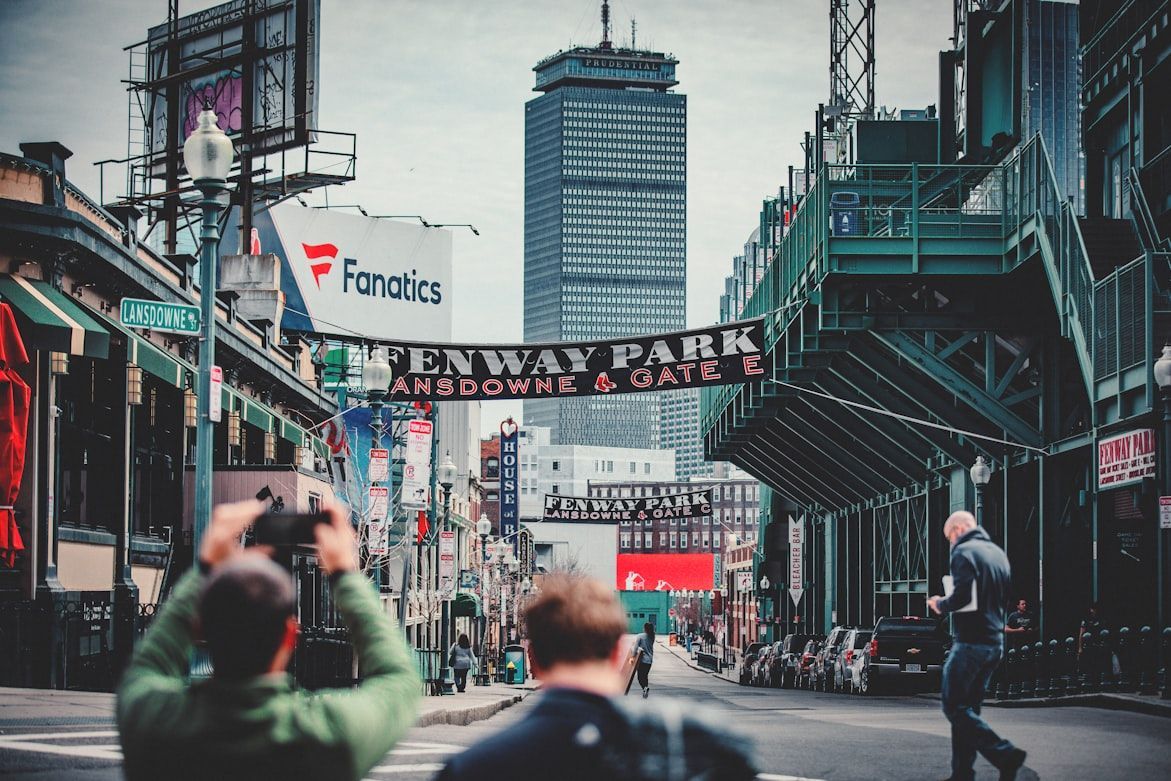 Image: todd kent
The Boston accent is more than just dropped R’s—it reflects centuries of New England history. Brought over by British colonists, this "R-less" way of speaking evolved as settlers spread through the region.
Beyond pronunciation, locals use unique words like "wicked" and "jimmies." Vowel sounds also stand out, with distinctions in "Mary," "merry," and "marry," and broad A’s in words like "bath".
New York
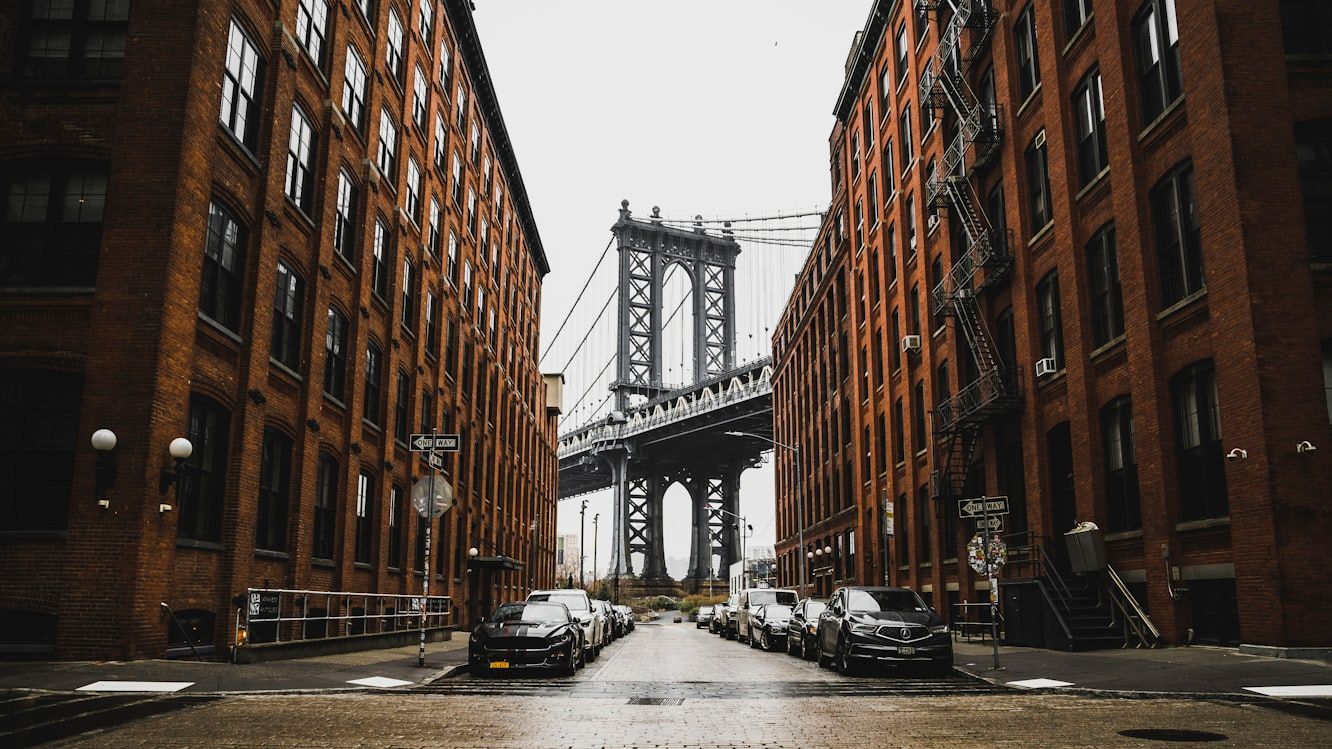 Image: Redd Francisco
Sharing some similarities with the Boston accent, the New York accent reflects the city's rich history and immigrant roots. It began with Dutch settlers, followed by London English influences, and was shaped further by Irish, Italian, and Eastern European immigrants.
Key features include dropped "r" sounds and distinct vowel pronunciations. These traits, combined with the city's diversity, helped form an accent tied closely to New York's working-class identity and cultural pride.
Midwest
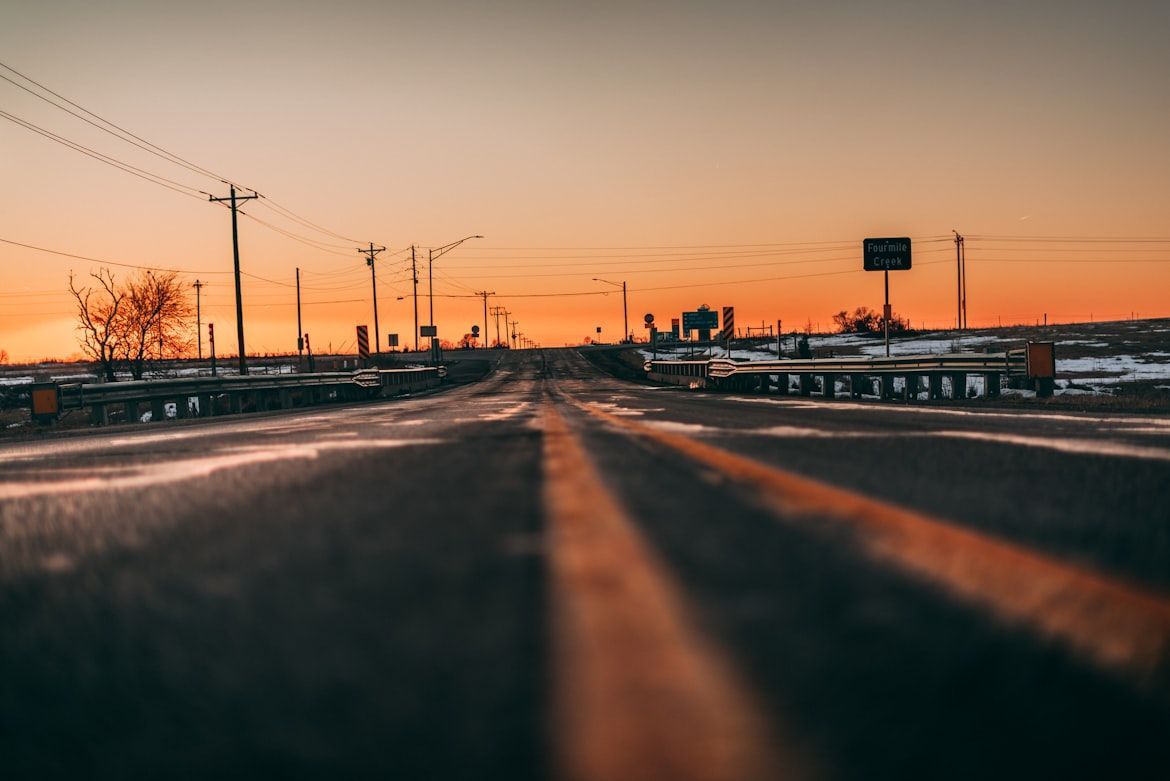 Image: Ryan De Hamer
The Midwestern accent, especially in the Great Lakes region, developed from New England, New York, German, and Scandinavian settlers. The Erie Canal helped spread these influences, creating a distinct way of speaking shaped by both geography and immigration.
Key traits include the Northern Cities Vowel Shift, where vowel sounds change noticeably, and regional slang like "ope," "you betcha," and "pop." These features help define the accent and identity of the Midwest.
Pacific Northwest
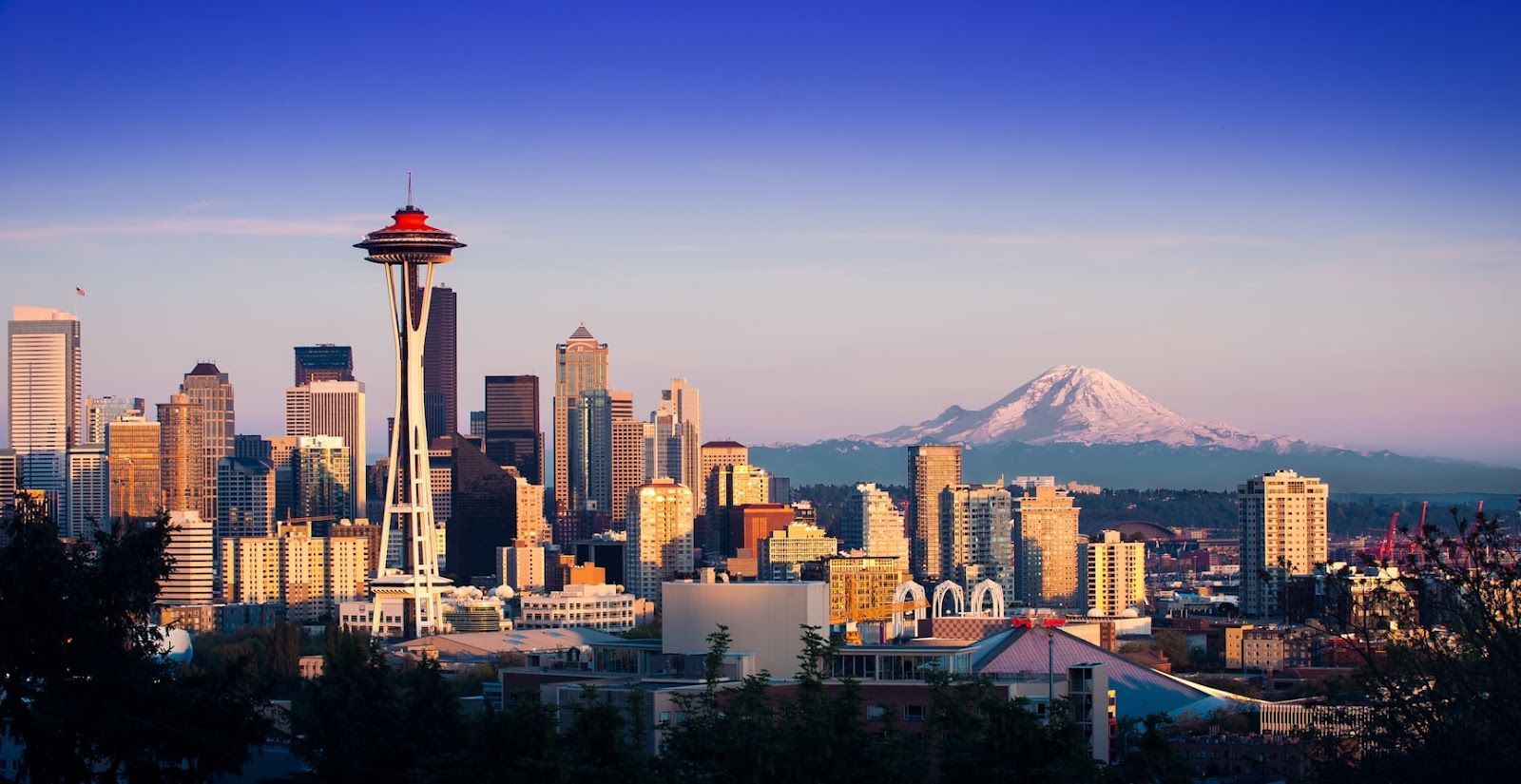 Image: Thom Milkovic
The Pacific Northwest has its own speech quirks that set it apart from the broader West Coast dialect and the previously mentioned California accent. Locals often merge the vowels in "cot" and "caught," add an "r" to words like "Washington," and say "coast" instead of "beach."
Even highway talk can give away your roots. Saying "I-5" without "the" is typical of PNW natives, while adding "the" (as in "the I-5") is more common among Californians and other outsiders.
Hawaii
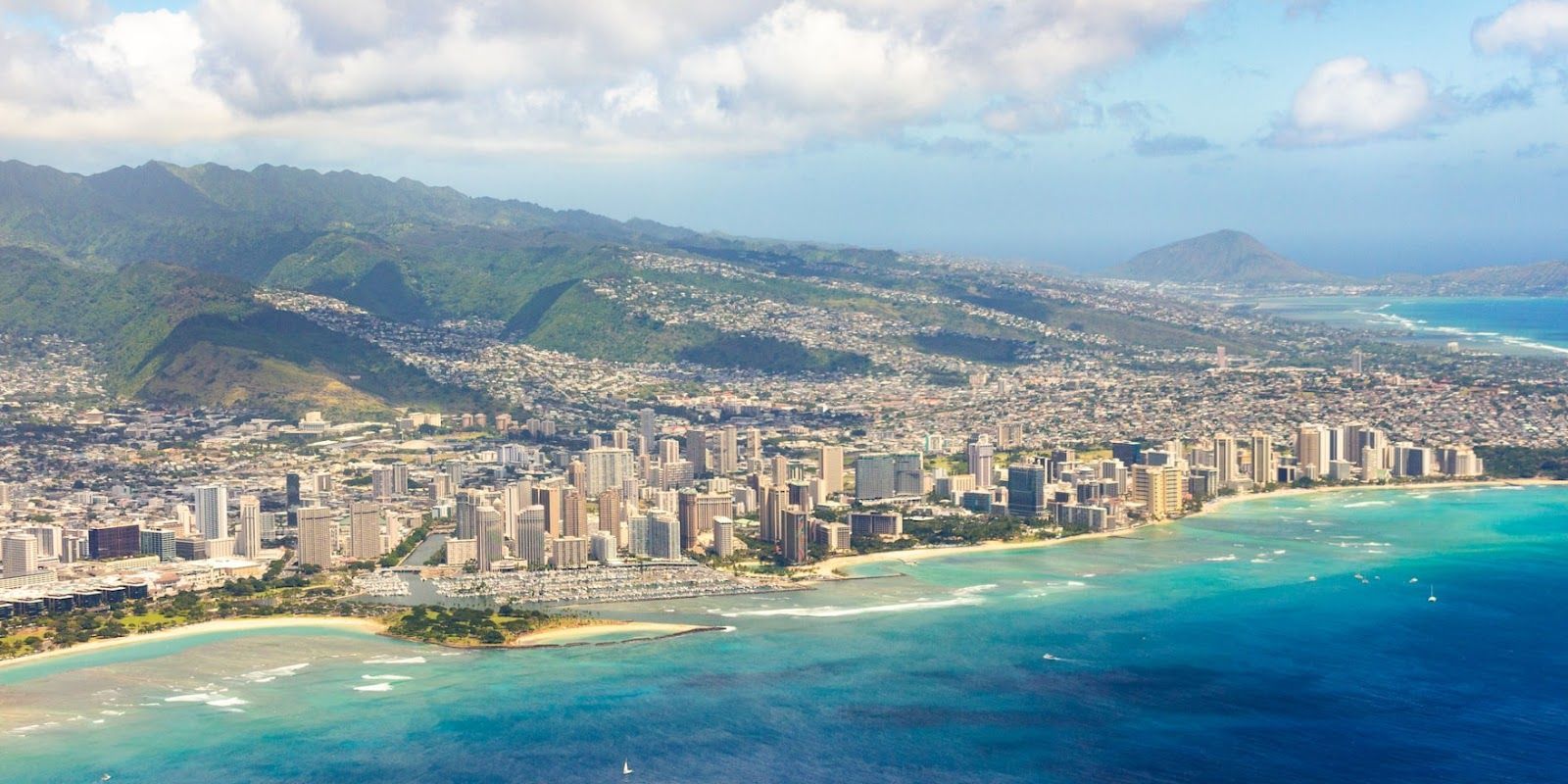 Image: Jakob Kim
Hawaii’s unique accent is shaped by its isolation and multicultural roots. Hawaiian Pidgin developed from plantation workers speaking Cantonese, Portuguese, Japanese, and Filipino, blending with Hawaiian to ease communication.
The dialect features dropped "r" sounds and changes like "th" to "d," with words like "three" pronounced "tree." Pidgin also reflects Hawaiian pronunciation, such as saying "hah-WAH-ee" for Hawaii and simplifying consonant clusters in everyday speech.
Philadelphia
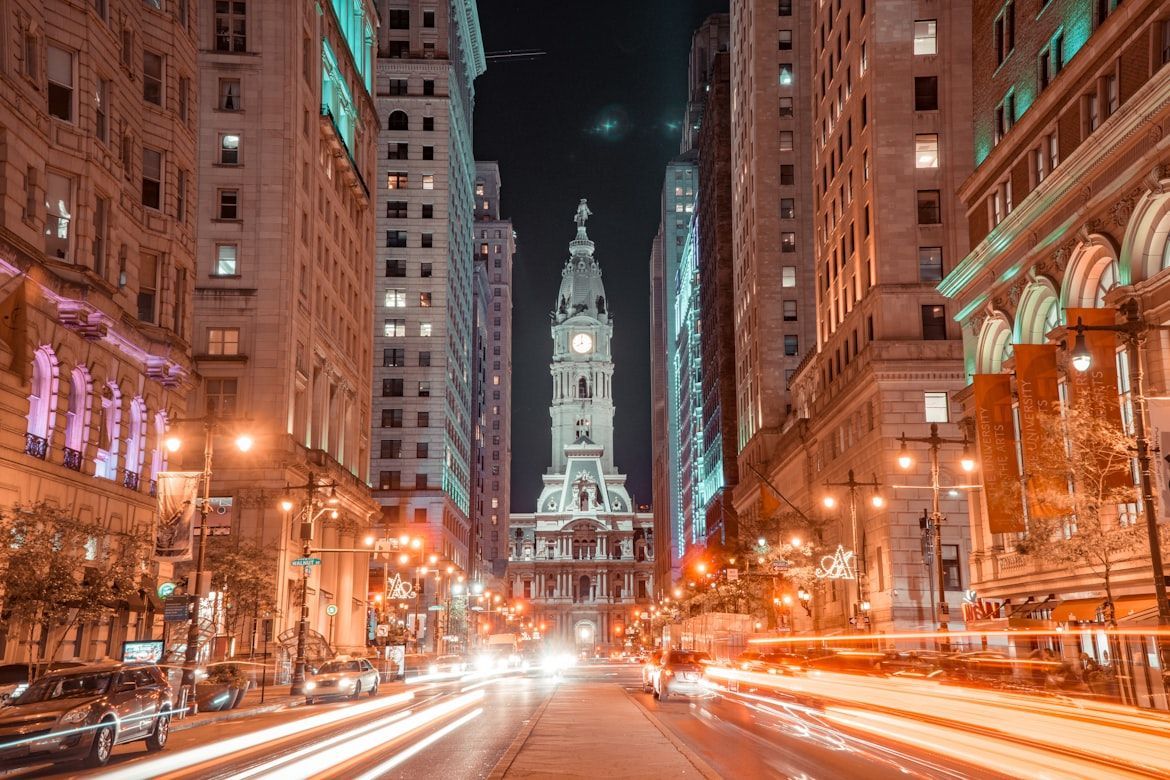 Image: Heidi Kaden
The Philadelphia accent, known for turning "fight" into "foit" and "very" into "vurry," is one of the world’s most unique. It developed from English, Scottish, and Irish settlers in the 1600s and grew apart from nearby accents like New York’s.
Unlike some Northern accents, Philly speech keeps the "r" sound. While regional differences exist, the accent continues to evolve. Some traits fade, but others, like "wooder" for "water," remain.
Miami
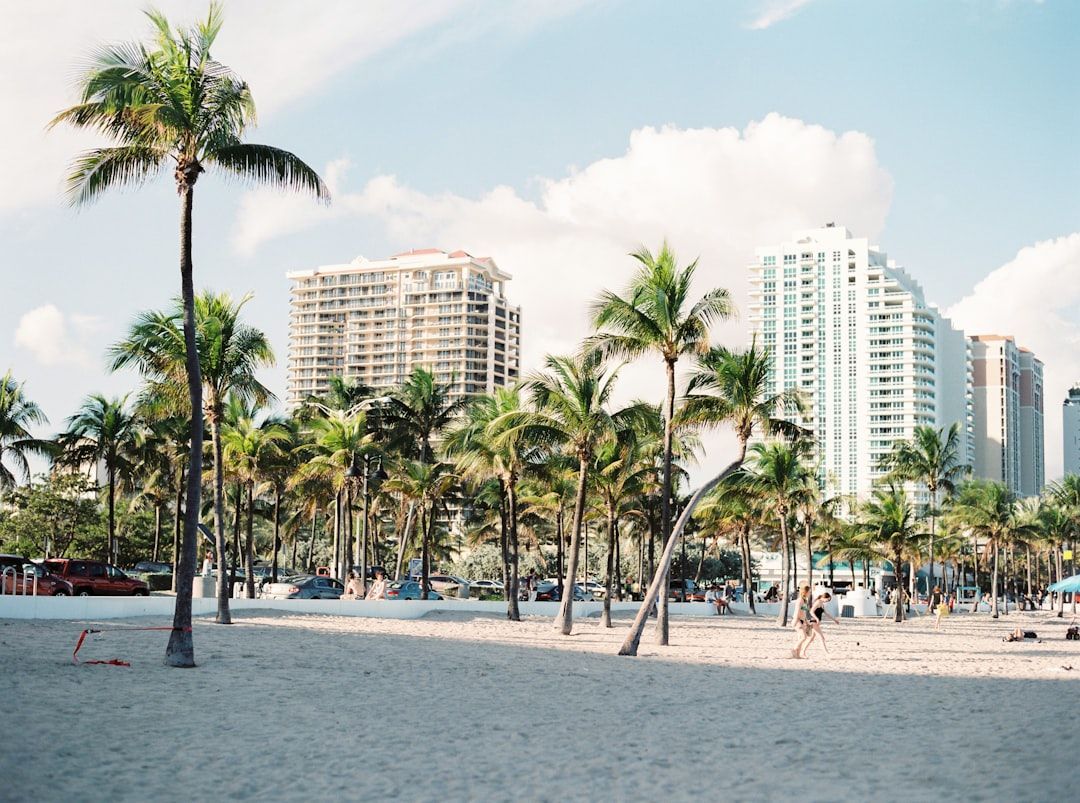 Image: aurora.kreativ
The Miami accent is a young dialect shaped by Spanish and Cuban influence after 1959. It features a rhythmic tone, unique pronunciations like "sall-mon" for salmon, and Spanish-inspired phrasing.
Common traits include calques (direct translations like "make a party") and vowel sounds influenced by Spanish. Though often mistaken for Spanglish, it’s a distinct dialect and a marker of Miami’s culture.
Yooper
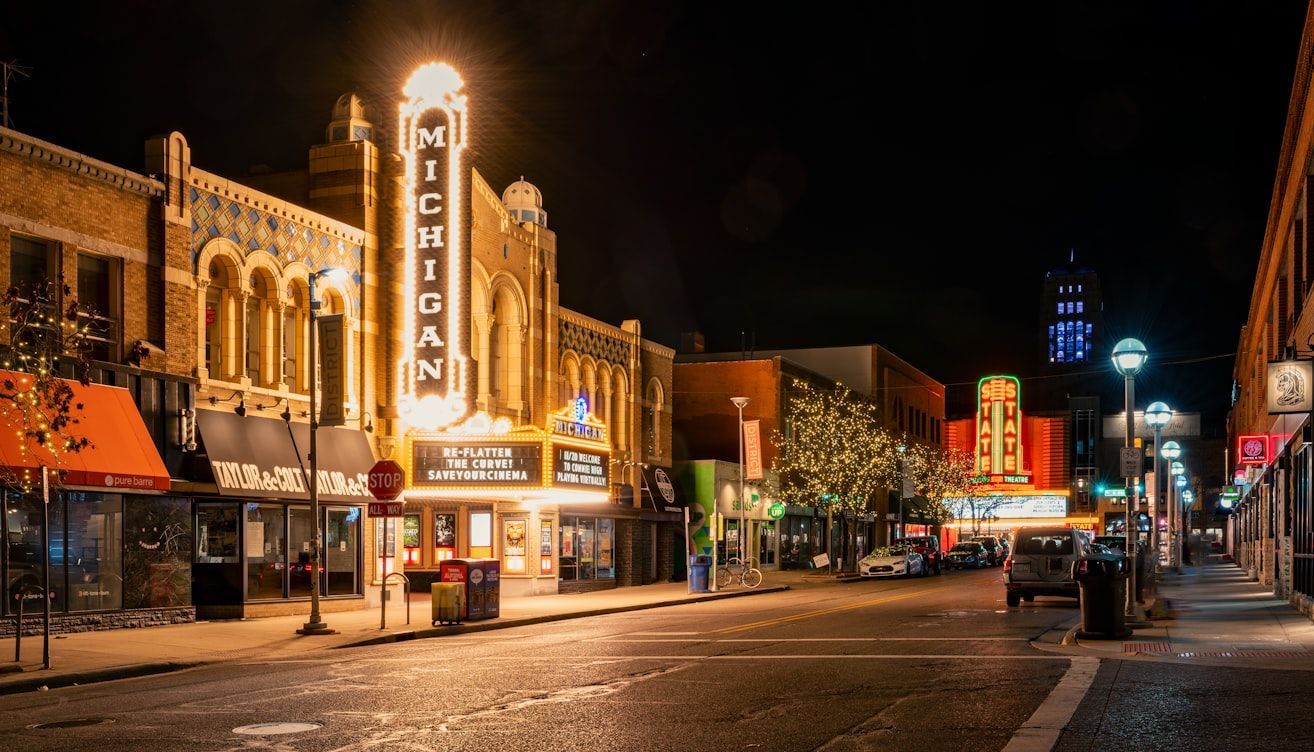 Image: Brad Switzer
The Yooper accent, heard in Michigan’s Upper Peninsula, blends Finnish, Swedish, French Canadian, and Cornish influences. It developed through mining-era immigration and stayed distinct due to the region’s isolation.
Locals say "yah" for yes, use "d" for "th" ("dat" for "that"), and often add "eh" at the end of sentences. "Yooper," which is short for "U.P.er," became the popular nickname for residents in the 1970s.