What story lies behind your favorite condiment?
Your favorite condiments have some surprisingly weird origins
Published on March 20, 2026
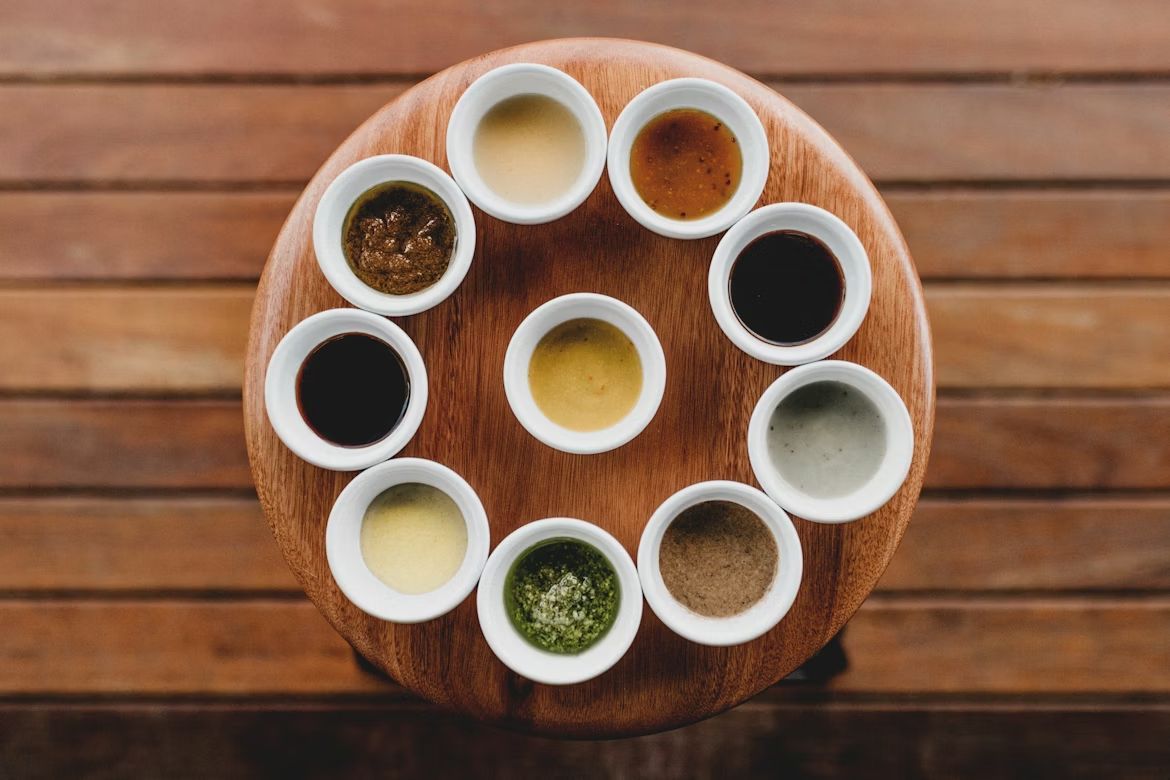
You've probably got ketchup, mustard, and maybe some hot sauce sitting on your kitchen table right now. Innocent enough, right? Well, not exactly. A surprising number of the condiments we slather on our food without a second thought have origins that are, let's just say, a lot stranger than you’d expect. Grab a snack, and let's dive in.
Ketchup
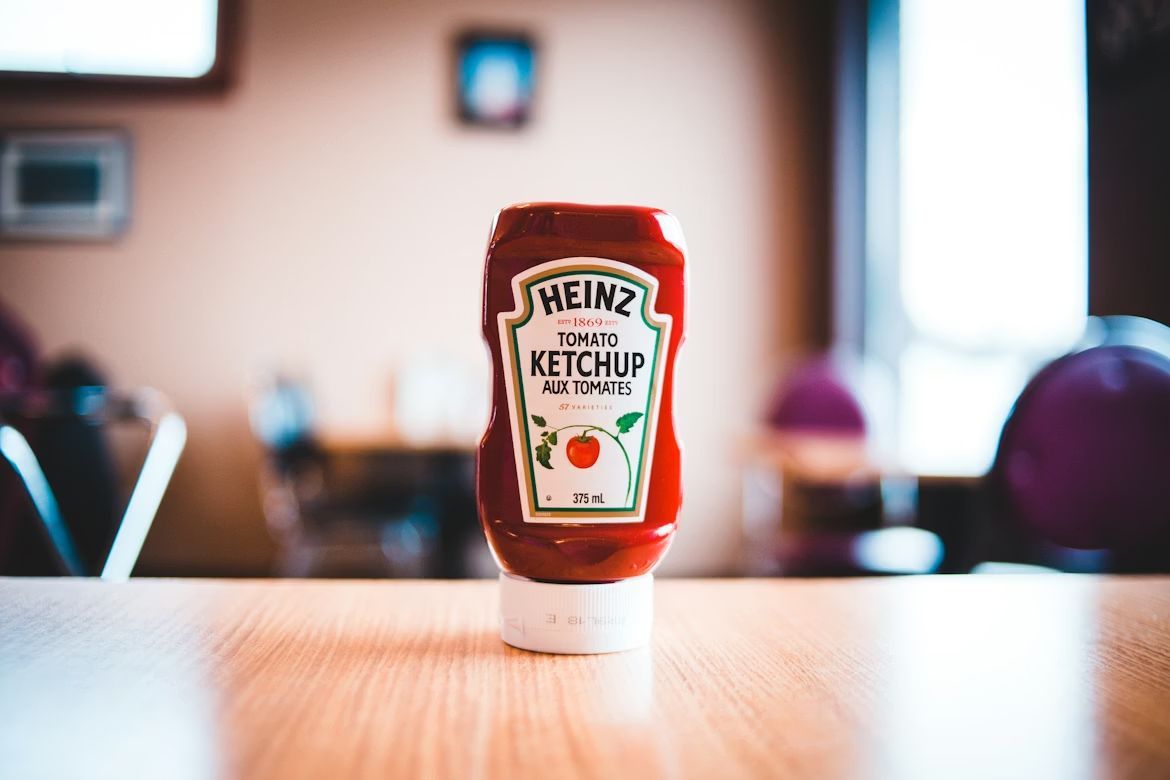
Before ketchup was the sweet, tomato-y stuff we squeeze onto fries, it was something entirely different. The word comes from a Southeast Asian fermented fish sauce called ke-chiap, made from pickled fish guts and brine. Sailors brought it back to Britain in the 1700s, and cooks started experimenting with all sorts of versions: mushroom ketchup, walnut ketchup, and oyster ketchup.
It wasn't until the 1800s that Americans started adding tomatoes to the mix, and even then, early versions were dark and runny—nothing like what Heinz eventually bottled up.
Mustard
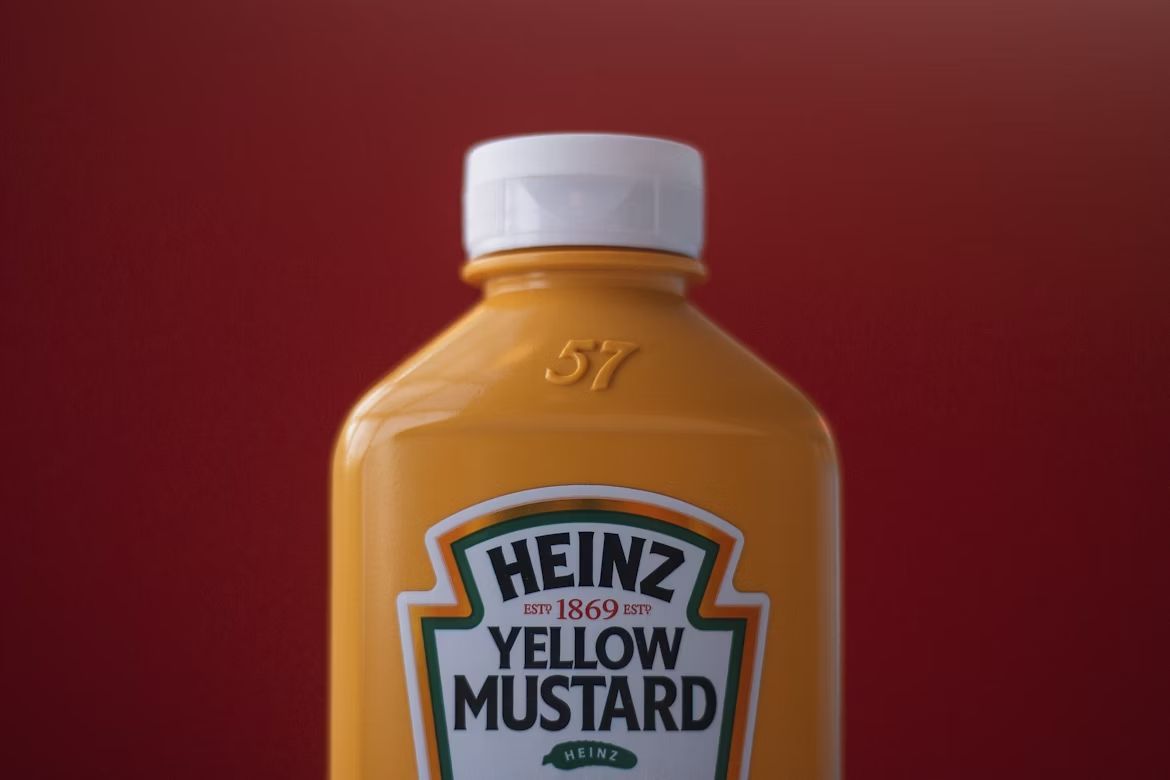
Mustard seems about as wholesome as it gets: yellow, bright, cheerful. But for centuries, it wasn't sitting next to anyone's hot dog. Medieval Europeans used it medicinally, rubbing it on the skin to treat everything from arthritis to the plague. Spoiler: it did not cure the plague.
It also became tangled up in darker history: the chemical weapon called mustard gas earned its name because soldiers said it smelled faintly like the condiment. The plant has nothing to do with the weapon chemically, but the nickname stuck.
Hot Sauce
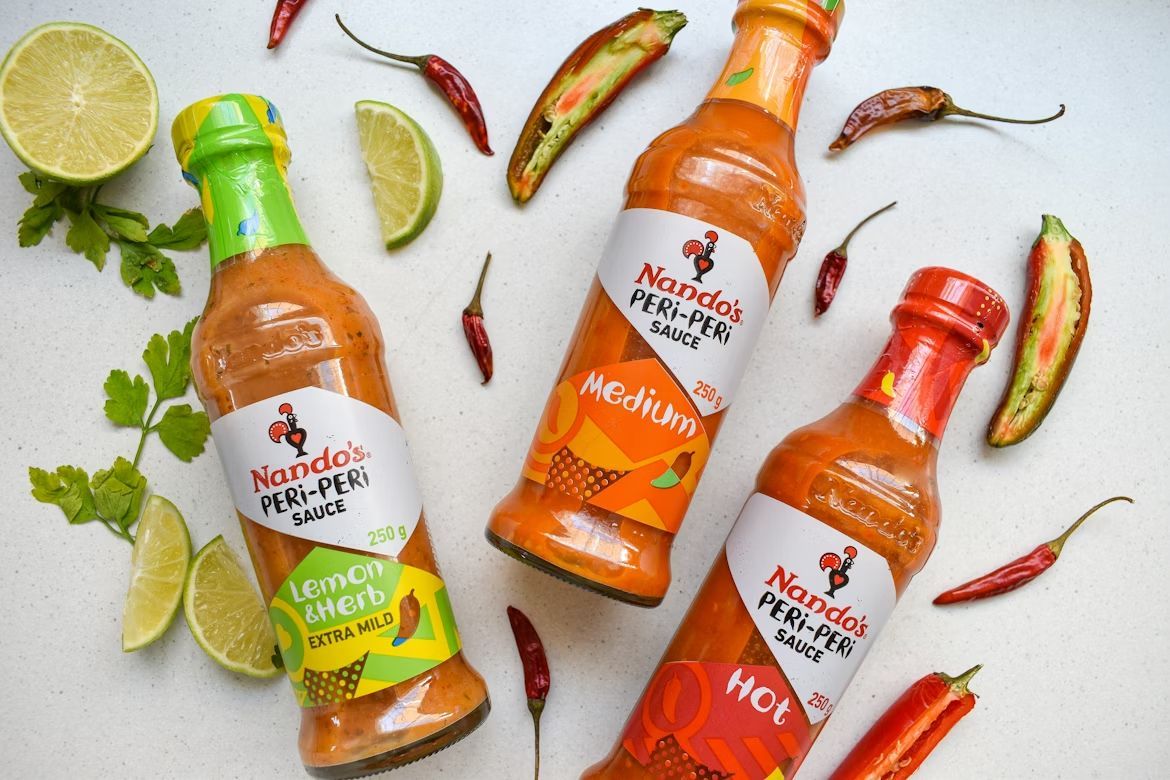
Capsaicin, the stuff that makes hot sauce burn, wasn't designed to delight your taste buds. Scientists believe peppers evolved their heat specifically as a defense mechanism to keep mammals from eating them. Birds, which spread the seeds, don't feel the burn. Humans, being humans, decided to eat them anyway and continued breeding them hotter.
Some of the earliest commercial hot sauces were actually marketed as stomach medicine in the 1800s. And if you've ever reached for antacids after a plate of Buffalo wings, you might agree that the medicine and the problem are basically the same thing.
Mayonnaise
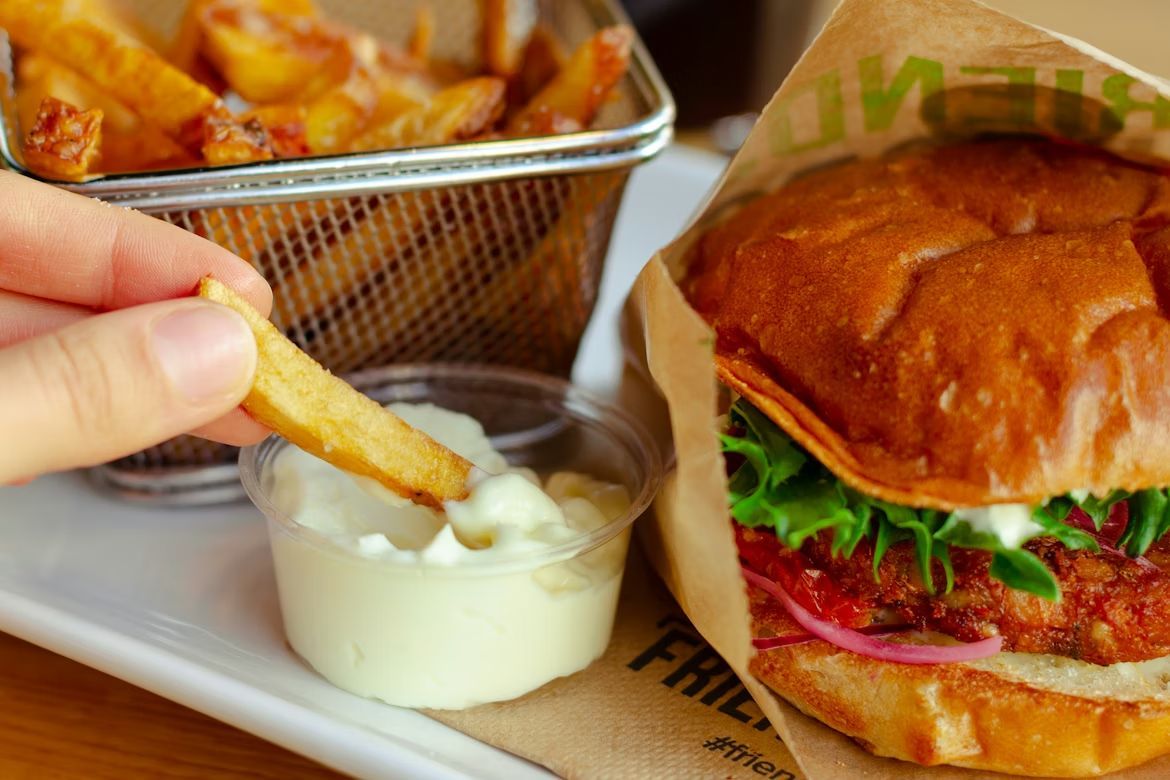
Mayo's exact origins are disputed, but one popular story traces it back to a military victory. In 1756, after French forces captured a port on the Spanish island of Menorca, the duke's chef reportedly whipped up a sauce from eggs and oil to celebrate, naming it after the captured city of Mahón. War as a culinary muse, not exactly the cozy kitchen story you'd expect.
Others say the name comes from an old French word for egg yolk. Either way, mayo has spent centuries being fiercely loved or absolutely despised, with very little middle ground. The mayonnaise debate, it turns out, is as old as civilization itself.
Ranch Dressing
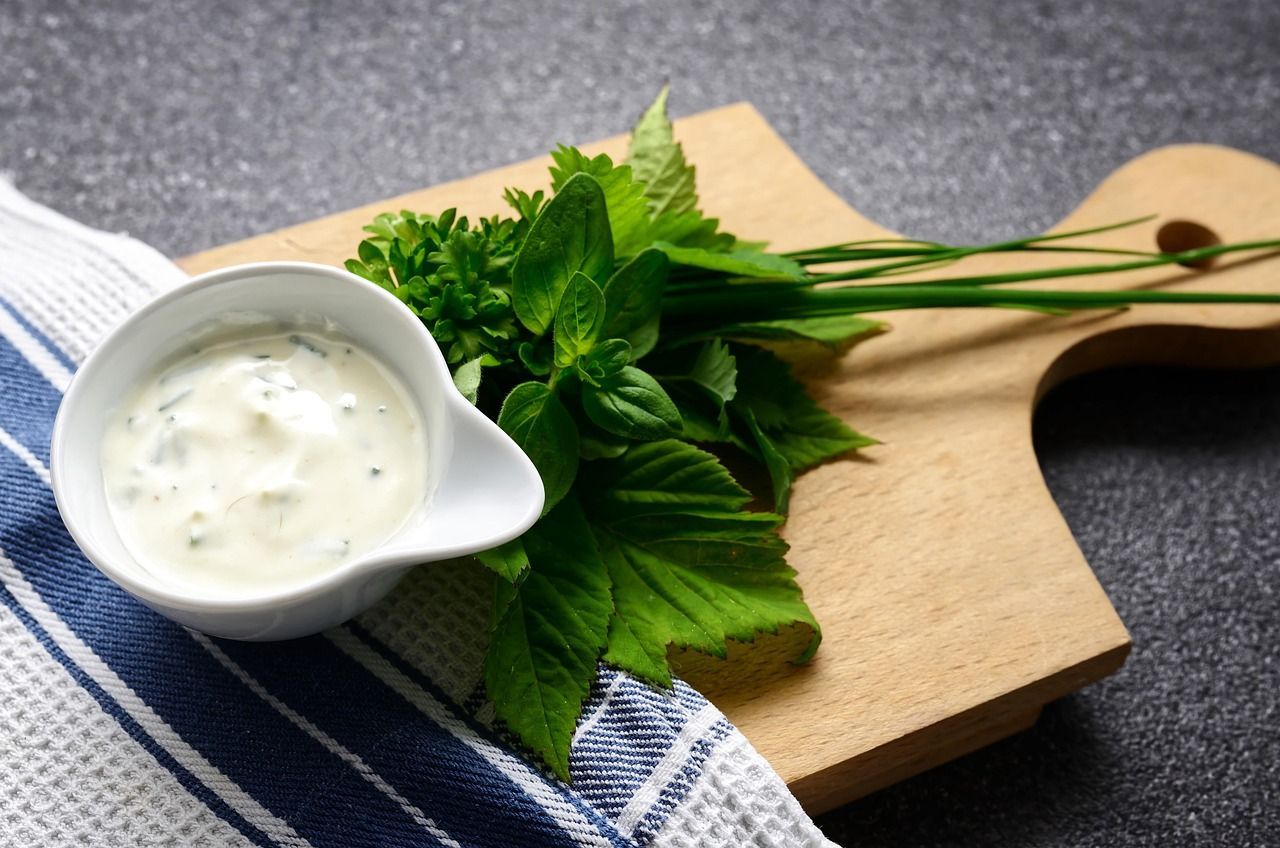
Ranch feels about as all-American as apple pie—and it is, mostly. It was invented in the 1950s by a man named Steve Henson, who developed the recipe while working as a contractor in remote Alaska, then later served it at his California dude ranch. Charming enough origin, right?
Food historians argue that ranch's meteoric rise in the 1980s and ‘90s, when companies started adding it into chips, pizza, and fast food, genuinely helped rewire American eating habits toward saltier, fattier foods.
Worcestershire sauce
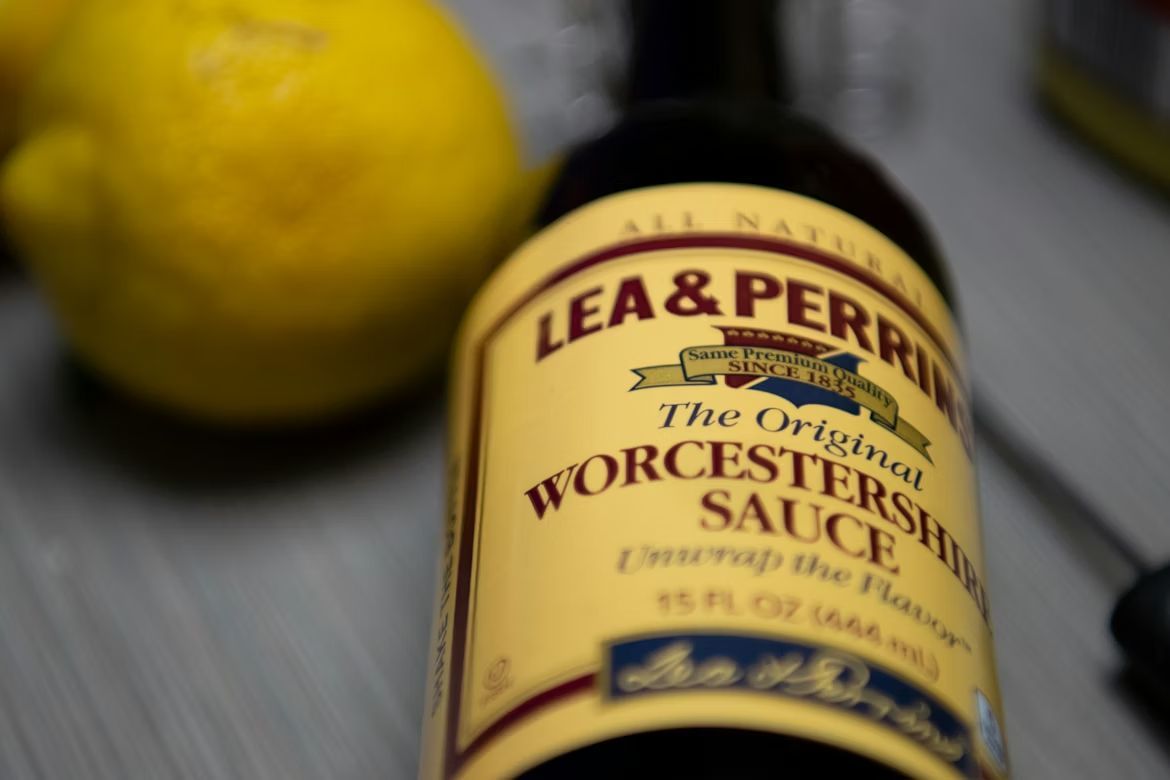
This tangy, hard-to-pronounce staple has a backstory involving a forgotten barrel and a very unpleasant smell. In the 1830s, a British nobleman asked chemists Lea and Perrins to recreate a sauce he had enjoyed abroad. They mixed up a batch, hated it, and shoved it in the cellar.
Two years later, someone found the barrel, took a taste, and—surprise—it had fermented into something amazing. The key ingredient? Anchovies, aged in vinegar.
Soy sauce
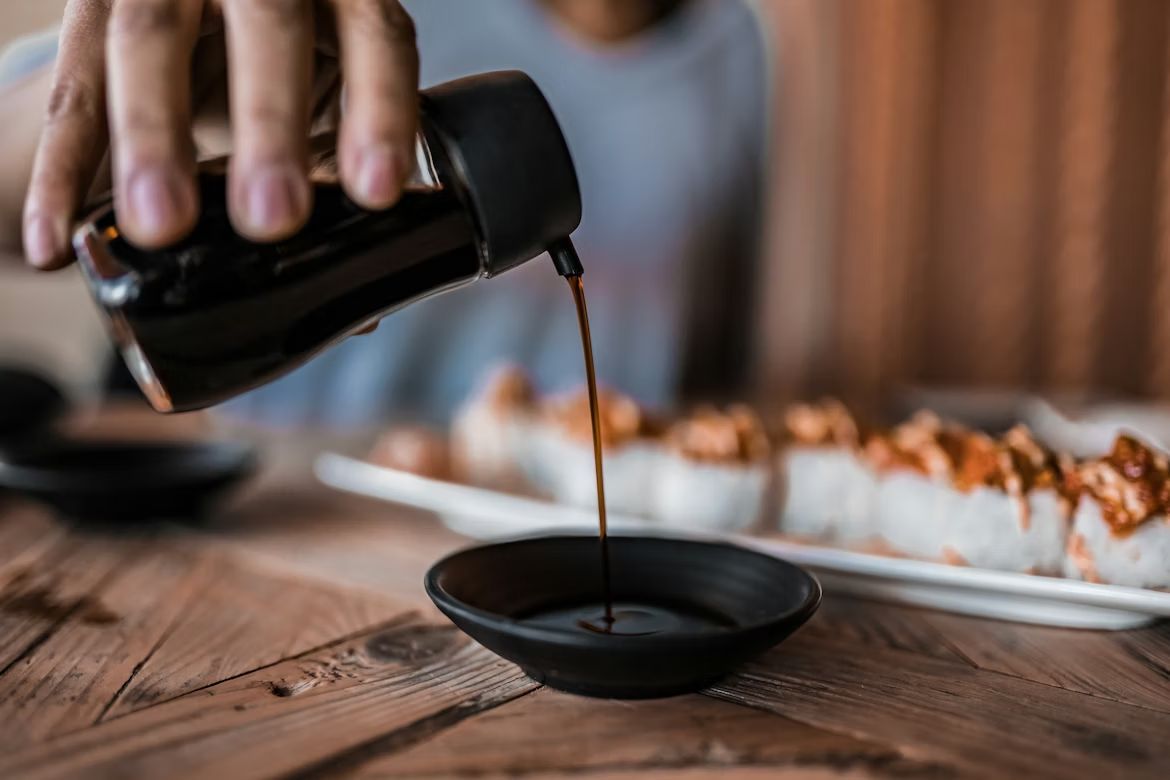
Soy sauce dates back over 2,000 years to ancient China, where it started as a way to stretch expensive salt—a commodity so valuable that governments literally went to war over it. Early versions were a fermented paste, and the liquid that separated out eventually became what we now splash on our sushi and stir-fry.
For centuries, the recipe was closely guarded. In Japan, certain brewing families held tight monopolies and built enormous fortunes from it, scheming, trading political favors, and fiercely protecting their formulas.
Vinegar
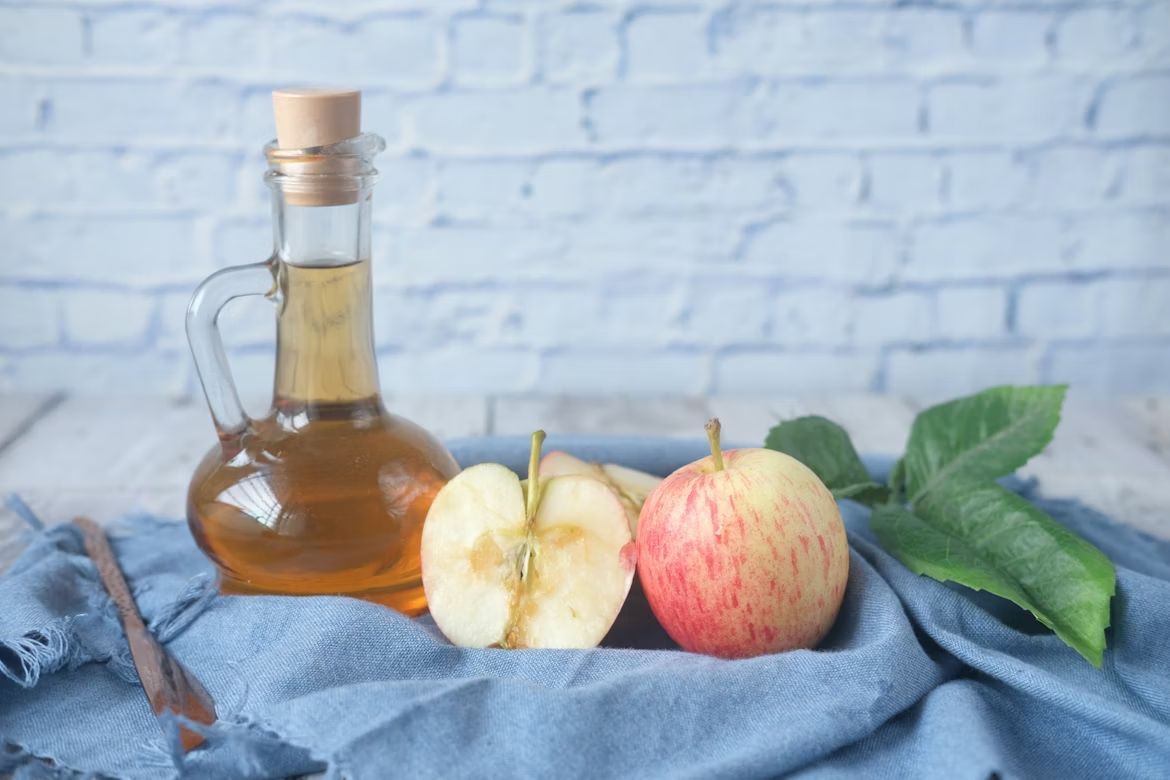
Vinegar's discovery was almost certainly an accident: wine that somebody forgot about and found weeks later had turned sharp and sour. Ancient Romans loved it so much that they mixed it with water as their everyday drink.
The weirder chapters? Vinegar served for centuries as a crude disinfectant, a preservative of biological material in medical contexts, and even a tool in ancient siege warfare. That humble bottle of apple cider vinegar on your counter has quietly witnessed some of human history's grimmest moments.
Tartar Sauce
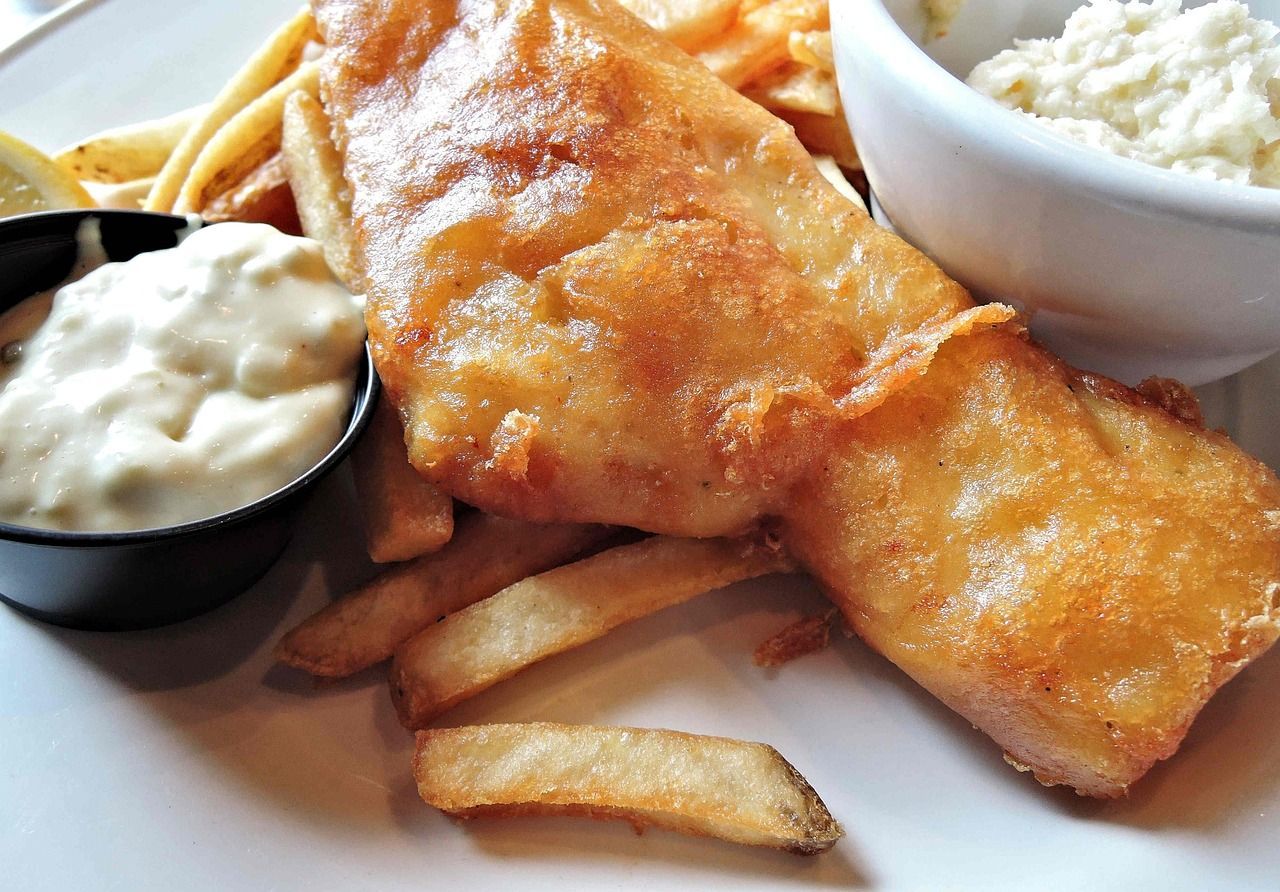
Tartar sauce gets its name from the Tartars—a broad European term for the fierce nomadic peoples of Central Asia, including the Mongols, who terrified much of the known world for centuries. The French, who developed this creamy condiment in the 19th century, connected it to steak tartare, a raw meat dish they romantically associated with these warriors.
Whether the history is accurate or not, the French were happy to borrow an air of wild, dangerous exoticism for their little sauce. Still, next time you order fish and chips, you're dipping into a tiny piece of medieval legend.
Pickle Brine
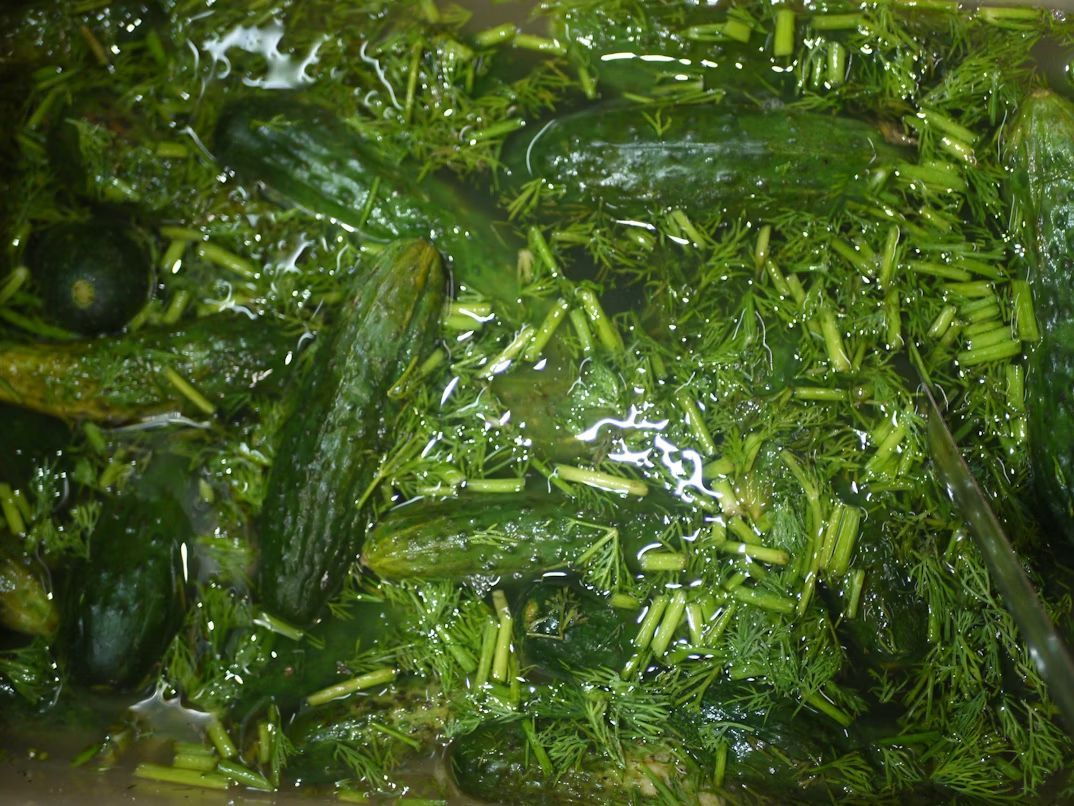
Pickle brine has become oddly trendy: people are drinking it straight, mixing it into cocktails, and even ordering it in shots at ballparks. But the practice of fermenting cucumbers in brine is ancient, going back nearly 4,000 years to Mesopotamia. Cleopatra reportedly credited pickles for her looks, and Julius Caesar fed them to his soldiers for strength.
Here's the unsettling twist: pickling was also one of the main methods used to preserve biological specimens before modern science caught up. The same basic chemistry that gives your pickle its satisfying crunch had very different applications throughout history.