Everybody loves a good sleep

Why do we “sleep tight”? 12 sleep-related idioms explained


Published on March 24, 2026
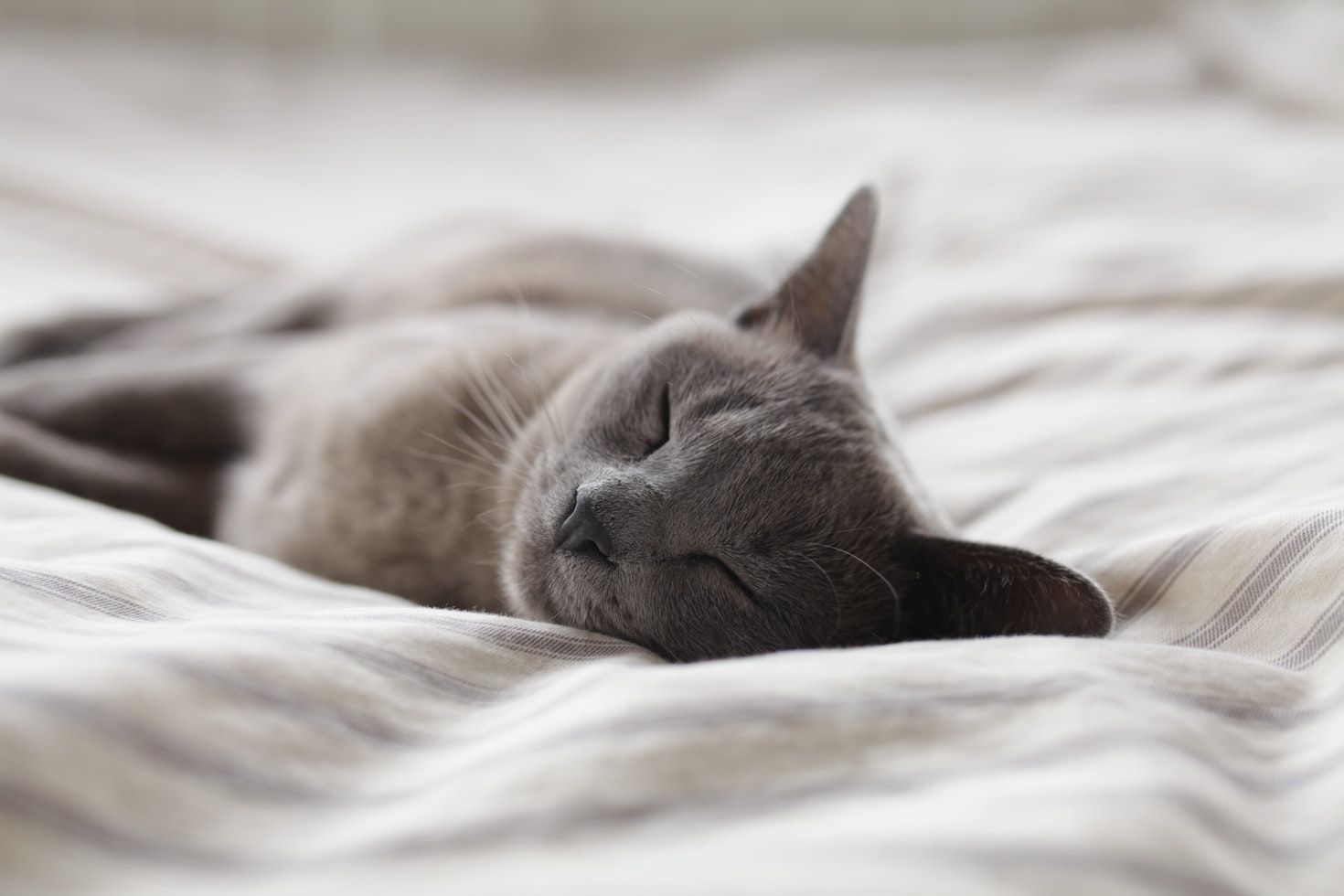

Image: Alexander Possingham

Have you ever uttered the words "sleep tight" or "hit the hay" before going to bed? These phrases have existed for ages, but their meanings and origins are not always apparent. Some are directly related to sleeping, while others are metaphors for entirely different things. Take a look at 12 of these idioms. Do you use any of them?

1

Sleep tight

Image: Sinitta Leunen

"Sleep tight" is a phrase most people know from the bedtime verse: "Sleep tight, don’t let the bedbugs bite". It’s often claimed to come from the old practice of tightly tying ropes on bed frames to keep mattresses firm and comfortable. This helped prevent sagging and made for a better night’s sleep.

In older English, "tight" simply meant "soundly" or "well", making "sleep tight" a wish for a good night’s sleep.

2

Hit the hay

Image: Simon Infanger

"Hit the hay" dates back to the late 19th or early 20th century and is often linked to the practice of stuffing hay into sacks or mattresses for sleeping, which is also commonly cited as an explanation for the phrase "hit the sack."

Another theory suggests that farm workers sometimes slept directly in haystacks, making "hay" a stand-in for "bed." Because "hit the hay" appears in print slightly earlier than "hit the sack," some believe it may have come first.

3

To sleep like a baby

Image: hessam nabavi

Anyone who has had a newborn knows how strange the phrase "sleep like a baby" sounds: babies wake up often and cry! Yet, the idiom means to sleep peacefully and deeply.

The idea is that when babies do sleep, they’re completely at ease, with no worries to disturb them. That peaceful, undisturbed state is what the phrase refers to, even if it doesn’t match the full reality.

4

Let sleeping dogs lie

Image: Irina

"Let sleeping dogs lie" might sound odd at first, but its meaning becomes clear with a bit of explanation. It’s a warning to leave past issues alone, especially sensitive ones.

The phrase compares old disputes to sleeping dogs: if you wake them, they might react aggressively. Similarly, revisiting old problems can stir up trouble best left alone.

5

A catnap

Image: Aleksandar Cvetanovic

A "catnap" is a short, light nap, usually under 30 minutes, during which you do not enter deep sleep. Studies suggest that even a 10-minute nap can be refreshing, sometimes nearly as effective as a longer one, though the ideal length varies by person.

The term comes from cats’ daytime sleep habits. Since wild cats had to stay alert for danger, they took quick, light naps. Today’s cats do the same, snoozing lightly throughout the day, just like a good catnap.

6

Wrong side of the bed

Image: Greg Pappas

"Waking up on the wrong side of the bed" means starting the day in a bad mood. The phrase comes from an old Roman superstition.

Romans, including Augustus Caesar, believed getting up on the left, or sinister, side brought bad luck. As a result, the "wrong side" was more than just a bad mood starter; it was thought to be a bad omen.

7

Sleep like a log

Image: Shane

To "sleep like a log" means to sleep deeply and without moving, like a heavy log lying still. It’s a common way to describe a peaceful, undisturbed night.

The origin of the phrase is unclear, but some link it to lumberjacks who slept soundly after hard work. Others connect it to the similarity between snoring and the sound of sawing.

8

Counting sheep

Image: Annie Spratt

"Counting sheep" means imagining sheep jumping over a fence, one by one, to help you fall asleep. It’s a classic mental trick to quiet the mind.

The phrase likely comes from shepherds who counted their flocks at night to ensure none were missing, a repetitive and calming routine before bed.

9

Lose sleep over something or somebody

Image: Михаил Калегин

The idiom "to lose sleep over something" means to worry about something to the point that it becomes difficult to sleep, or to be so concerned that it disrupts one’s rest.

While the exact origin of the phrase is difficult to pinpoint, it likely evolved from the idea that intense worry and stress can interfere with the body's natural sleep cycle.

10

Do something in your sleep

Image: Nubelson Fernandes

To "do something in your sleep" means to do something very easily and effortlessly, usually because you have done it so many times that it's become second nature. It's a metaphorical way of saying that you are so proficient at a task that you don't even have to think about it, as if you could do it while unconscious.

11

Sleep with one eye open

Image: Jamie Street

"Sleep with one eye open" means staying alert or cautious, especially in risky situations. It suggests being ready for trouble, even while resting.

The phrase is often linked to animals such as dolphins and certain birds that can literally sleep with part of their brain awake to remain safe.

12

Sleep around the clock

Image: Vin Jack

To "sleep around the clock" means to sleep for many hours without waking. It often happens when you're exhausted or feeling unwell. It’s a way in which the body tries to recover energy.


What science says

It was false after all: 10 health myths that sound true—but aren't


Published on March 24, 2026


Image: Alicja Gancarz

Health myths are everywhere! These ideas were simply passed down for so long that they became part of what we believed. But now science has stepped in to clear things up. Does cold weather make you sick? Can lemon detox your body? Is reading in low light really harmful? Let's uncover the truth behind 10 common health myths!

1

Cutting your hair makes it grow faster

Image: Element5 Digital

Have you ever been told that cutting your hair will make it grow faster? We're sorry to say that's just a myth. Hair grows from the root, not the ends. So, trimming it won't boost growth, though it does help remove split ends that can make your hair look dry or unhealthy.

2

Cold weather causes colds

Image: Thom Holmes

This is one of the most common health myths. Cold weather often gets blamed, but it's not the temperature that makes you catch a cold. During winter, we tend to stay indoors with others and keep the windows closed, an environment that makes it easier for viruses to spread. That's why colds tend to be more common in winter!

3

Eating before bed makes you gain weight

Image: Michelen Studios

The idea that eating before bed automatically leads to weight gain is a myth. In reality, it has more to do with what you eat and how much, rather than the time of day. Often, when we eat very late at night, we're tired and more likely to reach for quick, high-calorie, heavy foods. This can disrupt sleep and lead to consuming more calories than we burn, both of which may affect weight. If it's close to bedtime, it's better to have something light and healthy in a moderate portion than to skip a meal altogether.

4

Wearing glasses weakens your vision

Image: Bud Helisson

Does wearing glasses weaken your vision? Myth! If an eye doctor prescribes glasses, wearing them as directed helps correct your vision; it won't make it worse. Additionally, the right glasses can help prevent or reduce headaches caused by reading or spending long hours in front of a screen.

5

Reading in low light causes permanent eye damage

Image: Amir Balam

This myth is closely related to the previous one. If you love reading and sometimes have to do it in low light because of the situation, don't worry. According to experts, reading in low light doesn't cause permanent or irreversible eye damage. However, it's not recommended because it can make your eyes feel tired or strained, leading to discomfort or headaches.

6

You need to drink 8 glasses of water a day

Image: engin akyurt

We're all different, and so are our bodies. The idea that everyone should drink exactly eight glasses of water a day is more of a general guideline than a rule. Staying well hydrated throughout the day is extremely important, but how much water you need depends on factors like your weight, age, climate, and overall health. We should prioritize staying consistently hydrated instead of obsessing over the number of glasses we drink.

7

Lemon water detox and cleanse your body

Image: Tirza van Dijk

Some people say drinking lemon water helps eliminate toxins and cleanse the body. While adding a slice of lemon to your water is a refreshing way to stay hydrated, it doesn't have any special "detoxifying" powers. The vitamin C in citrus fruits is beneficial, but the body has its own natural detox system. The liver and kidneys are the main organs that filter waste and eliminate toxins.

8

All fat is bad

Image: Aneta Voborilova

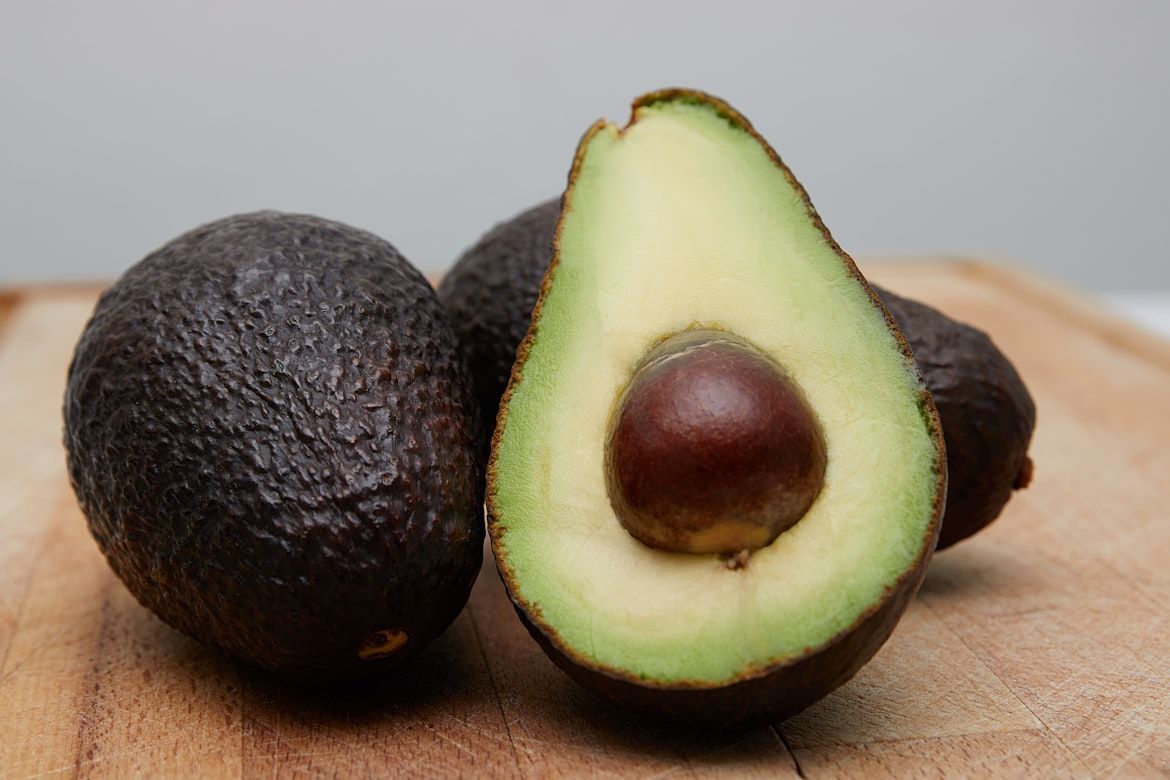
Not all fats are bad! Just like other food groups, your body needs fats to function properly. The important thing is knowing the difference between healthy fats and those that can be harmful. Foods like avocados, seeds, olive oil, fish, and nuts are rich in healthy fats. On the other hand, the fats found in processed or fried foods are the ones that can have a negative impact on your body.

9

Liver disease is always caused by alcohol or fats

Image: Elevate

Liver diseases can be serious. While heavy and frequent consumption of alcohol and fats is a major contributor, it's not the only cause. Liver problems can also result from many other factors. These include viral infections, autoimmune diseases, genetic disorders, high blood pressure, and exposure to certain chemicals.

10

Breakfast is the most important meal

Image: Brooke Lark

There's some truth to it: breakfast is important because it replenishes our glucose and energy levels and supports proper metabolism. However, the idea that it's the most important meal of the day might be an exaggeration. Everyone's body has different needs, and all meals are important, so we shouldn't skip any of them!

Looking for an extra scoop of literary fun?

Learn more with our Word of the day

subterfuge

/ˈsəbtərˌfjudʒ/