Why does the Baskin-Robbins logo hide a 31? 10 symbols, decoded


Published on May 3, 2026
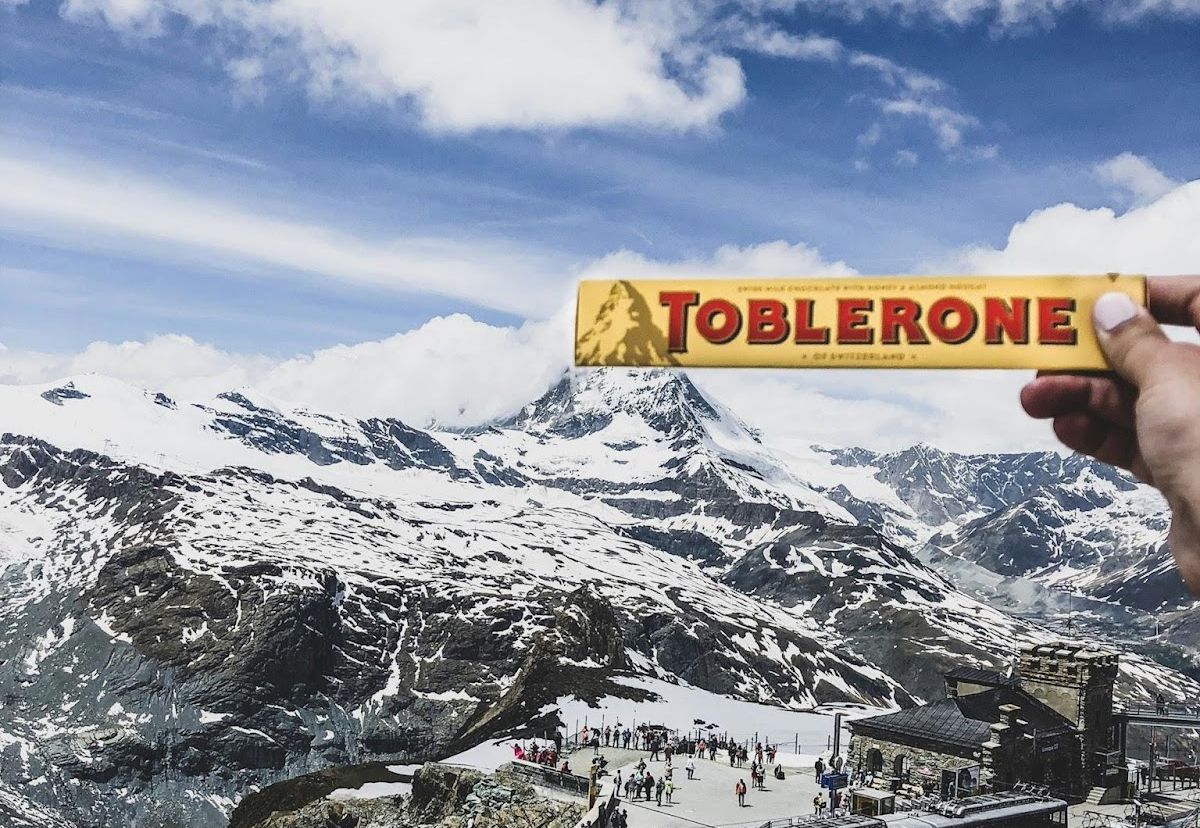

Image: Morgan Thompson

Visual symbols are making a comeback. Audiences are getting better at decoding icons, which raises the bar for logos. When companies sit down to craft a good one, they must make sure it’s memorable, iconic, and simple enough for a child to draw. Of course, the best logos will also contain information about the spirit of the brands they stand for. Let’s take a look at the meanings behind some of the most interesting brand emblems.

1


Starbucks

Image: Lisa Fotios

Sirens are a symbol of allure. It’s fitting that they should be the iconic crest of one of the most famous coffee brands in the world. Designer Terry Heckler chose to refer to the exotic origins of "Coffee-Tea-Spices" and its seafaring traders through this image, inspired by a 16th-century maritime Norse woodcut. This was also to match the spirit of the original name: "Starbuck", a character in Melville’s famous Moby Dick.

The logo of the two-tailed siren has evolved since the brand’s creation in 1971. You’ll notice that the official version until 2011 used to have the Starbucks text wrapped around it. The need for text became less relevant with the international success and fame of the brand. Now, the smiling siren alone is enough to represent Starbucks.

2

Mercedes-Benz

Image: emkanicepic

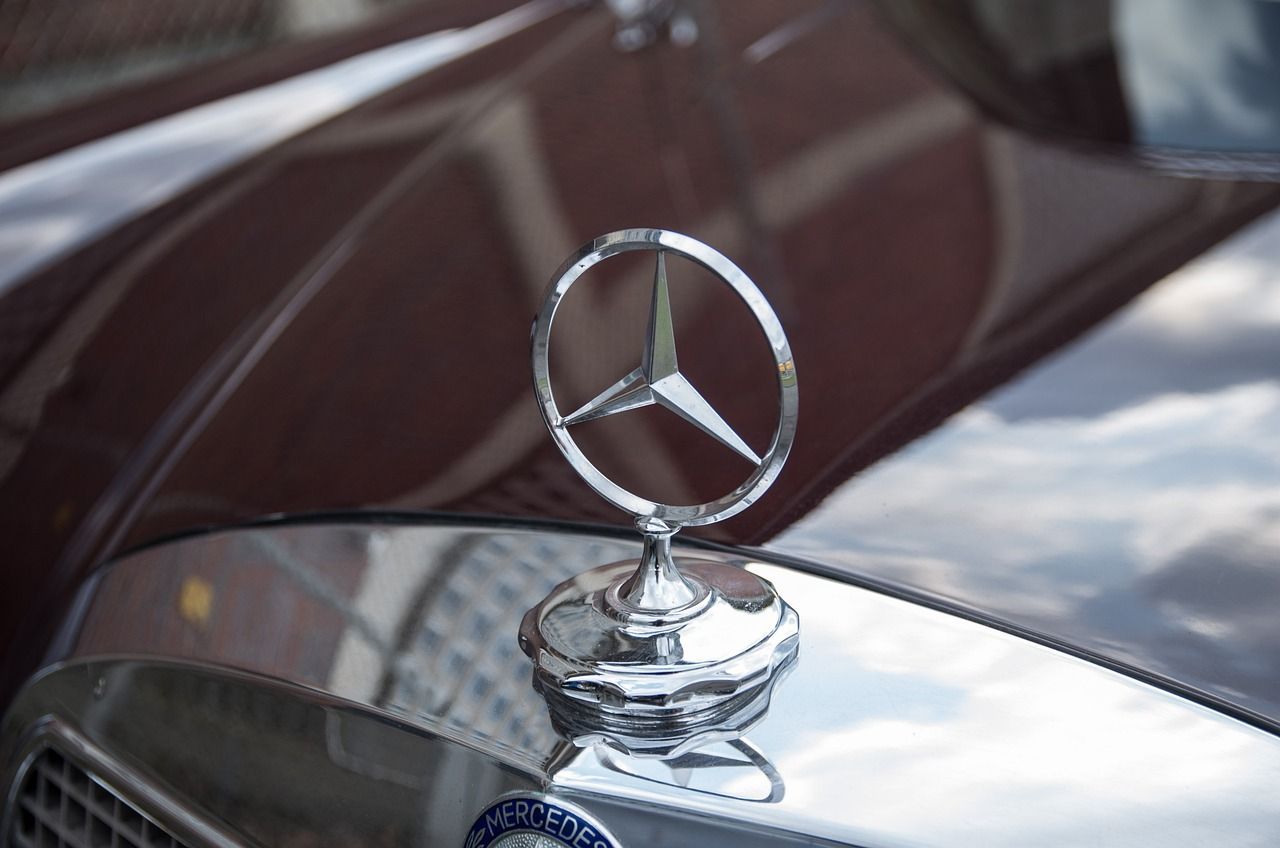
Land, sea, and air: Those were the three terrains Mercedes-Benz hoped to dominate. The three-pointed star that is the emblem of all its vehicles symbolizes the company’s prowess at building motors for transportation in the three fields.

The logo was designed by Paul and Adolf Daimler, the sons of Mercedes’ co-founder, Gottlieb Daimler. They based the idea on a star their father had once drawn on an old postcard, marking their home: to them, this stood as an inside wink to their family. For a few years, the logo incorporated a laurel ring around the star representing victory. This was eventually replaced by a simple circle, which led to the enclosed three-pointed star we know today.

3


Toblerone

Image: Safwan C K

Can you see the bear? In case you never noticed, there’s one hidden in the shading of the mountain. When Toblerone was introduced in 1908, co-creator Theodor Tobler stated that the Swiss Alps had inspired him to give the chocolate bars their iconic triangular motif. The bear was incorporated in honor of the heraldic emblem of Bern, where the chocolate was produced. Its figure is hidden in the design, which allegedly represents the iconic Matterhorn mountain.

Unfortunately, in 2023, the brand announced its need to modify its legendary logo. Switzerland no longer allowed the inclusion of national symbols in the brand when the company relocated its production to Slovakia.

4


TikTok

Image: BM Amaro

Have you ever been intrigued by the logo of one of the most famous media brands in the world? Why does it look like a buzzing neon sign?

Since its inception, TikTok has sought to inspire creativity and connection in its users. Because it was, at its core, a music-based platform where people would dance, move, or sing, the logo was purposely designed to evoke the feel of music, rhythm, and movement. Hence, the "T" shaped like a musical eighth note and the vibrant lines on its sides. These were added to recall the sensation of joy and dynamism of live concerts and to emphasize the concept of TikTok as a "stage."

5

Lacoste

Image: SJ

The French luxury sports fashion brand is easy to spot. The green crocodile always stands out in their famous plain tennis shirts.

But why a crocodile? The symbol is straightforward. Creator René Lacoste was a famous French tennis player. One time, before a match, the athlete bet his team captain a crocodile-skin suitcase that he would win. After this, the American press jokingly nicknamed him "The Crocodile." French fans continued to call him that, admiring his attitude on the tennis court. Eventually, Lacoste designed and wore the iconic tennis shirt with an embroidered crocodile, which he later sold as a product, giving birth to the company.

6

Baskin-Robbins

Image: Mooss

The pink-and-brown logo of Baskin-Robbins might remind you of strawberries and chocolate, but more flavors are hidden in it. 31, to be precise. The pink digits in the "B-R" are there to remind you of the 31 different ice creams the company had to offer when it was born, back in 1945. 31 was the resulting number after brothers-in-law Burt Baskin and Irv Robbins merged their respective ice cream parlors.

Still, since its creation, the company has gone from having one flavor for each day of the month to developing an array of over 1,400. That’s around one flavor for each day for three years and seven months.

7

NBC

Image: Norval Glover

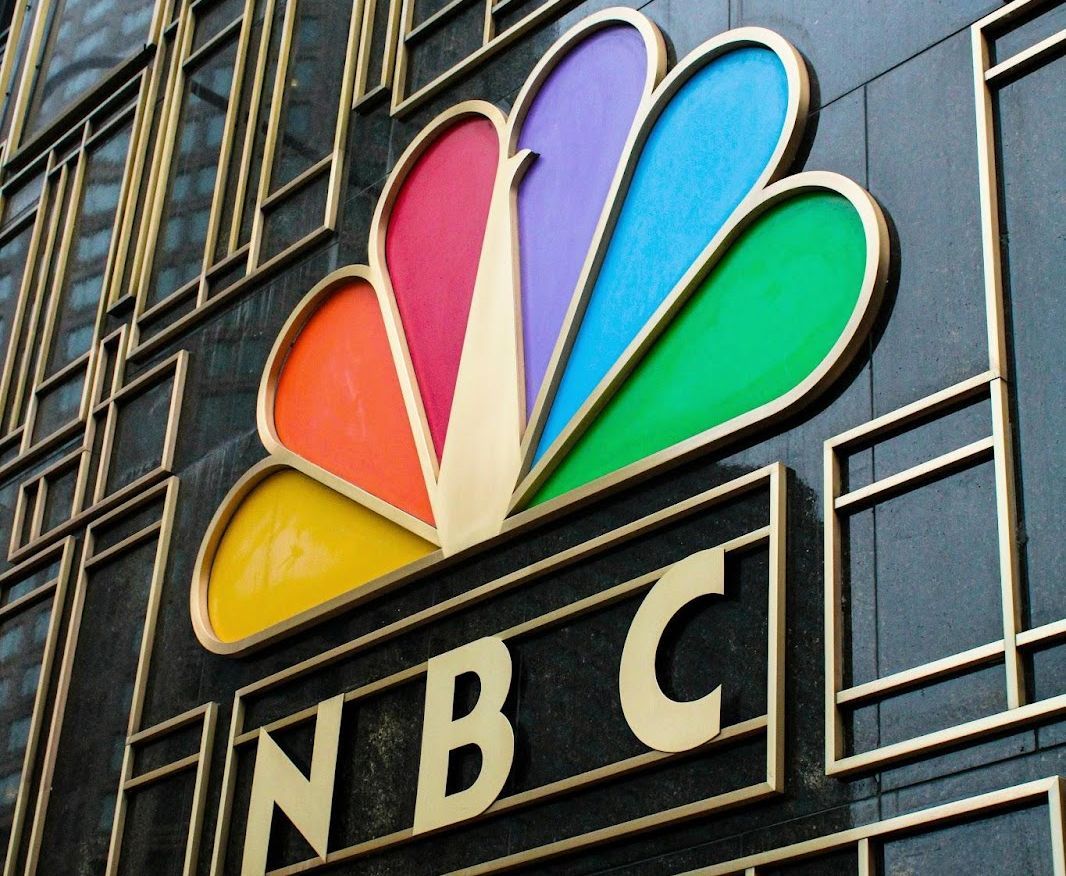
The National Broadcasting Company (NBC) didn’t need an eye-catching logo back when it was just a radio network. There was a time when the black serif letters "NBC" were enough to represent it. It all changed, however, in the 1950s when TV programming in color emerged, and RCA, which owned NBC, wanted to promote the purchasing of color TV sets.

To symbolize the new era of TV, NBC transformed its logo into one featuring a peacock surrounded by vibrant, multicolored feathers. The original version showcased a rainbow of 11 hues. Years later, the drawing was simplified and the feathers were reduced to 6 so that each would represent a different division of the network: news, sports, entertainment, stations, network, and productions.

8

Guinness

Image: jackmac34

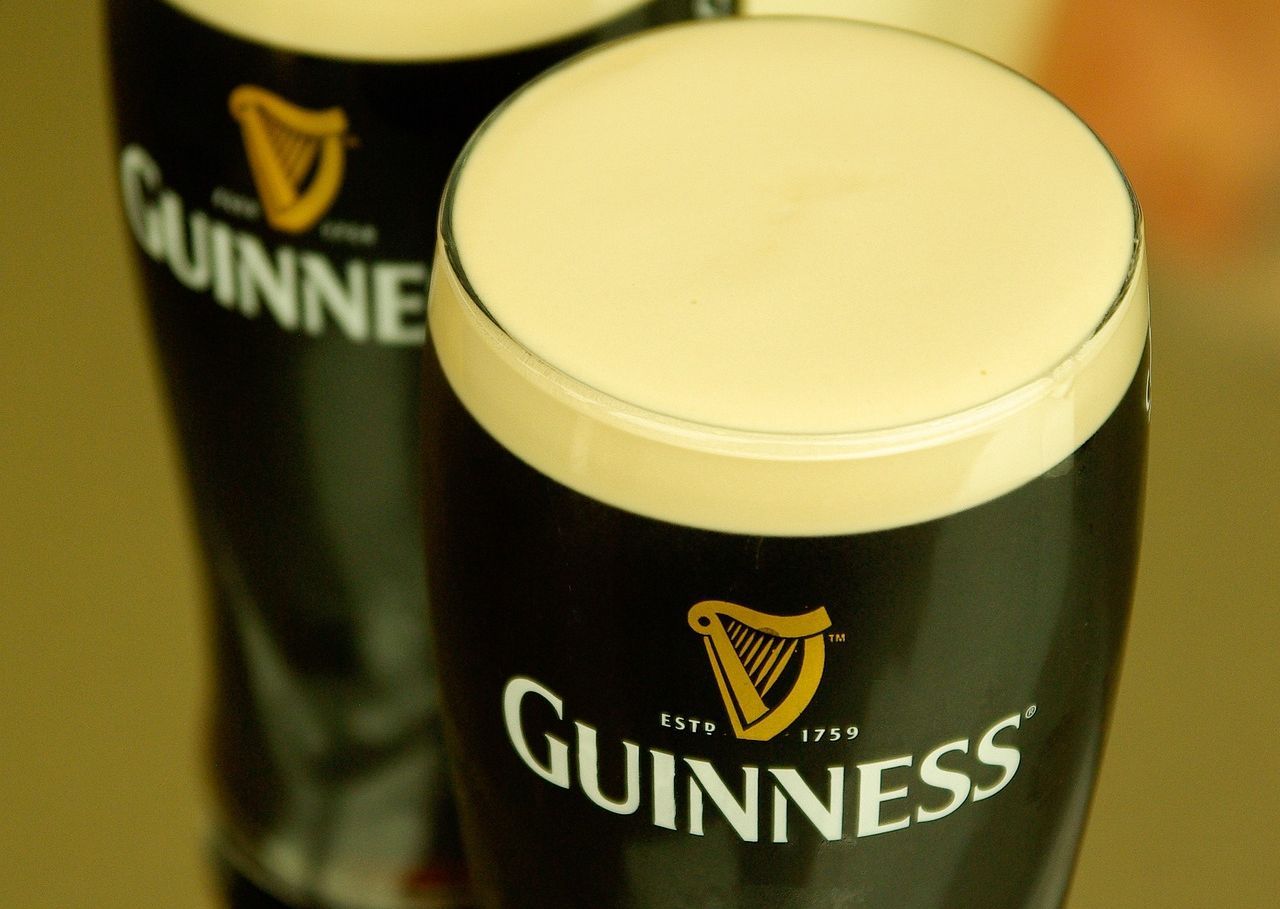
Guinness beer has been produced in Irish territory since 1759. Back in 1862, the company chose the heraldic symbol of Ireland to label their ales. The design is that of a specific harp, called the "Brian Boru harp," which is on display at Trinity College Dublin today.

Guinness as a symbol is so ingrained in Irish culture that by the time the country was independent and the Free State Government of 1922 had to officialize the State emblem, the particular image of the Irish harp was already taken. If you pay attention, you’ll see that the harp in Irish coinage has its straight edge facing right, and Guinness’s has its edge facing left. This was the solution they arrived at.

9

Apple

Image: kropekk_pl

Have you ever seen the very first Apple logo? It was created in 1976 by co-founder Ronald Wayne. It was a sketch illustration in full detail of Sir Isaac Newton sitting under an apple tree, in front of a radiant landscape, surrounded by a flowing ribbon with the words "Apple Computer Co."

Beautiful as it was, the image was hardly representative of an innovative technology-developing company. A year later, designer Rob Janoff reduced the whole concept to the now iconically simple outline of the bitten apple that we all know. The detail of the bite was just added for scale so that people wouldn’t mistake the fruit for a cherry.

10

Adidas

Image: Shyam Mishra

Very few brands have a logo so famous that it gets its own name. But that’s the case for Adidas’ "Three Stripes." The trademarked symbol of three parallel lines already traced the sporting footwear designed by Adolf Dassler’s brand in 1949. Although this was initially an aesthetic decision to make the shoes stand out, eventually the three bars were incorporated into the logos.

Over the years, Adidas has created different logos to represent its different branches, like its Originals or Performance products. Whether it be the staggered lines symbolizing the challenge of climbing a mountain or the trefoil version representing the brand’s diversity of apparel, every image of Adidas is crossed by the three iconic lines.
10 weird historical events that no one has been able to explain (yet)


Published on May 3, 2026


Image: Walters Art Museum, Public domain, via Wikimedia Commons

Who doesn't like a good mystery? And if the mystery isn’t a work of fiction but the result of a true story, even better! The great unsolved enigmas of history are absolutely fascinating. Some have been solved over time, but there are still many old secrets for which neither scientists nor historians have found an explanation—yet. Time-travel with us as we uncover 10 of the biggest historical mysteries that will probably never be cracked!

1

A ghost island

Image: Tanner, Henry S., Public domain, via Wikimedia Commons

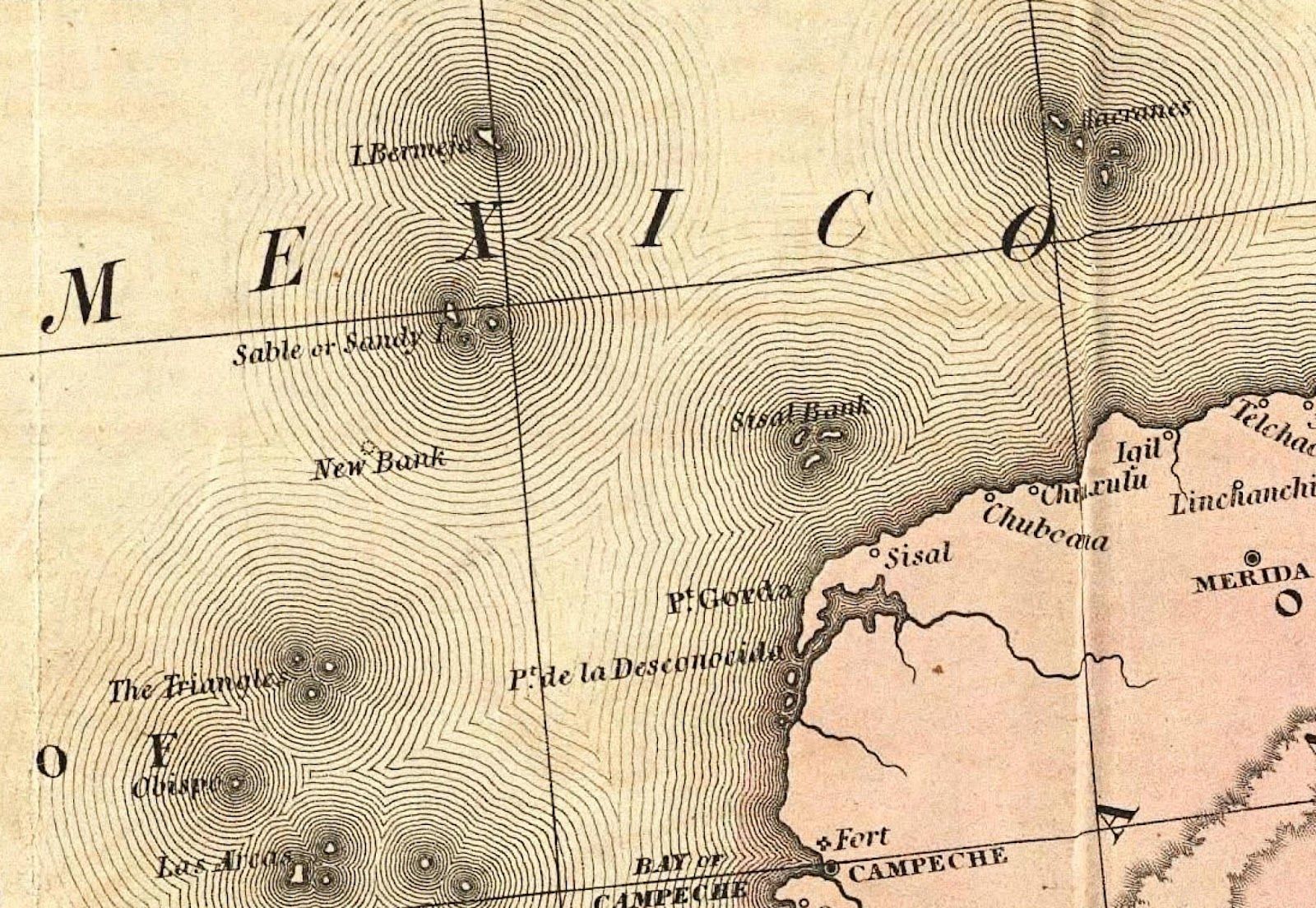
Bermeja Island is mentioned in navigation texts written by European travelers and appears in cartography from the 16th to 19th centuries. Old maps place it off the north coast of the Yucatán Peninsula; however, multiple searches over the years have yielded no concrete evidence of its existence.

So, what happened to Isla Bermeja? Was it a cartographic error? Did it sink due to a tidal wave? Because of its geopolitical significance, some have even suggested that it was blown up by the CIA! A 2009 study by the Autonomous University of Mexico concluded that Isla Bermeja does not exist today, nor were any traces found at its supposed coordinates. Yet, it will forever remain a mystery that will surely keep many entertained.

2

The longest alien signal ever

Image: Credit: Big Ear Radio Observatory and North American AstroPhysical Observatory (NAAPO)., Public domain, via Wikimedia Commons

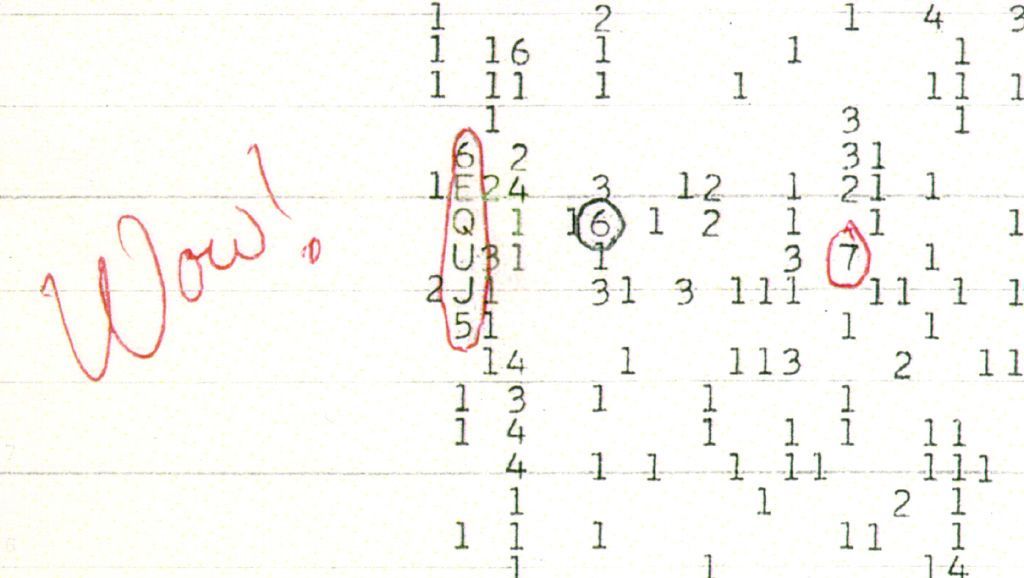
In 1977, Ohio State University’s Big Ear radio telescope, used in the search for extraterrestrial intelligence, detected a signal now known as the Wow! signal. While reviewing the data, astronomer Jerry R. Ehman noticed a sequence represented as "6EQUJ5." Baffled by the anomaly, he circled it and wrote "Wow!" in the margins.

The signal lasted 72 seconds and, unfortunately, has never been repeated. To this day, no one can fully explain the phenomenon, although some suggest it may have come from a man-made source. Still, the Wow! signal remains one of the strongest candidates for potential extraterrestrial contact ever detected.

3

The disappearance of an entire Inuit village

Image: Edward S. Curtis, Public domain, via Wikimedia Commons

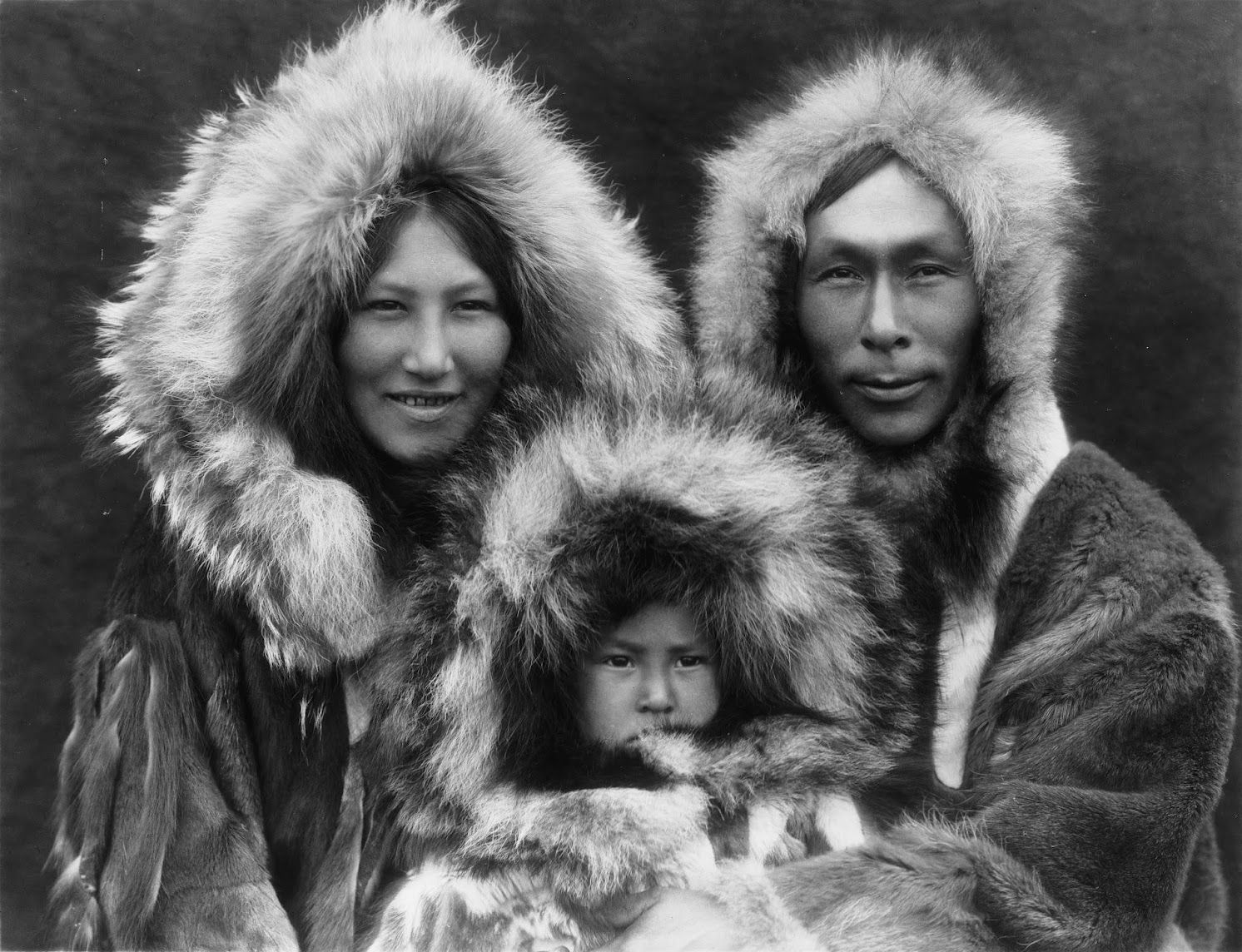
How is it possible for an entire village to vanish without a trace? Believe it or not, this is said to have happened nearly a century ago. According to lore, a small Inuit village in Canada was well known among fur trappers who visited regularly to trade. But in 1930, something very strange supposedly occurred.

A hunter named Joe Labelle claimed he visited the village one day and couldn’t find a single person. Reports said there were guns and food left behind, and even claims that the graves in the cemetery were empty. A thorough investigation, however, found no conclusive evidence of what happened to the villagers. Some witnesses from nearby towns even reported seeing a huge green light. Theories ranged from mass migration to extraterrestrial abductions. The Royal Canadian Mounted Police has since dismissed the case as an urban legend. Some still believe the story to be true.

4

The Joyita Mystery

Image: bbb

We know thousands of shipwreck stories, but this one is quite unique. The MV Joyita, designed to be nearly unsinkable, was found adrift in the South Pacific, practically unharmed, but the crew had disappeared completely.

In October 1955, the American merchant vessel left the port of Apia in Samoa with 16 crew members and 9 passengers bound for the Tokelau Islands. After days without news, a rescue mission was launched. Five weeks later, the Joyita was spotted more than 600 miles west of its intended route. The vessel was partially submerged, and there was no sign of the passengers or crew. Four tons of cargo and all three life rafts were missing. They were never seen again.

5

A mummy and a mysterious fluid

Image: Gary Todd from Xinzheng, China, CC0, via Wikimedia Commons

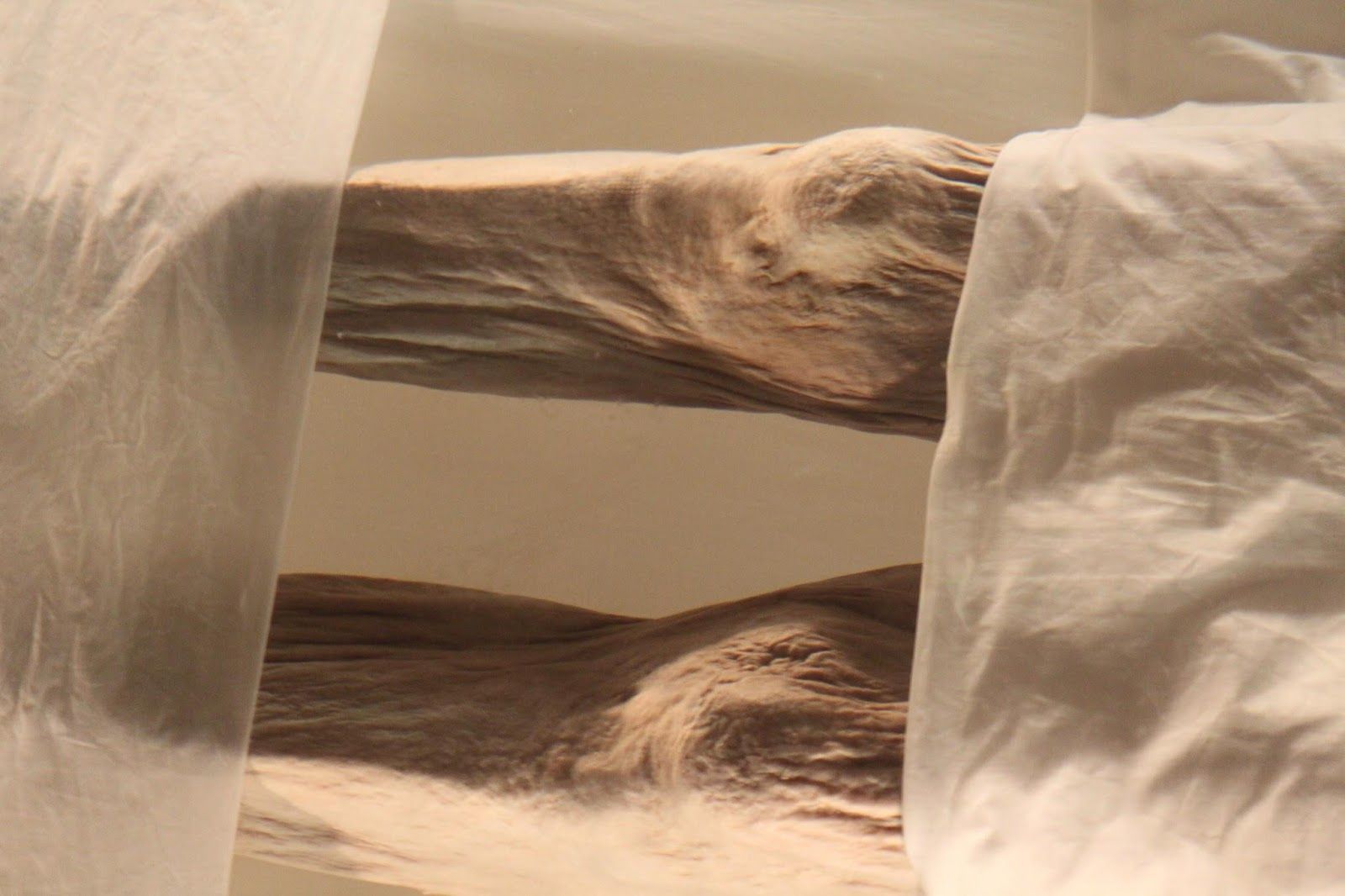
Do you know where one of the best-preserved mummies was found? Hint: not in Egypt. Xin Zhui, the Marquise of Dai during the Western Han Dynasty in China, was discovered in her tomb at Mawangdui 2,000 years after her death, along with hundreds of valuable documents and artifacts.

What makes this mummy so extraordinary is how well-preserved her body is. Her organs and veins remain intact, and she still has hair and even eyelashes. Scientists analyzed the fluid present in the coffin and discovered it was acidic and contained salt and magnesium. They believe this mysterious liquid may have been responsible for preserving Xin Zhui so well. What they don’t know is whether it was intentionally poured into the coffin or came from the body itself.

6

A missing prime minister

Image: Yoichi Okamoto, Public domain, via Wikimedia Commons

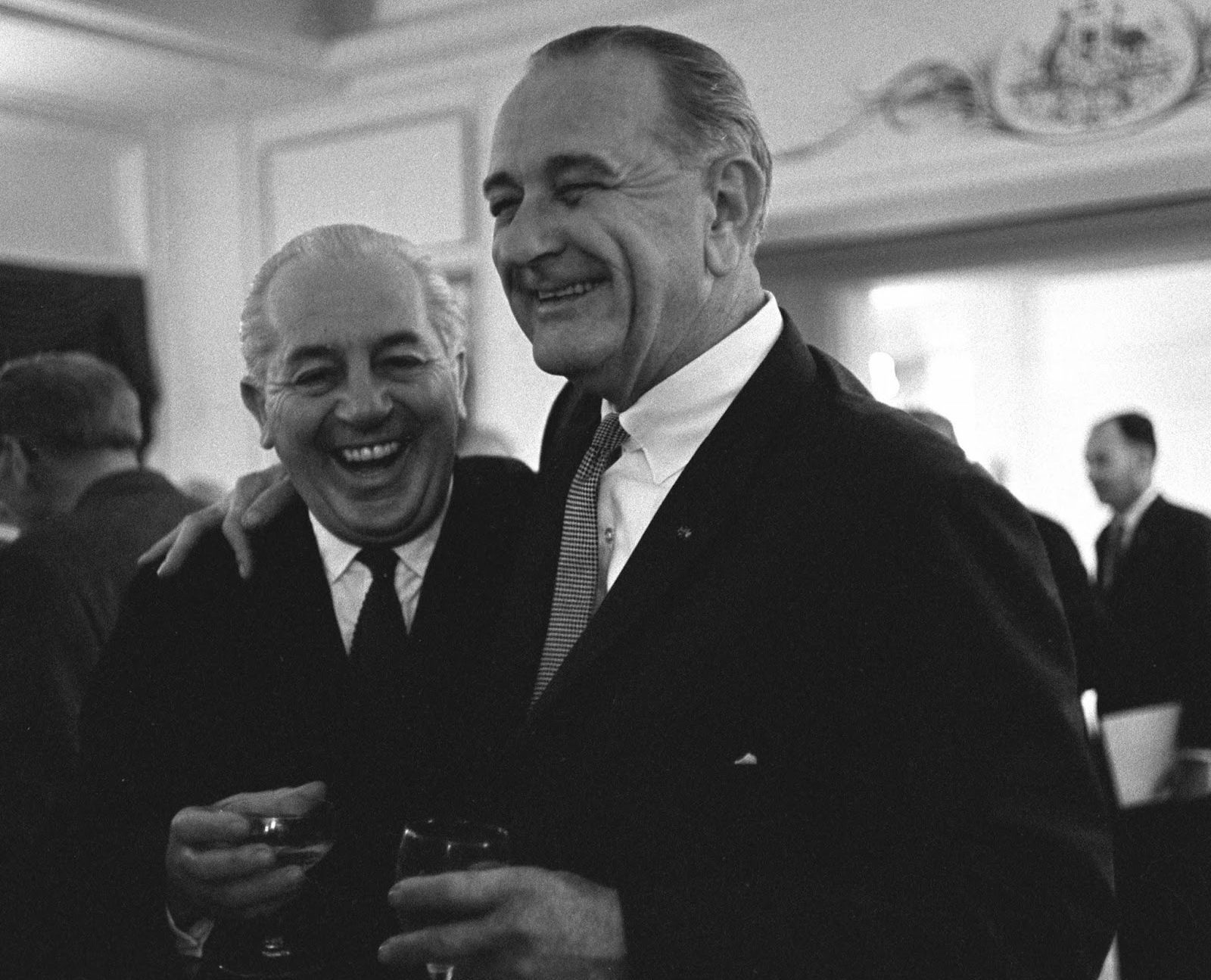
The United States has its fair share of presidents who died while in office, but none of our 45 presidents have ever disappeared without a trace. Did you know that this actually happened in The Land Down Under?

Harold Edward Holt was the Prime Minister of Australia from 1966 until his presumed death in 1967. He loved the ocean and spearfishing. During a weekend trip with friends, Holt visited the remote Cheviot Beach to take a swim. Rough sea conditions that day caused him to be swept away by the waves, and he never reappeared. Despite an intensive search, his body was never found, which has given rise to numerous conspiracy theories. Ironically, Australians built the Harold Holt Memorial Swimming Centre in Melbourne in his honor.

7

The anonymous hijacker

Image: FBI, Public domain, via Wikimedia Commons

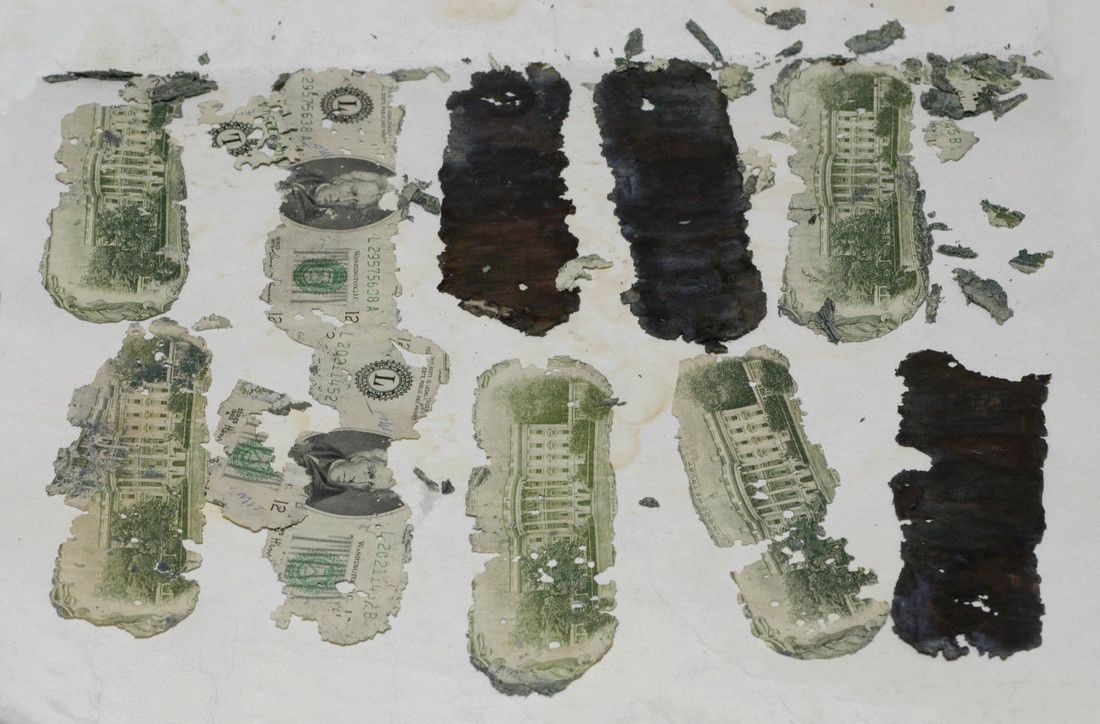
Many famous criminals have managed to remain unidentified for decades, but the D.B. Cooper case is something else entirely. In 1971, Cooper boarded a flight from Portland to Seattle. Shortly after takeoff, he showed a flight attendant a device he claimed was a bomb and demanded four parachutes and $200,000 in cash.

The crew landed to meet Cooper’s demands in exchange for the passengers and then took off again. As the plane flew over southwestern Washington, Cooper jumped into the cold, rainy night carrying his haul. His whereabouts and true identity were never discovered, although it is likely he didn’t survive the jump. In 1980, some of the ransom money was found near the Columbia River. Although the FBI officially closed the case in 2016, amateur sleuths continue to try to crack it.

8

Dancing to death

Image: Pieter Brueghel the Elder, Public domain, via Wikimedia Commons

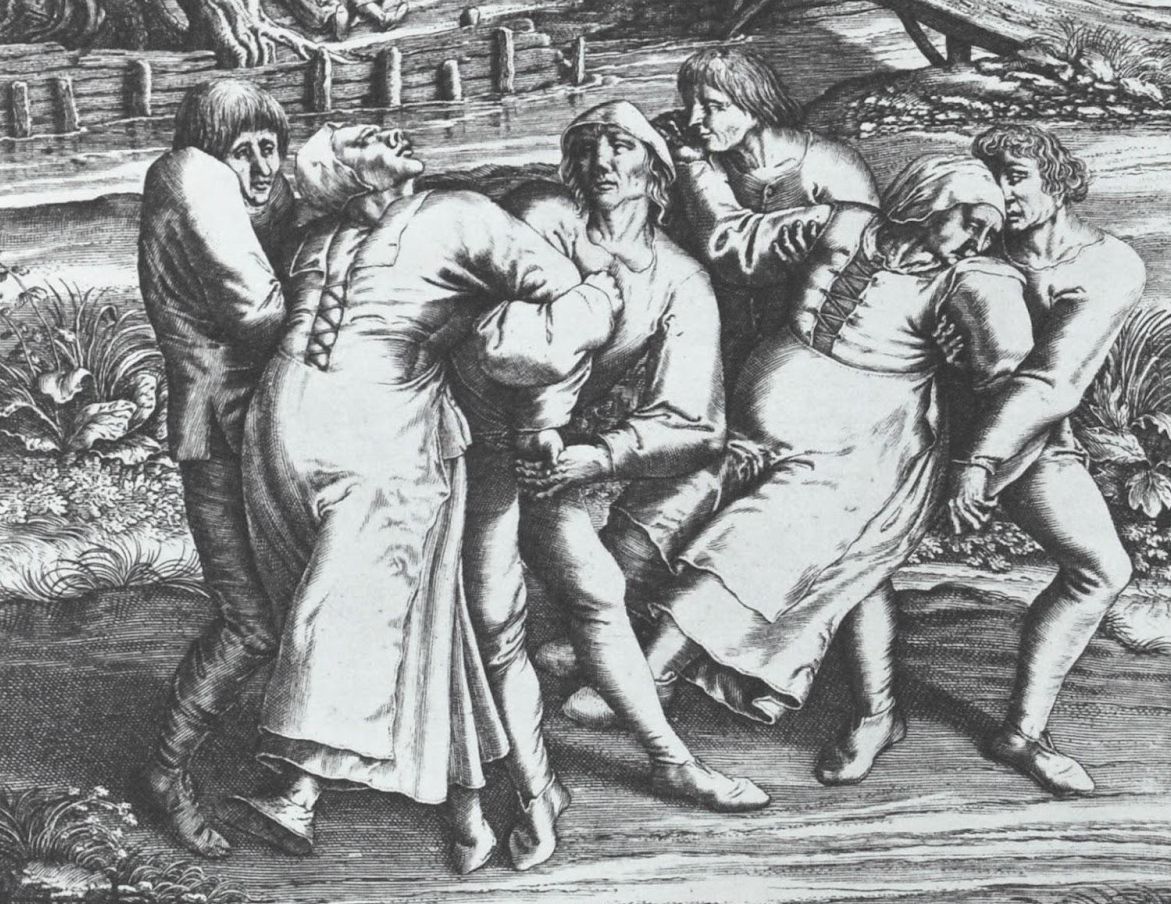
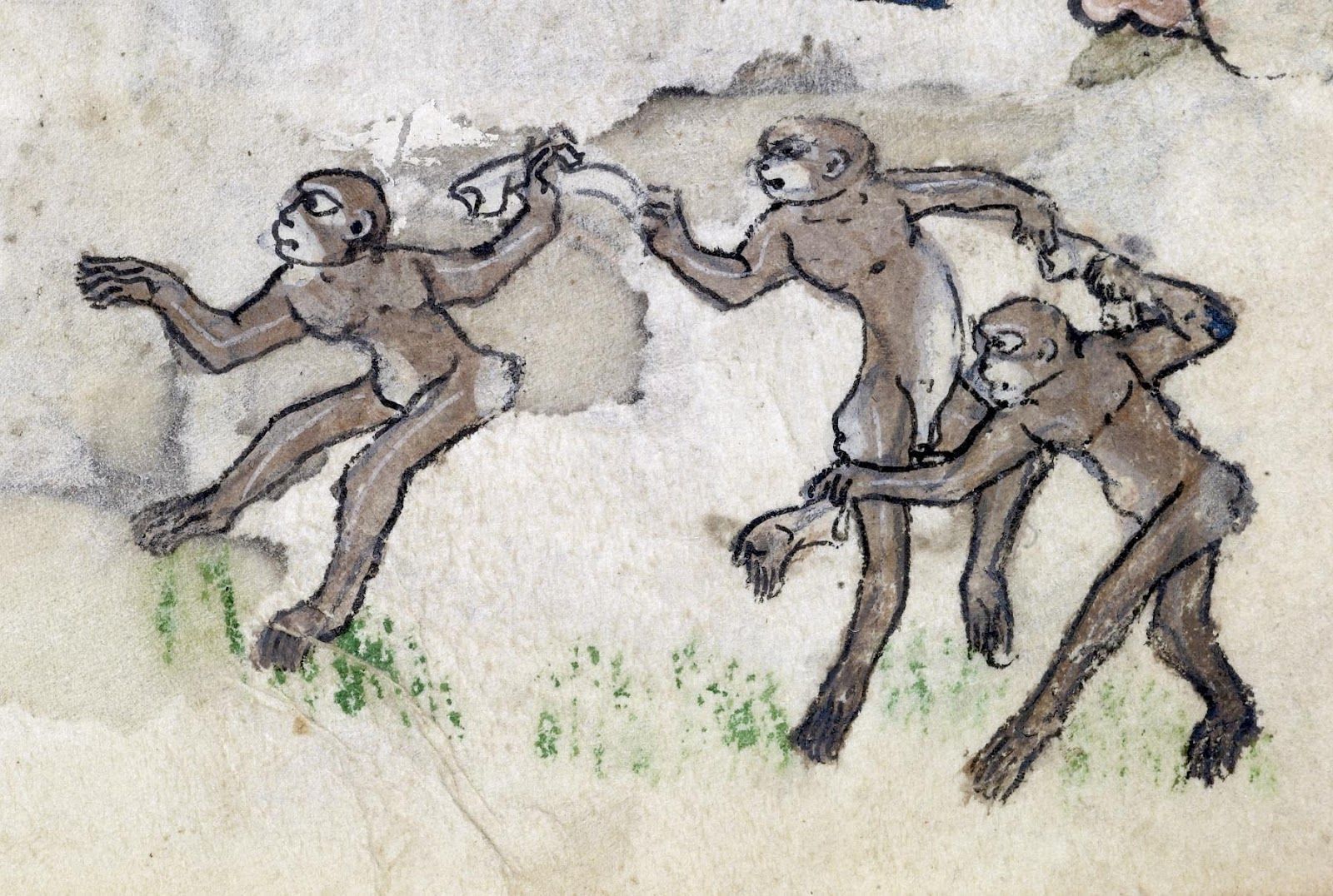
Can you imagine an epidemic where the main symptom is uncontrollable dancing? Sounds like science fiction, doesn’t it? Yet this really happened during the Middle Ages. In 1518, a dancing plague struck Strasbourg, Alsace, in what is now France. This strange condition affected up to 400 people, making them dance frantically for weeks. It is said that some even died of heart attacks, exhaustion, or strokes.

Doctors and authorities tried all kinds of measures to stop the spread. They even banned music for a while! To this day, scientists are not certain what caused this bizarre condition: it may have been food poisoning from toxins in the ergot fungus, or perhaps a case of stress-induced mass hysteria.

9

A manuscript no one understands

Image: Public domain, via Wikimedia Commons

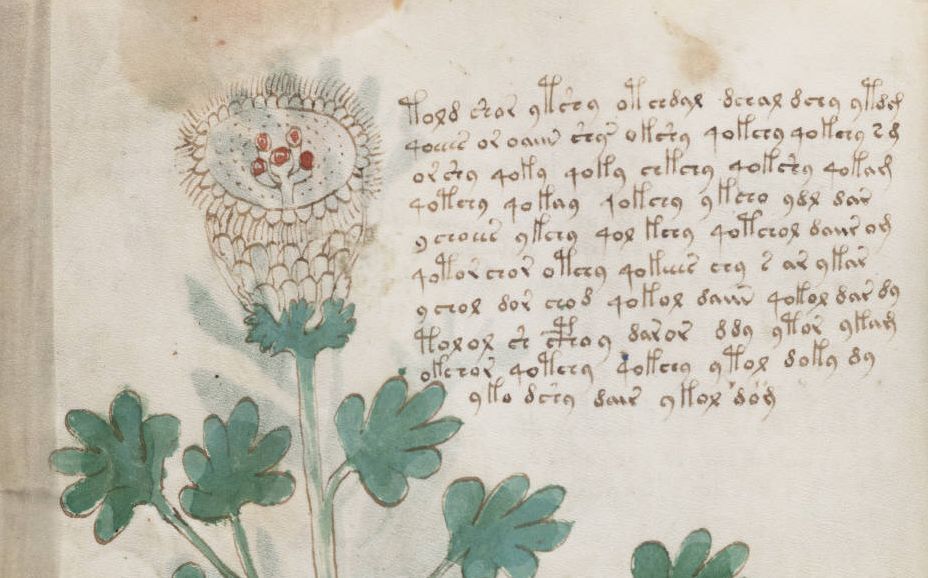
The Voynich manuscript is a codex written roughly 500 years ago in an unknown language and writing system by an anonymous author. Known as Voynichese, the manuscript was named after Wilfrid Voynich, a Polish bibliophile and antiquarian who purchased it in 1912.

Radiocarbon testing has shown that it dates to the early 15th century. Many cryptographers and codebreakers have attempted to decipher its roughly 240 pages without success. The manuscript contains diagrams and illustrations of unknown plants and astrological symbols. Some believe it may be a made-up language, a secret code, a work of fiction, or even a hoax. If you think you can solve this mystery, the Voynich manuscript is available for viewing at Yale University’s Beinecke Rare Book and Manuscript Library.

10

An ancestor of movable-type printing

Image: Bernhard

Similar to the Voynich manuscript, the Phaistos Disc is a fired clay disc believed to have been created during the Bronze Age. It was discovered by an Italian archaeologist in the basement of a palace in Crete, Greece, in 1908.

What makes this disc fascinating is that it contains a mysterious message. Stamped into the clay is a set of signs, forming a text that many scientists have tried to decipher—without success. It is considered an early attempt at printing, a technological innovation that would not become widespread for several centuries. While enthusiasts still hope the enigma can be solved, this is unlikely unless other documents are discovered to provide context.

Looking for an extra scoop of literary fun?

Learn more with our Word of the day

negate

/nəˈɡeɪt/