One fragment at a time

These 10 beloved novels were published one chapter at a time


Published on August 20, 2026
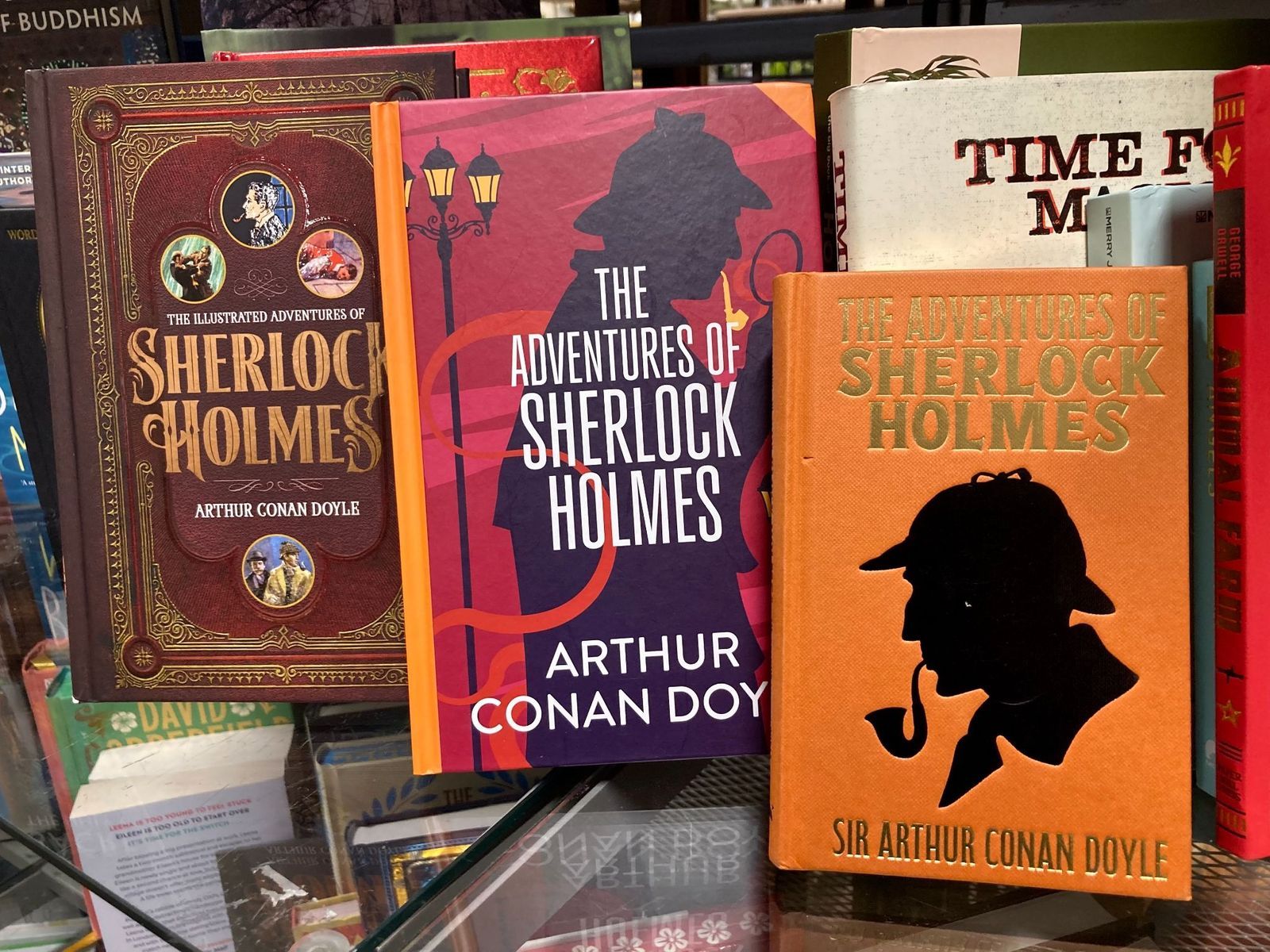

Image: Steve Travelguide

Back in the day, fiction wasn’t pre-ordered online and launched in bookstores with shiny, colorful covers. Instead, many of the titles we call literature classics were first printed in cheap paper magazines that flocks of readers returned weekly or monthly to: That was the only way to know how Sherlock Holmes solved complicated mysteries, or whether Jim Hawkins survived the pirates in Treasure Island. Here are 10 stories behind novels that made audiences fall in love, one chapter at a time.

1

Treasure Island, by Robert Louis Stevenson
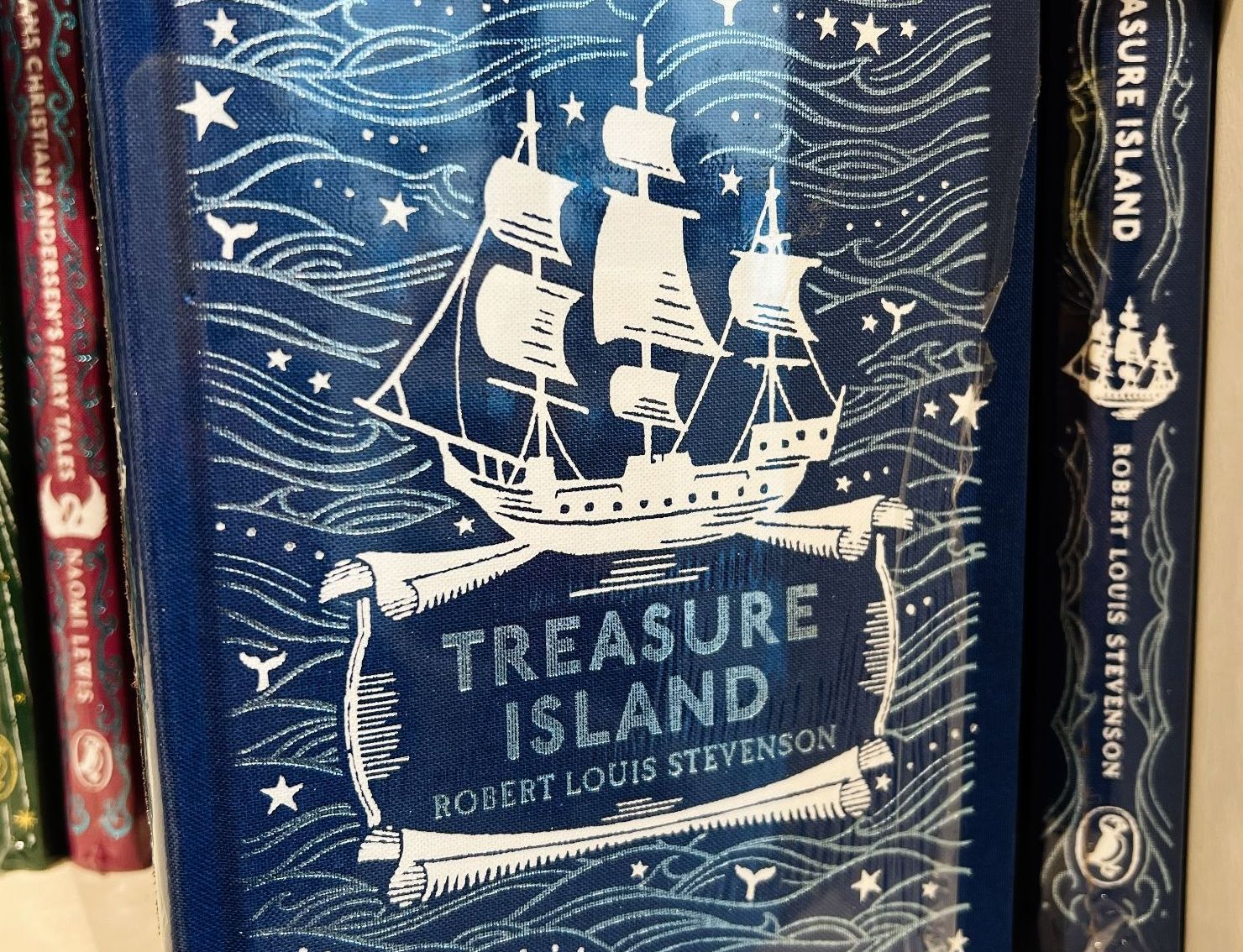
Image: AS project

The book that hooked young readers with the pirates’ genre flopped initially. When Robert Louis Stevenson's tale of seafarers and buried gold began running in the children's weekly Young Folks in 1881, it didn’t garner many fans. The story was printed under the pseudonym "Captain George North," and went out in seventeen installments spread across four months.

Even Stevenson's own wife, Fanny, disliked it enough that she argued against its ever becoming a book. But Stevenson pressed on and wrote a famous introduction charmingly defending the genre. The book was published by Cassell & Co. two years later, this time under his real name. The response was immediate: a bestseller, plus the template for how the world would picture pirates ever after.

2

The Adventures of Sherlock Holmes, by Arthur Conan Doyle
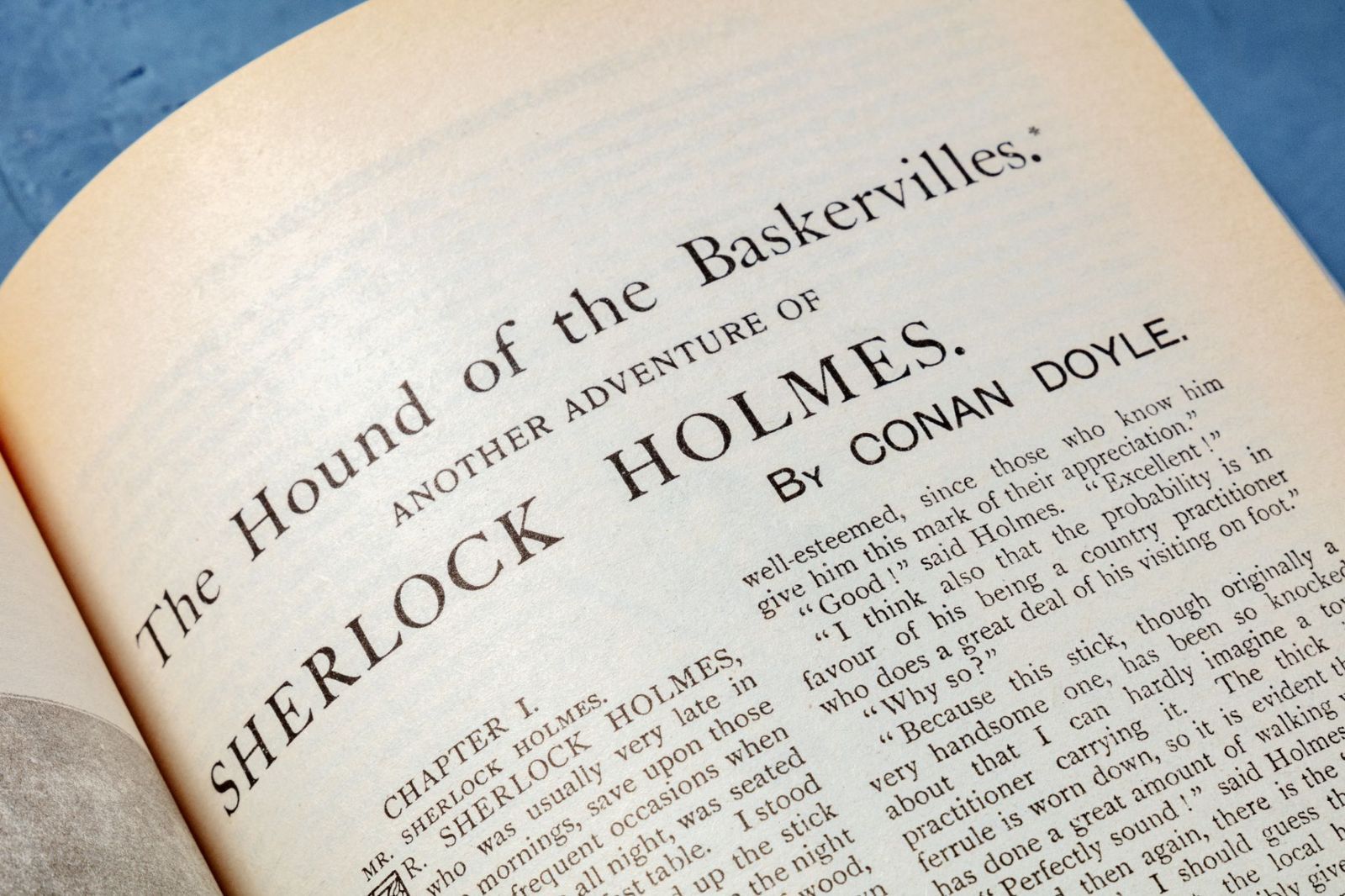
Image: Plateresca

Sherlock Holmes never wore a deerstalker cap in Arthur Conan Doyle's original text. That image came from illustrator Sidney Paget, hired to accompany the twelve stories that ran monthly in The Strand Magazine from July 1891 to June 1892.

The format itself was the real innovation: rather than one long serialized novel, readers got a complete, satisfying mystery every month, always featuring the same detective and his loyal Dr. Watson.

It worked very well. Subscriptions to The Strand climbed so sharply that Doyle was able to demand a raise before writing his next batch of cases. When George Newnes published the stories together as a book later that year, Holmes was already a household name.

3

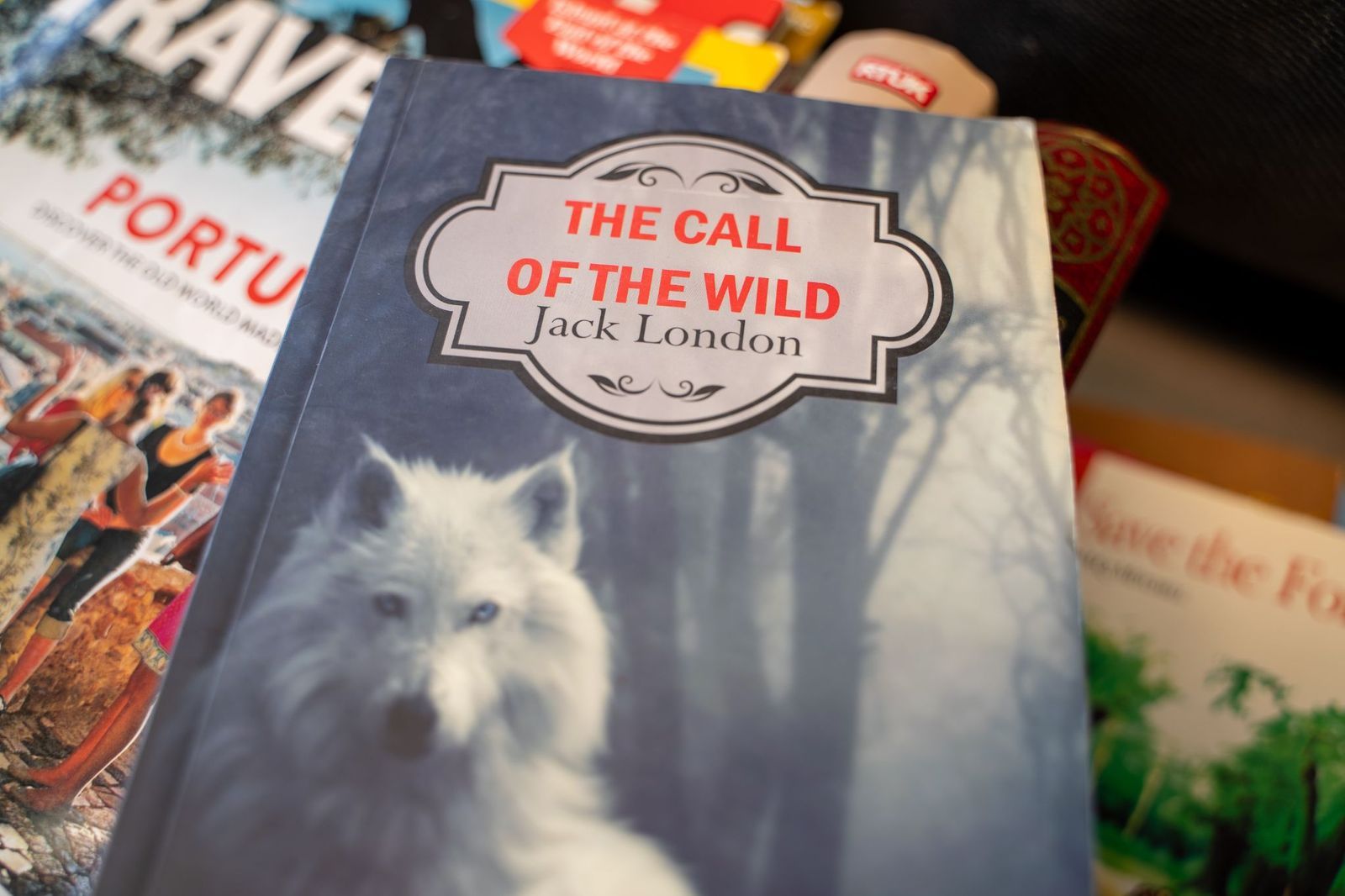
The Call of the Wild, by Jack London

Image: Erman Gunes

Writer Jack London needed money fast, so in January 1903 he mailed off a manuscript about a dog named Buck to The Saturday Evening Post. The idea had come from the year he had spent in the Yukon. The editor liked it, but asked London to trim five thousand words.

He agreed, priced his labor at three cents a word, and cashed a check for $750 (roughly $28,000 today). The story ran over a summer across several issues of the Post, a magazine better known for genteel fiction than tales of sled dogs clawing their way back to savagery in the Klondike. Just twenty-two days after that first payment, the Macmillan publishing house bought the book rights for $2,000 (roughly $76,000 today). When the novel appeared that August, its first printing of 10,000 copies sold out immediately.

4

Tarzan of the Apes, by Edgar Rice Burroughs
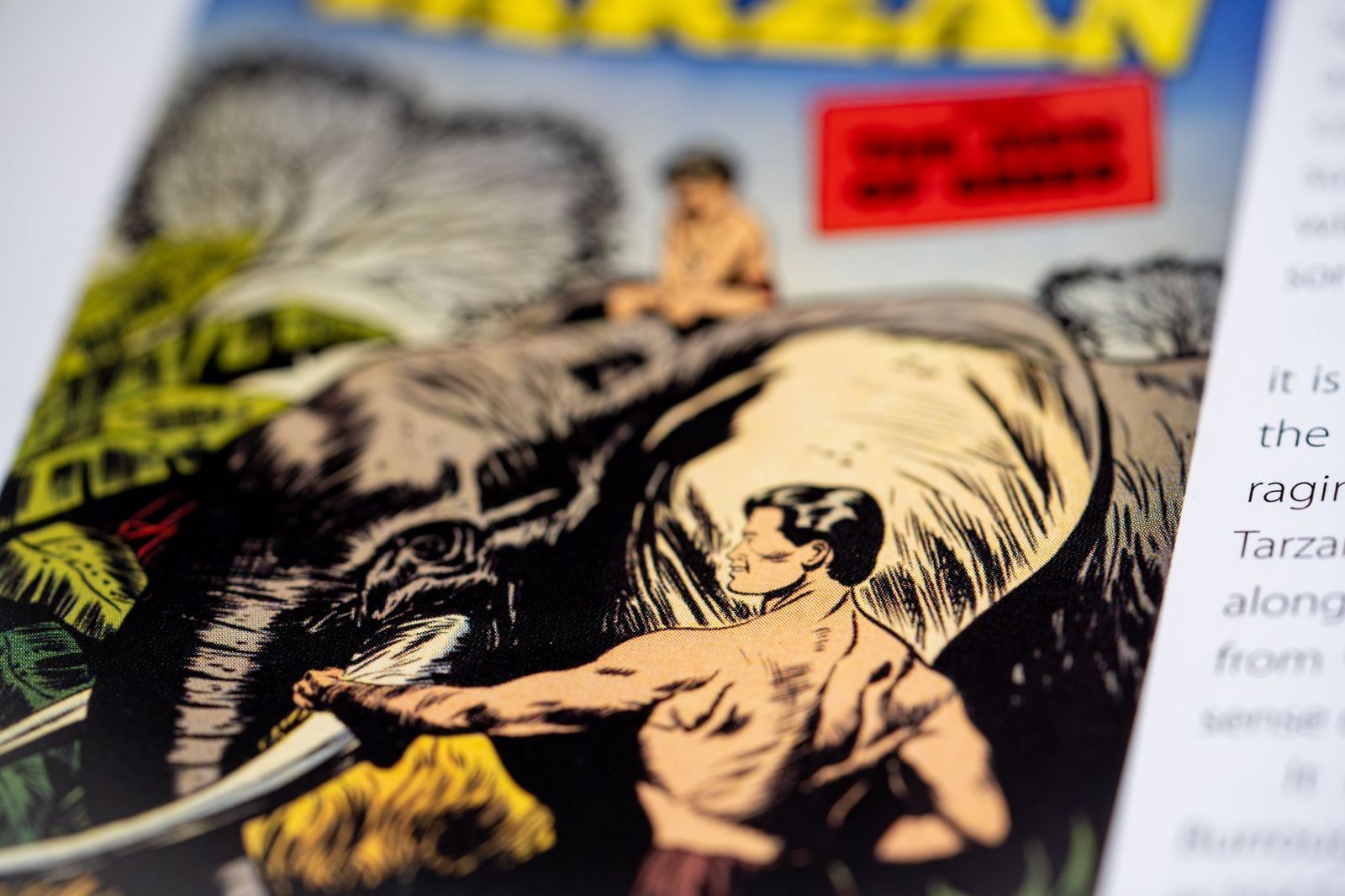
Image: Erman Gunes

Tarzan's debut wasn't serialized the way most magazine fiction of 1912 was. Editor Thomas Metcalf ran the entire novel, uncut, in one issue of the pulp All-Story that October, an almost unheard-of gamble.

Edgar Rice Burroughs, a failed soldier and failed businessman turned struggling writer, received $700 (roughly $24,000 today) for it, enough to convince him he could write for a living. But when he brought Metcalf a sequel the following year, Metcalf turned it down, twice.

Burroughs took The Return of Tarzan to a rival pulp instead, which ran it as a conventional seven-part serial and paid him even more money than before: $1,000. Every Tarzan novel that followed stuck to that same magazine-first formula. The books didn’t arrive until 1914.

5

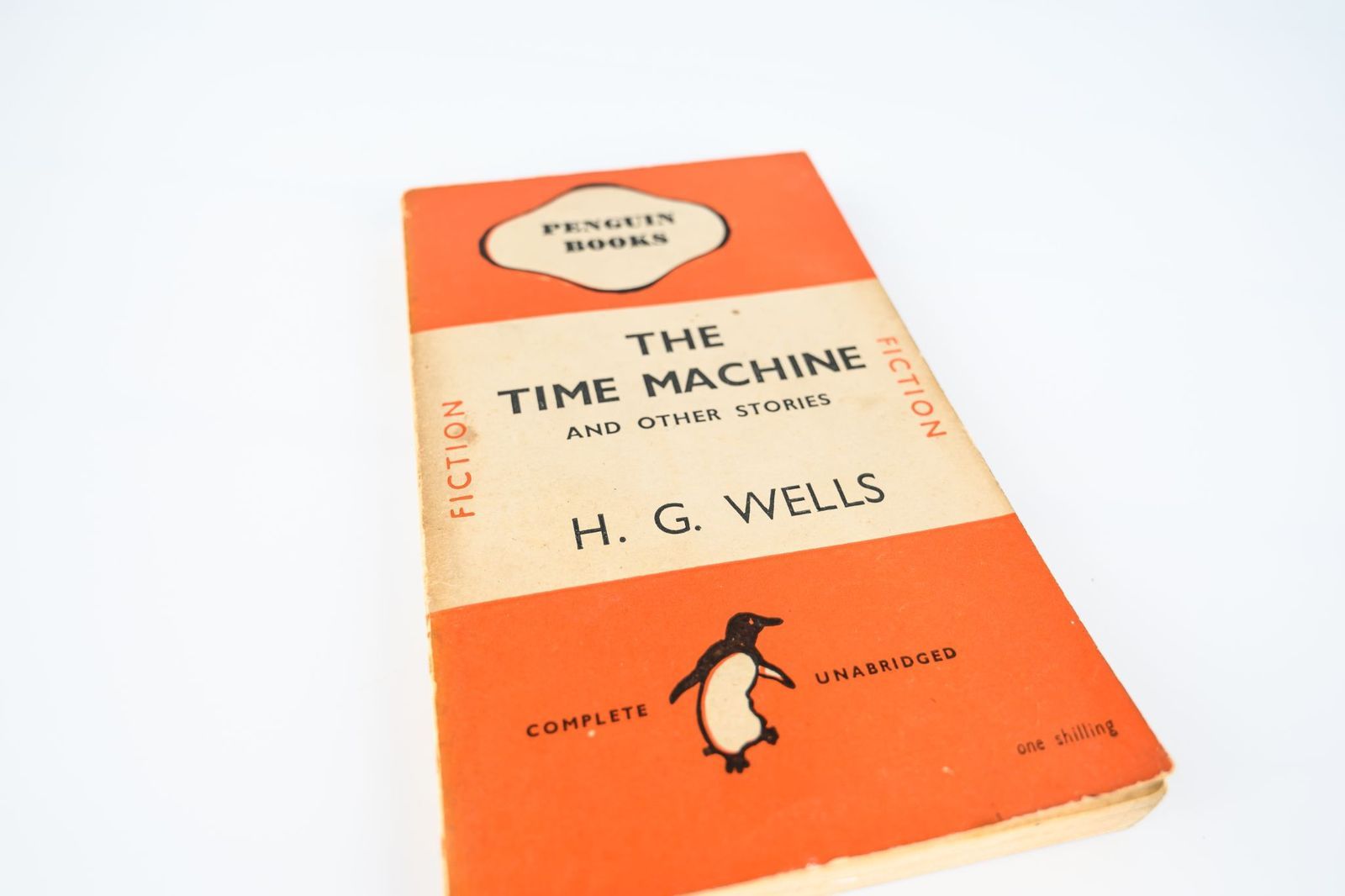
The Time Machine, by H. G. Wells

Image: SJBright

H. G. Wells spent seven years failing to get this story right. It began as a college magazine serial in 1888, and resurfaced incomplete in a newspaper called the National Observer in 1894. But it didn't find its final shape until editor William Henley asked Wells to expand it into a five-part serial. Wells agreed, was paid £100 (around $23,000 today), and watched the story run over 5 months in 1895. Readers liked it.

When book publications soon followed on both sides of the Atlantic, the American edition misprinted the author's name as "H. S. Wells," an error they had time to correct, since it has never been out of print.

6

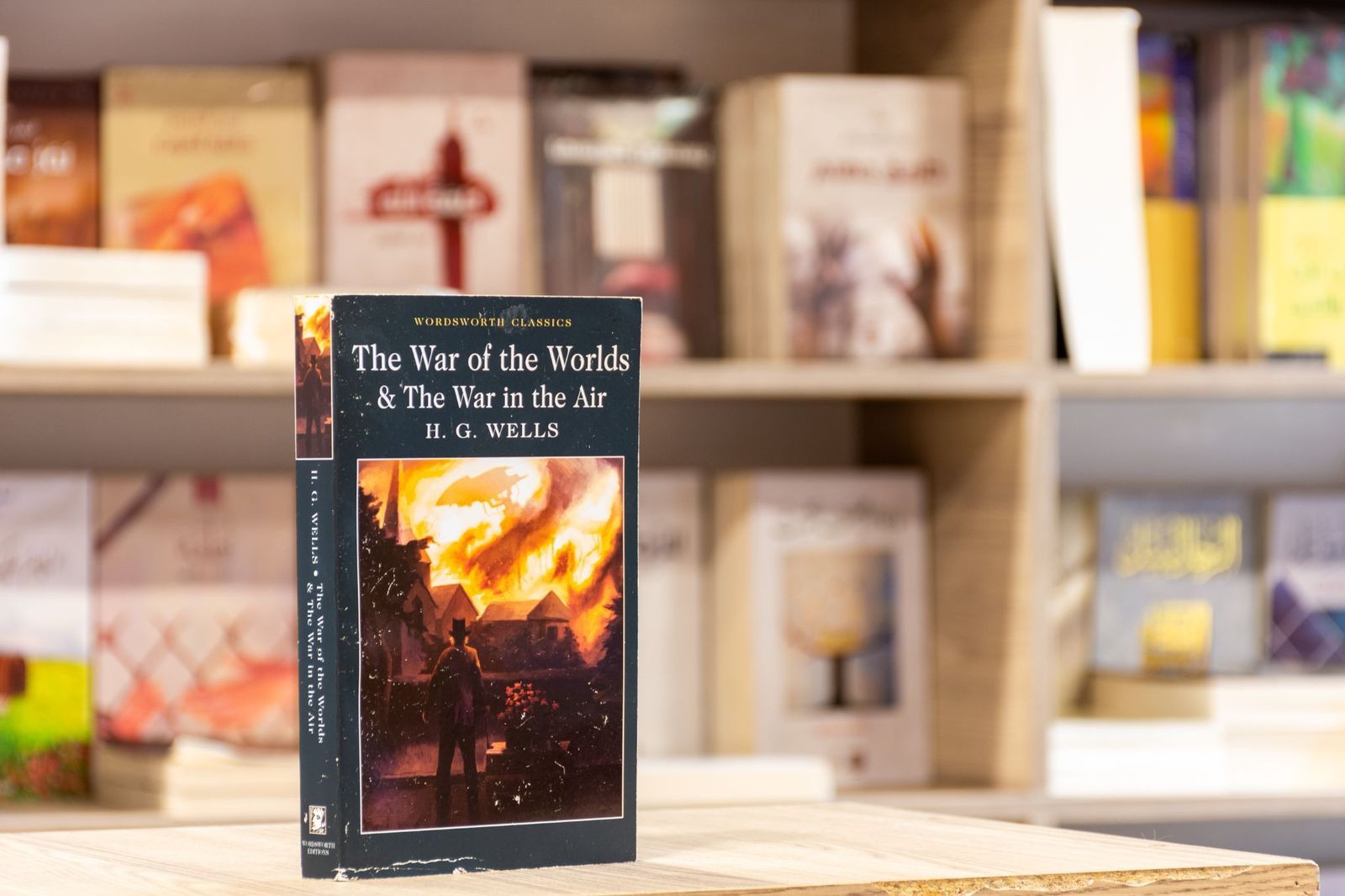
The War of the Worlds, by H. G. Wells

Image: hamdi bendali

The idea of a Martian invasion was handed to H. G. Wells by his brother Frank. During a walk through the English countryside, Frank idly wondered aloud what would happen if beings from another planet suddenly dropped out of the sky. Wells took it upon himself to imagine the answer and wrote it down.

For the story, the British magazine Pearson's paid him the current equivalent of $45,200, though the editor insisted on knowing how it ended before agreeing to run it. It simultaneously ran in Cosmopolitan in America, from April to December 1897.

It proved so popular that unauthorized versions soon popped up in American newspapers, including one from William Randolph Hearst. The authorized book followed in 1898.

7

Uncle Tom's Cabin, by Harriet Beecher Stowe
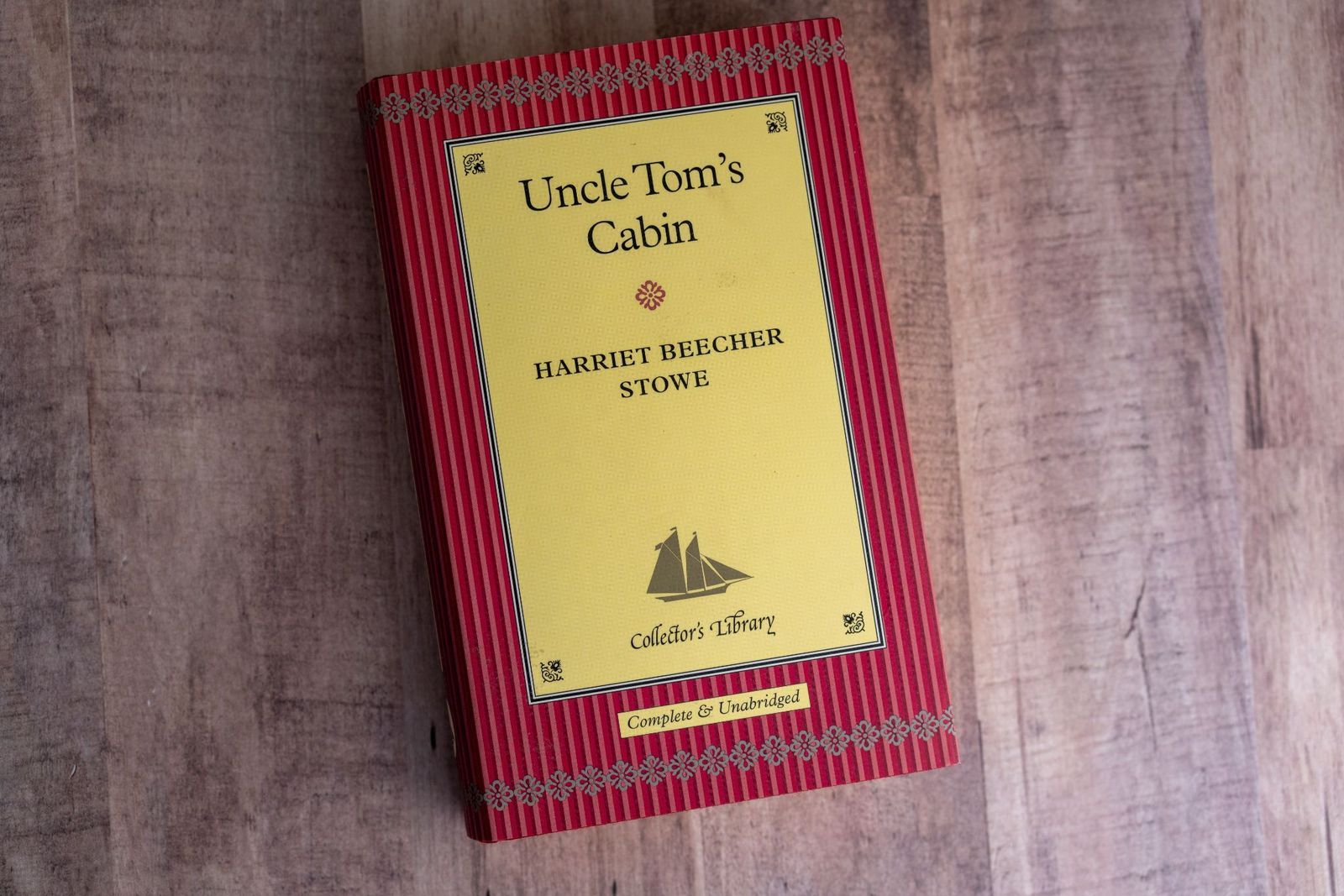
Image: MKPhoto12

In 1851, the abolitionist newspaper The National Era paid Harriet Beecher Stowe, a 40-year-old mother of six, the equivalent of $13,000 today) for a short antislavery narrative in three parts.

She kept writing and writing. It stretched into forty weekly installments over ten months, with readers so invested that they wrote in to protest whenever she missed a week. By the time the serial ended in 1852, publisher John P. Jewett had already arranged to release it as a book.

It sold 10,000 copies in its first week alone, 300,000 within the year in the U.S., and 1.5 million more across England.

8

The Martian Chronicles, by Ray Bradbury
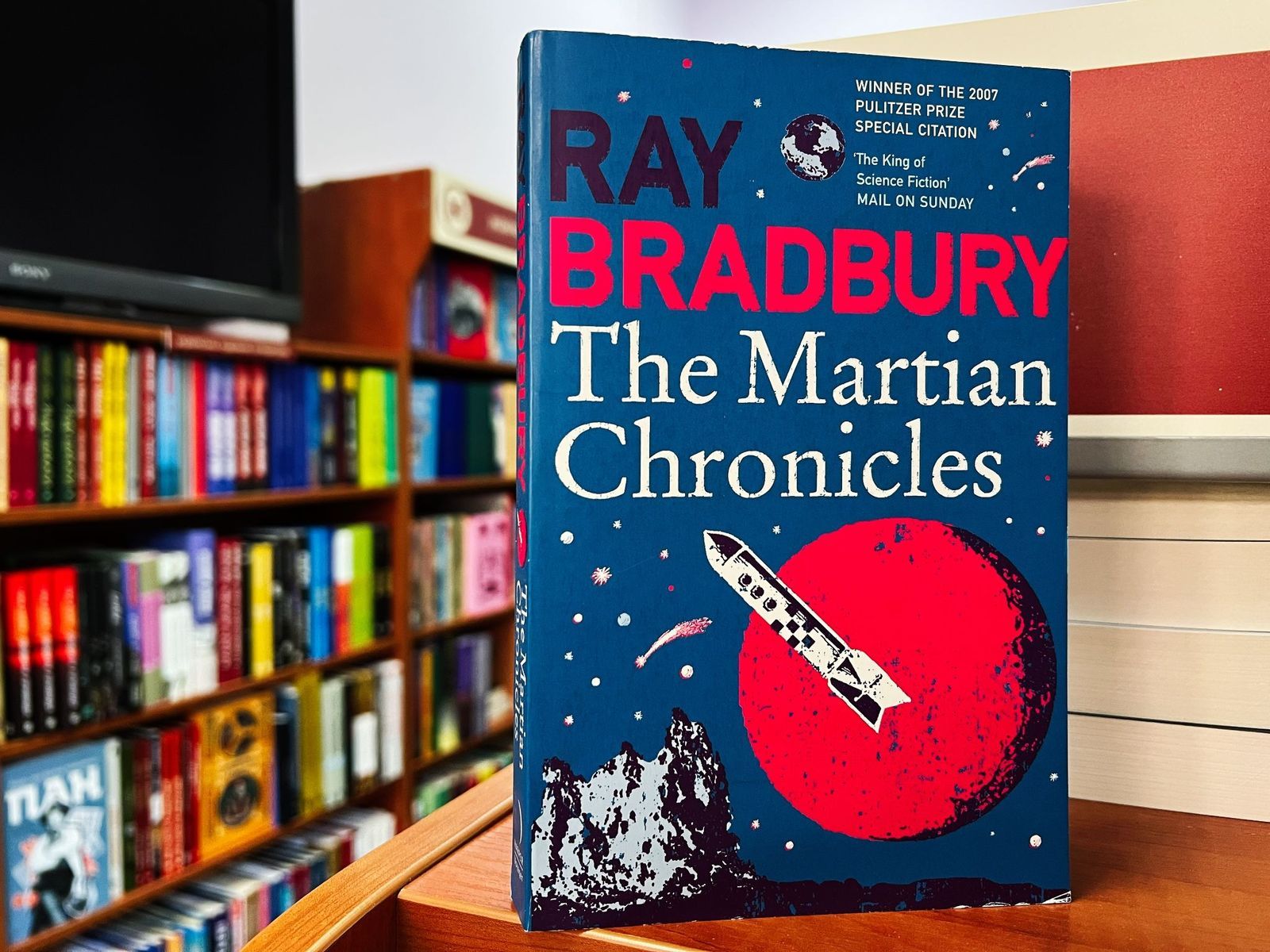
Image: AS photo family

Ray Bradbury didn't set out to write The Martian Chronicles. He'd simply been publishing Mars stories in pulp magazines throughout the 1940s, one after another, with no grand plan connecting them.

Then, on his last night in New York in 1949, a Doubleday editor coincidentally named Walter Bradbury asked what he intended to do with all those Martian tales. Could they be stitched into something resembling a novel? They reached an agreement, and Walter offered Ray $750 for the Mars book (roughly $10,500 today) as part of a two-book, $1,500 deal. Bradbury went home to Los Angeles, revised his old stories, and wrote new bridging chapters inspired by Steinbeck.

9

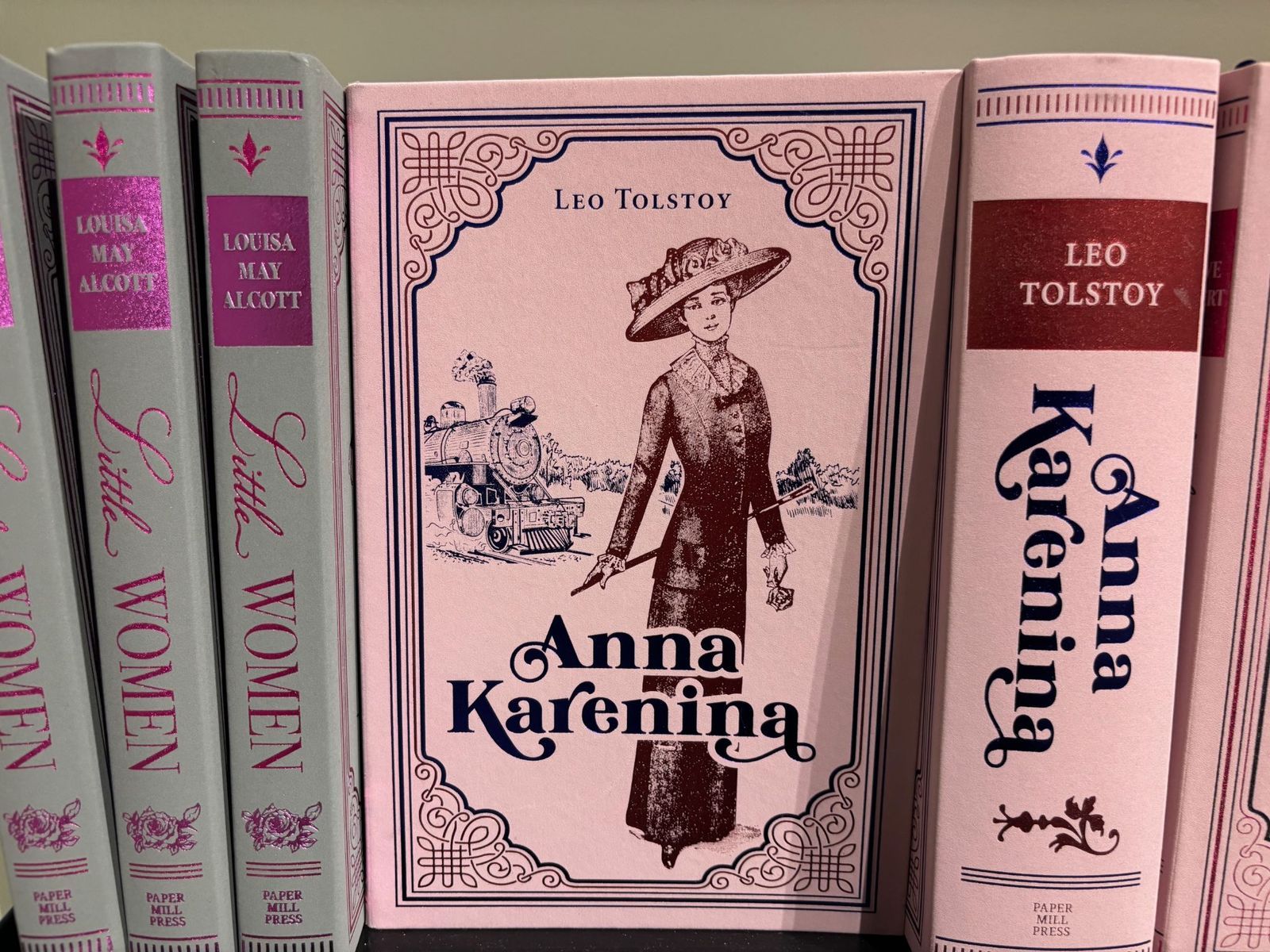
Anna Karenina, by Leo Tolstoy

Image: bella1105

Leo Tolstoy never got to finish telling his own story, at least not in the pages where readers had been following it. Serialized in The Russian Messenger from 1875 to 1877, Anna Karenina earned Tolstoy an extraordinary sum of more than $300,000 today. That was more per printed page than rivals like Turgenev or Dostoevsky.

Then, just as the story was reaching its final chapters, editor Mikhail Katkov refused to print the eighth and last part. Tolstoy had written unflattering things about Russian volunteers rushing off to fight in the Balkans, and Katkov wanted no part of it. Tolstoy published the ending separately, as its own pamphlet, before the complete novel finally appeared as a book in 1878.

10

Oliver Twist, by Charles Dickens

Image: marhus

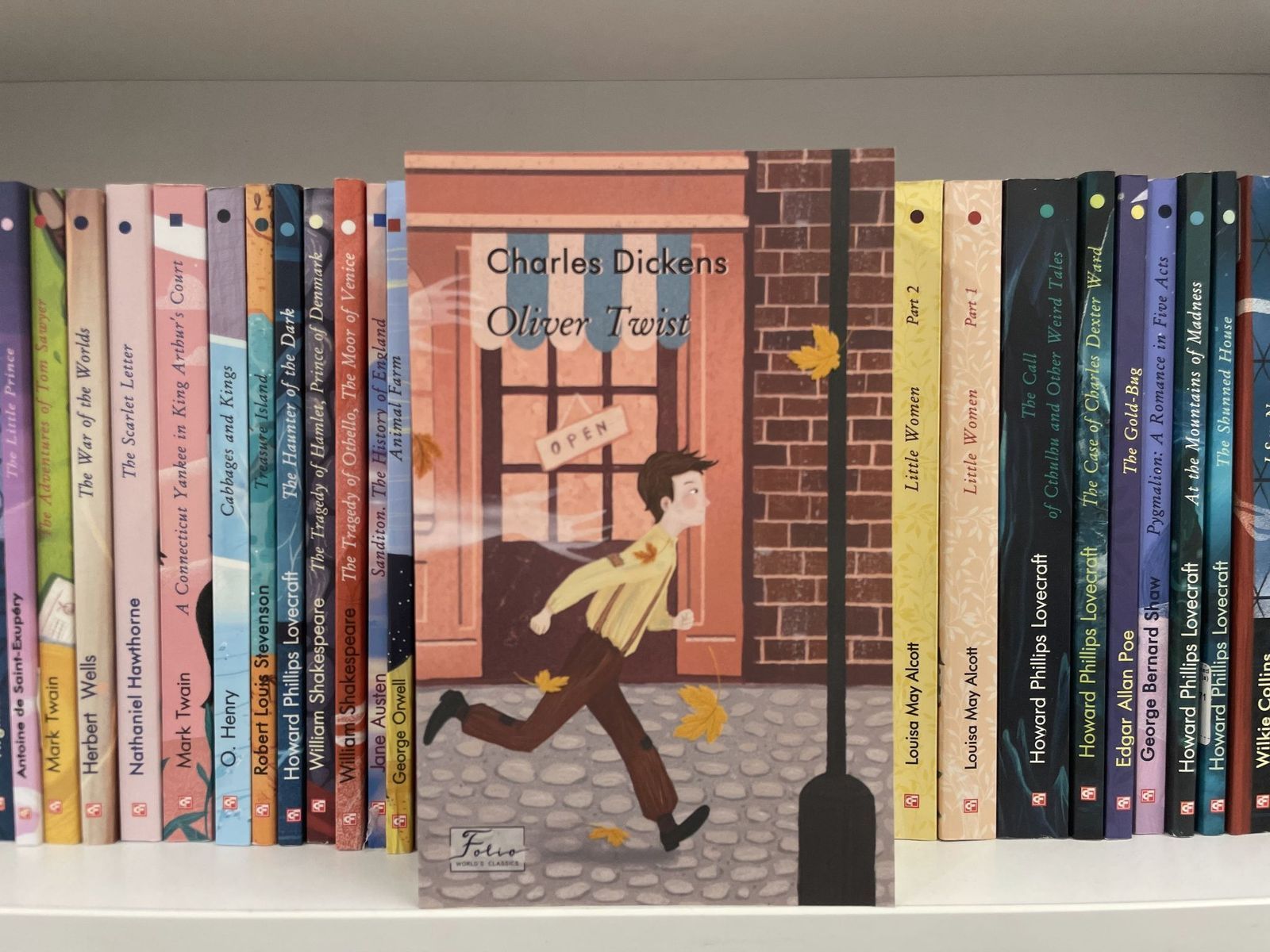
Virtually every major and minor novel by Charles Dickens was originally published in serialized form. While he was still serializing The Pickwick Papers, the book that made him famous, he was already contracted to deliver another novel entirely. Publisher Richard Bentley paid him £500 (roughly $97,400 today) for the rights to Oliver Twist, plus a monthly salary to edit Bentley's own new magazine, where the novel would run.

Between 1837 and 1839, readers got two or three chapters of Oliver's grim childhood each month, even as Dickens juggled a second serialized story on the side. Bentley published the complete novel in three volumes months before the magazine version had even finished.


Decoding

Being a "treasured guest" is not a compliment. This is the hidden meaning


Published on August 20, 2026


Image: Hitesh Choudhary

Have you ever heard "Code Adam" while shopping for groceries at Walmart? Or maybe you’ve heard how "Dr. Firestone" was being paged during a routine hospital visit. They sound like harmless announcements. But behind these ordinary words are secret codes staff use to signal emergencies without causing panic. From hospitals and supermarkets to airports and Disney Parks, these phrases quietly warn employees that something is happening. You hope you never hear them, but if you do, it helps to know exactly what they mean.

1

Treasured guest

Image: Helena Lopes

We all love getting special attention at airports or hotel desks, but if you hear the clerk call you a "treasured guest," don’t feel so flattered. You may not be as VIP as one could think.

In the hospitality industry, "treasured guest" has become a humorous bit of industry folklore to describe someone causing trouble. Maybe a customer yelling at staff over expired coupons, demanding impossible accommodations, or throwing a full-blown tantrum at the front desk. Whatever it is, the phrase has become the staff’s secret way to warn co-workers without escalating the situation in front of the customers. Most guests don’t realize the meaning, but once you know it, you may start hearing it more often. We just hope it’s not about you.

2

Code Adam

Image: Karsten Winegeart

Imagine you’re pushing a shopping cart through Walmart when suddenly the overhead speaker announces, "Code Adam." You can easily assume it’s some kind of employee meeting or cleanup request. But when you see them start locking the exits and moving around, you know something’s wrong.

This code was created in 1994 by Walmart in collaboration with the National Center for Missing & Exploited Children (NCMEC), in memory of the tragic case of 6-year-old Adam Walsh. Adam was abducted from a Sears department store in 1981 while shopping with his mother. His father, John Walsh, later became famous for hosting the TV program America’s Most Wanted and advocating for missing children. Even if Adam’s story ended in tragedy, Walmart created the emergency system in Adam’s memory, and other retailers soon adopted it nationwide, intending to have a quick response to missing or abducted children.

3

Code Blue

Image: Günter Valda

You’re sitting in a hospital waiting room during a routine check-up when you suddenly hear "Code Blue, Room 214." Most people immediately know it sounds serious, even if they are not entirely sure why.

The phrase "Code Blue" is used at hospitals to draw the necessary staff and equipment to perform a resuscitation. It was created in the early 1960s at Beathany Medical Center by Dr. Hughes Day. Before then, hospital resuscitations were often chaotic and poorly coordinated. In 1961, Dr. Day received a grant to build one of America’s first cardiac care centers, and he developed both the Code Blue alert system and the modern crash cart to improve survival rates during cardiac emergencies. Today, the system is used in hospitals across the country, sometimes with specialized versions like "Code Blue Pediatric" or "Code Blue Neonate."

4

Dr. Firestone

Image: Cdn Pages

Imagine visiting a loved one in the hospital when the intercom calmly announces, "Paging Dr. Firectone to the third floor." Your head surely goes, "Dr. Firestone’s probably having a busy day up there." He is, but it’s not what you think.

The phrase is actually a discreet fire alert used to warn staff about smoke, flames, or overheating equipment without frightening patients and visitors. Hospitals adopted these coded announcements after realizing that openly yelling "fire" over loudspeakers could create panic, especially among patients who aren’t able to move quickly. "Code Red" is an alternative used by many health centers today, but it also hints at the situation while keeping hallways calm.

5

Code 10

Image: Blake Wisz

You’re standing at a checkout counter when the cashier picks up the phone and quietly says, "I need a Code 10 authorization." If you think that’s just another way to get a supervisor’s approval or technical issue, think again. In reality, the cashier may suspect the credit card is stolen or fraudulent.

Code 10 was developed through a cooperative effort between major credit card companies like Visa and Mastercard, along with international standard organizations. As credit cards became more common in the 1960s and 1970s, stores needed a discreet way to alert banks about suspicious activity without directly accusing customers and potentially putting employees at danger. When a cashier requests a Code 10, the bank’s operator begins asking yes-or-no questions to assess the situation and guide the employee on what to do next.

6

Code Bravo

Image: CDC

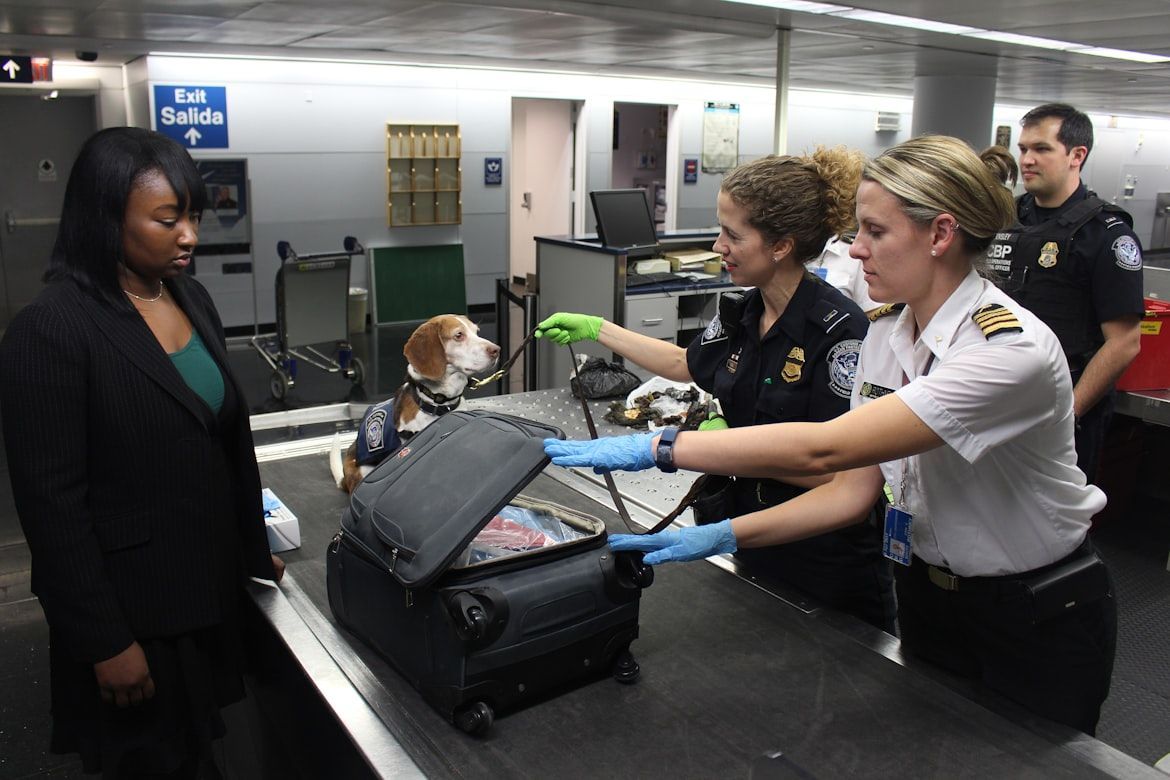
You’ve probably experienced those long airport security lines. The wait is usually uneventful. But sometimes, you can hear "Code Bravo" over the speakers. Maybe it’s a delay, or maybe it’s an issue with luggage. Within seconds, people stop moving, the security line freezes, and exits may even close. It’s something bigger.

Code Bravo is the emergency phrase used by airport security and the Transportation Security Administration to signal a serious security threat, such as an unattended bag, a breach at a checkpoint, or someone slipping into a restricted area. The term comes from the international phonetic alphabet used in aviation and military communications, where "Bravo" represents the letter B. When this is called, security staff immediately lock down affected areas, stop screening lines, and search for the source of the threat. To passengers, it’s sudden and confusing, but to security, it’s a carefully rehearsed response.

7

Code Alpha

Image: Navy Medicine

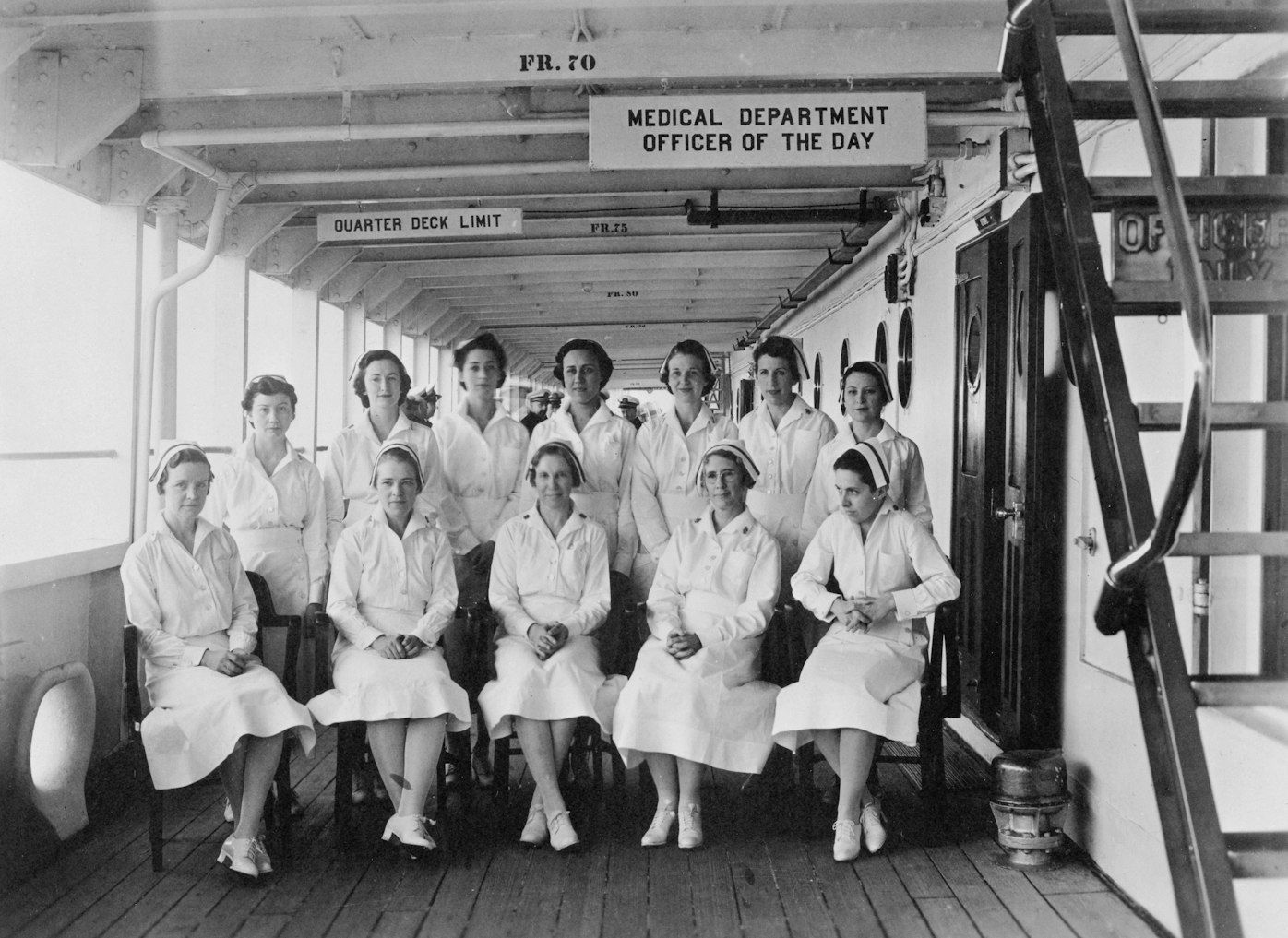
You are heading back to your cabin on a cruise ship when the speakers announce, "Code Alpha, Deck 7." You may think Alpha is related to the captain, but that’s not the case. It means someone on board is suffering a medical emergency.

The phrase comes from the NATO phonetic alphabet, where "Alpha" represents the letter A. In maritime emergency jargon, it became shorthand for a Priority A medical situation requiring immediate response. Cruise lines such as Royal Caribbean and Disney Cruise Line commonly use the term, though some ships use variations like repeating "Alpha" three times. Once the code is announced, onboard medical teams rush toward the specified deck or cabin. If necessary, stretcher crews are mobilized, and in severe cases, the ship may even divert course toward the nearest port for emergency evacuation. Passengers are enjoying the views, but the staff is running to save a life.

8

10-33

Image: chris robert

Anyone who remembers the CB radio craze of the 1970s probably smiles when they hear "10-4." Movies, truckers, and radio fans turned those number codes into a part of American culture. So if you overhear "10-33" on a police scanner, you might assume it’s just another routine message. But it’s not as simple as it sounds.

The 10-code system was first created in 1937 by Illinois State Police communications director Charles Hopper and later standardized by the Association of Public Safety Communications Officials, better known as APCO. Officers needed short phrases they could understand clearly over crackling radio signals. The 10-33 code commonly means an officer needs emergency assistance. In some departments, it also signals radio silence so dispatchers can focus on the crisis unfolding in real time.

9

Signal 70

Image: Samuel Lopez Cruz

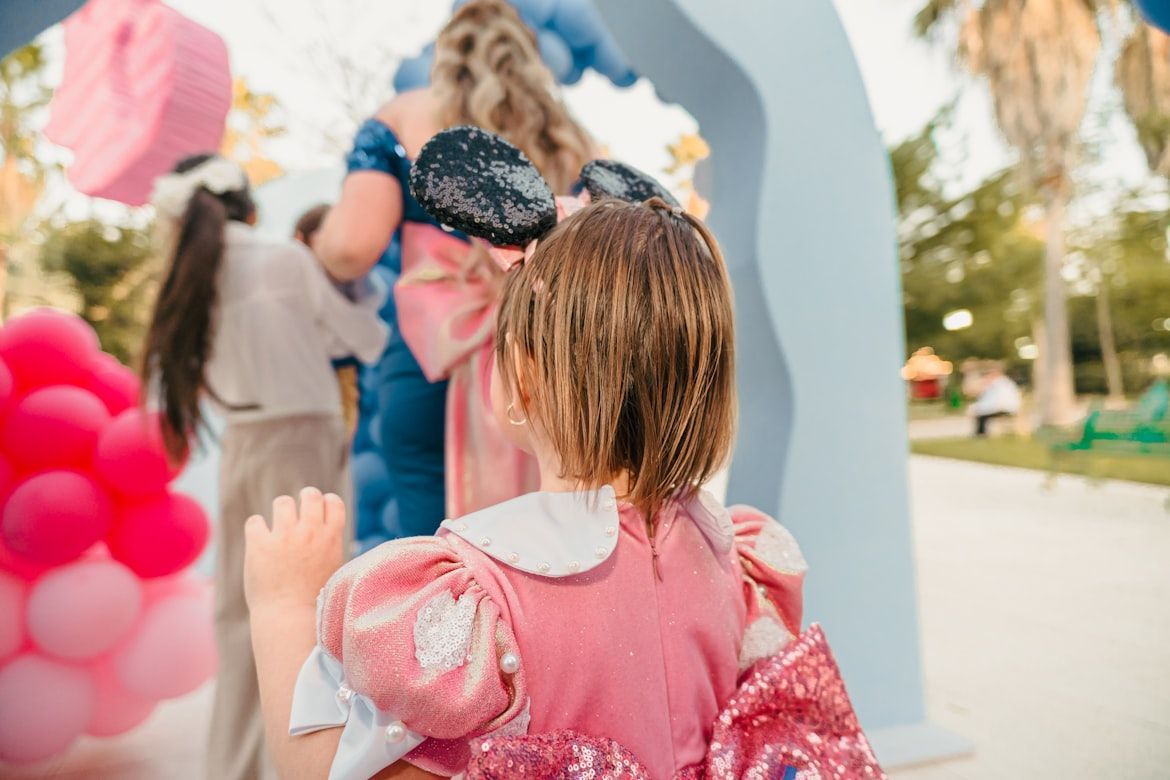
Disney World is amazing, the parks offer something for everyone, and there are things to see wherever you look. But that’s exactly the kind of place where a child can easily disappear into a sea of strollers, balloons, characters, and crowds. For that reason, Disney has developed the "Signal 70," which alerts cast members and security that a child has become separated from their family.

The number comes from older police and emergency radio systems, where "70" was commonly associated with missing persons. Disney adopted the phrase because it allows employees to communicate discreetly without frightening or alarming nearby guests. If a member finds the child, they gently -and magically- escort them to Baby Care Center, where they coordinate the reunion.

10

Echo, Echo, Echo

Image: Alonso Reyes

Cruises are great to relax, enjoying a good book under the sun with a nice drink by the side. Until you hear "Echo, echo, echo" on the speakers. If you do, something is happening somewhere else on the ship.

The code is used among cruise employees to signal that dangerous winds or a navigational hazard are affecting the ship. It comes from the international maritime phonetic alphabet, where "Echo" stands for the letter E. In maritime signalling, the letter traditionally means "I am altering my course to starboard." And, in time, the phrase became associated with urgent ship maneuvers and weather-related warnings. However urgent, the repetition of the word by three doesn’t represent life-threatening situations. It alerts the crew of a certain hazard to prepare while avoiding panic among passengers.

Looking for an extra scoop of literary fun?

Learn more with our Word of the day

aspire

/əˈspaɪ(ə)r/