Tales of The Bard
Shakespeare: 10 facts you didn't know about the world's most famous poet
Published on August 30, 2026
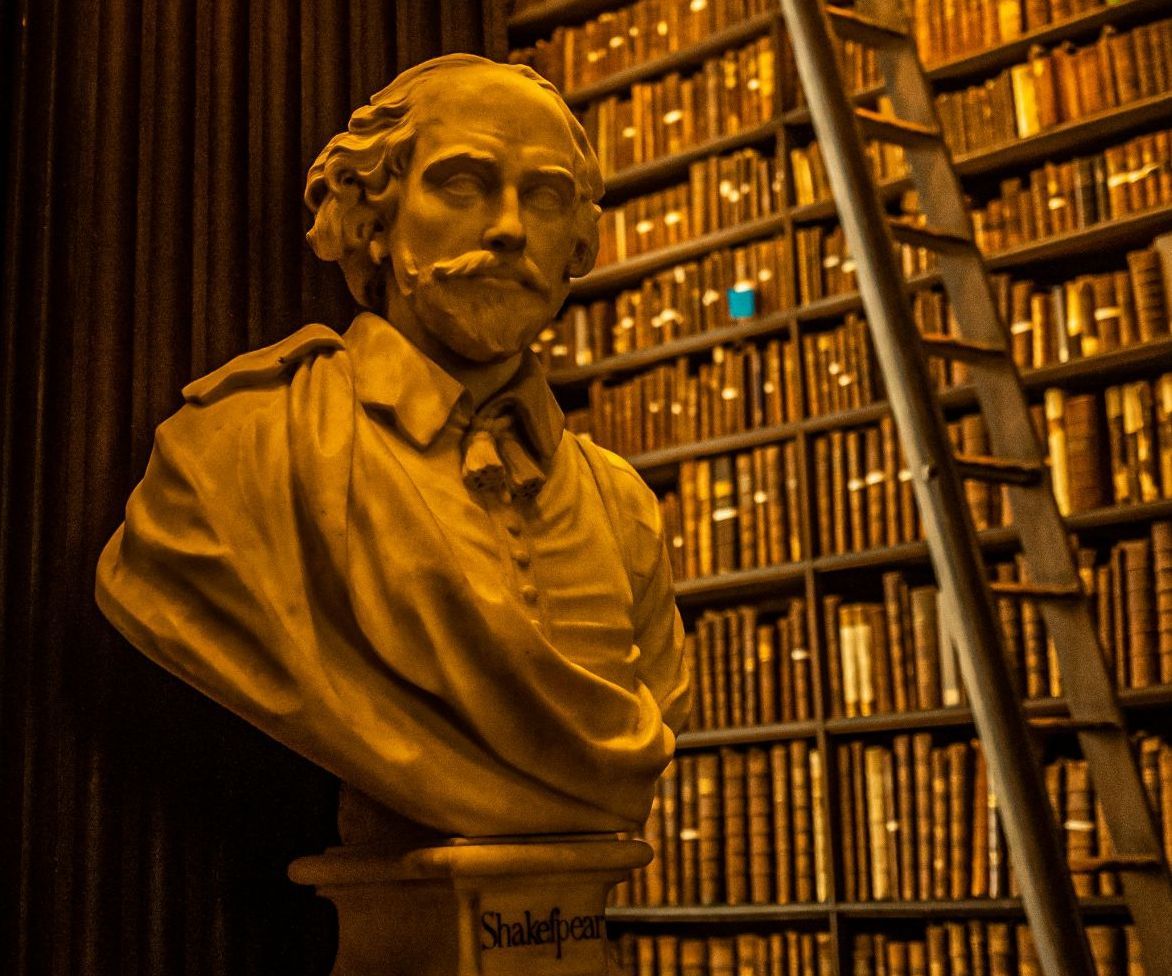
How much do we really know about Shakespeare? Thirty-nine plays, over a hundred sonnets, and more words invented than any writer in history; we even believe that his life was so tidy that he was born and died on the exact same date. But most of these facts are mere myths: historians now assure us that we do not know his date of birth, we cannot confirm he came up with those 1,700 words, and we don’t really know how to properly spell his surname. Read on to learn 10 decoded facts about The Bard.
His own signatures couldn't agree on how to spell his name
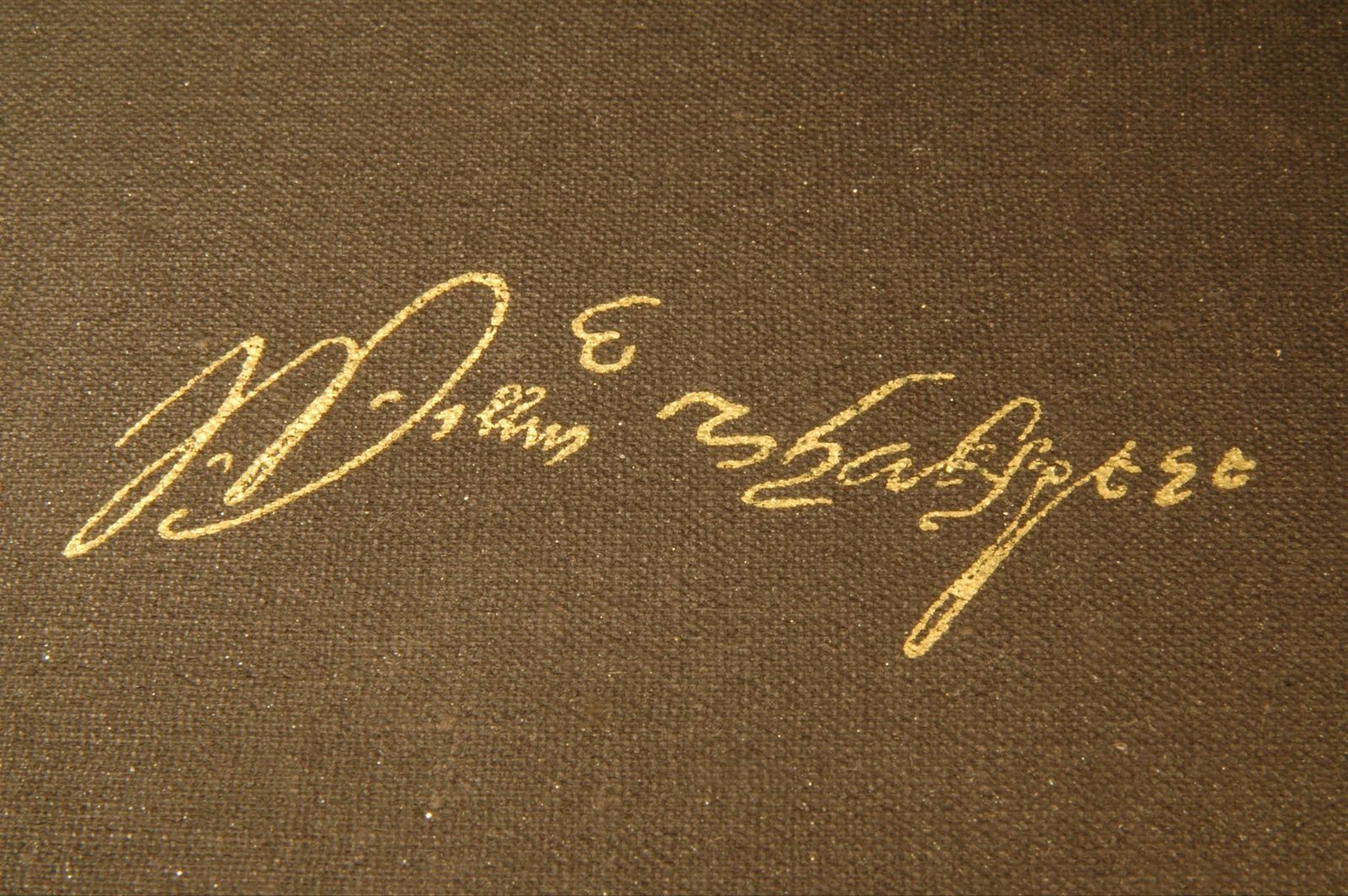
Only six authenticated signatures of William Shakespeare survive. And they weren’t the closing etches in manuscripts or letters: they were scrawled onto legal documents.
All six date from the final four years of his life. But the strangest detail is that no two of them spell his name the same way: variations include "Willm Shakp," "William Shakspē," and "Shakspere." Not one matches the spelling we use today.
It might perplex modern readers, but this was common practice among Elizabethan clerks and writers, who treated spelling as a loose suggestion rather than a fixed rule.
Shakespeare probably didn't invent those 1,700 words
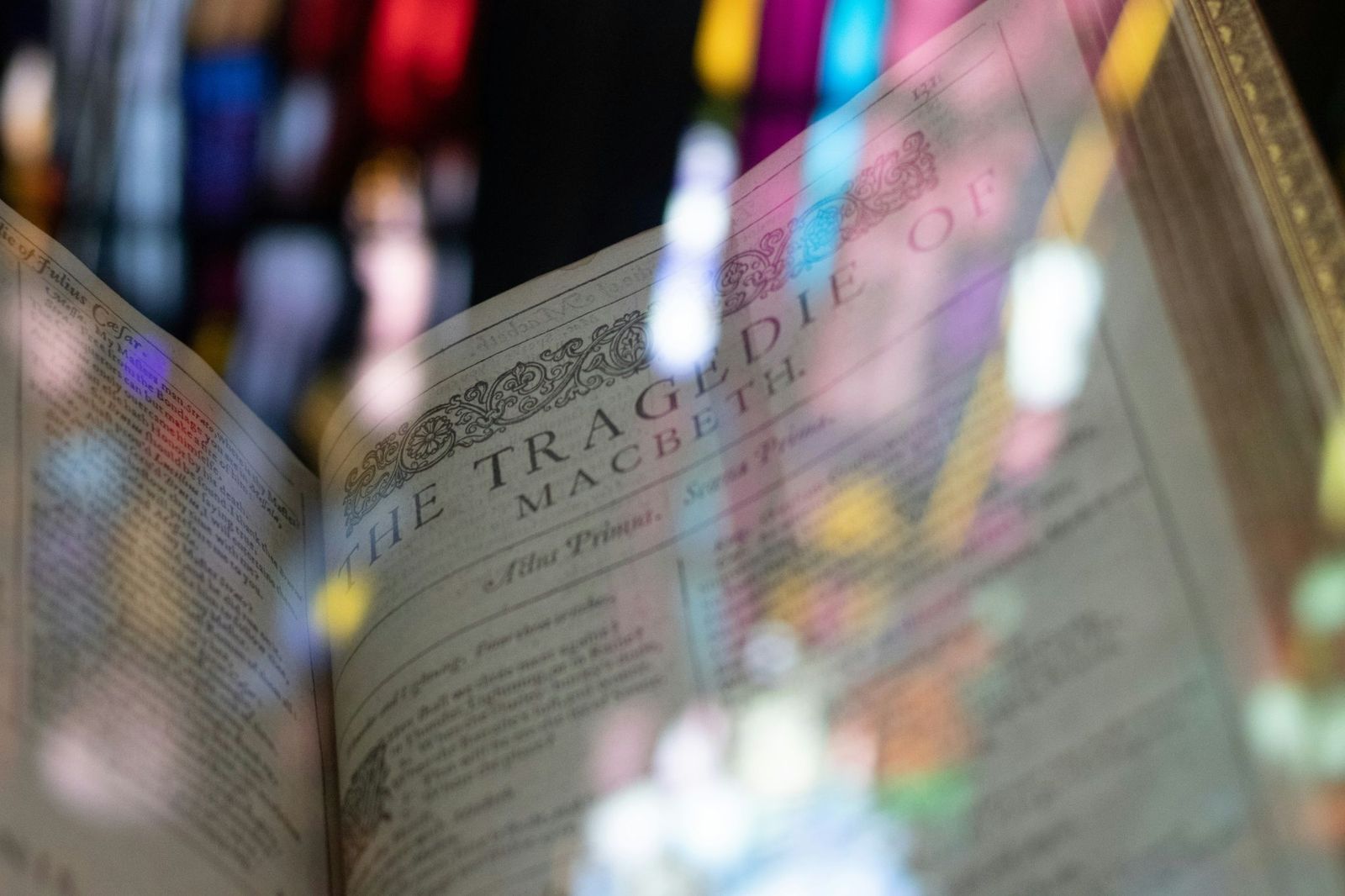
Etymology fans have probably read endless lists of words allegedly invented by Shakespeare. "Upstairs," "bedroom," and "assassination" are among those. As many as 1,700 are attributed to him, but this seems to be, mostly, a myth.
The number comes from the Oxford English Dictionary, which credited him with the earliest known written use of many words, not their invention. Many of these terms were likely becoming orally popular, and what Shakespeare did was use them in his works, effectively documenting those new terms for future generations. None of this makes him less remarkable, though: he used roughly 20,000 different words across his plays and poems.
The gravestone curse and the missing skull
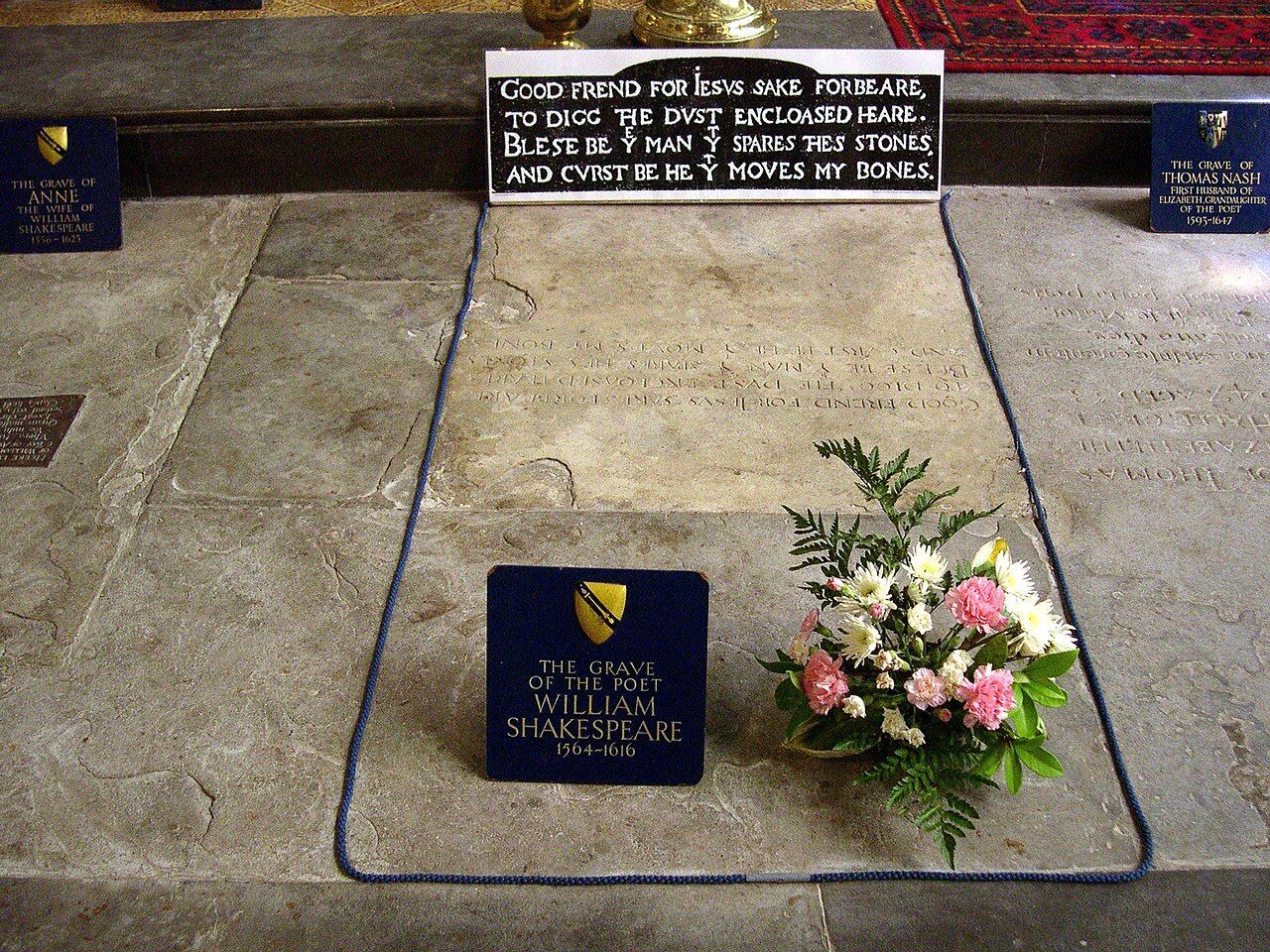
William Shakespeare's grave carries a warning: "Blessed be the man who spares these stones, and cursed be he who moves my bones." His wishes were respected for hundreds of years. While other tombstones in Holy Trinity Church were shuffled and covered to make room for new burials, his stayed untouched.
Then in 2016, researchers scanned the grave with ground-penetrating radar for a documentary marking 400 years since his death. The results were very strange: his skull appeared to be missing. Even more mysteriously, it lined up with an old, long-dismissed magazine story from 1879 about a trophy hunter stealing it.
The Globe burned down mid-performance
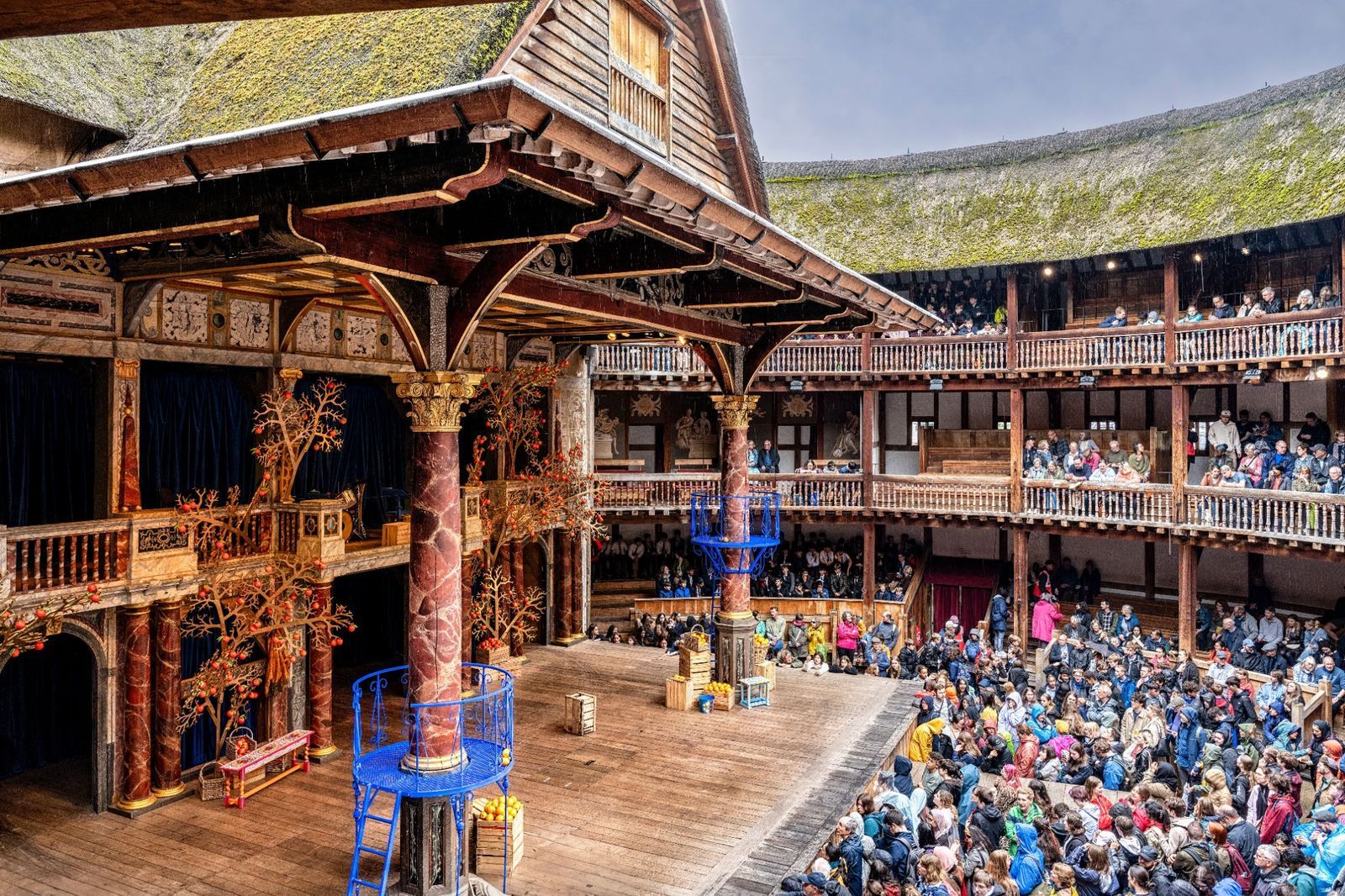
The Globe Theatre was built in 1599 by Shakespeare’s playing company. It soon became London’s premier and most famous playhouse, drawing up to 3,000 spectators per show. One day in the summer of 1613, the venue was packed for a performance of Shakespeare's historical play Henry VIII. During a dramatic entrance, a stage cannon fired as planned, but a spark from its wadding landed in the thatched roof.
Within an hour, the entire theater, timber, thatch, and all, had burned to the ground, but despite being studded with attendees, there were no casualties. Legend has it that only one injury was recorded: a man whose breeches caught fire, which he doused with a bottle of ale. Two separate ballads about the fire were printed by the very next day. The Globe was rebuilt within a year, this time with a safer tiled roof.
The link between Hamnet and Hamlet
In August 1596, William Shakespeare buried his only son. Hamnet was eleven, and the burial register at Holy Trinity Church in Stratford records his death with no details. We do know that four years later, Shakespeare wrote the story of a grieving prince obsessed with death and his father's ghost: Hamlet.
Historians never confirmed the connection, and found no proof of Shakespeare explaining it, but many 21st-century cultural works have speculated about this interpretation, such as novels or films that explore the writer’s grief.
He did not die on his birthday
Every April 23, tributes note that Shakespeare died precisely on his birthday. There's just one problem: nobody actually knows when he was born.
No birth certificate survives from 1564. Historians have only found a baptism record dated April 26, which could possibly suggest that he was born on the days prior, because, at the time, babies were typically baptized a few days after birth. We do know, however, the date of his death: April 23, 1616. He was 52 years old.
And no, he didn't die on the same day as Cervantes
Another myth has been circulating for centuries about his death: that Shakespeare and the Spanish novelist Miguel de Cervantes died on the exact same day, April 23, 1616. Even UNESCO used this seemingly chilling fact to create World Book Day on that date.
But there’s a disappointing catch: in 1616, England was still using the old Julian calendar, while Spain had switched to the newer Gregorian one. The two "April 23rds" were actually ten days apart. To complicate things further, some historians now believe Cervantes died April 22, not April 23, and that the 23rd was actually his burial. Again, the two dates are close enough, but may have been slightly edited for drama.
The mystery of the "lost years"
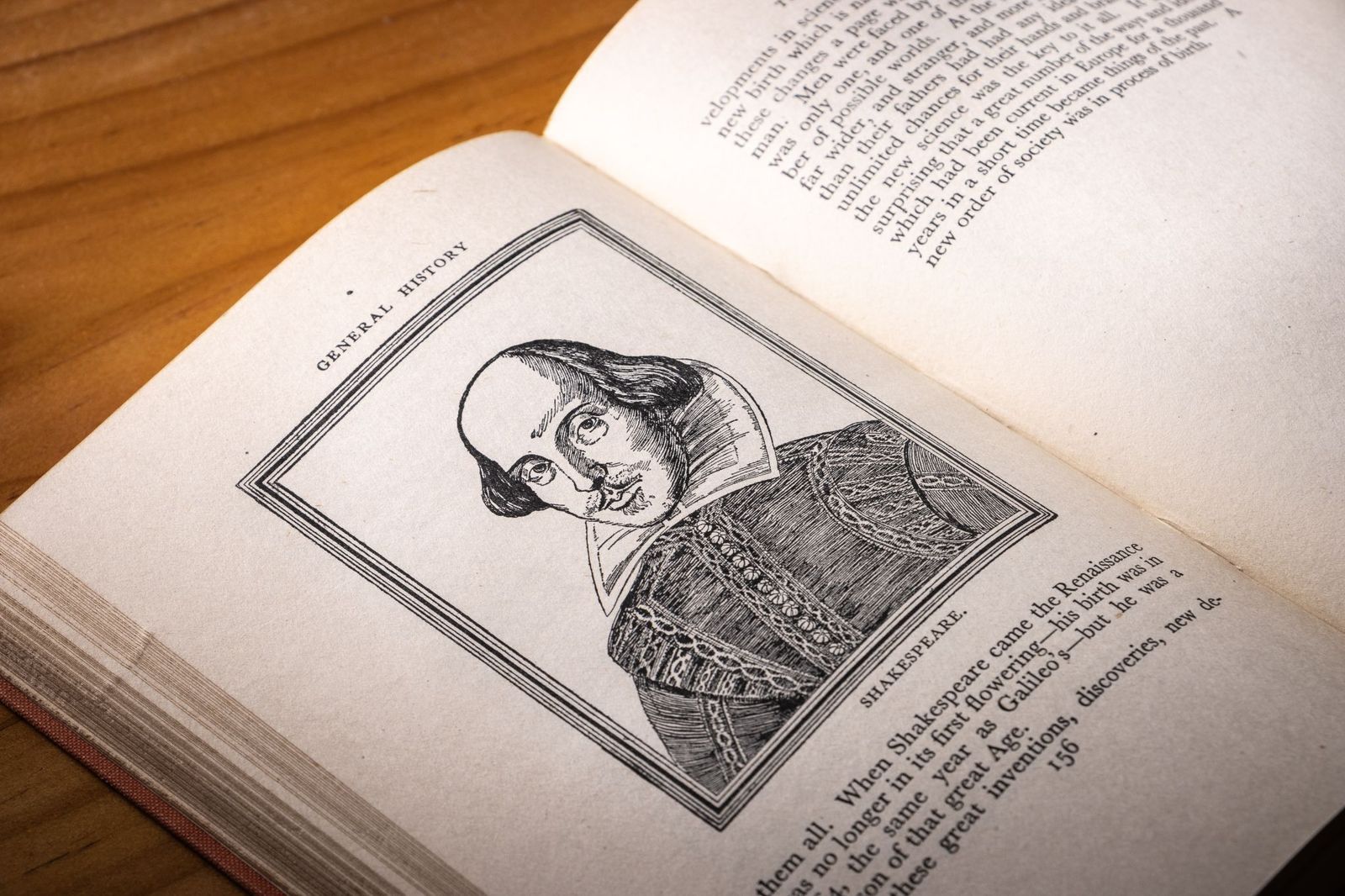
Scholars have always been puzzled by a strange 7-year-gap of information about his life. Between 1585 and 1592, William Shakespeare simply vanishes from the historical record. The last mention of him before this gap is the baptism of his twins, Hamnet and Judith, in Stratford.
Then, in 1592, he is referenced in a text by a rival London playwright calling him an "upstart crow," which proves that by 1592 he had already made it as an actor and writer in the city. What happened in between is anyone's guess: being a schoolteacher, writing plays, spending time with his family, even working as a secret tutor for families in Lancashire have all been proposed. But there still is no evidence to support any of it.
His wife Anne Hathaway and the "second-best bed"
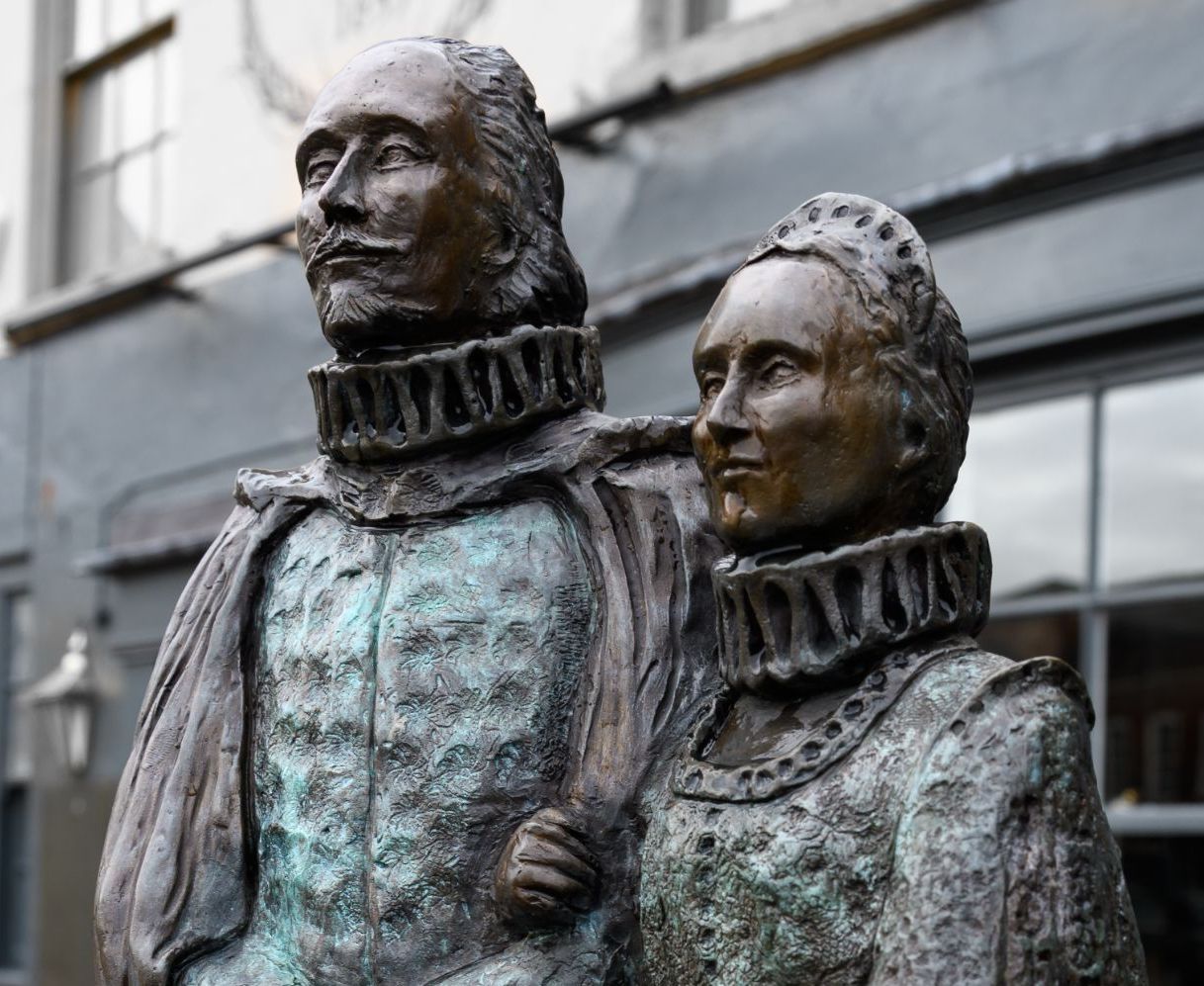
In 1582, eighteen-year-old William Shakespeare married Anne Hathaway, who was twenty-six and already pregnant with their firstborn daughter, Susanna. Three years later, she also gave birth to twins Judith and Hamnet.
When William died in 1616, his will left his wife one specific item that has always confounded scholars: his "second-best bed." For centuries this was read as a final insult. But historians now argue the best bed was reserved for guests, while the second-best was the actual marriage bed the couple shared for decades.
Half his plays almost vanished forever
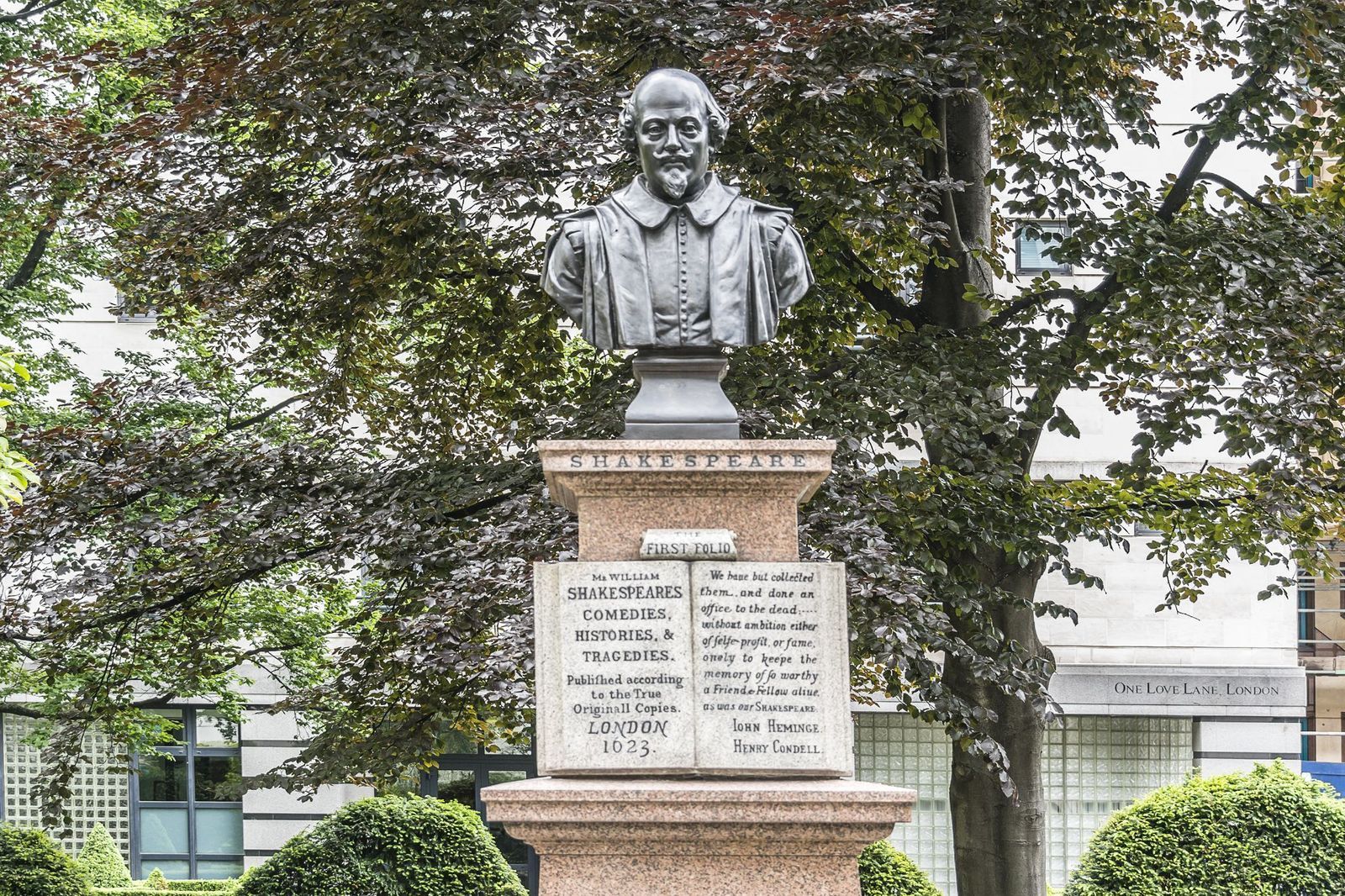
If two of Shakespeare's actor friends hadn't decided, seven years after his death, to compile his work into one enormous book, half of his plays might not exist today.
Published in 1623, the First Folio contained 36 plays, and eighteen of them, including Macbeth, Twelfth Night, and The Tempest, had never been printed anywhere before. John Heminges and Henry Condell, who had worked alongside Shakespeare for decades, gathered scripts, prompt books, and old drafts to put it together. Shakespeare himself never published a collected edition of his own plays; he likely saw them as scripts for performance, not literature meant to last.