Sneaky words

How we’ve lied to ourselves: 10 euphemisms through time


Published on January 14, 2026


Image: Jametlene Reskp

Euphemisms—those gentler, sometimes sneaky ways of saying uncomfortable truths—have existed for centuries. From avoiding taboos to sidestepping authority, these linguistic workarounds reveal just as much about human history as they do about language. Here are 10 curious euphemisms people have used through time to soften the blow.

1

"Pre-owned"

Image: Parker Gibbs

Car dealerships began using "pre-owned" in the 1980s to make used cars sound more appealing.

It’s a marketing euphemism that implies care and quality rather than wear and tear. The term now appears in many industries beyond cars, like fashion and tech.

2

"Let go"

Image: Nick Fewings

Instead of saying someone was fired, companies began saying employees were "let go" by the mid-1900s.

The term gained popularity with the rise of HR departments, which adopted softer, more legally neutral language. It's now common in business communication to avoid confrontation.

3

"Senior citizen"

Image: Huy Phan

"Senior citizen" first appeared in U.S. government documents in the 1930s and caught on with the creation of Social Security.

It added respectability to aging, shifting the public perception from decline to entitlement. Marketers also began using the term to appeal to older consumers without causing offense.

4

"Passed gas"

Image: Marra

This phrase came into use in the early 20th century, especially in households and media where bodily functions were taboo.

It's rooted in the Victorian habit of avoiding any mention of digestion or excretion. Even children's books adopted it to teach manners.

5

"Friendly fire"

Image: Daniel

There is nothing "friendly" about friendly fire. Used in military reports as early as World War II, "friendly fire" described tragic errors in combat.

The euphemism helps frame such incidents as blameless or unfortunate rather than negligent. It remains a standard term in NATO and Pentagon communications.

6

"Economical with the truth"

Image: Brian Wertheim

In a very British manner, the phrase was popularized by a government lawyer during the 1986 Spycatcher trial. It implies a partial or misleading truth—that is to say, a lie.

It has since become a political catchphrase in the English-speaking world. It softens accusations while still signaling dishonesty.

7

"Neutralize the target"

Image: Simeon Jacobson

Used by the military and intelligence agencies, especially during the Cold War, to obscure lethal actions.

The word likely became popular because it provided operational vagueness without the emotional weight of the actual deed. The phrase remains common in drone and covert operation briefings.

8

"Expecting"

Image: freestocks

The term "expecting" goes back to the 18th century and offered a modest way to mention pregnancy without referencing any bodily function.

It became standard among the middle and upper classes during times when discussing pregnancy openly was frowned upon.

9

"Passed away"

Image: Eli Solitas

The phrase "passed away" emerged in the 15th century as a softer alternative to "died," linked to Christian ideas of entering the afterlife. A similar shift occurred with "departed," which has religious and poetic roots, implying a journey rather than an end.

10

"Between jobs"

Image: Hennie Stander

This phrase gained traction during economic downturns in the 1970s and ’80s, especially among white-collar workers.

It helped individuals maintain dignity and optimism during job searches. The euphemism is still widely used in professional networking.


Deep roots

11 everyday words with indigenous roots


Published on January 14, 2026


Image: Zoshua Colah

English is a very welcoming language in the sense that it incorporates terms from many other languages from all over the world. And, as it couldn’t be otherwise, Native American languages have lent many of their words and terms to English speakers. Some traveled through Spanish or French before settling into English, and others arrived directly through early contact and trade, helping shape the way we speak today. Did you know about these 11 terms?

1

Canoe

Image: Michael Niessl

The word "canoe" comes from the Taino term canoa, which was first used by Caribbean islanders long before Europeans arrived. Early explorers adopted it to describe the slim, sturdy boats they saw.

Over time, "canoe" became the standard English word for a small paddled craft. Today it still carries that sense of simplicity and closeness to nature.

2

Barbecue

Image: Philipp Kämmerer

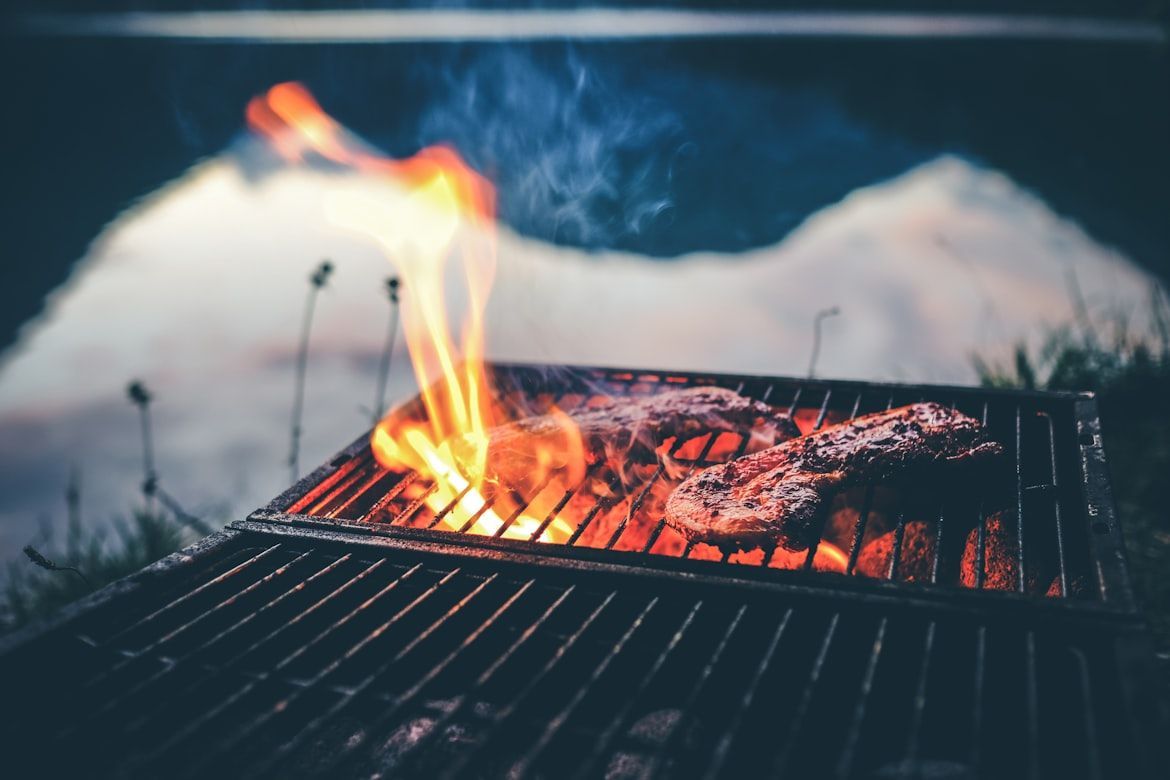
The word "barbecue" comes from barbacoa, another Taino term for a wooden frame used for cooking meat over fire. Europeans adopted it and applied it to both the method and the gathering itself.

Today, "barbecue" means everything from a backyard cookout to a regional cooking style. Its origins highlight the deep culinary influence of Native Americans in the nation's current culture.

3

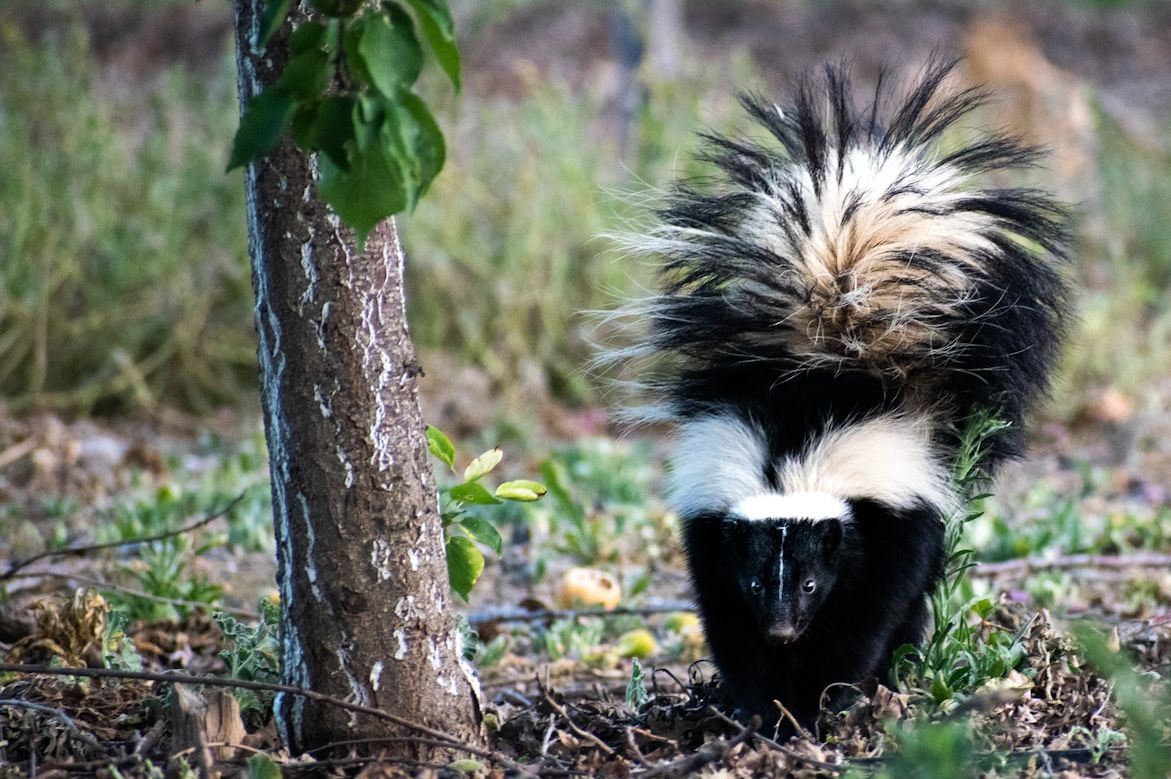
Skunk

Image: Elisa Stone

"Skunk" comes from the Algonquian word squnk, which means "urinating fox" (quite a fitting term, indeed). This was an obvious reference to the animal’s strong defensive spray. Early settlers adopted the term directly.

Since English had no better name for the creature, the Native word stuck. Today, the word skunks is also used as playful slang.

4

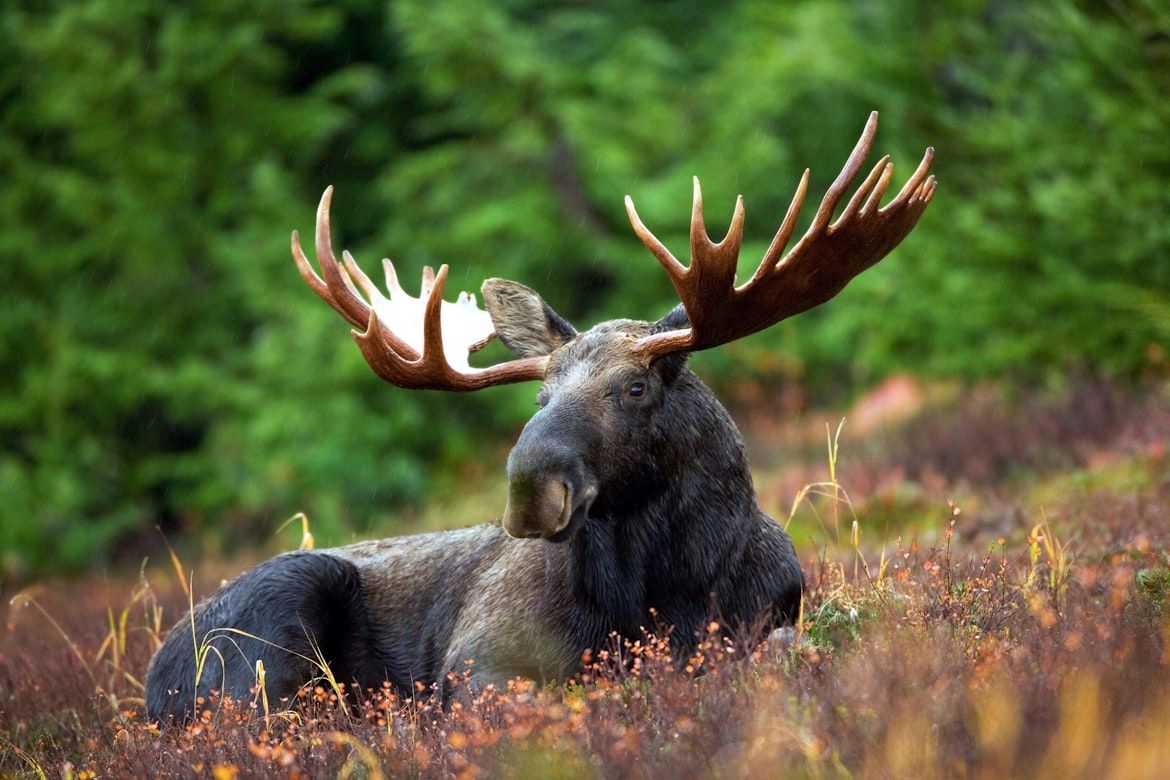
Moose

Image: Shivam Kumar

The word "moose" originates from Eastern Abenaki, a part of the Algonquian family, where it meant "he strips off bark." Yes, it described the animal’s habit of tearing bark from trees.

The name entered English quickly because settlers relied on Native knowledge of local fauna. The word remains unchanged because of its accuracy and usefulness.

5

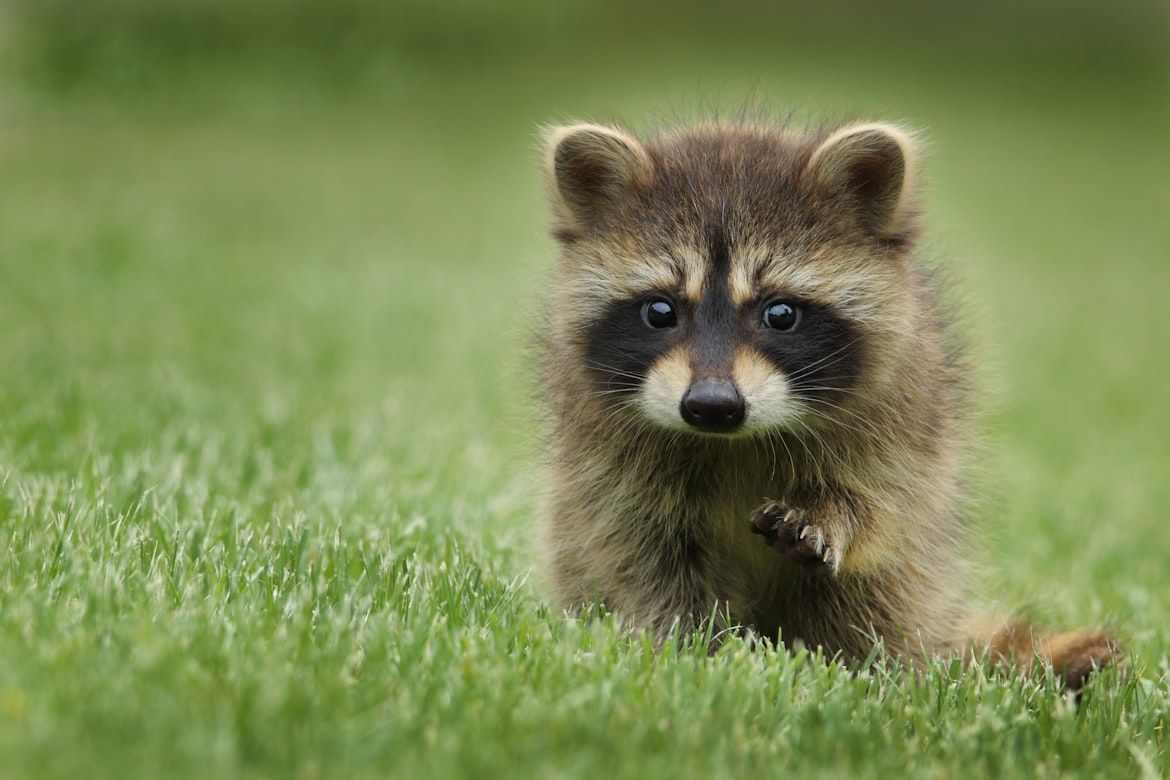
Raccoon

Image: Gary Bendig

"Raccoon" comes from the Powhatan word arakun, meaning "he scratches with his hands." It described the animal’s clever, humanlike front paws.

Settlers adopted the term because it captured the creature’s behavior beautifully. Today, the raccoon is used as a household symbol of curiosity, not unlike the animal itself.

6

Chipmunk

Image: Annegret Kammer

The term "chipmunk" most probably comes from the Ojibwe word ajidamoo, which means "one who descends trees headfirst." Early English settlers adapted the sound into today’s form.

Though the spelling changed over time, the lively image of a chipmunk racing down a tree face-first stayed.

7

Caribou

Image: JD-Photos

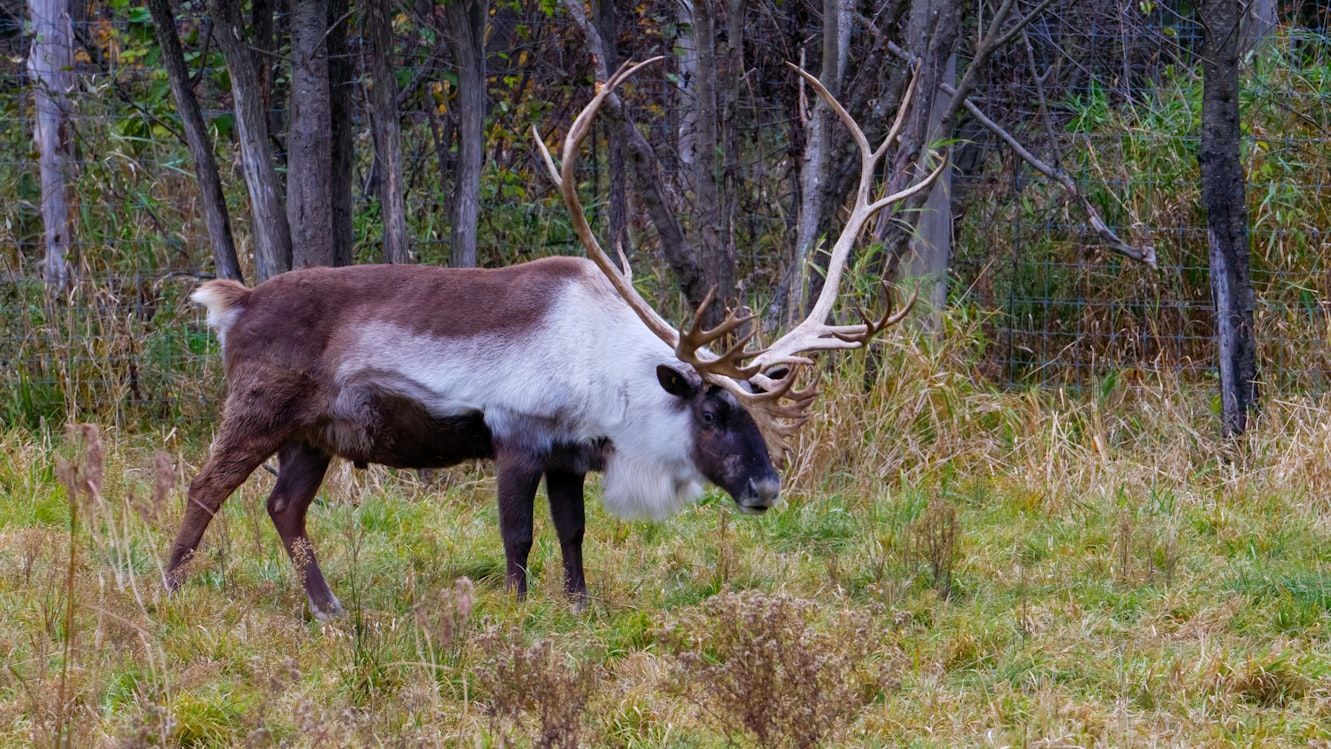
The word "caribou" comes from the Mi’kmaq term qalipu, which means "snow shoveler," referring to the animal’s habit of digging through snow for food.

French settlers brought the word into English, keeping its descriptive nature. The name still connects the modern animal to the winter landscapes it belongs to.

8

Totem

Image: Stéfano Girardelli

"Totem" comes from the Ojibwe word ototeman, which means "kinship group." It described symbols representing clans and shared roots.

English adopted it to describe carved poles and symbolic elements. Though broader in modern usage, it still hints at the original sense of community, identity, and heritage.

9

Coyote

Image: Dylan Ferreira

"Coyote" comes from the Nahuatl word coyōtl, which was used by Indigenous tribes of central Mexico. Spanish speakers adopted it, and English borrowed later.

The word kept its meaning, and it remains one of the most direct links between the English language and Nahuatl.

10

Avocado

Image: Gil Ndjouwou

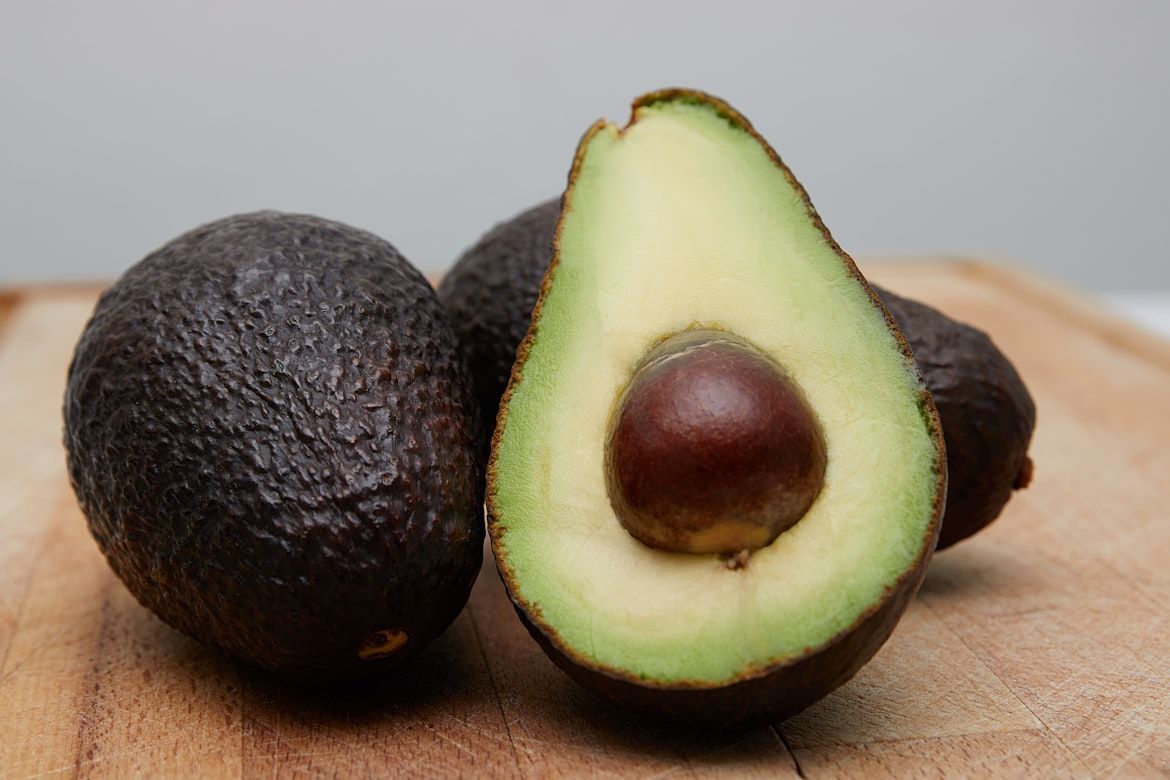
The tasty avocado’s name traces to the Nahuatl word ahacatl, which refers to the fruit and to a body part as well. Spanish speakers transformed it into aguacate.

Later on, English speakers adapted it to avocado. While the name sounds contemporary and culinary, it has ancient Native roots.

11

Chocolate

Image: amirali mirhashemian

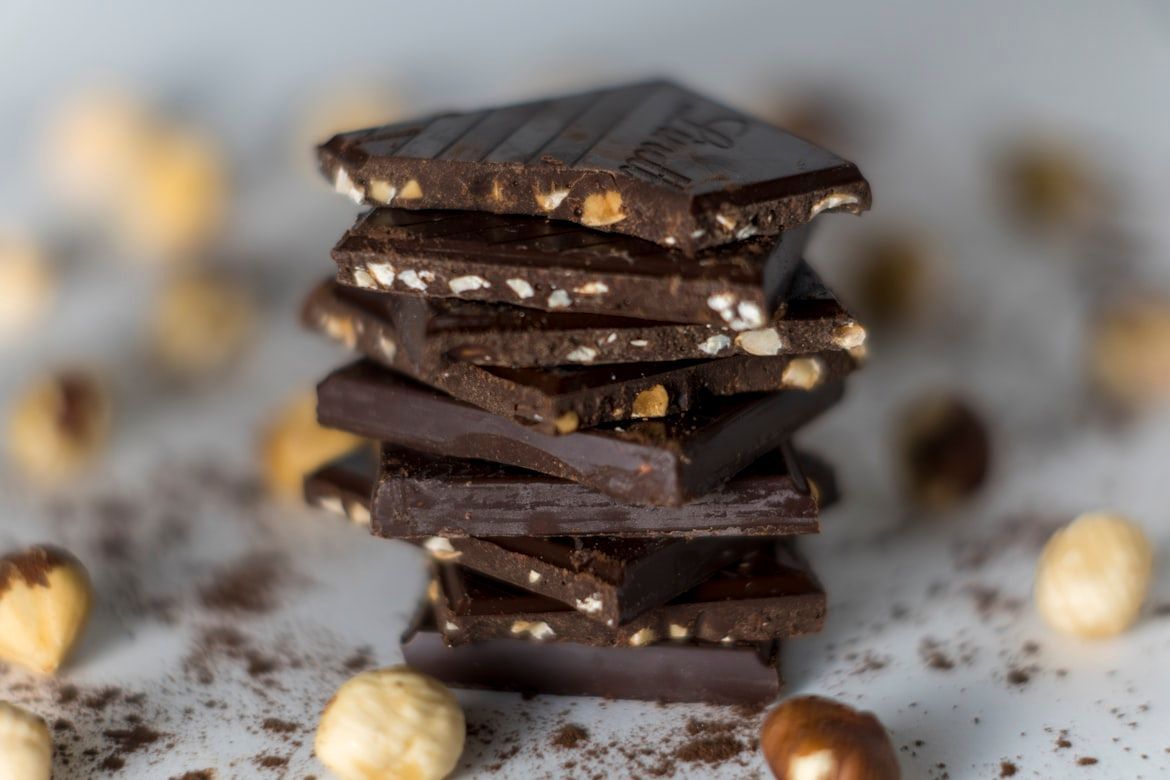
The last Nahuatl word and also the last word on the list comes from the term xocolātl, which describes a bitter cacao drink that was consumed long before Europeans arrived in America. The name traveled from Spanish to English.

Though the product changed dramatically, the word survived. Today, chocolate is a universal symbol of sweetness, with rich and deeply indigenous roots.

Looking for an extra scoop of literary fun?

Learn more with our Word of the day

stoical

/ˈstoʊək(ə)l/