Fist bumps, waves, and salutes
The peace sign doesn't mean what you think! A guide to hand gestures
Published on April 2, 2025
 Image: Calvin Craig
Hand gestures are everywhere—so ingrained in our daily lives that we often don’t realize how frequently we communicate through them. Whether expressing emotions, adding context to our words, or simply enhancing spoken communication, gestures are a vital part of our shared culture, passed down through generations for centuries. From ancient Rome to the modern day, here are 12 hand gestures and their fascinating origins explained.
Thumbs up
 Image: Mark Fuller
The exact origins of the thumbs-up gesture remain uncertain, but its earliest documented use dates back to Roman gladiators, where a thumbs-up or thumbs-down was believed to signal life or death in the arena. Today, the gesture is nearly universal, thanks to its popularization through media, travel, and even emojis. However, it carries offensive meanings in certain cultures, and for divers, it signifies "ascend," rather than approval—so context matters!
The peace sign
 Image: Nathan Fertig
Believe it or not, the V sign originally began as an insulting gesture, though with the back of the hand facing outward. A more positive meaning, however, was popularized during World War II when Winston Churchill used it as a "V for Victory" symbol. The double-entendre of the gesture likely added to its appeal—flipping the hand’s orientation easily turned it into a mocking snub toward the enemy. In the 1960s, the gesture took on new meaning during the counterculture movements, evolving into an enduring symbol of peace.
The wave
 Image: Rainier Ridao
The wave as a friendly greeting traces back to medieval times when knights raised their visors to show they meant no harm. Its simplicity and universal appeal have made it a common gesture worldwide, transcending language barriers. However, in some countries like Nigeria and South Korea, certain types of waving can still carry offensive connotations.
The handshake
 Image: Amina Atar
The handshake might be one of the oldest hand gestures on this list, so it’s hard to be sure of its origins. Yet, there is evidence that it was already in use 3,000 years ago, as a way to seal alliances. In ancient Greece it was called dexiosis, and was practised as early as the 5th century BC. While the gesture is found in many cultures, the specifics as to when and how it should be used vary significantly.
Pointing finger
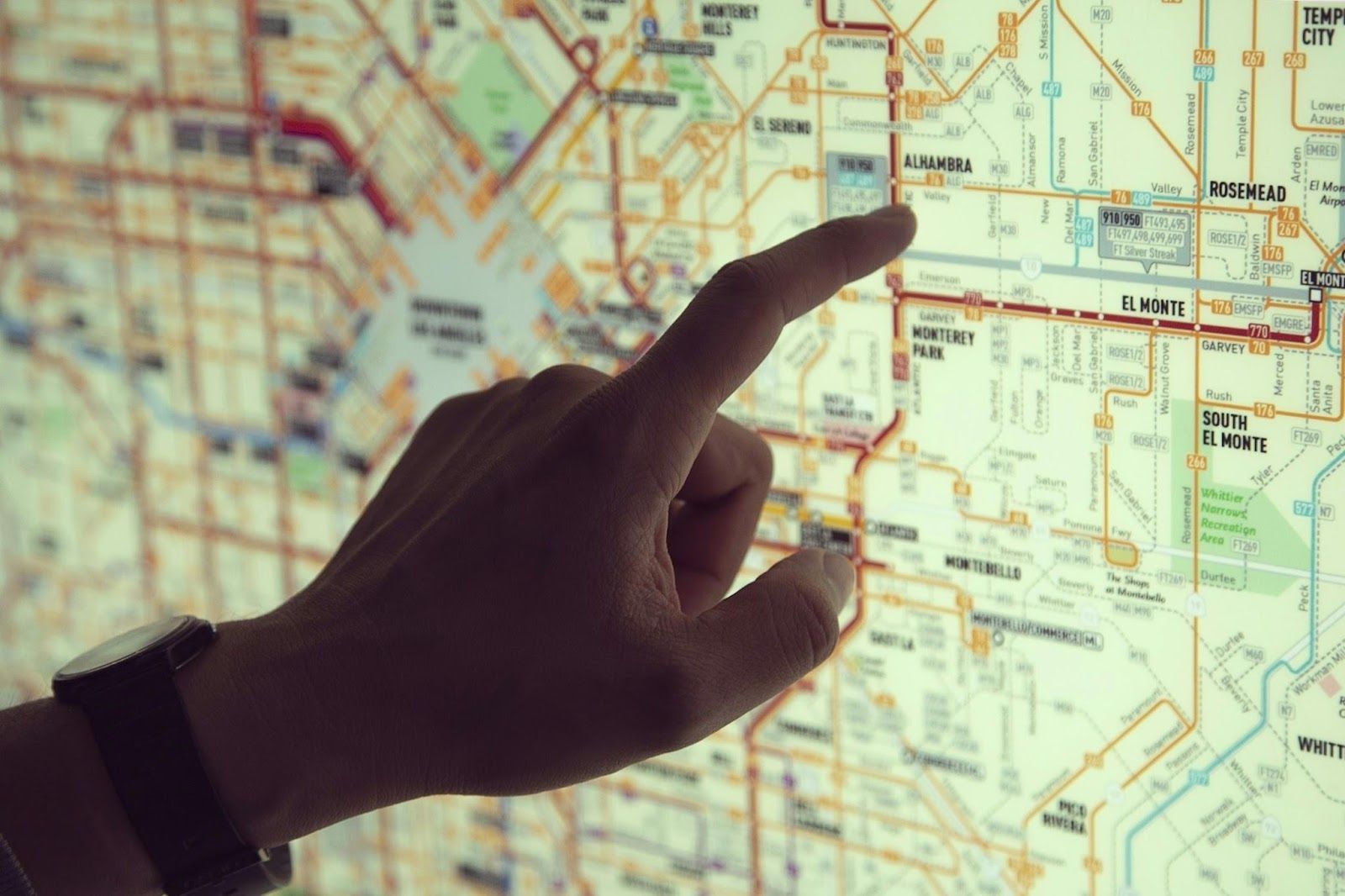 Image: José Martín Ramírez Carrasco
Pointing likely originated as a practical gesture to indicate objects or directions, making it one of humanity's oldest forms of communication. Fascinatingly, it is the first communicative gesture to develop in human infants, and linguists believe it plays a crucial role in language acquisition. However, despite its universal utility, many cultures consider pointing at other people with the index finger to be rude or disrespectful.
The salute
 Image: sydney Rae
The military salute, like the wave, originates in the medieval practice of knights raising their helmets as a gesture of recognition and peaceful intentions. By the 18th century, it had evolved into a formal military custom to signify respect and camaraderie. Today, variations of the salute can be seen across armed forces worldwide, each adapted to reflect the unique traditions and protocols of different nations.
The high five
 Image: Vince Fleming
While the phrase "give me five" was already slang for a type of handshake, the high five most likely evolved from the "low five," a gesture rooted in African-American culture since the 1920s. The first documented use of the high five occurred in 1977, credited to Dusty Baker and Glenn Burke of the Los Angeles Dodgers. It quickly became associated with sports, symbolizing shared triumphs and camaraderie.
The fist bump
 Image: Alexis Fauvet
The fist bump can trace its origins to boxers who were instructed to touch gloves at the start of a contest. However, its popularization is a relatively recent phenomenon, gaining traction in sports and youth culture during the 1990s as a more casual alternative to the handshake. During the COVID-19 pandemic, the fist bump became a common greeting, as shaking hands was discouraged to help slow the spread of the virus.
The clap
 Image: Guillermo Latorre
While the origins of clapping as a form of applause are difficult to pinpoint, it is a common practice in many cultures. One of its earliest documented uses dates back to ancient Roman theater, where audiences clapped or waved pieces of cloth to express approval for performances. The percussive sound of clapping has also found its place in music, particularly in genres like funk, gospel, doo-wop, and flamenco.
The OK sign
 Image: Igor Omilaev
The "OK" gesture, made by forming a circle with the thumb and index finger, became popular in 19th-century America as a symbol for "all correct." However, its origins trace back to classical antiquity, where a thumb and forefinger touching was thought to mimic kissing lips, often used as a romantic gesture. It wasn’t until Roman rhetoricians began using it during public speeches that the gesture gained its modern connotation of approval or assent.
Crossed fingers
 Image: Dayne Topkin
The crossed fingers gesture, often used to wish for luck, has its origins in ancient Christianity, where it was likely adopted for its resemblance to the Cross of Christ. Over time, it also became associated with telling lies, especially among children who use it as an excuse for telling a white lie or invalidating a promise.
The facepalm
 Image: Towfiqu barbhuiya
Though likely as old as human frustration itself, the facepalm gesture became globally famous through internet memes, becoming a shorthand for disappointment or exasperation in both real life and online. Surprisingly, it’s not exclusive to humans—primates have been observed using similar gestures to signal a desire for solitude or to avoid social interaction.