Secret uses

This is how a tiny hole in an elevator door can save your life


Published on July 14, 2026


Image: Inside Creative House

You’ve probably twisted a bread bag closed, filled up your car, or pulled a sheet of aluminum foil from the box thousands of times without giving it a second thought. But many of the everyday objects we’ve used for decades have clever features that most people never notice. From the tiny pocket on blue jeans to the little arrow next to your gas gauge, these hidden designs have practical stories behind them, and once you know them, you’ll never look at these familiar items the same way again.

1

​Dot next to the iPhone camera

Image: DenPhotos

If you own an iPhone, you’ve probably noticed the tiny black dot next to the rear camera. It’s small, so people tend to assume it’s another camera sensor or even part of the phone’s design. The small hole found near the camera bump on every iPhone is actually a rear microphone.

It captures clearer audio when you’re recording videos and helps reduce background noise during FaceTime and regular phone calls. If you own an iPhone Pro model from the iPhone 12 Pro onward, you'll also see a larger dark circle. That’s the LiDAR scanner, which sends out invisible infrared light to create a 3D map of your surroundings. It helps the camera focus faster in low light, powers Apple’s Measure app, and makes augmented reality features much more accurate.

2

​Indent on the bottom of wine bottles

Image: tartaphotography

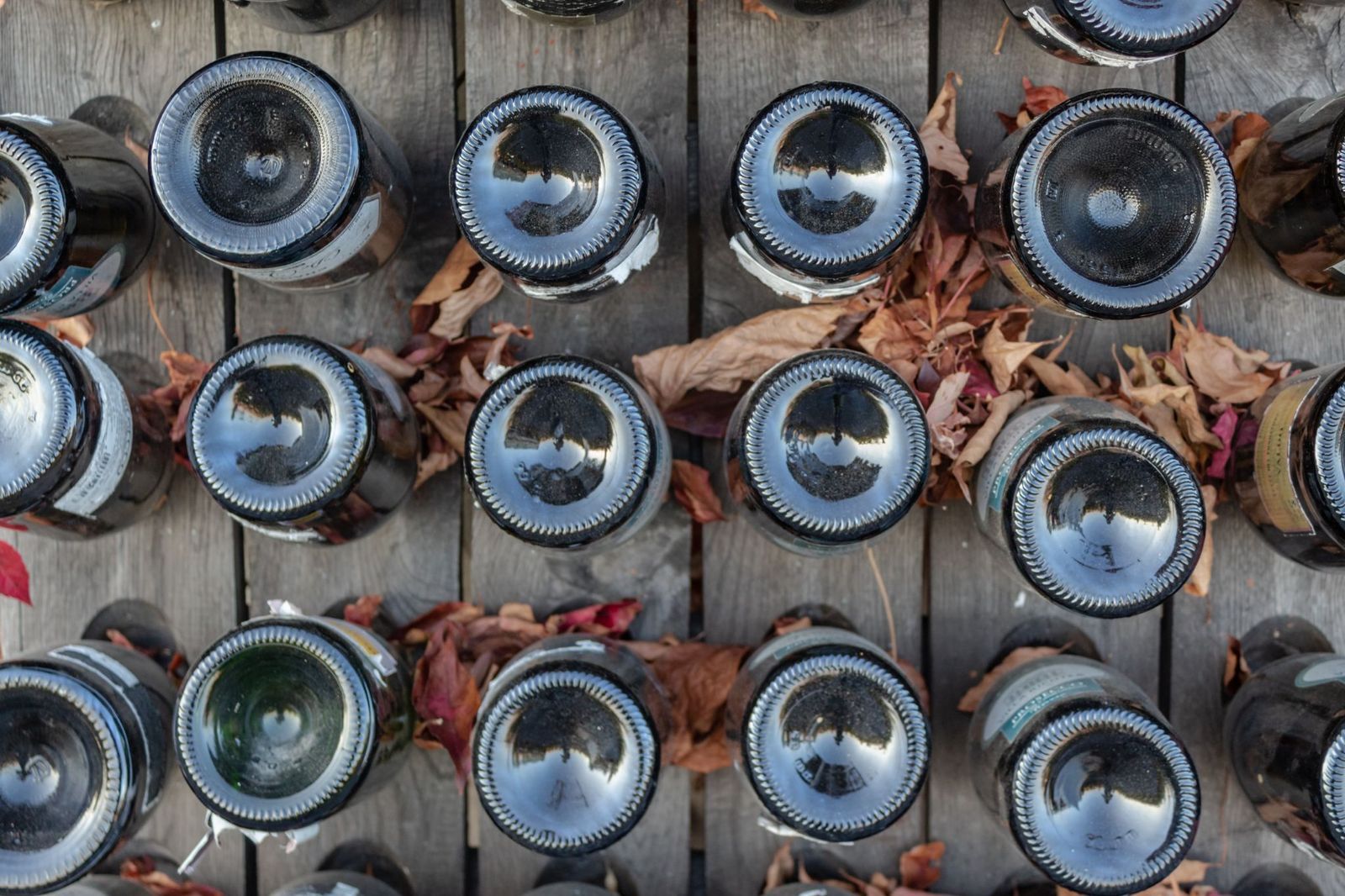
Whether it's a holiday dinner, an anniversary, or simply a nice meal with friends, you’ve probably held a wine bottle and noticed the deep indentation in the bottom. Many people tend to think the deeper the indent, the fancier the bottle.

That indentation is called a punt, and it’s been a part of the bottle-making for centuries. Originally, it helped strengthen hand-blown glass bottles, making them less likely to crack under pressure. Today, it still adds structural stability, particularly for sparkling wines, while also giving servers a comfortable place to rest their thumb when pouring, though some say it helps collect the sediment as wines age. In any case, a deeper pun doesn’t automatically mean a better or more expensive bottle.

3

​Dashboard gas gauge arrow

Image: happycreator

Almost every driver has experienced that awkward moment at the gas station. You pull up to the pump, step out of the car, and suddenly realize the fuel door is on the opposite side.

To help prevent exactly that situation, many modern vehicles include a small arrow next to the gas pump symbol on the dashboard’s fuel gauge. The arrow points towards the side of the vehicle where the fuel filler door is located. It’s a small detail on the dashboard, yet once you notice it, you’ll never have to circle the pump again.

4

​Tiny hole outside an elevator door

Image: chanonnat srisura

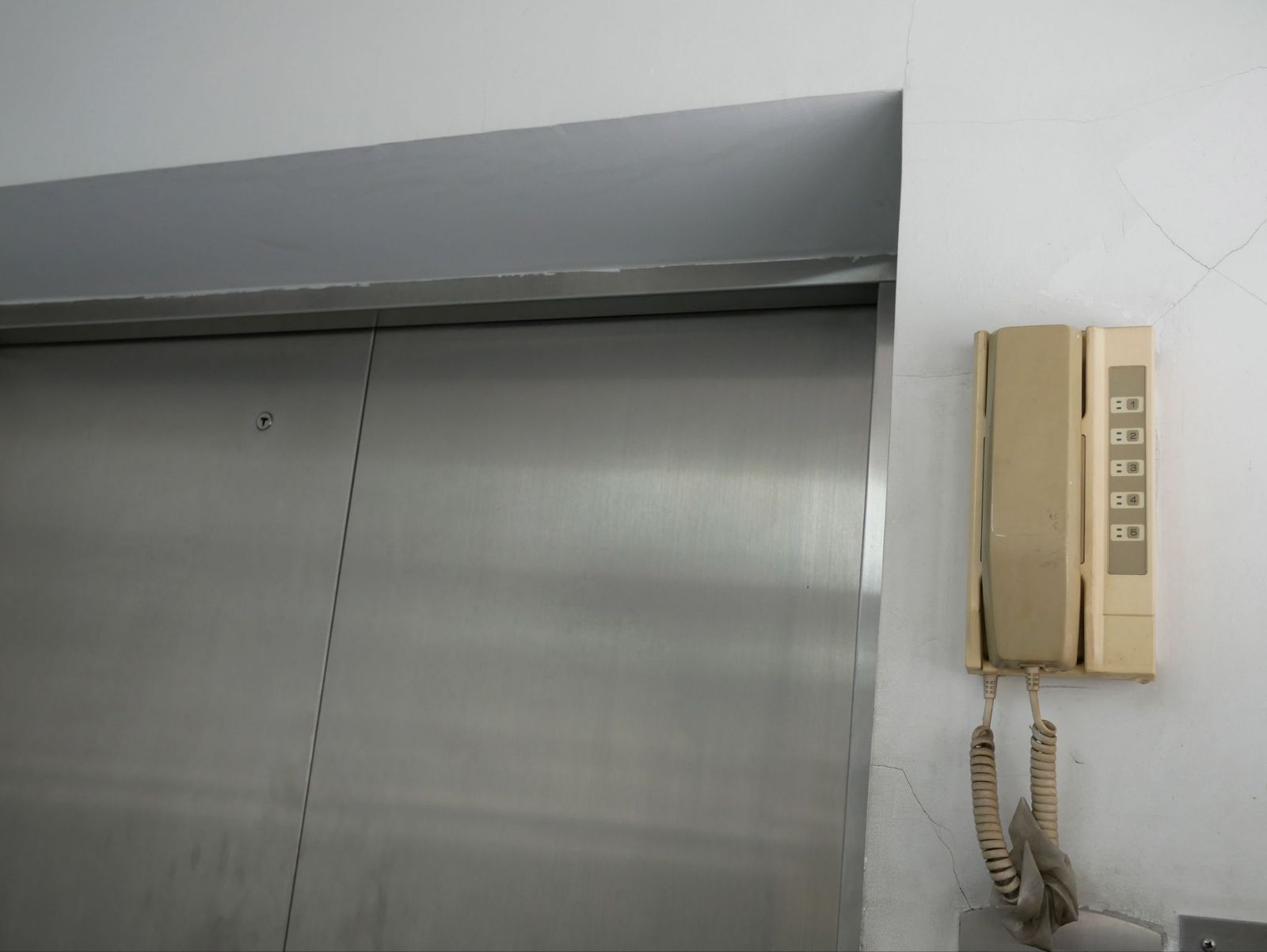
All elevators look pretty much the same. Bigger or smaller, they all look similar, a gray box with a mirror and buttons. But if you pay close attention, you may notice there’s a small round opening near the top of the door.

That opening is a keyhole used by trained maintenance technicians and emergency responders. With a special elevator key, they can manually unlock the landing doors when repairs are needed or if passengers become trapped inside. The system allows professionals to reach the elevator safely without damaging the doors or relying solely on electrical controls. Hopefully, most of us will never need to see it in action. But in an emergency, that tiny opening becomes one of the most important parts of the system.

5

Colored tags on store-bought bread

Image: Towfiqu ahamed barbhuiya

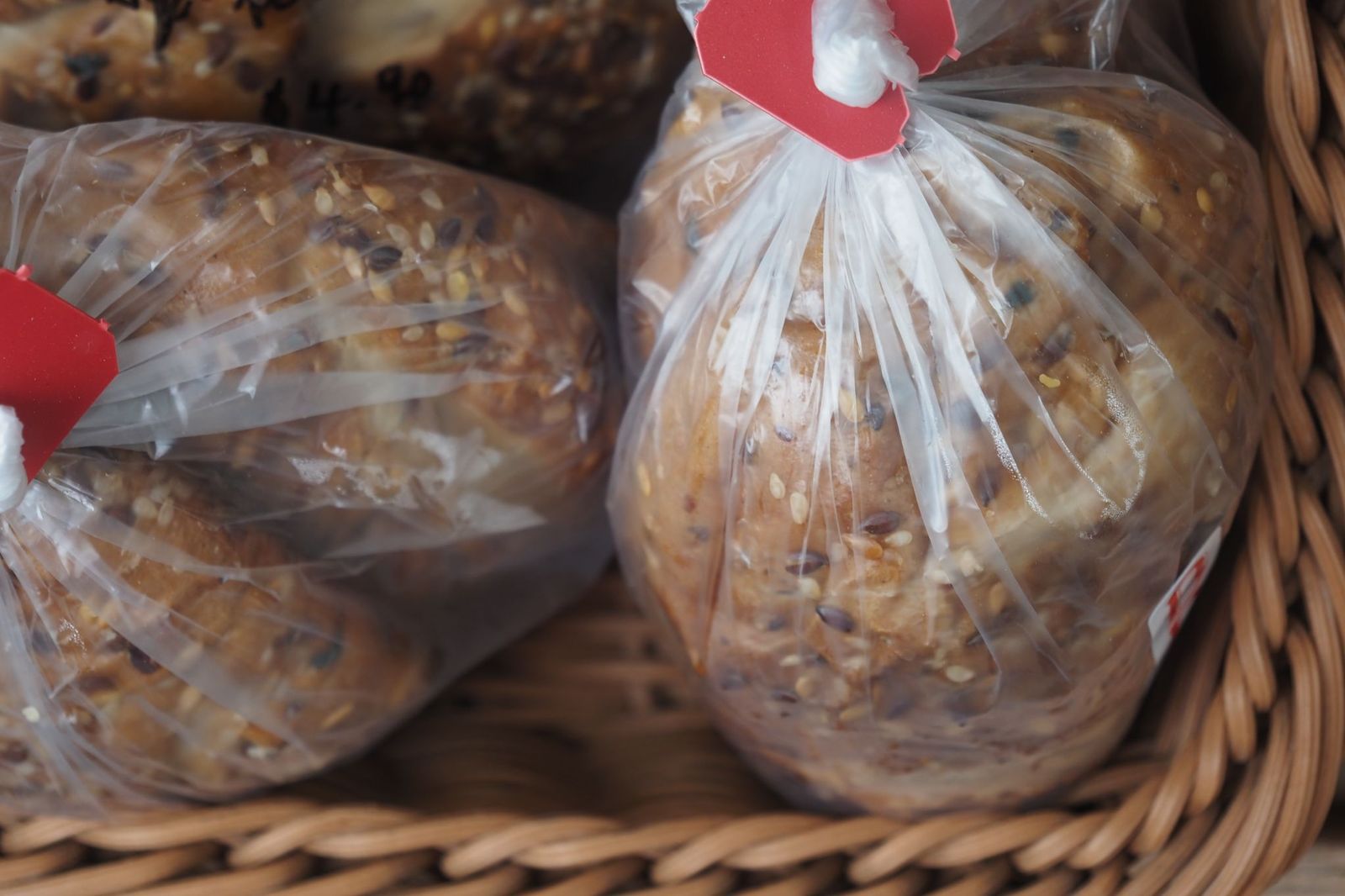
If you’ve ever stood in the bread aisle comparing loaves, you’ve probably noticed the colorful plastic clips or twist ties holding the bags shut. Contrary to what many think, they’re not simply a part of the packaging.

For many bakeries and grocery stores, the colors indicate the day a loaf was delivered or baked. While the exact color schedule can vary between bakeries and regions, employees use the system to quickly spot older inventory and rotate fresher bread to the back of the shelf. That way, customers are more likely to pick up the freshest loaf available.

6

​Tiny pocket on blue jean

Image: triocean

Whether you wear jeans every day or only pull them out for yard work, you’ve probably noticed the tiny extra pocket tucked inside one of the front pockets. It’s too small for a phone and not very useful for loose change, but there’s a reason for it.

Back in the 1800s, when Levi Strauss & Co. created rugged denim pants for miners, ranchers, and cowboys working across the American West, pocket watches were commonplace. Workers needed a safe place to carry their watches while riding horses, so that little pocket was designed specifically to protect the watch from damage. Pocket watches disappeared, but the tiny pocket became such an iconic part of blue jeans that manufacturers have continued including it for well over a century.

7

​Perforations on aluminum wrap boxes

Image: The Image Party

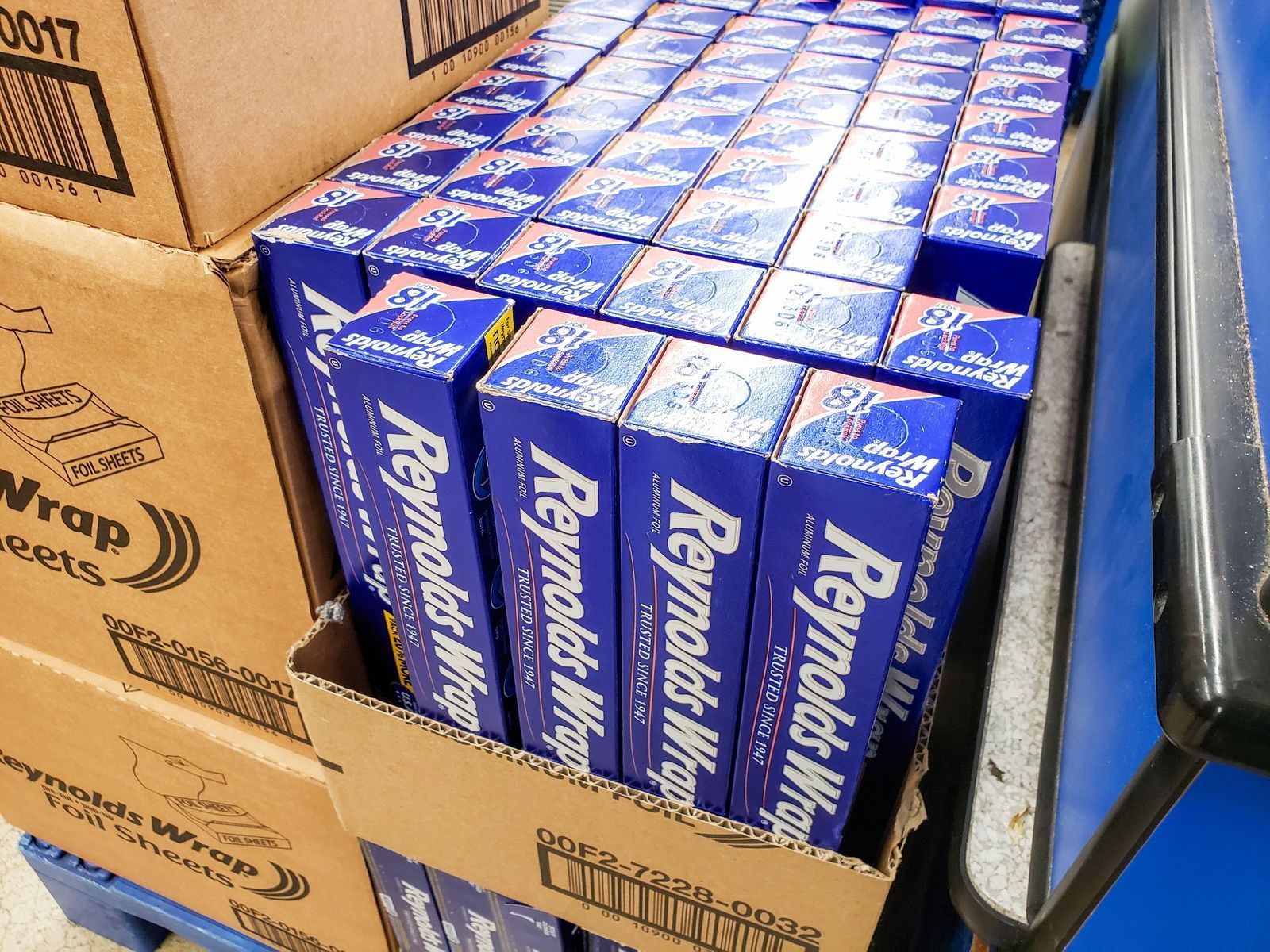
Almost everyone has had the same frustrating experience. You pull on a sheet of aluminum foil, and suddenly the entire roll slides out of the box and lands on the kitchen counter.

That’s exactly why major manufacturers such as Reynolds introduced the small side tabs, known as end locks, in the mid-1990s. By pressing the tabs inward, they hold the cardboard roll in place like built-in axles. This keeps the roll from sliding out of the box, makes it much more stable as you pull, and helps the serrated edge cut a cleaner, straighter sheet. It also reduces waste by preventing the foil from bunching up or tearing unevenly. It’s a simple design, yet useful as it can get.

8

​Hole in pen caps

Image: Konektus Photo

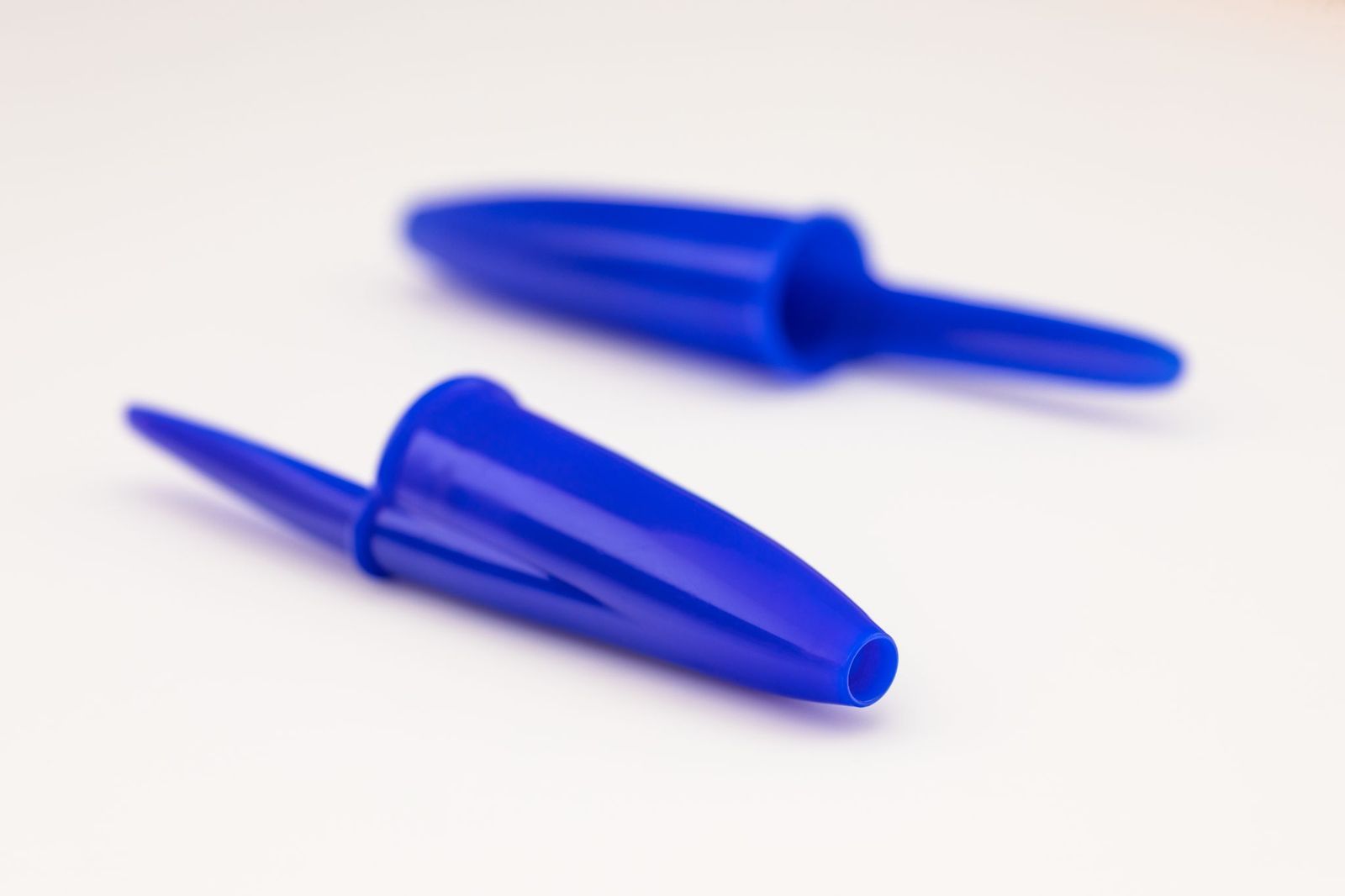
Every household has pens lying around for all kinds of purposes. And most of them have a common feature, a hole in the cap, which isn’t simply part of the design.

BIC and other pen manufacturers included the opening as a safety feature. If someone, especially a child, accidentally swallows a pen cap, the hole can allow a small amount of air to pass through, reducing the risk of complete airway blockage while emergency help is on the way. The design became part of border efforts to improve consumer product safety after choking incidents drew attention to the danger of small plastic objects.

9

​A strawberry attached to a pincushion

Image: Kimberly Hall

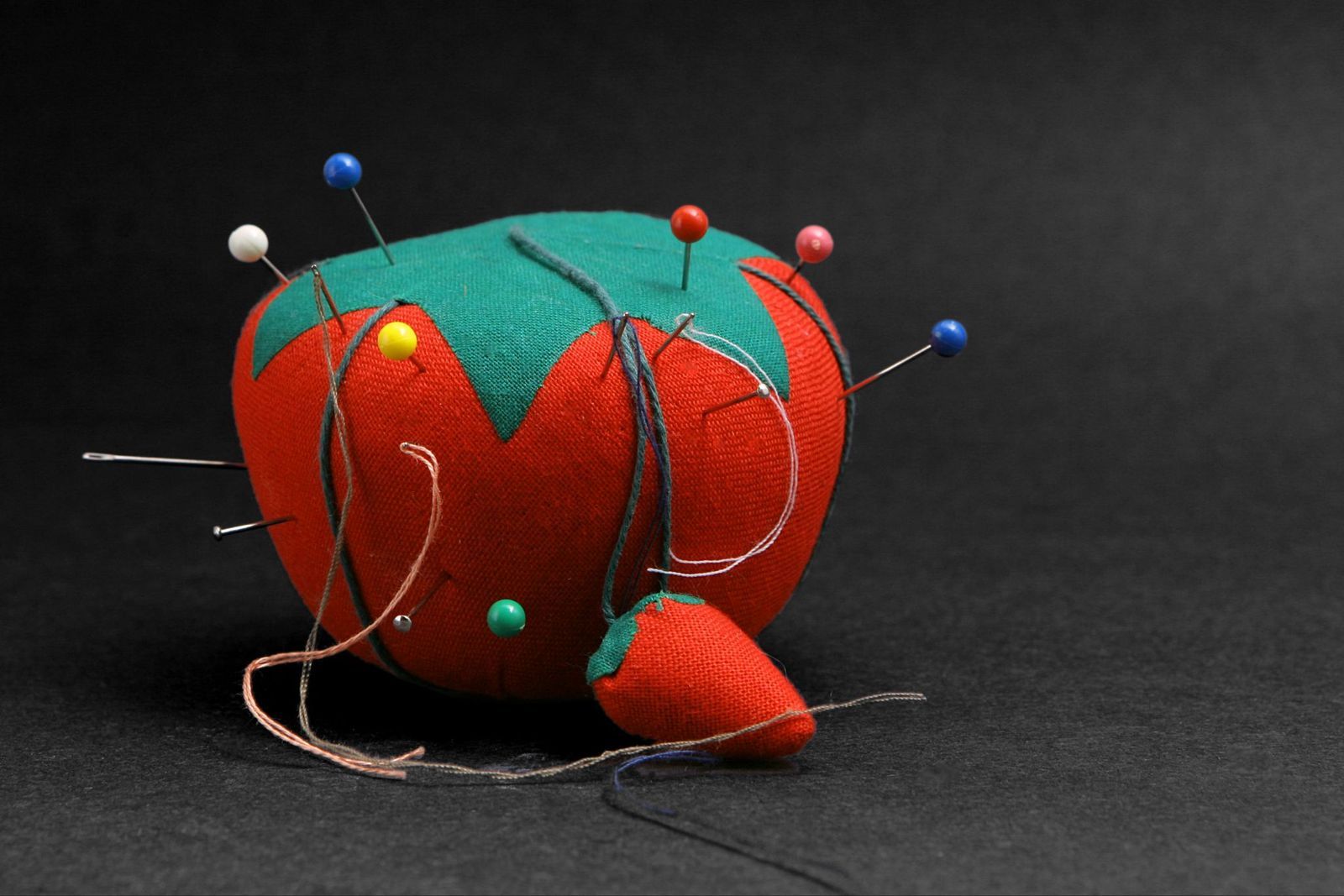
If you grew up sewing or watching somebody do it, you probably remember the classic tomato-shaped pincushion sitting beside the sewing basket. Hanging from it was a tiny red strawberry that looked like nothing more than a cute finishing touch.

In reality, that little strawberry has its own job. Instead of soft stuffing, it’s filled with emery, a gritty material made from crushed abrasive minerals. Running pins and needles through it helps polish away tiny spots of rust, smooth rough edges, and keep the points sharp enough to glide through fabric more easily.

10

​Ridges on the F and J keyboard keys

Image: alexkich

Think back to the first time you learned to type. Maybe it was at work, or on a family computer. Wherever it was, someone probably told you to keep your fingers on the "home row." That’s exactly why the F and J keys have tiny raised ridges.

The bumps let your index fingers find the correct starting position by touch alone, allowing you to type without constantly looking down at the keyboard. The technique, known as "touch typing," is widely credited to American court stenographer Frank Edward McGurrin, who demonstrated it in 1888. As typewriters became more common, manufacturers experimented with different ways to help typists orient their hands, and by the mid-20th century, companies such as IBM standardized the subtly raised plastic bars that remain on nearly every keyboard today.



Hospital secrets

What is a "Code Gray" and what you should know if you hear it at the E.R.


Published on July 14, 2026


Image: voronaman

A trip to the emergency room can be stressful enough without hearing doctors and nurses speak a language that sounds like a secret code. One minute, someone is asking for medication "STAT," the next there’s a "Code Gray," and another patient is suddenly "NPO." What do those words really mean? Some are official medical terms, others are insider slang, but they all help hospital staff communicate quickly when every second counts. Here are 10 of those codes explained.

1

Code Gray

Image: PeopleImages

The E.R. can be hectic and unpredictable. Most patients are frightened or uncomfortable, but now and then someone becomes aggressive because of pain, confusion, mental illness, or the effects of alcohol or other substances. That’s when you can hear "Code Gray" announced over the speakers.

The code is used to summon security officers to help manage a violent or combative situation. While color codes vary from one hospital to another, Code Gray commonly signals that staff needs extra assistance to protect patients, visitors, and healthcare workers. Even if you know it now, most people in the waiting room never know what happened, and that’s exactly the point.

2

NPO

Image: PeopleImages

You have a scheduled surgery, you’re in your bed waiting to be taken to the surgery room, and you ask for a cup of coffee to make the wait lighter. The nurse will probably tell you you’re an NPO. You may think it’s serious, but it’s simply a procedure.

"NPO" is an abbreviation that comes from the Latin phrase Nil Per Os, which means "nothing by mouth." It tells patients they cannot eat, drink, or sometimes even take medication until doctors say it’s safe. The rule is most common before surgery or certain medical tests, when food or liquids could increase the risk of complications or alter the results. It may be frustrating, but it’s an important part of keeping patients safe.

3

STAT!

Image: PeopleImages

You’ve probably been through the experience of visiting an emergency room, either to get checked or to visit a loved one. In that part of the hospital where everyone is rushing to save lives, you’ve probably heard a doctor asking for the R.C.P. cart or medication "STAT!" It sounds urgent, and that's because it is.

The expression comes from the Latin statim, which means "immediately" or "without delay." Hospitals have used Latin medical terms for centuries, but STAT is one of the few that remains part of everyday conversation. When a doctor says it, the request jumps to the top of the priority list. It doesn’t always refer to a life-or-death situation, but it does mean the medical team needs something done as quickly as possible.

4

Code Pink

Image: Vladimir Tretyakov

Newborns are always a reason to celebrate at the hospital. Parents usually rest happily next to their child as they receive congratulations from close relatives. However, the hospital is always prepared to handle extremely rare emergencies under "code pink."

If you hear a "Code Pink," it usually means a baby or young child is suspected of being abducted from the hospital. Within seconds, security officers respond, exits may be monitored or blocked, and staff begins following carefully rehearsed procedures. Although different hospitals sometimes use different color codes, Code Pink has become widely recognized across North America as one of the most serious alerts a hospital can issue.

5

Walkie-talkie

Image: Arunporn Thanapotivirat

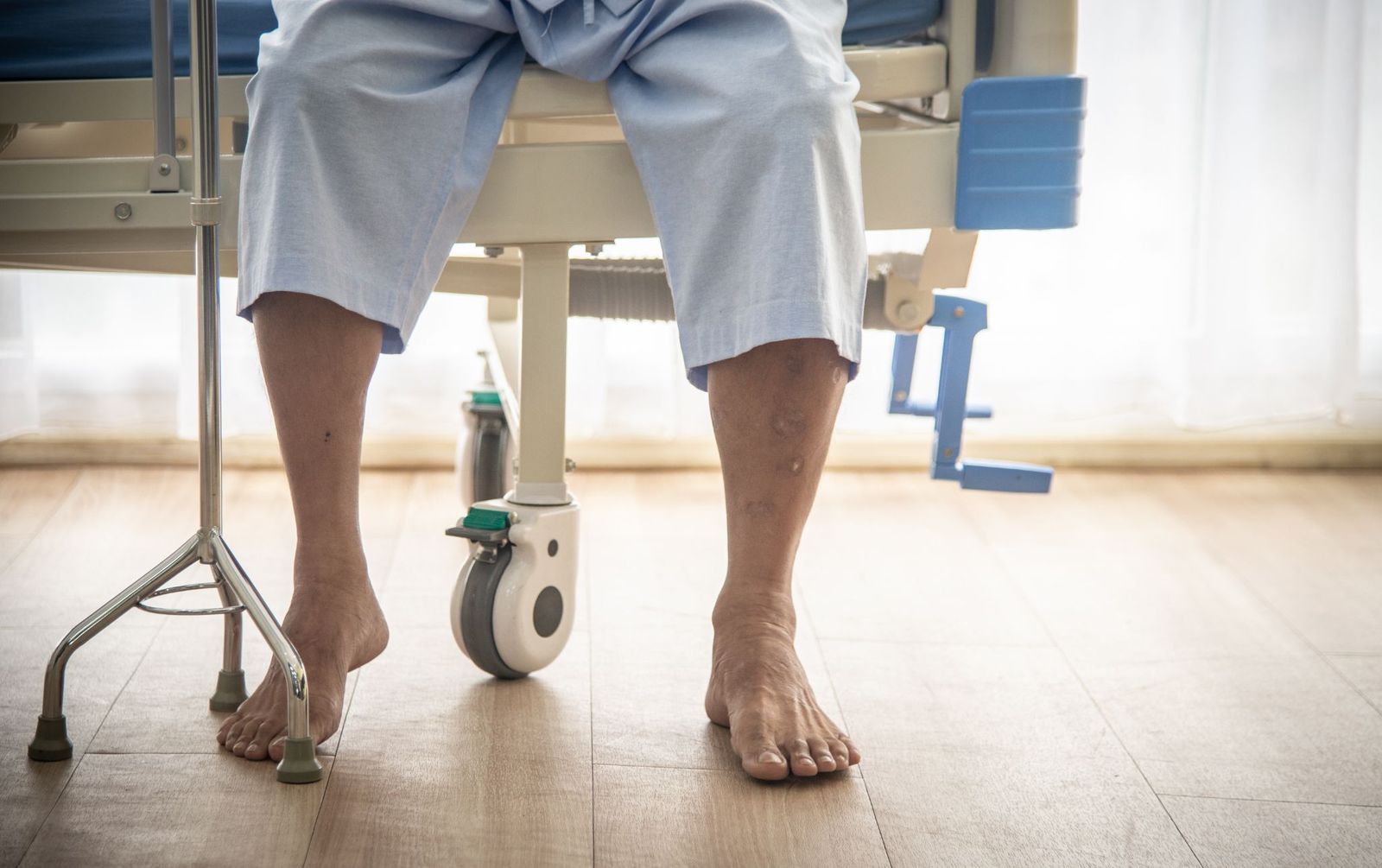
If you’ve ever spent a few days in the hospital, you’ve probably noticed that some patients are walking up and down the halls, while others need help just getting out of bed. When a nurse refers to someone as a "walkie-talkie," it’s actually good news.

This informal expression refers to patients who can walk on their own, use the bathroom without assistance, and handle most basic tasks independently. It’s not an official medical term, of course, but it’s commonly used among healthcare workers because it quickly tells the next shift that the patient requires less hands-on care than many others.

6

Total

Image: sebra

As nurses change shifts, you’ll often hear them give a quick report about each patient. One person may only need medication, while another is described as a "total."

The term is short for a patient who requires total care. They may need help eating, bathing, getting dressed, turning in bed, or moving from one place to another. Although the expression sounds impersonal, it’s simply a practical way for caregivers to communicate how much assistance someone needs.

7

Frequent flyer

Image: Studio Romantic

Most people hear "frequent flyer" and think of an airline reward program. And that’s correct, but in an emergency room, the phrase has a very different meaning.

A frequent flyer is an informal nickname for patients who repeatedly return to the hospital, often due to chronic illness, recurring medical conditions, or other ongoing health issues. Behind the light-hearted nickname is often a difficult reality. Many of these patients are simply dealing with medical problems that require regular emergency care, and the expression is just a way to make the experience a bit lighter among the familiar faces of doctors and nurses.

8

WOW

Image: Studio Romantic

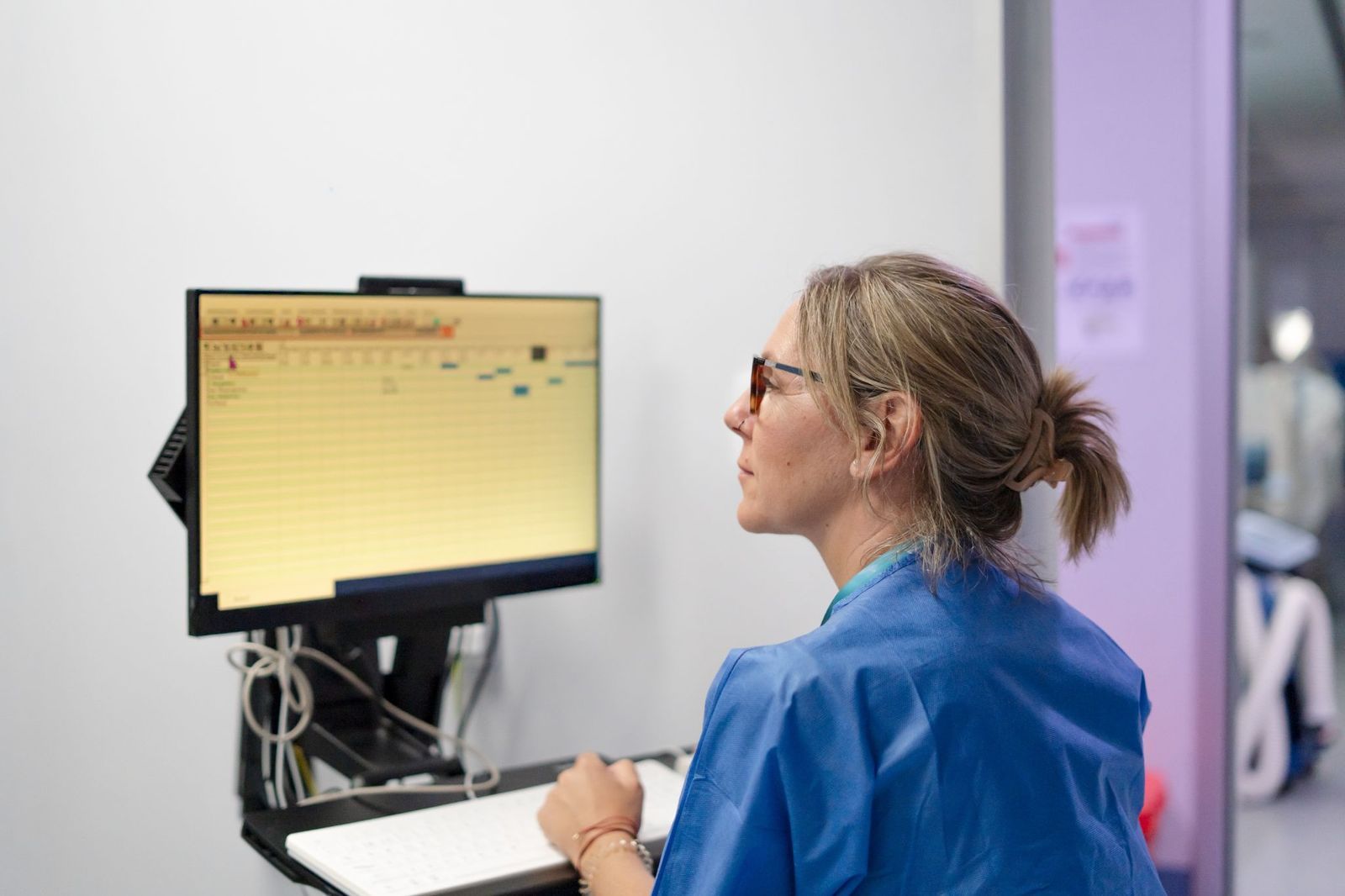
Not all codes are for patients. The next time you’re in a hospital, look closely at what the nurse is pushing from room to room. It may look like a small rolling desk with a computer on top. Staff often call it a "WOW," short for "workstation on wheels."

As hospitals switched from paper charts to electronic medical records, these mobile computers became essential. Nurses use them to review test results, scan medications, update patient charts, and check doctors’ orders without leaving the bedside. The name sounds funny, but the technology helps caregivers spend more time with patients instead of walking back and forth to a nursing station.

9

Sharp container

Image: NMK-Studio

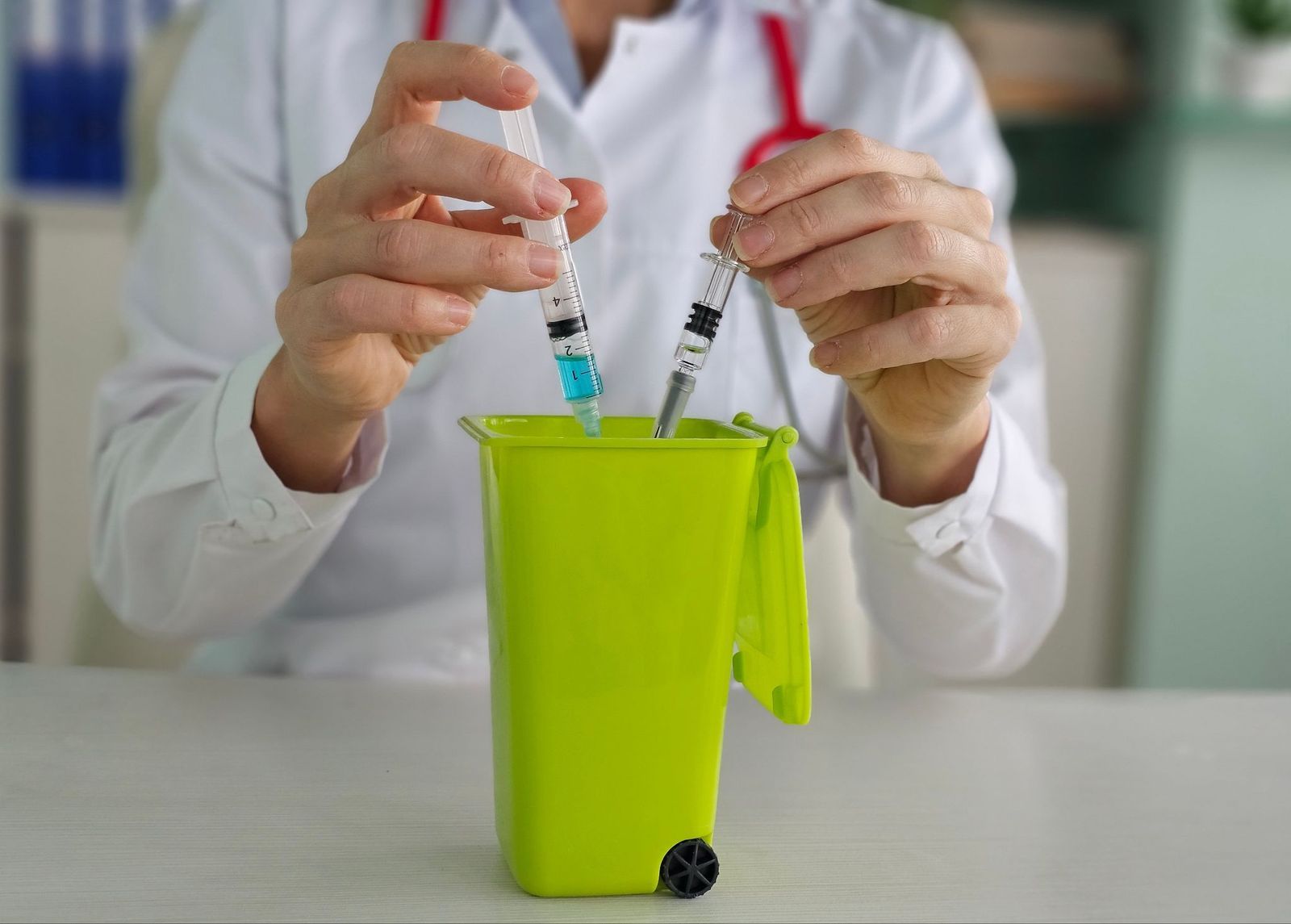
After getting a shot or having blood drawn, most patients never think about where the used needle ends up. It certainly doesn't go into an ordinary trash can.

Hospitals place needles, scalpels, and other sharp medical instruments into special containers designed to prevent accidental injuries. These sturdy, puncture-resistant boxes are sealed when full and safely disposed of in accordance with strict health regulations. This not only protects nurses, but it also protects cleaning crews, waste handlers, and even the public from dangerous needle sticks. It’s one of the most important safety measures in every hospital, even though most patients never notice it.

10

B-52

Image: Photoroyalty

If you’ve ever watched a medical drama, you've probably seen a patient become so agitated that several staff members rush into the room. In situations like that, a doctor or nurse may ask for a "B-52." But the name has nothing to do with numbers themselves; it actually comes from a medicine.

B-52 is hospital slang for a fast-acting injection used to calm down patients who are severely combative or at risk of harming themselves or others. The nickname comes from a commonly used combination of medications that usually include diphenhydramine, haloperidol, and lorazepam. It’s strictly reserved for when other methods of calming the patient haven’t worked.

Looking for an extra scoop of literary fun?

Learn more with our Word of the day

imbroglio

/ɪmˈbroʊljoʊ/