New news!
Weird but true: 10 recent incredible news stories you've probably missed
Published on September 14, 2025
 Image: brotiN biswaS
Yes, we know, the world moves too fast. Hundreds of news stories are published on news portals and social media every day, and it's impossible to keep up with everything that's going on. Since we know you're a busy bee and you probably could do with some chill time, in this article, we've rounded up 10 recent news stories that are so crazy they'll not only shock you, but also make you smile. Enjoy!
A garage sale with a twist
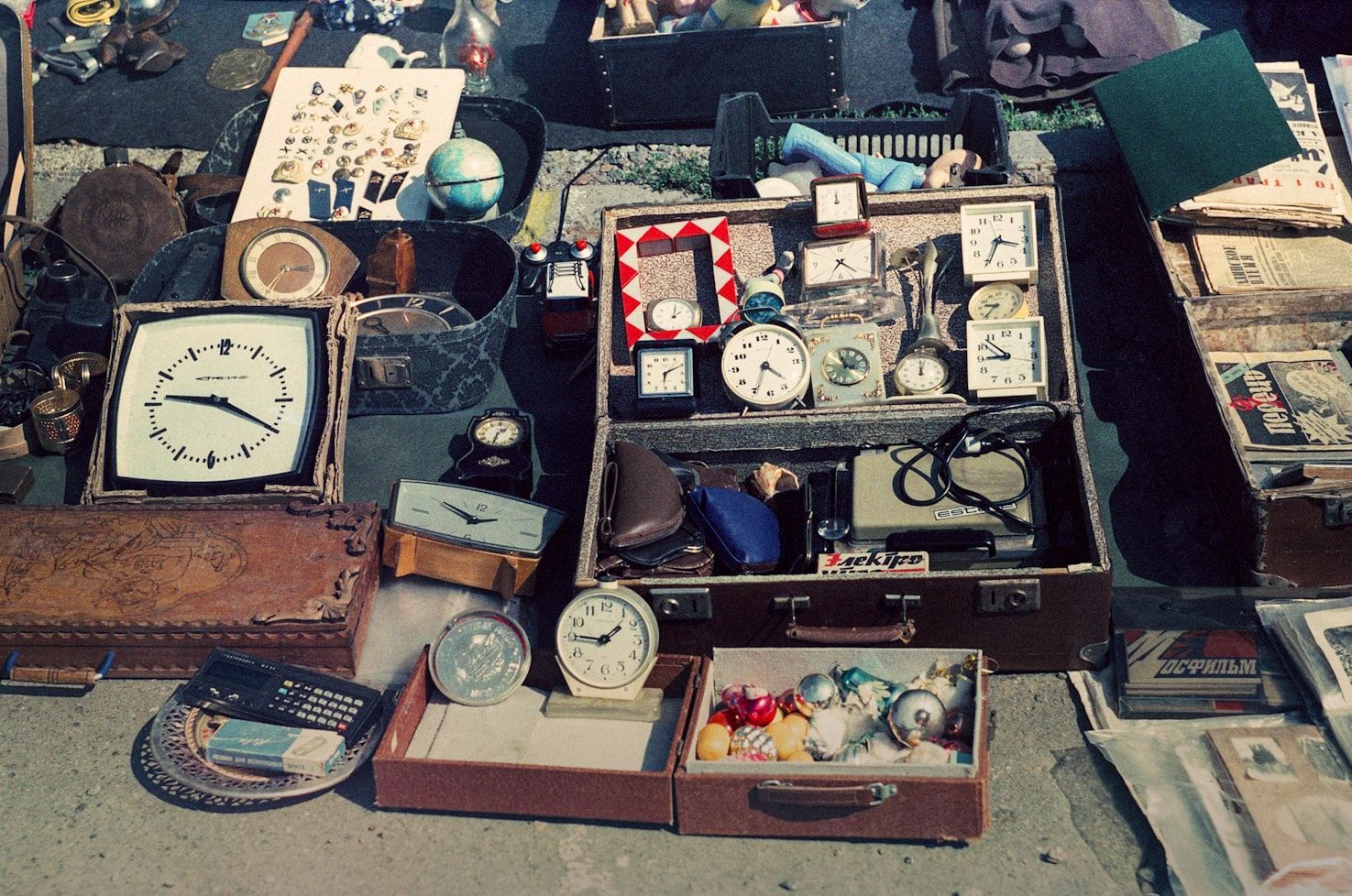 Image: Margarita Marushevska
Back in 2023, an antique dealer found a hidden gem at a garage sale in Cambridge, UK. He immediately thought he recognized the author of the painting, one of the most important artists in history. He then decided to take it to an auction house to confirm his suspicions.
After a thorough analysis that took almost two years, they finally confirmed he was right: the painting was an original Salvador Dalí. It is called "Vecchio Sultano" and belongs to a series that the Spanish artist had created, inspired by the tales of The Arabian Nights. The painting will be auctioned with a starting price of £20,000. Interestingly, the person who found it bought it for only £150. Nice deal, don't you think?
A million miles away
 Image: Robson Hatsukami Morgan
How absent-minded do you think you are? Probably a lot less than this 62-year-old Frenchman, who had to call the police after forgetting his wife at a gas station on their way to Morocco for a vacation. The man claimed he only realized the woman was missing after driving about 200 miles.
Oddly enough, the couple's 22-year-old daughter, who was traveling with them, was unable to provide information to the authorities because she had fallen asleep. The police had to check the security cameras and contact the phone company to locate the woman. After a quick investigation, they concluded that the man was truly an absent-minded person and had not abandoned his wife intentionally.
Three people and a baby
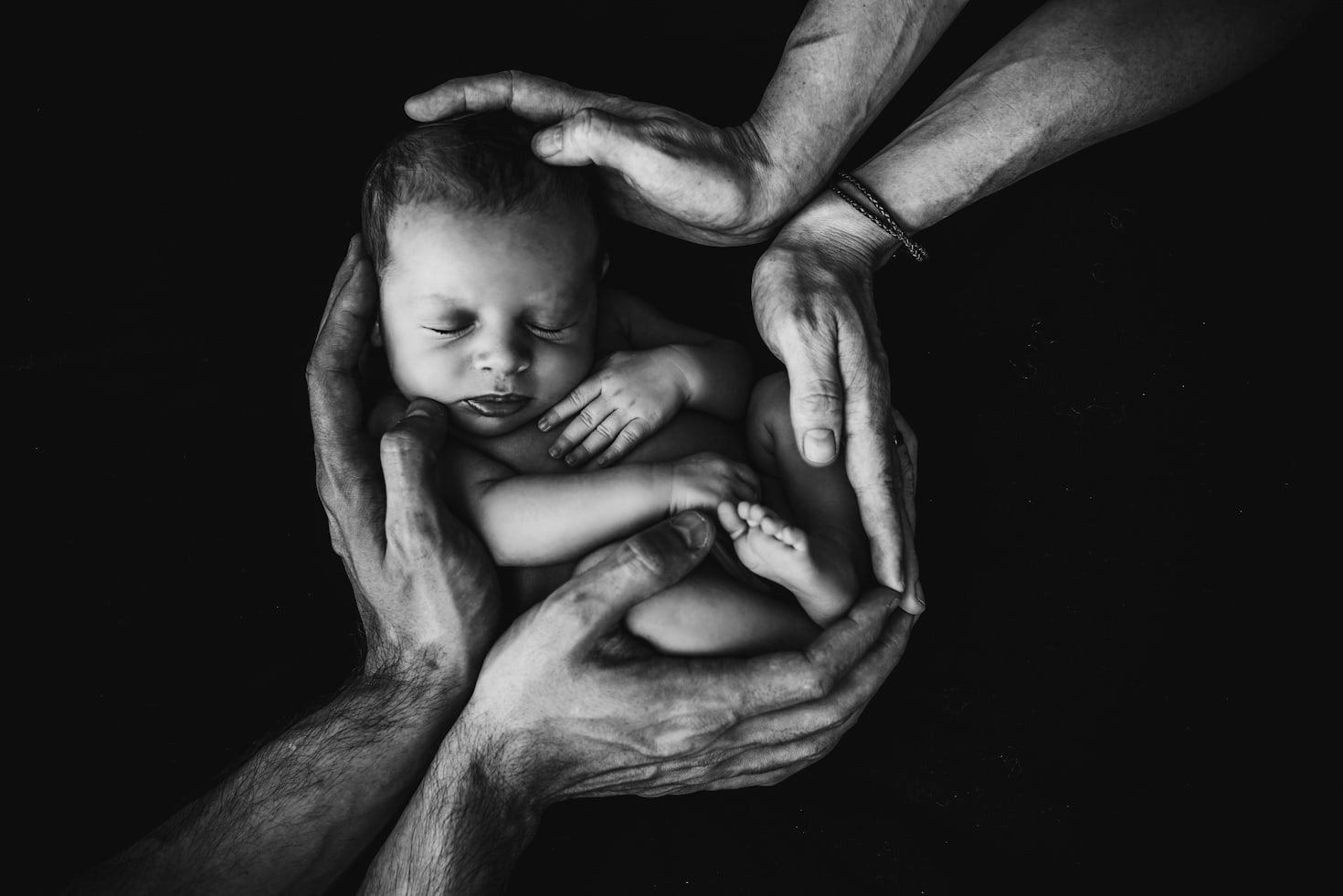 Image: Isaac Quesada
Recently, a team of British scientists successfully conceived eight babies using DNA from three people. They also managed to ensure that the babies were born without hereditary conditions. This was possible thanks to a new in vitro fertilization technique where a small amount of mitochondrial DNA from a donor is added to the mother's egg and the father's sperm.
Researchers at the Newcastle Fertility Center explained that one in 5,000 people are born with mitochondrial diseases, which have no treatment and whose symptoms can include vision loss, diabetes, and muscle atrophy. The experiment has sparked a debate due to ethical and religious issues. Yet, it has been proven that babies can be conceived without inherited disabling or fatal diseases.
Robin Hood's tree
 Image: clement proust
A British court sentenced Daniel Graham and Adam Carruthers to four years and three months in prison for cutting down an iconic tree next to Hadrian's Wall in northern England. This Sycamore Gap tree became famous after appearing in the 1991 film starring Kevin Costner, Robin Hood: Prince of Thieves. Since then, it has been a major tourist attraction.
The perpetrators claimed they were drunk at the time, but authorities were able to prove the crime was premeditated. The men had traveled specifically to the site and recorded themselves cutting down the tree with a chainsaw. They also took a piece of the trunk as a trophy. As a result, the judge ruled that their behavior showed a "sheer bravado" that had caused an enduring sense of loss to the community.
Stress camp
 Image: Héctor Berganza
Would you send yourself to prison for a piece of quiet? Just a few miles from Seoul is "Prison Inside Me", a unique retreat center where people voluntarily lock themselves away to detox from stress and reconnect with themselves. Imagine being able to escape the demands of everyday life for a couple of hours!
Those who attend this stress camp hand over their phones upon arrival, must wear a blue uniform, and say goodbye to watches, mirrors, and external distractions for a few days. Silence is the norm: they meditate, write, and breathe. The goal is not to be punished, but to find peace in tranquility.
Unique blood type
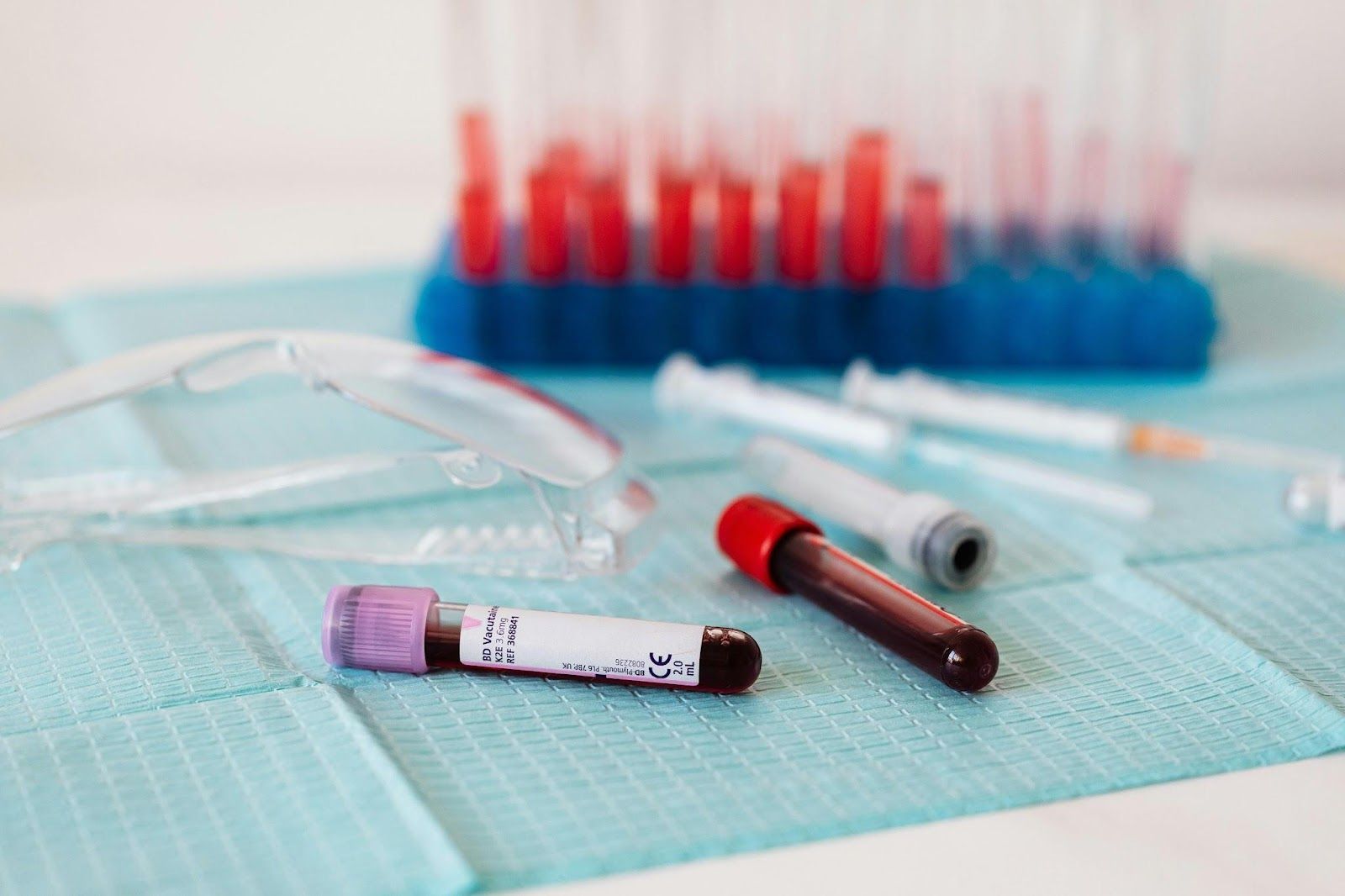 Image: Kaboompics.com
Can you imagine being completely unique in the world? A group of scientists has confirmed that a woman from the Caribbean island of Guadeloupe has a rare blood type that has never been seen before on the planet. This new blood group has been named "Gwada negative."
The French Blood Institute detected an unknown antibody when the patient took a set of tests before a surgery in 2011. At that time, the technology necessary to conduct in-depth research wasn’t available. It was not until 2019 that advancements in DNA sequencing allowed the use of a technique that confirmed a genetic mutation that finally solved the mystery.
Message in a bottle
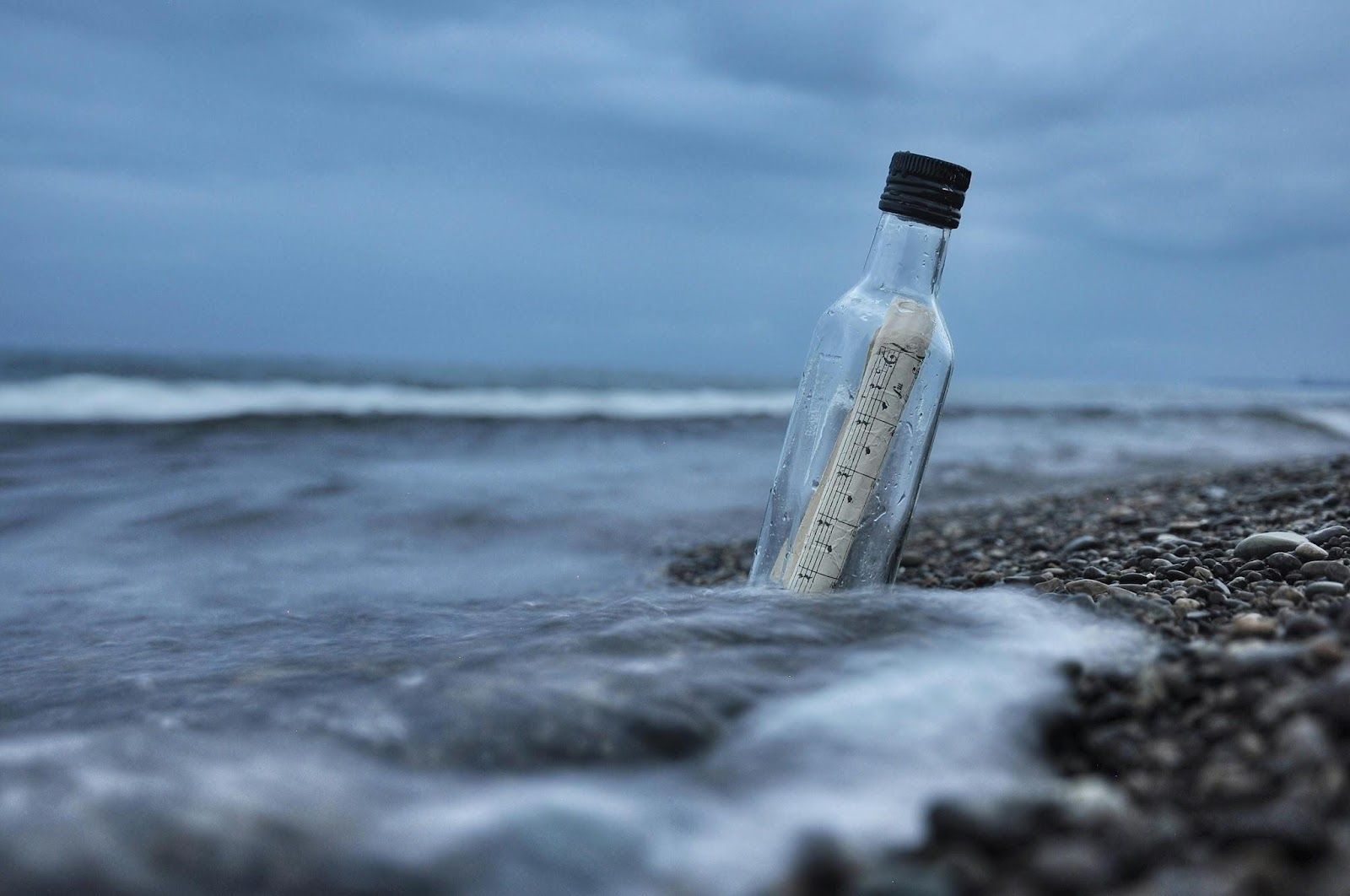 Image: Snapwire
While cleaning a beach on the south coast of Ireland, a group of environmentalists found a stranded bottle with a love note inside. The message was written by a Canadian couple and said, "If you find this letter, please call us." Moved by the sentiment, they decided to call the phone number on the note to find out if Anita and Brad were still together.
After not being able to reach them, they posted the story on Facebook. The post quickly went viral in Canada, and friends of Anita and Brad Squires recognized the romantic gesture. The couple finally found out that their message, sent in 2012, had been found on the other side of the ocean. The couple has now been married for nine years and has three children. Anita is a nurse, while Brad is a former member of the Canadian police force.
Hot air balloon acrobatics
 Image: E Hillsley
Recently, 30-year-old Russian gymnast Sergey Boytsov performed a daredevil stunt on a platform suspended above a hot air balloon at an altitude of almost 5,000 feet. But that’s not all; he didn’t wear a harness or any safety equipment. He then jumped out with a parachute.
It took a team of 33 people, two and a half months of training, two hot air balloons, one helicopter, and one plane to get the gymnast into the air. Sergey is no novice when it comes to heights or extreme sports. He had also participated in a boxing match at high altitude three months before. The feat was officially recorded in the Russian Book of Records.
Four times lucky
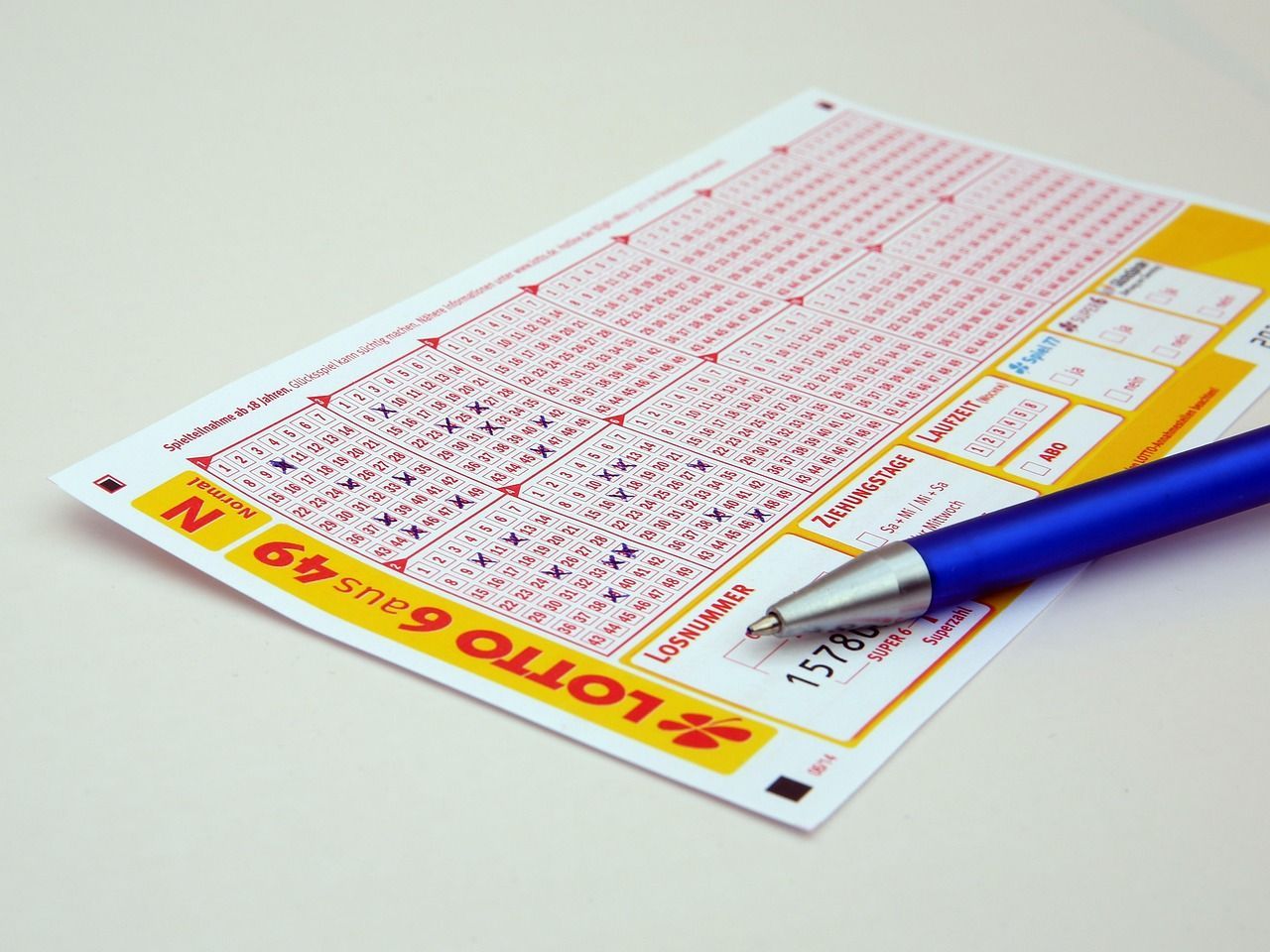 Image: Hermann
We all dream of winning the lottery, but winning it four times? David Serkin must be the luckiest man in the world! Not only did he survive cancer, but he has won the lottery four times, the last three in less than 12 months. His case is so rare that even the Western Canada Lottery Corporation claims that the odds of winning are 1 in 33 million!
Ten years ago, this lucky Canadian won $250,000, and although he knew the odds of winning again were very low, he kept playing because he didn’t want to give up the tradition he had been enjoying for over forty years. And thank goodness he didn’t! In August 2024, he won half a million dollars, in November a million, and in May 2025 another million. To celebrate, he took his wife on vacation to Hawaii!
Super-Chihuahua
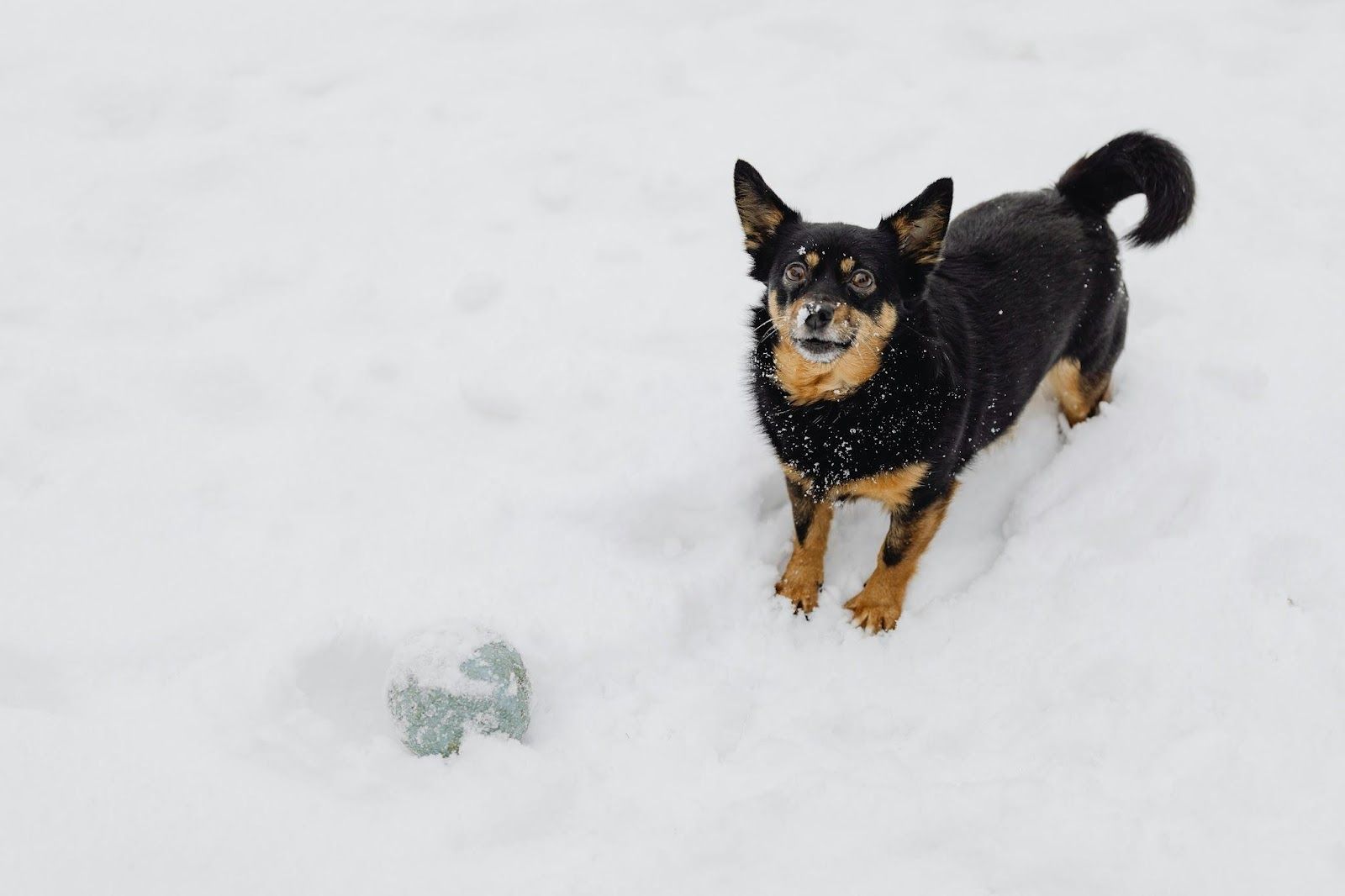 Image: Kaboompics.com
A Chihuahua became news after its owner fell into a huge crevasse on a glacier in Switzerland and helped guide rescuers to find him. The man had fallen about 26 feet deep into the abyss while walking on the Fee Glacier with his small furry companion.
Fortunately, the man had a walkie-talkie with which he was able to call for help. But how would they find him? The Chihuahua, which had remained at the edge of the crevasse barking and moving around in the snow, allowed the rescuers to determine the exact location of the accident from the air. A true four-legged hero!