Slang on the tracks

Ten words railroaders invented that you still use to this day


Published on September 22, 2026
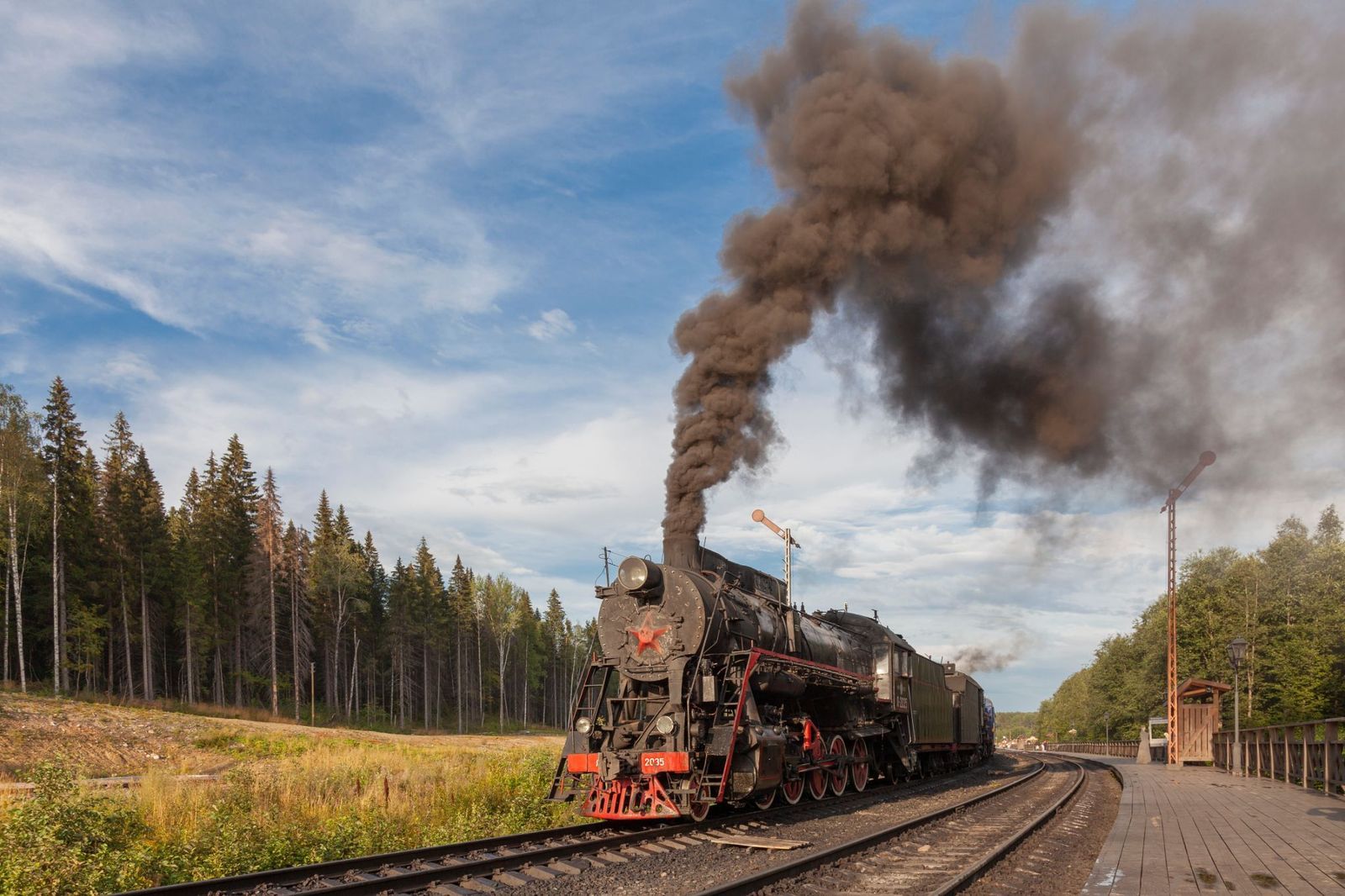

Image: Zubkov Igor

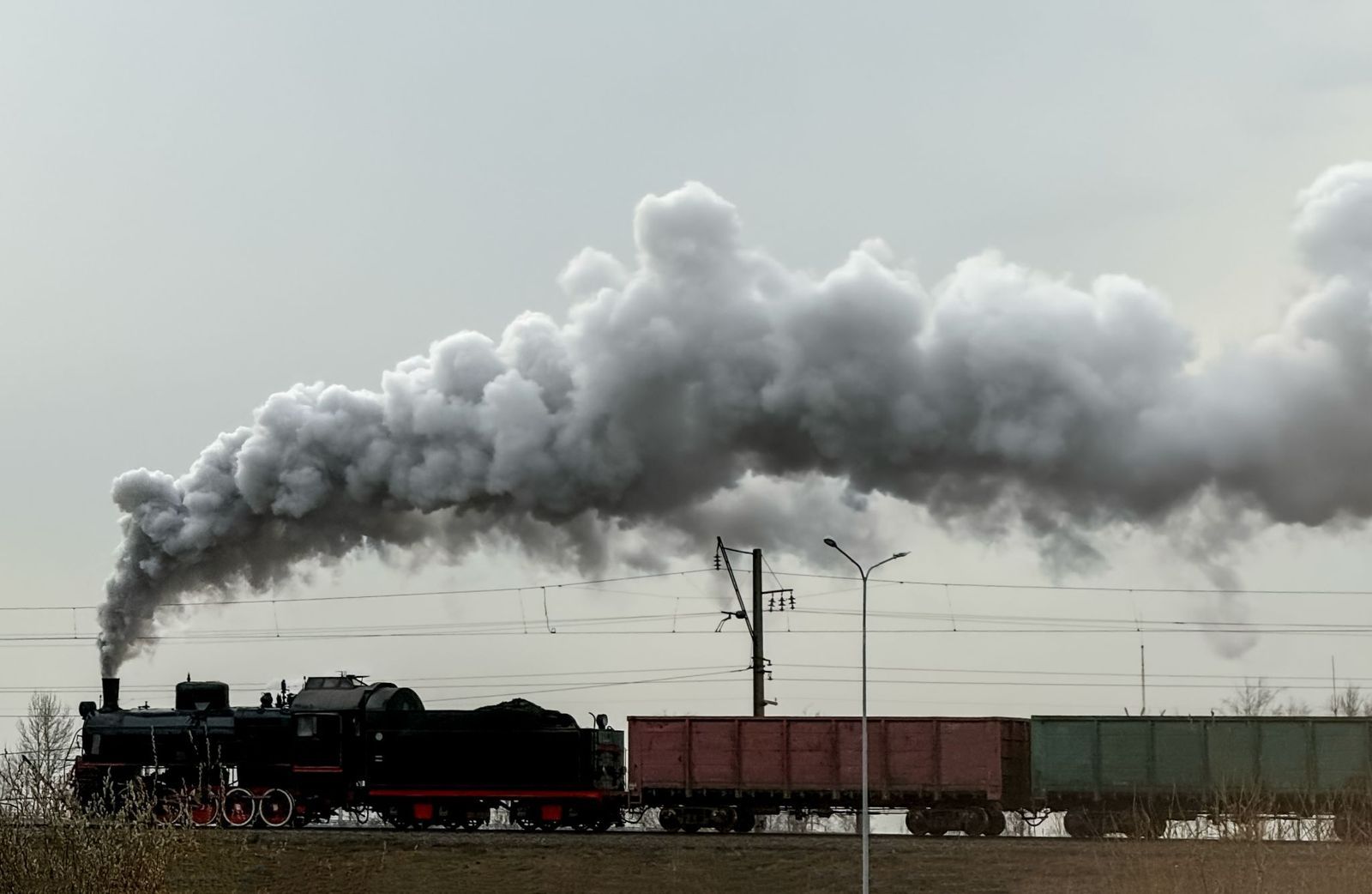
Railroads changed America. They hauled manufactured goods, spare parts, mail, and millions of everyday folks across a country that used to take weeks to cross on foot or wagon. But railroading also built its own tight-knit culture, complete with its own slang. Take highball, the old signal for "all clear, full speed ahead," or caboose, that funny little car that used to trail every freight train. Both are still tossed around today, decades after steam gave way to diesel. Here are 10 more terms that show just how colorful railroad talk really was.

1

Highball

Image: pimpampix

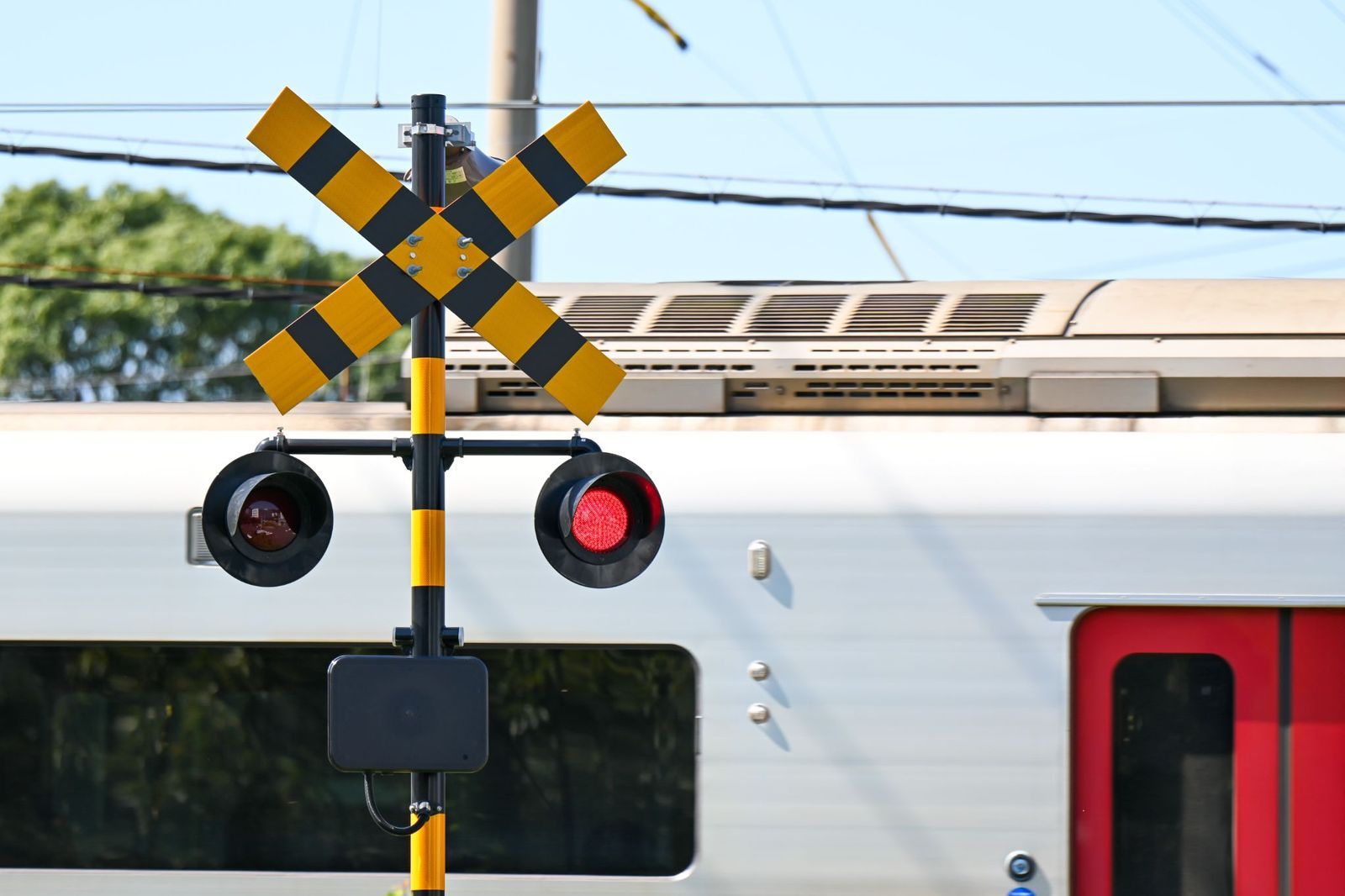
Around the late 1800s, American rail yards used a big wooden ball hoisted up a pole. When the ball was raised high, it meant the track ahead was clear, and the train could go full speed. Crews started saying "highball it," and the phrase stuck around long after those ball signals disappeared, replaced by colored lights.

Today, "highball" still means "go for it, full speed," even outside railroading.

2

Deadhead

Image: kelvn

This term goes back to 1800s American railroading. It described a worker riding a train without actually being on duty for that trip, just catching a ride to reach their next assignment. The term later jumped the rails entirely, showing up in airline talk ("deadhead flights") and everyday business slang for anything moved without generating revenue, like an empty return trip.

3

Caboose

Image: GE_4530

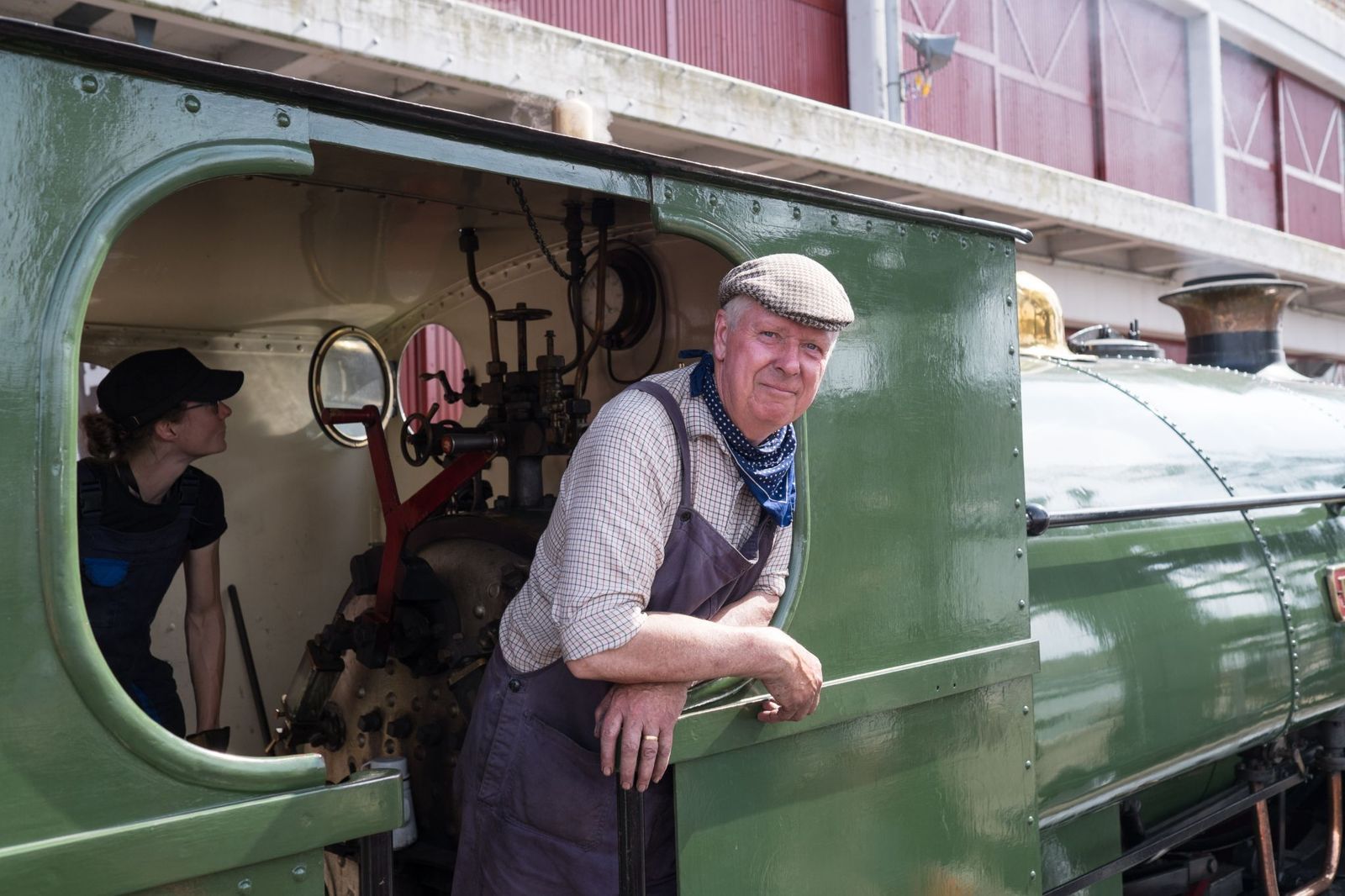
Nobody's totally sure where this one came from, but many word-history experts trace it back to a Dutch sailing term, "kombuis," meaning a ship's kitchen. Somehow, that crossed over into American railroading in the 1800s to describe the little car at the back of a freight train where the crew ate, slept, and kept watch.

Cabooses mostly vanished by the 1980s thanks to new tracking tech, but the word lives on in memory.

4

Gandy dancer

Image: narai chal

First recorded around 1918, this nickname described the crews who laid and maintained track by hand, before machines took over. Nobody agrees on where "gandy" came from—a popular but unproven story blames a Chicago tool company—but the "dancer" part makes sense: workers moved in rhythmic, coordinated steps, often guided by a caller singing out the beat, much like old work songs.

5

Hogger

Image: Johann Knox

Old-time locomotives, especially the big freight-hauling kind, got nicknamed "hogs" by rail crews sometime in the 1800s. Naturally, the men who drove them became "hoggers," or sometimes "hogheads." It's a good-natured, slightly teasing nickname, the kind railroaders loved tossing at each other.

You'll still hear "hogger" used by old-timers and rail buffs today when talking about engineers.

6

Brass hat

Image: Spech

This one didn't actually start on the railroad. It came from the 19th-century British military, where high-ranking officers wore caps trimmed in gold braid, or "brass." The nickname spread to American business and railroading by the early 1900s, where it became a common, half-joking way to refer to the company president or top bosses, the folks calling the shots from a comfortable office.

7

Foamer

Image: Daniel_Ferryanto

This newer term describes a railfan so excited about trains that they practically "foam at the mouth," snapping photos and chasing locomotives with total enthusiasm. Nobody agrees exactly how it started; some blame the foam scenery hobbyists use for model railroads, others say it's just about that over-the-top excitement.

8

Shoofly

Image: Dani A Castro

First showing up in American newspapers around 1903 to 1905, a "shoofly" is a temporary track built to route trains around a blocked section, like a landslide or construction site. The name likely just comes from "shoo" plus "fly": basically waving traffic out of the way.

It's sometimes mixed up with the old molasses shoofly pie or a Civil War-era song of the same name, but there's no real evidence those are connected.

9

Frog

Image: Alena Lom

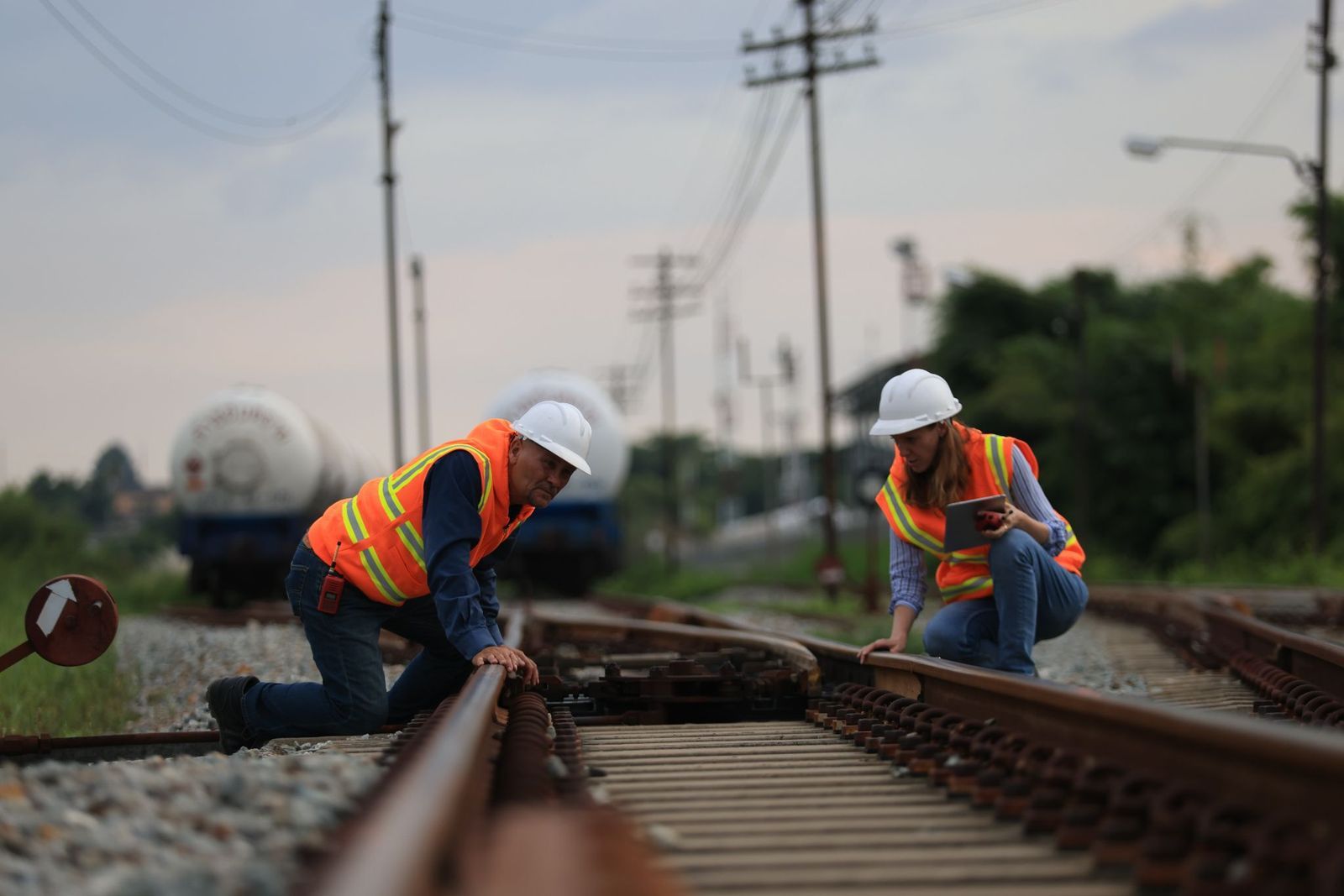
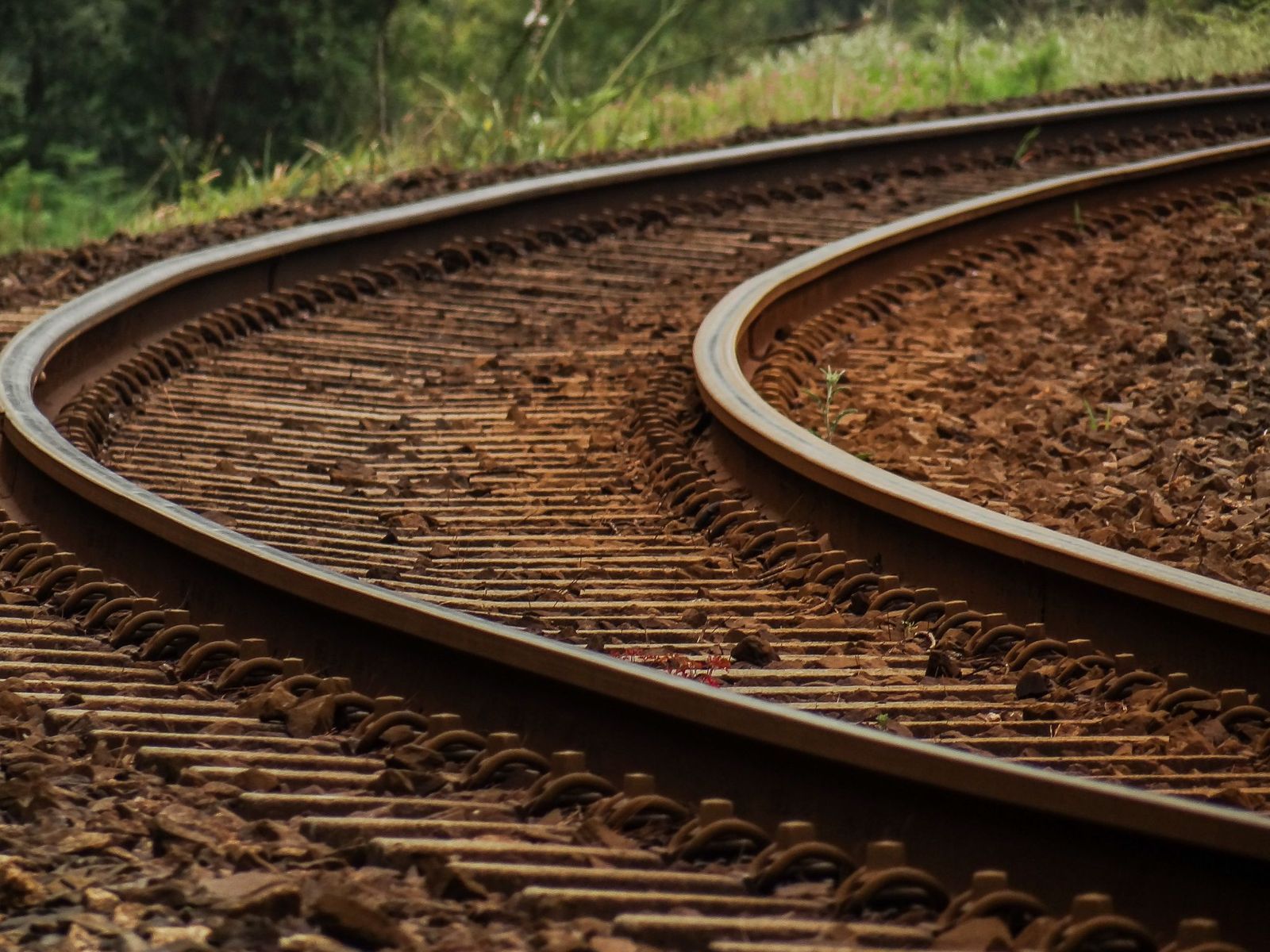
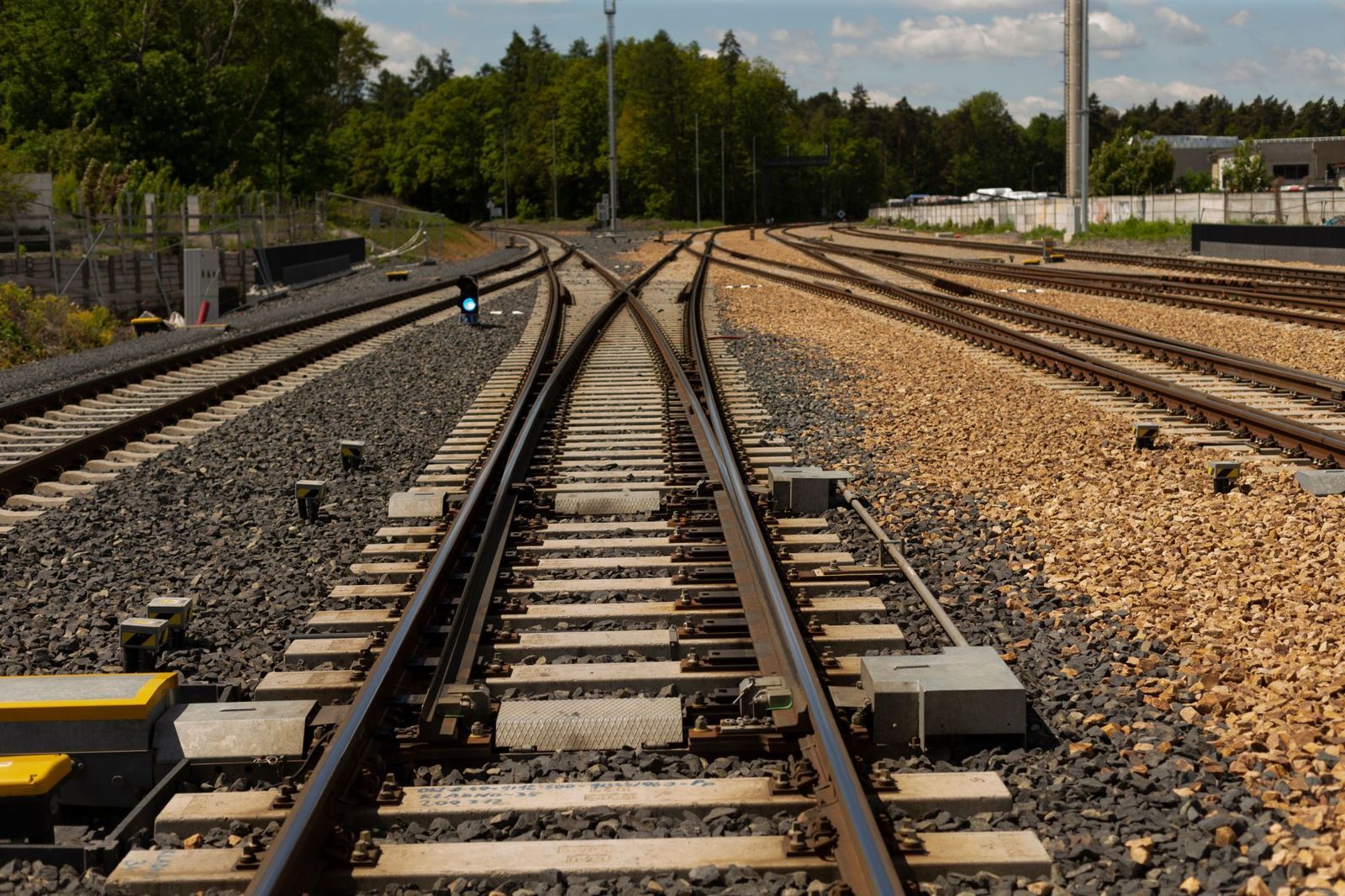
Despite the funny name, a frog has nothing to do with amphibians directly; it's the X-shaped metal piece at a track junction that lets train wheels cross from one rail to another. Railroaders started using the term in the 1800s, likely because the casting's shape reminded someone of a frog's splayed legs.

10

Consist

Image: DiPres

Railroaders took the everyday verb "to consist of" and flipped it into a noun sometime in the 1900s. A train's "consist" is simply its lineup: how many locomotives, freight cars, or passenger cars are hooked together, and in what order. It's a small grammatical trick, but it's stuck around as standard railroad shorthand ever since.
Identity crisis

How Siam became Thailand and 9 other countries that chose to rebrand


Published on September 22, 2026


Image: pure julia

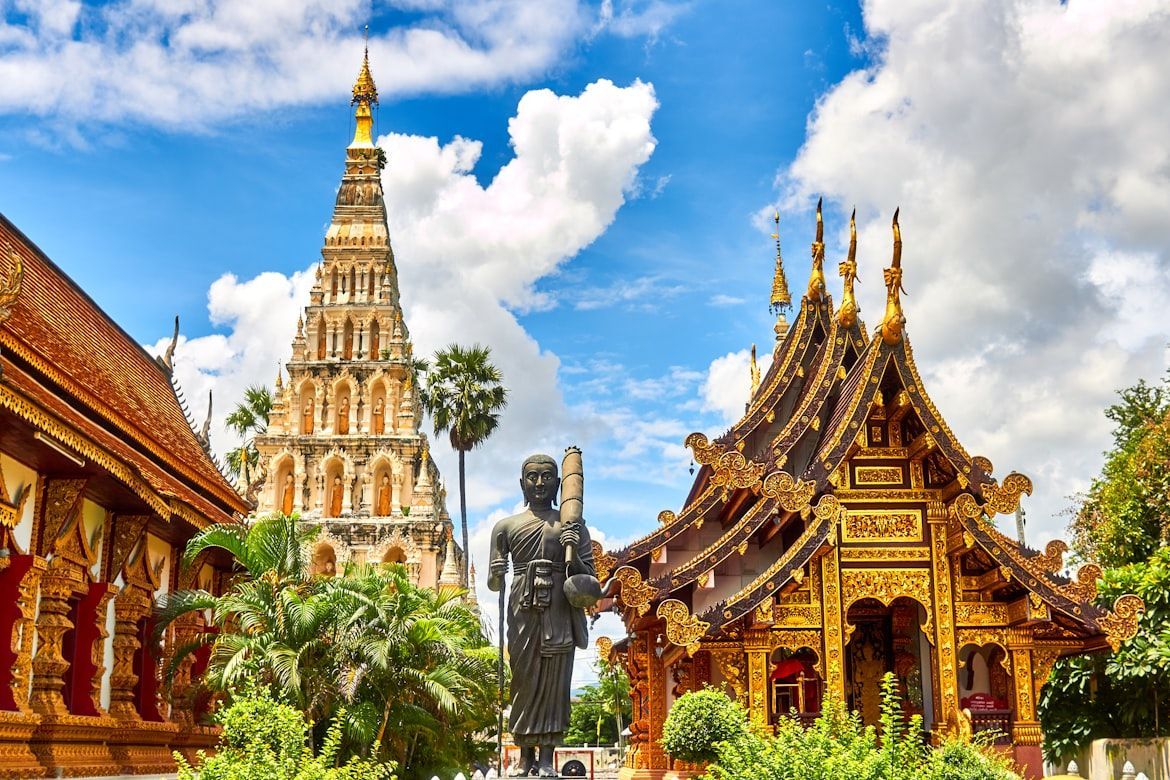
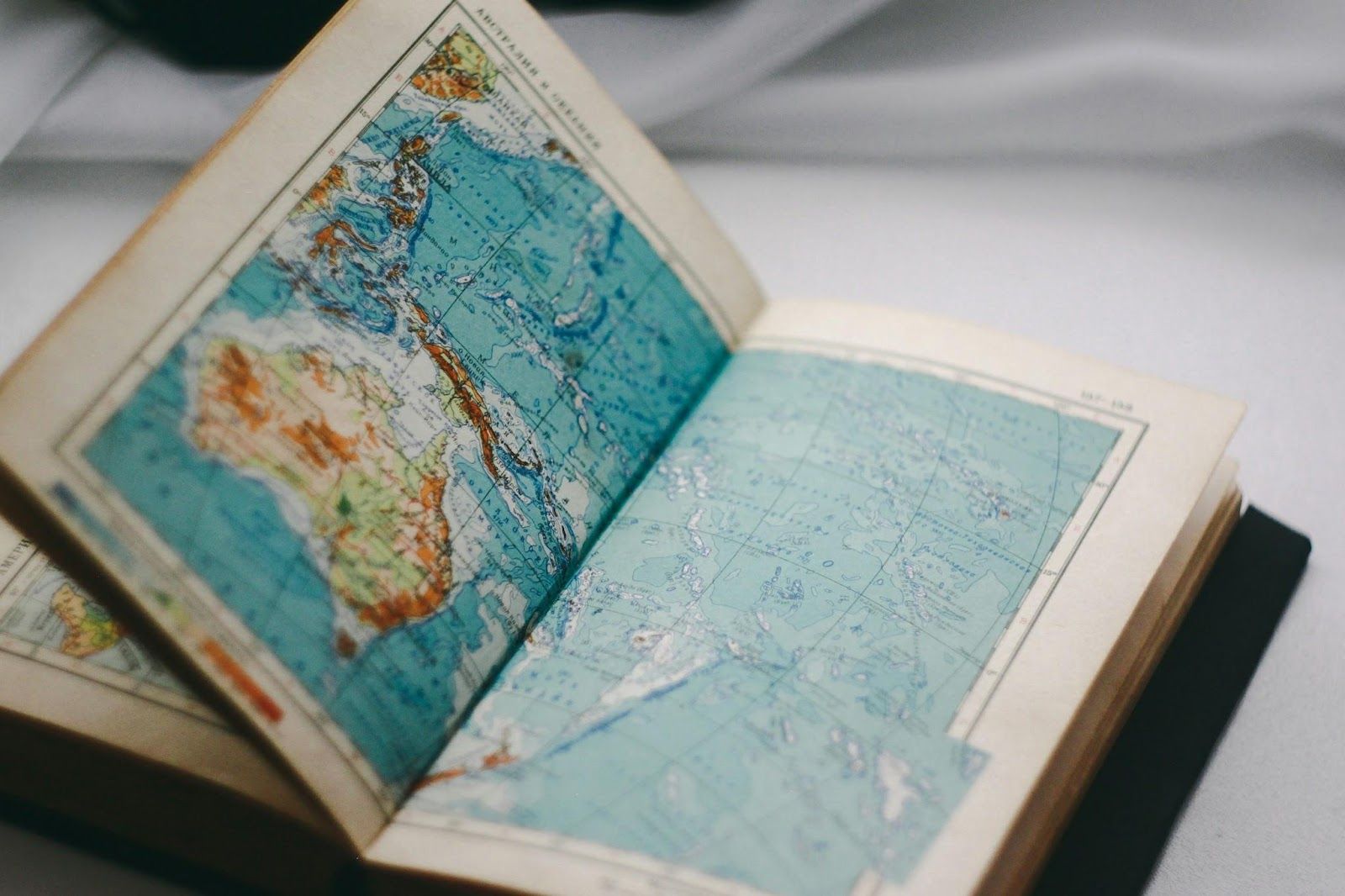
Countries rename themselves for many reasons—shedding colonial pasts, embracing local languages, or settling political disputes. Some changes are subtle, others dramatic, but each reflects deep historical, cultural, or geopolitical shifts. Here are 10 times a nation decided to swap out its old name for a new identity.

1

Burma to Myanmar

Image: Yves Alarie

In 1989, the ruling military junta of the country changed "Burma" to "Myanmar" to reflect what it said was a more inclusive, indigenous identity. The name "Burma" was strongly associated with British colonialism and the dominant Bamar ethnic group.

The UN and many countries recognized the change, but some, like the U.S. and UK, resisted for years as a political stance against the unelected military regime behind the change.

2

Swaziland to Eswatini

Image: S'mile Vilakati

In 2018, King Mswati III declared that Swaziland would become Eswatini, meaning "land of the Swazis" in the local language. He announced the change during the country’s 50th independence anniversary.

The king cited confusion with Switzerland and a desire to break with colonial-era names as reasons. Also, the new name had already been in unofficial use for years during local events.

3

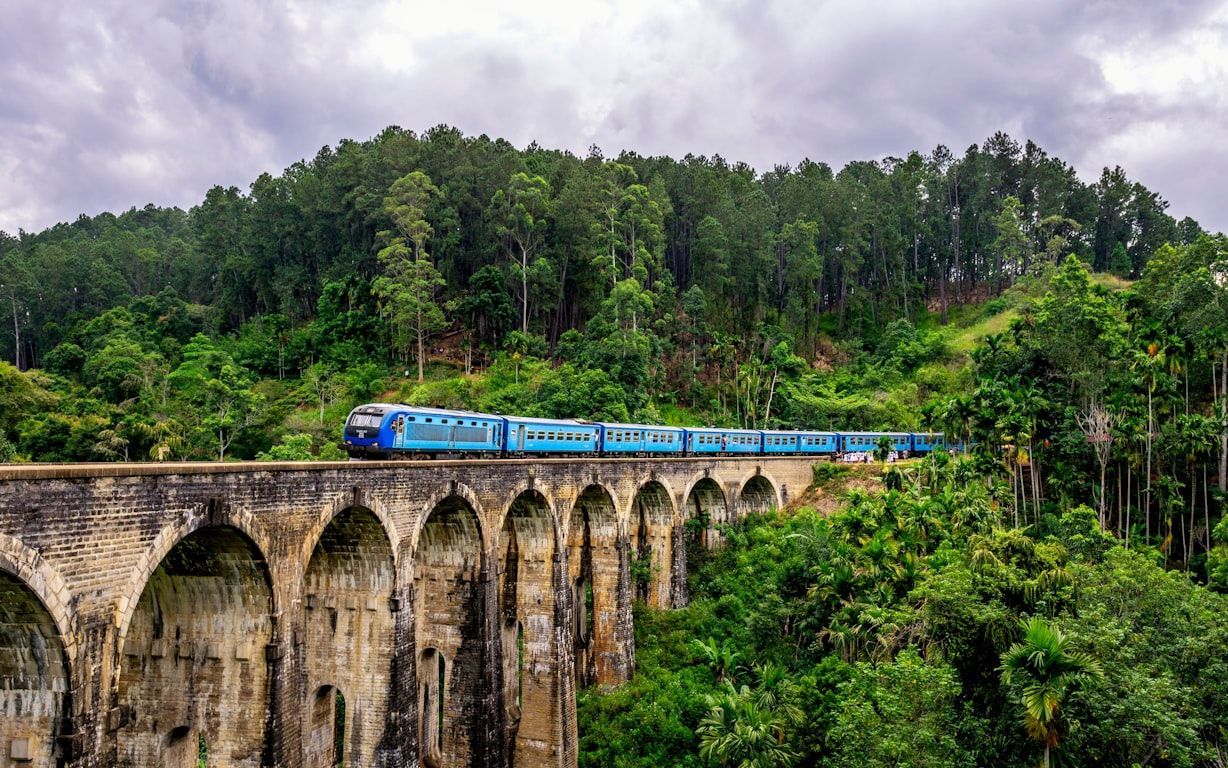
Ceylon to Sri Lanka

Image: Hendrik Cornelissen

In 1972, the island nation officially changed its name from Ceylon to Sri Lanka after becoming a republic. "Sri Lanka" derives from Sanskrit, meaning "resplendent island."

The name "Ceylon" was tied to Portuguese, Dutch, and British colonial rule. However, some companies (like Ceylon Tea) still use the old name as a global brand.

4

Zaire to Democratic Republic of the Congo

Image: Kaysha

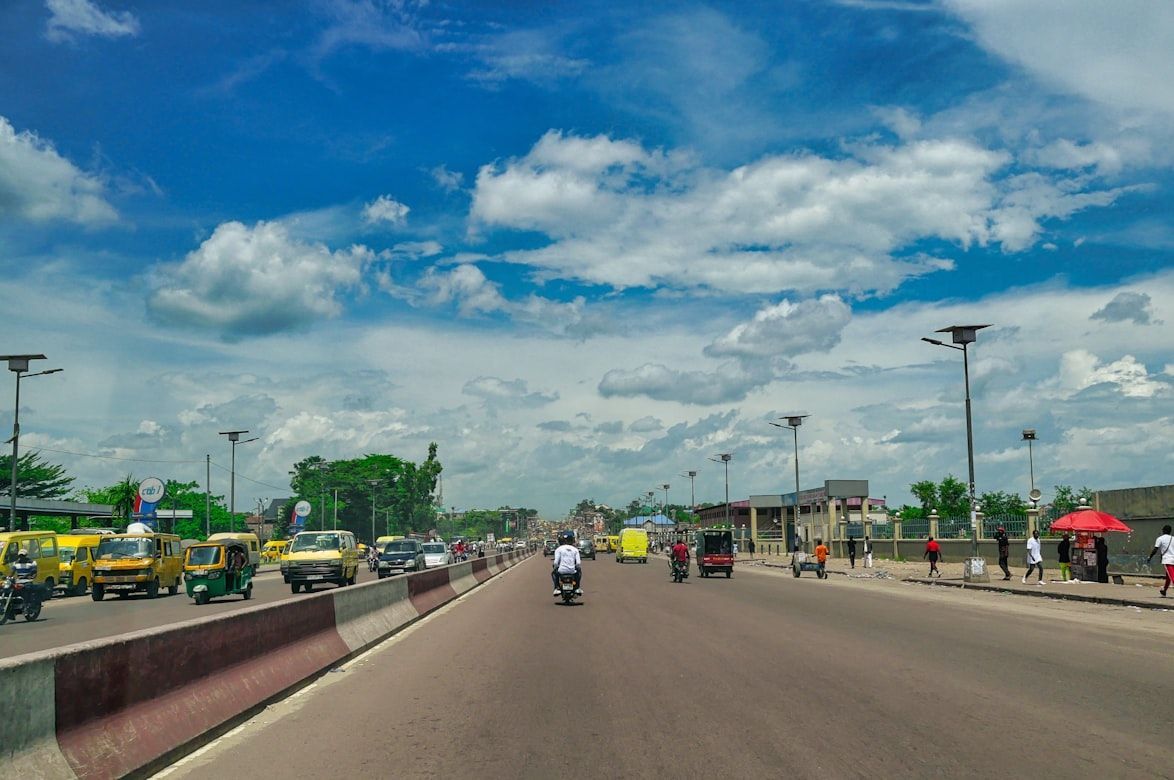
In 1997, after the dictatorial regime of Mobutu Sese Seko was overthrown, Zaire reverted to its pre-1971 name: the Democratic Republic of the Congo.

"Zaire" had been Mobutu’s attempt to Africanize the nation, but reverting to the original name also caused its own problems, since its neighbor is also named the Republic of the Congo, leading to some confusion for both locals and tourists.

5

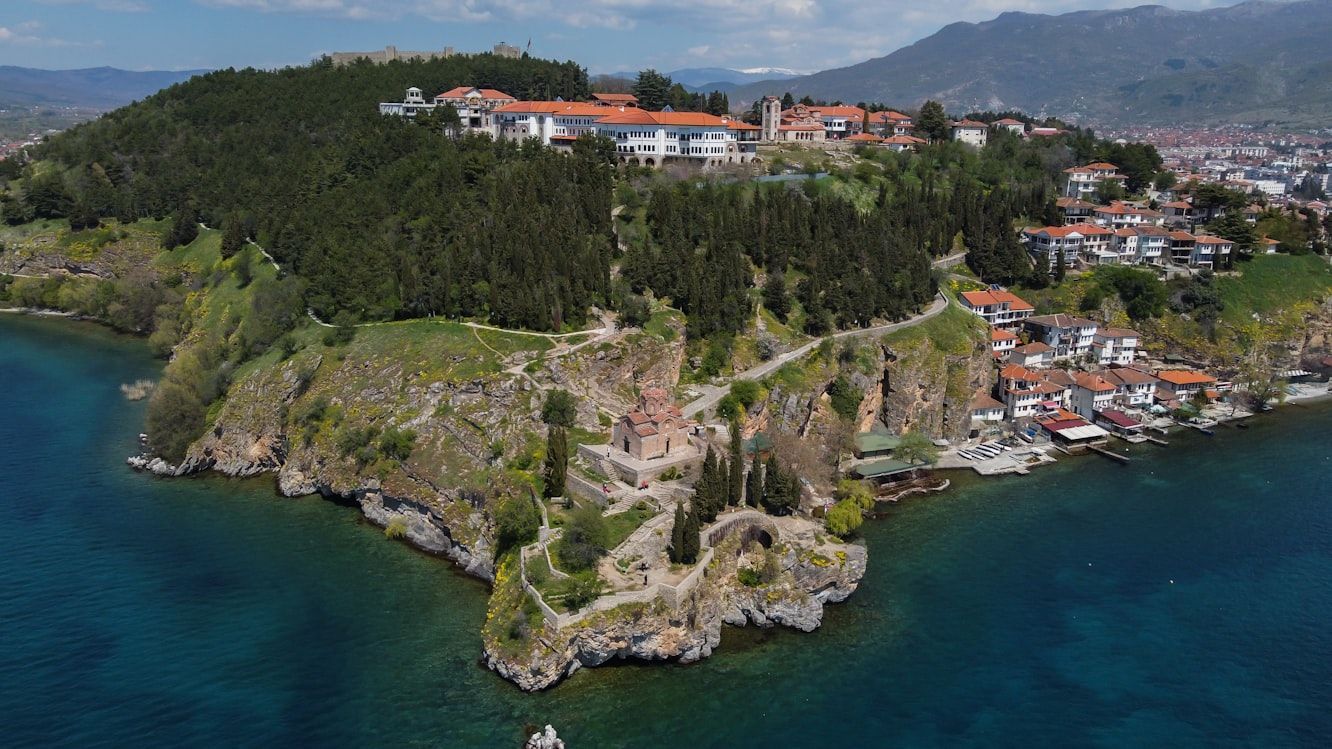
Macedonia to North Macedonia

Image: Ljupco Dzambazovski

After years of dispute with Greece over the name "Macedonia," the country officially became North Macedonia in 2019. Greece claimed "Macedonia" implied a territorial claim over its northern region of the same name.

The compromise unblocked North Macedonia’s path to NATO and EU talks. Though controversial domestically, the change ended a decades-long diplomatic standoff.

6

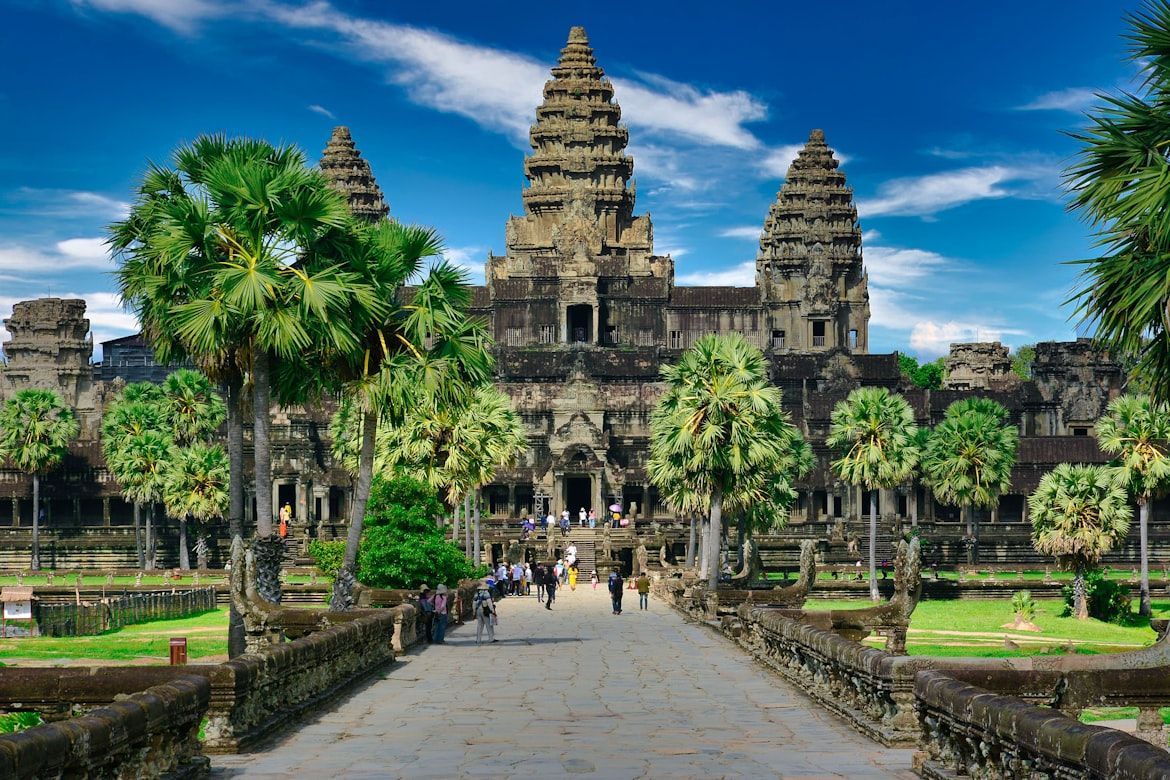
Kampuchea to Cambodia

Image: allPhoto Bangkok

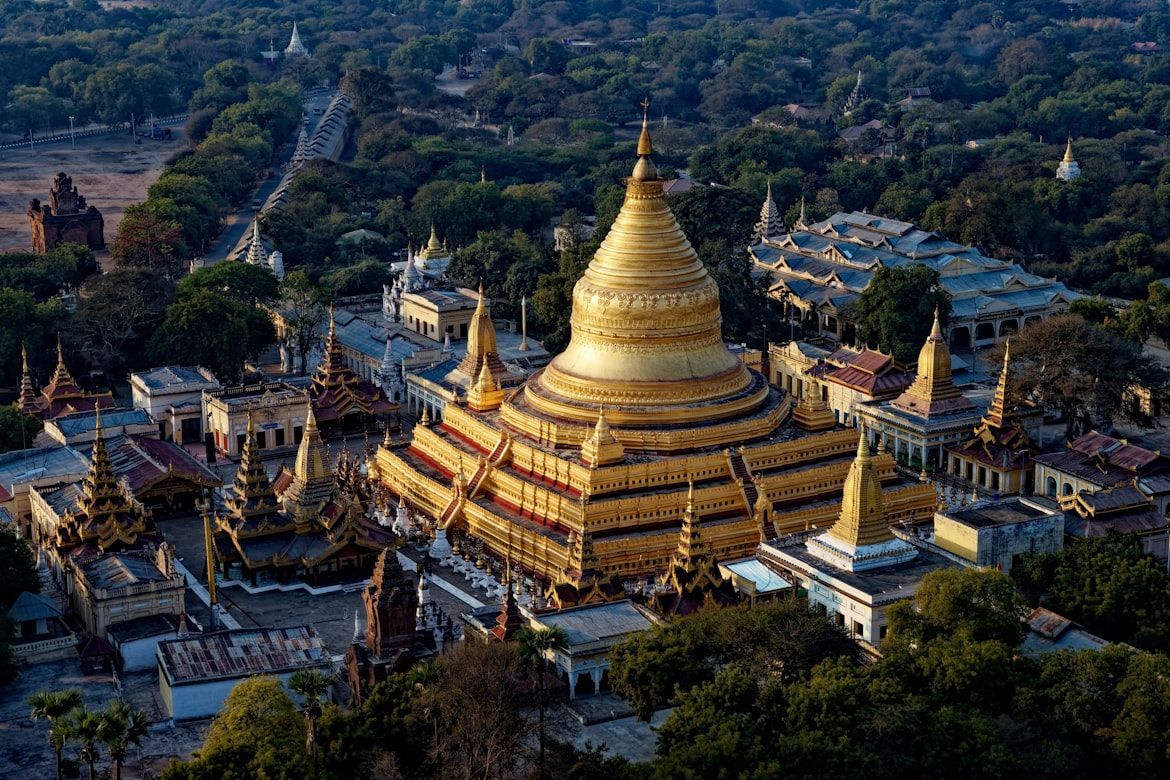
Under the Khmer Rouge regime, the country was known as Democratic Kampuchea. After the regime’s fall in 1979, the name gradually returned to "Cambodia," the anglicized form of the original name.

By 1993, with the monarchy restored and a new constitution, "Kingdom of Cambodia" became official. "Kampuchea" is still used in the Khmer language, but not internationally.

7

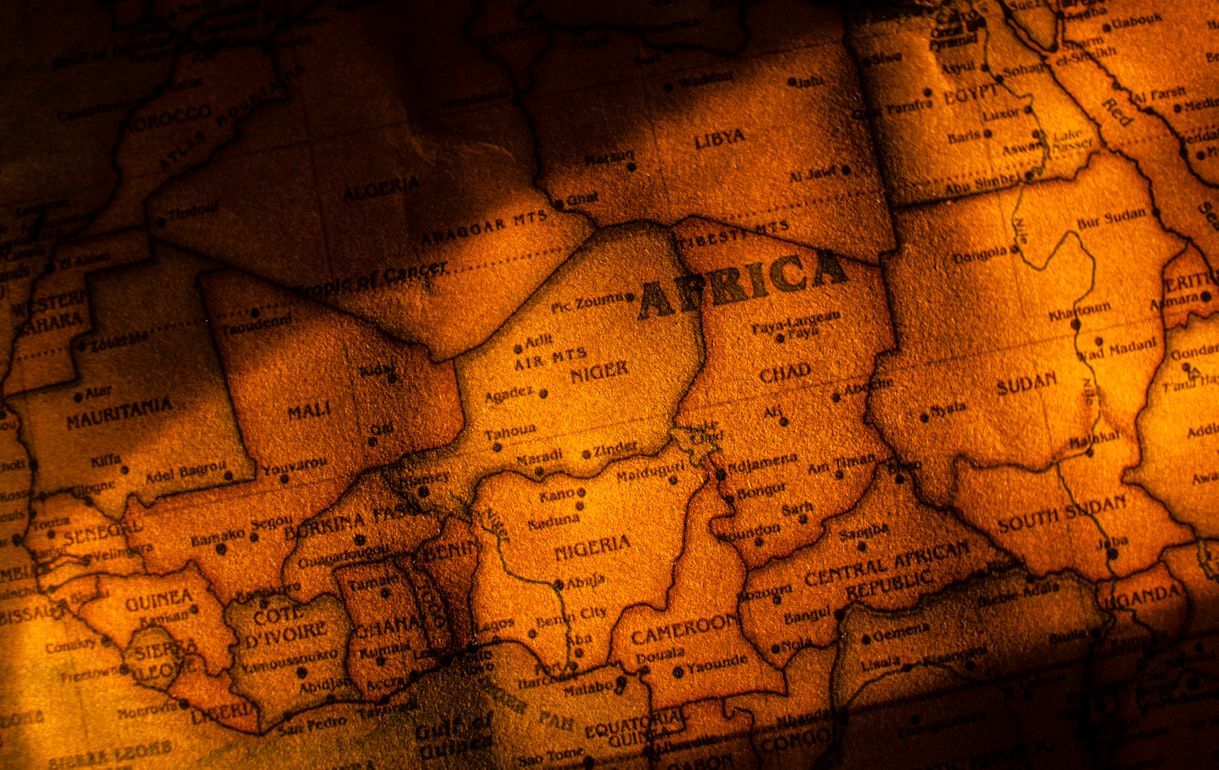
Upper Volta to Burkina Faso

Image: Road Ahead

In 1984, revolutionary leader Thomas Sankara renamed Upper Volta to Burkina Faso, meaning "Land of Incorruptible People" in local languages. The old name referred to river tributaries of the region.

Sankara saw the change as a break from colonial legacy and a tribute to national dignity. The people became known as Burkinabé, a new term coined to reflect unity.

8

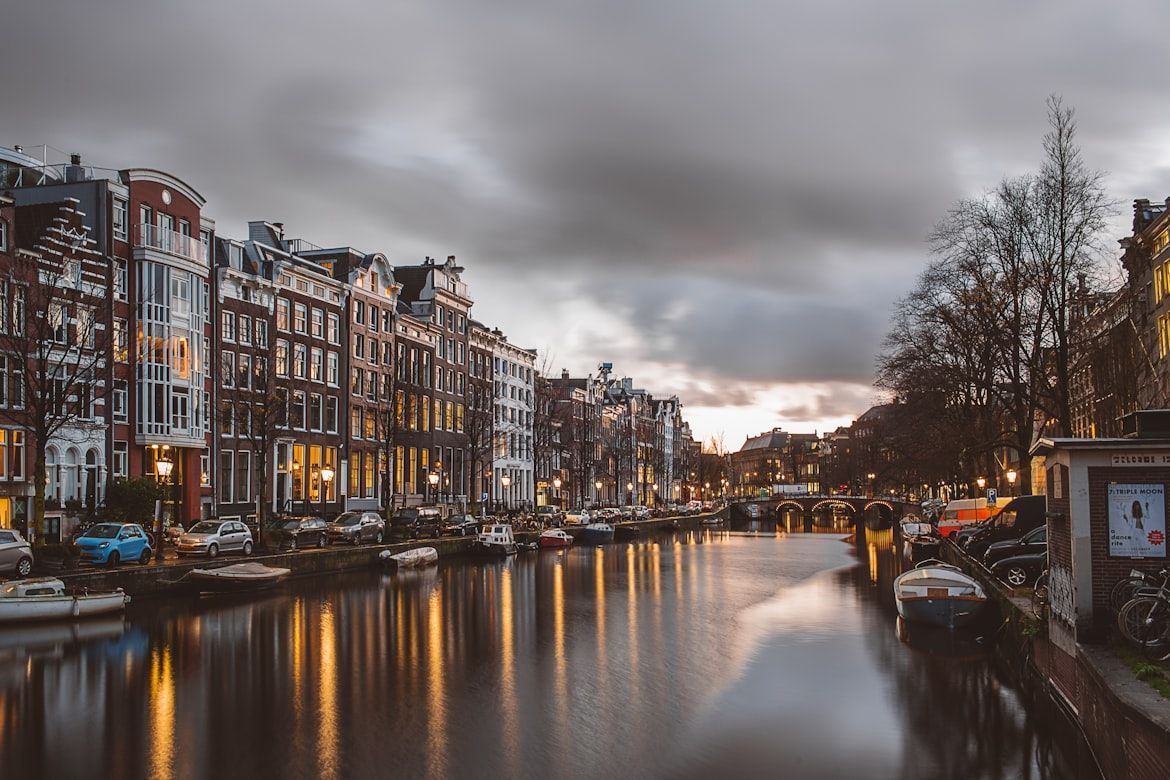
Holland to the Netherlands

Image: Azhar J

This was more a rebranding than a true name change. "The Netherlands" has always been the country’s official name, whereas "Holland" refers only to two provinces. In 2020, the Dutch government stopped using "Holland" in international marketing to avoid confusion.

The change was part of a tourism and trade branding overhaul, with major events like Eurovision and the Olympics adopting "Netherlands" exclusively in their materials.

9

Siam to Thailand

Image: Mathew Schwartz

In 1939, and again officially after WWII in 1949, the country dropped the name Siam to become Thailand, meaning "land of the free."

The change was mainly driven by a nationalist movement that sought to unify the country under a more inclusive Thai identity. While the name "Siam" carried some specific cultural connotations, the name "Thailand" emphasized sovereignty and the ethnic majority’s rule.

10

Rhodesia to Zimbabwe

Image: Chloe Evans

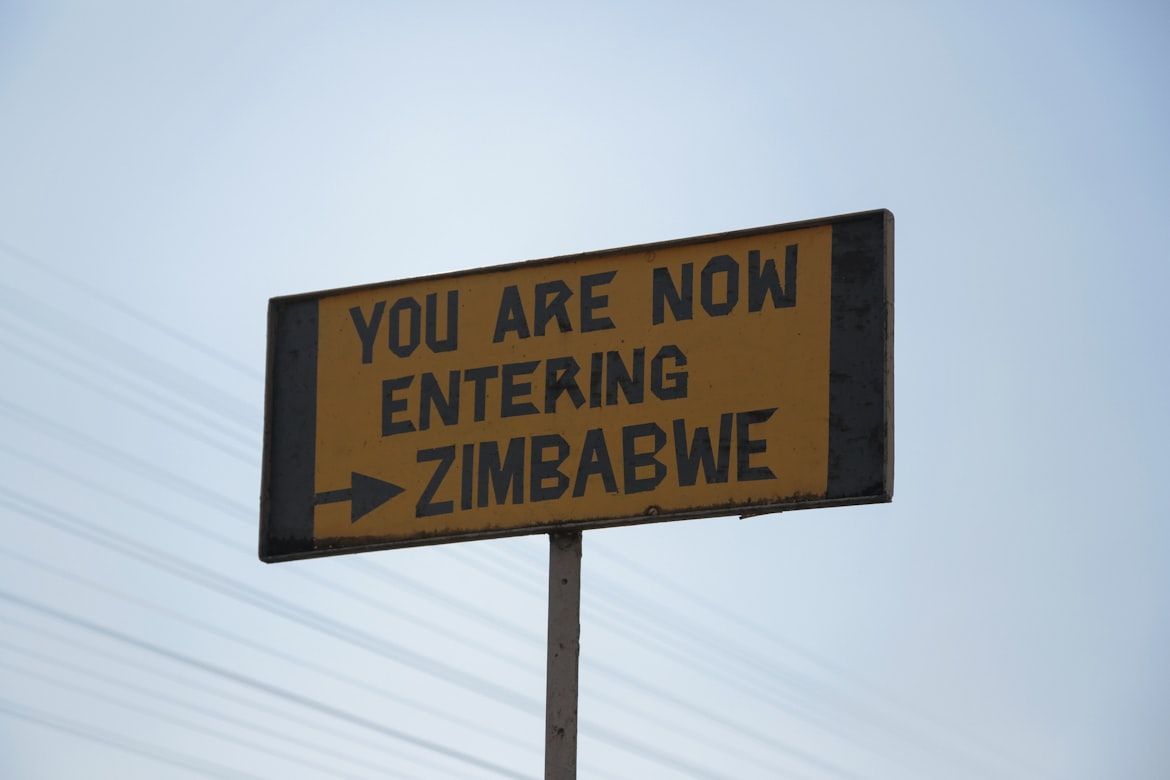
In 1980, the unrecognized white minority government of Rhodesia was replaced, and the country became Zimbabwe, derived from "Great Zimbabwe," an ancient city of the region.

The old name honored British imperialist Cecil Rhodes. The new one reclaimed African history and identity after years of brutal conflict.

Looking for an extra scoop of literary fun?

Learn more with our Word of the day

frazzled

/ˈfræzəld/