Avoid awkward moments

Most people mispronounce these 12 foreign words. How about you?


Published on May 21, 2025


Image: Freepik

English speakers borrow many words from other languages and pronounce them as best they can. Sometimes, those pronunciations are correct, but that’s not always the case. The following 12 examples are foreign words that we use daily but often mispronounce.

1

Bruschetta

Image: Margarita Zueva

Those slices of toasted Italian bread drenched in olive oil, with garlic and tomatoes on top, are a common sight in restaurants around the world, but most of us can’t seem to pronounce their name correctly and say "bru-shetta" instead.

In its native Italian, the "ch" is always pronounced like a K. So it’s "bru-SKET-ta."

2

Chic

Image: Atikh Bana

This French word is often used in the fashion world, but since there is no "tch" sound in the French language—except in foreign words and names—it is pronounced like "sh." So the correct pronunciation is "sheek."

3

Quinoa

Image: Pierre Bamin

A popular ingredient among people seeking a healthier diet, quinoa originated in South America and is often pronounced "kee-no-ah," when the correct pronunciation is "keen-wah."

4

Gnocchi

Image: Max Nayman

As you can see, the world of food offers plenty of opportunities for mispronouncing words, and this one comes courtesy of Italy. The exact origin of the word gnocchi is unknown, but many believe it derives from the Italian word nocchio, meaning "a knot in wood." If you want to get the pronunciation of this foreign food correctly, you should say "nyoh-kee."

5

Jalapeño

Image: Phillip Larking

A fun word to pronounce, indeed! These hot chili peppers come from Mexico. And, as the "j" sound in Spanish is pronounced like a strong "h" in English, you don’t say jall-ap-ee-no. Instead, it’s "halla-pen-yo."

6

Niçoise

Image: Anna Pelzer

The name of this tasty French salad has the letter c with the hook ç, which is called c-cedilla, which is pronounced like an "s." The proper pronunciation for this dish is "nee-swahz."

7

Açaí

Image: Bermix Studio

The second South American food product on our list, the superfood known as açaí, is a type of berry found in rainforests. Its pronunciation can be tricky for native English speakers, partly because of the unfamiliar Latin letters. If you want to get it right, it’s "ah-sigh-ee."

8

Chorizo

Image: Harry Knight

Chorizo is a spicy pork sausage often used in Spanish and South American cuisine. The correct pronunciation for this exotic word is "choh-ree-soh."

9

Bon appétit

Image: Farhad Ibrahimzade

This household expression, often directed at someone about to enjoy a particularly tasty meal, is frequently mispronounced. Many English speakers pronounce the "t" at the end of this expression when it is, in fact, silent: bon-appétit is pronounced "bon-apetee."

10

Connoisseur

Image: Hunters Race

This French word, used to describe someone who is an expert in a particular subject, is often mispronounced as "con-nah-sewer," but that’s not correct. The proper pronunciation is "con-ah-sir."

11

Nouveau

Image: Lāsma Artmane

This architectural and aesthetic style from the early 20th century has a French name, often mispronounced as "no vew." But the most accurate pronunciation is "new-voh."

12

Niche

Image: Alizée Baudez

The last word on our list is also a French one, used to describe a special occupation. Many English speakers mispronounce it to sound like "nitch," but the correct pronunciation is closer to "neesh."


Deep roots

11 everyday words with indigenous roots


Published on May 21, 2025


Image: Zoshua Colah

English is a very welcoming language in the sense that it incorporates terms from many other languages from all over the world. And, as it couldn’t be otherwise, Native American languages have lent many of their words and terms to English speakers. Some traveled through Spanish or French before settling into English, and others arrived directly through early contact and trade, helping shape the way we speak today. Did you know about these 11 terms?

1

Canoe

Image: Michael Niessl

The word "canoe" comes from the Taino term canoa, which was first used by Caribbean islanders long before Europeans arrived. Early explorers adopted it to describe the slim, sturdy boats they saw.

Over time, "canoe" became the standard English word for a small paddled craft. Today it still carries that sense of simplicity and closeness to nature.

2

Barbecue

Image: Philipp Kämmerer

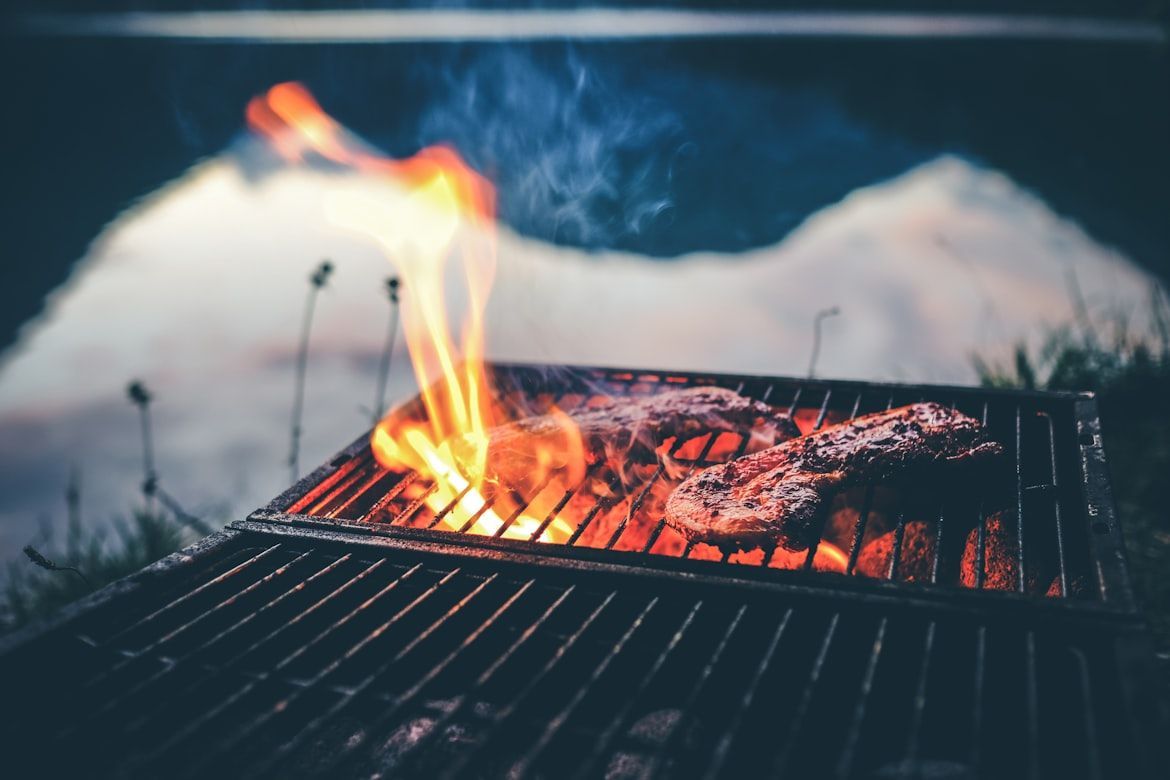
The word "barbecue" comes from barbacoa, another Taino term for a wooden frame used for cooking meat over fire. Europeans adopted it and applied it to both the method and the gathering itself.

Today, "barbecue" means everything from a backyard cookout to a regional cooking style. Its origins highlight the deep culinary influence of Native Americans in the nation's current culture.

3

Skunk

Image: Elisa Stone

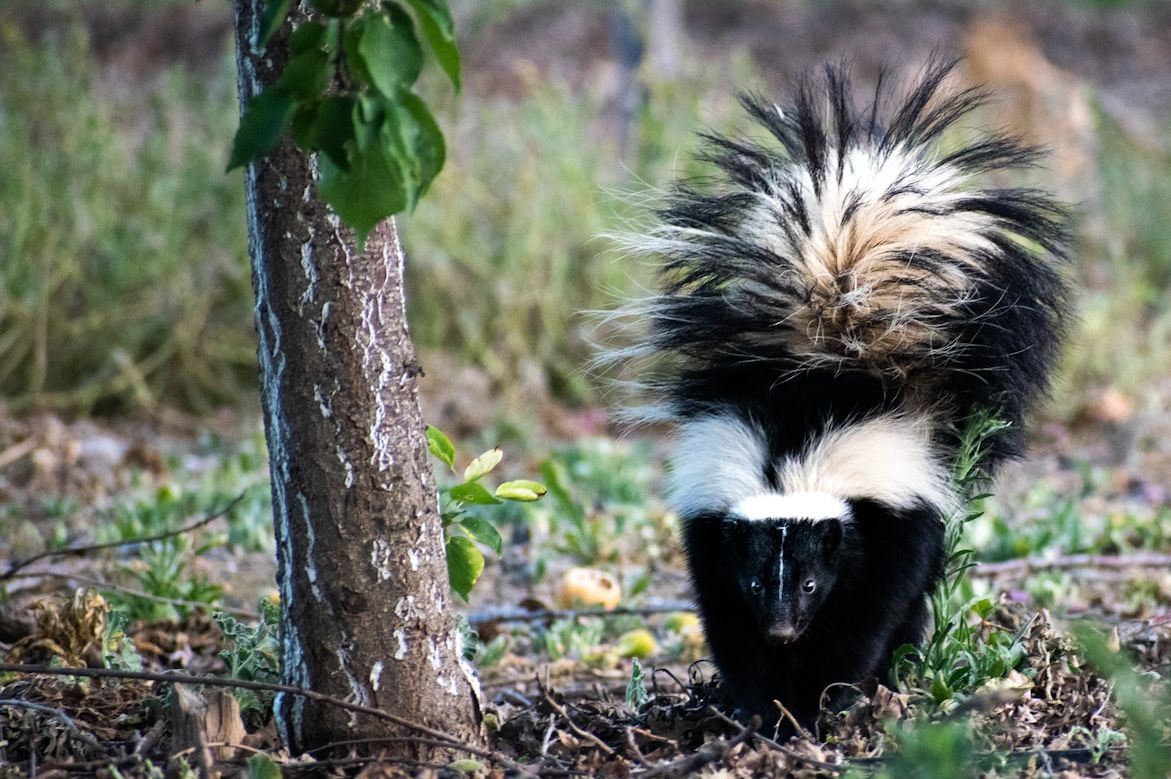
"Skunk" comes from the Algonquian word squnk, which means "urinating fox" (quite a fitting term, indeed). This was an obvious reference to the animal’s strong defensive spray. Early settlers adopted the term directly.

Since English had no better name for the creature, the Native word stuck. Today, the word skunks is also used as playful slang.

4

Moose

Image: Shivam Kumar

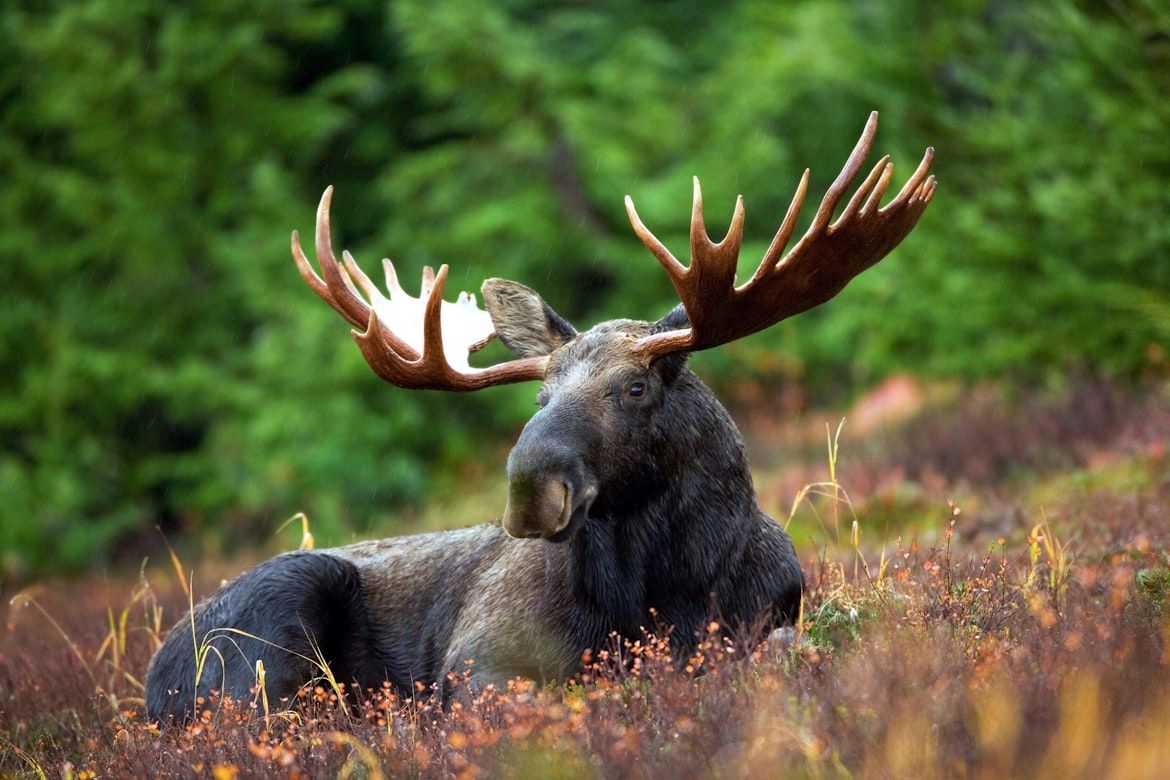
The word "moose" originates from Eastern Abenaki, a part of the Algonquian family, where it meant "he strips off bark." Yes, it described the animal’s habit of tearing bark from trees.

The name entered English quickly because settlers relied on Native knowledge of local fauna. The word remains unchanged because of its accuracy and usefulness.

5

Raccoon

Image: Gary Bendig

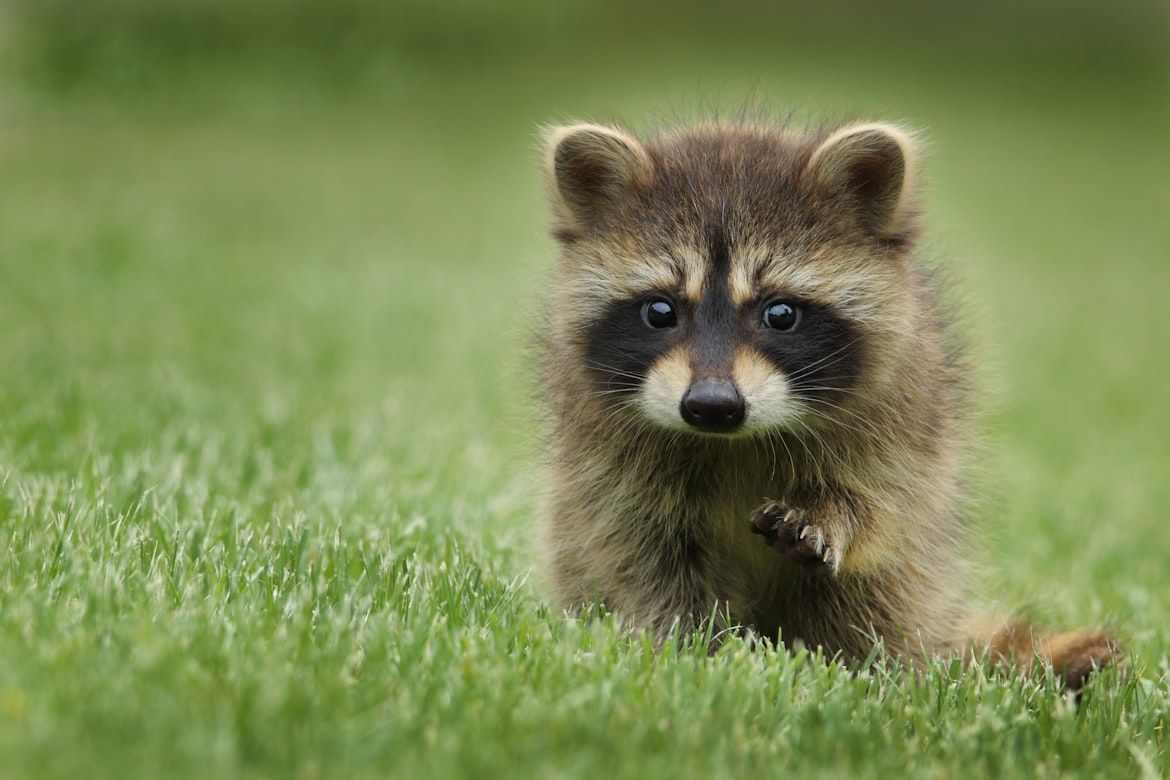
"Raccoon" comes from the Powhatan word arakun, meaning "he scratches with his hands." It described the animal’s clever, humanlike front paws.

Settlers adopted the term because it captured the creature’s behavior beautifully. Today, the raccoon is used as a household symbol of curiosity, not unlike the animal itself.

6

Chipmunk

Image: Annegret Kammer

The term "chipmunk" most probably comes from the Ojibwe word ajidamoo, which means "one who descends trees headfirst." Early English settlers adapted the sound into today’s form.

Though the spelling changed over time, the lively image of a chipmunk racing down a tree face-first stayed.

7

Caribou

Image: JD-Photos

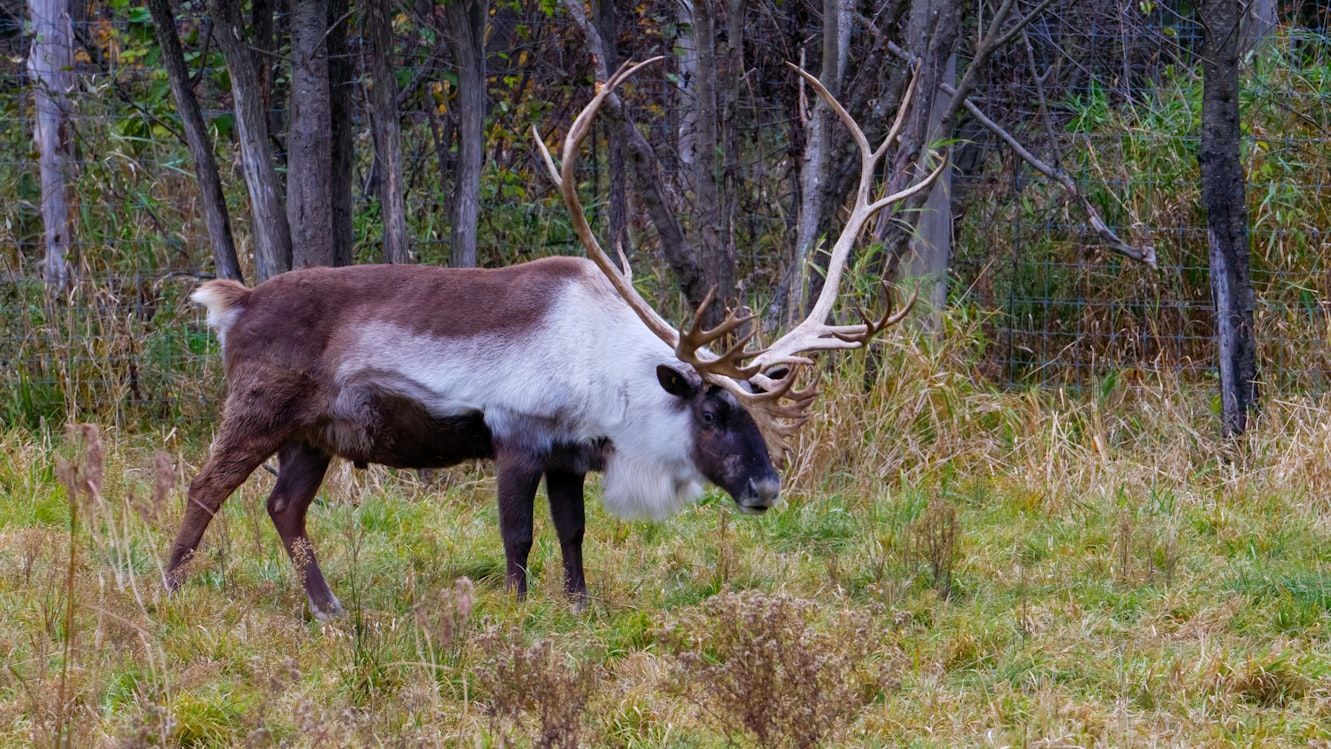
The word "caribou" comes from the Mi’kmaq term qalipu, which means "snow shoveler," referring to the animal’s habit of digging through snow for food.

French settlers brought the word into English, keeping its descriptive nature. The name still connects the modern animal to the winter landscapes it belongs to.

8

Totem

Image: Stéfano Girardelli

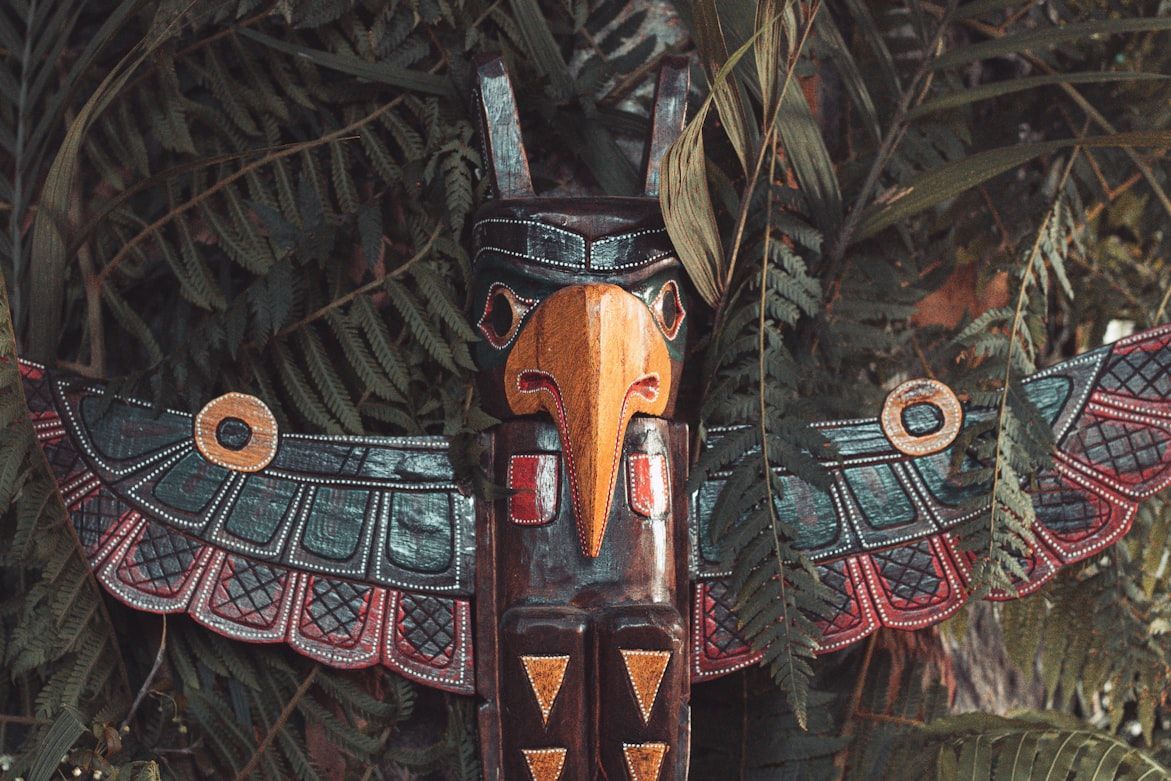
"Totem" comes from the Ojibwe word ototeman, which means "kinship group." It described symbols representing clans and shared roots.

English adopted it to describe carved poles and symbolic elements. Though broader in modern usage, it still hints at the original sense of community, identity, and heritage.

9

Coyote

Image: Dylan Ferreira

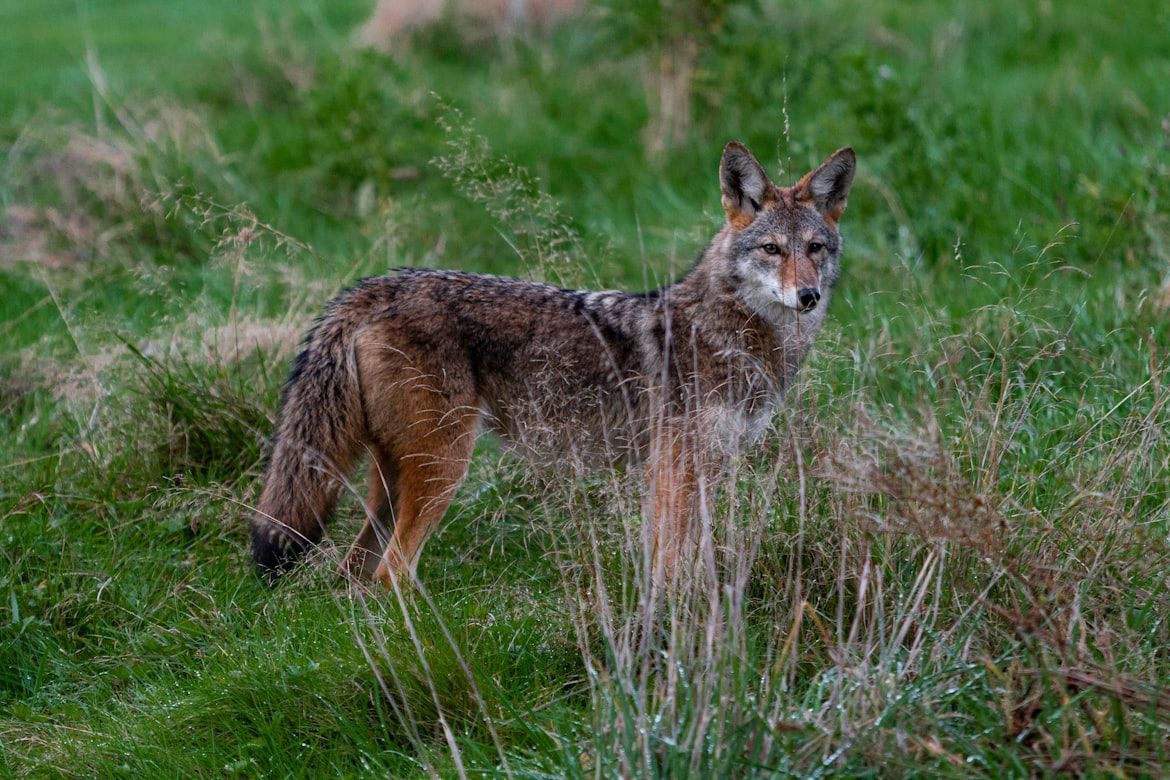
"Coyote" comes from the Nahuatl word coyōtl, which was used by Indigenous tribes of central Mexico. Spanish speakers adopted it, and English borrowed later.

The word kept its meaning, and it remains one of the most direct links between the English language and Nahuatl.

10

Avocado

Image: Gil Ndjouwou

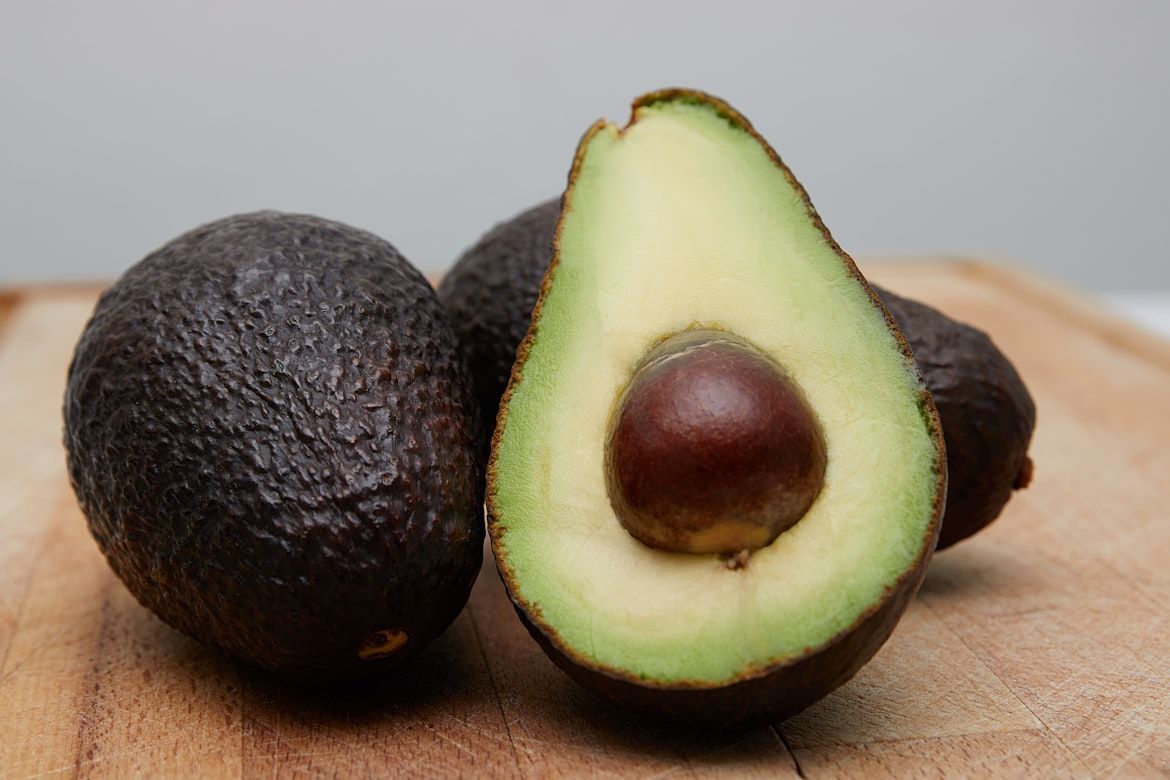
The tasty avocado’s name traces to the Nahuatl word ahacatl, which refers to the fruit and to a body part as well. Spanish speakers transformed it into aguacate.

Later on, English speakers adapted it to avocado. While the name sounds contemporary and culinary, it has ancient Native roots.

11

Chocolate

Image: amirali mirhashemian

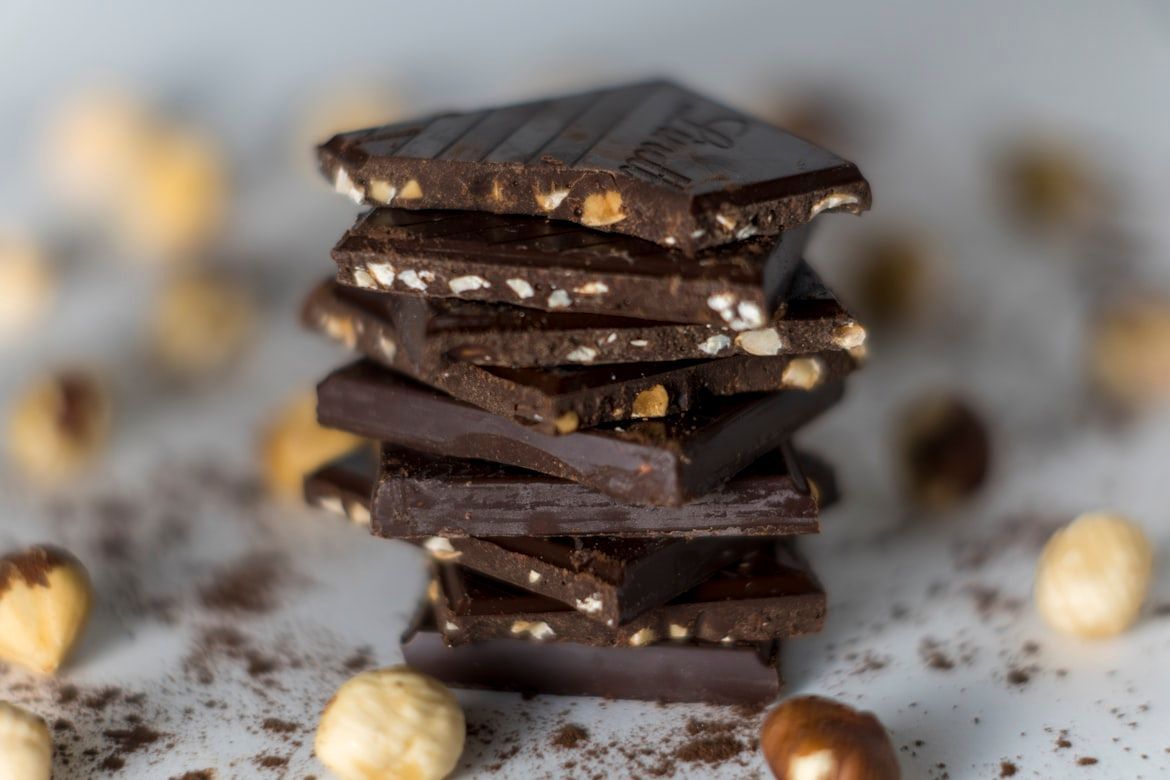
The last Nahuatl word and also the last word on the list comes from the term xocolātl, which describes a bitter cacao drink that was consumed long before Europeans arrived in America. The name traveled from Spanish to English.

Though the product changed dramatically, the word survived. Today, chocolate is a universal symbol of sweetness, with rich and deeply indigenous roots.

Looking for an extra scoop of literary fun?

Learn more with our Word of the day

confidant

/ˈkɑnfəˌdænt/