Where exactly are you from?

Did you know that there are 16 Boston cities? Cities with a namesake


Published on May 2, 2026
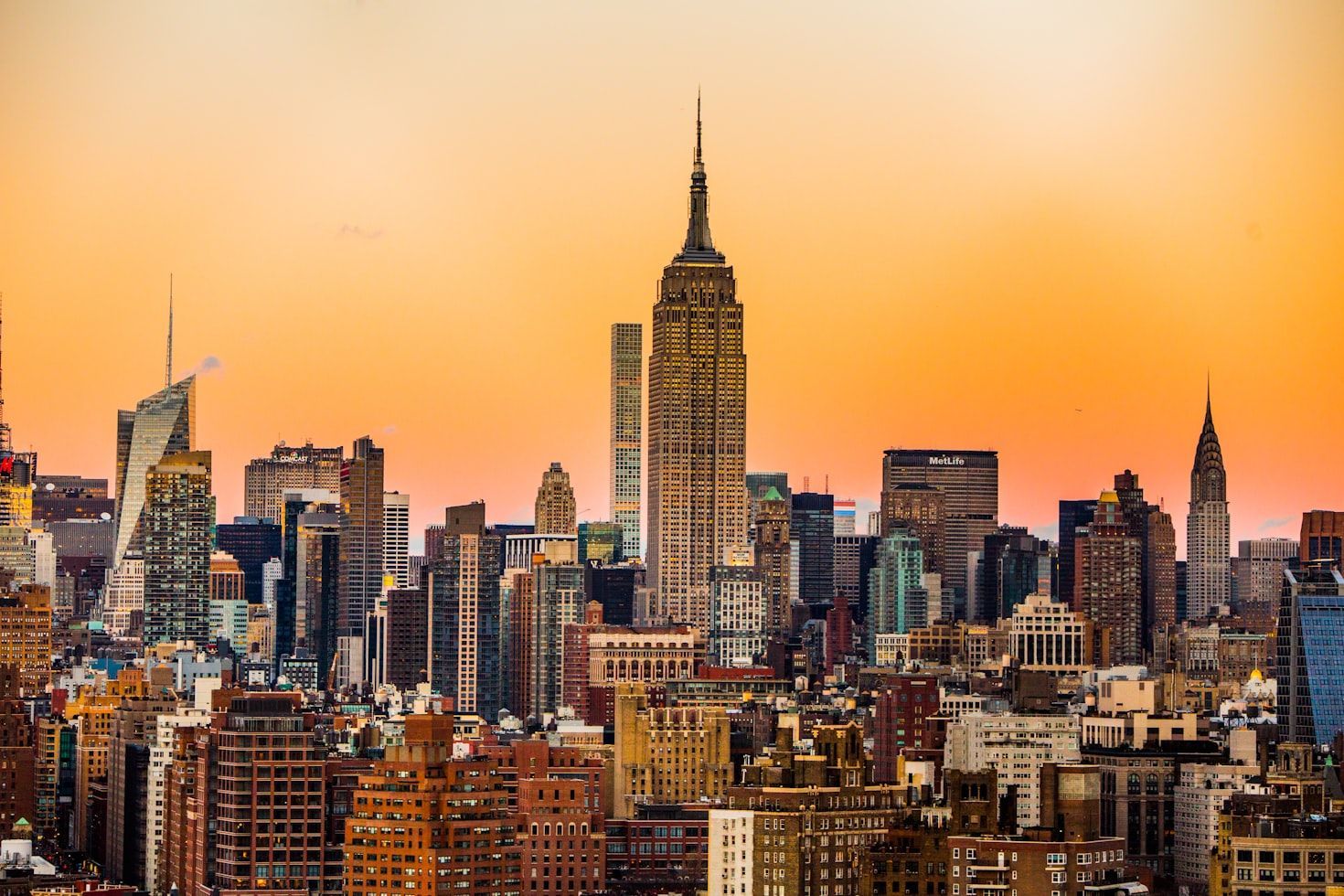

Image: Michael Discenza

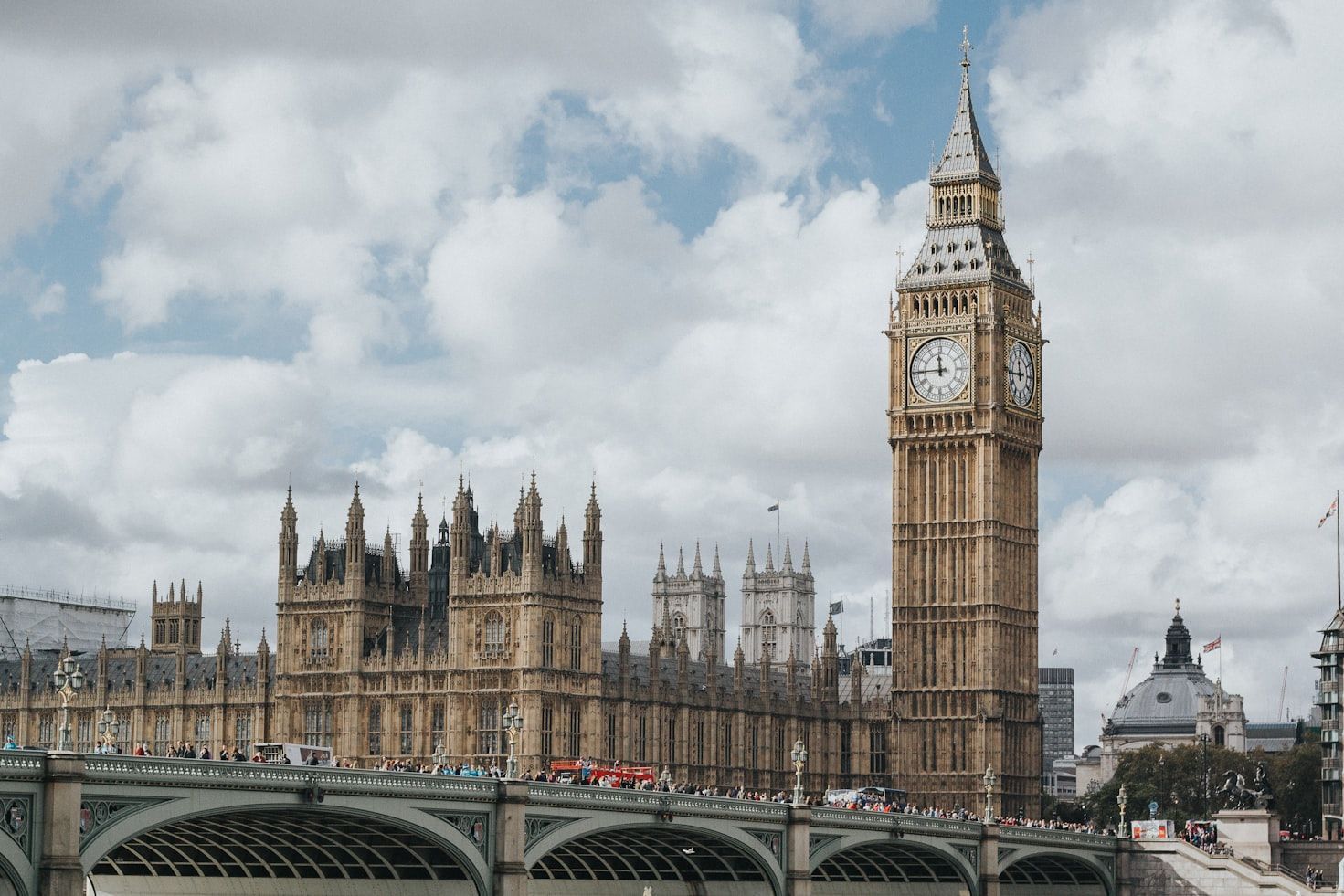
Some would say that naming a city is as important as naming a child, or even more, considering that cities tend to have a longer lifespan. Like with a child, the name is a declaration of intentions, of what is expected or wished for them.

But sometimes children are named after someone else, like a loved one, a relative, or a favorite celebrity. Does this happen to cities as well? In this article, we will explore some cities around the world that have a namesake.

1

Londres, Argentina

Image: Marcin Nowak

In Spanish, Londres is the name given to the city of London, England, and also to a town in the Argentinian province of Catamarca. This town, the second oldest in the country, owes its name to the marriage of Mary Tudor with Philip of Spain in 1553. The founders of the city, at that time part of the Spanish empire, decided to honor the royal marriage by naming it Londres de la Nueva Inglaterra (London of the New England), though nowadays the name has been shortened to just Londres.

2

Memphis, Tennessee

Image: Joshua J. Cotten

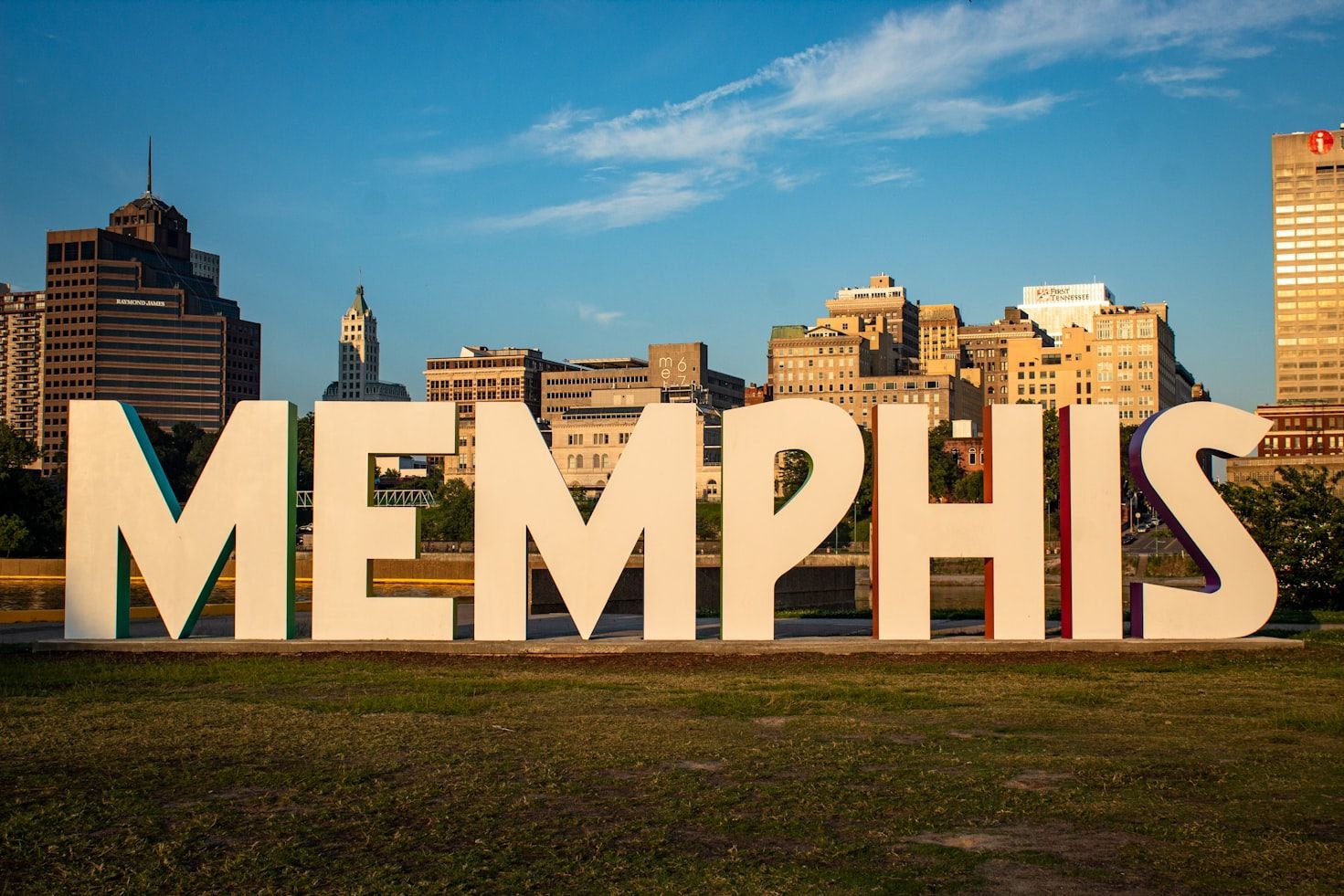
Located over the Mississippi River, the city of Memphis has been the setting of important historical and political events. But, where did it get its name from? In 1818, the U.S. gained the territory of Western Tennessee after signing the Treaty of Tuscaloosa. The founders of the city, among them future president John Adams, recognized the importance of the river and decided to name the place after another famous city on a river, the Egyptian Memphis.

3

Pekin, Illinois

Image: Rafik Wahba

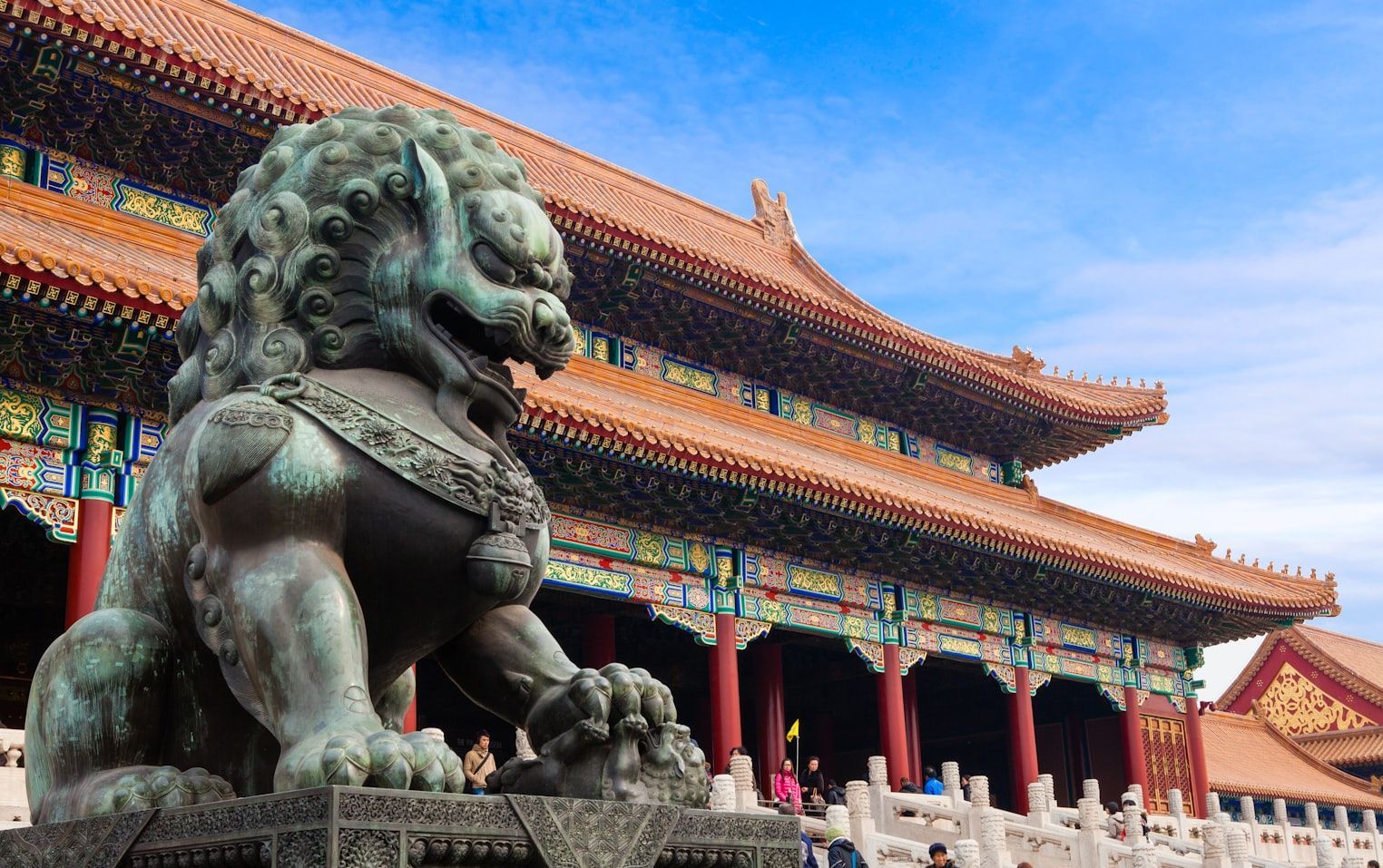
Back in the day, many people believed that China and the U.S. were on opposite sides of the world. One of these people, Mrs. Ann Eliza Cromwell, was tasked with naming the new town her husband had helped to found near the Illinois River. Convinced they were on the antipodes of Peking (what we now call Beijing), she chose the name Pekin.

4

Damascus, Maryland

Image: abd sarakbi

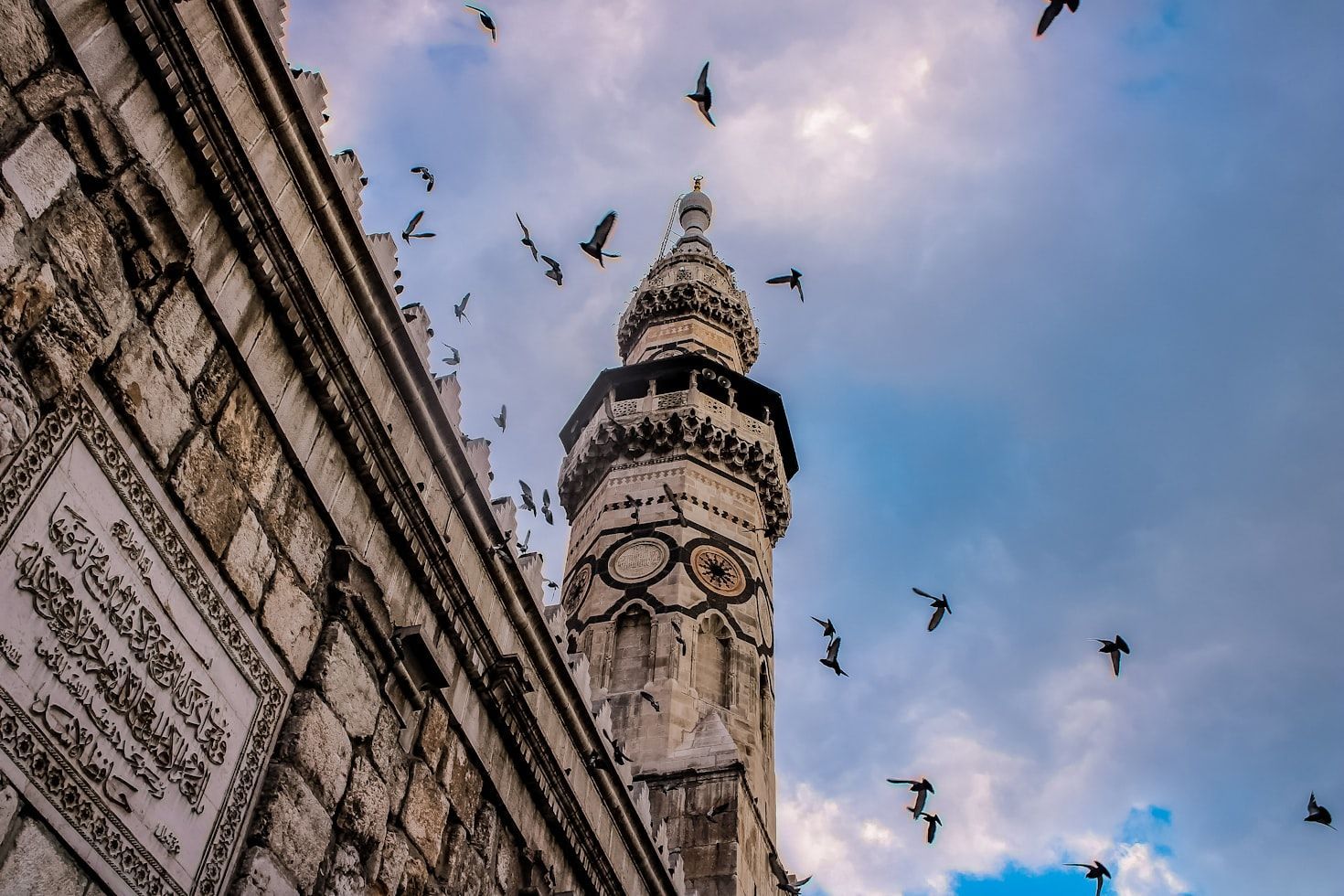
The origin of this name is interesting because we don’t really know the reason behind it. During the 1820s, a man called Edward Hughes bought land in the state of Maryland and divided it for sale. He received Congressional approval for a postal route in a document where the flourishing town was named as The Pleasant Plains of Damascus. While he named it after the Syrian city of Damascus, we don’t know if he had any connections to it or if it was just a biblical reference.

5

Patna, Scotland

Image: Ravi Prakash

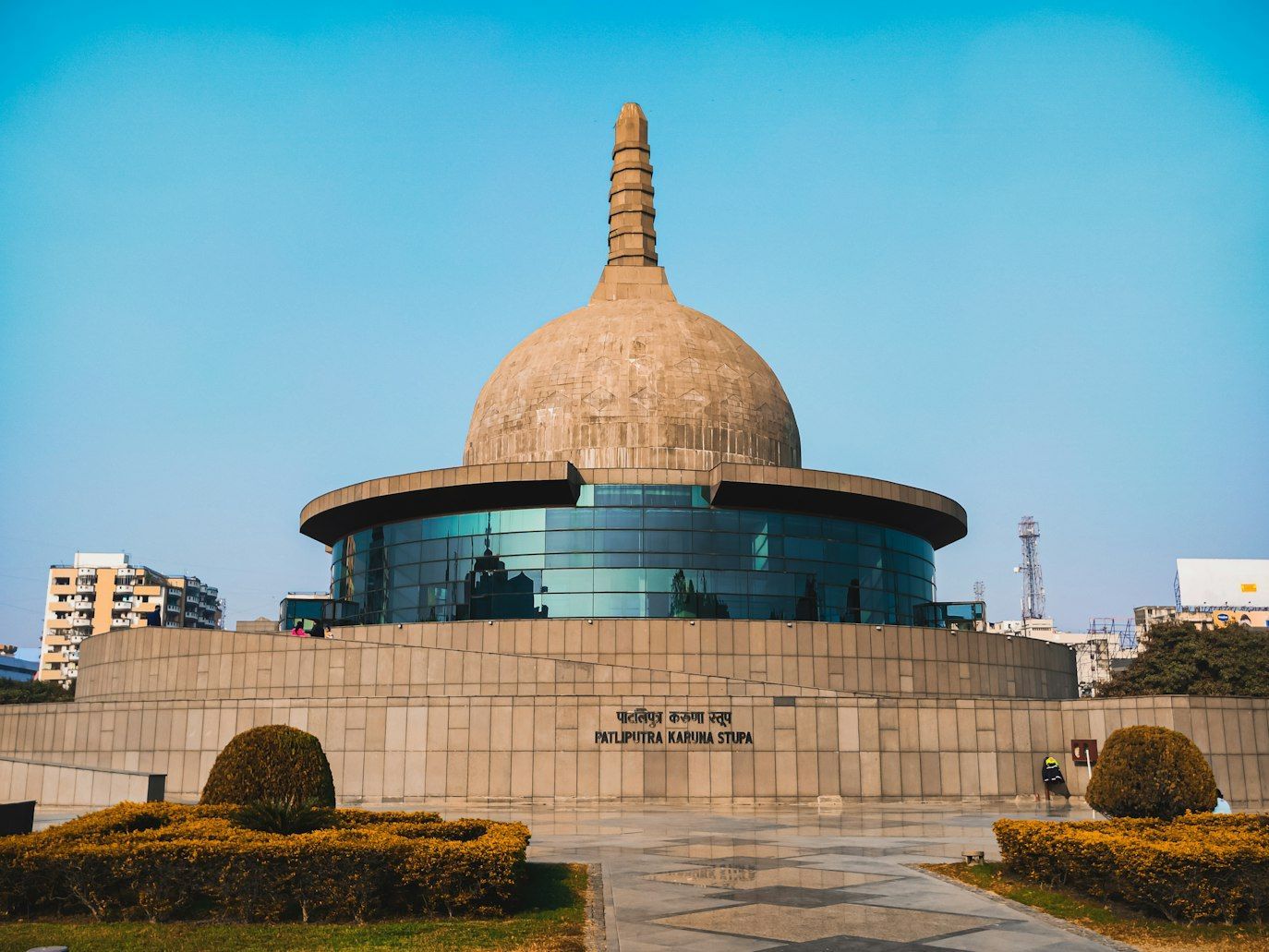
In the early 19th century, Scottish landowner William Fullarton wanted to give coal workers on his estate somewhere to live, and he founded a village for this purpose. The son of an East India Company officer, Fullarton was born in India, in the city of Patna, Bihar, and decided to name the new mining town after his birthplace.

6

Cartagena, Spain

Image: Martin Casagrand

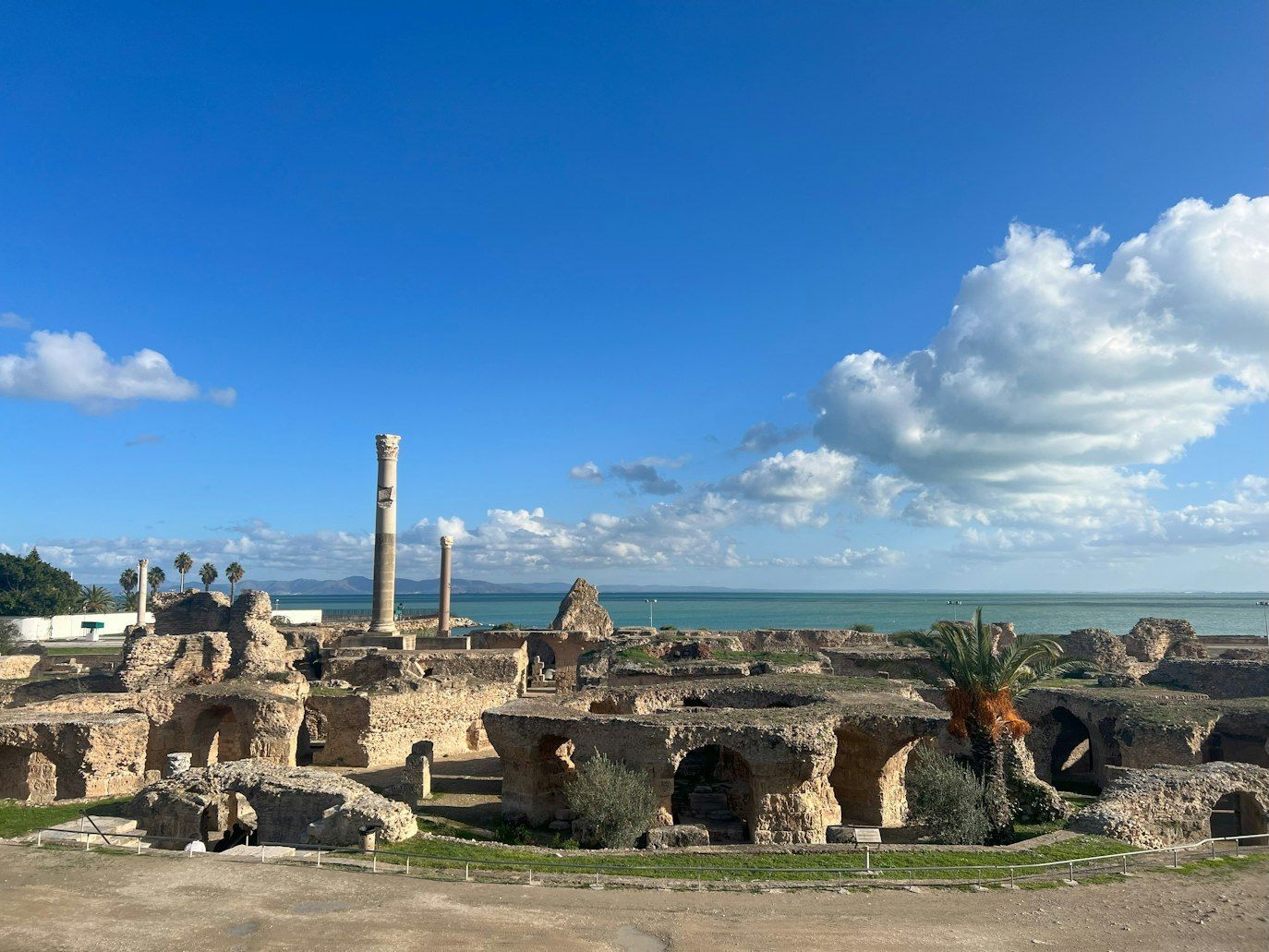
Many people hear ‘Cartagena’ and think about the Colombian city, named after its Spanish namesake. But Spanish Cartagena is also named after a city. This Mediterranean town was founded by Carthaginian general Hasdrubal with the name of Carthago (after the North African city of the same name). Conquered by the Roman Empire, it was renamed Carthago Nova, or ‘New Carthage’, and, after the Visigoth and Arab rule, its name evolved to Cartagena.

7

Kansas City, Kansas

Image: Farhodjon Chinberdiev

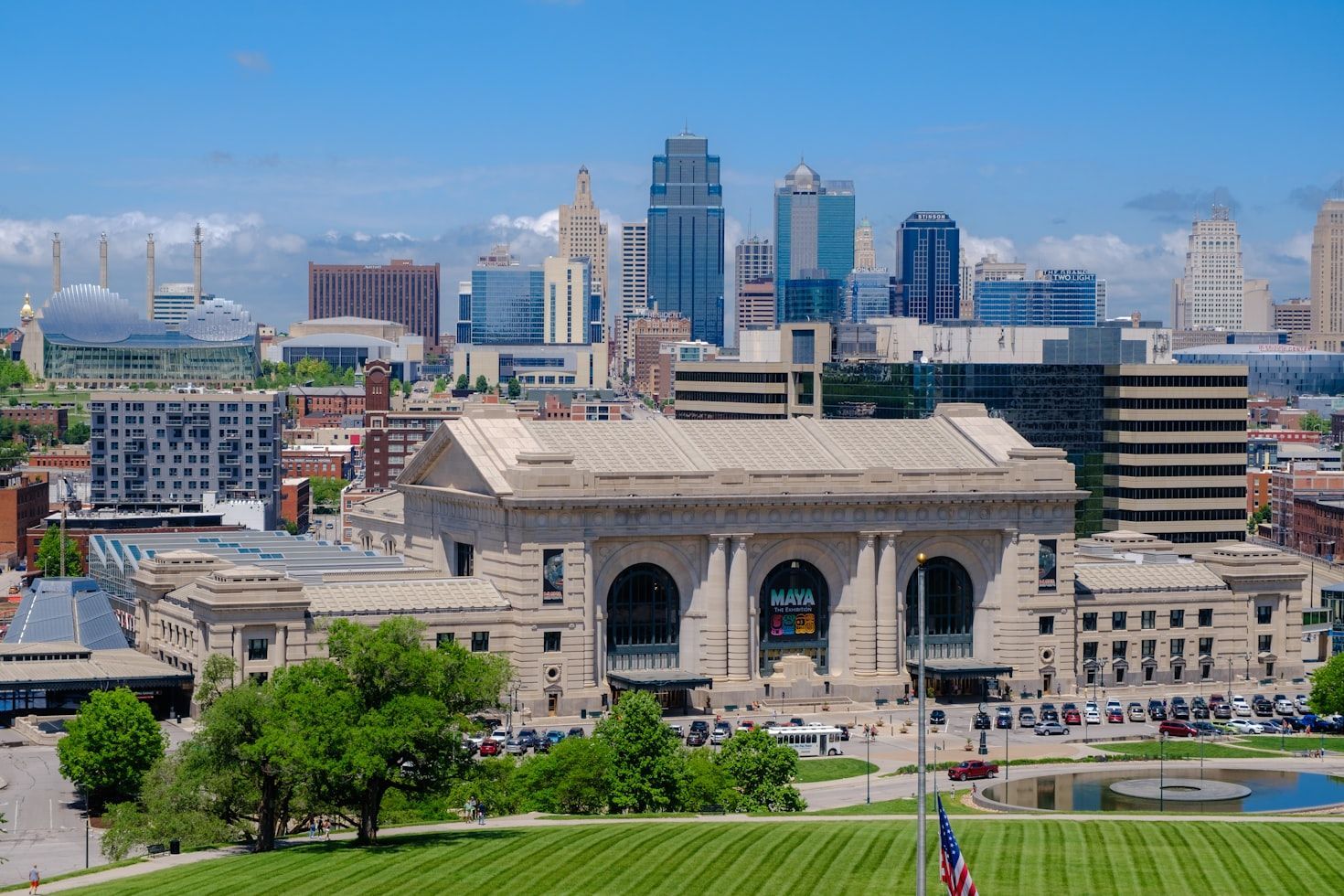
One would think that a city named Kansas in a state named Kansas would be the first of its name. But the Kansas of Kansas is named after Kansas City, Missouri. Founded in the 1830s, the Missourian Kansas quickly grew thanks to commerce and industry. Over the state line, the people of Kansas state decided to also have a Kansas City, to benefit from the economic growth associated with the name. Now you know: if you have a feeling that you are not in Kansas anymore, you might just be in Missouri.

8

Guadalajara, Mexico

Image: Miguel Alonso

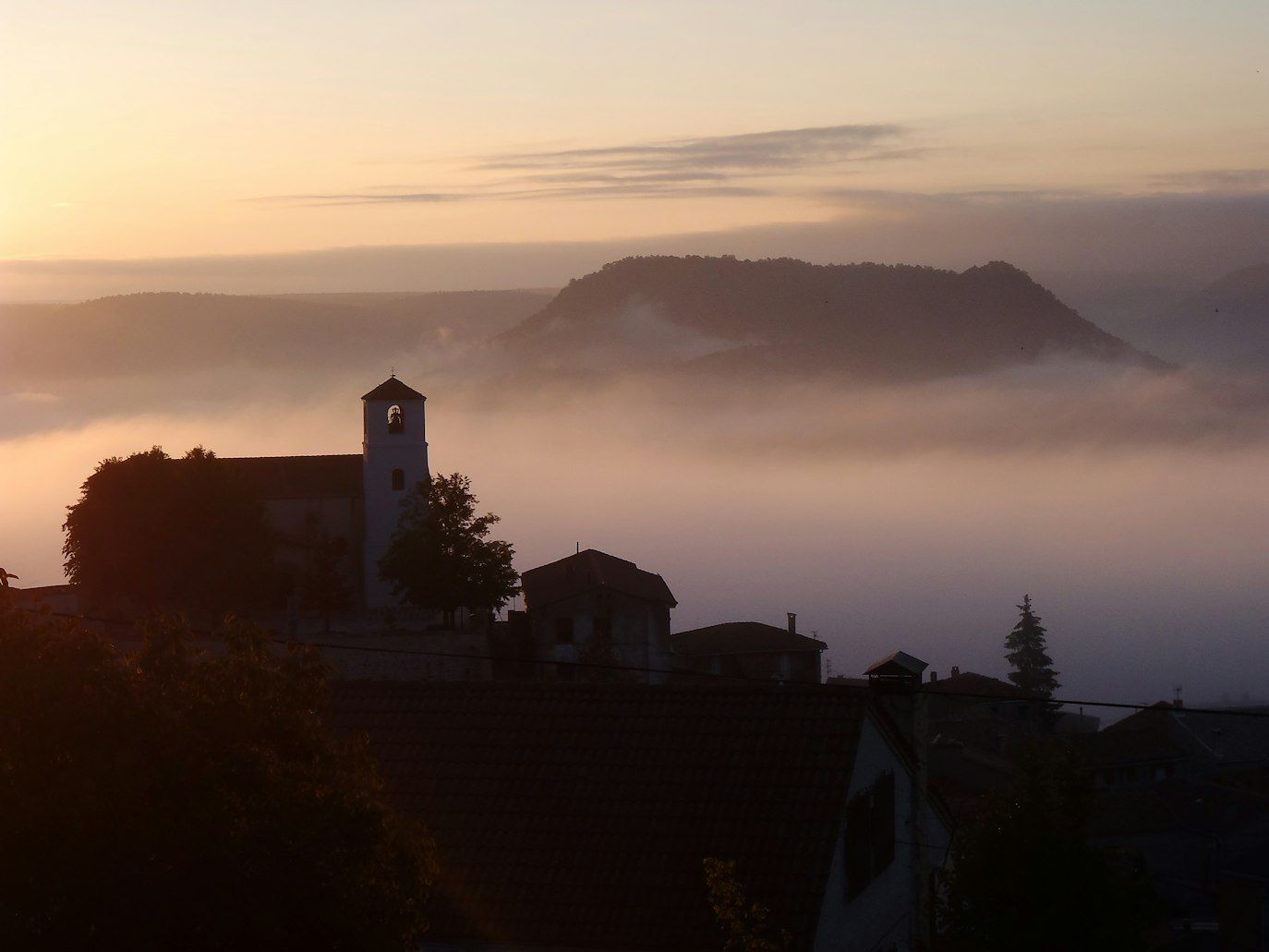
Capital of the state of Jalisco, Guadalajara is one of the most important cities in Mexico. Its name is of Arab origin, and it means ‘valley of the stones’. Established by Spanish conquistadors in the 16th century, it was named by Cristobal de Oñate after his birthplace, Guadalajara City in Spain, a place once under Arab rule.

9

Boston, Massachusetts

Image: Mark Olsen

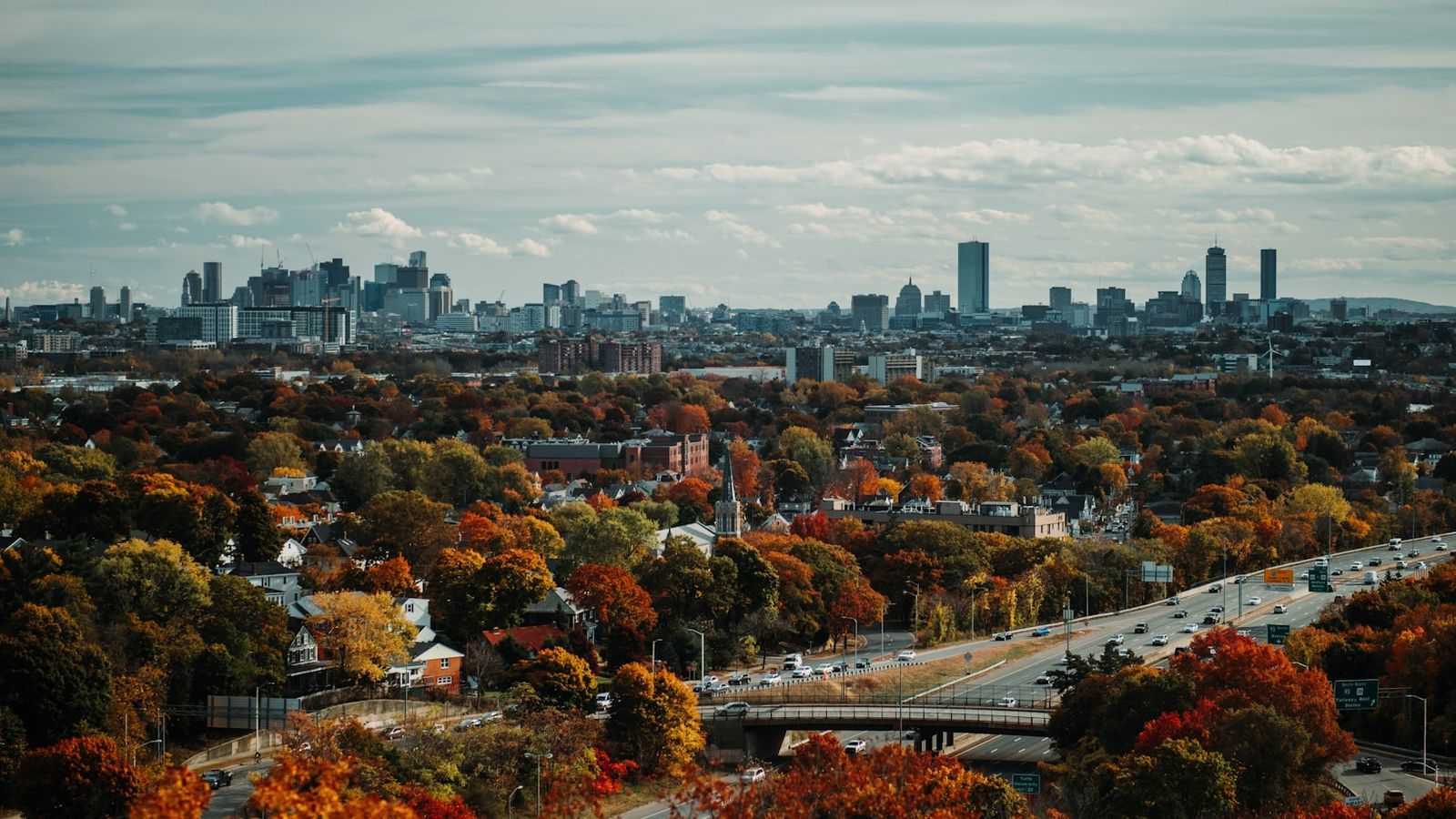
There are at least 16 places in the U.S. named Boston, but only one of them is named after a foreign city. The capital of the state of Massachusetts was established in the 17th Century by Puritan settlers, who took the name from an English port in Lincolnshire. The new Boston was the scene of several key episodes in the American Revolutionary War, and all other Bostons in the U.S. are named after it.

10

Ithaca, New York

Image: Christopher Chan

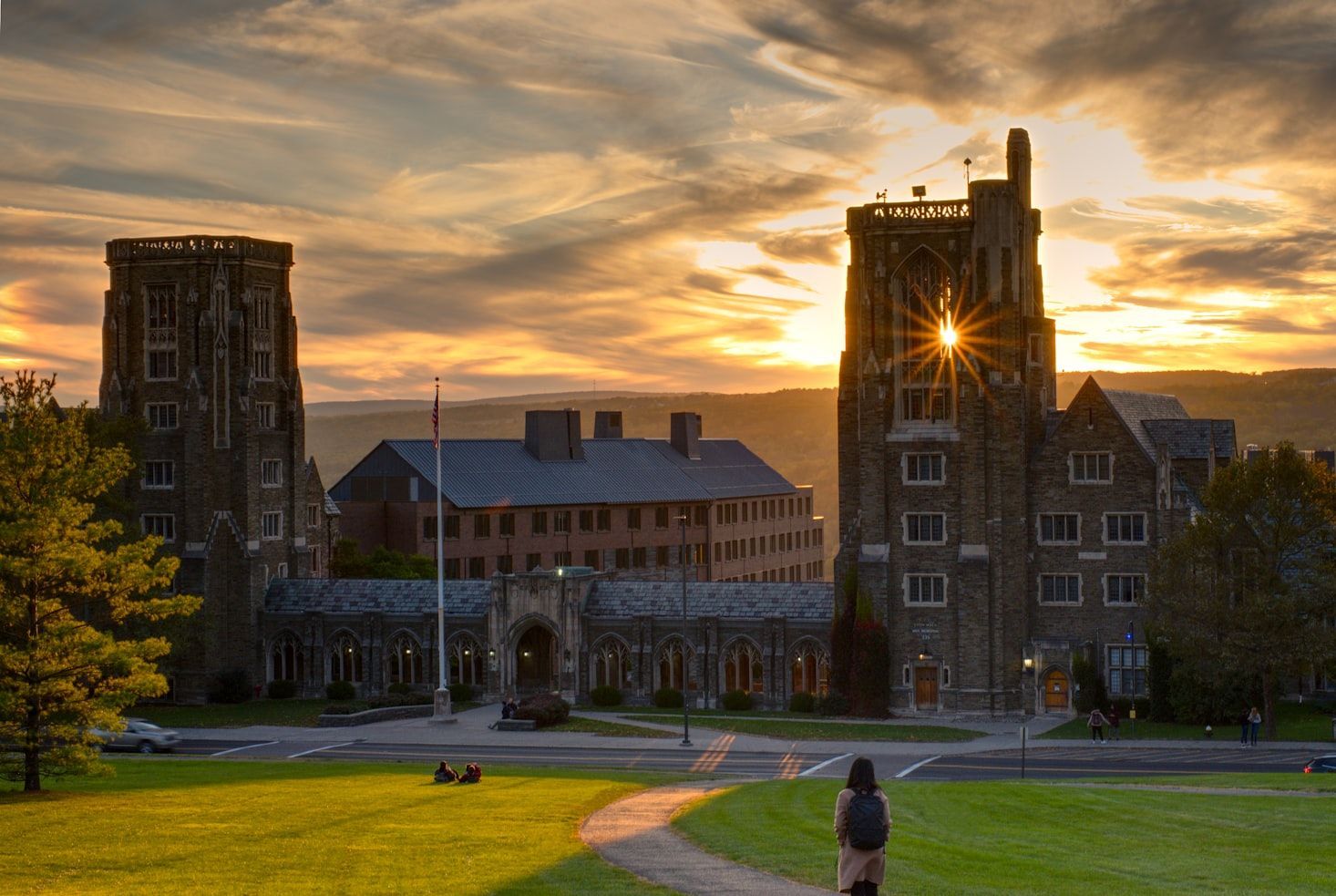
Ithaca is a college town, home to Cornell University. It was founded after the Revolutionary War, on territory gained from the Iroquois, who had helped the British Army during the conflict. The American government granted plots of land as payment to soldiers in the Continental Army, one of them being Moses De Whitt. First settled in the Town of Ulysses, he later relocated to what is now Ithaca and named it after the Greek island that was Ulysses’ home.

10 weird historical events that no one has been able to explain (yet)


Published on May 2, 2026


Image: Walters Art Museum, Public domain, via Wikimedia Commons

Who doesn't like a good mystery? And if the mystery isn’t a work of fiction but the result of a true story, even better! The great unsolved enigmas of history are absolutely fascinating. Some have been solved over time, but there are still many old secrets for which neither scientists nor historians have found an explanation—yet. Time-travel with us as we uncover 10 of the biggest historical mysteries that will probably never be cracked!

1

A ghost island

Image: Tanner, Henry S., Public domain, via Wikimedia Commons

Bermeja Island is mentioned in navigation texts written by European travelers and appears in cartography from the 16th to 19th centuries. Old maps place it off the north coast of the Yucatán Peninsula; however, multiple searches over the years have yielded no concrete evidence of its existence.

So, what happened to Isla Bermeja? Was it a cartographic error? Did it sink due to a tidal wave? Because of its geopolitical significance, some have even suggested that it was blown up by the CIA! A 2009 study by the Autonomous University of Mexico concluded that Isla Bermeja does not exist today, nor were any traces found at its supposed coordinates. Yet, it will forever remain a mystery that will surely keep many entertained.

2

The longest alien signal ever

Image: Credit: Big Ear Radio Observatory and North American AstroPhysical Observatory (NAAPO)., Public domain, via Wikimedia Commons

In 1977, Ohio State University’s Big Ear radio telescope, used in the search for extraterrestrial intelligence, detected a signal now known as the Wow! signal. While reviewing the data, astronomer Jerry R. Ehman noticed a sequence represented as "6EQUJ5." Baffled by the anomaly, he circled it and wrote "Wow!" in the margins.

The signal lasted 72 seconds and, unfortunately, has never been repeated. To this day, no one can fully explain the phenomenon, although some suggest it may have come from a man-made source. Still, the Wow! signal remains one of the strongest candidates for potential extraterrestrial contact ever detected.

3

The disappearance of an entire Inuit village

Image: Edward S. Curtis, Public domain, via Wikimedia Commons

How is it possible for an entire village to vanish without a trace? Believe it or not, this is said to have happened nearly a century ago. According to lore, a small Inuit village in Canada was well known among fur trappers who visited regularly to trade. But in 1930, something very strange supposedly occurred.

A hunter named Joe Labelle claimed he visited the village one day and couldn’t find a single person. Reports said there were guns and food left behind, and even claims that the graves in the cemetery were empty. A thorough investigation, however, found no conclusive evidence of what happened to the villagers. Some witnesses from nearby towns even reported seeing a huge green light. Theories ranged from mass migration to extraterrestrial abductions. The Royal Canadian Mounted Police has since dismissed the case as an urban legend. Some still believe the story to be true.

4

The Joyita Mystery

Image: bbb

We know thousands of shipwreck stories, but this one is quite unique. The MV Joyita, designed to be nearly unsinkable, was found adrift in the South Pacific, practically unharmed, but the crew had disappeared completely.

In October 1955, the American merchant vessel left the port of Apia in Samoa with 16 crew members and 9 passengers bound for the Tokelau Islands. After days without news, a rescue mission was launched. Five weeks later, the Joyita was spotted more than 600 miles west of its intended route. The vessel was partially submerged, and there was no sign of the passengers or crew. Four tons of cargo and all three life rafts were missing. They were never seen again.

5

A mummy and a mysterious fluid

Image: Gary Todd from Xinzheng, China, CC0, via Wikimedia Commons

Do you know where one of the best-preserved mummies was found? Hint: not in Egypt. Xin Zhui, the Marquise of Dai during the Western Han Dynasty in China, was discovered in her tomb at Mawangdui 2,000 years after her death, along with hundreds of valuable documents and artifacts.

What makes this mummy so extraordinary is how well-preserved her body is. Her organs and veins remain intact, and she still has hair and even eyelashes. Scientists analyzed the fluid present in the coffin and discovered it was acidic and contained salt and magnesium. They believe this mysterious liquid may have been responsible for preserving Xin Zhui so well. What they don’t know is whether it was intentionally poured into the coffin or came from the body itself.

6

A missing prime minister

Image: Yoichi Okamoto, Public domain, via Wikimedia Commons

The United States has its fair share of presidents who died while in office, but none of our 45 presidents have ever disappeared without a trace. Did you know that this actually happened in The Land Down Under?

Harold Edward Holt was the Prime Minister of Australia from 1966 until his presumed death in 1967. He loved the ocean and spearfishing. During a weekend trip with friends, Holt visited the remote Cheviot Beach to take a swim. Rough sea conditions that day caused him to be swept away by the waves, and he never reappeared. Despite an intensive search, his body was never found, which has given rise to numerous conspiracy theories. Ironically, Australians built the Harold Holt Memorial Swimming Centre in Melbourne in his honor.

7

The anonymous hijacker

Image: FBI, Public domain, via Wikimedia Commons

Many famous criminals have managed to remain unidentified for decades, but the D.B. Cooper case is something else entirely. In 1971, Cooper boarded a flight from Portland to Seattle. Shortly after takeoff, he showed a flight attendant a device he claimed was a bomb and demanded four parachutes and $200,000 in cash.

The crew landed to meet Cooper’s demands in exchange for the passengers and then took off again. As the plane flew over southwestern Washington, Cooper jumped into the cold, rainy night carrying his haul. His whereabouts and true identity were never discovered, although it is likely he didn’t survive the jump. In 1980, some of the ransom money was found near the Columbia River. Although the FBI officially closed the case in 2016, amateur sleuths continue to try to crack it.

8

Dancing to death

Image: Pieter Brueghel the Elder, Public domain, via Wikimedia Commons

Can you imagine an epidemic where the main symptom is uncontrollable dancing? Sounds like science fiction, doesn’t it? Yet this really happened during the Middle Ages. In 1518, a dancing plague struck Strasbourg, Alsace, in what is now France. This strange condition affected up to 400 people, making them dance frantically for weeks. It is said that some even died of heart attacks, exhaustion, or strokes.

Doctors and authorities tried all kinds of measures to stop the spread. They even banned music for a while! To this day, scientists are not certain what caused this bizarre condition: it may have been food poisoning from toxins in the ergot fungus, or perhaps a case of stress-induced mass hysteria.

9

A manuscript no one understands

Image: Public domain, via Wikimedia Commons

The Voynich manuscript is a codex written roughly 500 years ago in an unknown language and writing system by an anonymous author. Known as Voynichese, the manuscript was named after Wilfrid Voynich, a Polish bibliophile and antiquarian who purchased it in 1912.

Radiocarbon testing has shown that it dates to the early 15th century. Many cryptographers and codebreakers have attempted to decipher its roughly 240 pages without success. The manuscript contains diagrams and illustrations of unknown plants and astrological symbols. Some believe it may be a made-up language, a secret code, a work of fiction, or even a hoax. If you think you can solve this mystery, the Voynich manuscript is available for viewing at Yale University’s Beinecke Rare Book and Manuscript Library.

10

An ancestor of movable-type printing

Image: Bernhard

Similar to the Voynich manuscript, the Phaistos Disc is a fired clay disc believed to have been created during the Bronze Age. It was discovered by an Italian archaeologist in the basement of a palace in Crete, Greece, in 1908.

What makes this disc fascinating is that it contains a mysterious message. Stamped into the clay is a set of signs, forming a text that many scientists have tried to decipher—without success. It is considered an early attempt at printing, a technological innovation that would not become widespread for several centuries. While enthusiasts still hope the enigma can be solved, this is unlikely unless other documents are discovered to provide context.

Looking for an extra scoop of literary fun?

Learn more with our Word of the day

cunning

/ˈkənɪŋ/