Holy mysteries

There are no hospitals or prisons in the Vatican: Here's why


Published on February 1, 2026


Image: Jamie Evawin

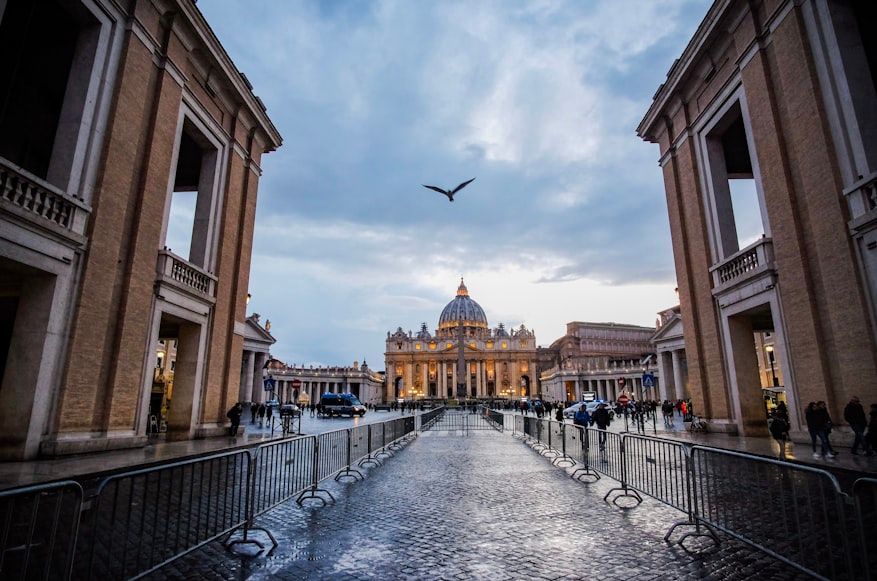
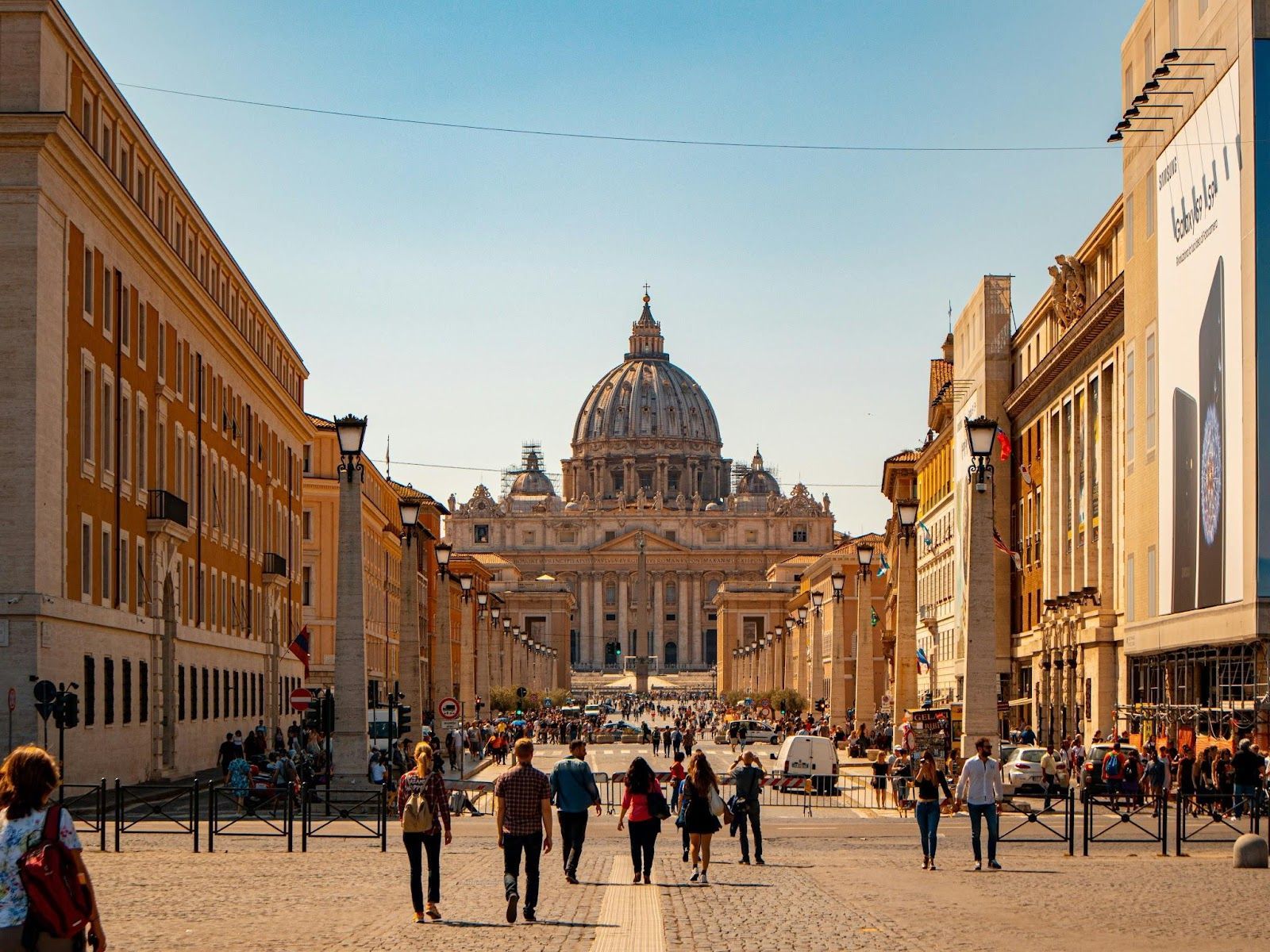
Located in the heart of Rome, the Vatican is a city-state with roots that stretch far beyond its official founding year. And while you might think you’ve heard all about it, the world’s smallest country still holds plenty of secrets. Let’s uncover 10 fascinating facts hidden within its walls.

1

From the Vatican to the Moon

Image: NASA

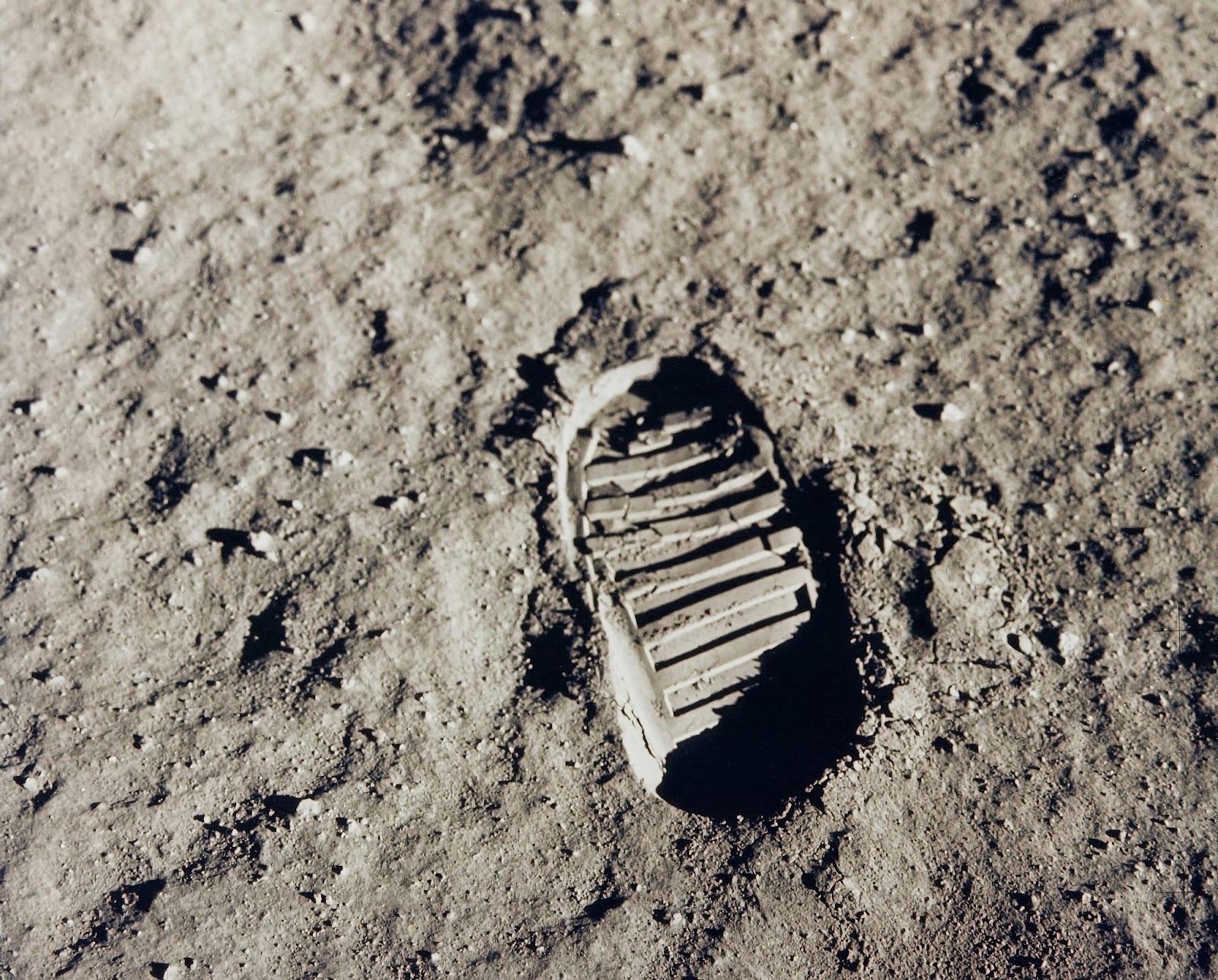
In July 1969, the United States sent the first humans who reached the moon. But what exactly did the astronauts bring along with them? Believe it or not, a small Vatican City flag flew aboard Apollo 11 and made it all the way to the moon. Later, President Nixon presented that same flag to Pope Paul VI.

2

The wine capital of the world

Image: Kelsey Knight

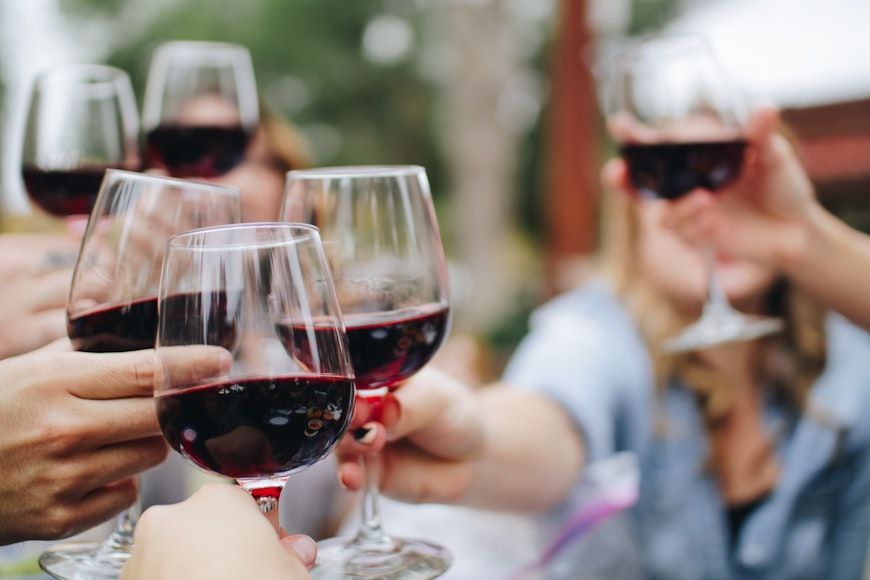
Wine in the Vatican isn’t just for Mass. In fact, this tiny city-state has the world’s highest wine consumption per capita! That may sound shocking, but it becomes a little more reasonable when you consider two things: there are no children in the population, so almost everyone is of drinking age, and residents also enjoy tax-free wine.

3

No citizenship by birth

Image: Luma Pimentel

Did you know there are no hospitals and no delivery rooms at all? That’s right! You can’t become a Vatican citizen by birth. Citizenship is granted only based on a person’s role or employment within the Holy See.

4

No permanent citizenship

Image: Ivan Lemekhov

You can’t just choose to live in the Vatican. Just as citizenship isn’t granted by birth, it isn’t permanent either. Those who become citizens hold it only temporarily, and it’s revoked once their service ends.

5

It has no prison

Image: Sebastian Herrmann

Due to the large number of daily visitors, minor crimes like pickpocketing can occur. However, the Vatican doesn’t have a formal prison system. While there are a few temporary detention facilities, anyone sentenced to prison serves their time in Italian jails.

6

What about pets?

Image: chan lee

It turns out no one has pets inside the Vatican walls, and it’s not because they don’t like animals. There is actually a rule that prohibits pets from living in or visiting the Vatican and its main attractions. While this might sound strange at first, it actually makes a lot of sense: the ban exists because the Vatican functions primarily as a high-security workplace and religious site, where noise, dirt, or pet waste wouldn’t be ideal. Of course, there are exceptions, such as guide dogs or therapy animals.

7

Michelangelo’s only autographed work

Image: Richard Wang

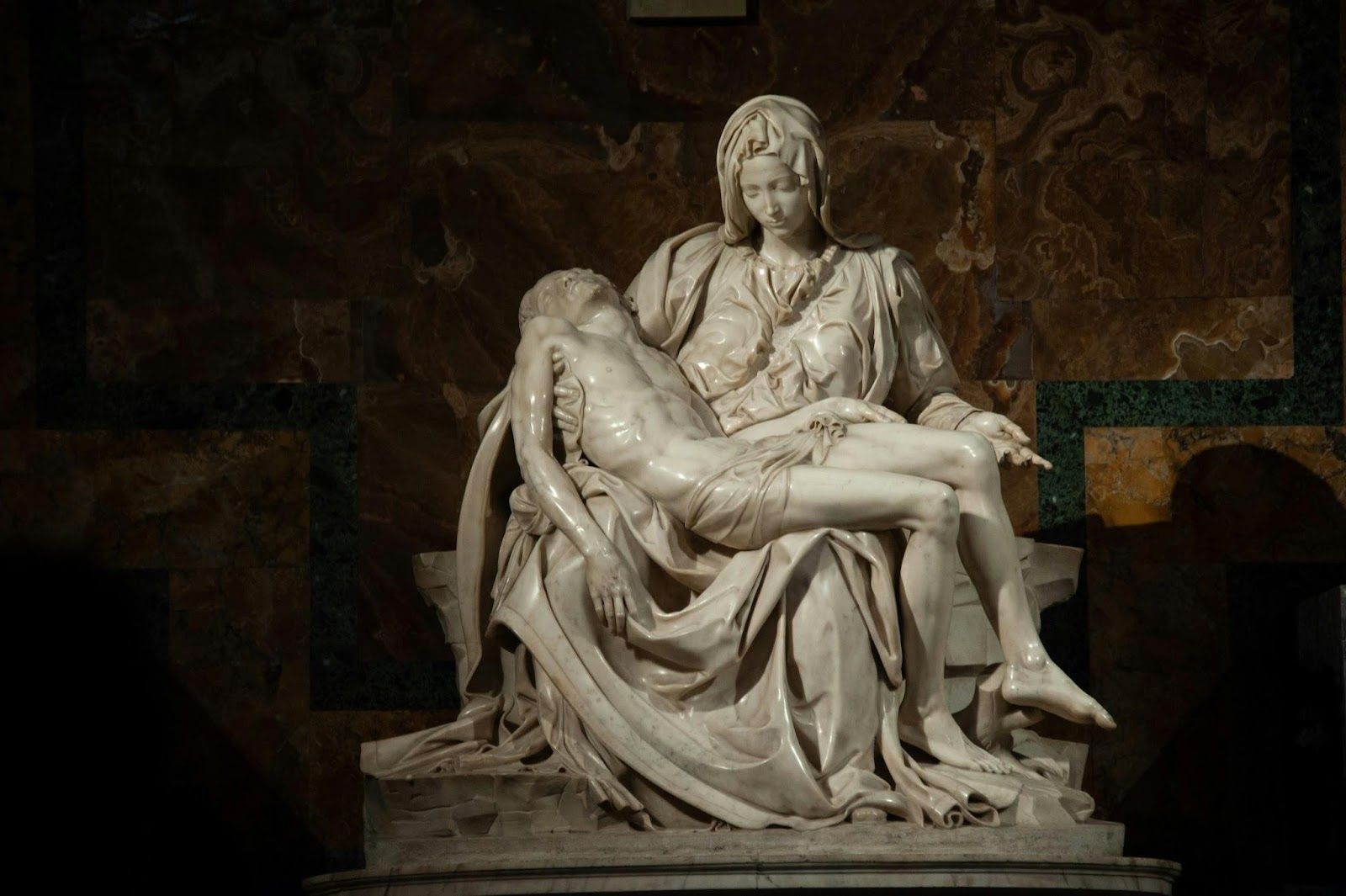
The Vatican is filled with incredible works by the master Michelangelo, with the ceiling of the Sistine Chapel being among the most famous. But there’s only one piece actually signed by Michelangelo himself, and it’s right here in the Vatican. More precisely, it’s in St. Peter’s Basilica: the breathtaking sculpture titled "The Pietà," completed when he was just about 24 years old.

8

Museum of Museums

Image: Nicolas Hoizey

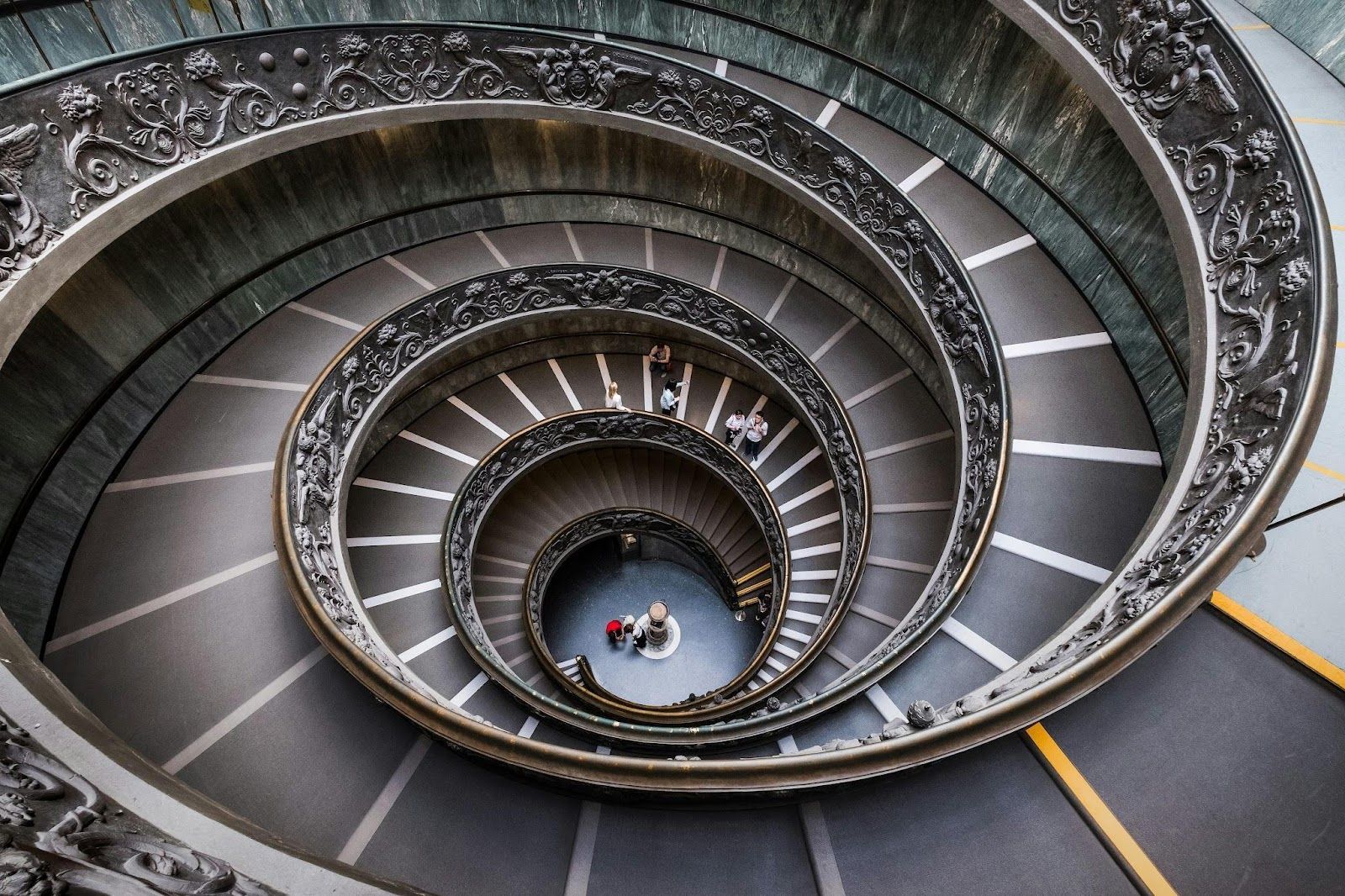
The Vatican Museums are the public museums of Vatican City, housing around 70,000 works of art! Together, their corridors and halls stretch nearly 10 miles and attract over 15 million visitors each year. In addition, you can explore the incredible Bramante Staircase, with a double-helix design that is mind-blowing.

9

Many keys

Image: Elena Mozhvilo

With so many rooms and corridors, there are also countless doors, which means countless keys. Around 2,700, to be more precise. That’s right: each morning, the museum guards are responsible for opening every single one.

10

ATM instructions in Latin

Image: Erik Mclean

Lingua Latina pars fundamentalis Vaticani est. But if that sentence didn’t make sense to you, you might want to bring cash when visiting the Vatican. Why? Well, their ATMs are in Latin! The good news: Italian and English are also available, so we’re covered.

Deep roots

11 everyday words with indigenous roots


Published on February 1, 2026


Image: Zoshua Colah

English is a very welcoming language in the sense that it incorporates terms from many other languages from all over the world. And, as it couldn’t be otherwise, Native American languages have lent many of their words and terms to English speakers. Some traveled through Spanish or French before settling into English, and others arrived directly through early contact and trade, helping shape the way we speak today. Did you know about these 11 terms?

1

Canoe

Image: Michael Niessl

The word "canoe" comes from the Taino term canoa, which was first used by Caribbean islanders long before Europeans arrived. Early explorers adopted it to describe the slim, sturdy boats they saw.

Over time, "canoe" became the standard English word for a small paddled craft. Today it still carries that sense of simplicity and closeness to nature.

2

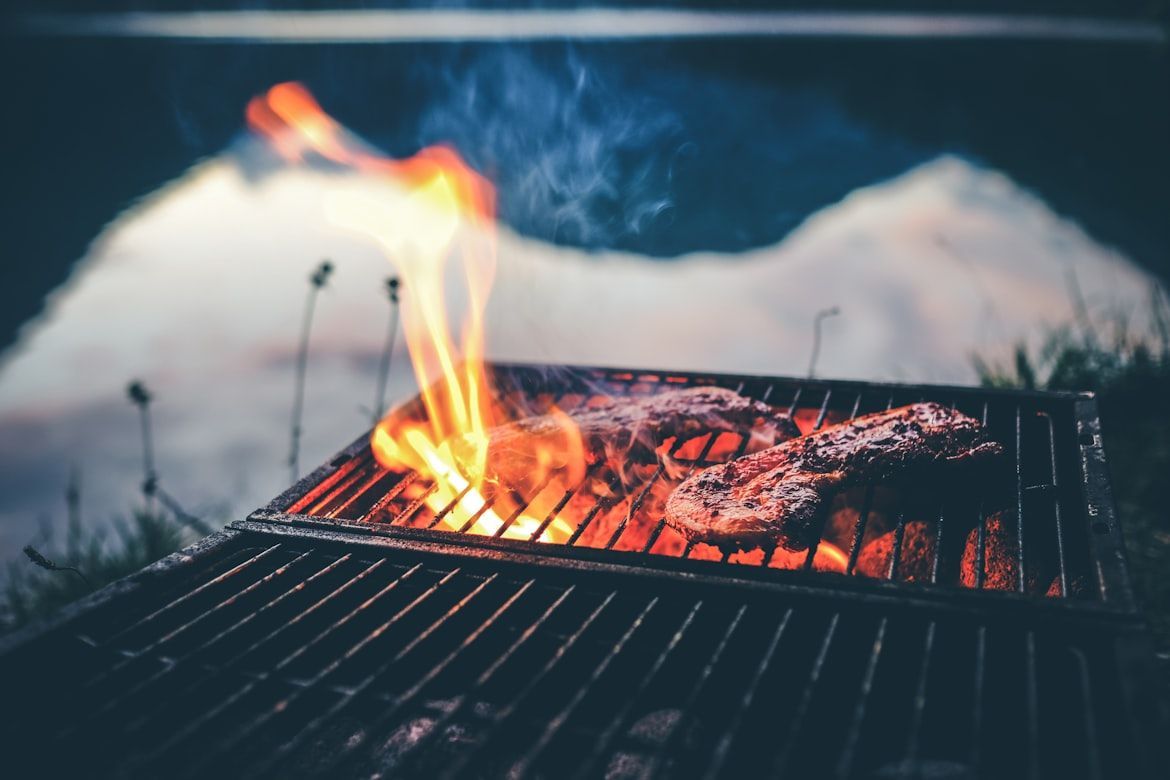
Barbecue

Image: Philipp Kämmerer

The word "barbecue" comes from barbacoa, another Taino term for a wooden frame used for cooking meat over fire. Europeans adopted it and applied it to both the method and the gathering itself.

Today, "barbecue" means everything from a backyard cookout to a regional cooking style. Its origins highlight the deep culinary influence of Native Americans in the nation's current culture.

3

Skunk

Image: Elisa Stone

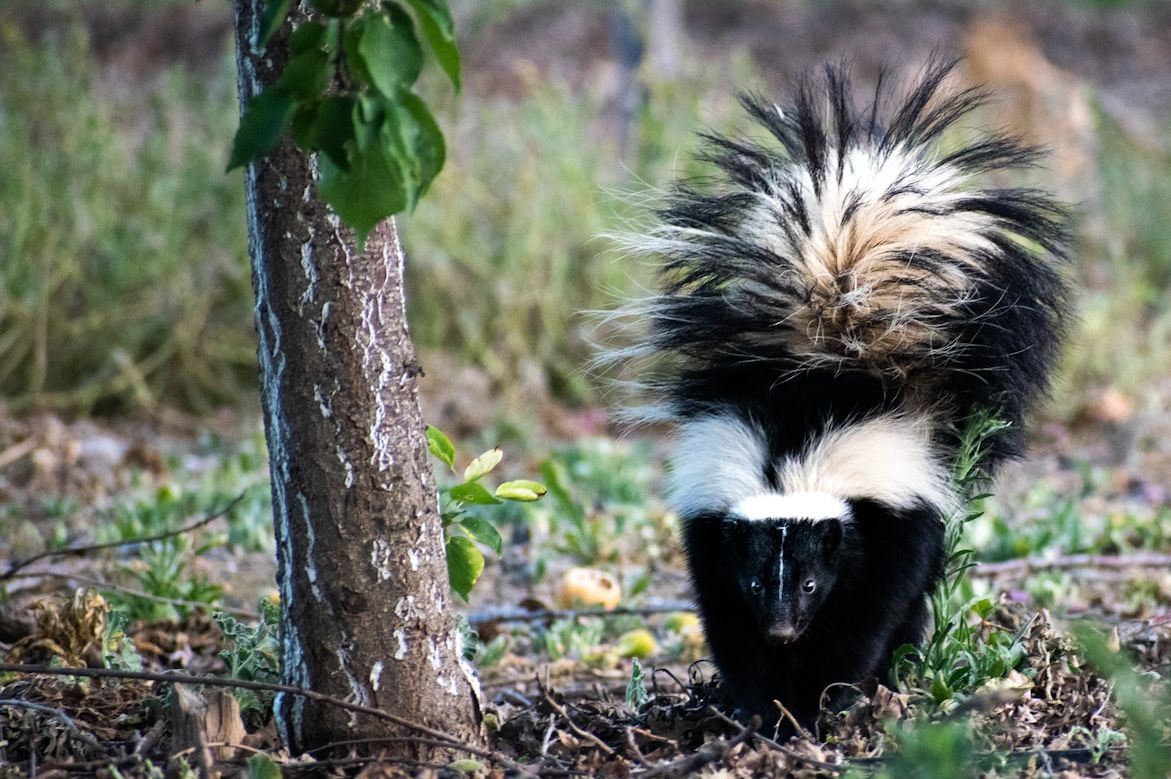
"Skunk" comes from the Algonquian word squnk, which means "urinating fox" (quite a fitting term, indeed). This was an obvious reference to the animal’s strong defensive spray. Early settlers adopted the term directly.

Since English had no better name for the creature, the Native word stuck. Today, the word skunks is also used as playful slang.

4

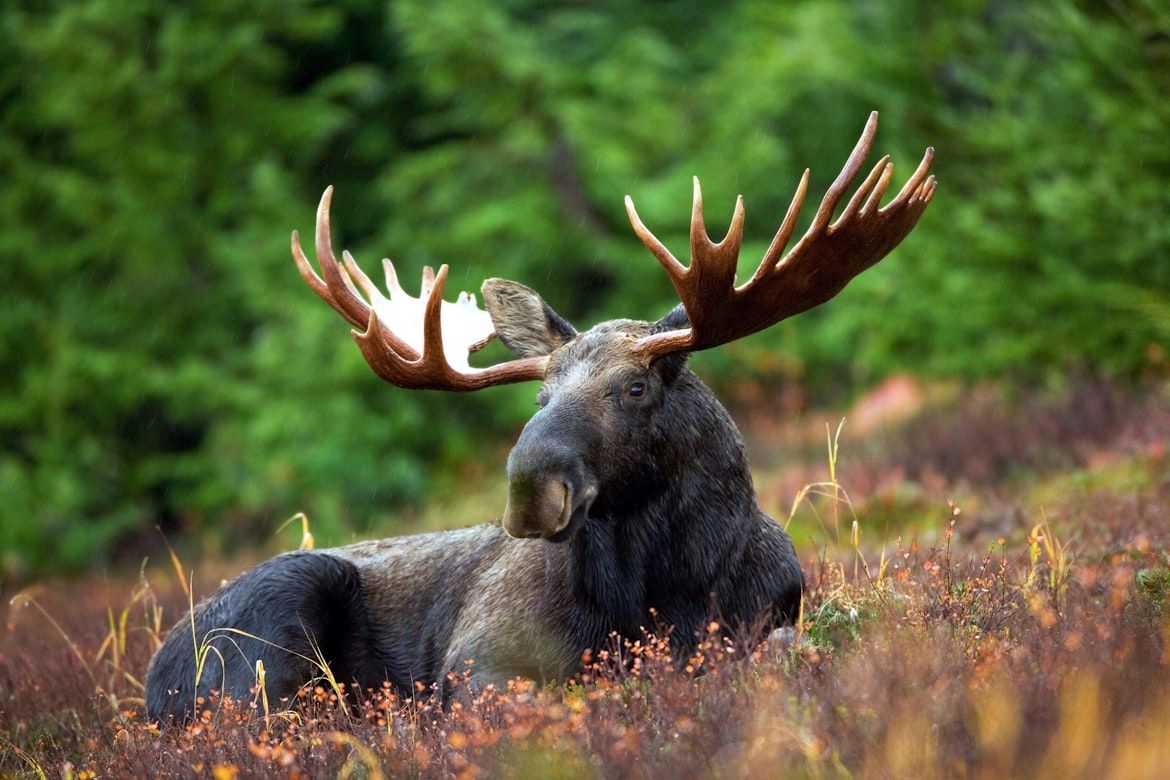
Moose

Image: Shivam Kumar

The word "moose" originates from Eastern Abenaki, a part of the Algonquian family, where it meant "he strips off bark." Yes, it described the animal’s habit of tearing bark from trees.

The name entered English quickly because settlers relied on Native knowledge of local fauna. The word remains unchanged because of its accuracy and usefulness.

5

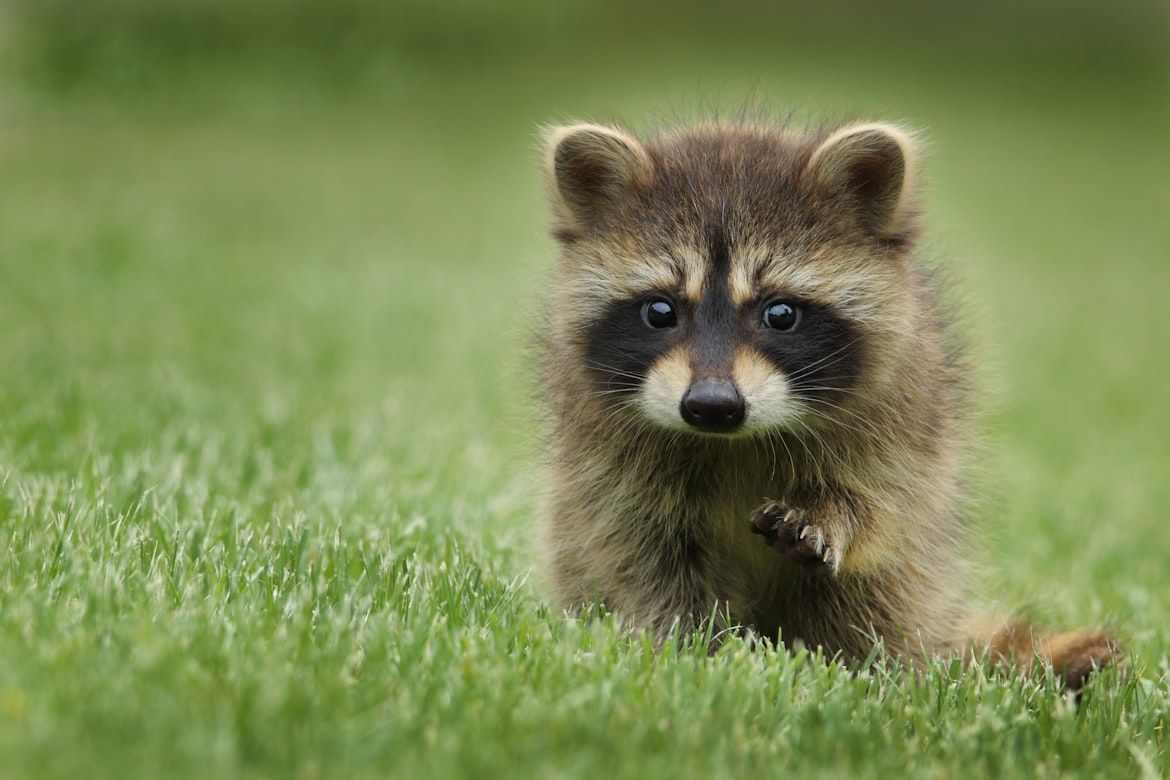
Raccoon

Image: Gary Bendig

"Raccoon" comes from the Powhatan word arakun, meaning "he scratches with his hands." It described the animal’s clever, humanlike front paws.

Settlers adopted the term because it captured the creature’s behavior beautifully. Today, the raccoon is used as a household symbol of curiosity, not unlike the animal itself.

6

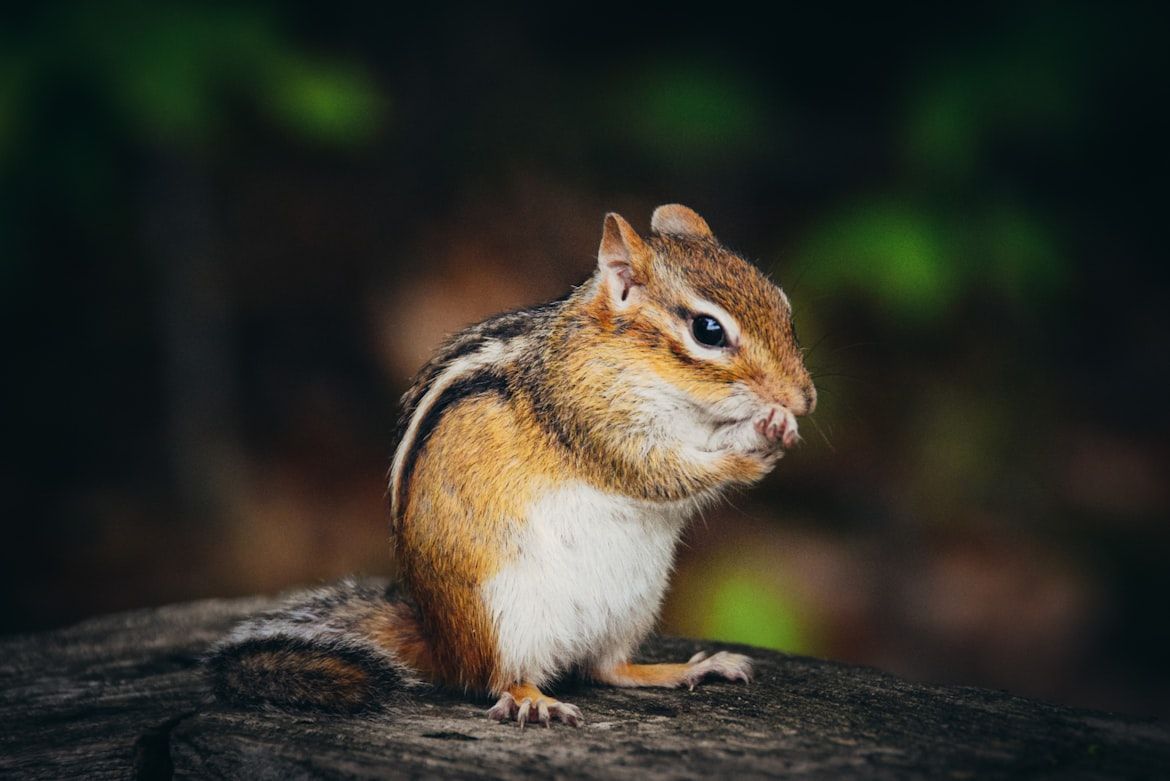
Chipmunk

Image: Annegret Kammer

The term "chipmunk" most probably comes from the Ojibwe word ajidamoo, which means "one who descends trees headfirst." Early English settlers adapted the sound into today’s form.

Though the spelling changed over time, the lively image of a chipmunk racing down a tree face-first stayed.

7

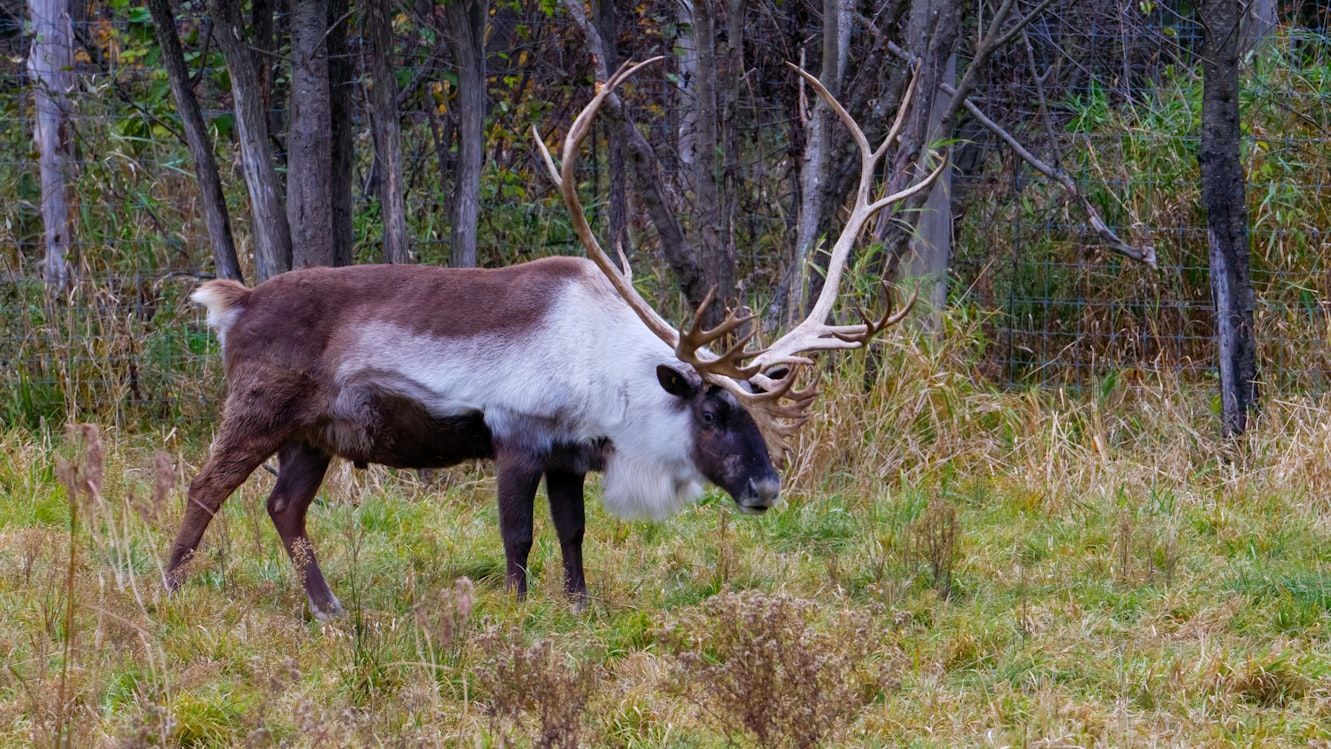
Caribou

Image: JD-Photos

The word "caribou" comes from the Mi’kmaq term qalipu, which means "snow shoveler," referring to the animal’s habit of digging through snow for food.

French settlers brought the word into English, keeping its descriptive nature. The name still connects the modern animal to the winter landscapes it belongs to.

8

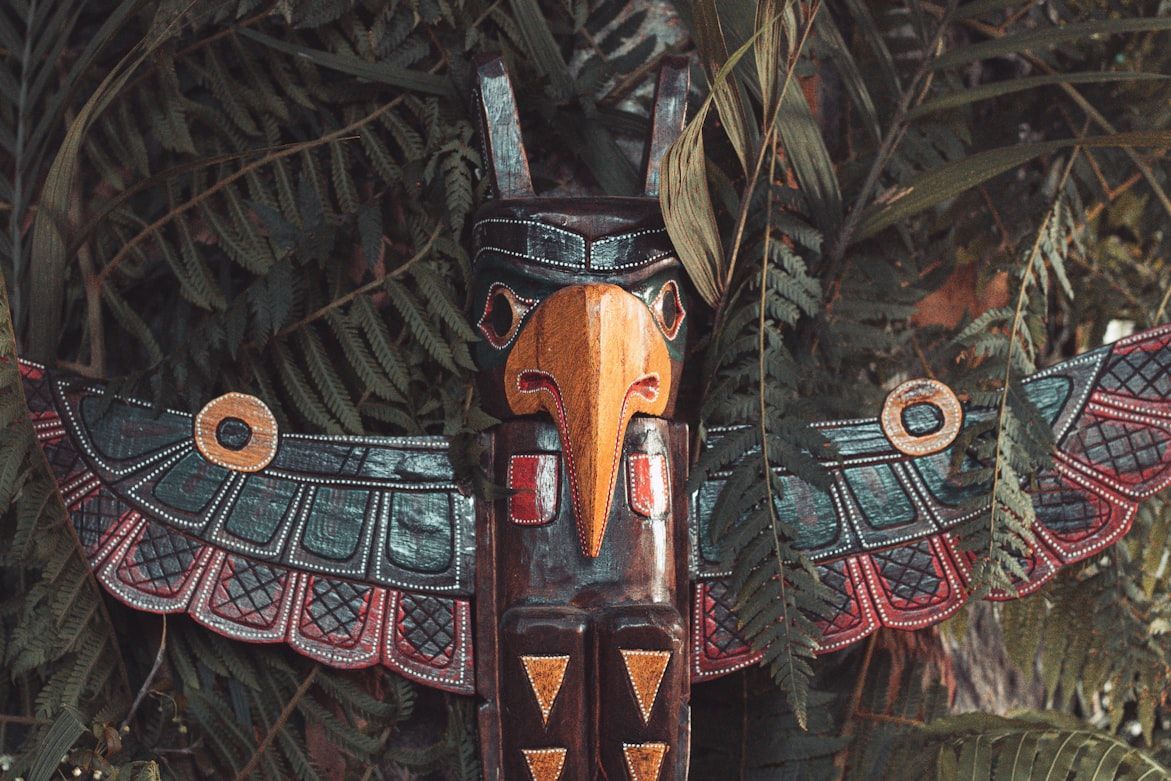
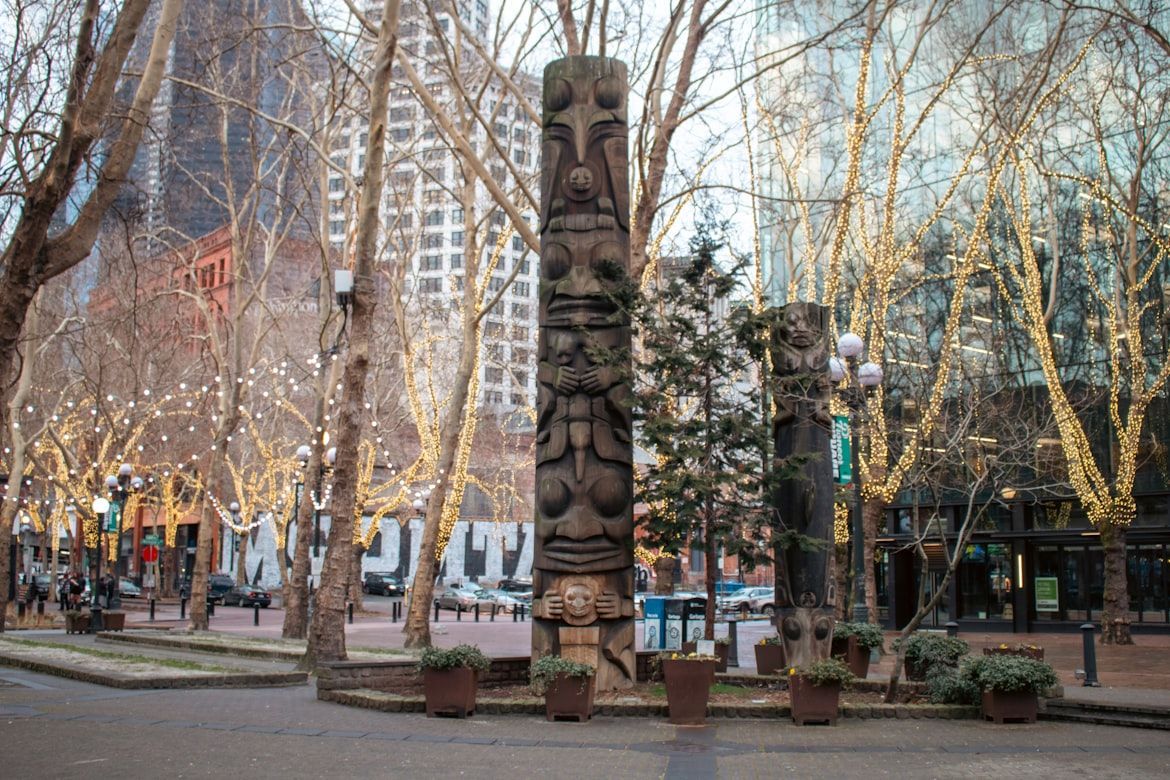
Totem

Image: Stéfano Girardelli

"Totem" comes from the Ojibwe word ototeman, which means "kinship group." It described symbols representing clans and shared roots.

English adopted it to describe carved poles and symbolic elements. Though broader in modern usage, it still hints at the original sense of community, identity, and heritage.

9

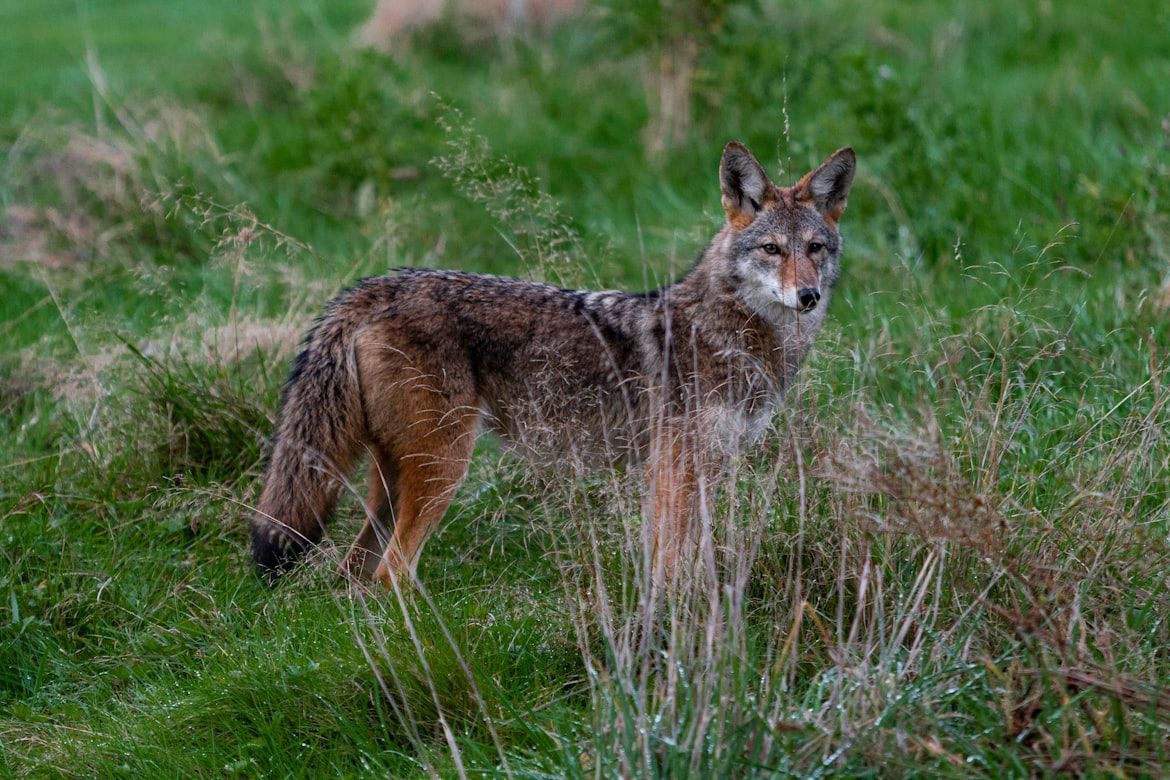
Coyote

Image: Dylan Ferreira

"Coyote" comes from the Nahuatl word coyōtl, which was used by Indigenous tribes of central Mexico. Spanish speakers adopted it, and English borrowed later.

The word kept its meaning, and it remains one of the most direct links between the English language and Nahuatl.

10

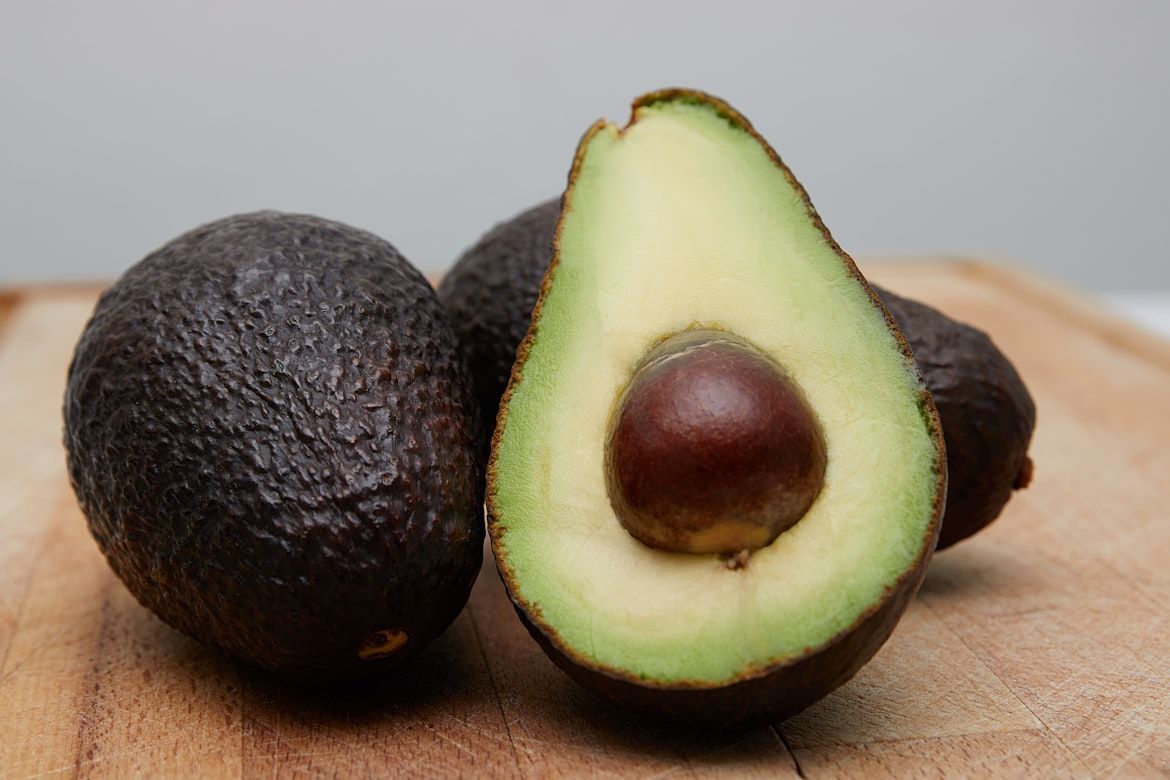
Avocado

Image: Gil Ndjouwou

The tasty avocado’s name traces to the Nahuatl word ahacatl, which refers to the fruit and to a body part as well. Spanish speakers transformed it into aguacate.

Later on, English speakers adapted it to avocado. While the name sounds contemporary and culinary, it has ancient Native roots.

11

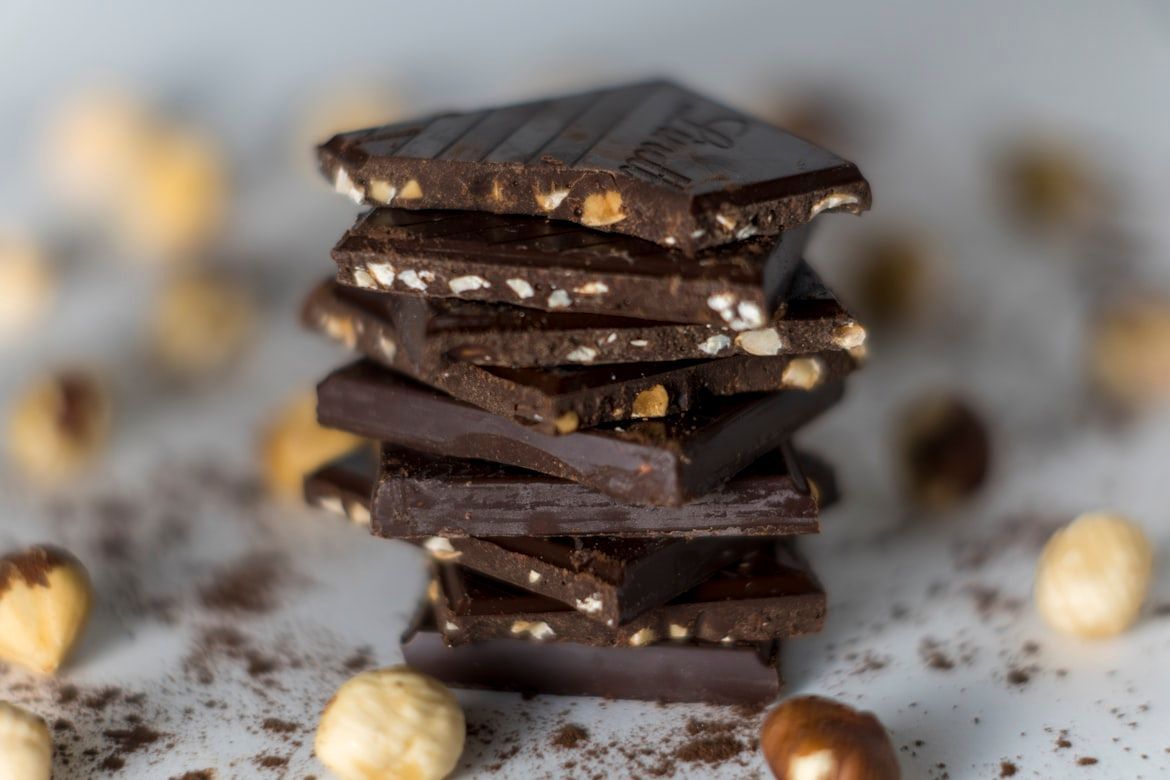
Chocolate

Image: amirali mirhashemian

The last Nahuatl word and also the last word on the list comes from the term xocolātl, which describes a bitter cacao drink that was consumed long before Europeans arrived in America. The name traveled from Spanish to English.

Though the product changed dramatically, the word survived. Today, chocolate is a universal symbol of sweetness, with rich and deeply indigenous roots.

Looking for an extra scoop of literary fun?

Learn more with our Word of the day

remedy

/ˈrɛmədi/