Evolution of terms

Don't we all know someone who still calls jeans "dungarees"?


Published on March 3, 2026


Would you know what to give a person if they asked you to pass them the "clicker"? And would you say that you know how to safely handle a "range"? Some objects we see every day had very different names in their early days. So we’ve made a list of nostalgic terms that we stopped using over time. See if you know them all!

1

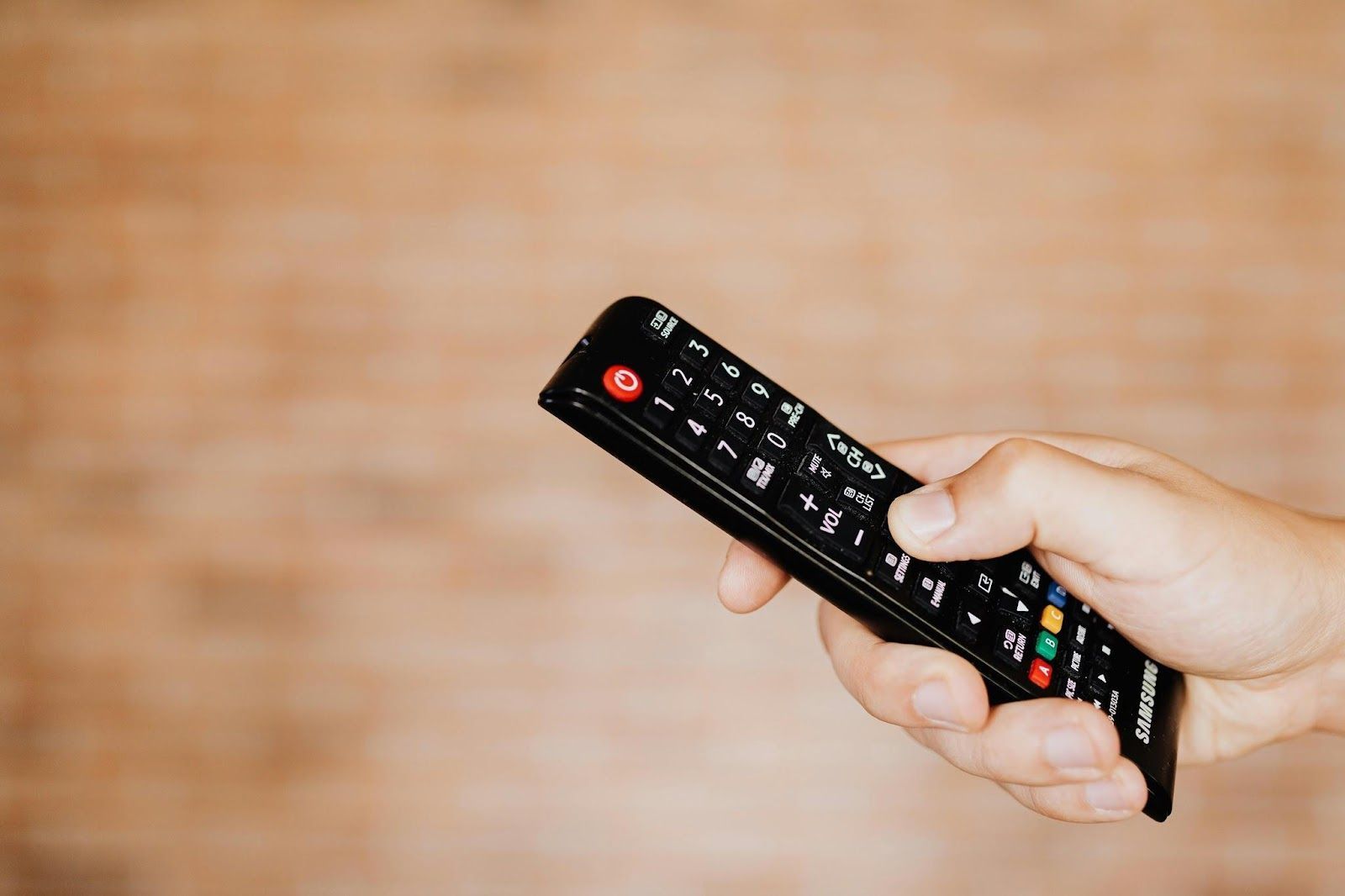
Clicker

Image: Photo By: Kaboompics.com

Why would you call a remote control a clicker? Simple: because of the sound it made when used. The original versions weren’t even electronic; instead, some used mechanical hammers that emitted a high-pitched click to signal the TV and control it remotely.

2

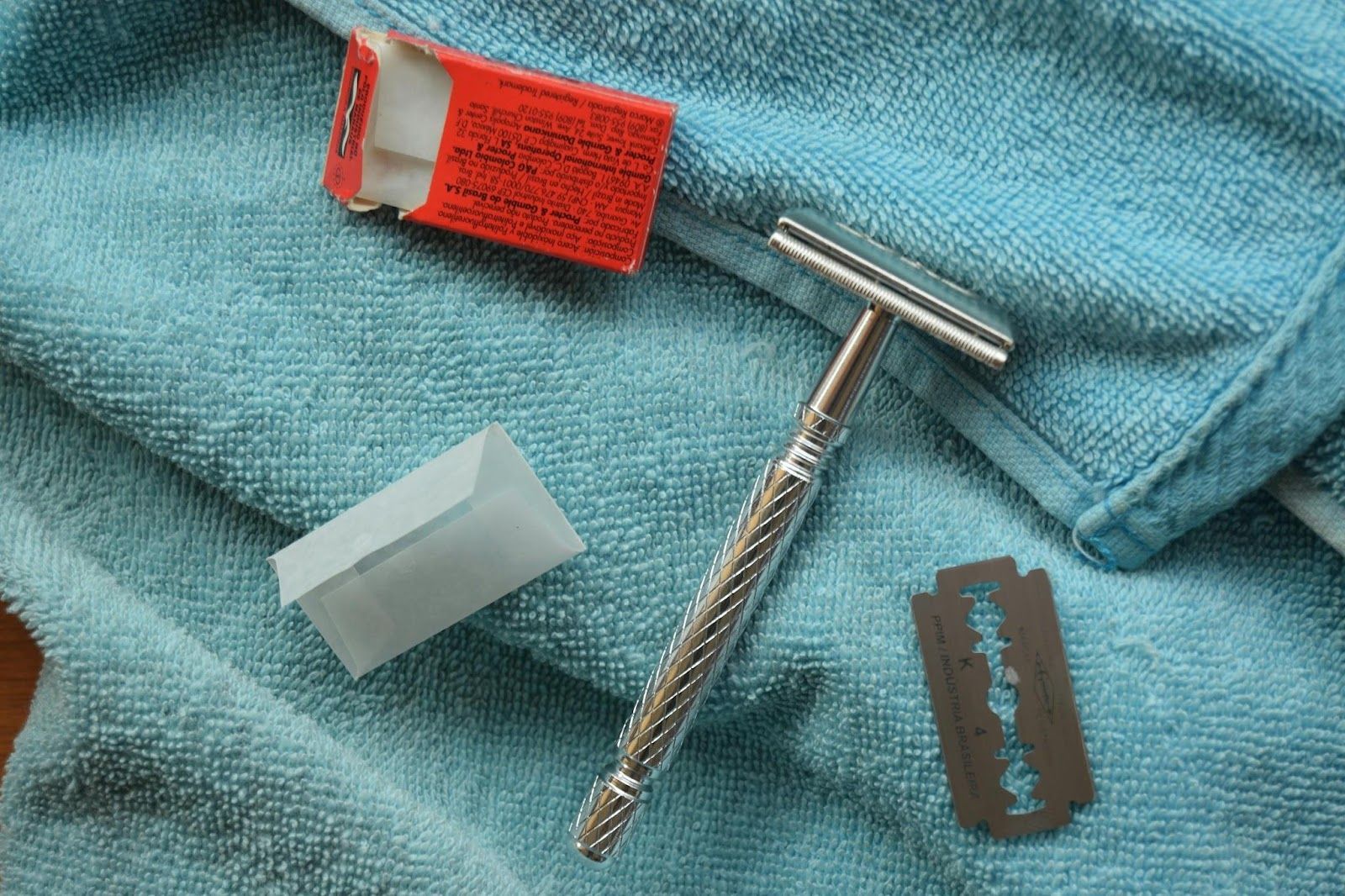
Safety razor

Image: Antonio Arcila

Before the devices we know today, shaving was a delicate art performed with straight blades. These were known as cut-throat razors, for obvious reasons.

Later, popularized by King C. Gillette in the early 1900s, the safety razor featured a protective guard to prevent deep cuts and made shaving safer for home use. Today, we just call them "razors" or call them by their brand.

3

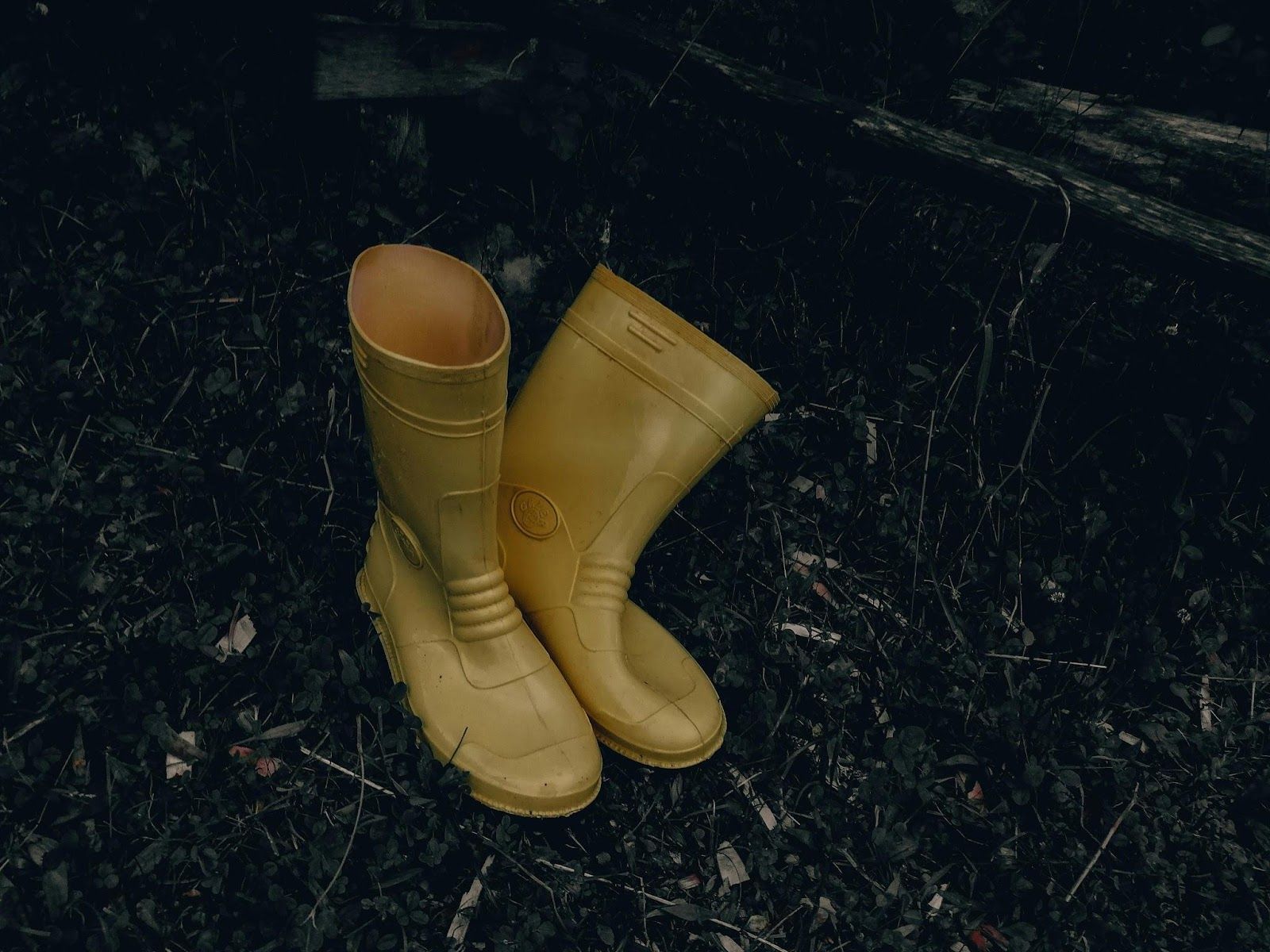
Galoshes

Image: Mavera Photography

Did your grandparents ever tell you to "put on your galoshes"? During the 19th century, the term referred to rubber overshoes worn to protect regular shoes from rain and mud. As waterproof rubber footwear (what we now call rain boots) became more widespread, many people began using galoshes to refer to those as well.

4

Icebox

Image: Athena Sandrini

Old refrigerators where people cooled their perishables were known as iceboxes. They looked like wooden cabinets with metal linings inside, and contained large blocks of ice, which were delivered regularly by icemen. The ice sat in a compartment at the top, keeping food cool as it slowly melted, with runoff collected in a tray underneath.

As with galoshes, the term icebox continued to be used even after electric refrigerators became the norm.

5

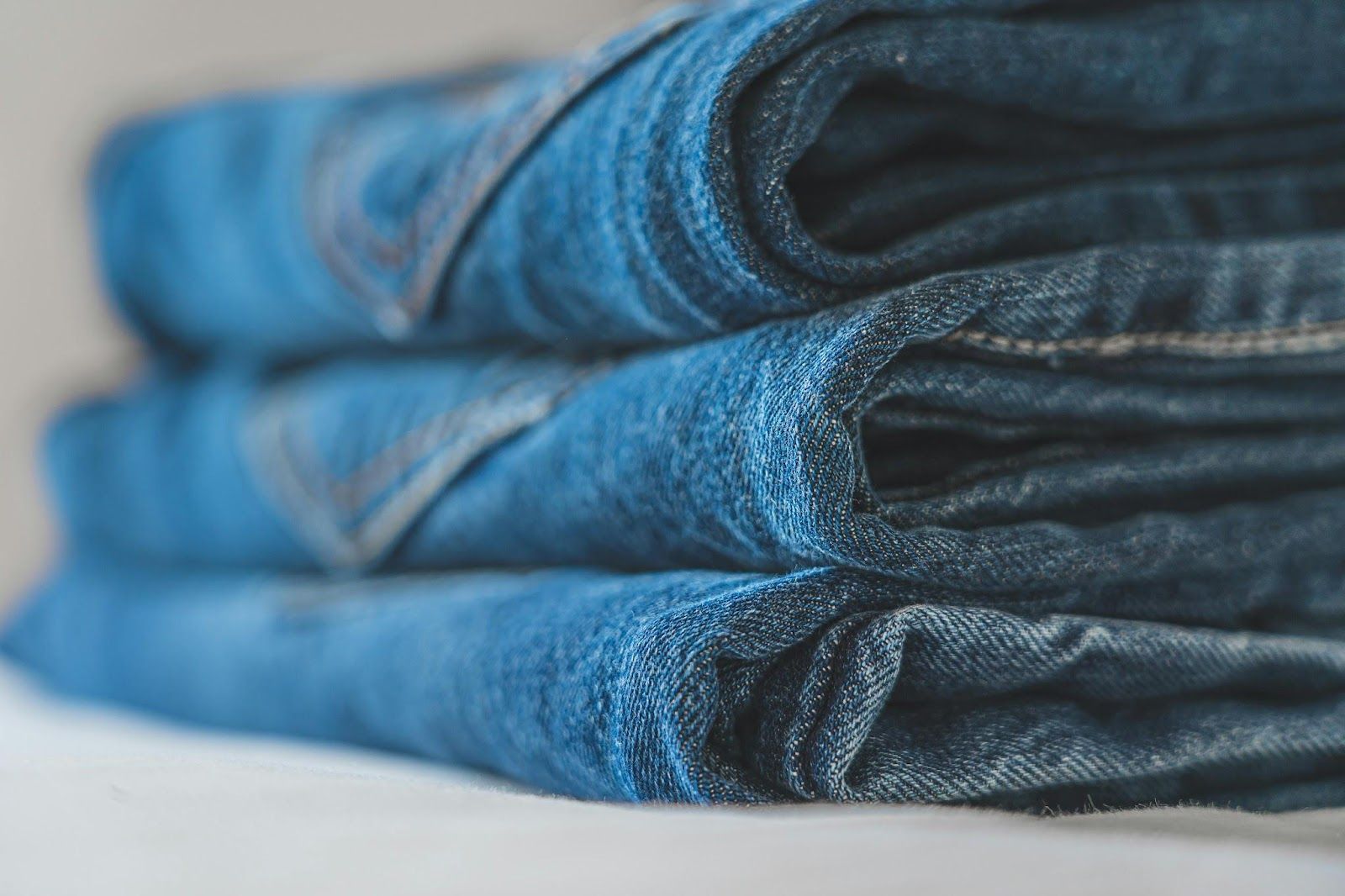
Dungarees

Image: Castorly Stock

Long before denim and jeans became the go-to terms, these work pants were often called dungarees. The name was less a nod to style or cut than to durability and purpose.

The term comes from Dongri, a dockside village near Mumbai, India, where a coarse, durable cotton fabric was produced and exported by the British in the 17th century. When the blue, strong fabric we know as "denim" became widespread, it made sense to call these garments the same way rugged pants had always been called.

6

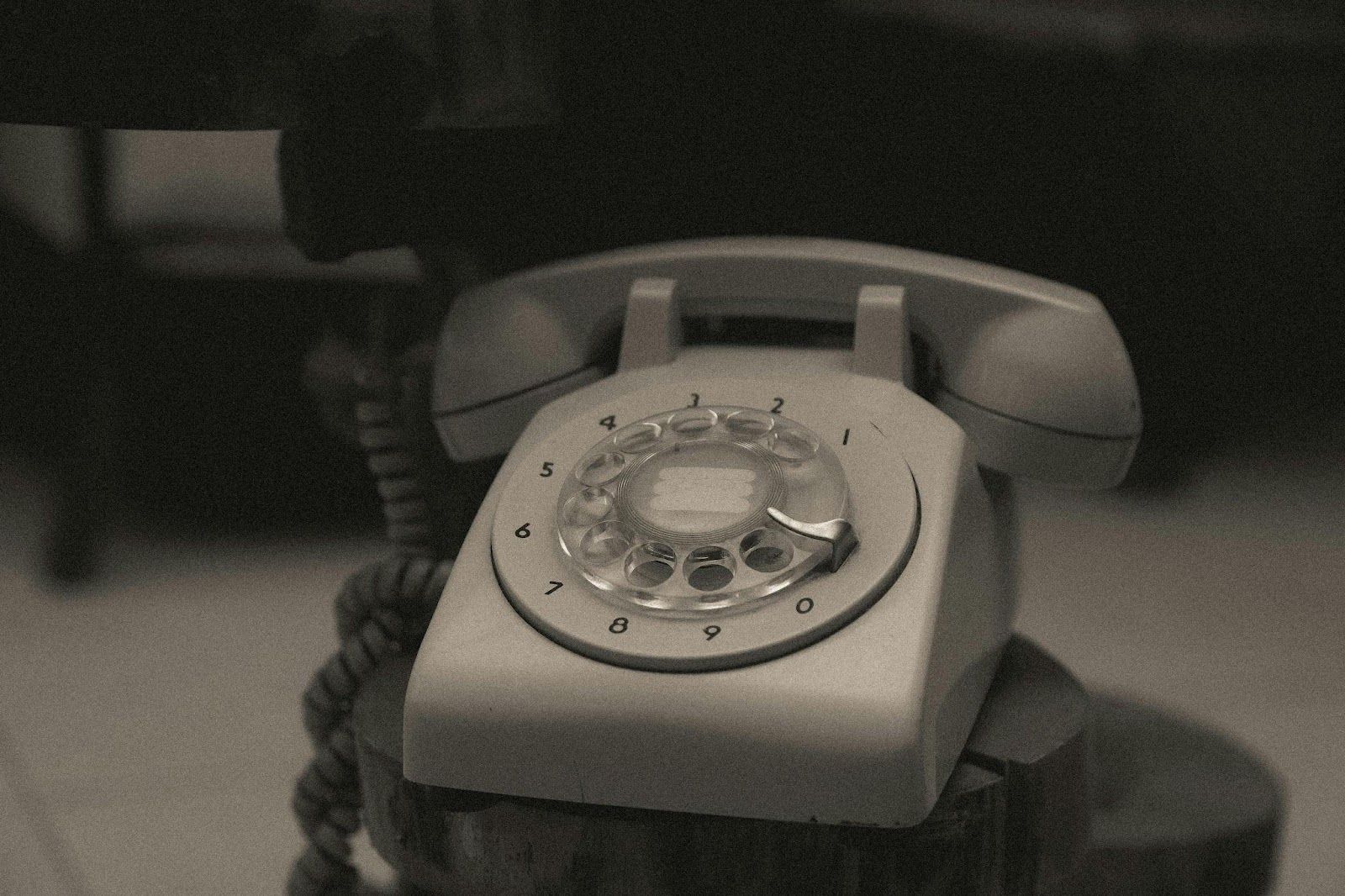
Telephone

Image: fotokirisci

You might be thinking, "Don’t we still use that word?" Of course we do. But there was a time when very few homes on the block had the technology to receive phone calls at all.

During the late 20th century, as portable telephones became widespread, a new term was required to refer to the phones with physical cables connected to underground networks. Thus, the word landline emerged to differentiate them from mobile phones.

7

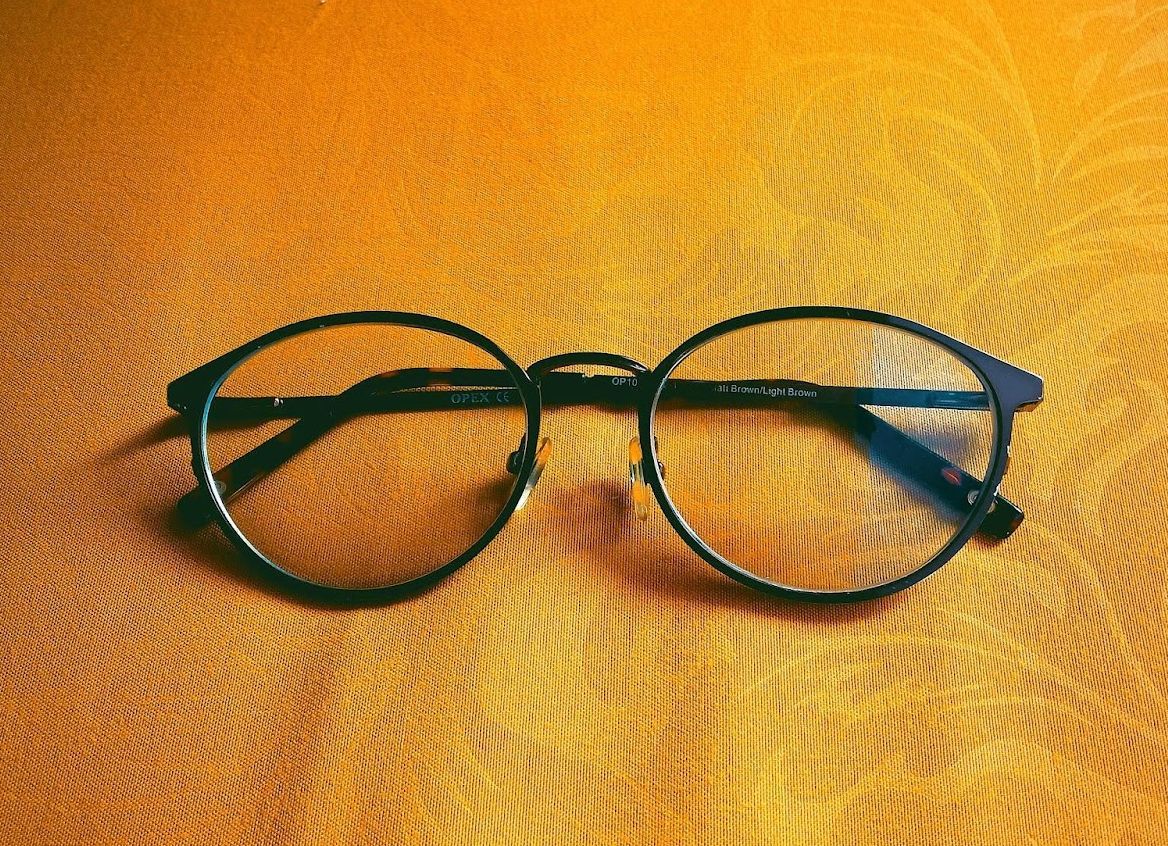
Spectacles

Image: Benouali Nora

"Spectacles" might sound quaint today, but for a long time, it was the standard word for a vision-correcting device. Early lenses were handheld and were introduced in Europe in the late 13th century!

The switch to the term glasses began in the 20th century, as optical glass became the standard lens material, and gained popularity largely through colloquial shortening.

8

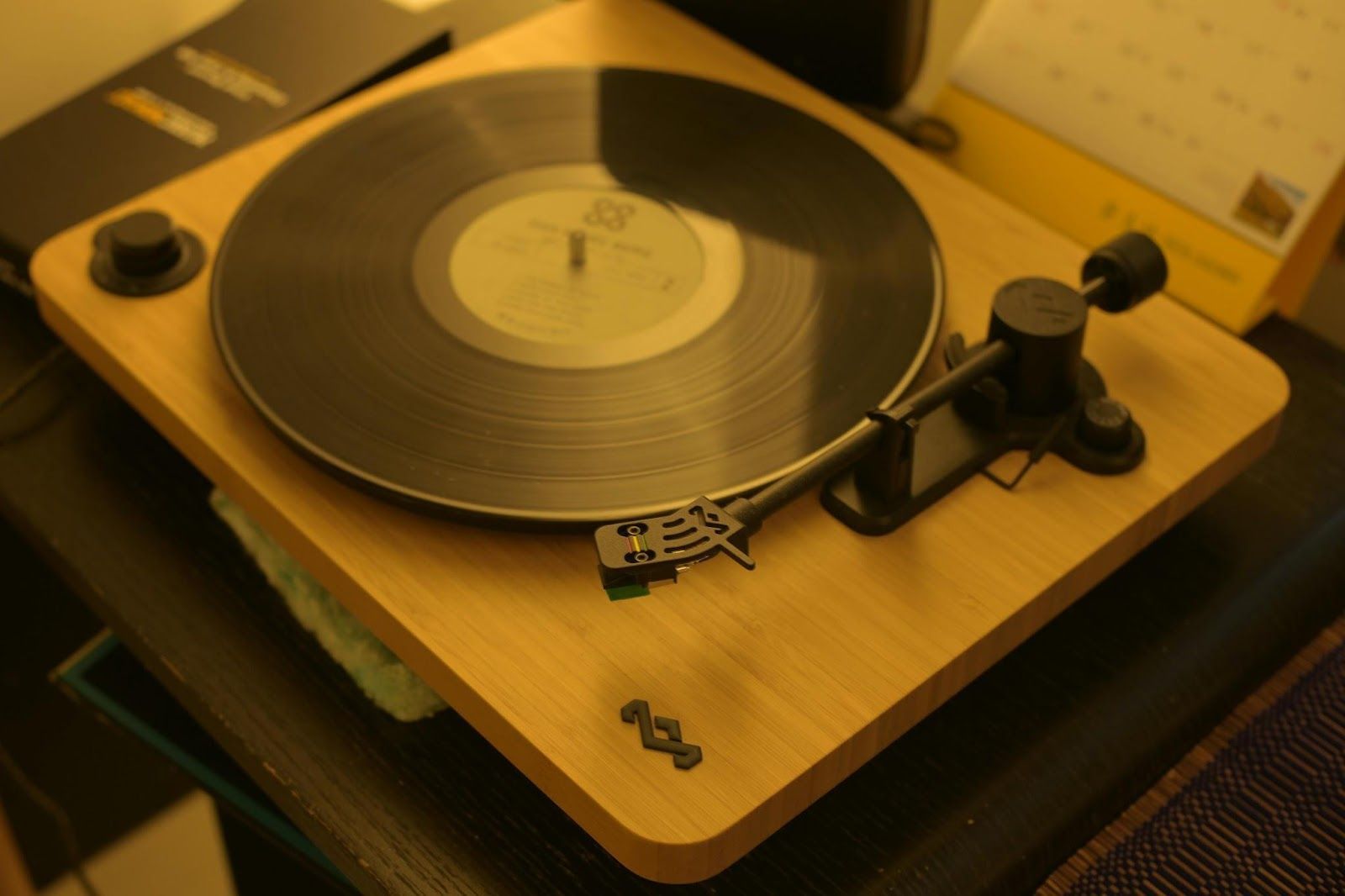
Turntable

Image: William Chen

Before Spotify playlists and digital shuffles, music lovers gathered around a turntable spinning at the center of the room. This was the common term for the rotating platform used to play vinyl records. Today, as vinyl has made an unexpected comeback, the term is often replaced in casual speech by record player.

9

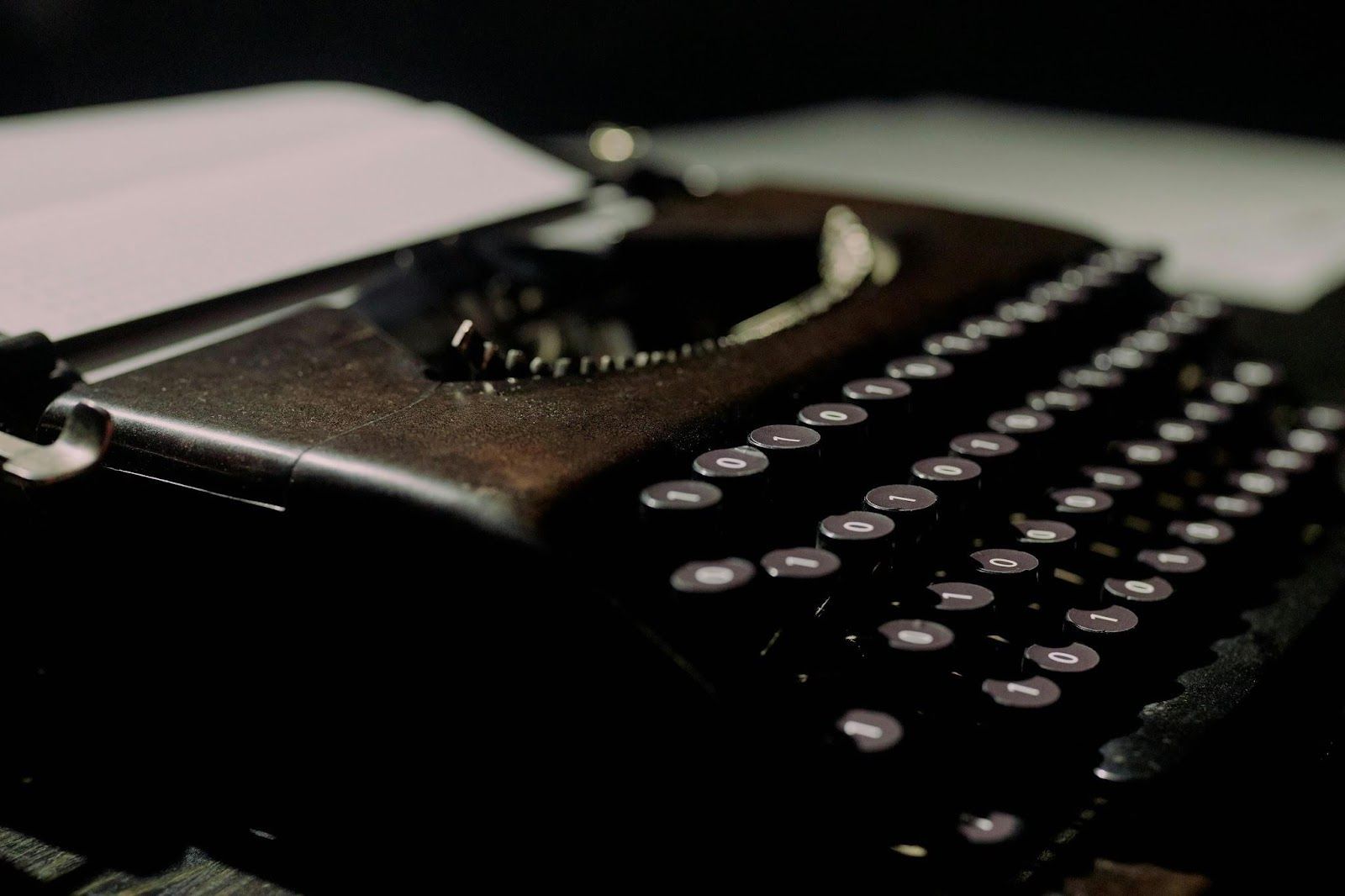
Keyboard

Image: Ron Lach

This is another word we still use frequently, though its meaning has shifted over time. When typewriters were a must in every office, people often referred to the entire machine simply as **the keyboard**—a classic example of synecdoche.

Of course, the term keyboard was carried over from typewriters, and now we use it to refer mostly to the QWERTY set of keys.

10

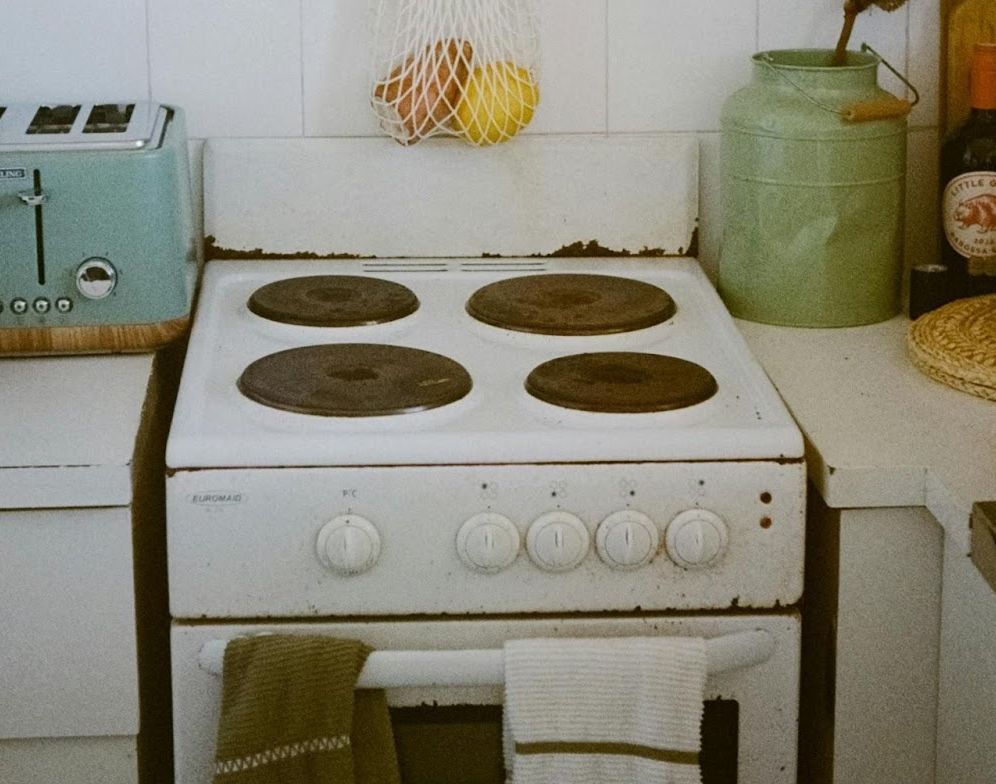
Range

Image: Kalia Chan

Range was once the common term for a large cooking appliance with multiple burners and compartments—in other words, a long, horizontal cooking surface that could "range" across different heat zones.

As gas and electric stoves became more compact and widely accessible in the 20th century, stove increasingly replaced range in everyday speech.

11

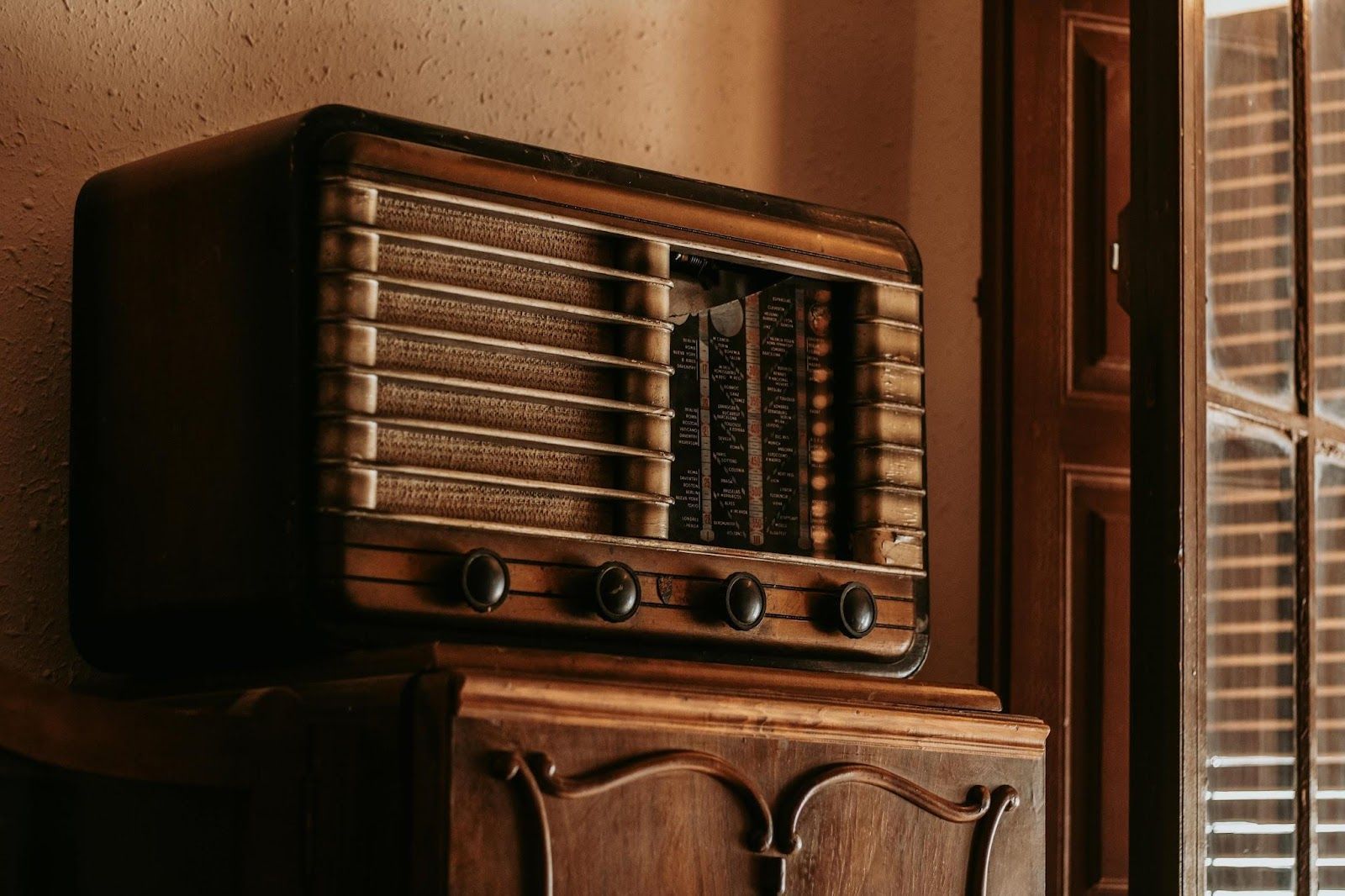
Wireless

Image: Eu Aragoneses

Today, the word wireless brings to mind Wi-Fi or Bluetooth-connected headphones. But many technologies were "wireless" long before that. Early radio, in fact, was commonly referred to as wireless.

In the late 19th and early 20th centuries, radio was known as wireless telegraphy because it allowed messages to be transmitted without physical wires. The term gradually faded as the technology evolved, and radio became the standard term by the 1930s.


What science says

It was false after all: 10 health myths that sound true—but aren't


Published on March 3, 2026


Image: Alicja Gancarz

Health myths are everywhere! These ideas were simply passed down for so long that they became part of what we believed. But now science has stepped in to clear things up. Does cold weather make you sick? Can lemon detox your body? Is reading in low light really harmful? Let's uncover the truth behind 10 common health myths!

1

Cutting your hair makes it grow faster

Image: Element5 Digital

Have you ever been told that cutting your hair will make it grow faster? We're sorry to say that's just a myth. Hair grows from the root, not the ends. So, trimming it won't boost growth, though it does help remove split ends that can make your hair look dry or unhealthy.

2

Cold weather causes colds

Image: Thom Holmes

This is one of the most common health myths. Cold weather often gets blamed, but it's not the temperature that makes you catch a cold. During winter, we tend to stay indoors with others and keep the windows closed, an environment that makes it easier for viruses to spread. That's why colds tend to be more common in winter!

3

Eating before bed makes you gain weight

Image: Michelen Studios

The idea that eating before bed automatically leads to weight gain is a myth. In reality, it has more to do with what you eat and how much, rather than the time of day. Often, when we eat very late at night, we're tired and more likely to reach for quick, high-calorie, heavy foods. This can disrupt sleep and lead to consuming more calories than we burn, both of which may affect weight. If it's close to bedtime, it's better to have something light and healthy in a moderate portion than to skip a meal altogether.

4

Wearing glasses weakens your vision

Image: Bud Helisson

Does wearing glasses weaken your vision? Myth! If an eye doctor prescribes glasses, wearing them as directed helps correct your vision; it won't make it worse. Additionally, the right glasses can help prevent or reduce headaches caused by reading or spending long hours in front of a screen.

5

Reading in low light causes permanent eye damage

Image: Amir Balam

This myth is closely related to the previous one. If you love reading and sometimes have to do it in low light because of the situation, don't worry. According to experts, reading in low light doesn't cause permanent or irreversible eye damage. However, it's not recommended because it can make your eyes feel tired or strained, leading to discomfort or headaches.

6

You need to drink 8 glasses of water a day

Image: engin akyurt

We're all different, and so are our bodies. The idea that everyone should drink exactly eight glasses of water a day is more of a general guideline than a rule. Staying well hydrated throughout the day is extremely important, but how much water you need depends on factors like your weight, age, climate, and overall health. We should prioritize staying consistently hydrated instead of obsessing over the number of glasses we drink.

7

Lemon water detox and cleanse your body

Image: Tirza van Dijk

Some people say drinking lemon water helps eliminate toxins and cleanse the body. While adding a slice of lemon to your water is a refreshing way to stay hydrated, it doesn't have any special "detoxifying" powers. The vitamin C in citrus fruits is beneficial, but the body has its own natural detox system. The liver and kidneys are the main organs that filter waste and eliminate toxins.

8

All fat is bad

Image: Aneta Voborilova

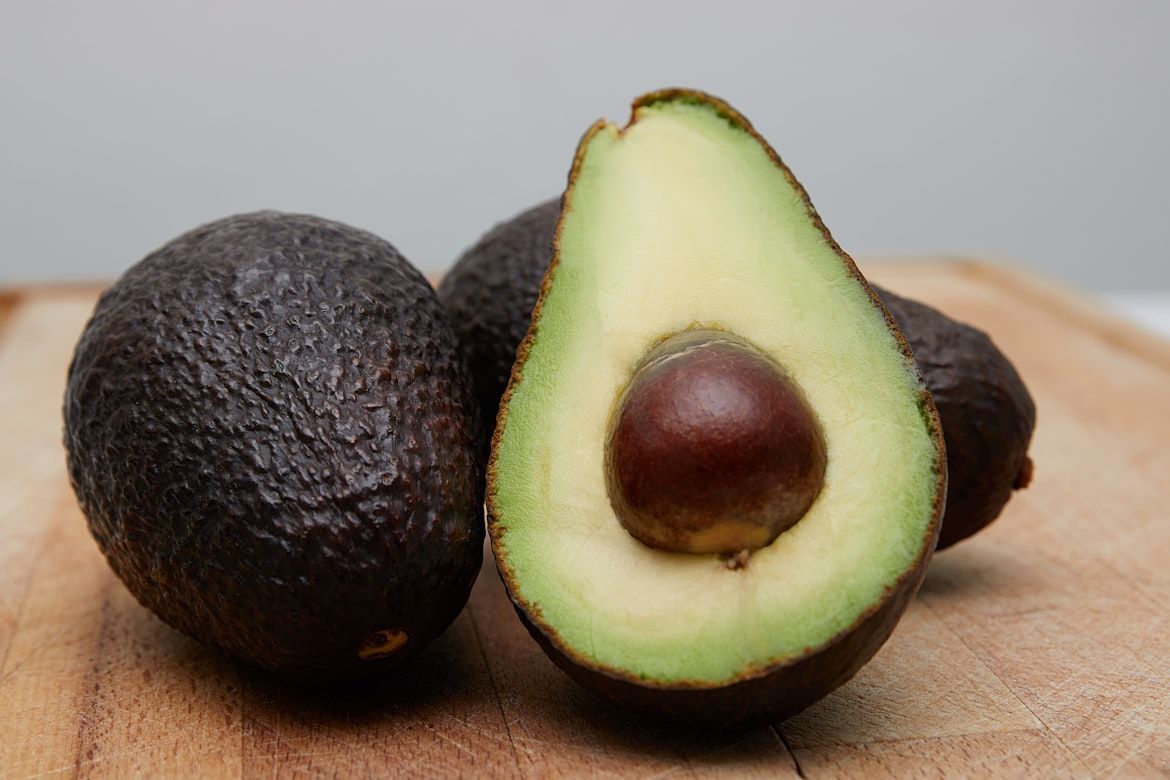
Not all fats are bad! Just like other food groups, your body needs fats to function properly. The important thing is knowing the difference between healthy fats and those that can be harmful. Foods like avocados, seeds, olive oil, fish, and nuts are rich in healthy fats. On the other hand, the fats found in processed or fried foods are the ones that can have a negative impact on your body.

9

Liver disease is always caused by alcohol or fats

Image: Elevate

Liver diseases can be serious. While heavy and frequent consumption of alcohol and fats is a major contributor, it's not the only cause. Liver problems can also result from many other factors. These include viral infections, autoimmune diseases, genetic disorders, high blood pressure, and exposure to certain chemicals.

10

Breakfast is the most important meal

Image: Brooke Lark

There's some truth to it: breakfast is important because it replenishes our glucose and energy levels and supports proper metabolism. However, the idea that it's the most important meal of the day might be an exaggeration. Everyone's body has different needs, and all meals are important, so we shouldn't skip any of them!

Looking for an extra scoop of literary fun?

Learn more with our Word of the day

caveat

/ˈkæviˌæt/