Are these in your diet?

Could doctors prescribe popcorn? These foods are healthier than expected


Published on January 23, 2026
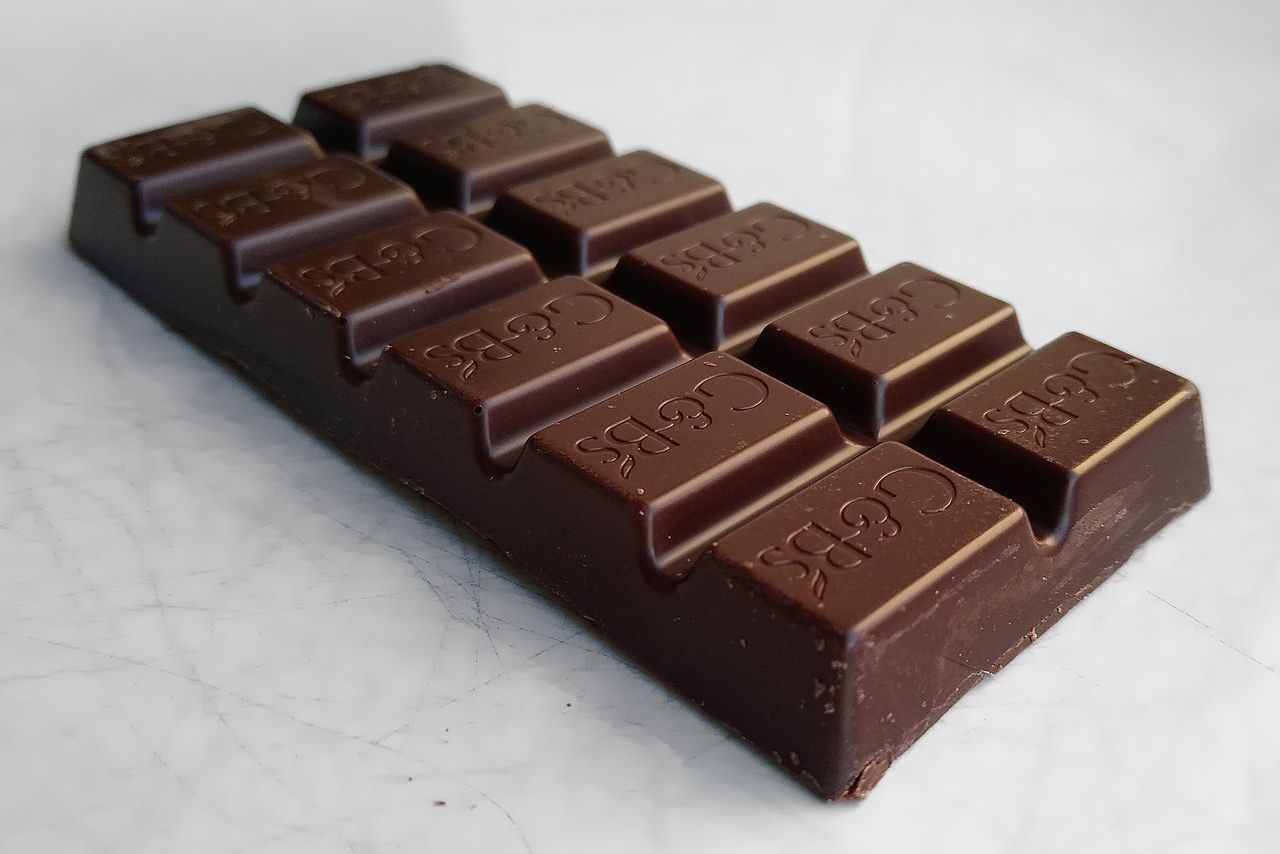

Image: Mx. Granger, CC0, via Wikimedia Commons

No doubt, most of us have the food pyramid etched in our minds. For a long time, we have accepted the fact that tempting treats (like chocolate, pizza, or beer) must be mostly or entirely avoided. But… is that entirely true? As it turns out, there are caveats about some of these so-called guilty pleasures. Wouldn’t you like to learn which snacks are actually pretty healthy for you? Read on!

1

Popcorn

Image: Dejan Krsmanovic, CC BY 2.0, via Wikimedia Commons

Popcorn is a whole grain, high in fiber, and packed with polyphenols (antioxidants). Air-popped popcorn with minimal salt or oil is healthier than many so-called "diet" snacks.

2

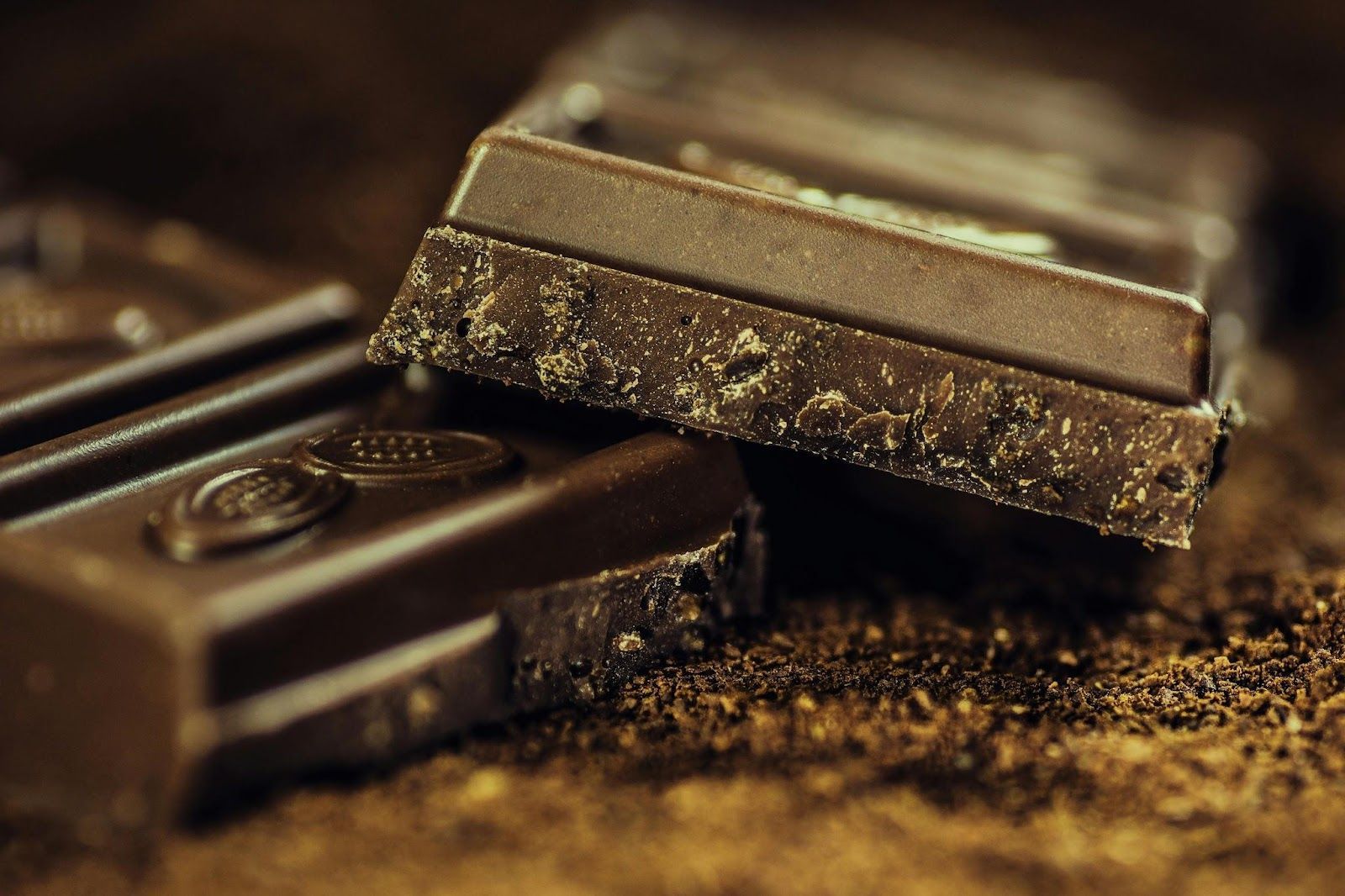
Dark Chocolate

Image: Pixabay

This is very good news for those with a sweet tooth! Dark chocolate (that means, products that have more than 70% cocoa) contains flavonoids that may improve blood flow and help reduce blood pressure. No need to cut it out entirely!

3

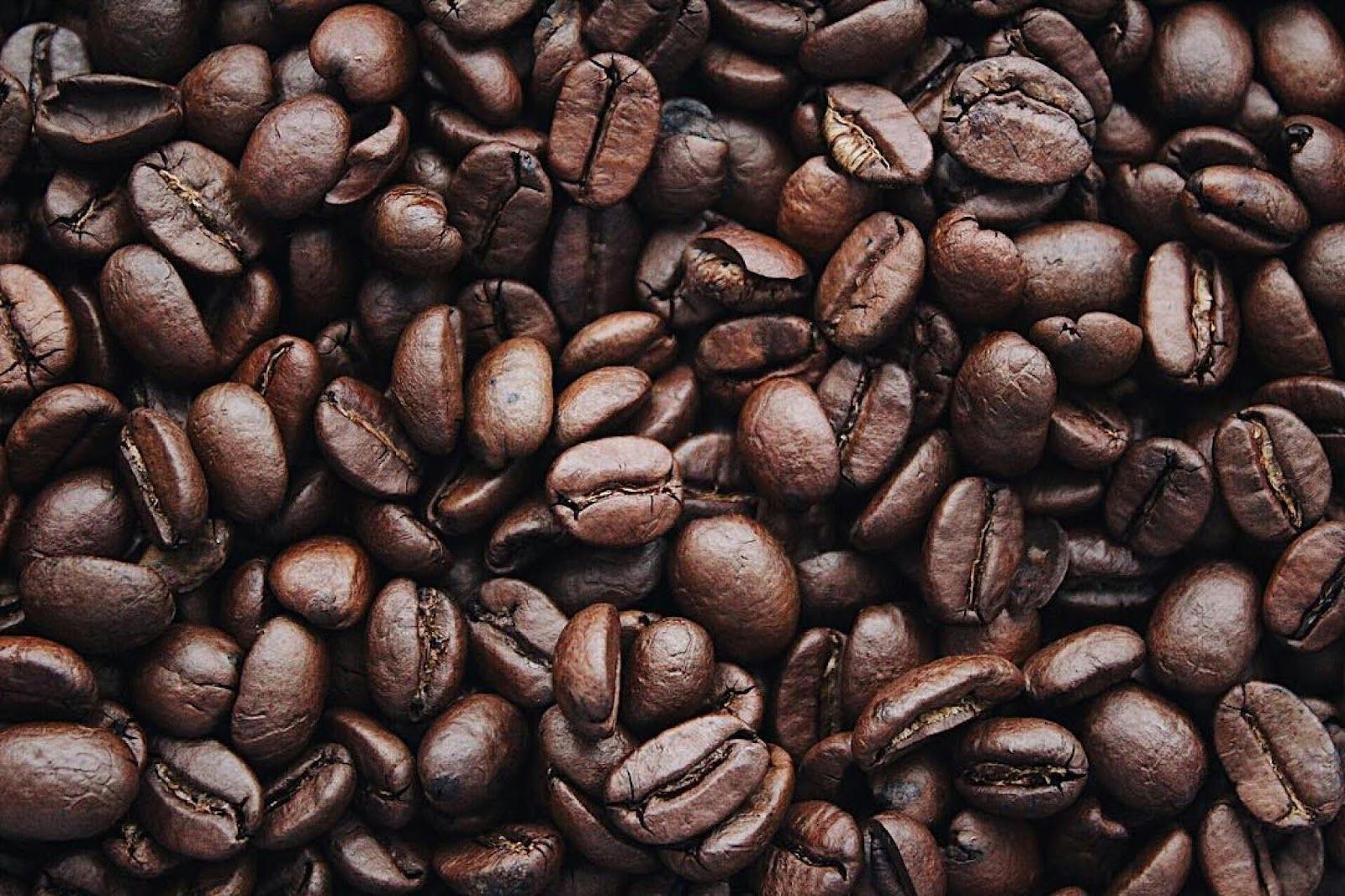
Coffee

Image: Igor Haritanovich

Coffee has long been maligned for "raising blood pressure," but it is now linked to lower risks of heart disease, Parkinson’s disease, and type 2 diabetes, again, thanks largely to its antioxidants. The danger, of course, lies in adding sugar, cream, syrups, and whatnot. Stick to a healthy brew!

4

Salt

Image: Castorly Stock

Yes, excess sodium is harmful, but cutting it out completely can also be risky. Sodium helps maintain fluid balance and supports proper nerve and muscle function. Make sure you don’t entirely skip it!

5

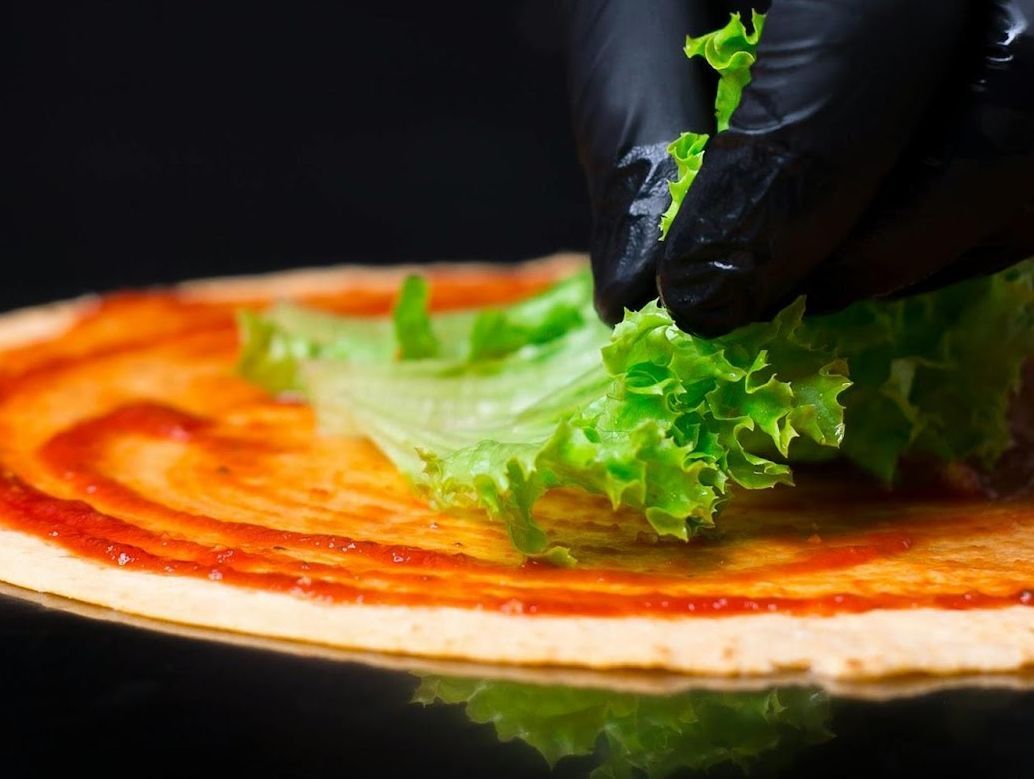
Pizza

Image: Andy Kuzma

Pizza with a caveat, that is. The healthiest pizza you can eat is homemade or thin-crust.

When made with whole-grain dough, real cheese, and veggie toppings, pizza can be a balanced meal, combining carbs, protein, and calcium. It’s the fast-food, oil-dripping, heavily-topped version that’s the real culprit.

6

Beer

Image: Alice Donovan Rouse

"What’s beer doing on this list?" you might wonder. Surprise! Moderate beer consumption (especially darker varieties) can provide antioxidant benefits and contribute B vitamins. Again, moderate is the magic word, not "happy hour every day."

7

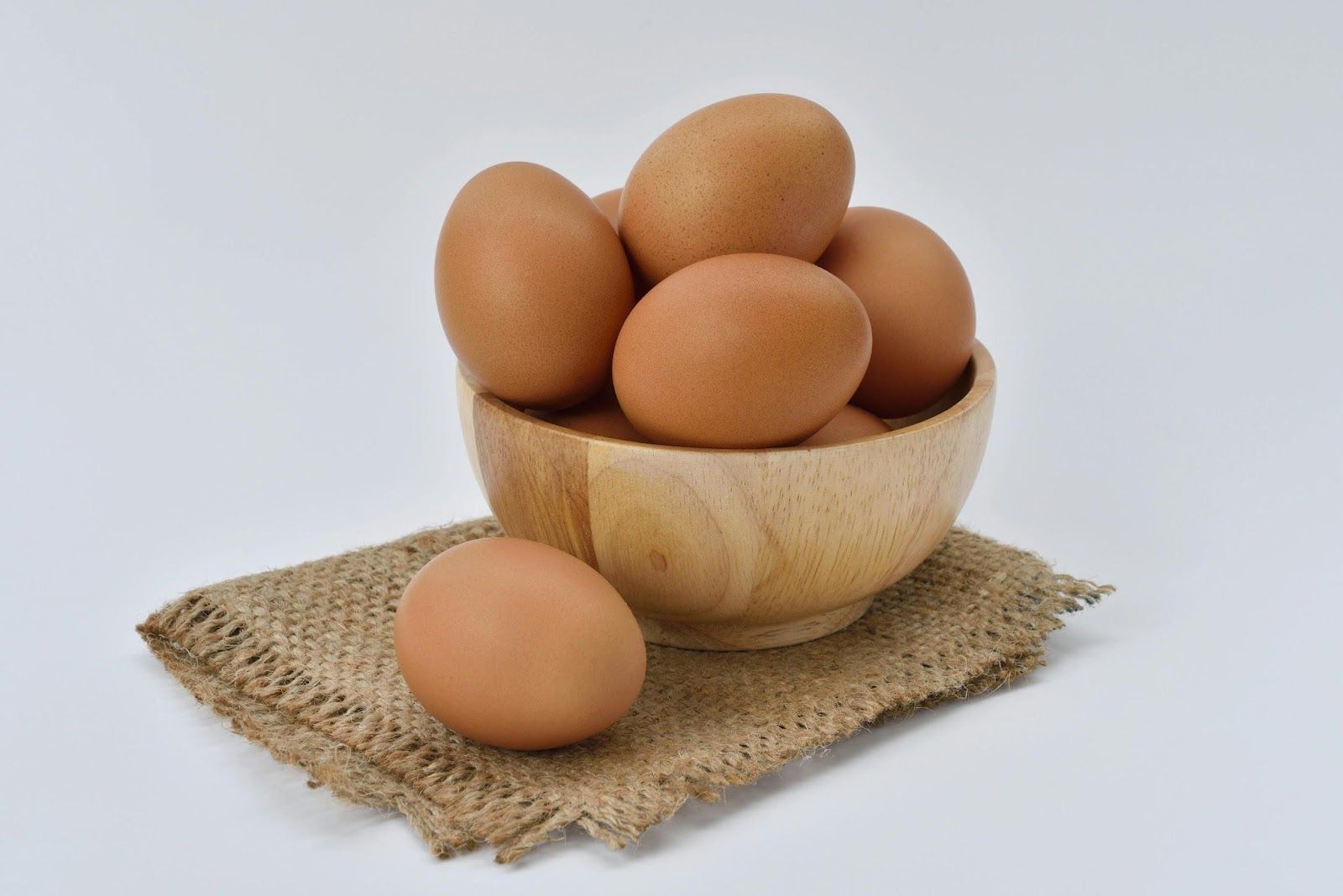
Eggs

Image: Pixabay

Remember when eggs were demonized for cholesterol? Modern studies show dietary cholesterol doesn’t raise blood cholesterol as much as once believed. Eggs are nutrient-dense, packed with choline and protein.

8

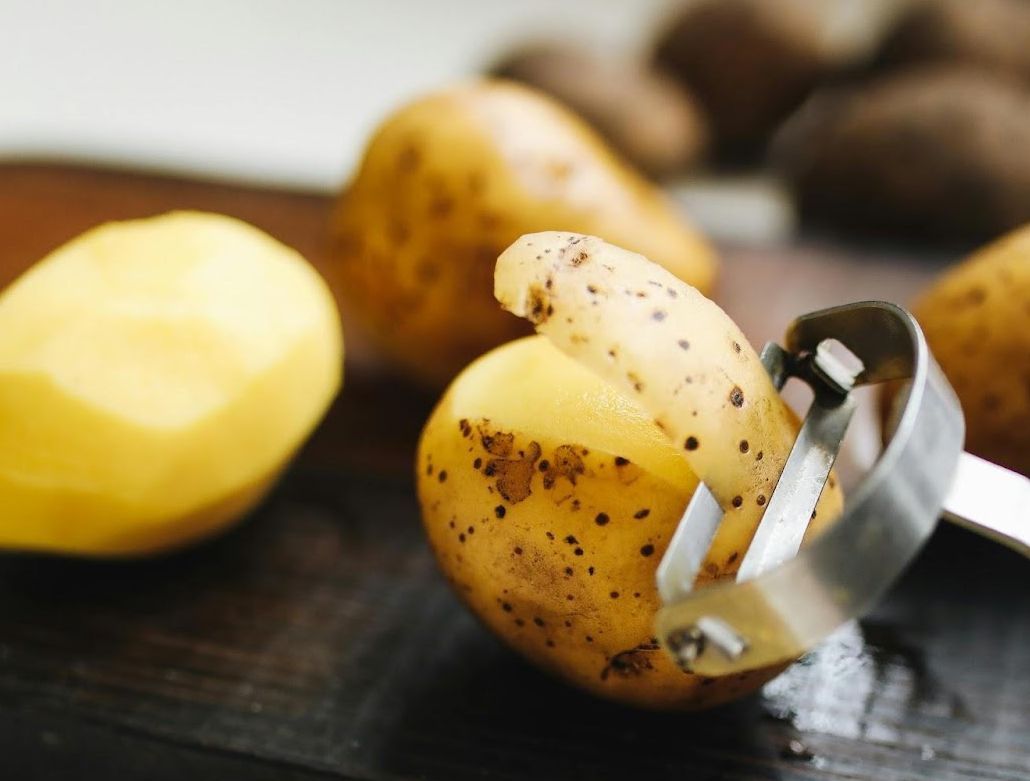
Potatoes

Image: Polina Tankilevitch

Sure, potatoes often rank low on lists of healthy foods when we’re thinking of chips or French fries.

But the tubers themselves are rich in potassium, vitamin C, and resistant starch, which support gut health. When prepared simply, such as by boiling, they can be a nutritious addition to a balanced diet.

9

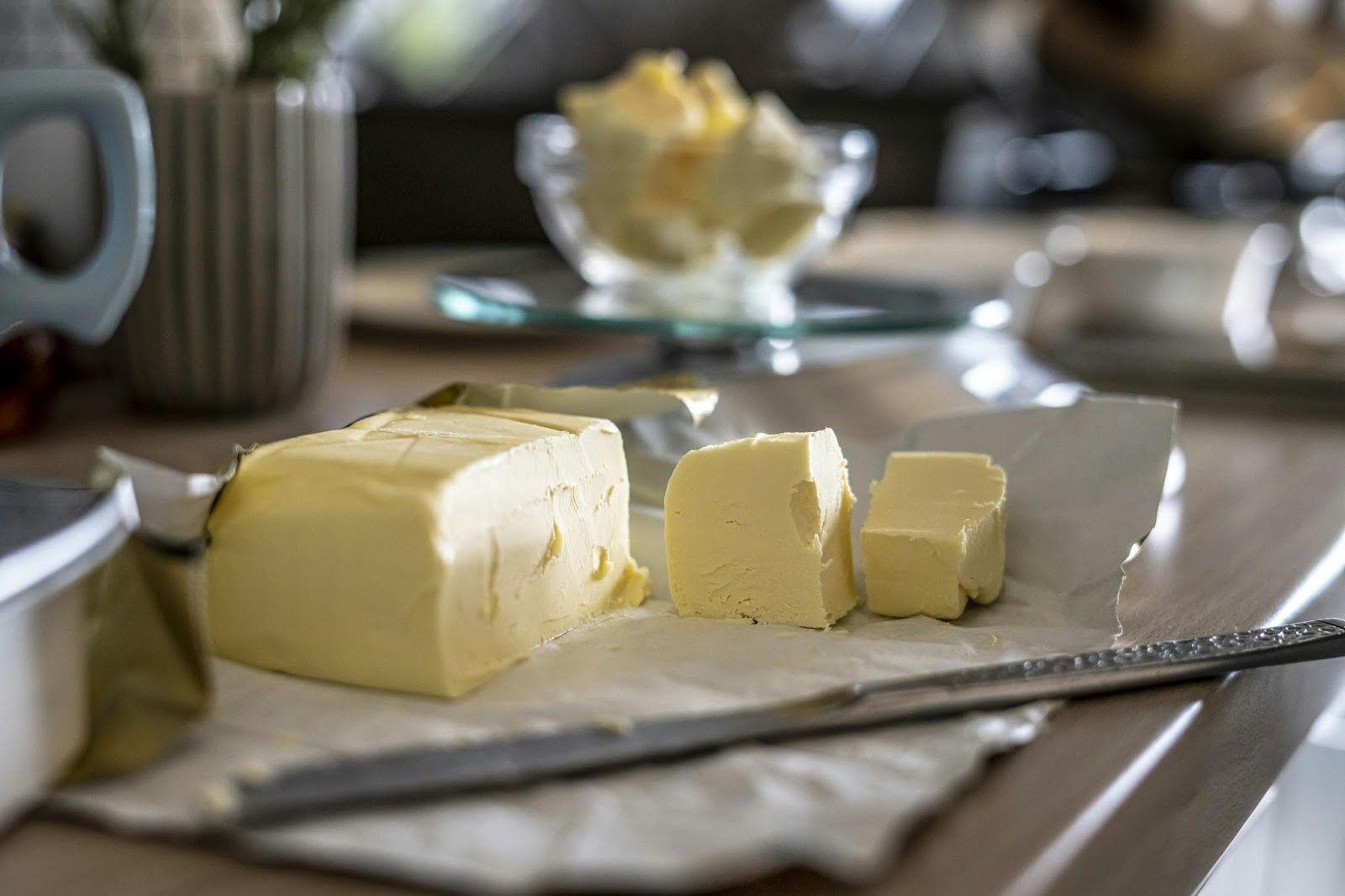
Butter

Image: Sorin Gheorghita

Demonized during the low-fat craze, natural butter, when consumed in small amounts, is often considered less harmful than margarine once was, particularly when margarines were filled with trans fats. Butter contains fat-soluble vitamins and conjugated linoleic acid (CLA), which may have anti-inflammatory effects.

10

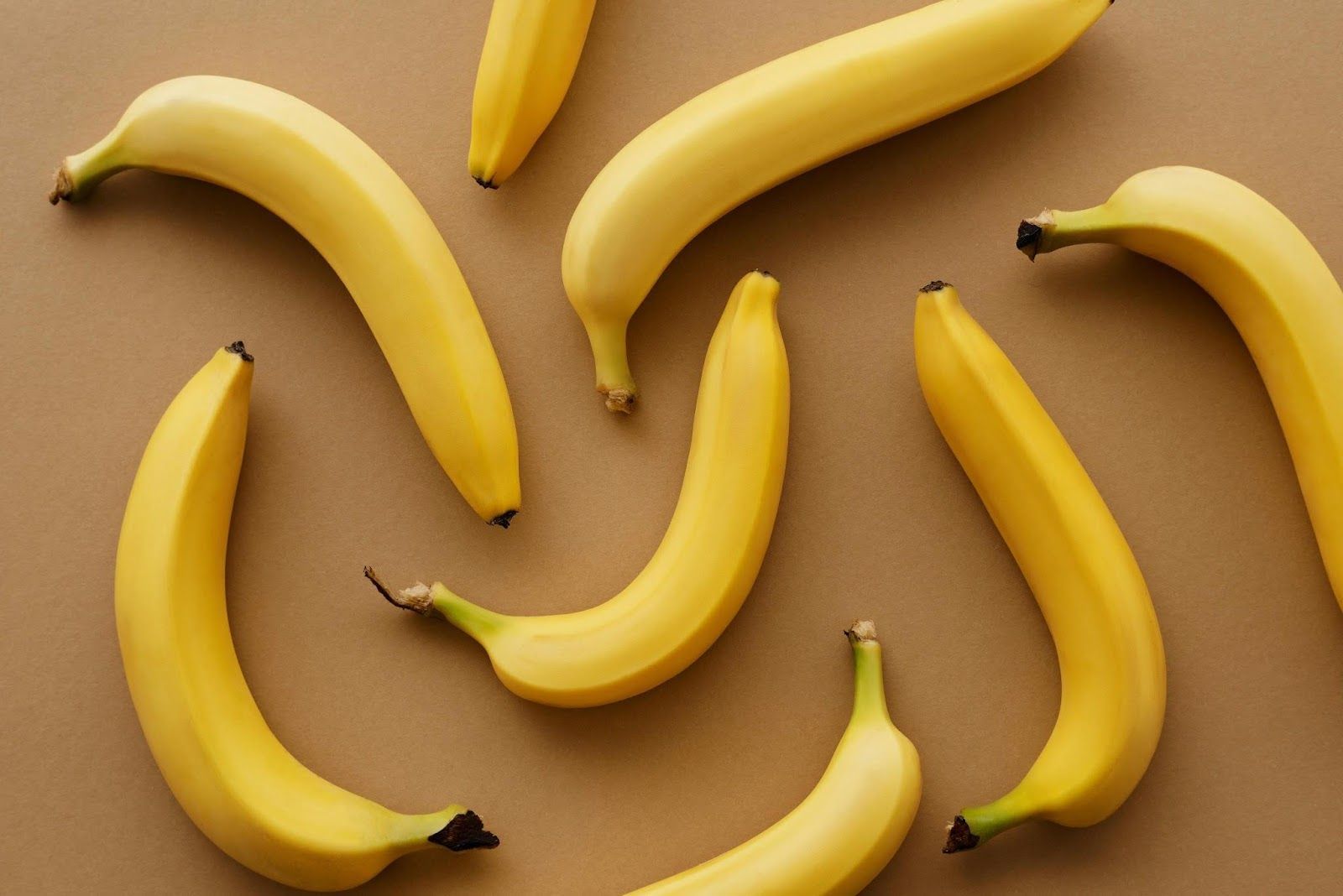
Bananas

Image: Vanessa Loring

They’re often accused of being "too sugary." They might be, compared to other fruits, but they are also loaded with potassium, fiber, and tryptophan. This last one supports serotonin production and plays a role in mood balance.

11

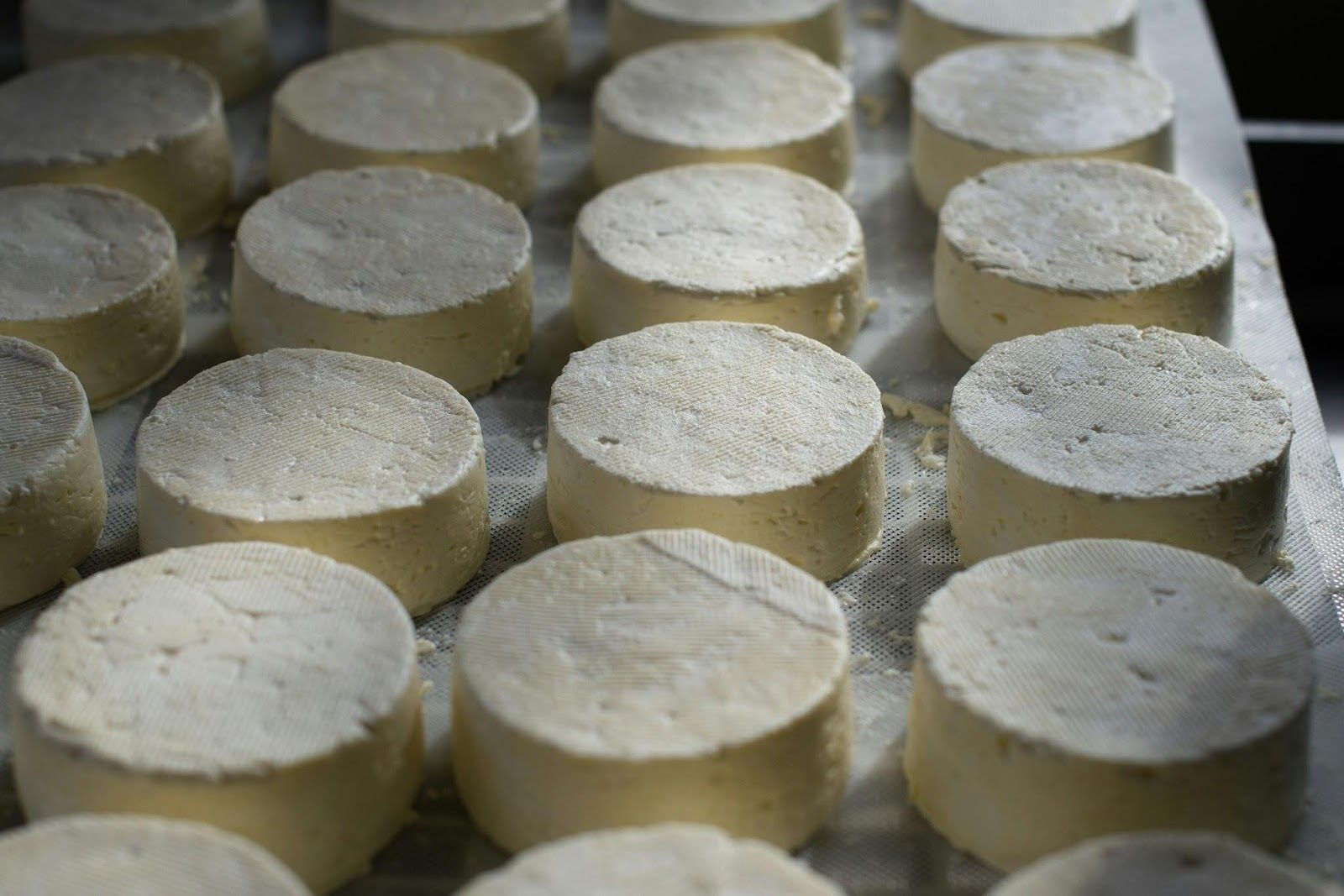
Cheese

Image: Zoe Richardson

It’s calorie-dense, but also rich in calcium, along with beneficial fats and protein. Some fermented varieties (like aged cheddar or gouda) even contain probiotics that may support gut health.

What’s the healthiest type of cheese? Well, cottage cheese is often cited in that role, thanks to its high protein content and relatively low calorie count.

12

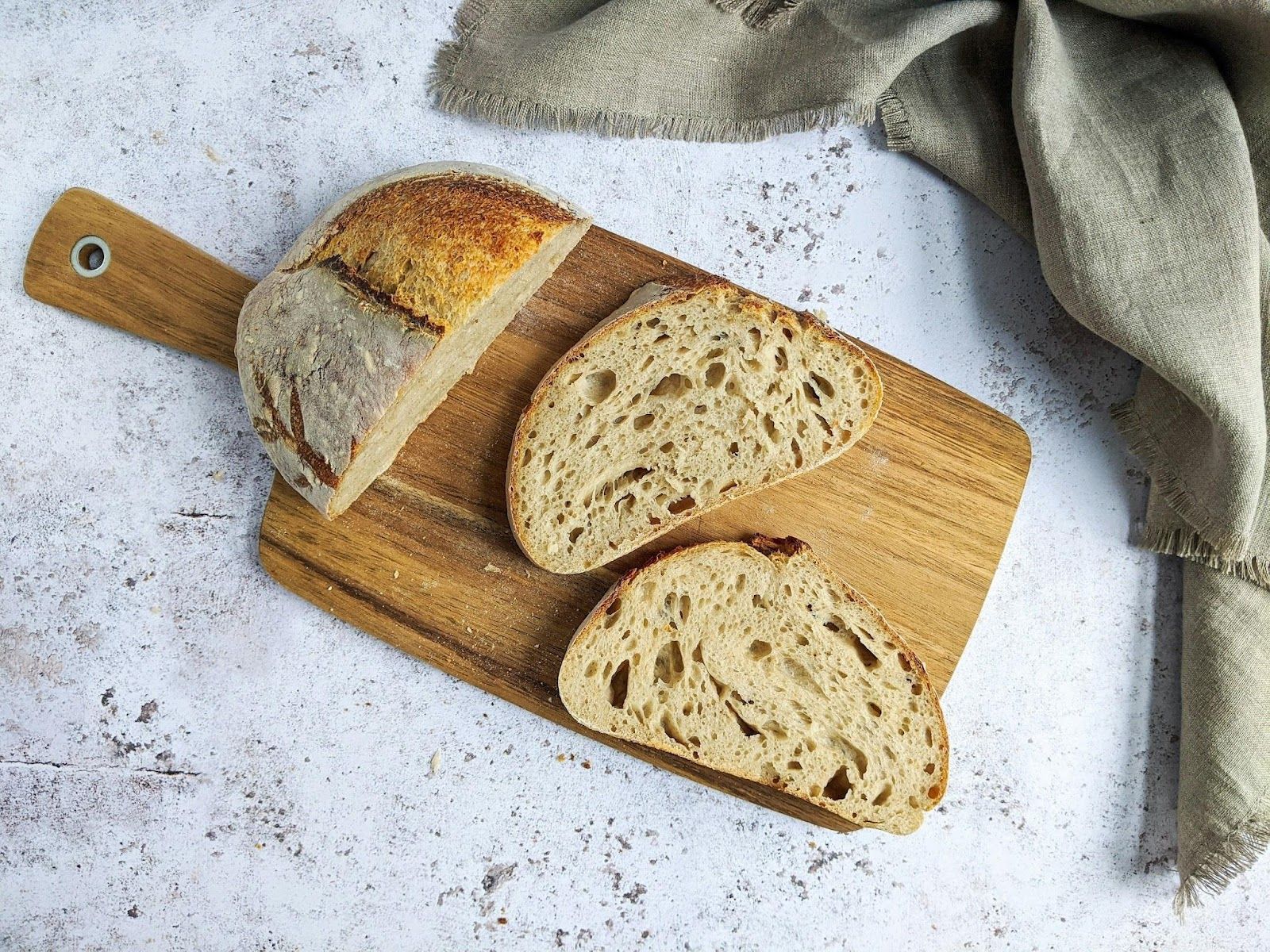
Sourdough Bread

Image: Debbie Widjaja

Not all bread is created equal; sourdough’s fermentation process can lower its glycemic index and make some nutrients more bioavailable. Plus, it’s often easier to digest than regular white bread.

13

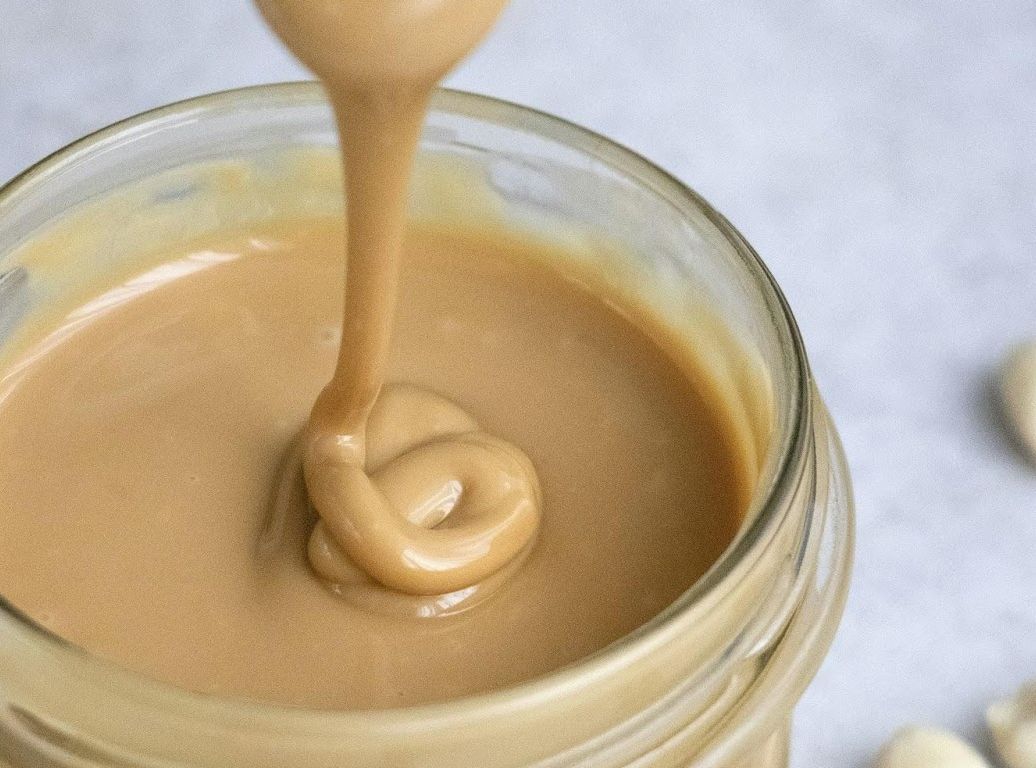
Peanut Butter

Image: Tetiana Bykovets

Often considered a "diet killer," but pure peanut butter (just peanuts and salt) is full of protein, healthy fats, and vitamin E. Its bad rap comes from sugary, hydrogenated versions. Avoid those, and you are good to go!


Deep roots

11 everyday words with indigenous roots


Published on January 23, 2026


Image: Zoshua Colah

English is a very welcoming language in the sense that it incorporates terms from many other languages from all over the world. And, as it couldn’t be otherwise, Native American languages have lent many of their words and terms to English speakers. Some traveled through Spanish or French before settling into English, and others arrived directly through early contact and trade, helping shape the way we speak today. Did you know about these 11 terms?

1

Canoe

Image: Michael Niessl

The word "canoe" comes from the Taino term canoa, which was first used by Caribbean islanders long before Europeans arrived. Early explorers adopted it to describe the slim, sturdy boats they saw.

Over time, "canoe" became the standard English word for a small paddled craft. Today it still carries that sense of simplicity and closeness to nature.

2

Barbecue

Image: Philipp Kämmerer

The word "barbecue" comes from barbacoa, another Taino term for a wooden frame used for cooking meat over fire. Europeans adopted it and applied it to both the method and the gathering itself.

Today, "barbecue" means everything from a backyard cookout to a regional cooking style. Its origins highlight the deep culinary influence of Native Americans in the nation's current culture.

3

Skunk

Image: Elisa Stone

"Skunk" comes from the Algonquian word squnk, which means "urinating fox" (quite a fitting term, indeed). This was an obvious reference to the animal’s strong defensive spray. Early settlers adopted the term directly.

Since English had no better name for the creature, the Native word stuck. Today, the word skunks is also used as playful slang.

4

Moose

Image: Shivam Kumar

The word "moose" originates from Eastern Abenaki, a part of the Algonquian family, where it meant "he strips off bark." Yes, it described the animal’s habit of tearing bark from trees.

The name entered English quickly because settlers relied on Native knowledge of local fauna. The word remains unchanged because of its accuracy and usefulness.

5

Raccoon

Image: Gary Bendig

"Raccoon" comes from the Powhatan word arakun, meaning "he scratches with his hands." It described the animal’s clever, humanlike front paws.

Settlers adopted the term because it captured the creature’s behavior beautifully. Today, the raccoon is used as a household symbol of curiosity, not unlike the animal itself.

6

Chipmunk

Image: Annegret Kammer

The term "chipmunk" most probably comes from the Ojibwe word ajidamoo, which means "one who descends trees headfirst." Early English settlers adapted the sound into today’s form.

Though the spelling changed over time, the lively image of a chipmunk racing down a tree face-first stayed.

7

Caribou

Image: JD-Photos

The word "caribou" comes from the Mi’kmaq term qalipu, which means "snow shoveler," referring to the animal’s habit of digging through snow for food.

French settlers brought the word into English, keeping its descriptive nature. The name still connects the modern animal to the winter landscapes it belongs to.

8

Totem

Image: Stéfano Girardelli

"Totem" comes from the Ojibwe word ototeman, which means "kinship group." It described symbols representing clans and shared roots.

English adopted it to describe carved poles and symbolic elements. Though broader in modern usage, it still hints at the original sense of community, identity, and heritage.

9

Coyote

Image: Dylan Ferreira

"Coyote" comes from the Nahuatl word coyōtl, which was used by Indigenous tribes of central Mexico. Spanish speakers adopted it, and English borrowed later.

The word kept its meaning, and it remains one of the most direct links between the English language and Nahuatl.

10

Avocado

Image: Gil Ndjouwou

The tasty avocado’s name traces to the Nahuatl word ahacatl, which refers to the fruit and to a body part as well. Spanish speakers transformed it into aguacate.

Later on, English speakers adapted it to avocado. While the name sounds contemporary and culinary, it has ancient Native roots.

11

Chocolate

Image: amirali mirhashemian

The last Nahuatl word and also the last word on the list comes from the term xocolātl, which describes a bitter cacao drink that was consumed long before Europeans arrived in America. The name traveled from Spanish to English.

Though the product changed dramatically, the word survived. Today, chocolate is a universal symbol of sweetness, with rich and deeply indigenous roots.

Looking for an extra scoop of literary fun?

Learn more with our Word of the day

belittle

/bəˈlɪd(ə)l/