Unavoidable words
Behold, the mighty apostrophe! The tiny symbol makes us all talk faster
Published on December 21, 2025
 Image: Vitaly Gariev
Aside from their use to describe the pains of childbirth, contractions are little shortcuts that make English sound natural and easy in everyday speech. They work by blending words and dropping letters, usually with an apostrophe standing in their place. We all use them daily, often without even thinking about it. Let’s take a look at 12 of the most common ones.
I’m
 Image: Fatemeh Heidari
The first item on our list is the contraction of "I am." It entered English centuries ago, as speakers sought smoother and faster ways to communicate. Here, the apostrophe replaces the missing "a."
Today, "I’m" is one of the most common contractions in both conversation and casual writing. You’ll hear it everywhere—from introductions like "I’m John" to everyday statements such as "I’m hungry."
You’re
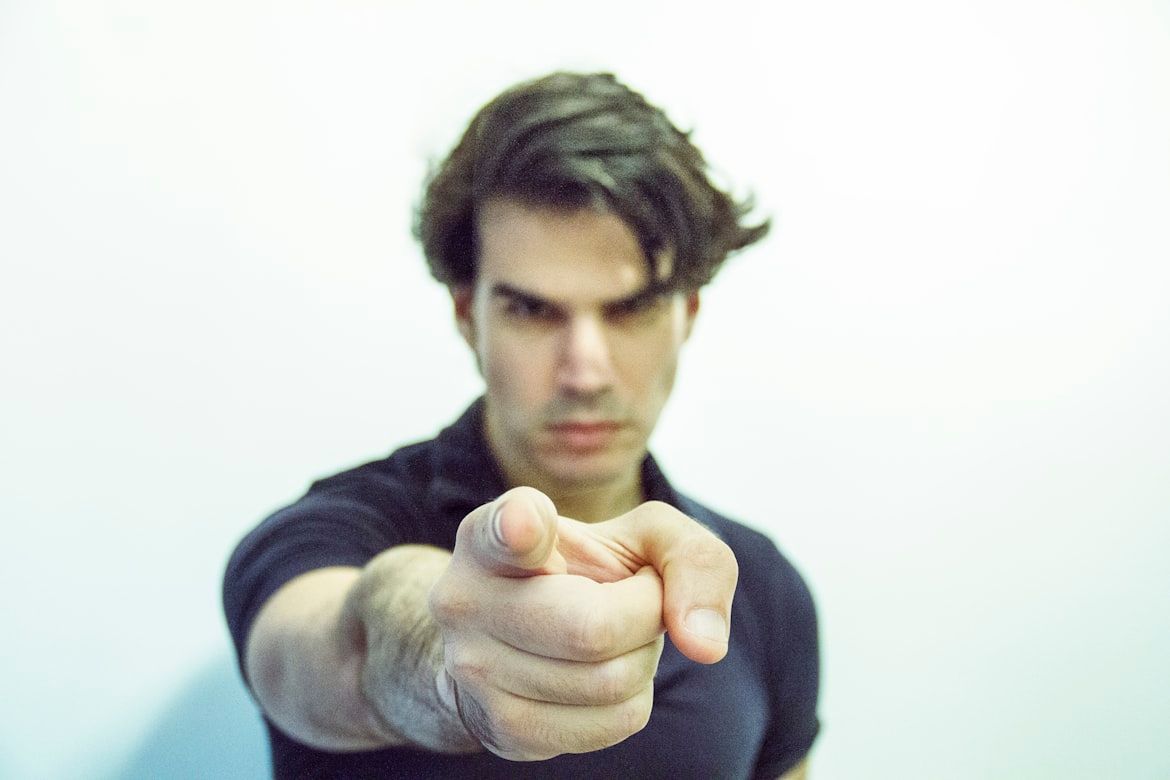 Image: Adi Goldstein
"You’re" blends "you are" into a quicker form. The apostrophe stands in for the dropped "a." Its use became widespread in both spoken and written English over time.
Today, "you’re" is essential in everyday communication. Whether in texts, casual notes, or speech, most people favor it over the more formal "you are" in informal settings.
He’s
 Image: Jonas Kakaroto
"He’s" is the contraction of either "he is" or "he has." The meaning depends on context: "He’s running" means "he is running," while "He’s gone" means "he has gone."
It’s one of the most common spoken contractions, helping speech and writing sound more natural. You’ll see it in conversations, books, and movies, adding natural flow.
She’s
 Image: Ruben Ramirez
There’s no "he’s" without a "she’s." This contraction can mean "she is" or "she has," depending on how it’s used. Like many others, it reflects the natural rhythm of spoken English.
Like its masculine counterpart, "she’s" is an everyday staple, heard in phrases like "She’s ready" or "She’s been there." It makes speech and writing quicker, more direct, and more conversational.
It’s
 Image: Jametlene Reskp
"It’s" is the contraction of either "it is" or "it has," with the apostrophe marking the missing letter. It is often confused with its, the possessive form (as in "The dog wagged its tail").
In current use, "it’s" is one of the most common contractions in English, referring to things or animals. Common sentences like "It’s cold outside" or "It’s been fun" show just how indispensable it is.
We’re
 Image: Jerry Zhang
"We’re" is the contraction of "we are," with the apostrophe replacing the missing "a." It has been in use for centuries as a way to make speech and writing smoother and more efficient
Today, "we’re" is common in everyday English, especially in collaborative or group contexts. You’ll hear it in phrases like "We’re going out" or "We’re ready."
They’re
 Image: Chang Duong
"They’re" blends "they are," again with the apostrophe marking the missing letters. It’s often confused with the homophones their (possessive) and there (location), which makes it challenging for many learners.
Today, "they’re" is frequently used in both speech and informal writing. Common examples include "They’re happy" and "They’re working," showing how practical and natural the contraction is in everyday English.
Don’t
 Image: Francisco De Legarreta C.
"Don’t" is the shortened form of "do not." Its first known use dates back to the 17th century, when written English began reflecting casual speech.
Today, it’s one of the most common negative contractions. You’ll hear it everywhere, in phrases like "Don’t worry," "Don’t move," and "Don’t forget." It may be informal, but it’s practically universal.
Can’t
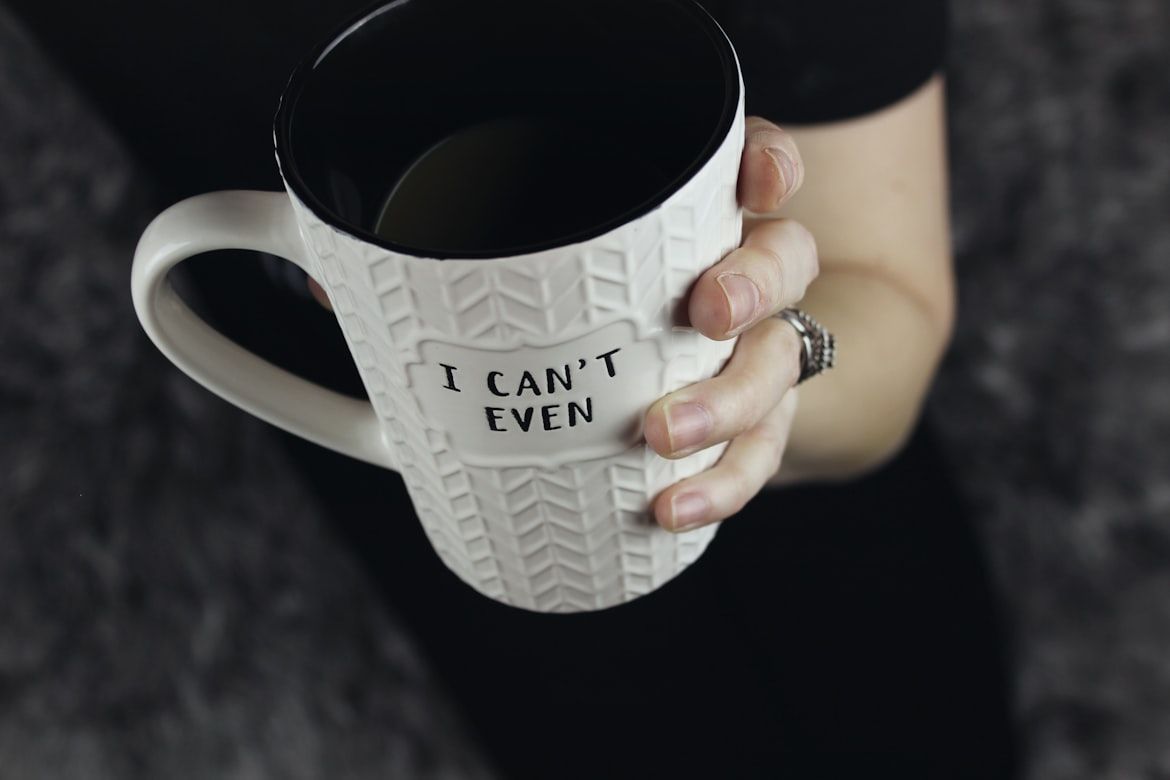 Image: Jen Theodore
"Can’t" contracts "cannot," with the apostrophe replacing the missing "no." This form has been part of spoken English for centuries, reflecting natural speech patterns.
Today, it’s one of the most common contractions, used to express inability or prohibition. Phrases like "I can’t swim" or "You can’t do that" are everyday examples of its use.
Won’t
 Image: Zan Lazarevic
The third and final negative contraction on this list, "won’t," is the shortened version of "will not." Unlike most contractions, it does not follow the usual pattern of dropping letters, as it evolved from older English forms such as "wonnot" or "wynnot."
Currently, "won’t" is one of the most familiar negative contractions. Frequently used in speech and writing, it appears in everyday phrases like "I won’t go" or "He won’t listen."
I’ve
 Image: Tonia Kraakman
"I’ve" shortens "I have," usually when "have" acts as an auxiliary verb. The contraction drops the "ha" and replaces it with an apostrophe.
Today, "I’ve" is commonly used in casual speech: for example, "I’ve seen that movie" or "I’ve been there." It helps make everyday expressions smoother and more natural.
Let’s
 Image: Hannah Busing
"Let’s" comes from "let us," and has been used for centuries to invite joint action. The apostrophe shows the missing "u."
Today, "let’s" is common in casual English. From "Let’s go" to "Let’s see," it provides a friendly, inclusive way to suggest doing something together.