Awkward words ahead

Did you fartlek today? 12 words that sound funny but are serious


Published on June 30, 2026


Image: Piotr Łaskawski

We all know it: some words just sound ridiculous, but they mean business. If you have ever come across a term like "gobbledygook" or "kerfuffle" and wondered if someone made it up, you're not alone. Let us take a look at 12 of these magnificent words that seem unreal, but are not.

1

Firkin

Image: Ellienore Bradley

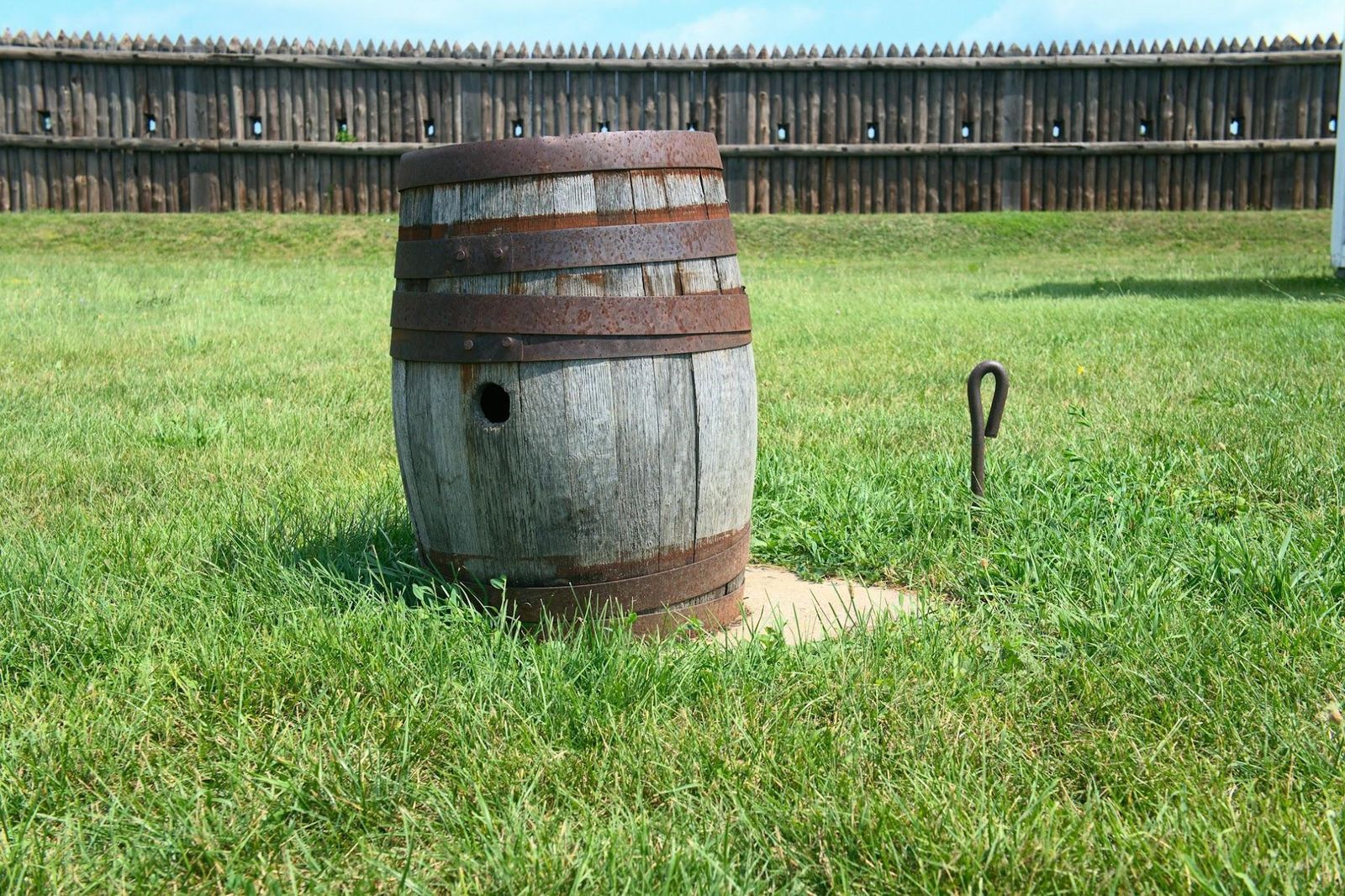
It does remind us of a dirty word, but it’s not. A firkin is, in fact, an ancient English word that refers to a small tub or a vessel of sorts.

Traditionally, it held ale or butter, sized at about a quarter of a barrel, making it handy for transport. Breweries still sometimes use firkins today for cask-conditioned beers, keeping the word alive in pub culture.

2

Godwottery

Image: baona

Many terms that today sound funny or even rude are, in fact, outdated words and idioms that fell out of use. Godwottery is one of these, and it can be used to describe overly decorated or elaborate speeches.

The word comes from the name of English poet George Gascoigne’s fictional gardener, "Godwot," linked to the overly ornate style of gardening. By extension, it entered English in the 19th century to label pretentious language.

3

Spondulicks

Image: Giorgio Trovato

What sounds like a teenager's expression of approval is, in fact, an 18th-century word for cash. It often appeared in casual speech and newspapers to mean ready funds.

Though it has fallen out of everyday use, it still pops up in literature or nostalgic writing to add a colorful touch to talk about money.

4

Fartlek

Image: Alex McCarthy

Fartlek may sound like a joke, but it’s a serious workout technique. It comes from Swedish and means "speed play."

This type of endurance training involves alternating between jogging and sprinting. Despite the silly name, it’s used by athletes to improve speed and stamina.

5

Popple

Image: Barth Bailey

Popple means choppy or rough seas, and, in an onomatopoeic sense, it sounds just like what it describes.

Its origin lies in Middle English, linked to the verb popelen, meaning to bubble or boil. And, though it is less common in modern English, it does survive in regional usage and poetry, evoking the lively surface of wind-stirred water.

6

Impignorate

Image: Tierra Mallorca

Impignorate is a fancy old word that means to pawn or mortgage an item. It’s rarely used today, but it once described the act of offering something valuable as a loan guarantee.

The term comes from the Latin impignorare, formed from in- plus pignus, meaning pledge. First recorded in the 16th century, it was used in legal and financial contexts.

7

Buttress

Image: Chris Boyer

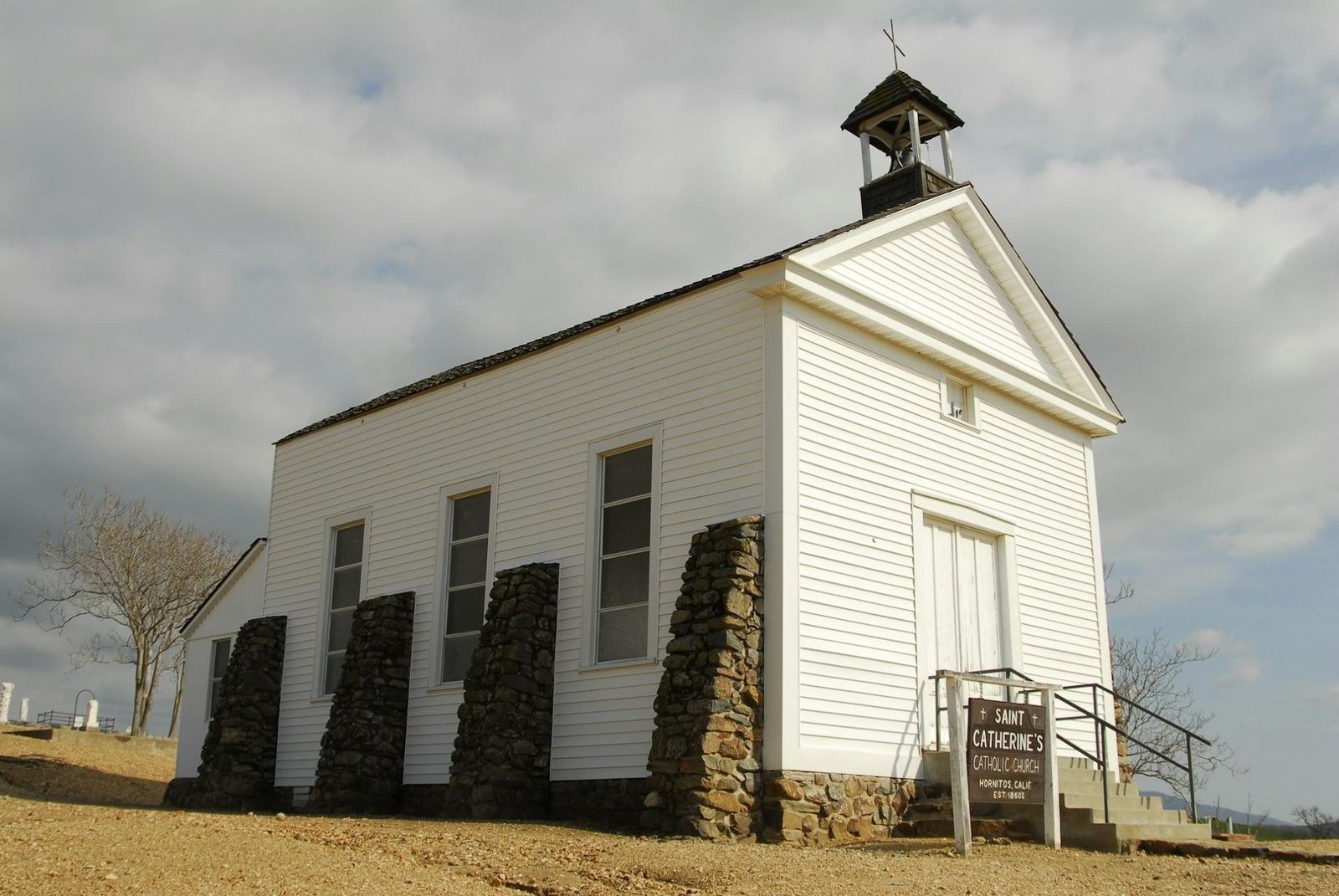
Any word that starts with "butt" is prone to appear on this list. In this case, a buttress is a support structure that helps keep walls or buildings stable.

You’ll often spot them on Gothic-style churches, castles, and cathedrals, adding both strength and style.

8

Biblioklept

Image: Thought Catalog

While it sounds like a tricky tongue twister, and it definitely could be one, "biblioklept" is in fact the word for someone who steals books.

The word comes from the Greek roots biblio- meaning "book" and kleptes meaning "thief." It appeared in English in the 19th century, reflecting a period when Greek and Latin roots were often combined to coin precise or scholarly terms.

9

Spleenwort

Image: Mykyta Martynenko

If the term spleenwort sounds more like a medical problem than a plant to you, you are not alone. Does it refer to something or someone worthy of spleen?

In fact, the word spleenwort is the name of a small evergreen fern found in rocky areas and forests.

10

Penuche

Image: Phil Hearing

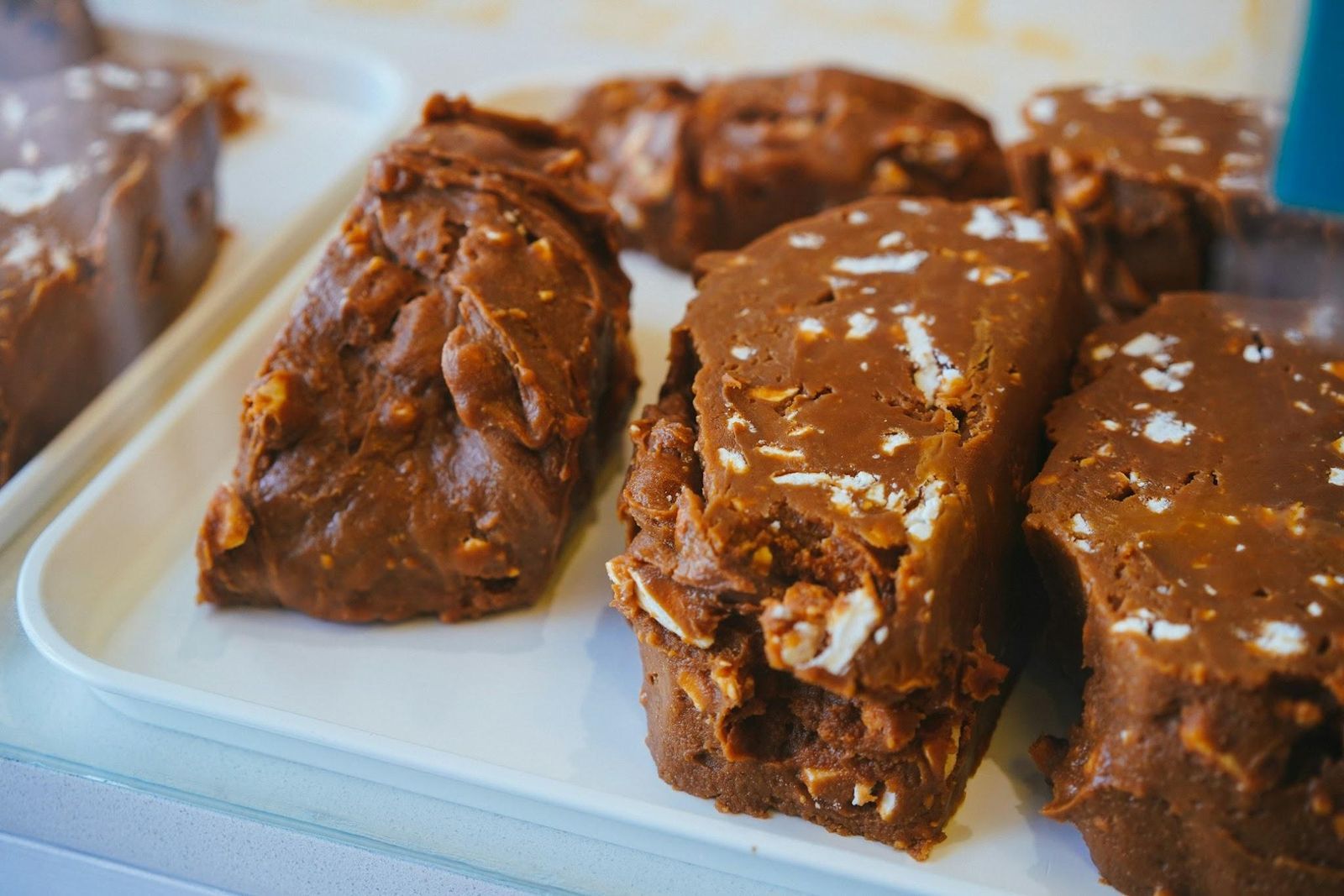
Never heard of penuche? If you’re not a baker, that’s pretty normal. A penuche is a type of fudge made with brown sugar, buttercream, and usually some nuts.

It’s a traditional sweet found in New England and parts of the American South, where it remains a nostalgic treat. It sounds more sophisticated than it is!

11

Slumgullion

Image: DUSAN ZIDAR

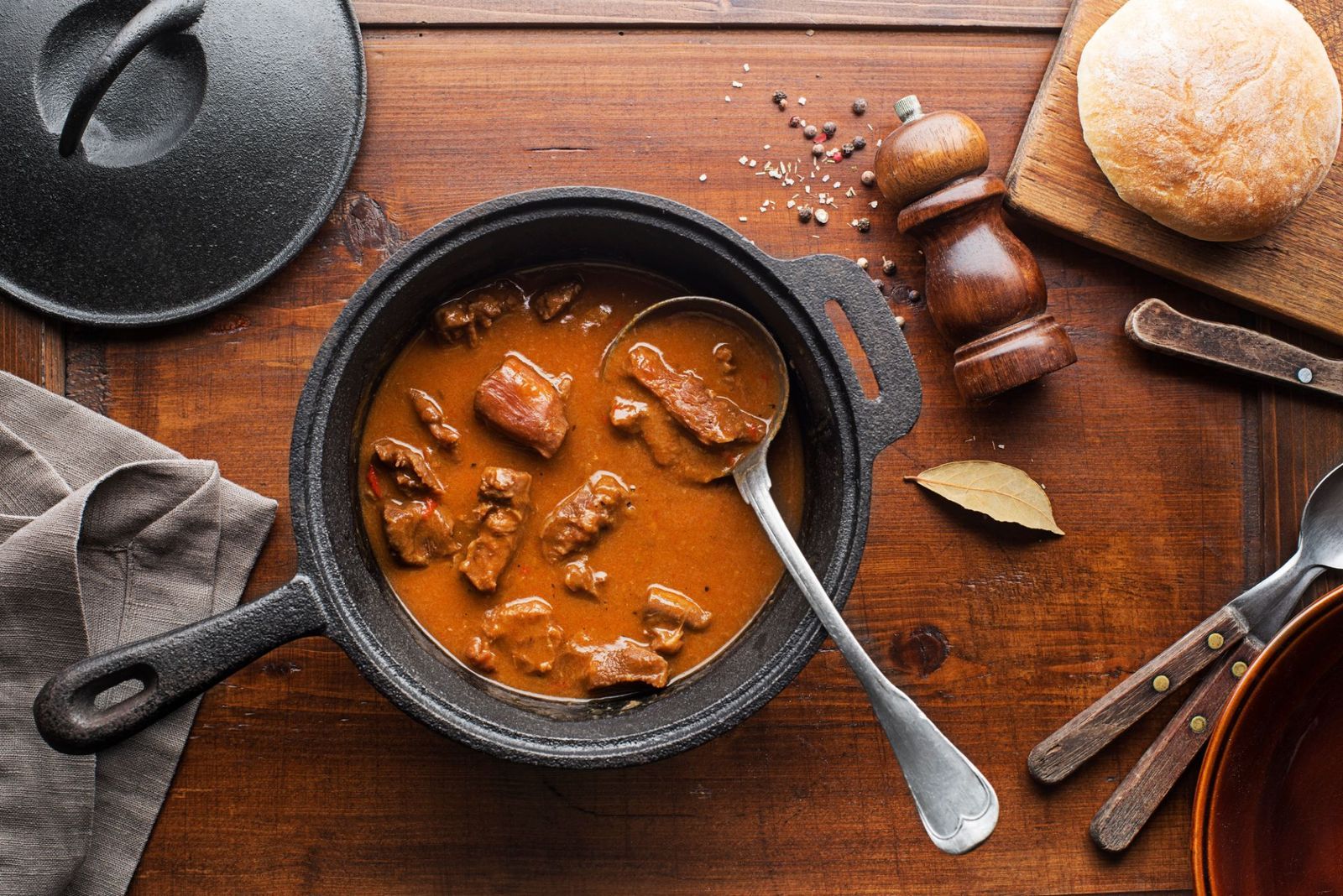
Again, it’s not an old-fashioned insult. Slumgullion is a strange-sounding word for a simple, cheap meat stew. It’s one of those food terms that doesn’t exactly make your mouth water, despite its hearty roots.

It was common among miners, loggers, and working folks who needed filling meals with whatever was on hand. It might not look or sound great, but it definitely gets the job done!

12

Shalloon

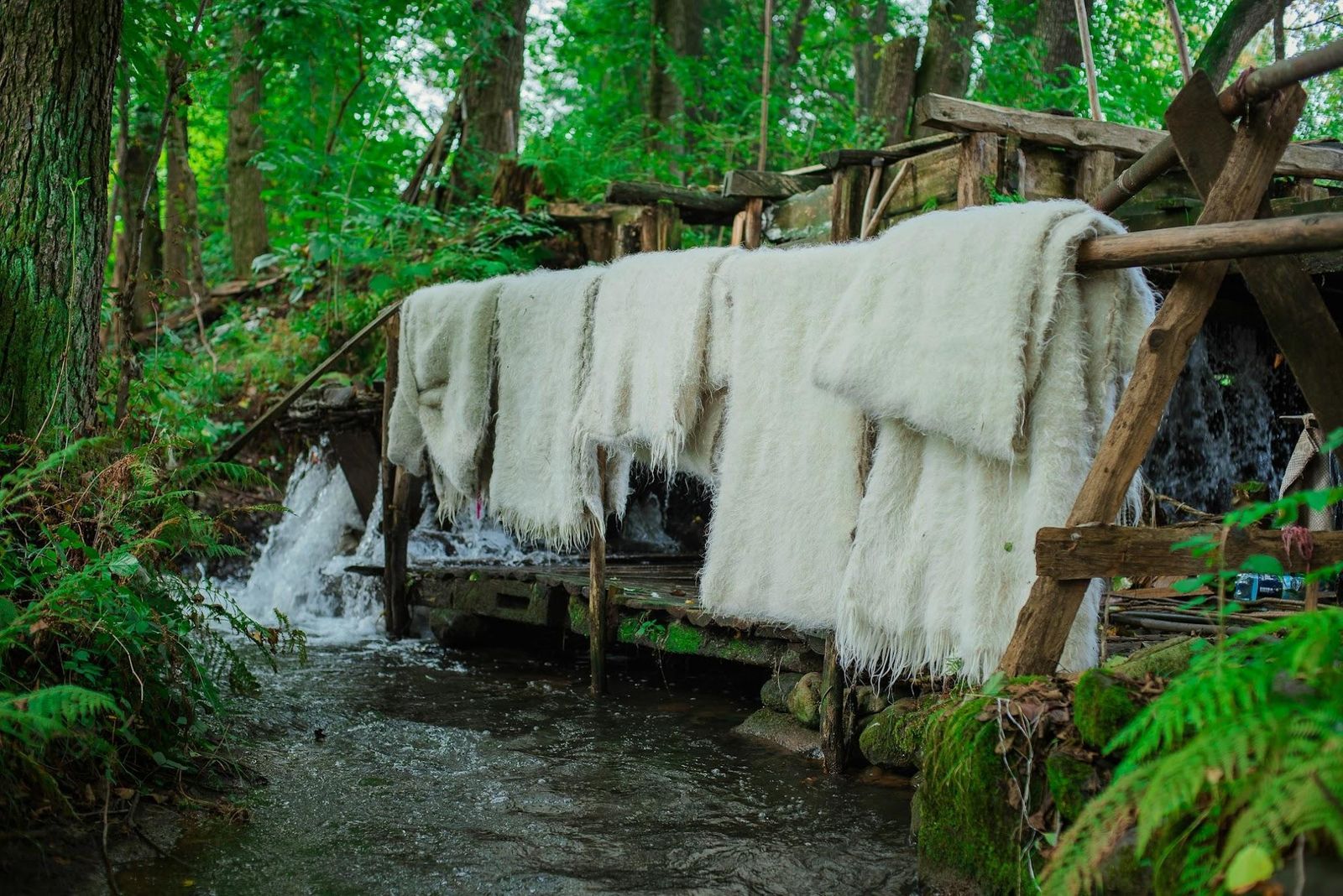
Image: Artsy Vibes

A shalloon might sound like the word saloon, pronounced by someone with a speech impediment. But it’s not. Shalloon is a lightweight, twilled wool fabric once used in clothing and linings. Unless you're into textiles or fashion history, you’ve probably never needed the word.

The word comes from Châlons-sur-Marne in France, where the fabric was originally produced. The English form "shalloon" emerged in the 1600s, reflecting the common practice of naming textiles after their place of origin.


Deep roots

11 everyday words with indigenous roots


Published on June 30, 2026


Image: Zoshua Colah

English is a very welcoming language in the sense that it incorporates terms from many other languages from all over the world. And, as it couldn’t be otherwise, Native American languages have lent many of their words and terms to English speakers. Some traveled through Spanish or French before settling into English, and others arrived directly through early contact and trade, helping shape the way we speak today. Did you know about these 11 terms?

1

Canoe

Image: Michael Niessl

The word "canoe" comes from the Taino term canoa, which was first used by Caribbean islanders long before Europeans arrived. Early explorers adopted it to describe the slim, sturdy boats they saw.

Over time, "canoe" became the standard English word for a small paddled craft. Today it still carries that sense of simplicity and closeness to nature.

2

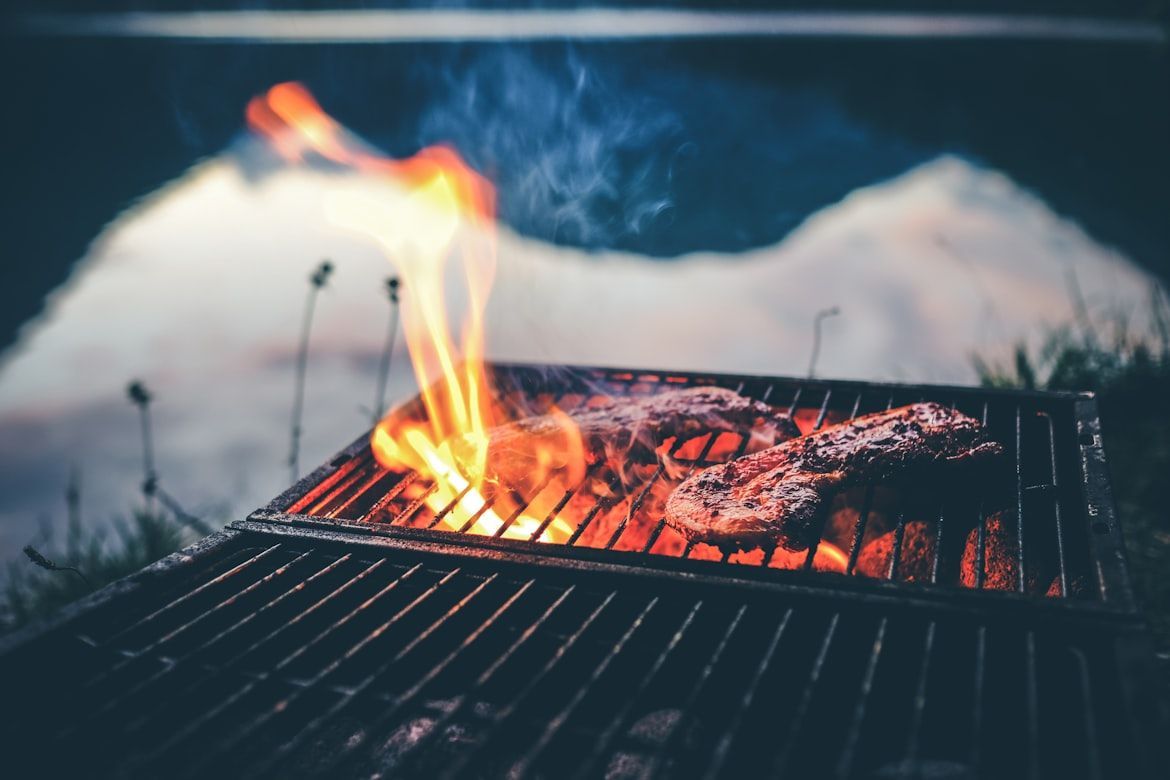
Barbecue

Image: Philipp Kämmerer

The word "barbecue" comes from barbacoa, another Taino term for a wooden frame used for cooking meat over fire. Europeans adopted it and applied it to both the method and the gathering itself.

Today, "barbecue" means everything from a backyard cookout to a regional cooking style. Its origins highlight the deep culinary influence of Native Americans in the nation's current culture.

3

Skunk

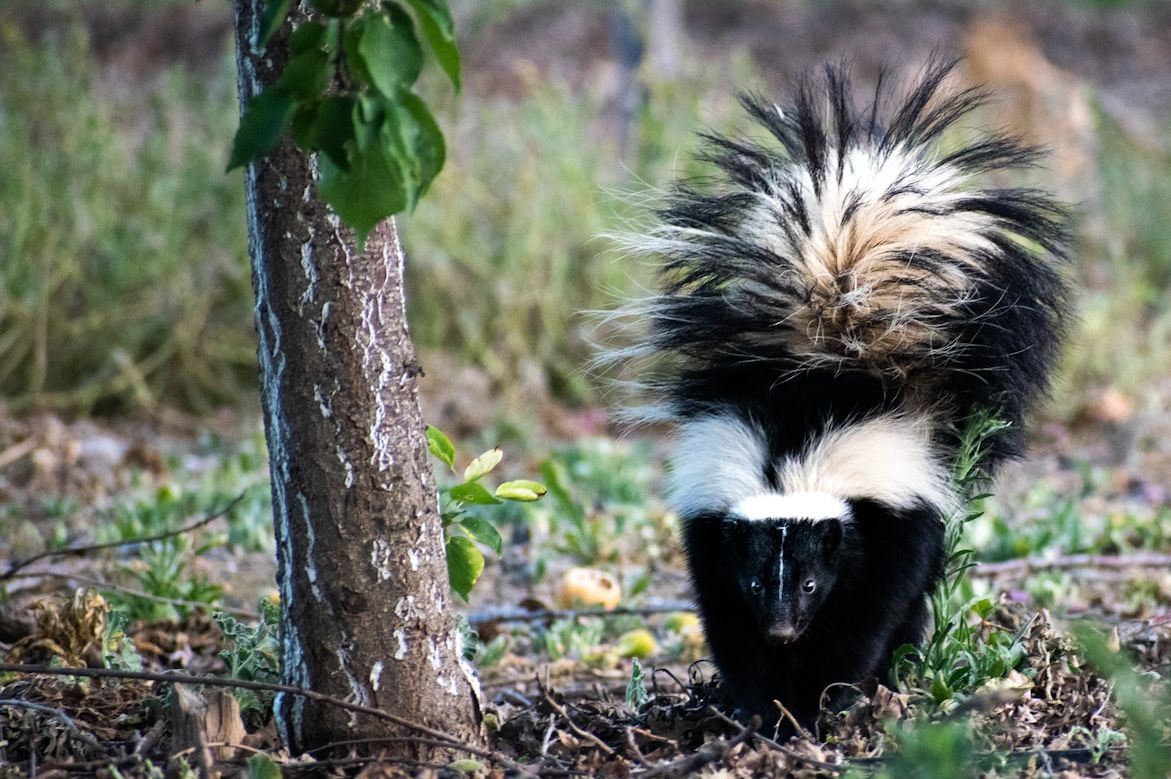
Image: Elisa Stone

"Skunk" comes from the Algonquian word squnk, which means "urinating fox" (quite a fitting term, indeed). This was an obvious reference to the animal’s strong defensive spray. Early settlers adopted the term directly.

Since English had no better name for the creature, the Native word stuck. Today, the word skunks is also used as playful slang.

4

Moose

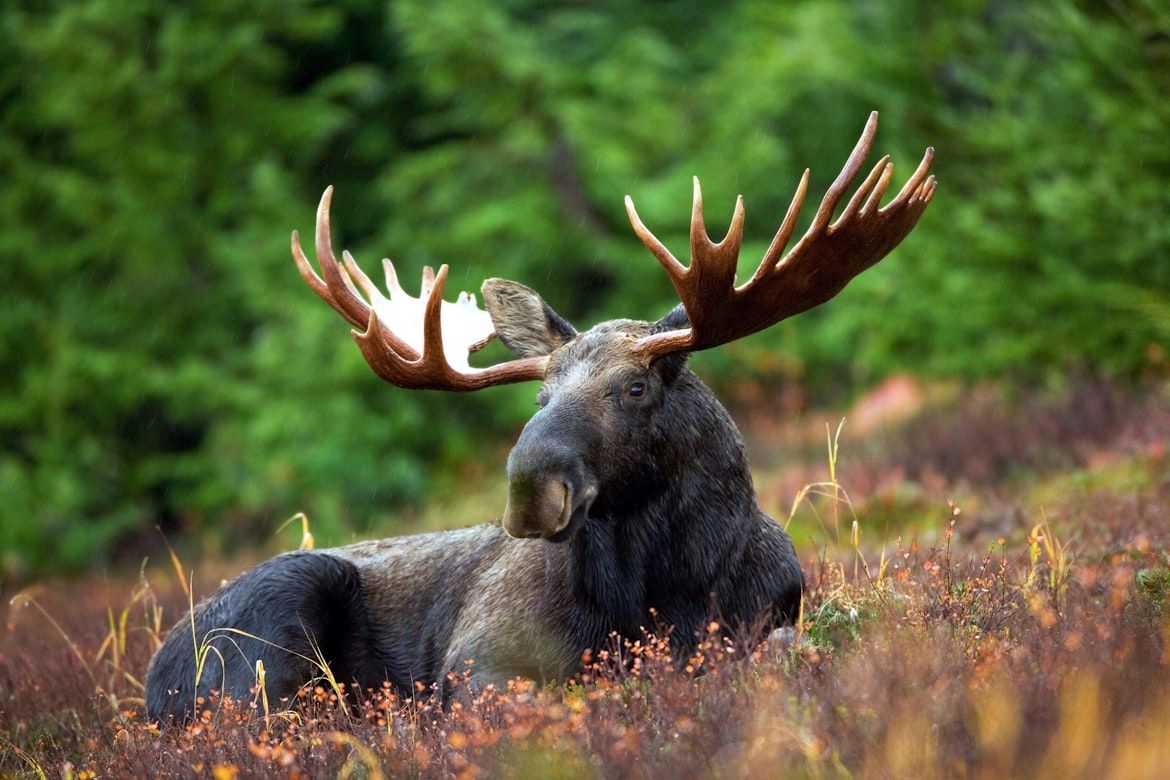
Image: Shivam Kumar

The word "moose" originates from Eastern Abenaki, a part of the Algonquian family, where it meant "he strips off bark." Yes, it described the animal’s habit of tearing bark from trees.

The name entered English quickly because settlers relied on Native knowledge of local fauna. The word remains unchanged because of its accuracy and usefulness.

5

Raccoon

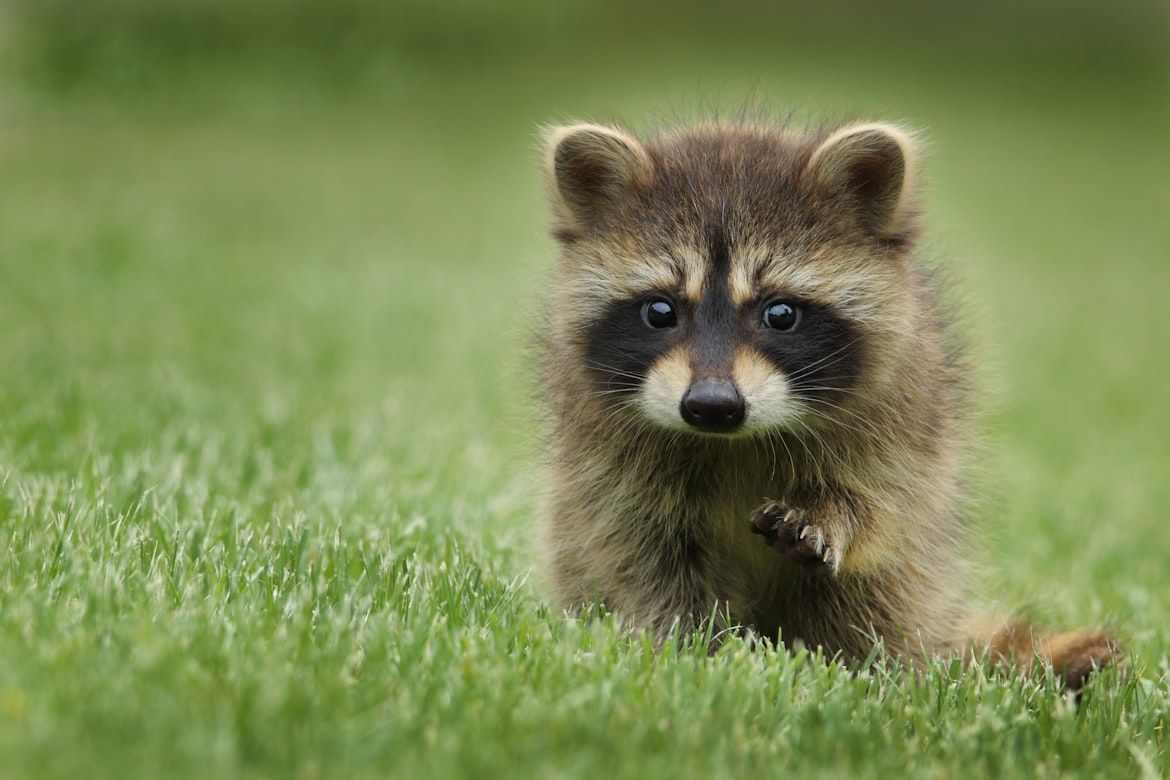
Image: Gary Bendig

"Raccoon" comes from the Powhatan word arakun, meaning "he scratches with his hands." It described the animal’s clever, humanlike front paws.

Settlers adopted the term because it captured the creature’s behavior beautifully. Today, the raccoon is used as a household symbol of curiosity, not unlike the animal itself.

6

Chipmunk

Image: Annegret Kammer

The term "chipmunk" most probably comes from the Ojibwe word ajidamoo, which means "one who descends trees headfirst." Early English settlers adapted the sound into today’s form.

Though the spelling changed over time, the lively image of a chipmunk racing down a tree face-first stayed.

7

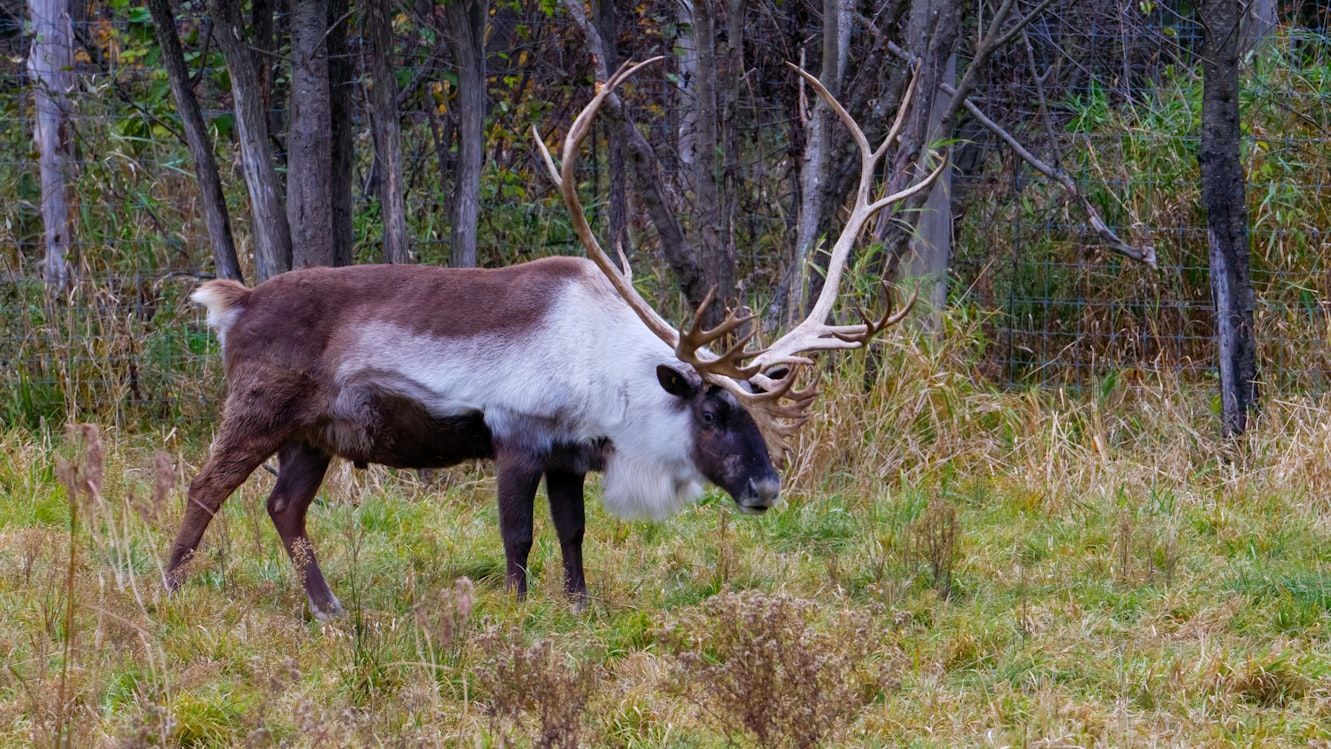
Caribou

Image: JD-Photos

The word "caribou" comes from the Mi’kmaq term qalipu, which means "snow shoveler," referring to the animal’s habit of digging through snow for food.

French settlers brought the word into English, keeping its descriptive nature. The name still connects the modern animal to the winter landscapes it belongs to.

8

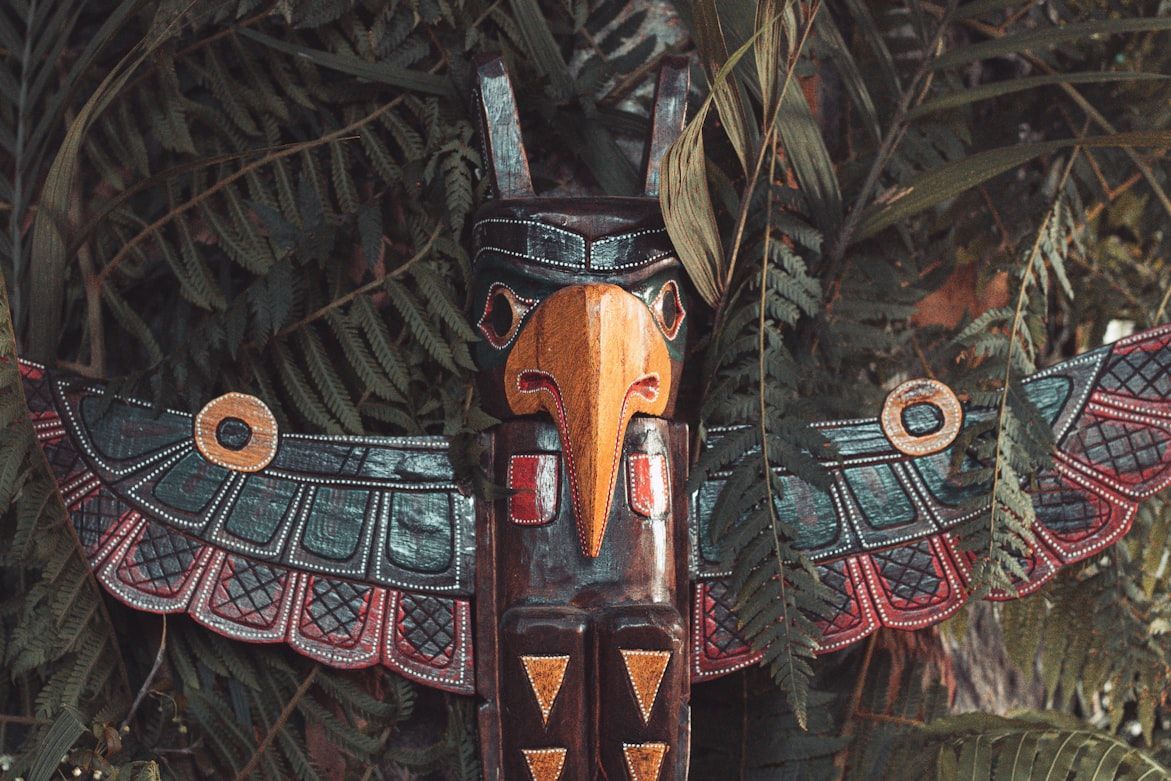
Totem

Image: Stéfano Girardelli

"Totem" comes from the Ojibwe word ototeman, which means "kinship group." It described symbols representing clans and shared roots.

English adopted it to describe carved poles and symbolic elements. Though broader in modern usage, it still hints at the original sense of community, identity, and heritage.

9

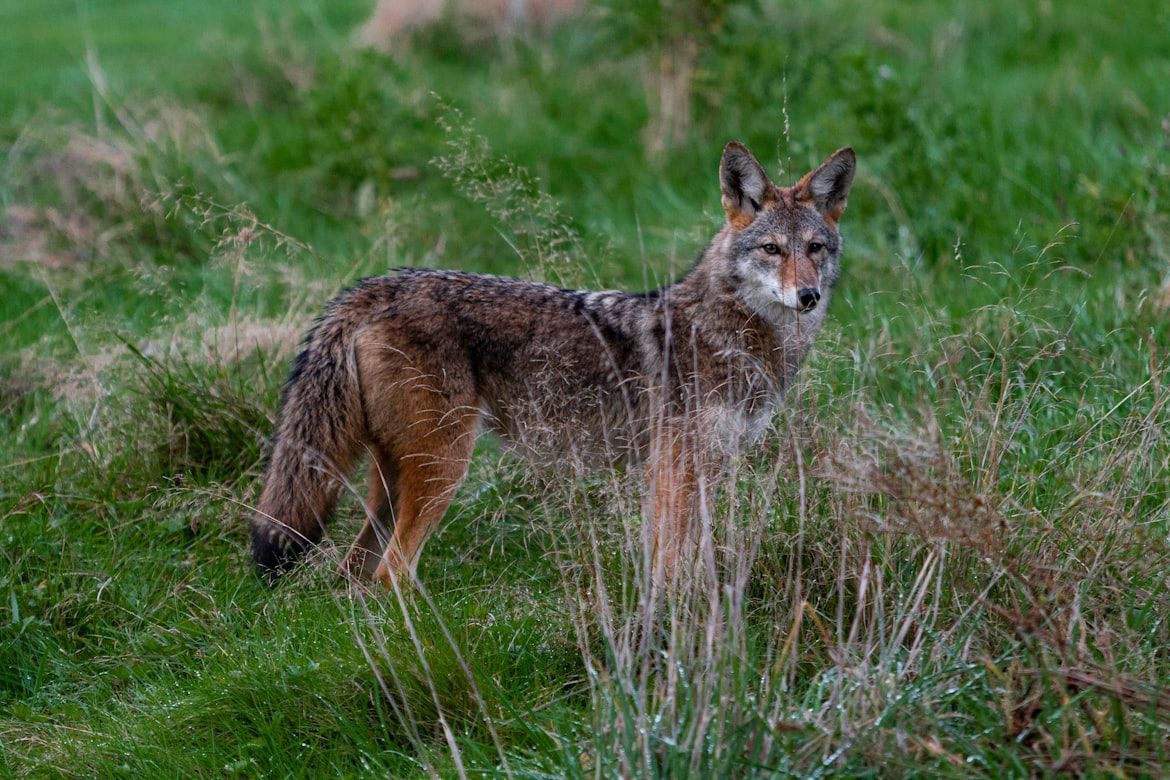
Coyote

Image: Dylan Ferreira

"Coyote" comes from the Nahuatl word coyōtl, which was used by Indigenous tribes of central Mexico. Spanish speakers adopted it, and English borrowed later.

The word kept its meaning, and it remains one of the most direct links between the English language and Nahuatl.

10

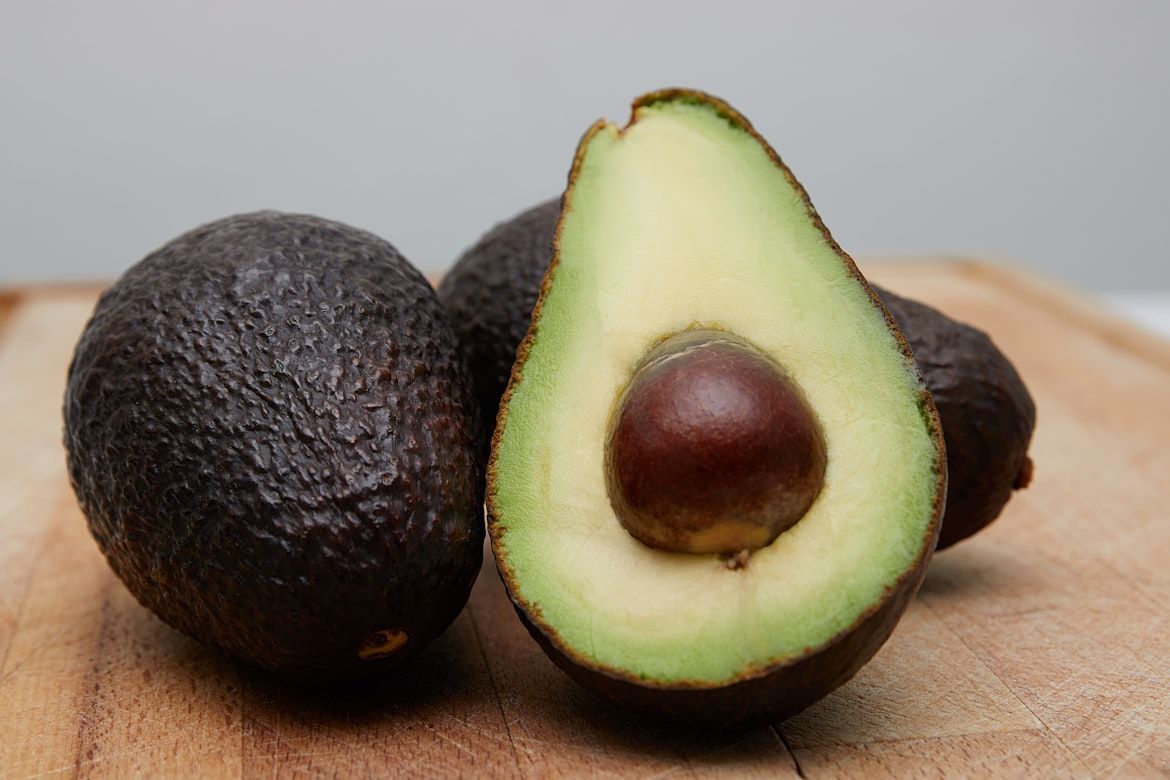
Avocado

Image: Gil Ndjouwou

The tasty avocado’s name traces to the Nahuatl word ahacatl, which refers to the fruit and to a body part as well. Spanish speakers transformed it into aguacate.

Later on, English speakers adapted it to avocado. While the name sounds contemporary and culinary, it has ancient Native roots.

11

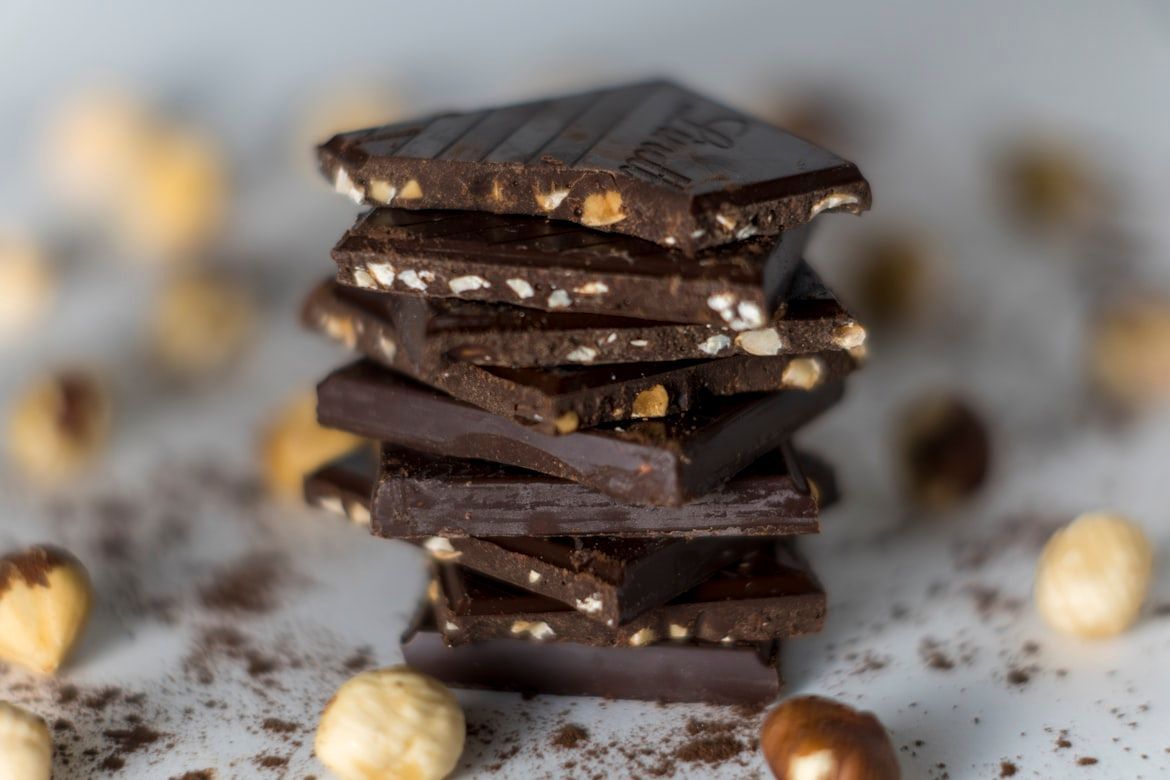
Chocolate

Image: amirali mirhashemian

The last Nahuatl word and also the last word on the list comes from the term xocolātl, which describes a bitter cacao drink that was consumed long before Europeans arrived in America. The name traveled from Spanish to English.

Though the product changed dramatically, the word survived. Today, chocolate is a universal symbol of sweetness, with rich and deeply indigenous roots.

Looking for an extra scoop of literary fun?

Learn more with our Word of the day

irascible

/ɪˈræsəbəl/