You have been peeling bananas wrong all your life! 11 fun life-hacks
Published on July 27, 2025
 Image: Diana Polekhina
We use countless objects daily without questioning their design, yet many have hidden features or were meant for entirely different purposes. From kitchen tools to bananas, here are 11 everyday items you might be using all wrong—or that at least have surprising secrets built in.
Toothpaste
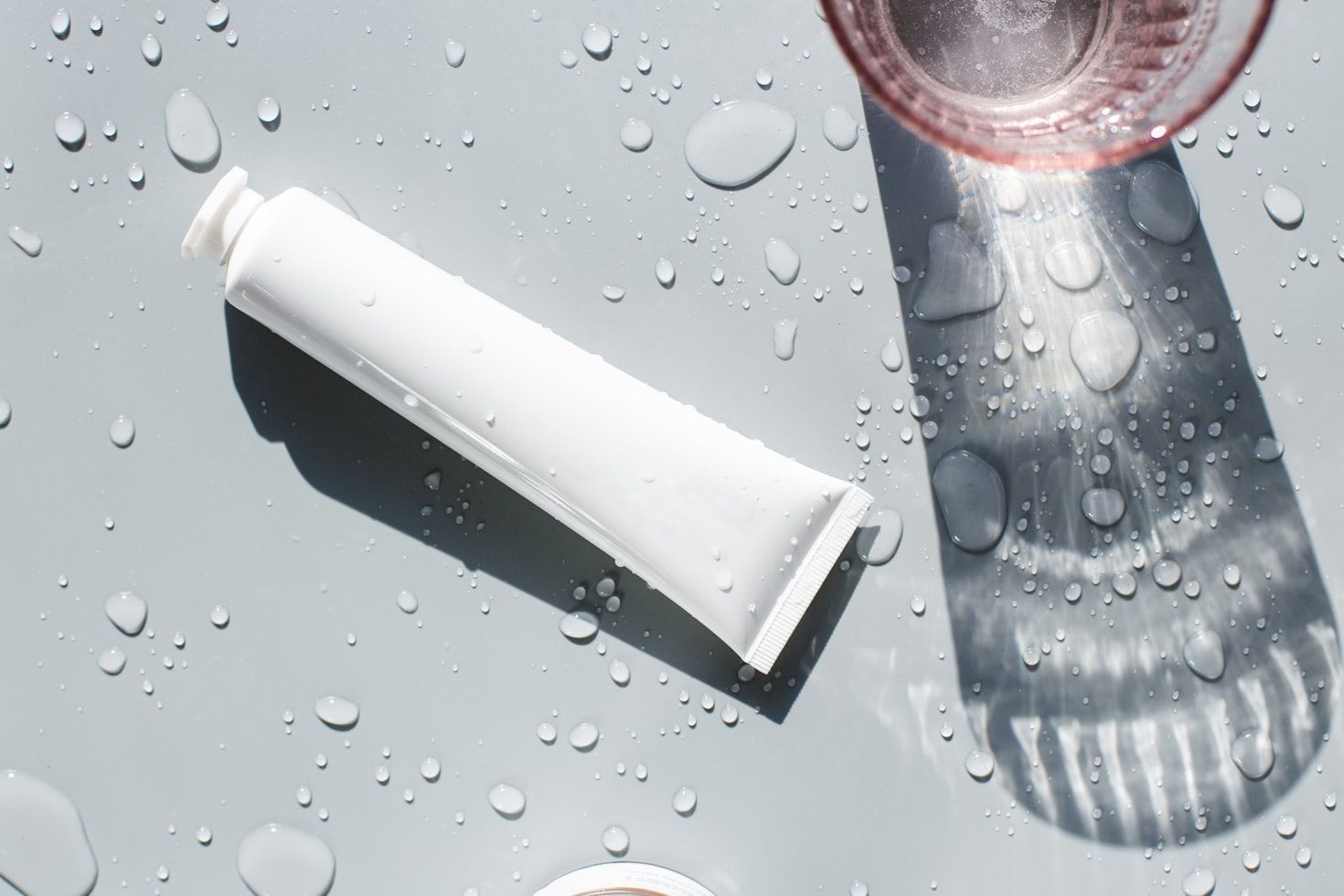 Image: Anastasia Nikitina
Yes, toothpaste was always intended to clean and polish teeth, but its mild abrasives make it effective for cleaning jewelry, removing stains from clothing, and even defogging mirrors.
Interestingly, the first toothpaste-like substance dates back to ancient Egypt, where a blend of pumice and vinegar was used for oral care. Modern toothpaste, which includes ingredients like baking soda—another household staple—explains why it’s so effective on surfaces beyond just teeth.
Pasta spoons
 Image: Markus Winkler
That hole in your pasta spoon isn’t just for draining water; it can also help measure a perfect portion of dry spaghetti!
A single serving of spaghetti is about the amount that fits through the hole. This design prevents cooking too much or too little, though not all pasta spoons have holes large enough for accurate measuring.
Gas pumps
 Image: engin akyurt
The latch inside gas pump nozzles was originally designed to shut off fuel flow automatically when the tank is full, not to hold the pump open.
Modern pumps use this mechanism as a safety feature, preventing spills and overflows. In some places, using the latch to hold the nozzle open is even illegal due to fire risks.
Grocery carts
 Image: Karsten Winegeart
Those metal loops on the back of grocery cart seats aren’t just for show—they’re designed to hold plastic bags with fragile items.
Hanging lighter bags here prevents them from being crushed by heavier groceries in the cart, yet few shoppers take advantage of this simple design. So, next time you go shopping, give it a try—it could be a real lifesaver.
Soda can tabs
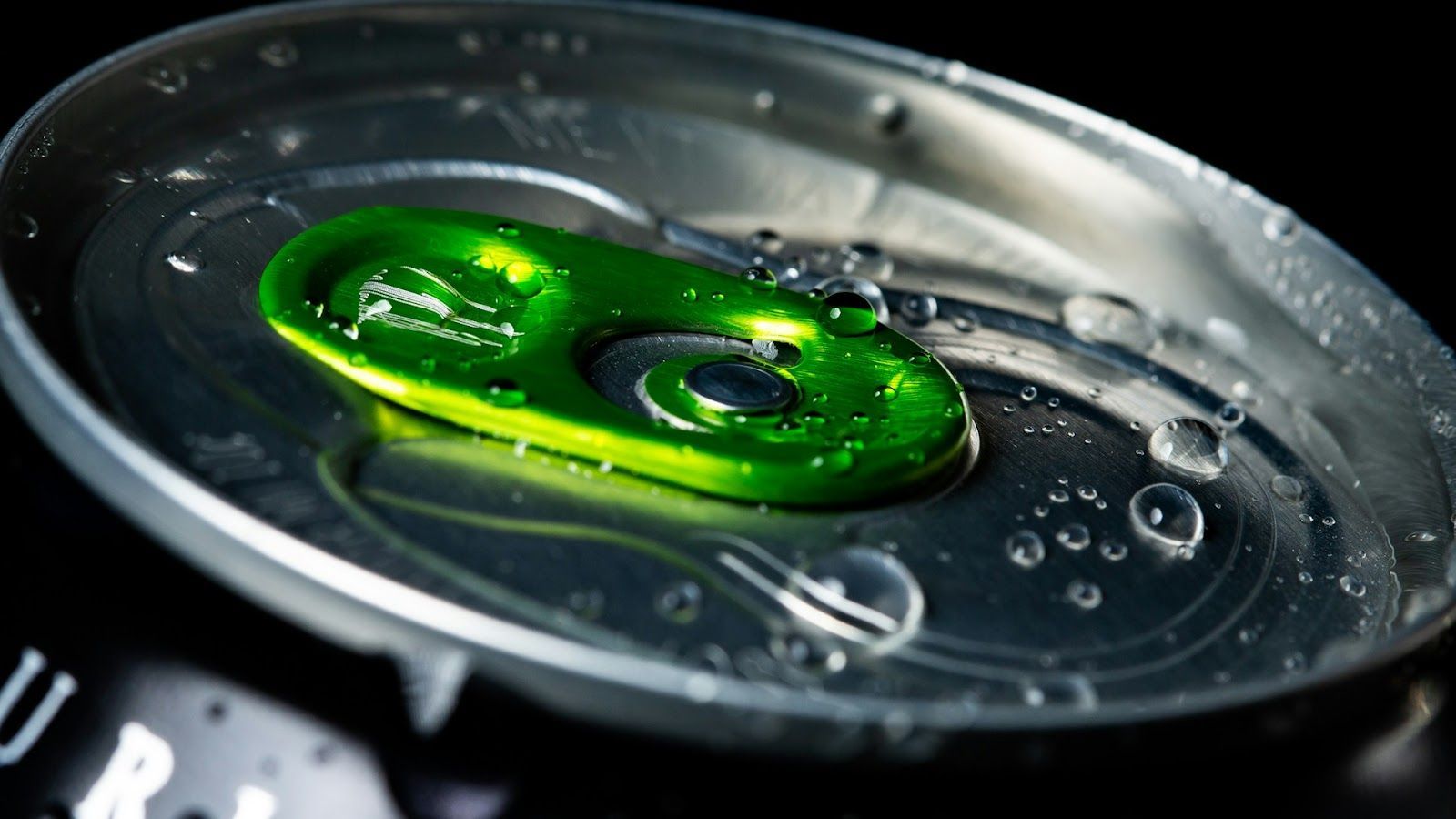 Image: Bam Mccarthy
The hole in a soda can tab isn’t just part of the opening mechanism—it can double as a straw holder. Once you pop the can open, turning the tab around aligns the hole perfectly for a straw. This prevents the straw from floating or shifting while drinking.
While this wasn’t the original intent behind the design, it’s a clever and surprisingly convenient way to make use of an otherwise inconsequential design quirk.
Two-tone erasers
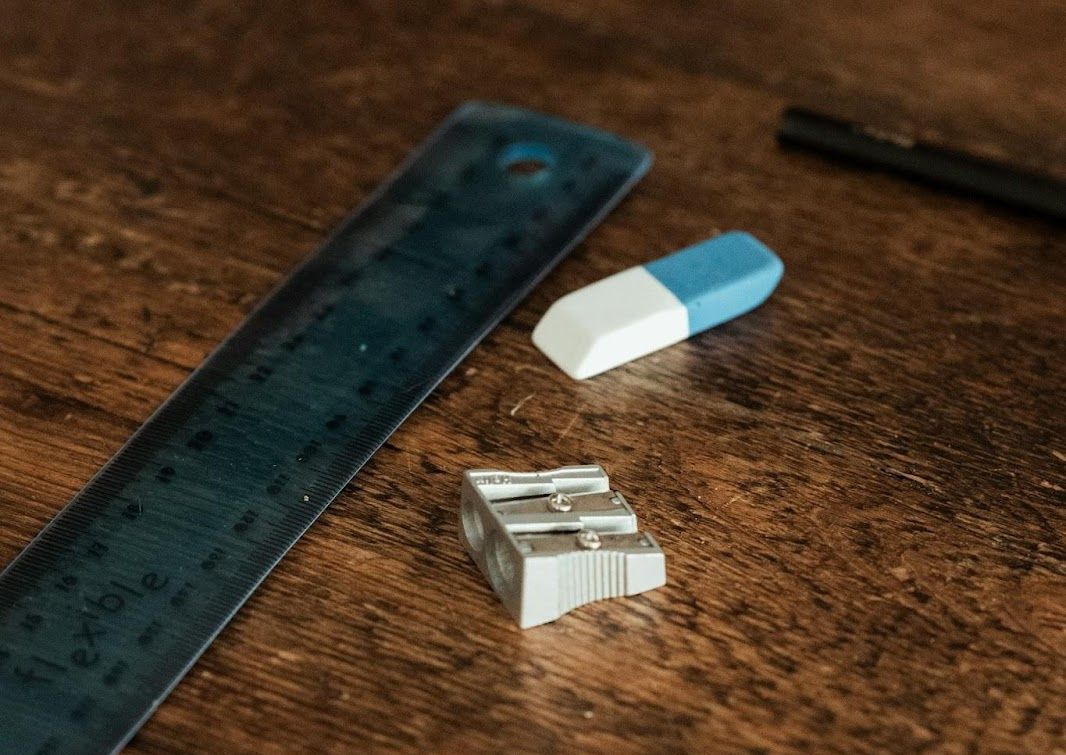 Image: Annie Spratt
If you're like me, this has likely been a brain teaser since childhood: What is the blue side of a two-tone eraser for? Popular wisdom says it's for ink removal, but have you ever tried erasing ink with that side? It just completely obliterates the paper.
Well, it turns out the blue side of a two-tone eraser was actually designed for use on heavier paper, not for removing ink.
Keyboard bumps
 Image: Matúš Kameniar
The small bumps on the ‘F’ and ‘J’ keys exist to help typists find their hand placement without looking.
These tactile guides help your fingers find their way back to the home row, enabling faster and more efficient typing. Even if you're not a professional typist, you can rely on this feature to improve both speed and accuracy while writing.
Peeling bananas
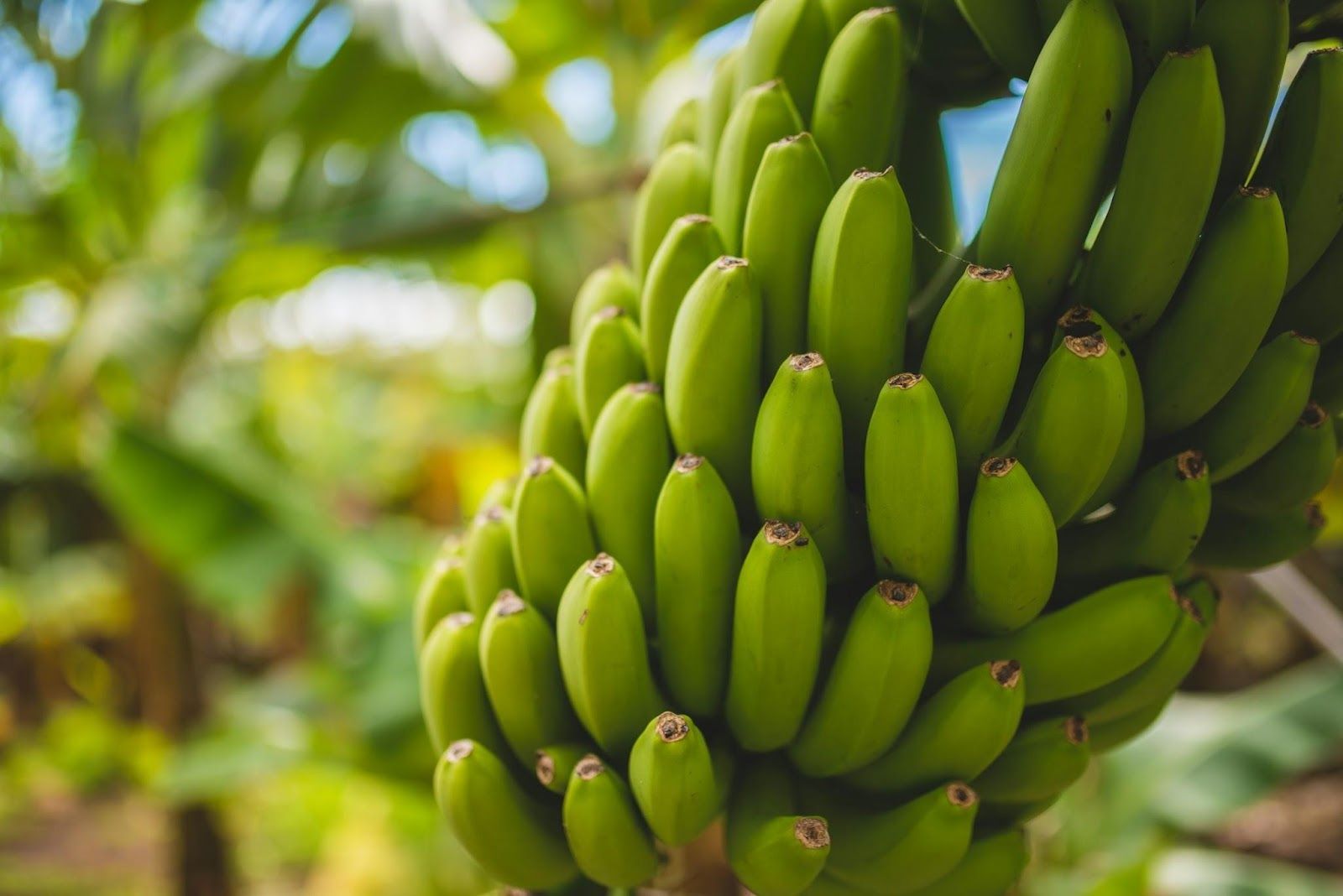 Image: Monika Guzikowska
Ever watched a monkey peel a banana? You might be in for a surprise, because it turns out the easiest way to peel a banana is from the bottom, not the stem.
Monkeys naturally pinch the bottom of the banana and pull, avoiding the struggle of breaking the tough stem. This method also reduces the risk of squishing the fruit inside.
Measuring tape
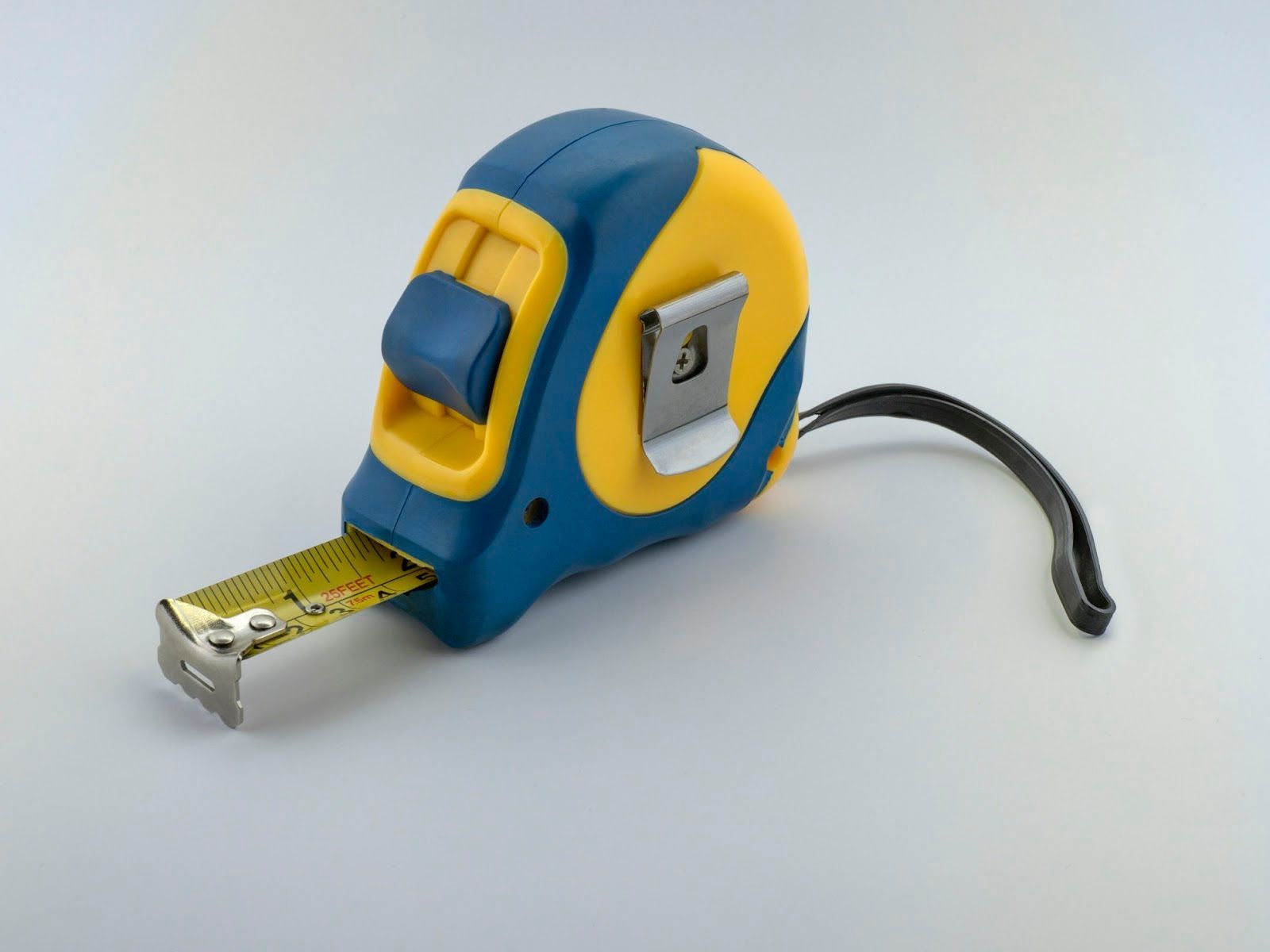 Image: Brett Jordan
The small hole at the end of a measuring tape is designed to hook onto nails or screws for one-person measurements. This feature provides a more stable grip when measuring long distances without needing an extra set of hands.
Also, the serrated edge on some tapes doubles as a tool for marking surfaces. So, next time you don't have a buddy around to help, don’t worry—your measuring tape has you covered!
Oven drawer
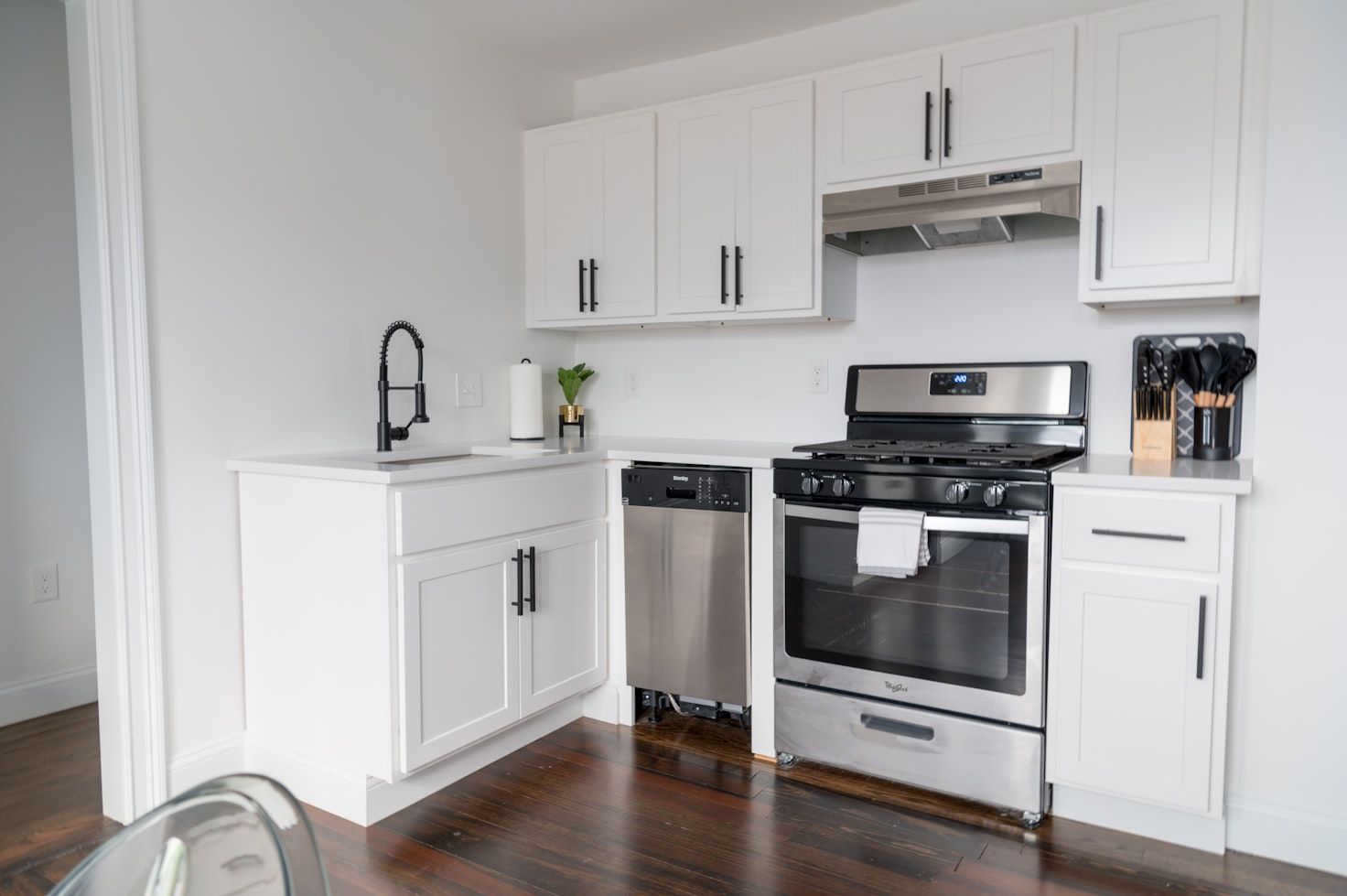 Image: Andrea Davis
Many people use the drawer under their oven for storage, but it was originally designed as a warming drawer.
This compartment keeps cooked food warm while the rest of the meal finishes, though in some modern models, it may simply be intended for extra storage. Checking your oven’s manual might reveal its true purpose.
Wine bottle indent
 Image: Mockup Free
Ever heard someone say you can judge a good wine by the depth of the indentation at the bottom of the bottle? Well, that’s a myth, though it may suggest a better-designed bottle.
The indent at the bottom of a wine bottle, called a punt, helps distribute pressure and maintain structural integrity. Originally designed to support the bottle against carbonation in sparkling wines, it’s now mostly tradition but still improves durability.