Grim tales ahead

These harmless expressions have a dark past. Number 9 is hard to believe


Published on November 25, 2025


Image: Kevin Wang

We toss around these phrases every day like nothing, without thinking about where they came from. But behind some of these familiar expressions lurk stories of violence, superstition, and even death. From battlefield slang to old legal terms and folklore, their histories can be surprisingly grim. Did you know the origins of these common sayings?

1

Saved by the bell

Image: David Guliciuc


This phrase is commonly tied to boxing, where a bell ends the round and saves a fighter. But it has a darker twist to it.

In the 18th and 19th centuries, safety coffins with bells were invented to prevent premature burial, and ringing would literally save someone’s life.
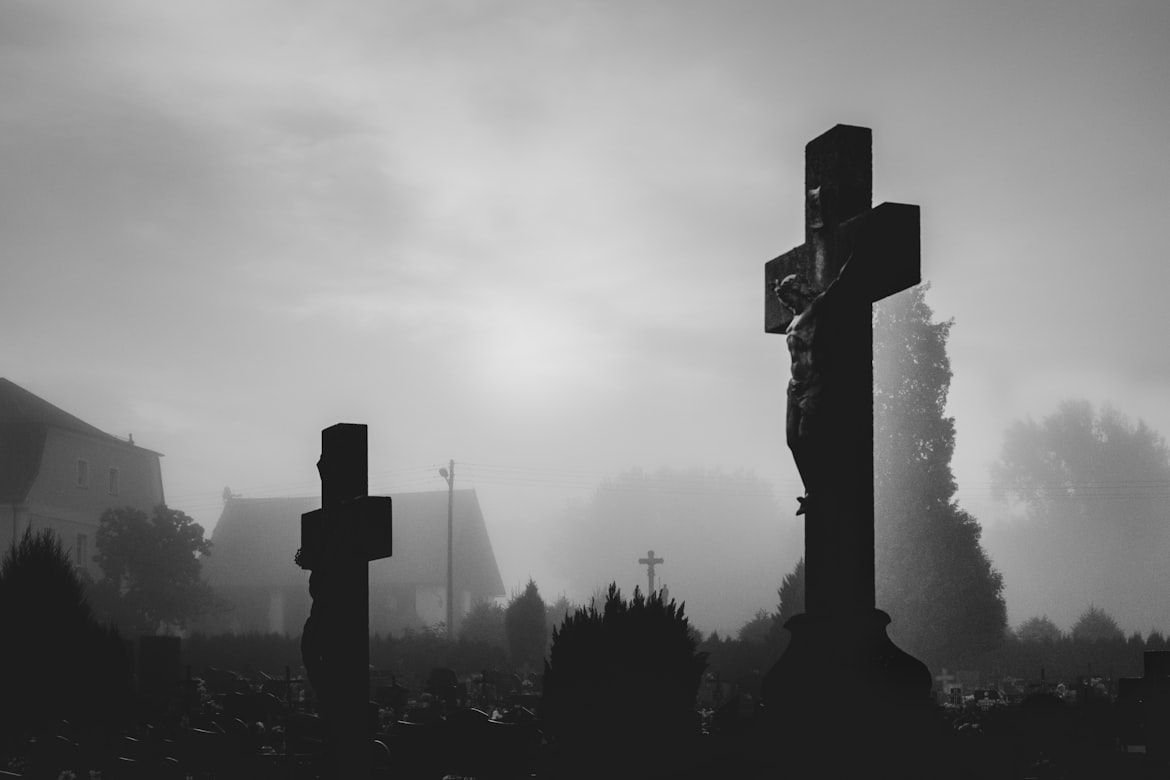
Image: Sacre Bleu

2

Graveyard shift

This term refers to working overnight hours, and it is named so for the stillness that resembles a cemetery.

It may also stem from 19th-century watchmen who guarded graves to deter body snatchers seeking corpses for medical schools.
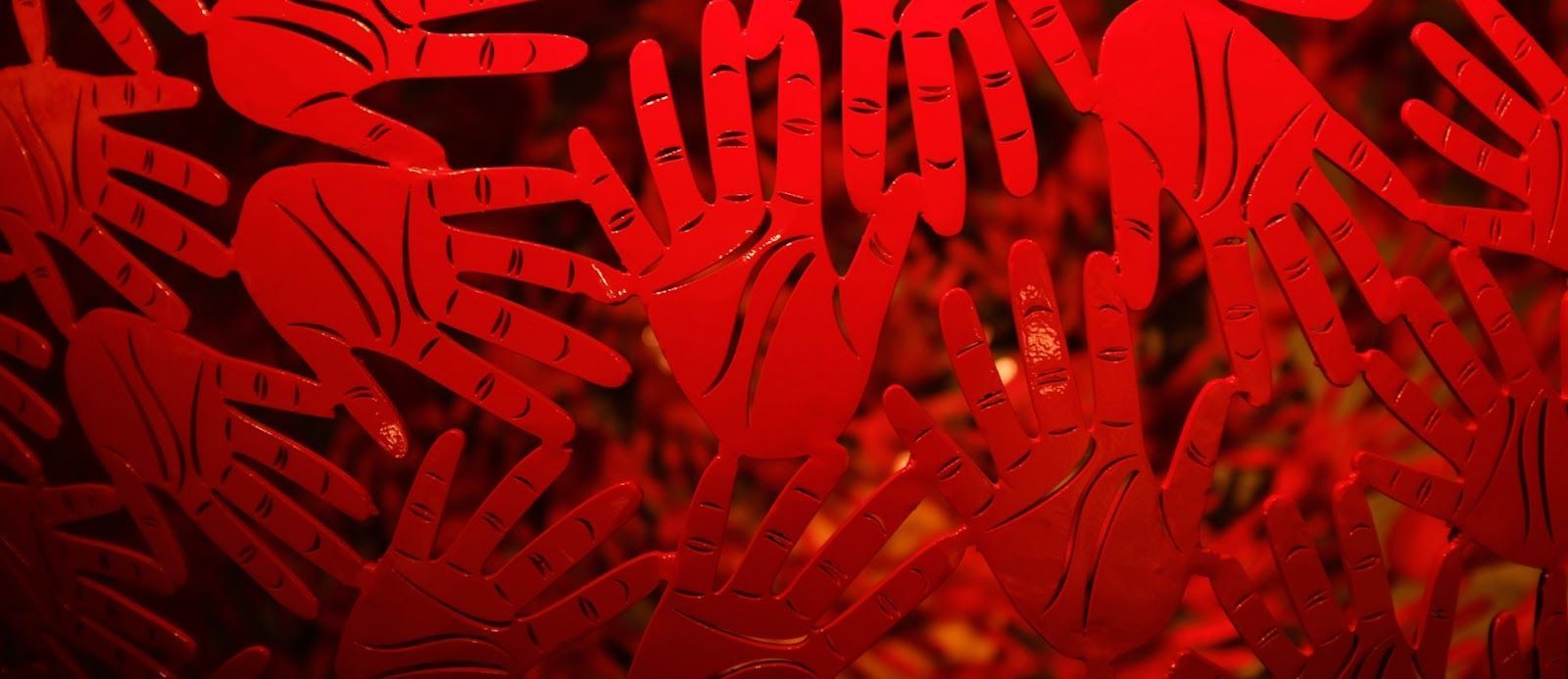
Image: Orkun Azap

3

Caught red-handed

The expression "caught red-handed" began as a legal term in Scotland for being found with blood on one’s hands after poaching or murder.

Its vivid imagery made it a lasting metaphor for being caught in the act of wrongdoing.

Image: Jørgen Håland

4

Dead ringer

Today, it means an exact duplicate, but some trace it to 19th-century fears of live burial, where it had a similar meaning to that of our first entry.

As with "saved by the bell," some believe this phrase refers to the practice of attaching bells to coffins so that a mistakenly buried person could ring for rescue—hence, a "ringer" from the dead.
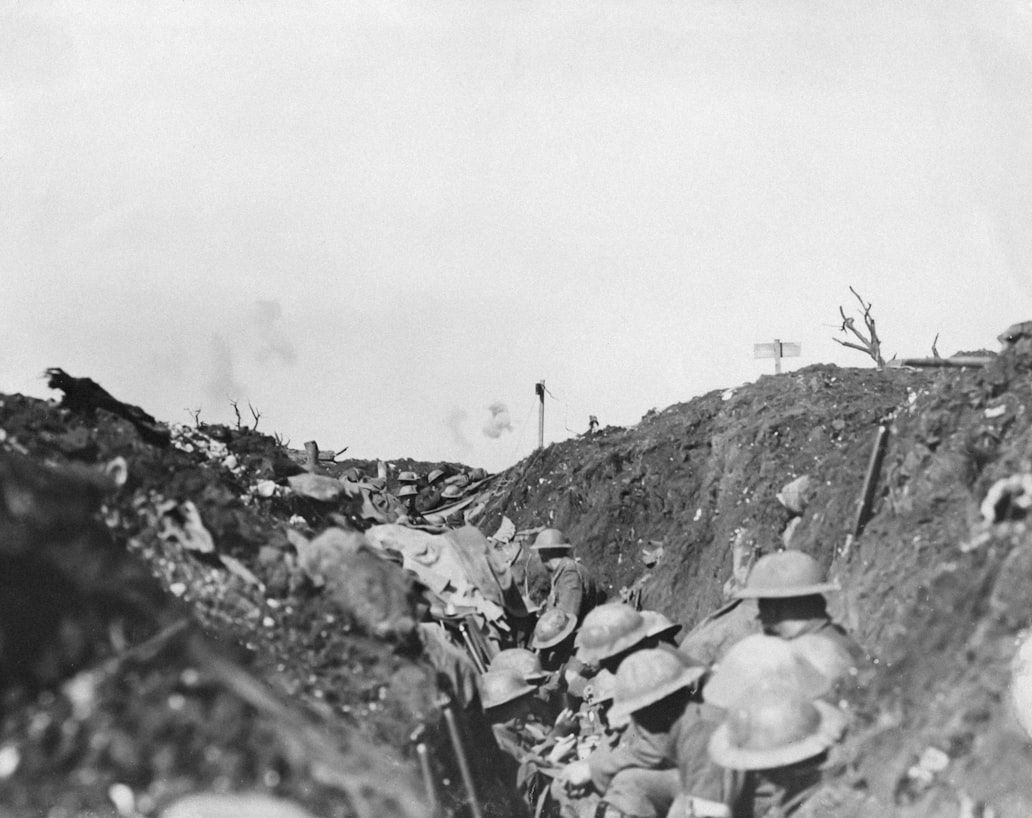
Image: Provincial Archives of Alberta

5

Diehard

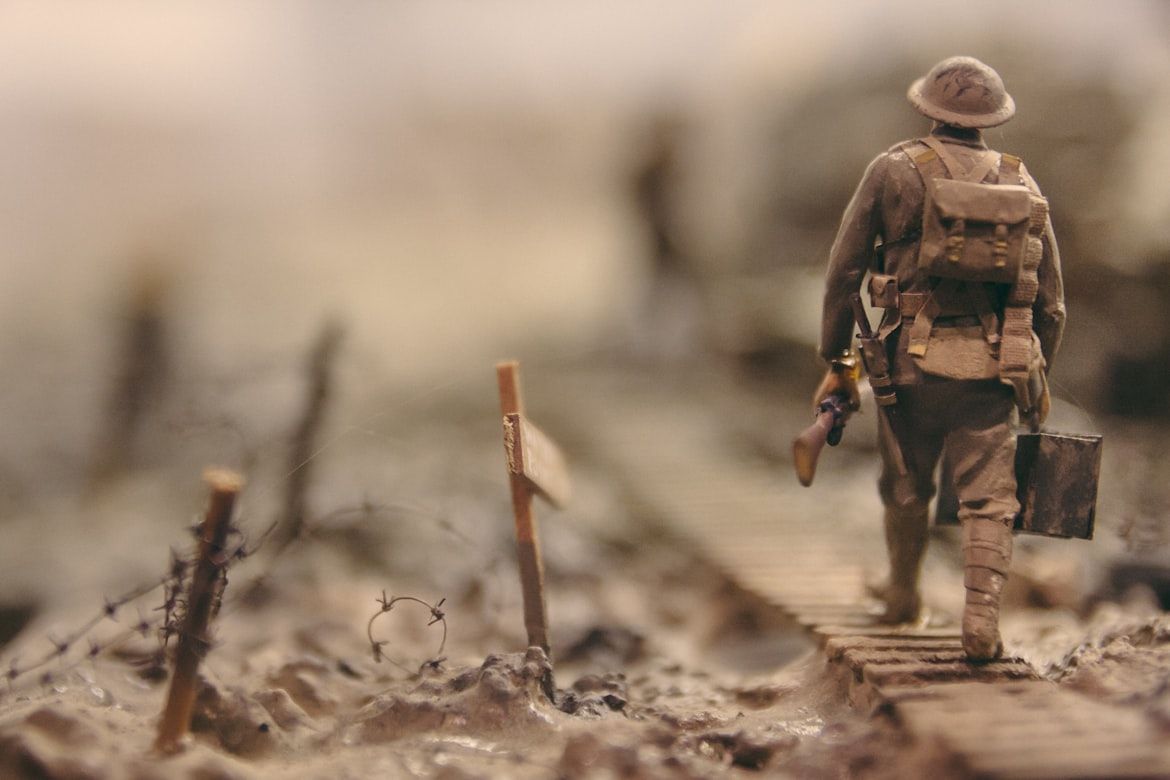
Originally, this idiom was used to describe soldiers who fought to the death or refused to surrender despite mortal wounds.

Over time, it evolved into a term for anyone fiercely resisting change or clinging to a cause.

6

Under the gun

Image: Stijn Swinnen


The origin of this phrase is a literal reference to being under direct threat of enemy fire in battle.

It now describes any high-pressure situation, though the imagery still carries a sense of danger.

Image: Austrian National Library

7

Throw in the towel

Borrowed from boxing, this phrase signals surrender, as trainers toss a towel into the ring to stop a fight.

Its roots lie in the stark reality of protecting a beaten fighter from further harm.
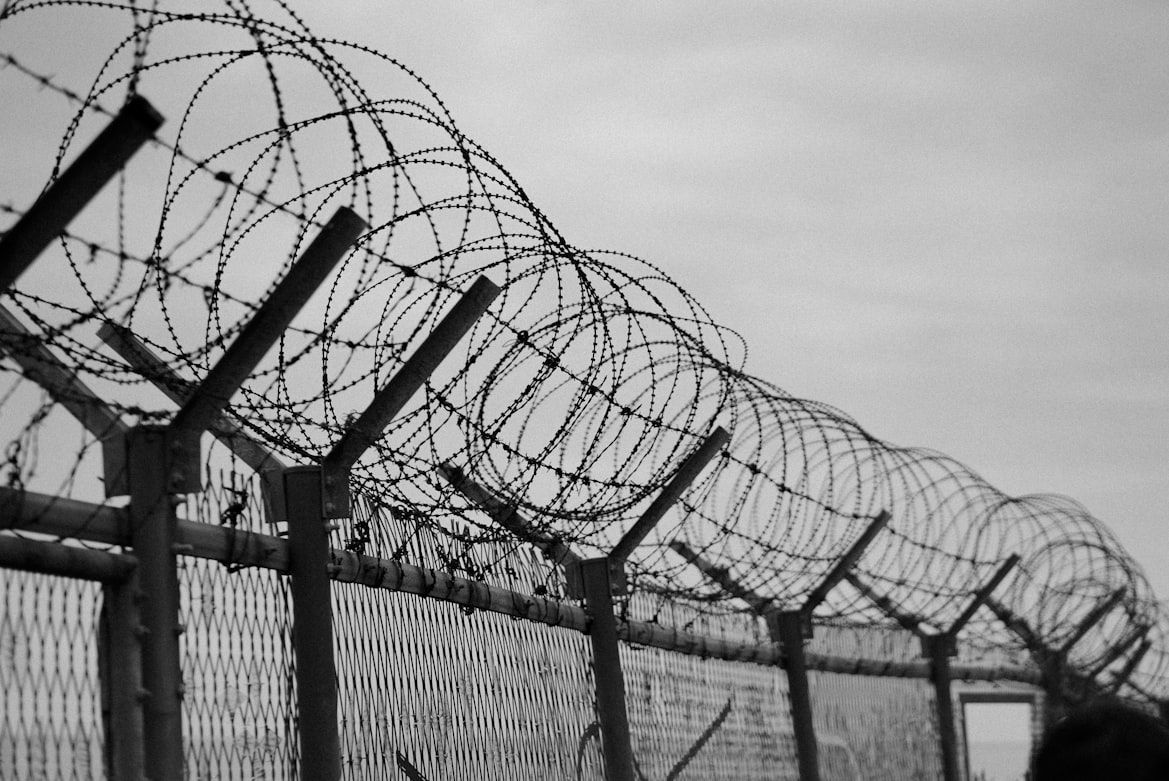
Image: Daniel Bernard

8

Deadline

During the U.S. Civil War, prison camps marked a line that, if crossed, allowed guards to shoot prisoners instantly.

The word later softened into a publishing and workplace term for time limits, fortunately losing its lethal edge.
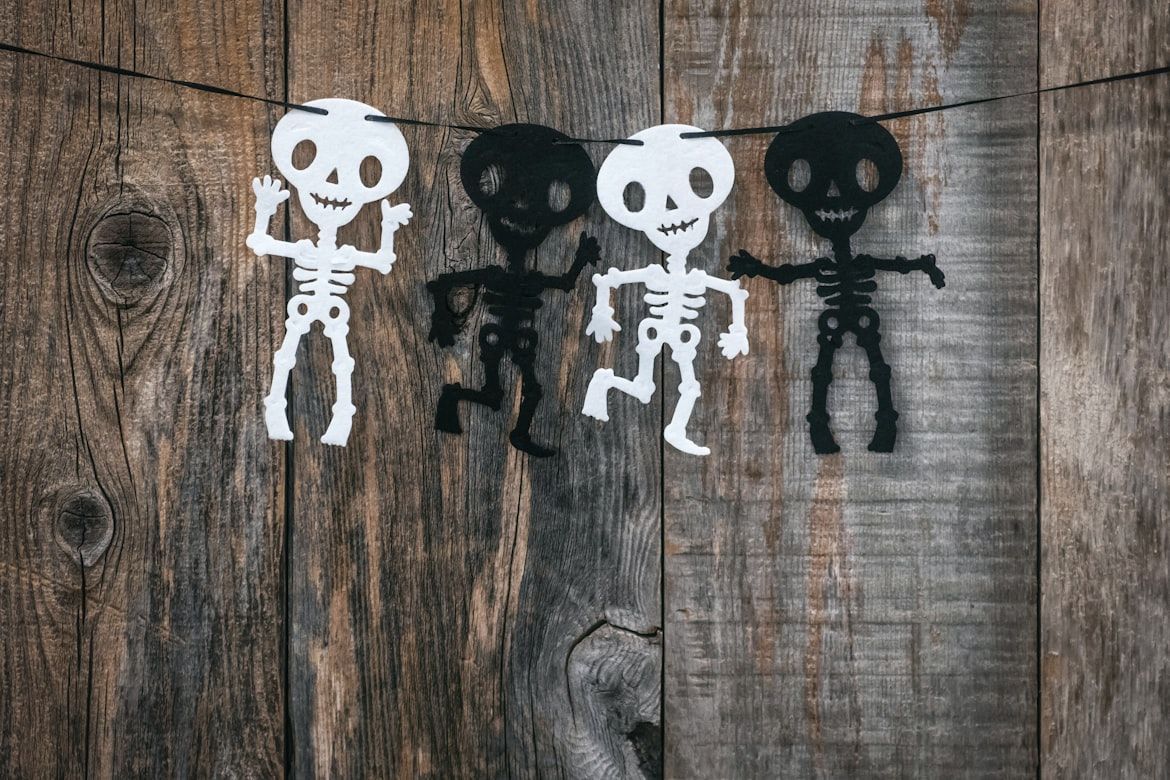
Image: Tim Mossholder

9

Skeleton in the closet

The expression "skeleton in the closet" is a metaphor for a hidden shame or scandal, which, originally, evoked the image of concealing a corpse.

Its morbid imagery endures, making it one of the most vivid idioms in everyday language.

Image: Michael LaRosa

10

Silver bullet

There was a time when silver bullets were considered real weapons in folklore, believed to be the only way to kill werewolves or other monsters.

Today, it means a simple, almost magical solution to a complex problem, retaining its mythical flavor.
Tango, Bravo

Codewords decoded: How many did you know?


Published on November 25, 2025


Image: orso bianco

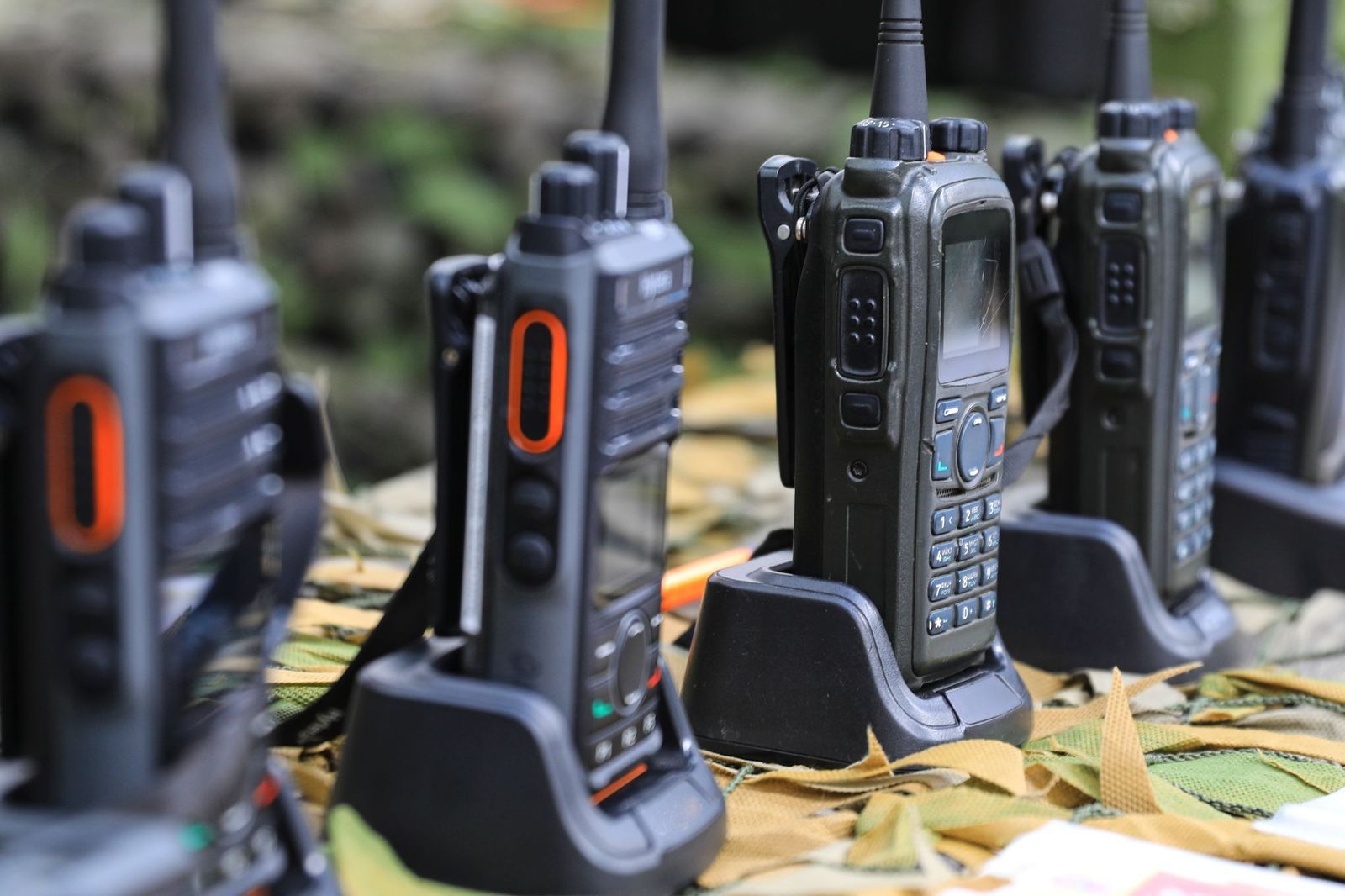
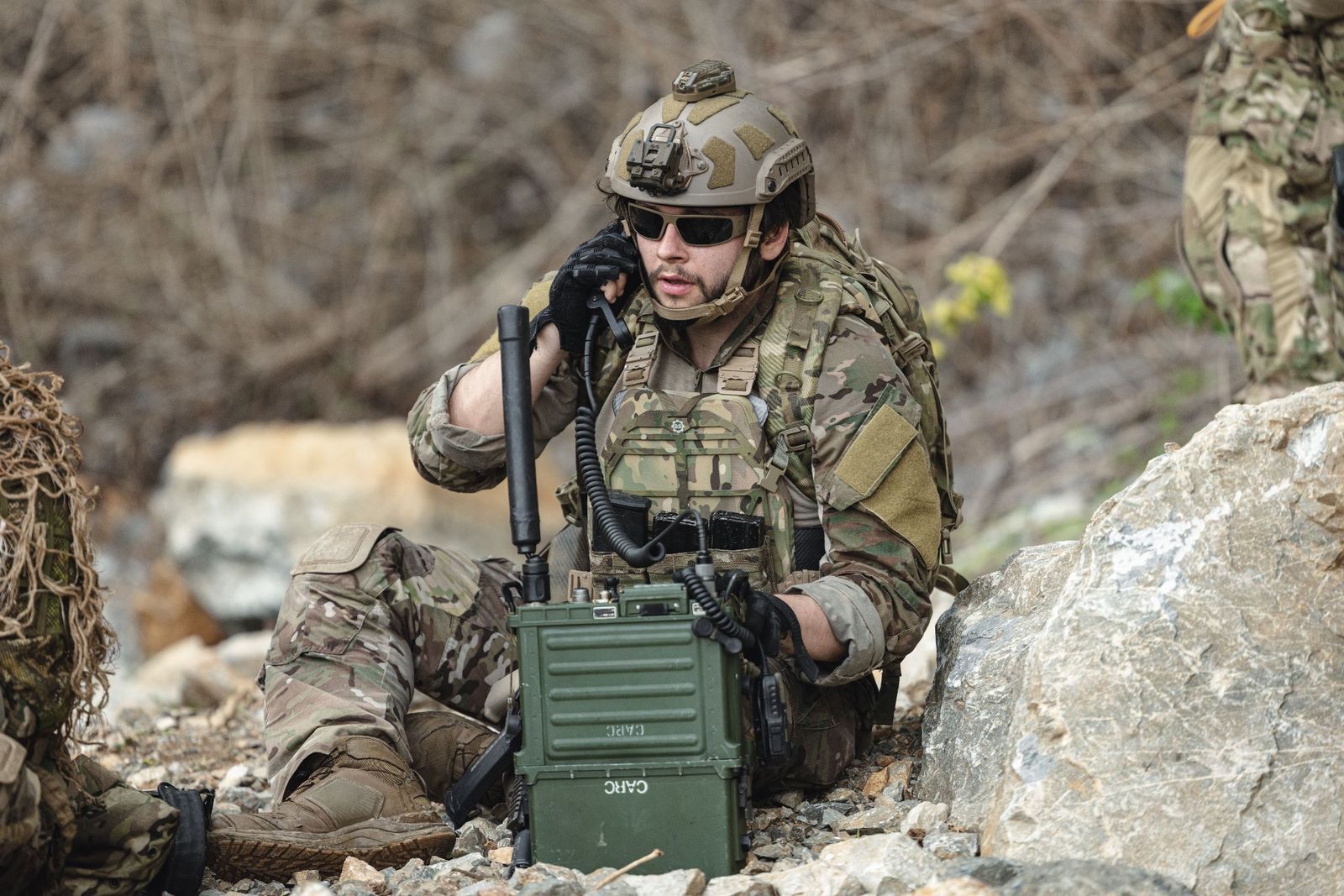
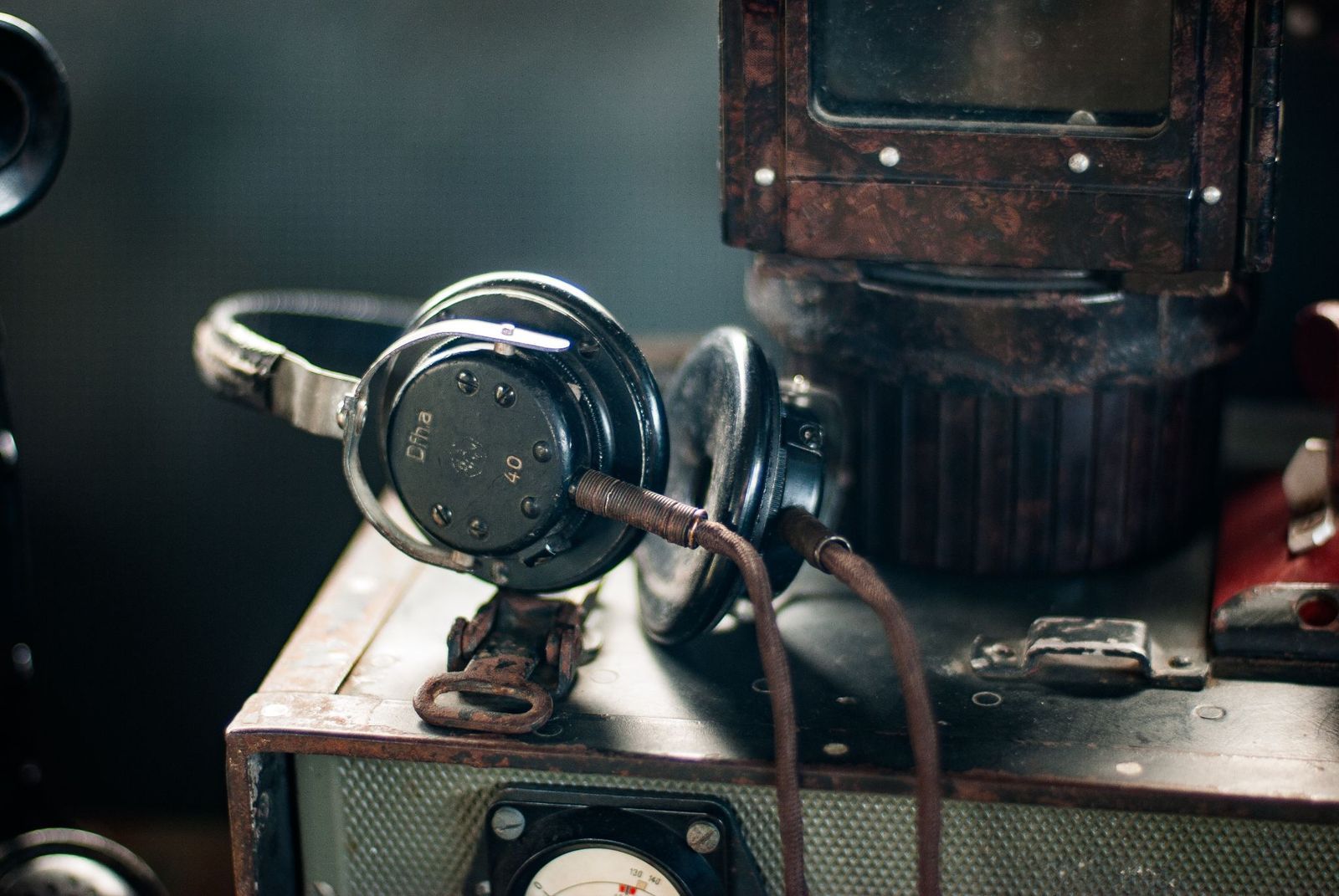
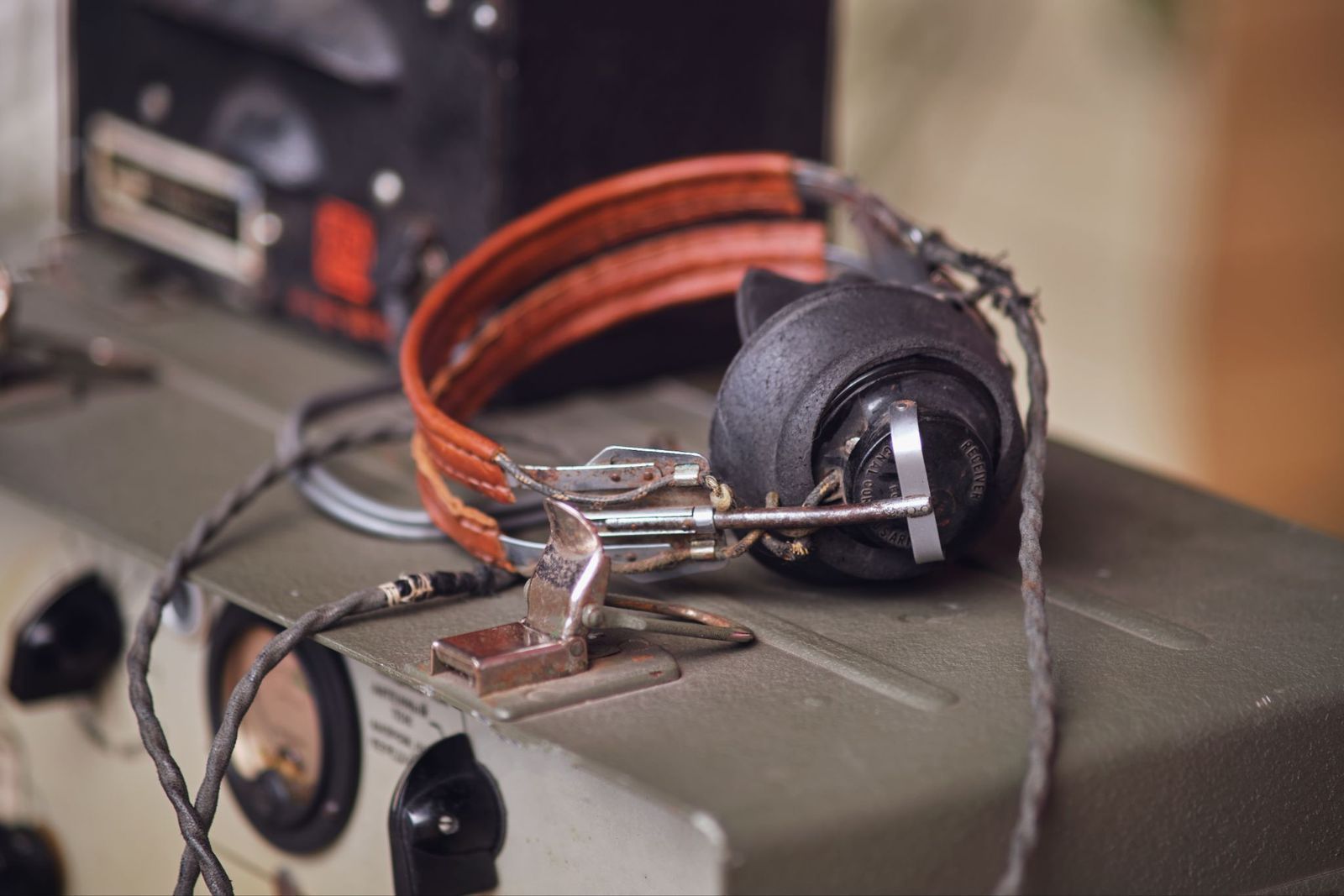
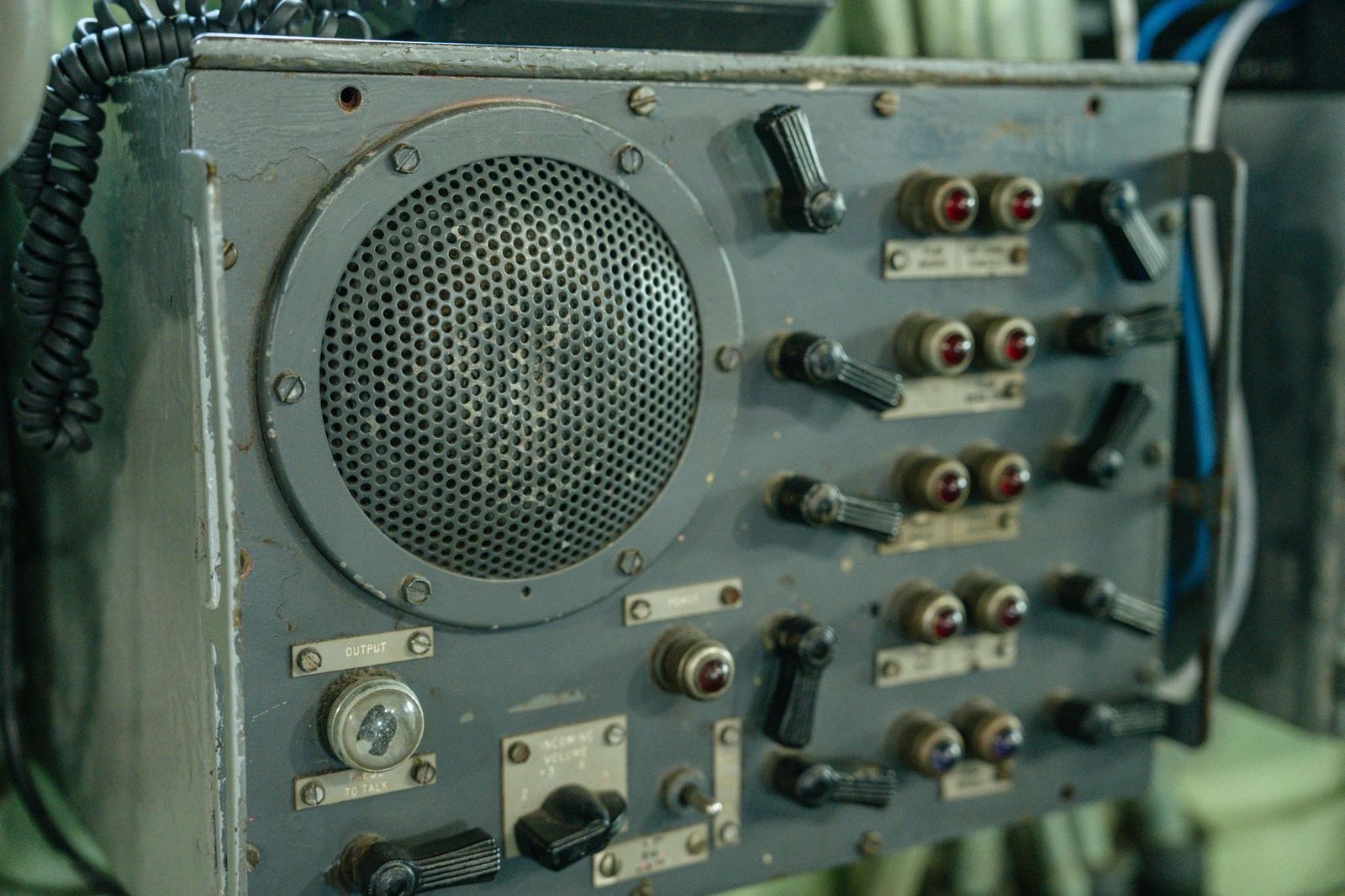
In situations where clear communication is paramount, especially when lives are at stake, professionals often rely on standardized codewords and phonetic alphabets designed to prevent confusion. Either from movies or from personal experience, it's probable that you've heard at least some of these before, and many have found their way into everyday conversation. Let's find out how many of these code expressions you can recognize.

1

Mayday

Image: Zhuravlev Andrey

Mayday is the international distress call used when the sender is in immediate, life-threatening danger. Pilots and mariners use it to signal that they require urgent assistance due to situations such as engine failure, fire, flooding, or medical emergencies.

The word was introduced in 1923 by British radio officer Frederick Stanley Mockford, who based it on the French phrase m'aider, meaning "help me," in an attempt to make it internationally recognizable. Hearing this transmission immediately alerts emergency responders that every second counts.

2

Pan-Pan

Image: DenisProduction.com

Not every emergency is severe enough to warrant a mayday call. When a crew faces a problem that is urgent but not immediately life-threatening, the appropriate codeword is Pan-Pan.

Like mayday, it comes from French: it derives from panne, meaning a breakdown or mechanical failure. A Pan-Pan call might be used if an aircraft loses an engine but can still fly safely, or if a ship experiences equipment problems while remaining under control. It tells responders that assistance is needed, but that the situation has not yet become critical.

3

SOS

Image: Grisha Bruev

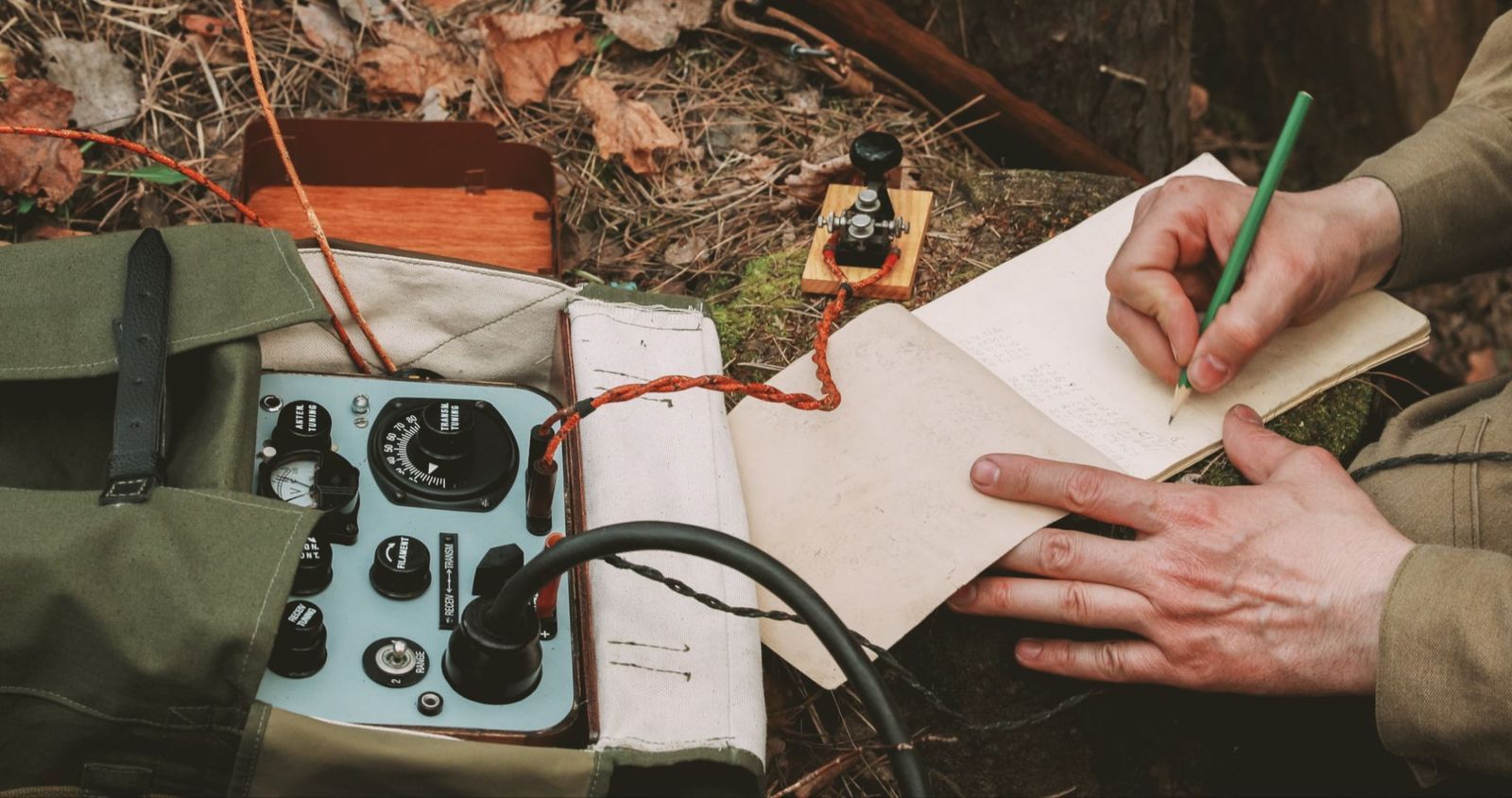
Few emergency signals are as universally recognizable as SOS. Contrary to popular belief, the letters do not officially stand for "Save Our Ship" or "Save Our Souls." It was adopted in 1906 because SOS is an extremely simple, easy-to-transmit, and unmistakable pattern in Morse code.

SOS remains one of the world's most enduring distress signals, and it's still recognized by rescue organizations all around the globe.

4

NATO Alphabet

Image: Alexandros Michailidis

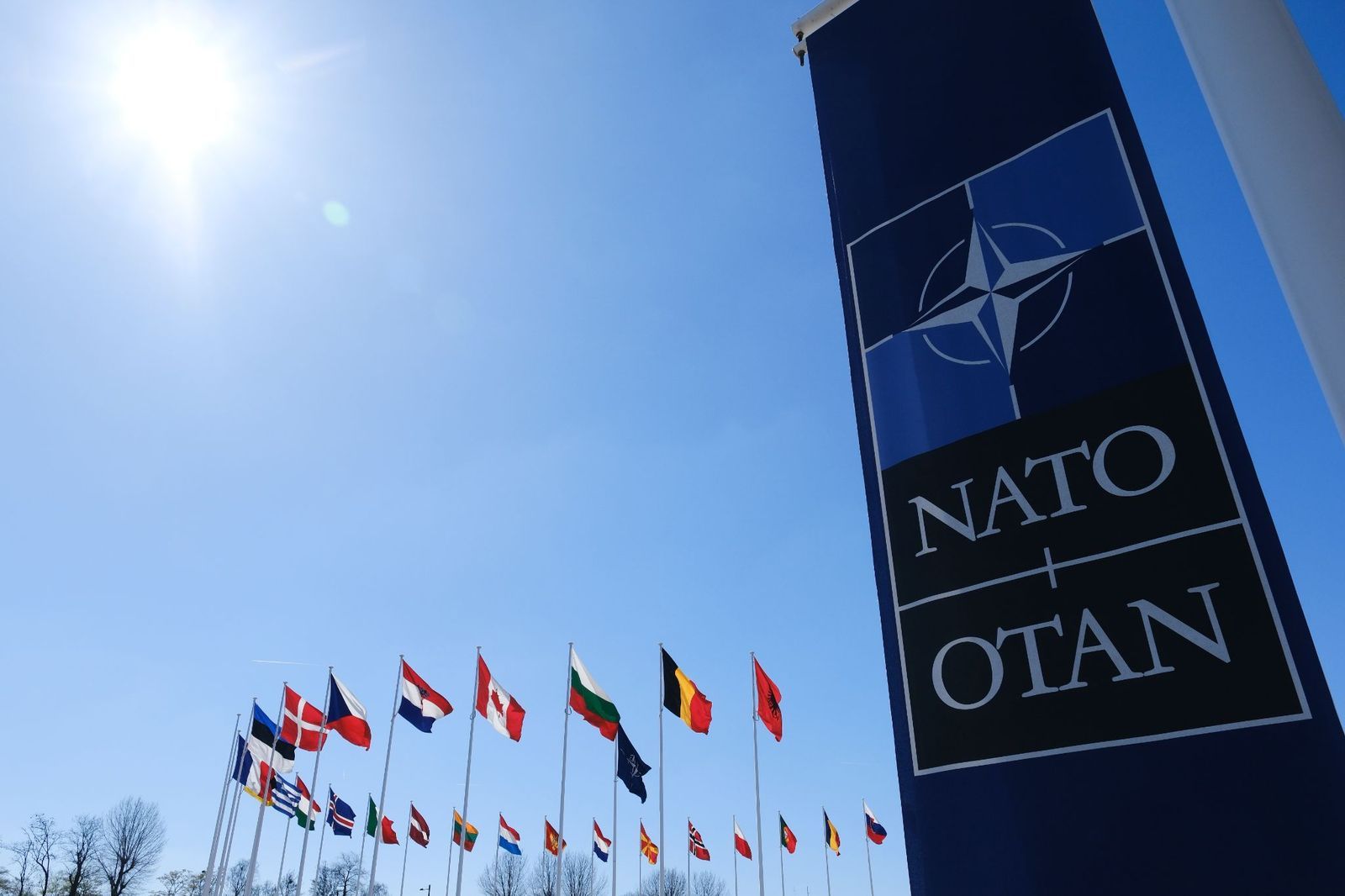
In the NATO phonetic alphabet, each letter is assigned a unique word to eliminate confusion when radio transmissions are distorted by noise or poor reception. If you've ever heard someone spell a name as "Mike Alpha Romeo Yankee," you've encountered the NATO phonetic alphabet.

The system was officially adopted by NATO in the 1950s and is now widely used by militaries, airlines, emergency responders, and many police departments worldwide. Using it greatly reduces the chance of misunderstanding important information over radio.

5

Roger

Image: nelikdulatov

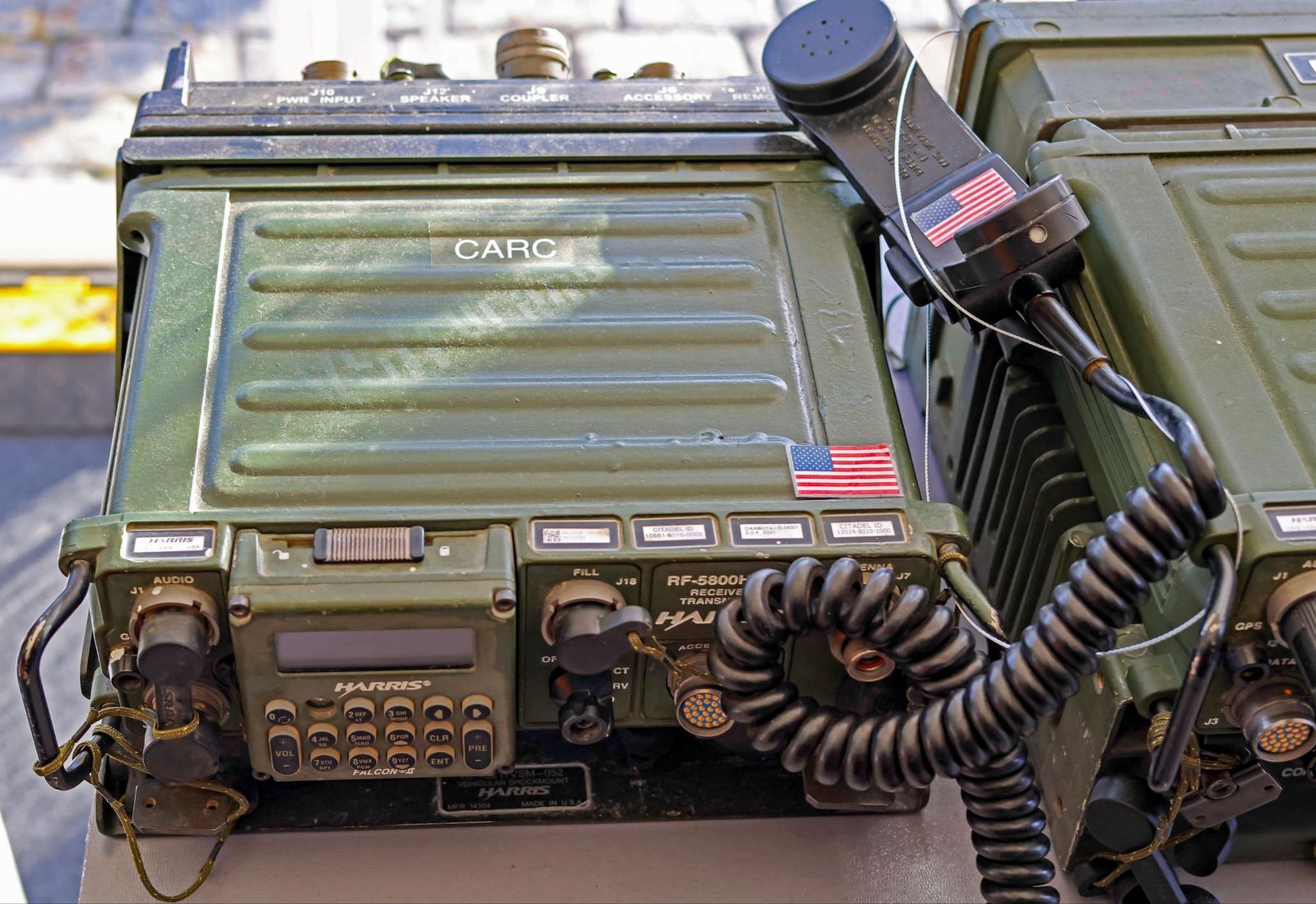
Roger dates back to the early days of radio communication, when the letter R stood for "received." Before the adoption of the NATO alphabet, the US military used Roger instead of Romeo to represent that letter_._

Although modern communications systems have changed and the US military has fully embraced the use of the NATO alphabet, Roger remains standard aviation terminology, and it's one of the best-known radio acknowledgments in the world. It conveys a very simple but important meaning: "I have received and understood your message."

6

Wilco

Image: alleks19760526

Although many people assume Roger and Wilco mean the same thing, they actually convey different messages. Wilco is short for "will comply." In other words, it tells the sender not only that the message was received and understood, but that the instruction will be carried out.

Saying both Roger and Wilco is technically redundant in proper radio communication, since complying necessarily implies understanding, but the combination is often heard in movies and television.

7

Tango

Image: Quality Stock Arts

In the NATO phonetic alphabet, Tango simply represents the letter T. However, US military personnel have also adopted it as a shorthand when referring to a target or a hostile.

This secondary meaning became widely known through military operations in the twentieth century and has since appeared in countless books, films, and video games in phrases like "We've got one Tango moving north."

8

Oscar Mike

Image: Dragos Asaftei

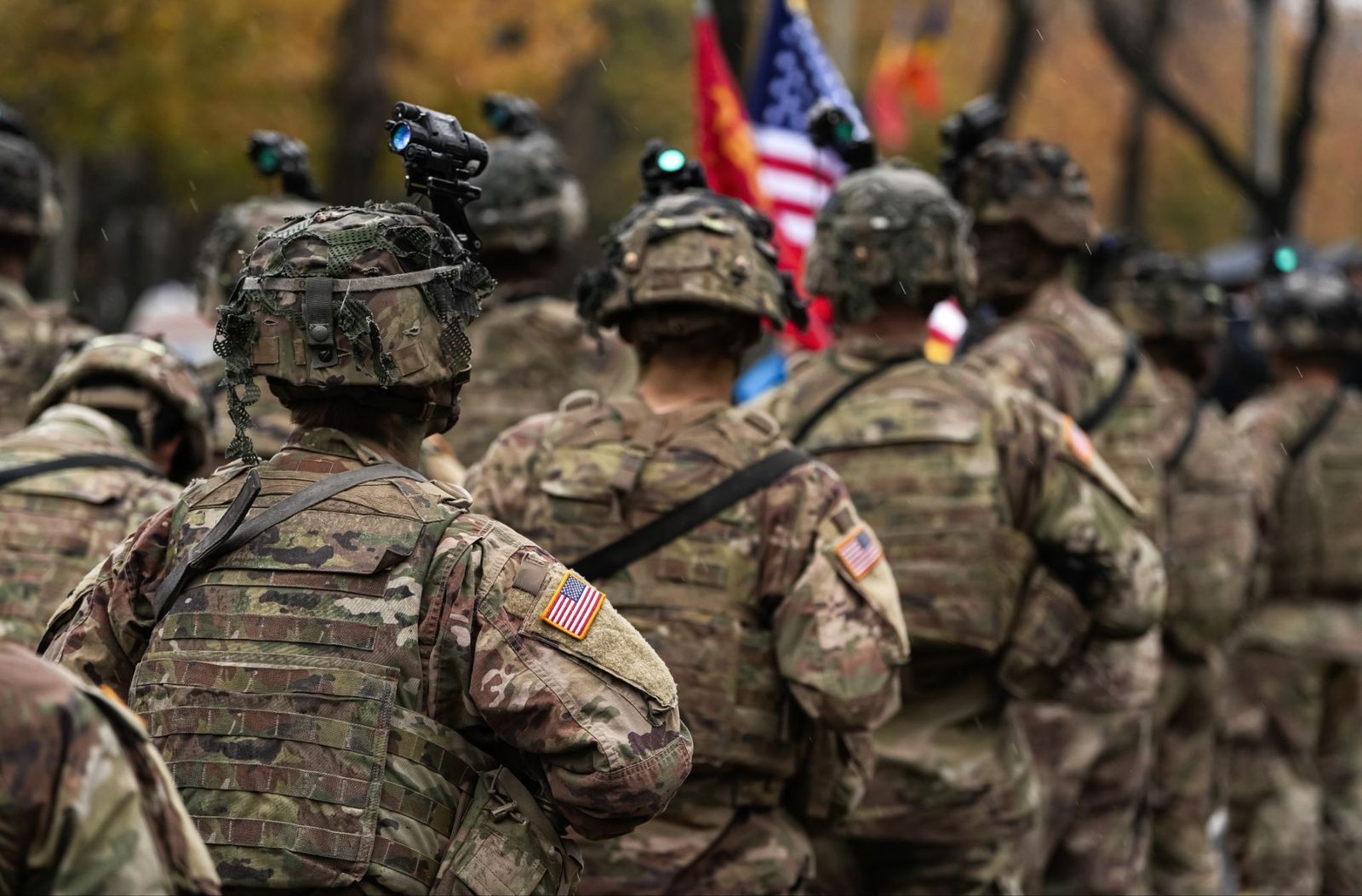
Oscar Mike, NATO for the letters O and M, is military shorthand for "On the Move." It's a quick way of reporting that a unit has begun moving toward its objective.

The expression is especially common in the US military and has become more familiar to the general public through documentaries, memoirs, and films. It's finding its way into civilian life, meaning simply "I'm heading out."

9

10-4

Image: Elliott Cowand Jr

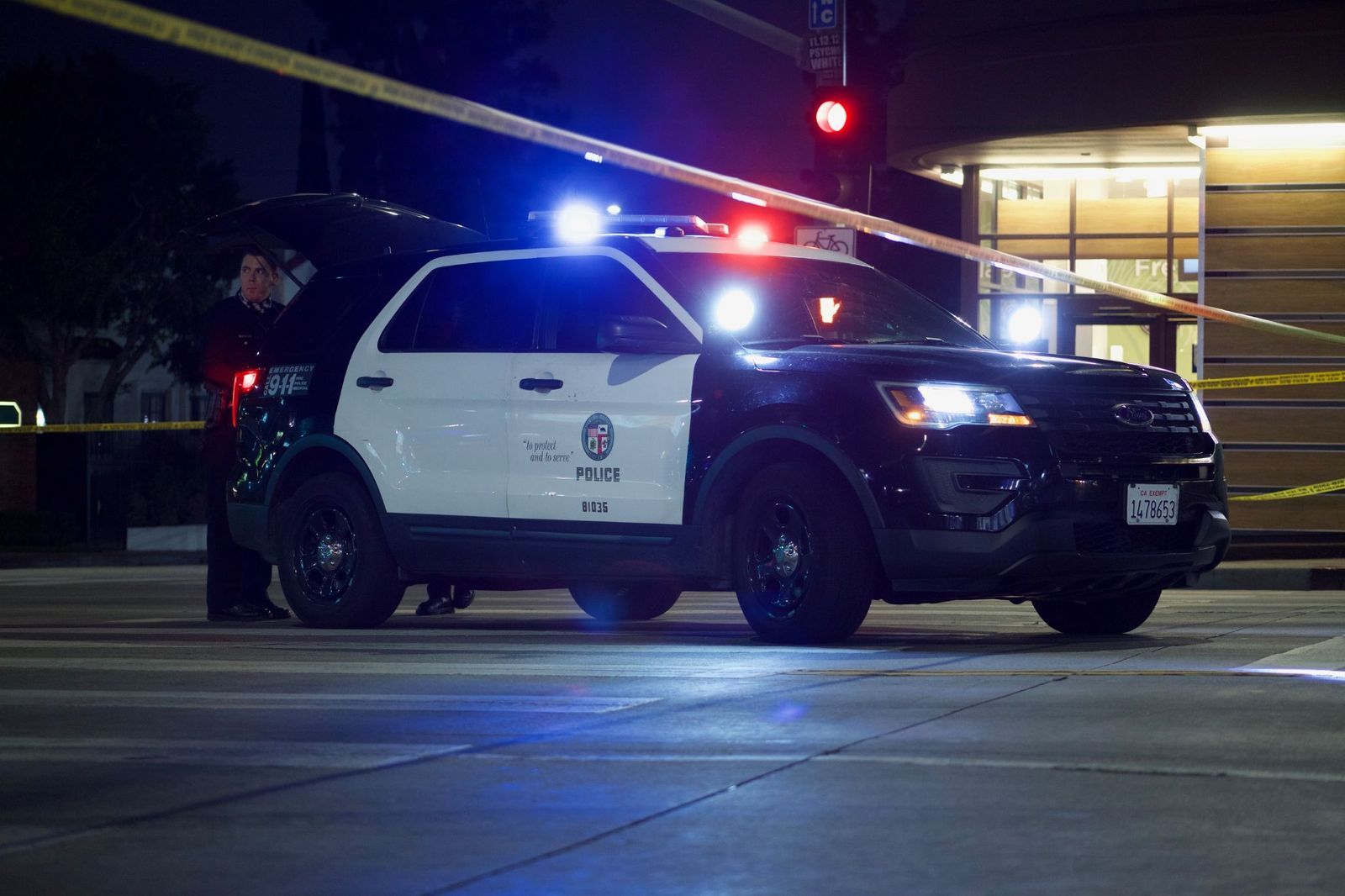
Ten-codes were developed during the 1930s to allow for brevity and standardization of message traffic in radio communications. They were widely adopted by US public safety departments and by radio enthusiasts.

While the system is being slowly phased out in favor of plain language communications, many local police, fire, and sheriff departments keep using it, and it is still strongly associated with radio culture by the general public. One of the most famous ten-codes is 10-4, meaning "received and understood."

10

Code Blue

Image: PeopleImages

Hospitals around the world use color-coded announcements to communicate emergencies without causing unnecessary panic among patients and visitors. Perhaps the best known is Code Blue, indicating that a patient is experiencing cardiac or respiratory arrest and requires immediate medical assistance.

While some hospitals use their own custom color codes, Code Blue has become so widely recognized that it now appears frequently in television dramas and everyday conversation whenever someone refers to a life-threatening medical emergency.

Looking for an extra scoop of literary fun?

Learn more with our Word of the day

dispel

/dəˈspɛl/