Ten bizarre inventions from the past that never caught on

People once caged babies several stories above the street


Published on March 1, 2026


Ever wonder what happened to all those "revolutionary" gadgets that promised to change our lives? Some ideas were just too weird, too early, or too wonderfully impractical to survive. Let's take a nostalgic trip through the patent office's hall of shame.

1

The baby cage (1930s)

Image: Beth Jnr

Back when fresh air was considered a cure-all, London parents who lived in apartments faced a dilemma: how to give their babies outdoor time without a yard? The solution was a wire cage that hung outside the window, suspending Junior several stories above the street. Parents would just pop the baby in the cage and go about their day.

Shockingly, this didn't catch on. Perhaps it was the image of infants dangling precariously over busy sidewalks.

2

The isolator helmet (1925)

Image: Mert Yüce

Imagine a giant goldfish bowl on your head, lined with cork, with only a thin slit to see through. That was the Isolator, designed to help people concentrate by blocking out all distractions. The inventor, Hugo Gernsback, thought sensory deprivation was the key to productivity. An attached oxygen tank let you breathe while you worked.

The problem? Looking like a deep-sea diver at your desk isn't exactly conducive to office camaraderie. Plus, trying to type while essentially wearing a fish tank proved impractical.

3

Motorized ice cream cone (1990s)

Image: Zach Camp

This battery-powered cone featured a small motor that rotated the ice cream for you, so you could just stick out your tongue and let technology do the rest. It was supposed to prevent drips and ensure even licking coverage.

The invention raised an important question: had we become so lazy that rotating our wrist was now an insurmountable challenge? Apparently, the answer was no. The motorized cone disappeared faster than ice cream on a summer day.

4

The Cyclomer (1930s)

Image: Suraj Chilamkruthi

This amphibious bicycle promised to let you pedal across lakes and rivers just as easily as riding down Main Street. It featured a boat-like hull and paddle wheels instead of regular tires. The inventor envisioned commuters cycling across waterways, avoiding bridge traffic entirely.

Unfortunately, the Cyclomer was heavy, slow on both land and water, and required the leg strength of an Olympic athlete to move at anything faster than a crawl.

5

Rejuvenation by goat gland transplants (1920s)

Image: engin akyurt

Dr. John Brinkley convinced thousands of men that transplanting goat testicles into humans would restore youth and vigor. For the bargain price of $750 (about $12,000 today), you could have surgery in his Kansas clinic and supposedly regain the vitality of your younger days.

Unsurprisingly, the procedure didn't work—goat glands don't function in human bodies. Brinkley eventually lost his medical license, but not before making millions.

6

The pedestrian catcher (1920s)

Image: Susan Gold

When cars first became common, someone invented a net-like contraption that attached to the front bumper to scoop up pedestrians before running them over. The idea was that the person would land safely in the net instead of under the wheels. It looked like an industrial-sized butterfly net.

The fatal flaw? Getting hit by a car and caught in a net is still getting hit by a car. Plus, the contraption made vehicles longer and harder to maneuver, probably causing more accidents than it prevented.

7

The piano for bedridden patients (1935)

Image: Beth Jnr

Picture this: you're stuck in bed recovering from illness, and what you really need is a full-size piano suspended over your body. That's what one inventor thought, anyway. The piano hung horizontally above the patient, who could supposedly play while lying flat on their back.

Beyond the obvious safety concerns of dangling a heavy musical instrument over sick people, there was the question of who actually wants to play piano while confined to bed.

8

Dimple-making machine (1936)

Image: bearinthenorth

In an era when dimples were considered irresistibly charming, someone invented a face-shaping device that promised to create them artificially. The contraption used springs and knobs to press into your cheeks for 15 minutes daily until dimples supposedly formed permanently.

It didn't work, of course—dimples are genetic, caused by variations in facial muscle structure. But that didn't stop people from trying.

9

The Hubbard Electrometer (1960s)

Image: Afif Ramdhasuma

L. Ron Hubbard claimed this modified lie detector could measure the electrical characteristics of your thoughts and help achieve spiritual enlightenment. Users held two tin cans connected to a meter while being asked questions. A needle supposedly revealed deep psychological truths.

Scientifically, it was just a simple ohmmeter measuring skin resistance—the same principle behind mood rings. But it cost considerably more and came with significantly more baggage.

10

The radio hat (1949)

Image: Nirmal Chaudhari

Why carry a portable radio when you could wear one on your head? This invention looked like a regular pint-sized baseball cap but contained a tiny AM radio with an antenna poking out the top. Earphones ran down to your ears, letting you listen to broadcasts while keeping your hands free.

The problem was that you looked absolutely ridiculous, like an alien trying to blend in at a baseball game. The reception was terrible, the batteries died quickly, and the whole contraption was uncomfortable.
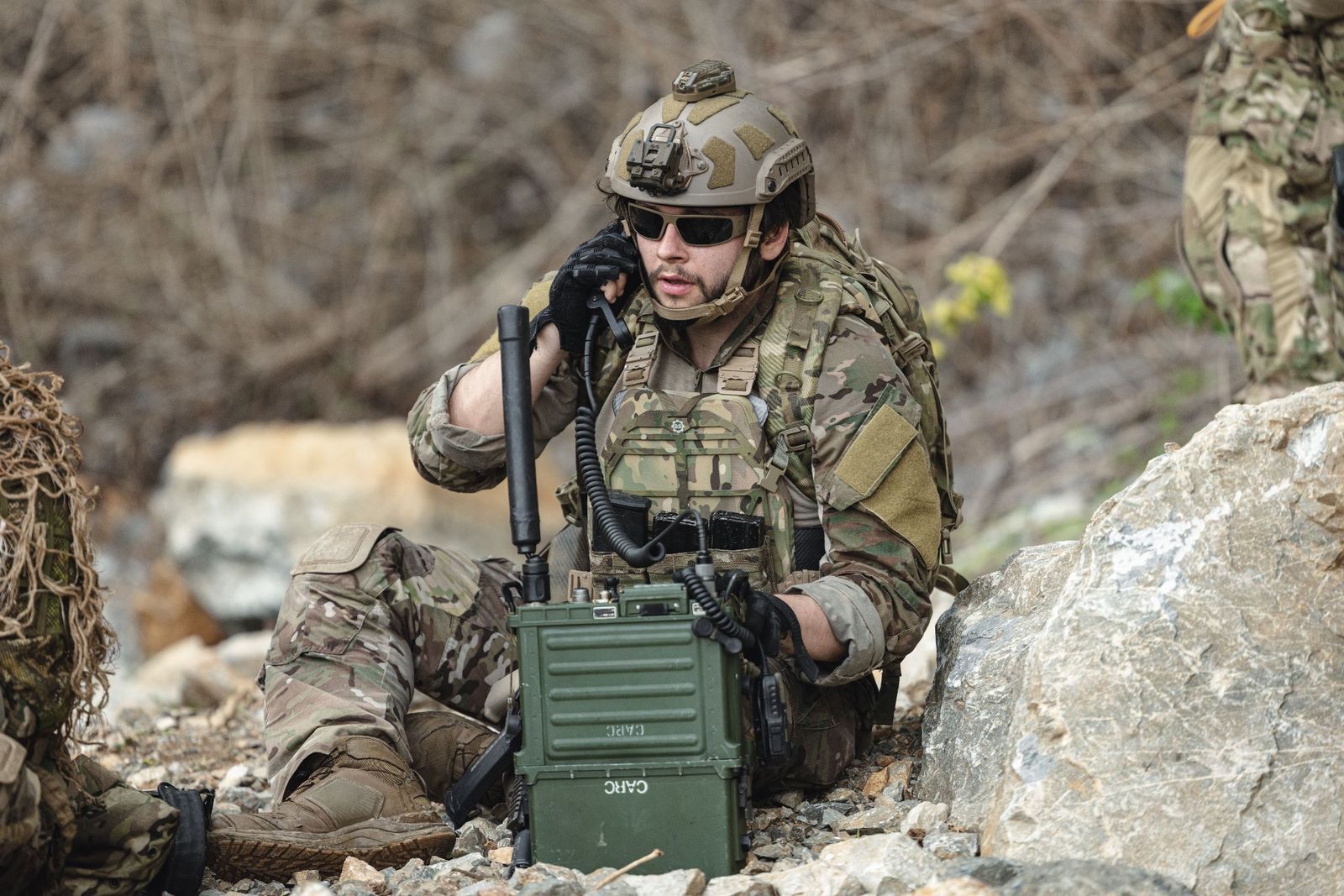
Tango, Bravo

Codewords decoded: How many did you know?


Published on March 1, 2026


Image: orso bianco

In situations where clear communication is paramount, especially when lives are at stake, professionals often rely on standardized codewords and phonetic alphabets designed to prevent confusion. Either from movies or from personal experience, it's probable that you've heard at least some of these before, and many have found their way into everyday conversation. Let's find out how many of these code expressions you can recognize.

1

Mayday

Image: Zhuravlev Andrey

Mayday is the international distress call used when the sender is in immediate, life-threatening danger. Pilots and mariners use it to signal that they require urgent assistance due to situations such as engine failure, fire, flooding, or medical emergencies.

The word was introduced in 1923 by British radio officer Frederick Stanley Mockford, who based it on the French phrase m'aider, meaning "help me," in an attempt to make it internationally recognizable. Hearing this transmission immediately alerts emergency responders that every second counts.

2

Pan-Pan

Image: DenisProduction.com

Not every emergency is severe enough to warrant a mayday call. When a crew faces a problem that is urgent but not immediately life-threatening, the appropriate codeword is Pan-Pan.

Like mayday, it comes from French: it derives from panne, meaning a breakdown or mechanical failure. A Pan-Pan call might be used if an aircraft loses an engine but can still fly safely, or if a ship experiences equipment problems while remaining under control. It tells responders that assistance is needed, but that the situation has not yet become critical.

3

SOS

Image: Grisha Bruev

Few emergency signals are as universally recognizable as SOS. Contrary to popular belief, the letters do not officially stand for "Save Our Ship" or "Save Our Souls." It was adopted in 1906 because SOS is an extremely simple, easy-to-transmit, and unmistakable pattern in Morse code.

SOS remains one of the world's most enduring distress signals, and it's still recognized by rescue organizations all around the globe.

4

NATO Alphabet

Image: Alexandros Michailidis

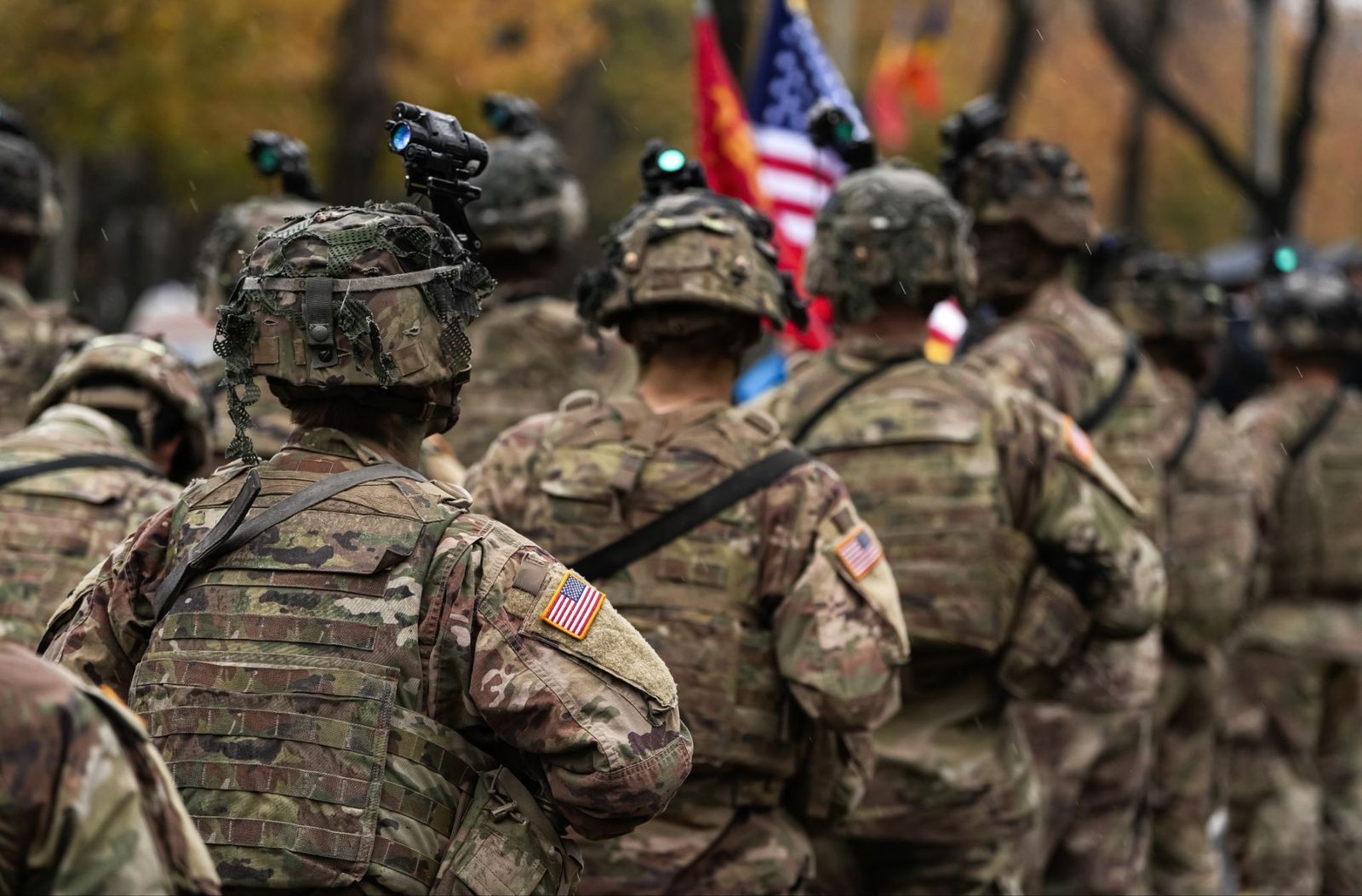
In the NATO phonetic alphabet, each letter is assigned a unique word to eliminate confusion when radio transmissions are distorted by noise or poor reception. If you've ever heard someone spell a name as "Mike Alpha Romeo Yankee," you've encountered the NATO phonetic alphabet.

The system was officially adopted by NATO in the 1950s and is now widely used by militaries, airlines, emergency responders, and many police departments worldwide. Using it greatly reduces the chance of misunderstanding important information over radio.

5

Roger

Image: nelikdulatov

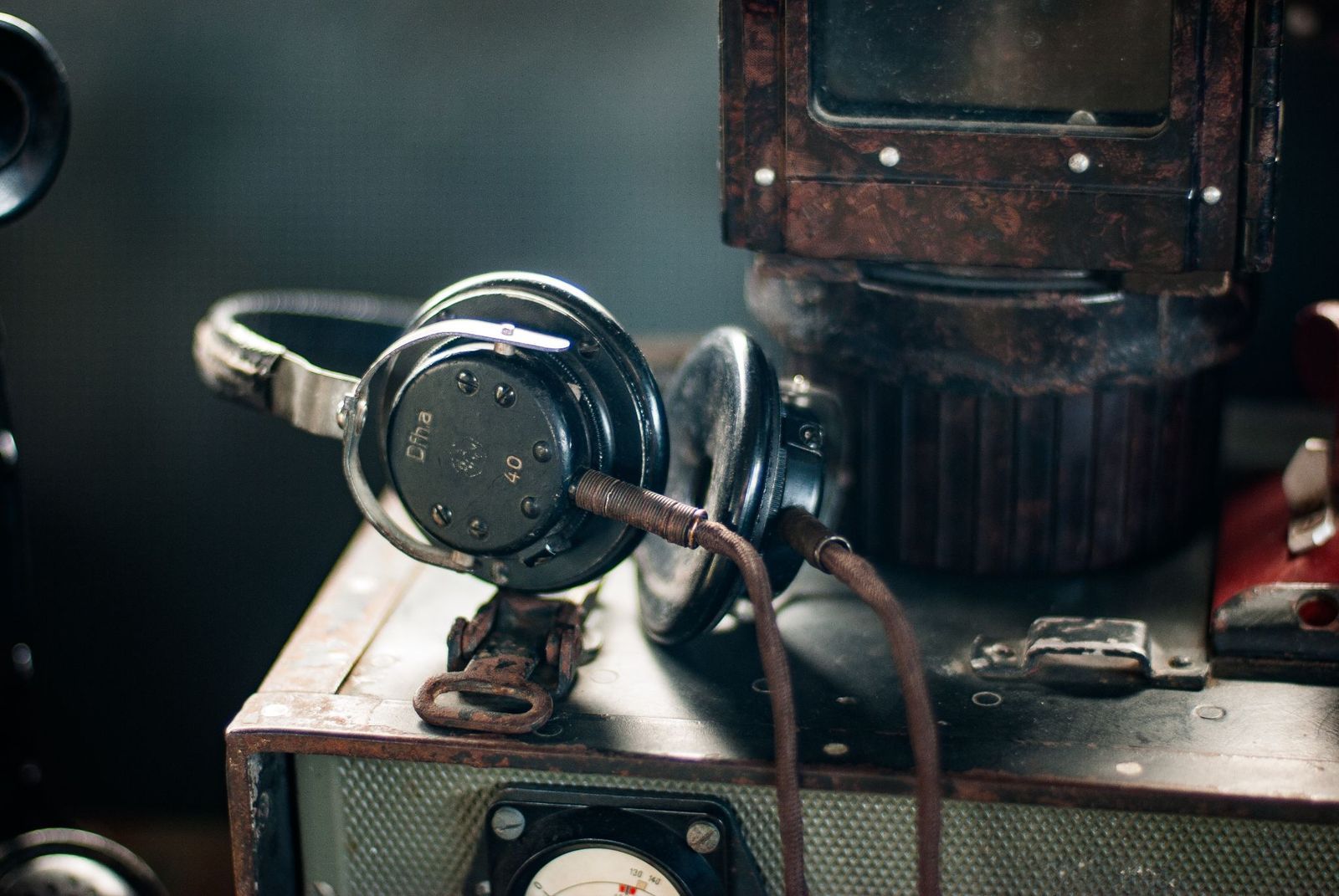
Roger dates back to the early days of radio communication, when the letter R stood for "received." Before the adoption of the NATO alphabet, the US military used Roger instead of Romeo to represent that letter_._

Although modern communications systems have changed and the US military has fully embraced the use of the NATO alphabet, Roger remains standard aviation terminology, and it's one of the best-known radio acknowledgments in the world. It conveys a very simple but important meaning: "I have received and understood your message."

6

Wilco

Image: alleks19760526

Although many people assume Roger and Wilco mean the same thing, they actually convey different messages. Wilco is short for "will comply." In other words, it tells the sender not only that the message was received and understood, but that the instruction will be carried out.

Saying both Roger and Wilco is technically redundant in proper radio communication, since complying necessarily implies understanding, but the combination is often heard in movies and television.

7

Tango

Image: Quality Stock Arts

In the NATO phonetic alphabet, Tango simply represents the letter T. However, US military personnel have also adopted it as a shorthand when referring to a target or a hostile.

This secondary meaning became widely known through military operations in the twentieth century and has since appeared in countless books, films, and video games in phrases like "We've got one Tango moving north."

8

Oscar Mike

Image: Dragos Asaftei

Oscar Mike, NATO for the letters O and M, is military shorthand for "On the Move." It's a quick way of reporting that a unit has begun moving toward its objective.

The expression is especially common in the US military and has become more familiar to the general public through documentaries, memoirs, and films. It's finding its way into civilian life, meaning simply "I'm heading out."

9

10-4

Image: Elliott Cowand Jr

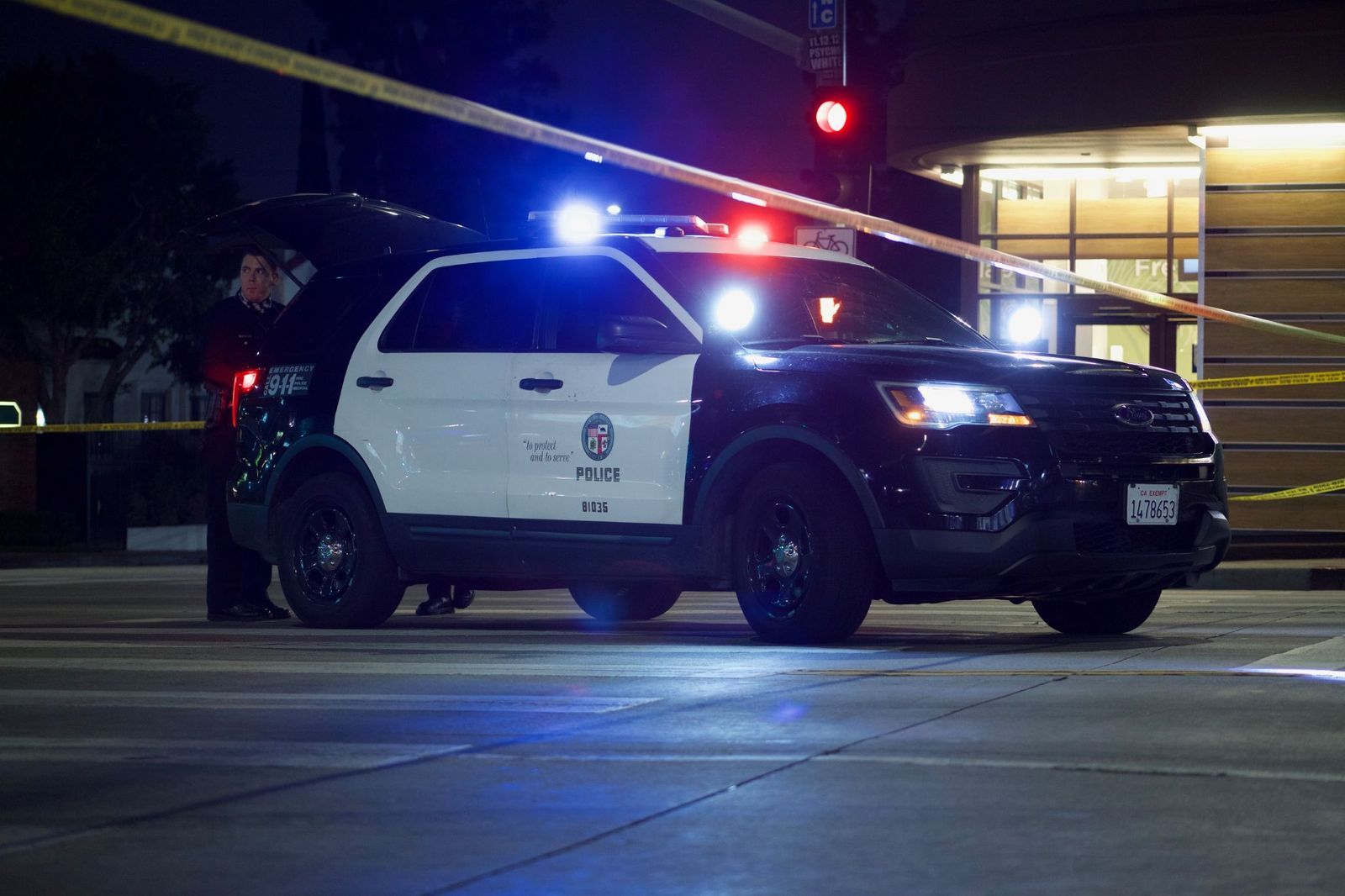
Ten-codes were developed during the 1930s to allow for brevity and standardization of message traffic in radio communications. They were widely adopted by US public safety departments and by radio enthusiasts.

While the system is being slowly phased out in favor of plain language communications, many local police, fire, and sheriff departments keep using it, and it is still strongly associated with radio culture by the general public. One of the most famous ten-codes is 10-4, meaning "received and understood."

10

Code Blue

Image: PeopleImages

Hospitals around the world use color-coded announcements to communicate emergencies without causing unnecessary panic among patients and visitors. Perhaps the best known is Code Blue, indicating that a patient is experiencing cardiac or respiratory arrest and requires immediate medical assistance.

While some hospitals use their own custom color codes, Code Blue has become so widely recognized that it now appears frequently in television dramas and everyday conversation whenever someone refers to a life-threatening medical emergency.

Looking for an extra scoop of literary fun?

Learn more with our Word of the day

buttress

/ˈbətrəs/