Nature’s ingenuity

10 animal architects that put human engineers to shame


Published on December 16, 2025
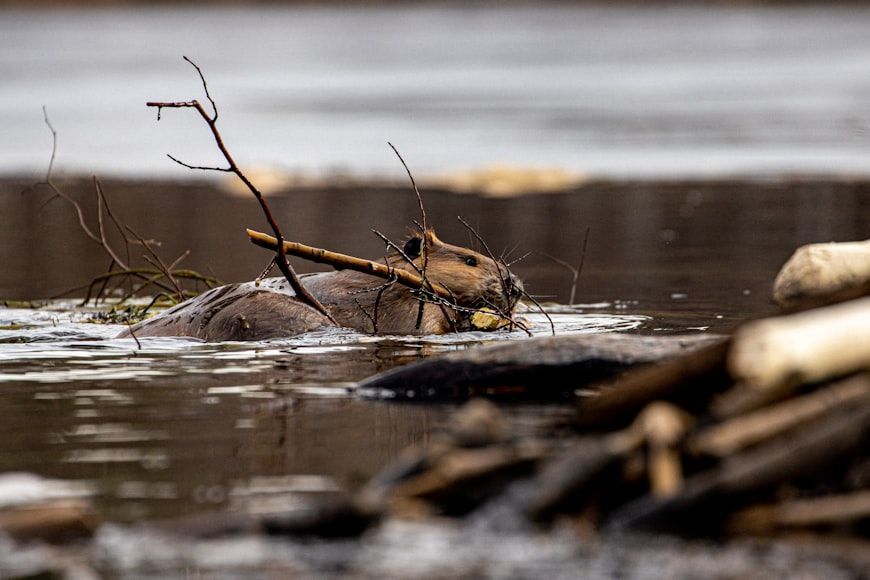

Image: Derek Otway

Humans pride themselves on skyscrapers, domes, and bridges—but animals were building architectural marvels long before blueprints existed. Across land, sea, and sky, many creatures design complex structures that are highly efficient, sustainable, and engineered for survival. Here are 10 examples where nature’s architects have outdesigned even our most advanced builders.

1

Termite mounds

Image: Ingeborg Korme

Termites in Africa and Australia build towering mounds with natural ventilation systems that regulate temperature and humidity. Some stand over 30 feet tall.

Their tunnels and chimneys allow gas exchange and moisture control. Scientists have even modeled eco-buildings on their passive airflow design.

2

Beehives

Image: Boba Jaglicic

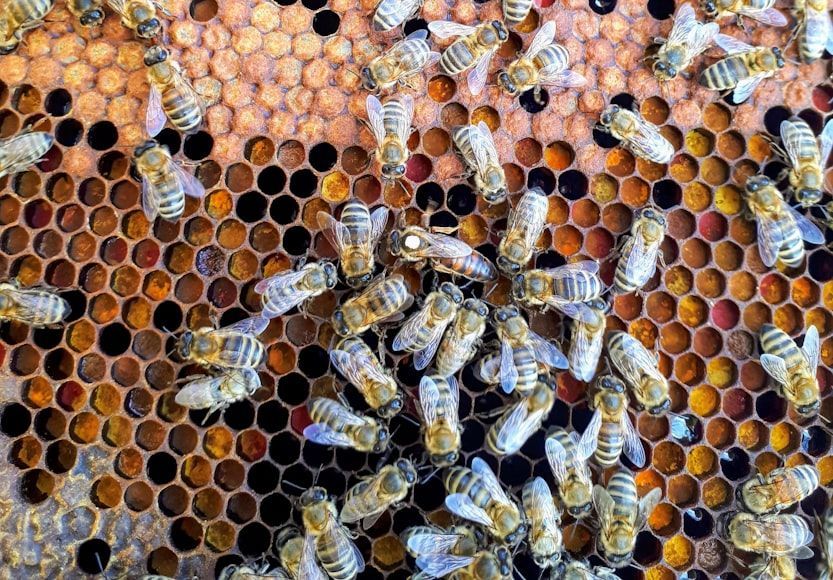
Honeybees build hives with mathematically precise hexagonal cells that maximize space and minimize material use—no wasted wax.

The hexagonal shape offers structural strength while storing the most honey using the least wax, a principle engineers now use in space and aerospace design.

3

Coral reefs

Image: Shaun Low

Built by coral polyps, reefs are massive calcium carbonate structures that house thousands of marine species. The Great Barrier Reef is even visible from space!

Corals build by secreting limestone over generations, forming stable, self-sustaining ecosystems with complex flow dynamics and nutrient cycling.

4

Weaverbird nests

Image: viswaprem anbarasapandian

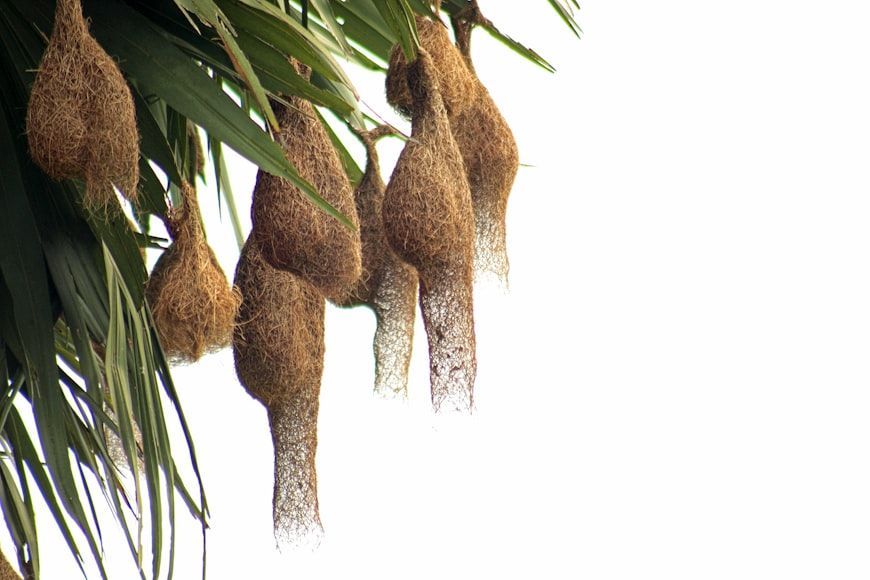
Weaverbirds intricately knot grass and twigs to build nests suspended from branches. Some designs have separate chambers for eggs and waste.

They tie over 10,000 knots per nest using only their beaks. The nests are rainproof, predator-resistant, and aerodynamically sound.

5

Ant colonies

Image: Victor G

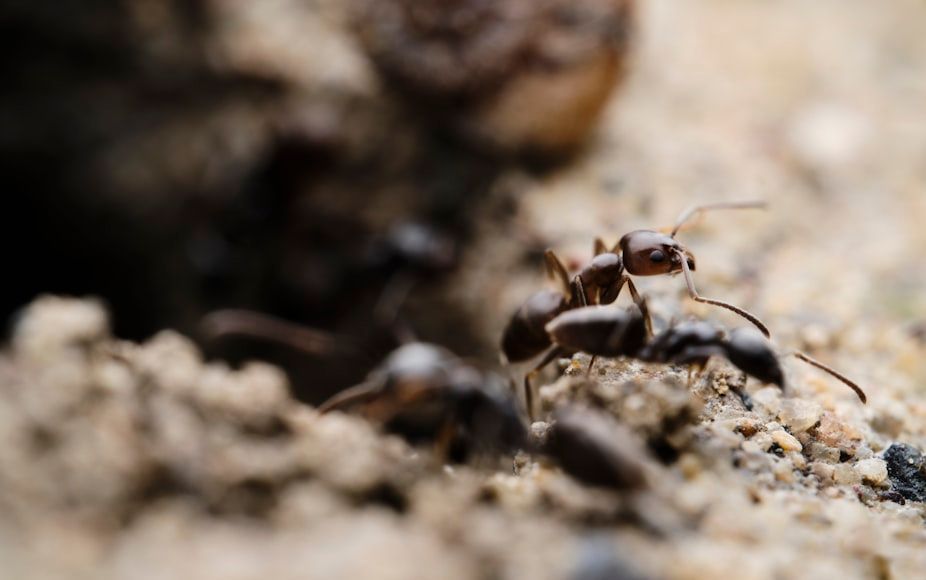
Leafcutter ants and other species excavate massive underground colonies that contain chambers for food, nurseries, and fungus farms.

Some supercolonies cover hundreds of yards and are engineered to handle ventilation, moisture control, and traffic flow with no central planning.

6

Beaver dams

Image: Derek Otway

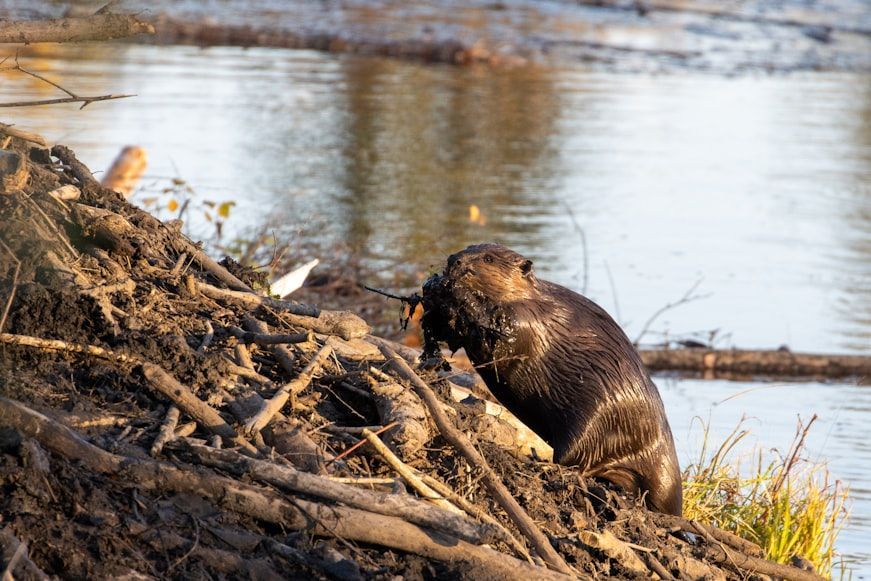
Beavers alter entire landscapes by building dams from logs, mud, and stone to create deep ponds that protect their lodges from predators.

Their dams slow water flow, reduce erosion, and promote wetland biodiversity. They even inspect and repair damage regularly, like human engineers.

7

Pufferfish circles

Image: David Clode

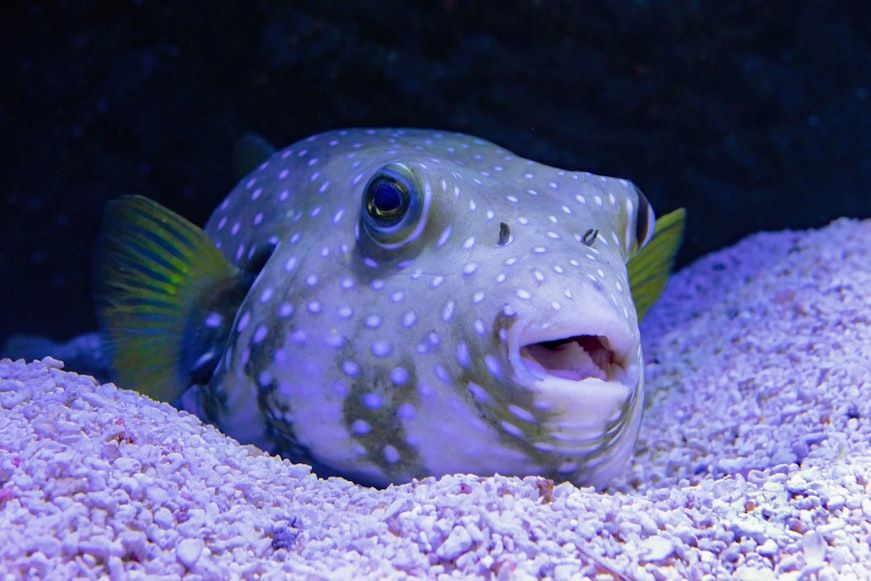
Male white-spotted pufferfish create large, symmetrical circles on the seafloor to attract mates, sculpting them with fins and body movements.

These formations—up to 7 feet wide—include ridges and central pits designed to reduce water flow and protect eggs from sediment.

8

Trapdoor spider burrows

Image: Егор Камелев

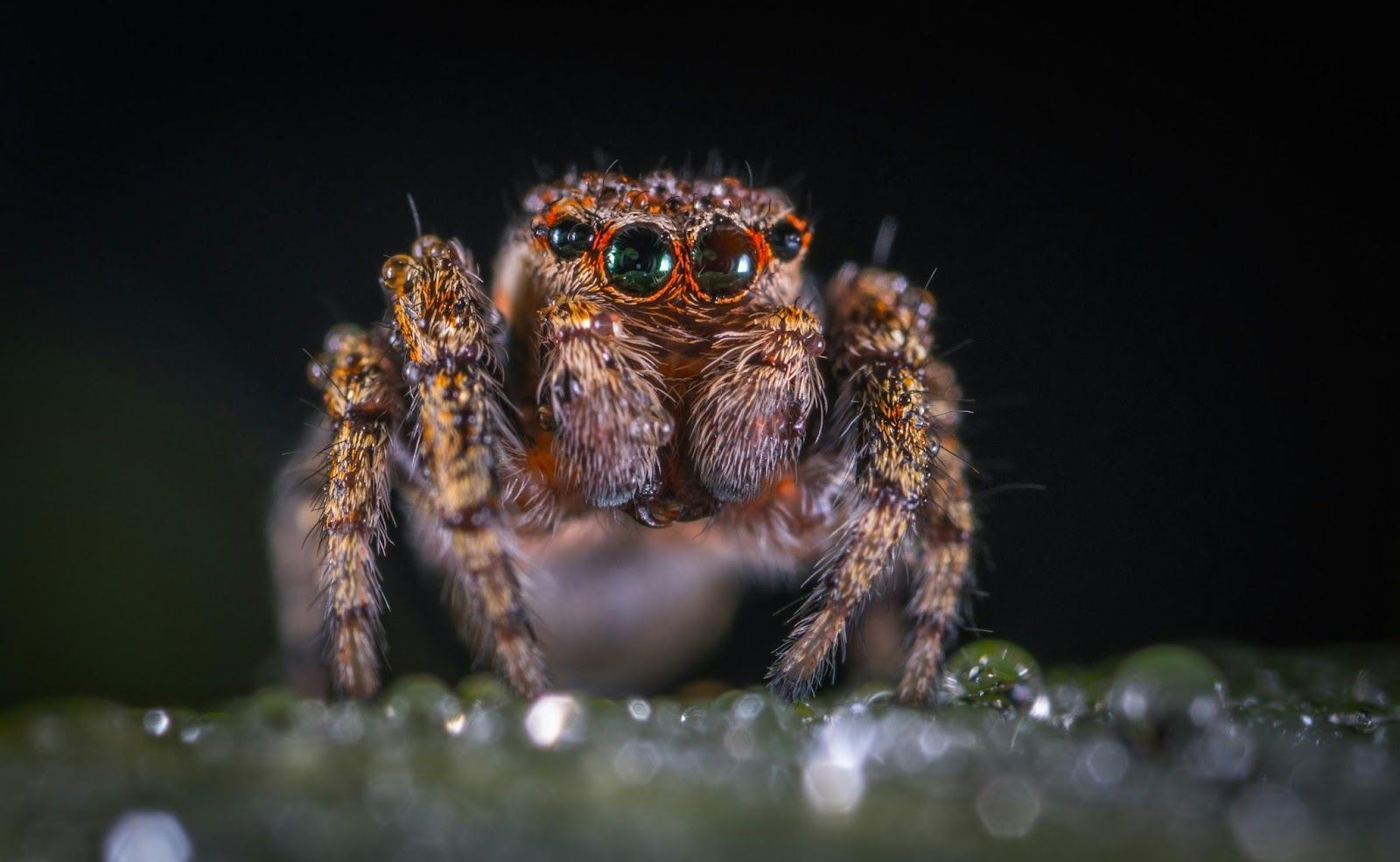
These spiders dig vertical burrows with a silk-hinged lid, perfectly camouflaged with soil and debris, creating hidden, ambush-ready homes.

The door snaps shut tightly to block predators, while underground tunnels offer shelter and a launch point for hunting.

9

Octopus dens

Image: Diane Picchiottino

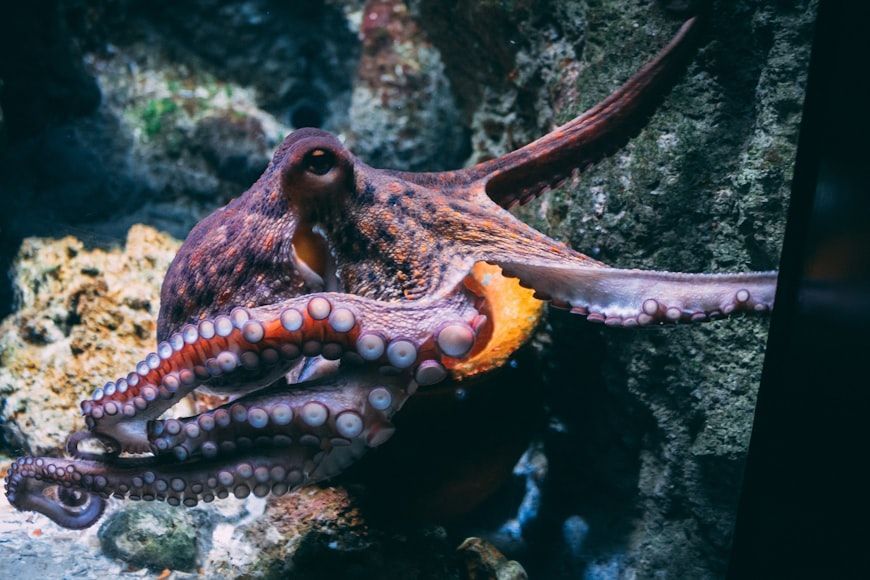
Off the coast of Australia, octopuses have created dense clusters of dens made from shells and debris, nicknamed "Octopolis."

These communal sites challenge the notion of octopuses as strictly solitary. The dens are strategically arranged for defense and food access.

10

Naked mole-rat colonies

Image: ahmad kanbar

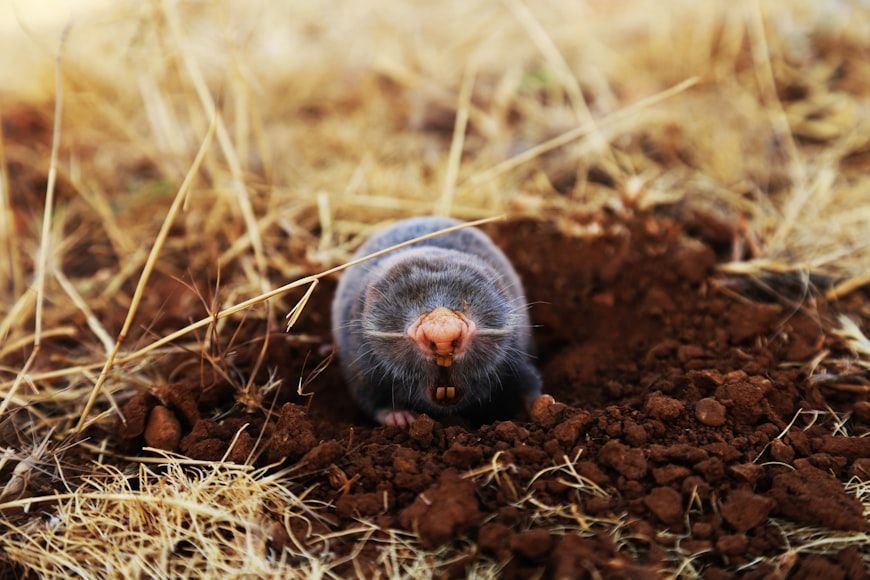
Naked mole-rats build some of the most complex mammal tunnel systems, complete with toilets, food storage, nurseries, and even ventilation shafts.

The colonies can span several hundred yards, housing dozens of individuals ruled by a single breeding queen, functioning more like insect colonies than typical mammals.
Which one stole your heart?

No, Golden Retrievers weren't bred to fetch gold: Dog breed names 101


Published on December 16, 2025


Image: Glenn

Do you love dogs? From royal companions to fearless hunters and from German badger dogs to barkless African hounds, the names of our favorite breeds often hold surprising stories. Whether you’re a fan of the stoic Mastiff, the sassy Poodle, or the majestic Husky, there’s a tale behind each name that might surprise you. Let’s dig in!

1

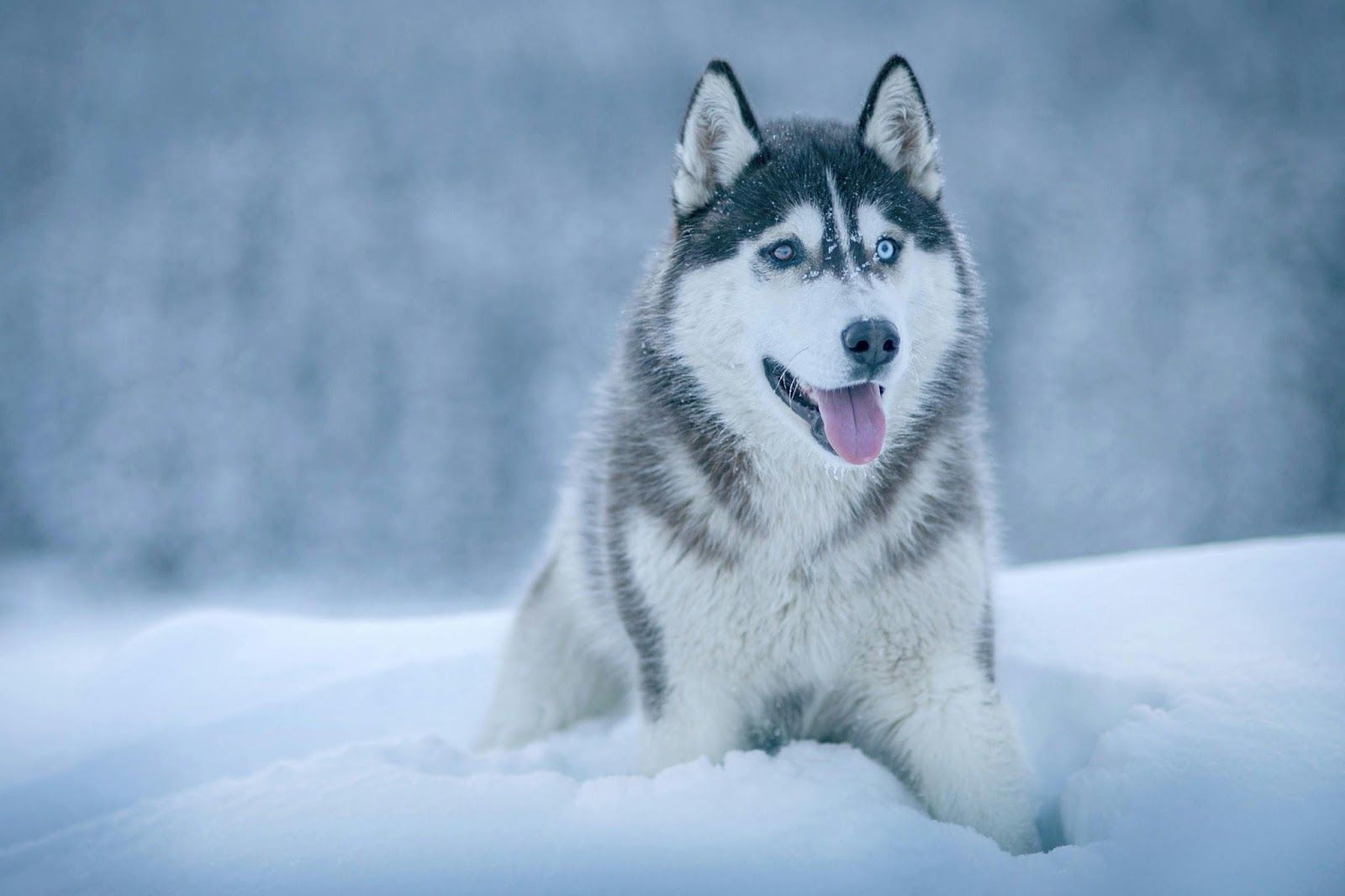
Husky

Image: photo nic

The beautiful, blue-eyed Husky is inseparable from dog-sledding lore. The breed’s name evolved from the word "Eskimo."

English sailors once slurred "Eskimo" into "Uskee" or "Huskemaw," which eventually transformed into "Husky."

2

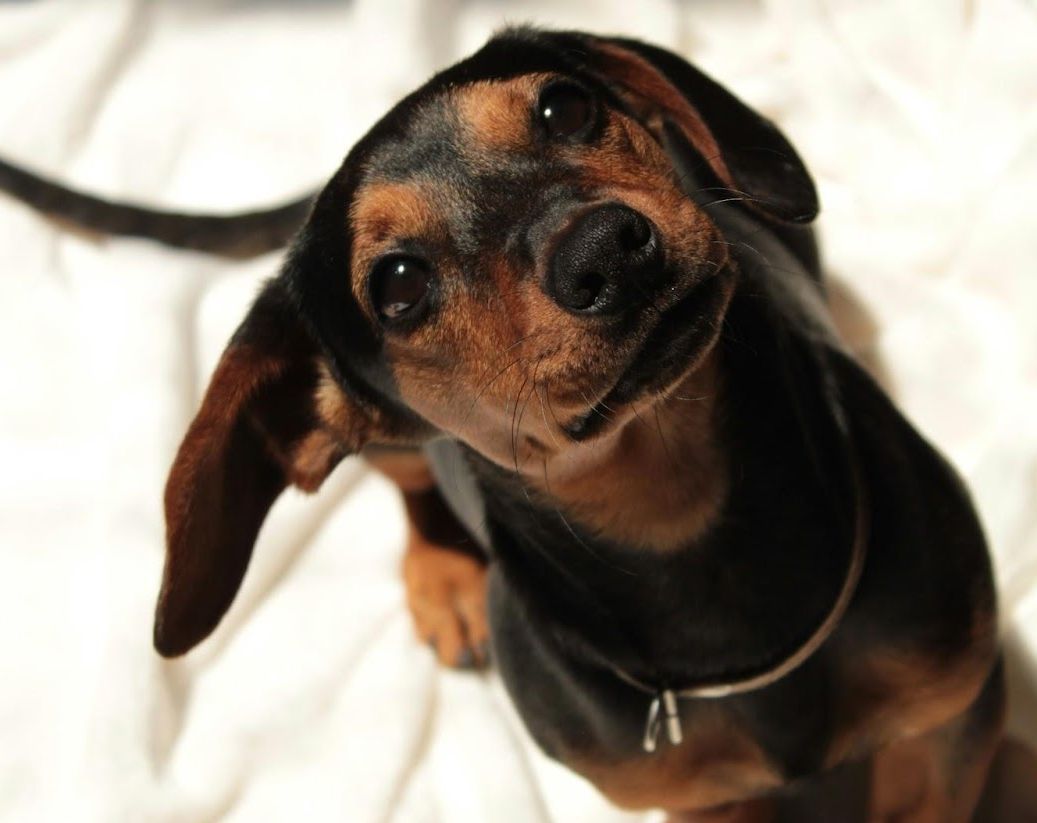
Dachshund

Image: Alondra Pavón

What’s not to love about wiener dogs? Their original name, however, refers not to their iconic sausage shape but to the purpose for which the breed was developed.

Dachshunds were bred to hunt badgers and other burrowing animals, with their long bodies and short legs making them ideal for digging into tunnels. The name is a German compound of Dachs (badger) and Hund (dog), meaning "badger dog."

3

Schnauzer

Image: Irene

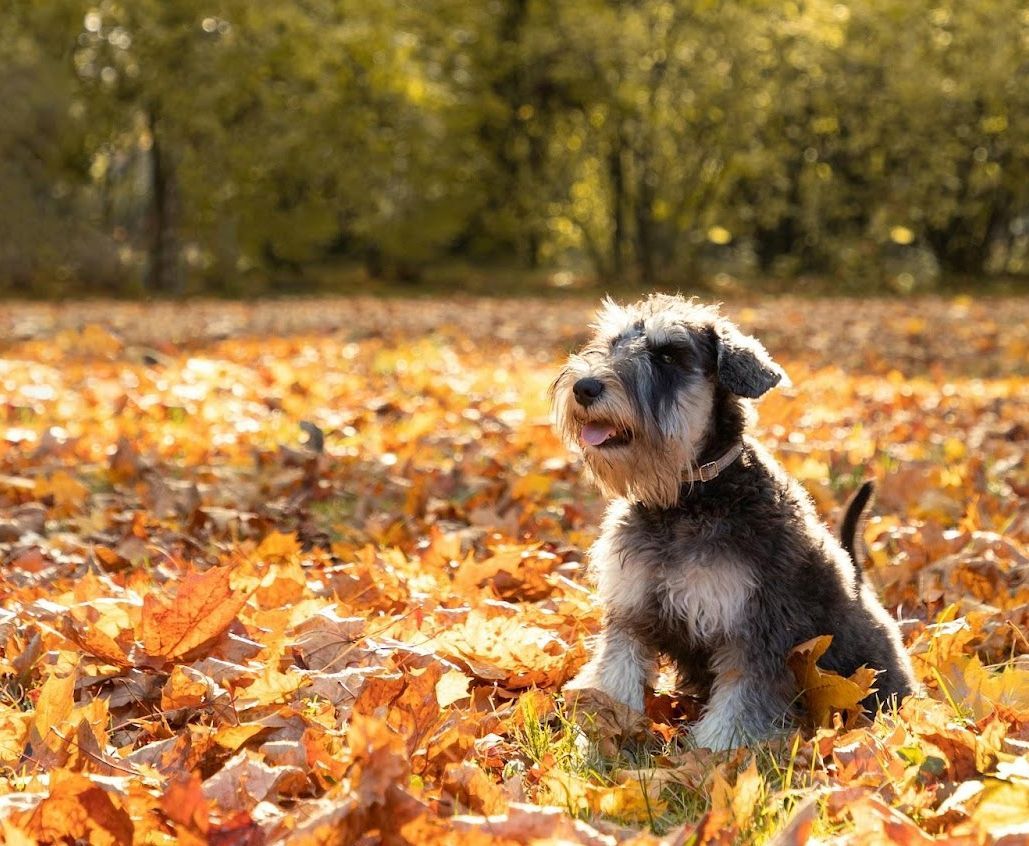
There are three beloved varieties of Schnauzer—miniature, standard, and giant—and each has had its moment in pop culture.

The breed takes its name from its distinctive "mustache" or schnauze (snout) in German, literally meaning "snouter" or "muzzle." Originally, Schnauzers were used as rat-catchers and guard dogs in Germany.

4

Doberman

Image: Anna Kozakova

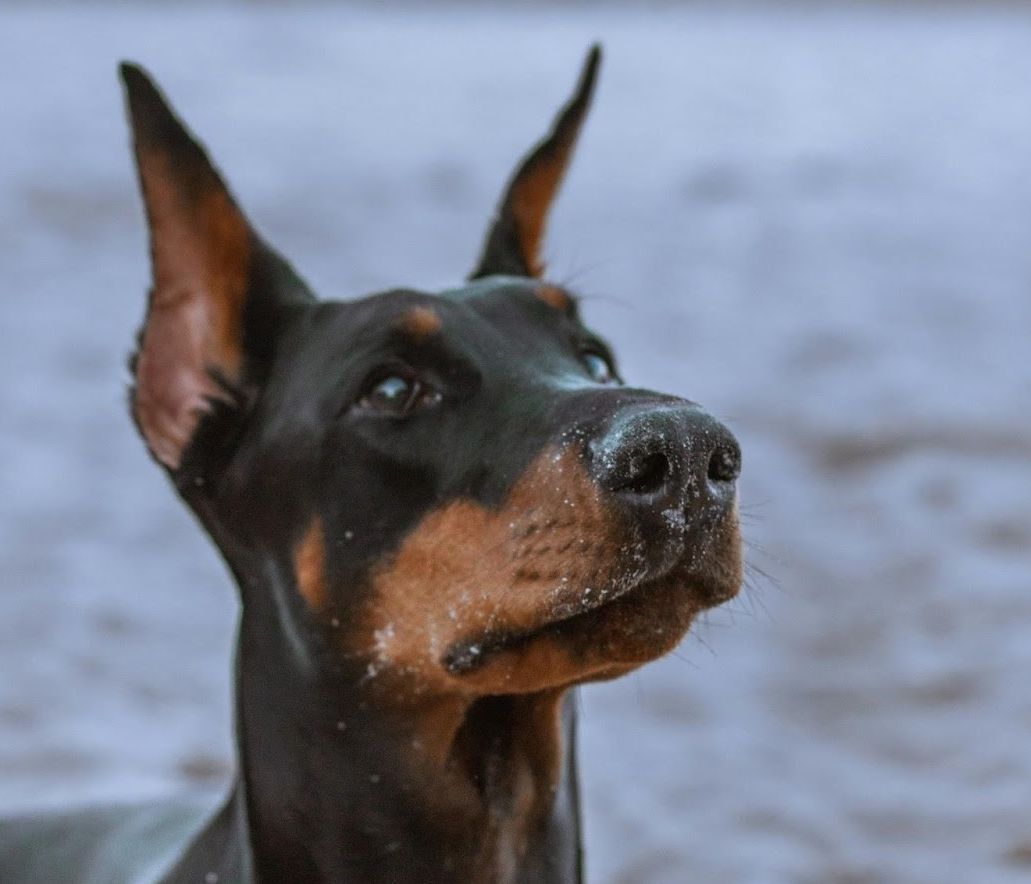
Often portrayed as guard dogs or police K-9s in film, Dobermans were named after Karl Friedrich Louis Dobermann, a 19th-century German tax collector who developed the breed as a loyal and protective companion for his dangerous rounds.

5

Corgi

Image: Alvan Nee

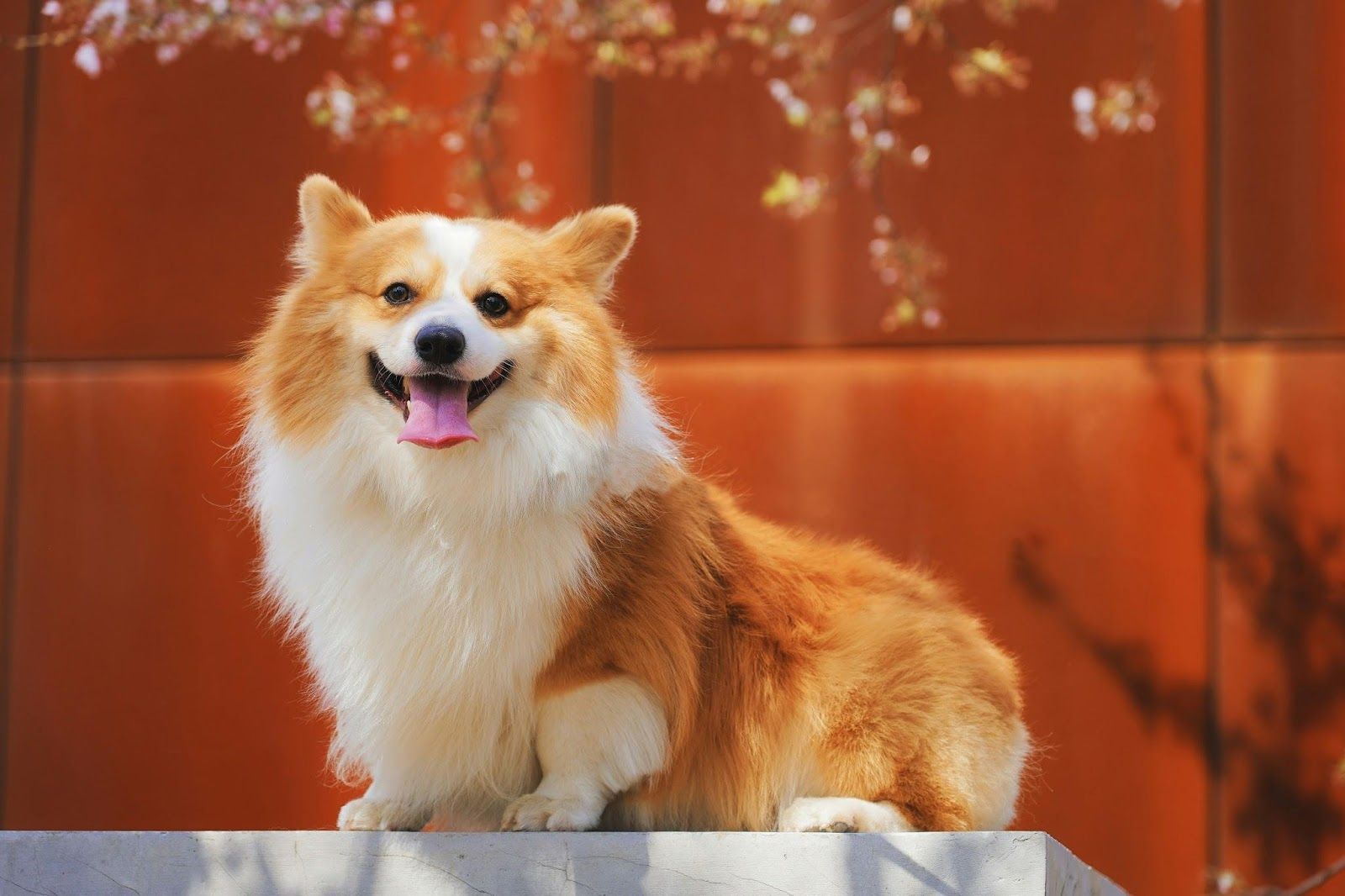
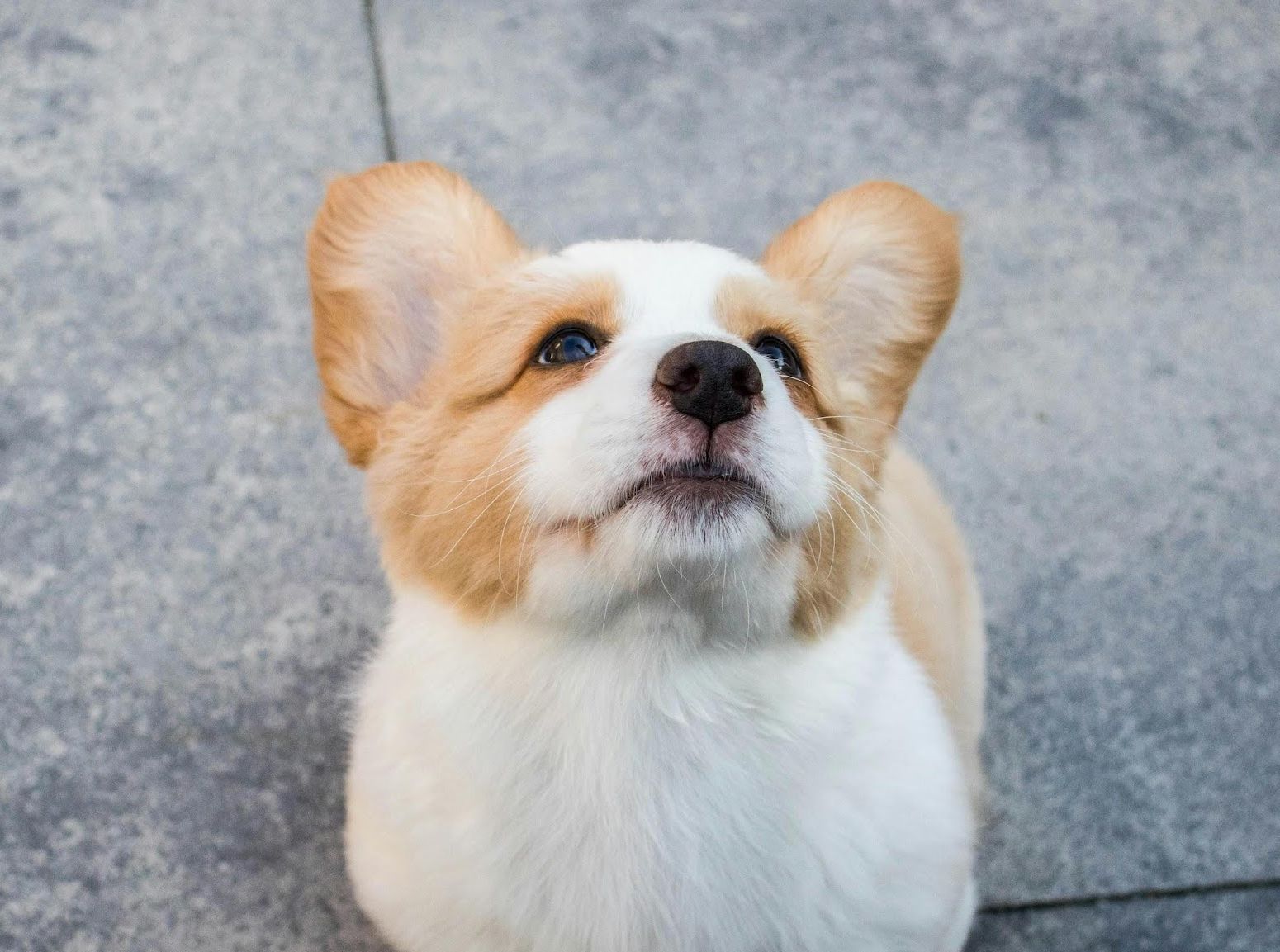
Queen Elizabeth II’s beloved Welsh Corgis made the breed internationally famous. In Welsh, cor means "dwarf" and gi (a soft mutation of ci) means "dog," so Corgi translates to "dwarf dog." Indeed, the breed originated in Wales, where it was used for herding cattle by nipping at their heels. Over time, Corgis also became a cultural symbol of British royalty.

6

Basenji

Image: TomasHa

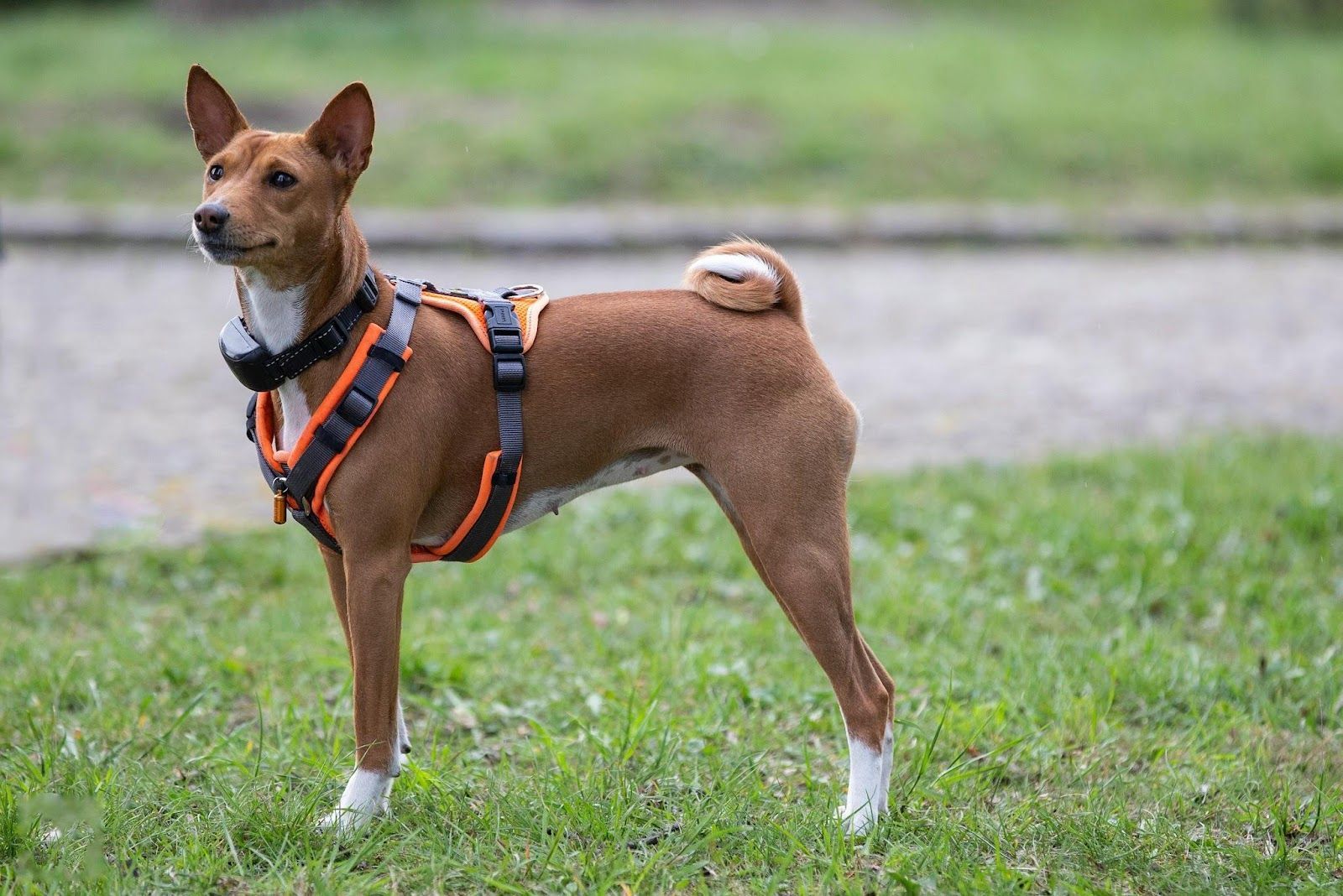
Known as the "barkless dog" of Central Africa—because of its unique larynx structure, which produces a yodel-like sound (baroo) instead of a bark—the name "Basenji" comes from a Bantu language and roughly translates to "village dog" or "bush thing." The breed is ancient and was used for hunting in the Congo.

7

Labrador Retriever

Image: Joshua Köller

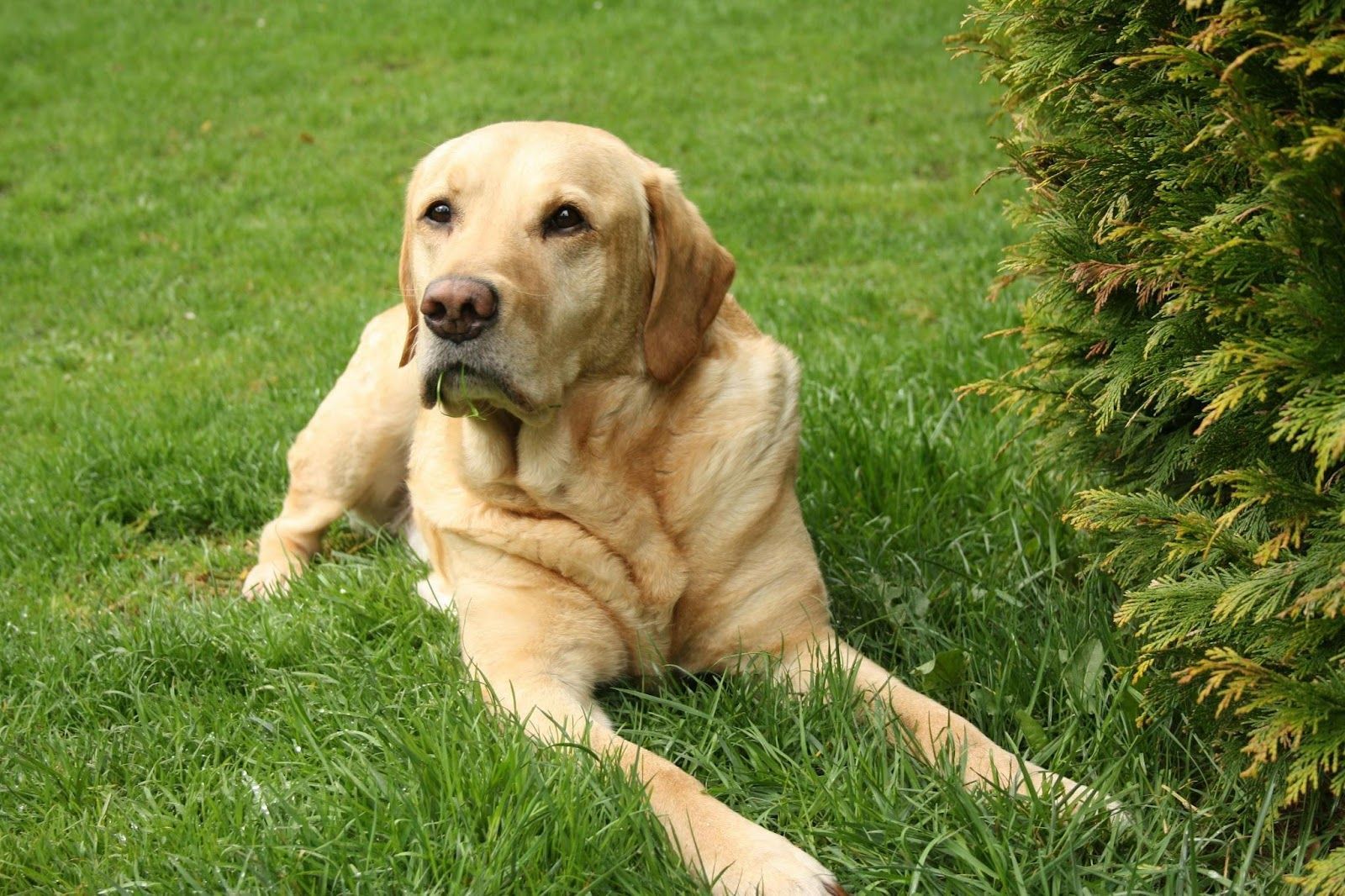
Did you know the Labrador Retriever has been America’s most popular dog breed for decades? Despite its name, the breed did not originate in Labrador but in Newfoundland.

It was called "Labrador" because British breeders associated the dogs with the Labrador Sea and the nearby region, while "Retriever" refers to the breed’s role in hunting.

8

Golden Retriever

Image: Justin Aikin

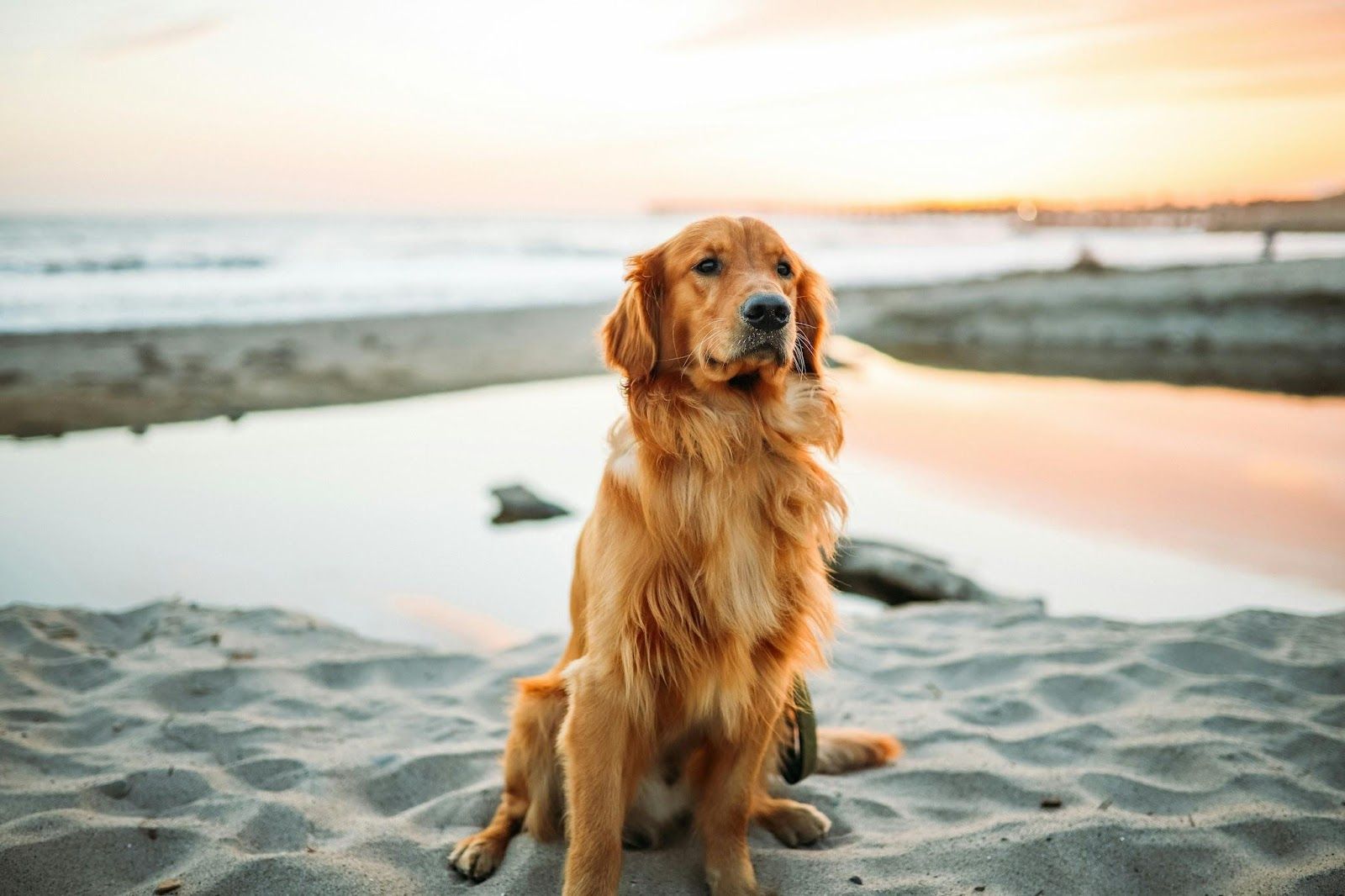
So, did Golden Retrievers retrieve gold? Short answer: no. Like Labradors, they were bred to retrieve game for hunters, but the "golden" part of their name refers to their beautiful coat.

The breed was developed in Scotland in the 19th century by crossing several breeds to create an obedient, water-loving gun dog.

9

Beagle

Image: Rahul danga

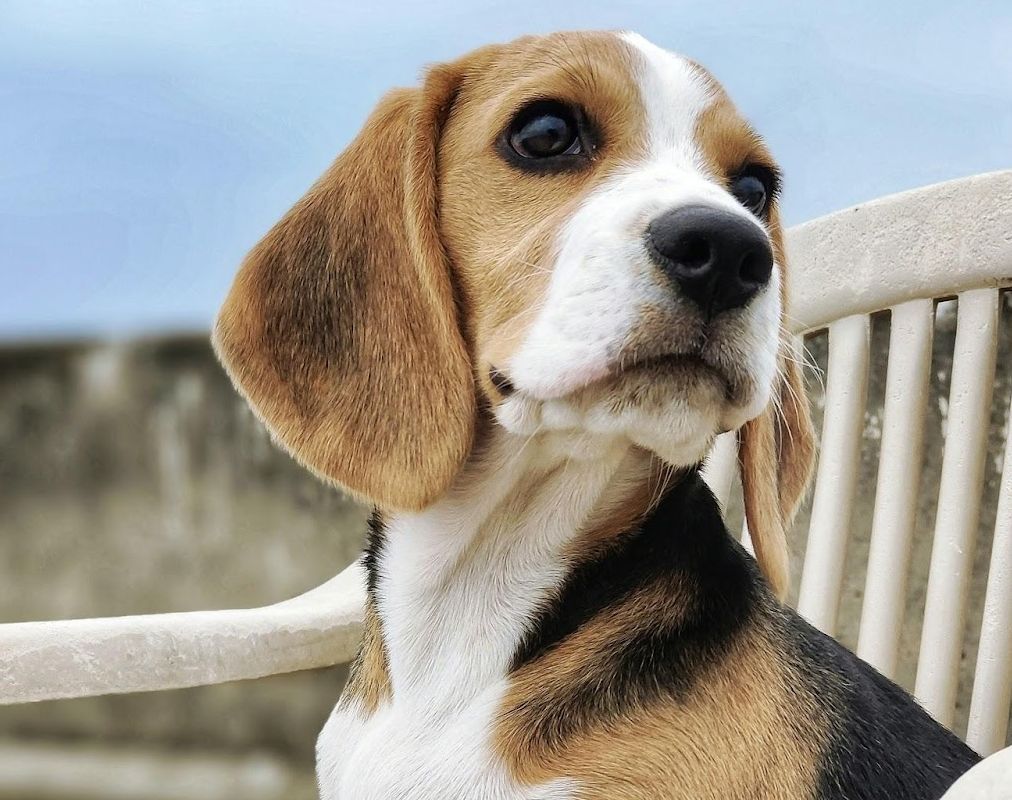
Snoopy is perhaps the most famous Beagle out there, even though we only saw him in black and white.

The origin of this beloved breed’s name is debated. It may derive from the Old French begueule, meaning "open throat," a nod to their baying howls. Others trace it to Celtic or Old English words meaning "small."

10

Poodle

Image: Tra Tran

Always pampered and impeccably groomed! If the term "Poodle" has always reminded you of "puddles," you are not far off. The name comes from the German Pudel or Pudelin, meaning "to splash in water." Poodles were originally bred as water retrievers, so their name reflects this aquatic work.

11

Pug

Image: Bruce Galpin

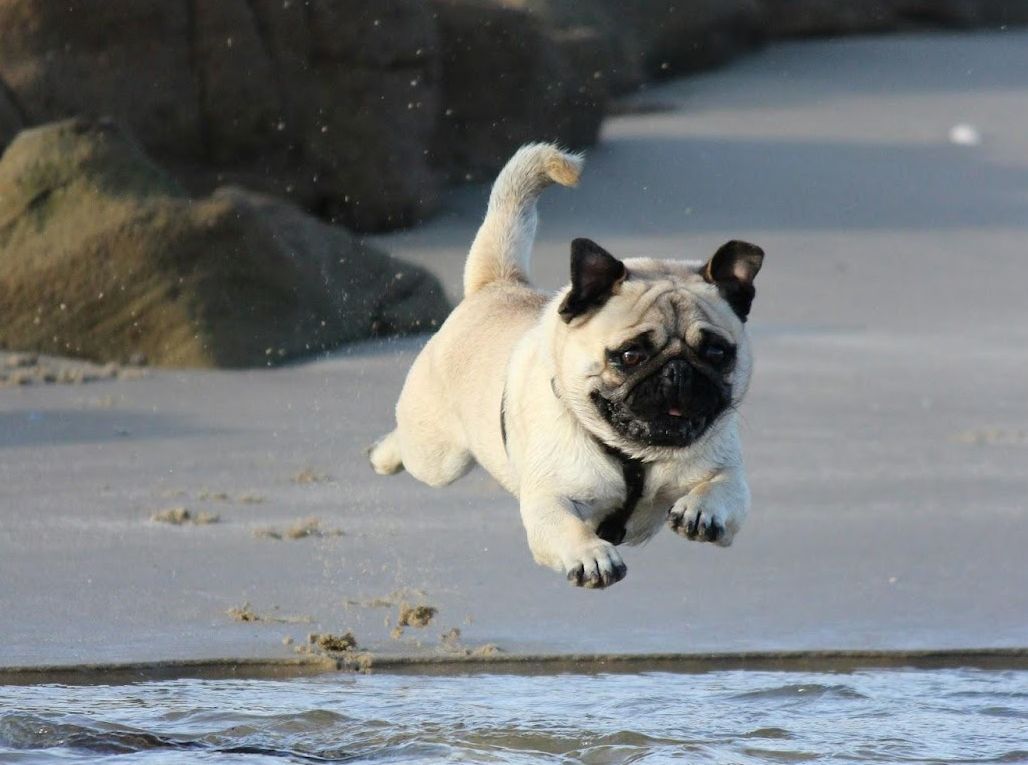
Pugs’ features and expressive faces have made them a source of comic relief in pop culture. There is no consensus about the origin of their name, however.

Some say that it derives from the Latin pugnus, meaning "fist," perhaps referencing their squished, fist-like face. Others say that in 18th-century England, "pug" was also a term of endearment for something small and compact-looking.

12

Boxer

Image: Jackson Jorvan

Athletic, energetic, and full of protective instincts, Boxers are true family guardians. But why the name?

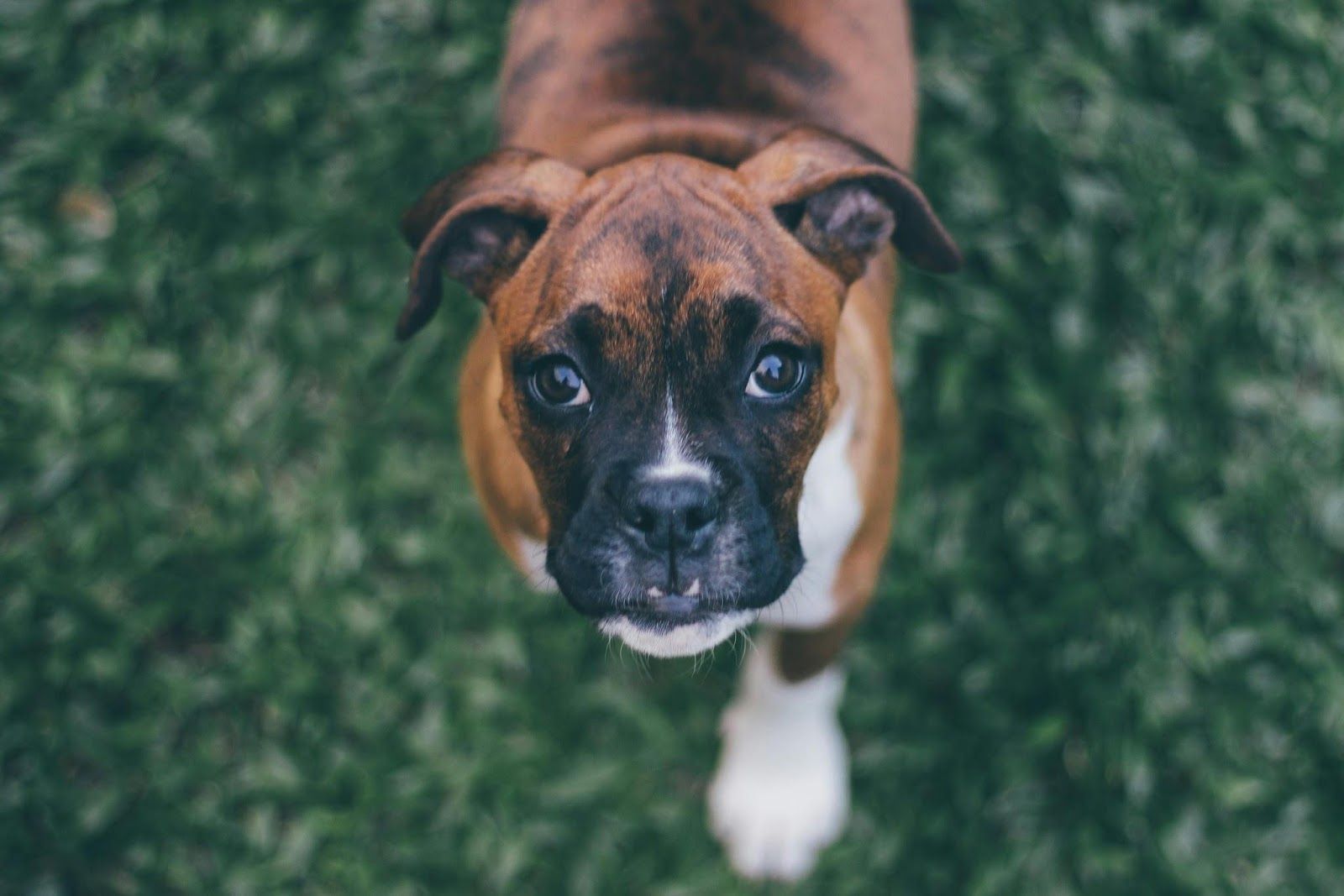
It is thought to come from the breed’s tendency to use its front paws in play, like a boxer in the ring. Another theory links the name to the German word Boxl, a nickname for the breed in Bavaria.

13

Mastiff

Image: Sophie Hollies 🇨🇭🇫🇷 🇬🇧

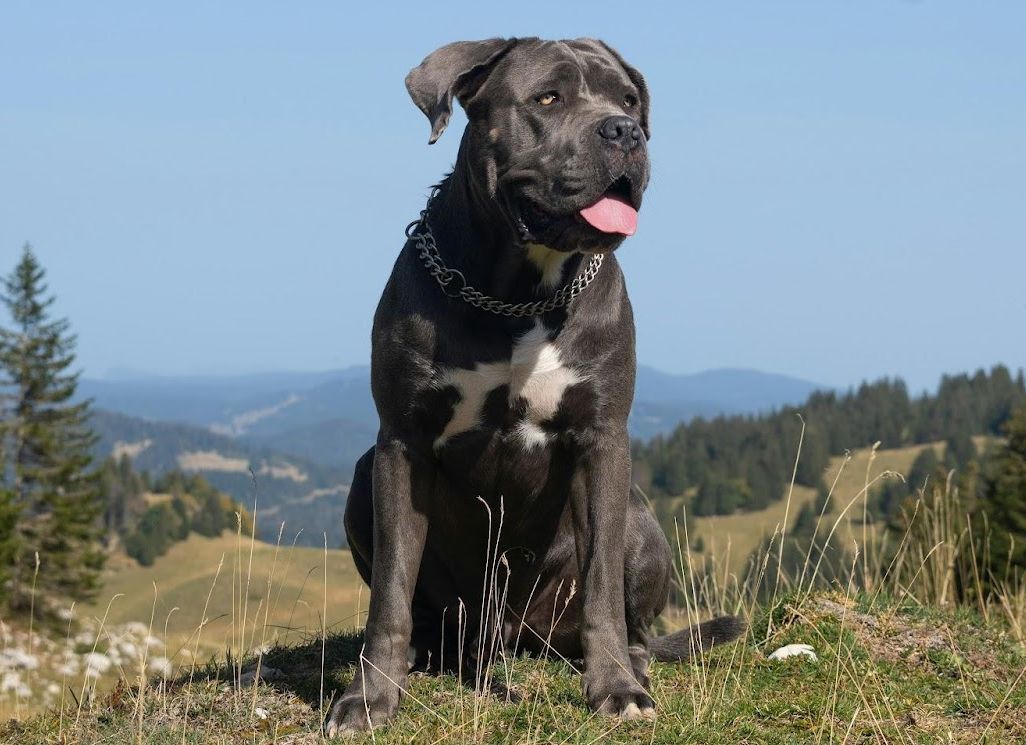
As calm and noble as they are huge, Mastiffs were named after the Old French mastin or the Latin mansuetus, meaning "tame" or "domesticated." Despite their imposing size, Mastiffs were bred to guard homes and estates while remaining loyal and gentle with their owners.

Looking for an extra scoop of literary fun?

Learn more with our Word of the day

befitting

/bəˈfɪdɪŋ/