Dangerous truths

10 dangerously wrong beliefs—from lightning to antibiotics


Published on April 24, 2026

Image: Lucian Alexe

We all think we know how the world works, but many "common sense" beliefs are flat-out wrong. From everyday health myths to misunderstood science, these misconceptions can mislead you, waste your time, or even put you at risk. Here are 10 things you are dangerously wrong about, backed by real facts.

1

Lightning never strikes the same place twice


Image: Michał Mancewicz

Contrary to popular belief, lightning can strike the same place more than once. Since lightning often targets tall, conductive structures, multiple strikes to the same location are not uncommon.

For example, the Empire State Building is hit an average of 23 times per year. The myth persists because rare events seem unique, but statistics show that repeated strikes are common, especially in high-risk areas.

2

Antibiotics treat viruses

Image: Roberto Sorin

Antibiotics target bacteria, not viruses. Using them for colds or the flu is ineffective and promotes antibiotic resistance.

Prolonged misuse can lead to resistant bacterial strains, making future infections harder to treat. Correct diagnosis is critical for proper treatment.

3

Bulls hate red

Image: Gavia

Bulls are actually color-blind to red. Their reactions in bullfighting are triggered by the movement of the cape, not its color.

The bright red (and similarly striking colors) was likely chosen to make the cape more visible to the human audience from a distance, enhancing the spectacle.

4

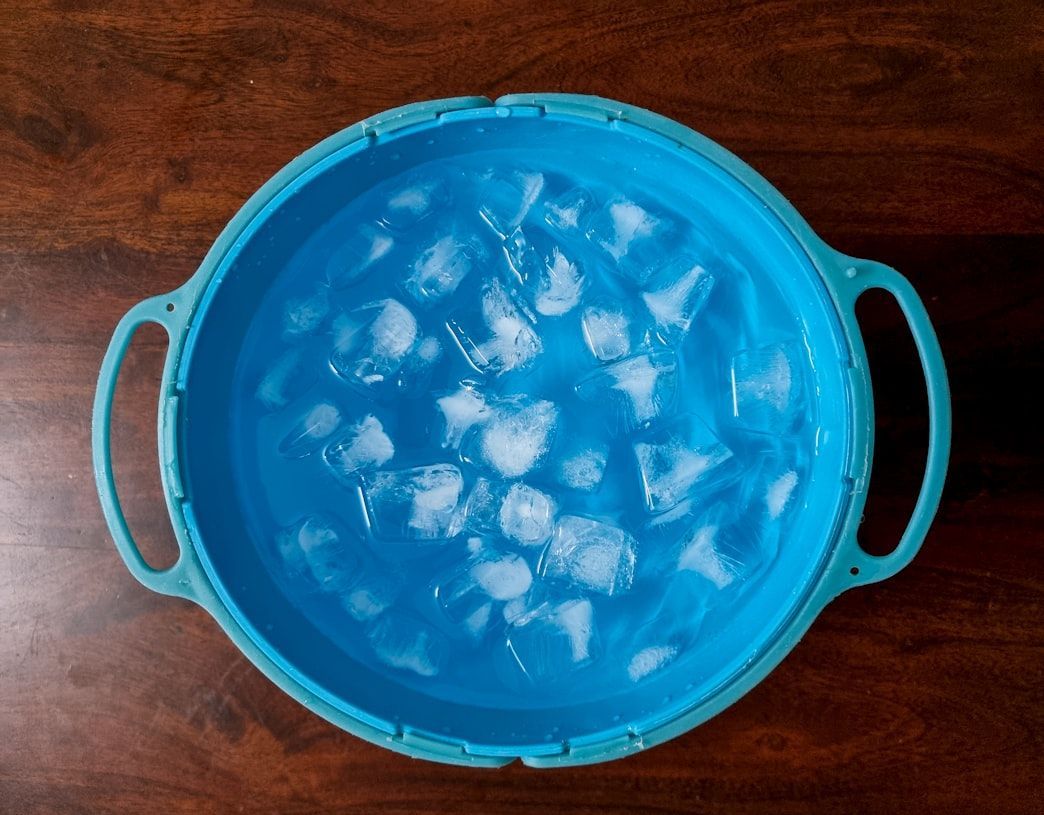
Ice baths cure sore muscles

Image: Aman Krishna

Cold therapy offers temporary relief but doesn’t accelerate long-term muscle recovery. Overuse can impair adaptation to training.

Inflammation is part of muscle repair; blocking it too aggressively can reduce strength gains over time.

5

You need eight glasses of water a day

Image: Janosch Lino

Fluid needs vary by body size, activity, and climate. For some, eight glasses is excessive; for others, insufficient.

Relying strictly on this rule can cause dehydration or overhydration. Thirst and urine color are better indicators.

6

Sunburn isn’t harmful if it peels later

Image: Arturo Rivera

Even a single sunburn increases your lifetime risk of skin cancer, including melanoma. Peeling skin doesn’t undo DNA damage; it’s actually skin cells committing suicide to prevent the spread of harmful mutations.

Sunscreen, protective clothing, and shade are essential. Ignoring sun safety poses a serious health risk.

7

Don’t wake a sleepwalker

Image: Alexey Demidov

Waking a sleepwalker is safe. They may be disoriented or confused, but letting them roam unattended is far more dangerous.

The only real risk is injury from falls or collisions, not the act of waking them.

8

Natural sugar is harmless

Image: Myriam Zilles

Fructose in fruit is healthier than processed sugar, but overconsumption still strains the liver and metabolism.

Even "natural" sugars can contribute to obesity, insulin resistance, and diabetes if intake is excessive.

9

Hand sanitizer replaces washing hands

Image: Kelly Sikkema

Sanitizers can’t safely remove all pathogens, especially dirt and chemicals. Washing with soap and water is always more effective.

Over-reliance on sanitizers can actually increase infection risk, particularly during gastrointestinal or respiratory outbreaks.

10

Vinegar makes all cleaners better

Image: Precious Plastic Melbourne

Mixing vinegar with bleach, hydrogen peroxide, or other cleaners can create chlorine or peracetic acid fumes—both highly toxic.

Even small amounts can irritate eyes, lungs, and skin. Believing vinegar universally "boosts" cleaning power is dangerous; always read labels and avoid mixing chemicals.

A what?

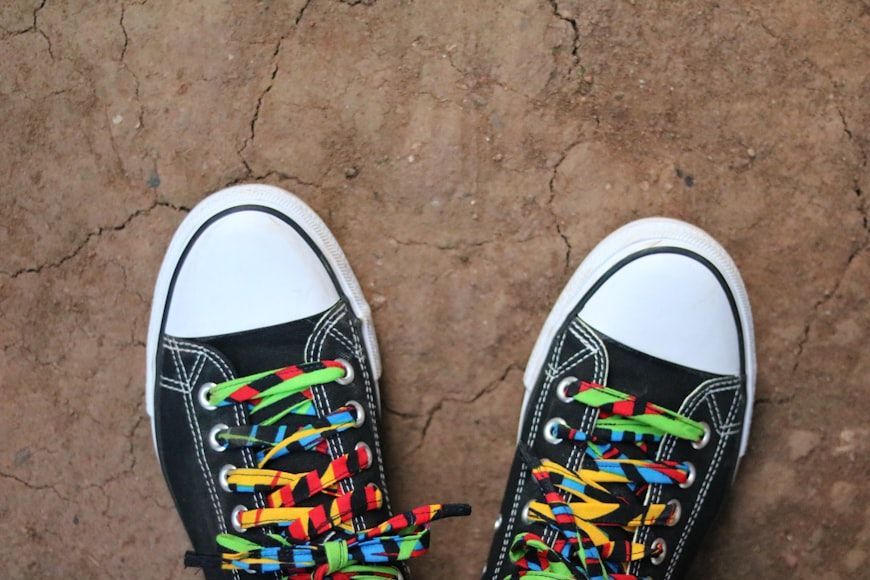
What is the name for the tip of your shoelaces?


Published on April 24, 2026


Image: Joshua Hoehne

While we typically go about life describing the end of our shoelaces as ‘the end of the shoelace’ or the whites of the egg as ‘egg whites’, these things, and many more, have names of their own, even if they are not always widely known or used. Let’s have a look at 11 common things that have proper names, even if no one uses them.

1

The tip of the shoelace

Image: Emilie

The little plastic or metal tip at the end of shoelaces or drawstrings is there to prevent the fibres from fraying, and to make it easier to pass the lace or drawstring through a hole. Its proper name is ‘aglet’, from the French aguillette, meaning ‘needle’, a reference to its use in helping to thread the string through the hole.

2

The metal band on the end of a pencil

Image: Kim Leary

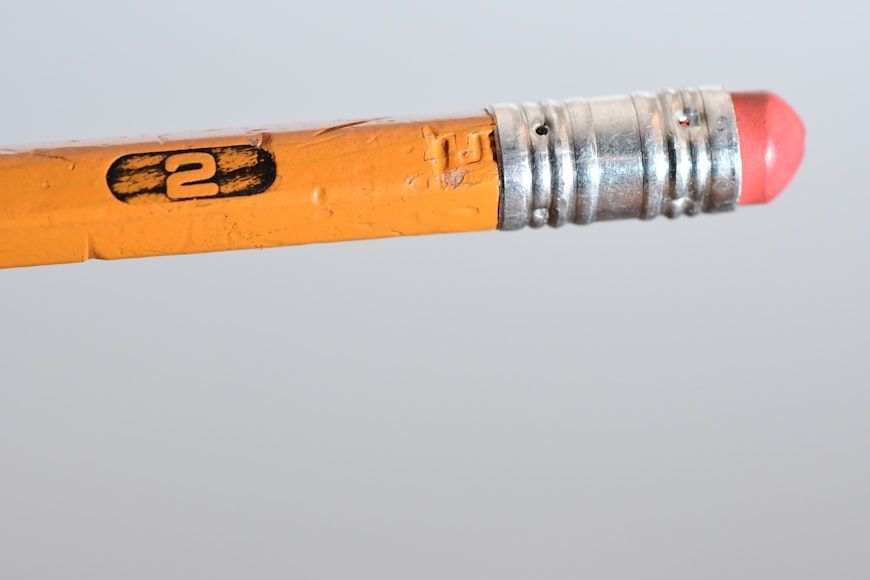
Erasers at the end of wooden pencils are not usually glued together, but they are instead held together by a little metal band. This band is called a ‘ferrule’—from Medieval Latin viriola or ‘little bracelet’—and the term can be used for any metal band that strengthens or fastens a joint, such as those used in handles, to hold brush bristles, or to secure a connection between two cables.

3

The little plastic table on the pizza

Image: 4028mdk09, CC BY-SA 3.0, via Wikimedia Commons

The ‘little plastic table on the pizza’ is quite a long name for something aptly named ‘pizza saver’, but no one seems to really care. It was invented in 1974 by an Argentine pizza maker, who named it SEPI or separador de pizza (‘pizza separator’). In America, it was patented as a ‘package saver’ in 1985, though it was later renamed ‘pizza saver’.

4

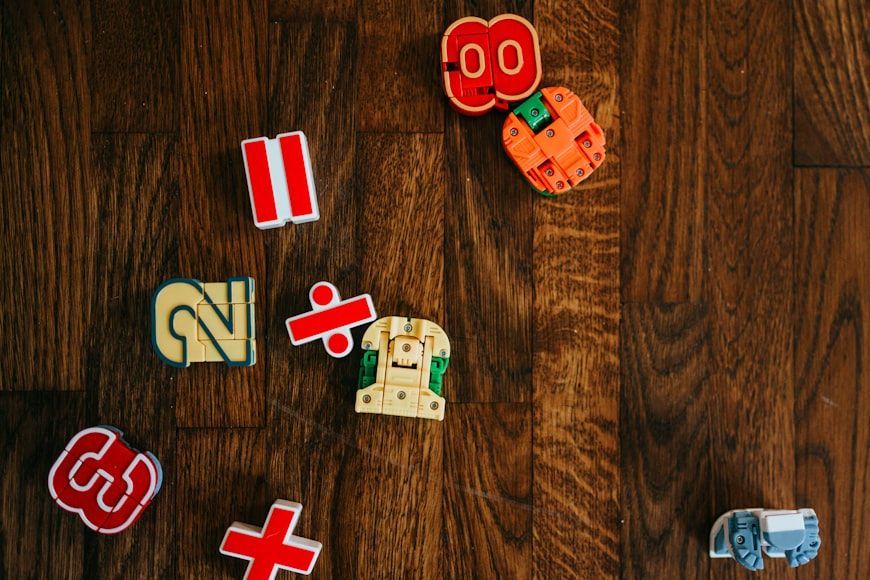
The division sign

Image: Nathan Dumlao

Most mathematical symbols have proper names that are not regularly used, and the division sign is no exception. It was officially introduced into mathematics as a symbol of division in 1659 by the Swiss mathematician Johann Rahn in his influential work Teutsche Algebra. This sign is called an ‘obelus’, from the Greek obelos, meaning ‘sharpened stick’ or ‘skewer’, as it was initially used as a pointer for questionable passages in a text.

5

The coffee cardboard sleeve

Image: Truong Tuyet Ly

Paper cups and their corresponding cardboard sleeves to protect our hands from the heat or the cold are relatively new, but their proper names are not—at least, the name for the cardboard sleeve. This holder is called a ‘zarf’, an Arabic (zuruuf) and Turkish (zarflar) word used for ornamented cup holders, usually made from metal. The materials and the details of the zarf have changed, but the purpose still remains.

6

The armhole in clothes

Image: Liana S

Do we need a more technical term than ‘armhole’ for a hole meant for an arm to go through? Maybe not, but the technical term still exists. An ‘armscye’ (pronounced arm-sigh) is the proper term used in sewing and patterns to describe the opening on a garment where the sleeve is attached. The word is a compound of ‘arm’ + scye, a Scots word meaning ‘opening’. So, in the end, ‘armscye’ just means ‘armhole’.

7

The railing and pillars on a staircase

Image: Serhat Beyazkaya

We often use the words ‘railing’ or ‘handrail’ when talking about a staircase, but these terms only describe the top portion of it, not the pillars that support the handrail. The pillars and the rail altogether are called a ‘banister’, a corruption of the word baluster, derived from the Italian balaustro. The term originally was used for the pillars, but eventually came to mean the entire structure.

8

The foam on alcoholic beverages

Image: engin akyurt

Not all beverage foams are equal. The foam on top of alcoholic beverages, in particular, is called ‘barm’, a term derived from Old English beorma, meaning ‘yeast’ or ‘leaven’, and it's mainly used for the effervescence of fermented liquors such as beer, ale, or wine.

9

The whites of the egg

Image: sanjoy saha

Did you know that the white (or clear) part of the egg is called the ‘albumen’? The term entered English as a loan from Latin, where _albumen_—from albus, ‘white’—was used in the same way. Though it is not widely used in everyday life, it’s still the correct term for that part of the egg.

10

The dot on the j and the i

Image: Marcel Eberle

As a rule of thumb, you should always assume that all marks, symbols, and strokes in calligraphy have a proper name, even if it's not often used. When it comes to the lowercase letters ‘j’ and ‘i ’, the little dot on top is not a dot, but a ‘tittle’. This name comes from the Latin _titulus_—meaning ‘title’, ‘inscription’, or ‘small mark’—and was initially used by scribes to distinguish these letters in their cramped writing.

11

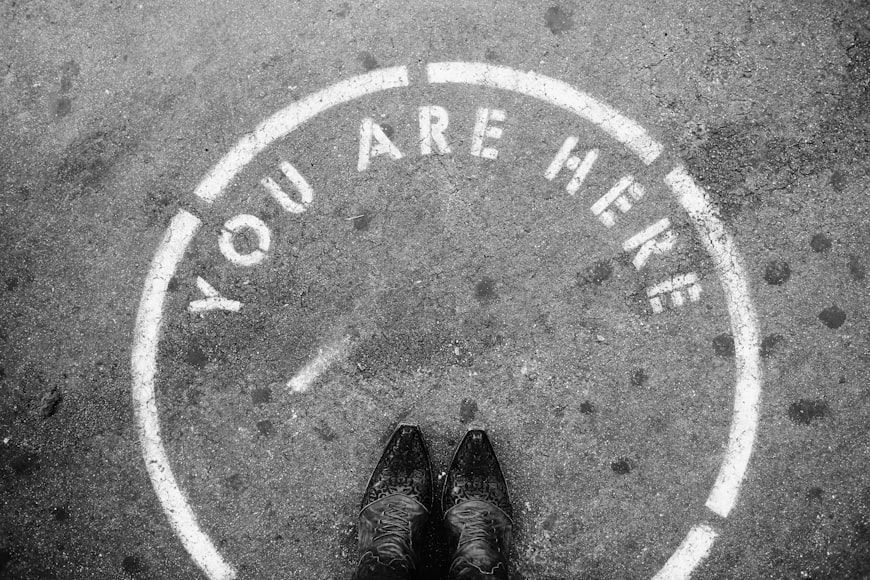
The ‘you are here’ pointer on a map

Image: Fallon Michael

If you ever got lost in the mall or the museum, you must have come across a map that marked your location using an arrow or a pointer, usually accompanied by the phrase ‘you are here’. Well, that pointer is called an ‘ideolocator’, a combination of the Greek idea, a ‘mental image, concept, or visual representation’ (in this case, the pointer), and the Latin locatus, meaning ‘to place’ (the specific location on the map). For the sake of convenience, we will keep calling it the ‘you are here’ sign.

Looking for an extra scoop of literary fun?

Learn more with our Word of the day

ballsy

/ˈbɔlzi/