Weird nature

10 animals that shouldn’t exist (but do anyway)


Published on January 7, 2026

Image: Rachael Mbaika

Nature doesn’t always play by the rules. Some animals seem like evolutionary jokes, while others look like science experiments gone rogue. Whether it's their appearance, behavior, or biology, these 10 creatures will have you questioning reality—but every single one is real. Let’s meet them together!

1

The Platypus

Image: Michael Jerrard

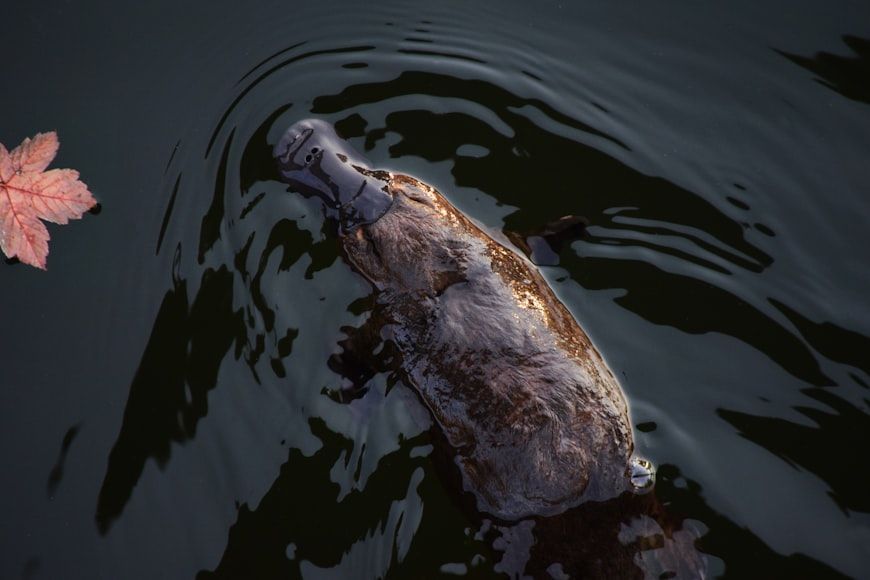
The platypus looks like someone smashed together a duck, beaver, and otter—and then added venom, for good measure. Native to Australia, it's one of only five monotremes, mammals that lay eggs.

Males have venomous spurs on their hind legs, capable of delivering excruciating pain. And when it hunts underwater, it closes its eyes, ears, and nostrils, relying entirely on electroreception to sense the tiny electric fields of its prey.

2

Axolotl

Image: Mattias Banguese

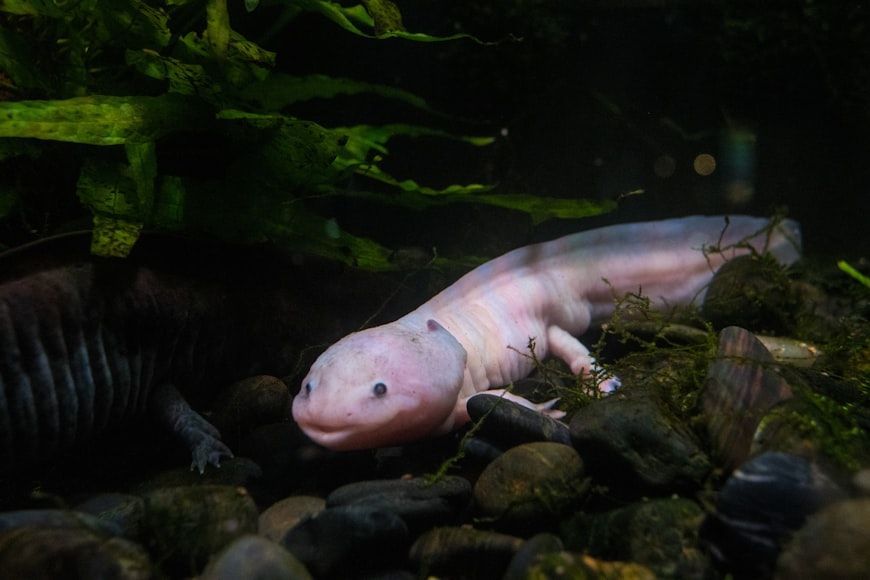
These weird-looking guys never grow up—literally. Unlike other types of salamanders, the axolotl retains its larval features throughout life, a trait known as neoteny.

They can regrow limbs, spinal cords, parts of their heart, and even sections of their brain. Found only in lakes near Mexico City, it's critically endangered in the wild but common in labs due to its regenerative abilities.

3

Mantis Shrimp

Image: Claus Giering

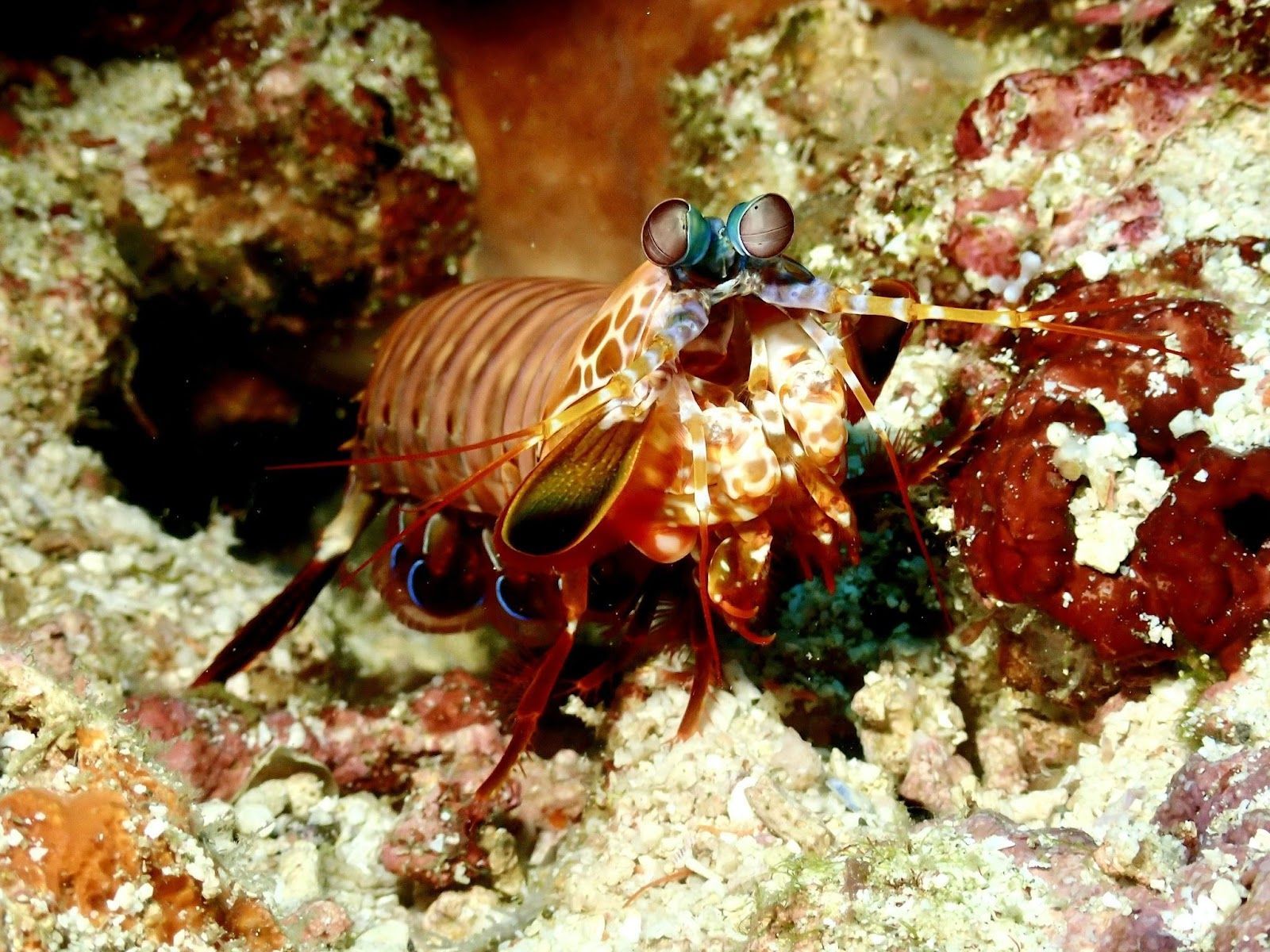
These tiny crustaceans pack a punch so fast it boils the water around them, creating shockwaves and cavitation bubbles. Their strikes can hit speeds of about 50 mph, with accelerations rivaling a speeding bullet.

They also have some of the most complex eyes in the animal kingdom, capable of seeing polarized light and 12 color channels (for comparison, humans only have 3).

4

Saiga Antelope

Image: Dasha Urvachova

Native to the Eurasian steppes, the saiga’s oversized, drooping nose looks cartoonish but serves real functions: it filters dust and regulates temperature.

Once widespread, the species is now critically endangered due to poaching and disease outbreaks that can wipe out huge populations in weeks.

5

Naked Mole Rat

Image: Lara Lone

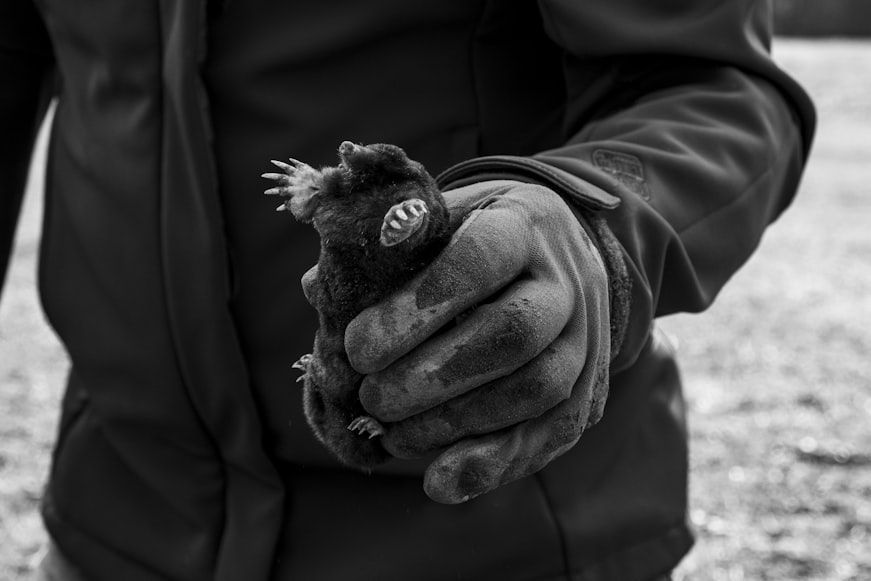
These hairless rodents—close cousins of more familiar, fur-covered mole species (pictured)—live in underground colonies with a social structure similar to bees. They're nearly immune to cancer, insensitive to pain, and can survive 18 minutes without oxygen.

Their cells have unique mechanisms for DNA repair and protein stability, making them a valuable subject in medical research, especially for aging and disease resistance.

6

Aye-Aye

Image: Clement Meers

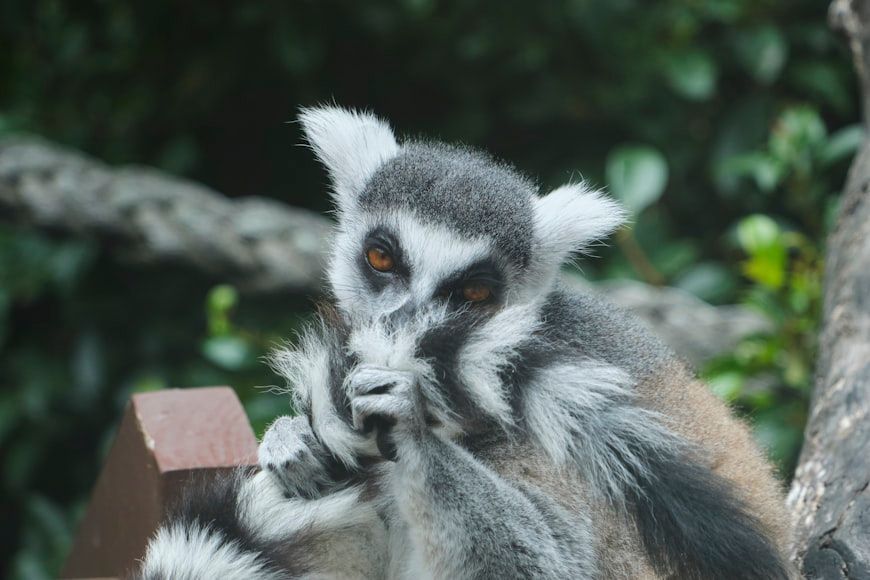
This lemur species from Madagascar uses its grotesquely long middle finger to tap on wood and fish out insects—like a skeletal woodpecker.

Locals have traditionally feared them as omens of death. Sadly, this superstition contributes to its declining population, alongside habitat loss.

7

Immortal Jellyfish

Image: Albert Canite

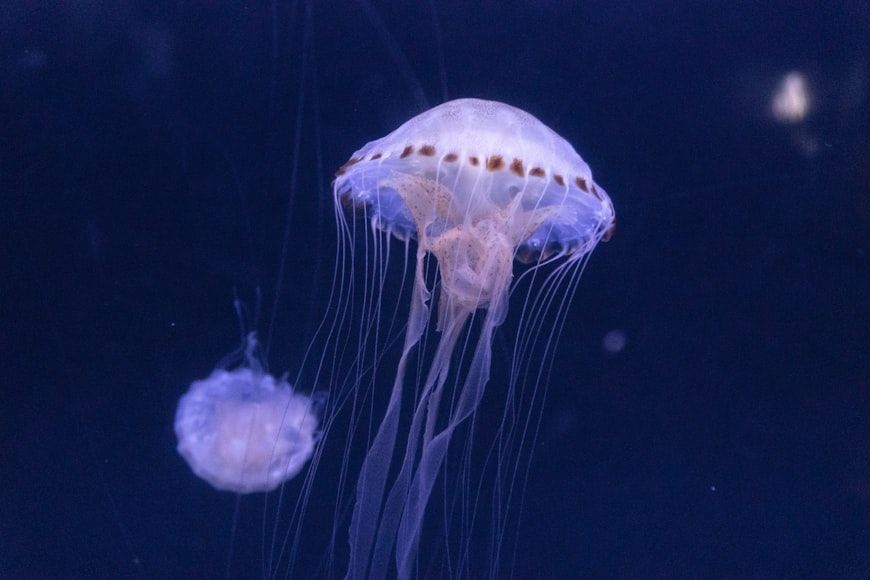
This jellyfish can revert its cells to an earlier stage of life, effectively resetting its aging process. It doesn’t die of old age—it just starts over.

It's not truly immortal—injuries and predation can still kill it—but its ability to cheat aging is unique in the animal kingdom.

8

Pink Fairy Armadillo

Image: Joe Lemm

This six-inch-long, velvety creature looks like it was designed by a plush toy company. Found mainly in Argentina, it burrows underground and is rarely spotted in the wild.

Its pink armor acts as both protection and a way to regulate body temperature. Despite its cuteness, very little is known due to its elusive, nocturnal behavior.

9

Goblin Shark

Image: Wai Siew

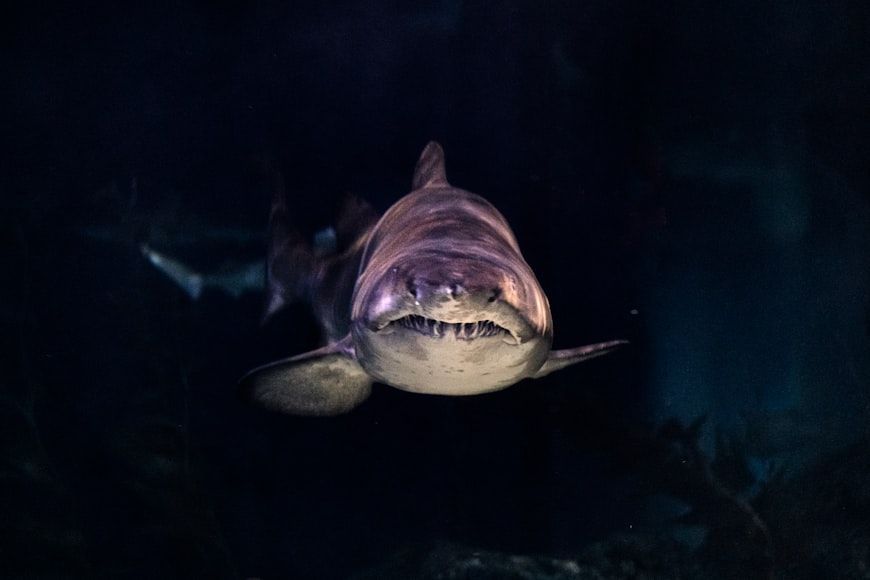
This deep-sea shark can shoot its jaw forward at about 10 feet per second, snatching prey with lightning speed. Its long, flat snout houses special sensors to detect electric fields.

With translucent skin and a prehistoric look, it’s sometimes called a "living fossil." It’s rarely seen alive due to its deep-sea habitat.

10

Proboscis Monkey

Image: Tim Morgan

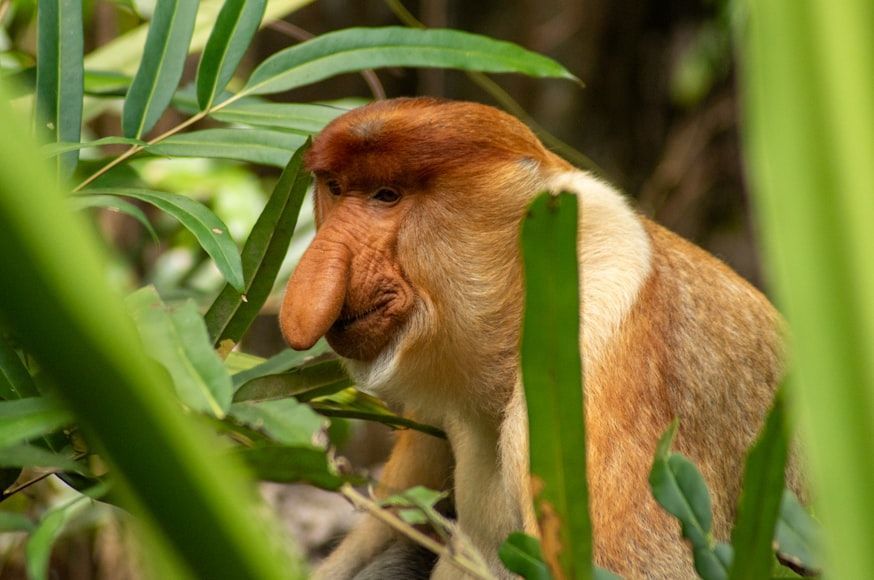
With its comically large nose, the male proboscis monkey looks absurd—but females apparently find it attractive. The nose also amplifies vocalizations to assert dominance.

Native to Borneo, it’s a strong swimmer with webbed feet but is threatened by habitat loss and hunting.


Tango, Bravo

Codewords decoded: How many did you know?


Published on January 7, 2026


Image: orso bianco

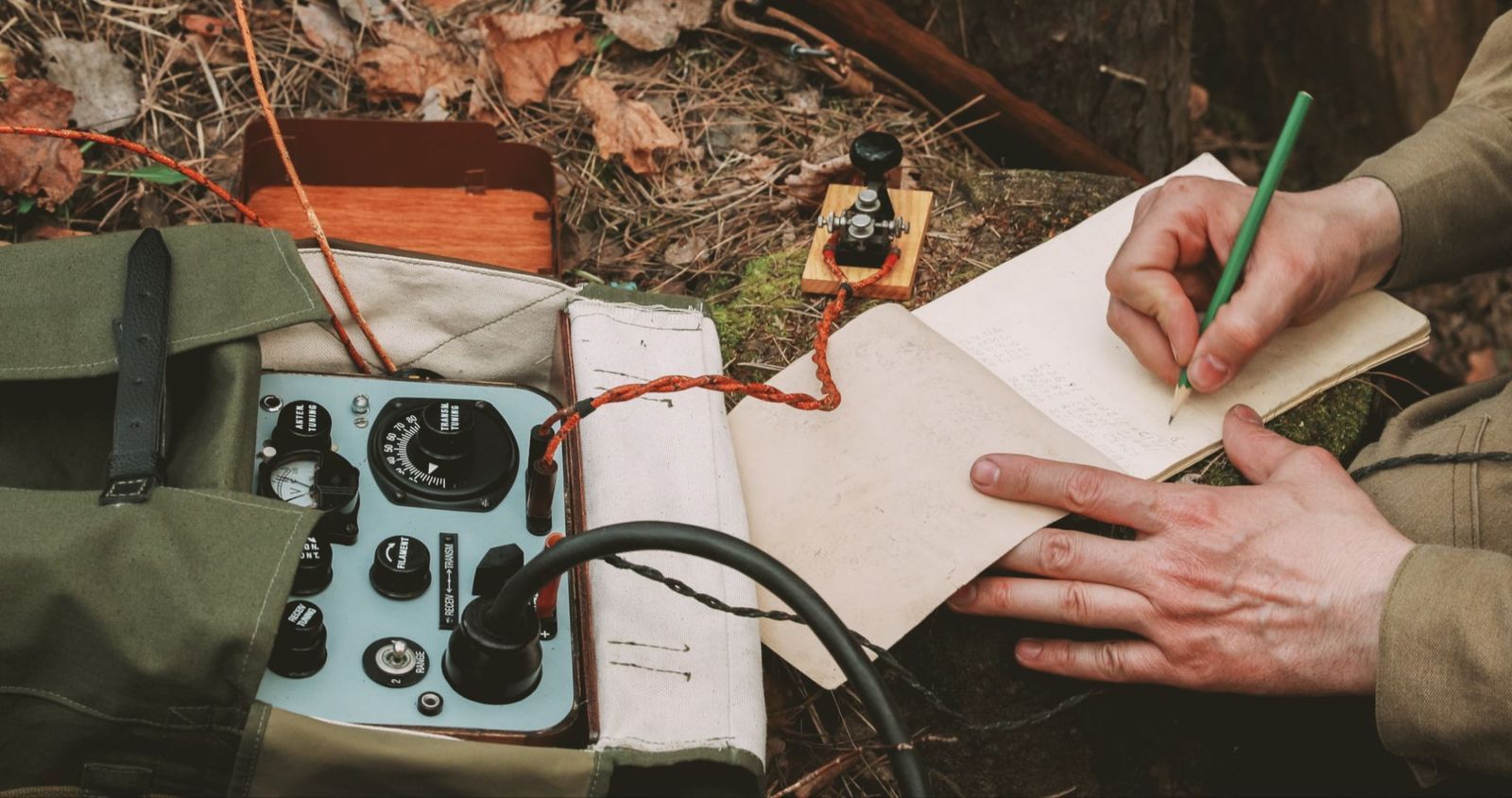
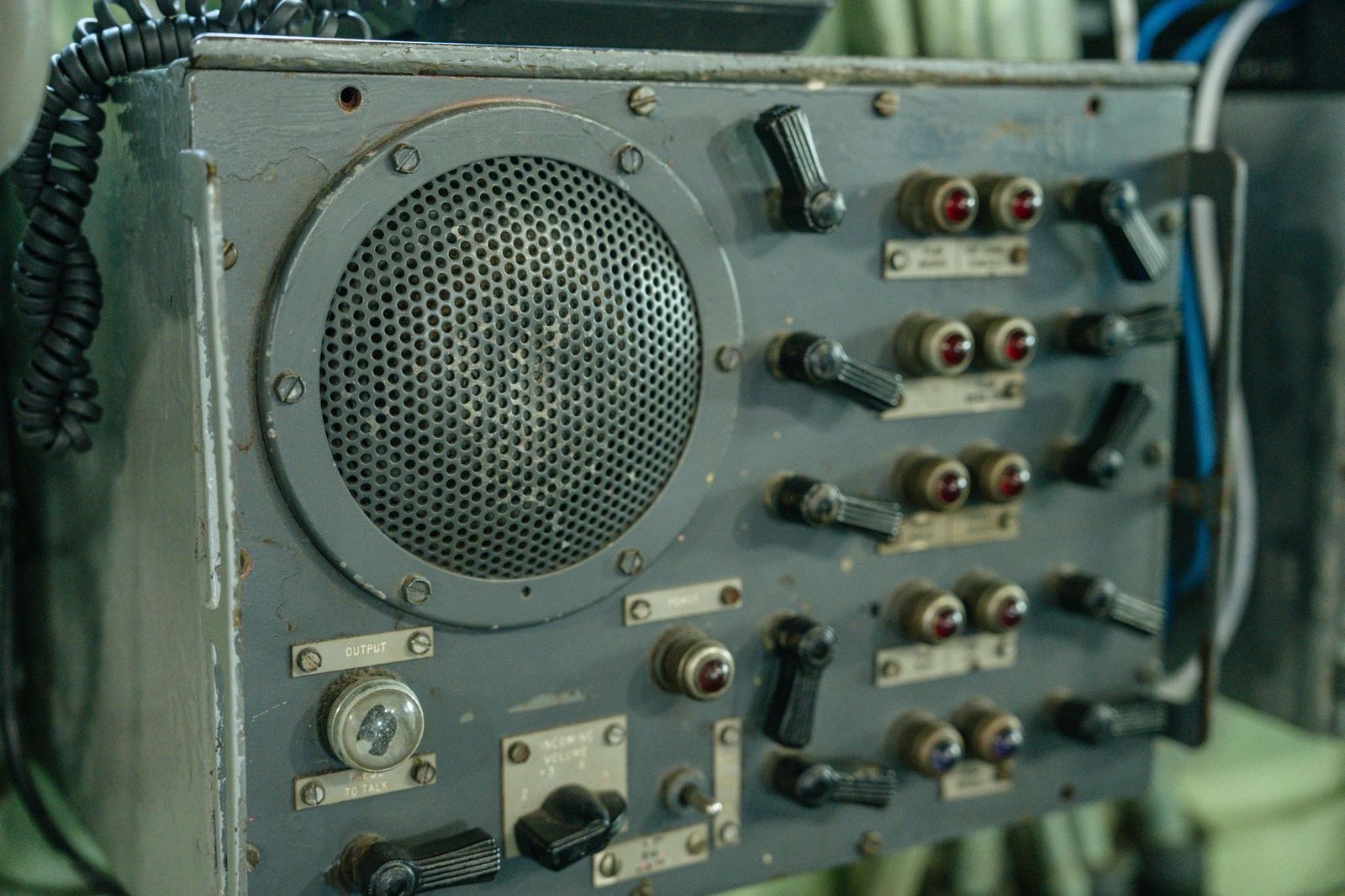
In situations where clear communication is paramount, especially when lives are at stake, professionals often rely on standardized codewords and phonetic alphabets designed to prevent confusion. Either from movies or from personal experience, it's probable that you've heard at least some of these before, and many have found their way into everyday conversation. Let's find out how many of these code expressions you can recognize.

1

Mayday

Image: Zhuravlev Andrey

Mayday is the international distress call used when the sender is in immediate, life-threatening danger. Pilots and mariners use it to signal that they require urgent assistance due to situations such as engine failure, fire, flooding, or medical emergencies.

The word was introduced in 1923 by British radio officer Frederick Stanley Mockford, who based it on the French phrase m'aider, meaning "help me," in an attempt to make it internationally recognizable. Hearing this transmission immediately alerts emergency responders that every second counts.

2

Pan-Pan

Image: DenisProduction.com

Not every emergency is severe enough to warrant a mayday call. When a crew faces a problem that is urgent but not immediately life-threatening, the appropriate codeword is Pan-Pan.

Like mayday, it comes from French: it derives from panne, meaning a breakdown or mechanical failure. A Pan-Pan call might be used if an aircraft loses an engine but can still fly safely, or if a ship experiences equipment problems while remaining under control. It tells responders that assistance is needed, but that the situation has not yet become critical.

3

SOS

Image: Grisha Bruev

Few emergency signals are as universally recognizable as SOS. Contrary to popular belief, the letters do not officially stand for "Save Our Ship" or "Save Our Souls." It was adopted in 1906 because SOS is an extremely simple, easy-to-transmit, and unmistakable pattern in Morse code.

SOS remains one of the world's most enduring distress signals, and it's still recognized by rescue organizations all around the globe.

4

NATO Alphabet

Image: Alexandros Michailidis

In the NATO phonetic alphabet, each letter is assigned a unique word to eliminate confusion when radio transmissions are distorted by noise or poor reception. If you've ever heard someone spell a name as "Mike Alpha Romeo Yankee," you've encountered the NATO phonetic alphabet.

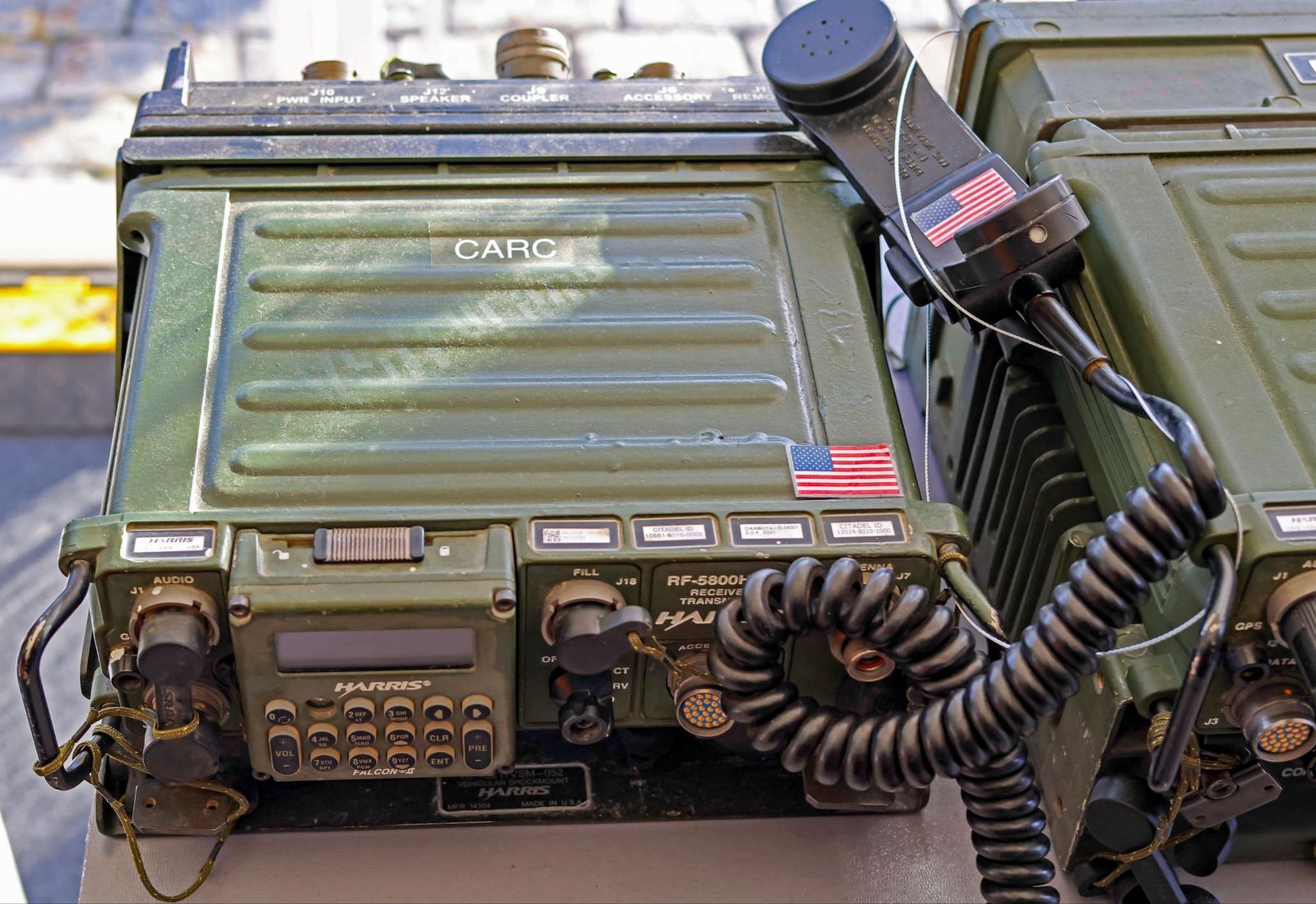
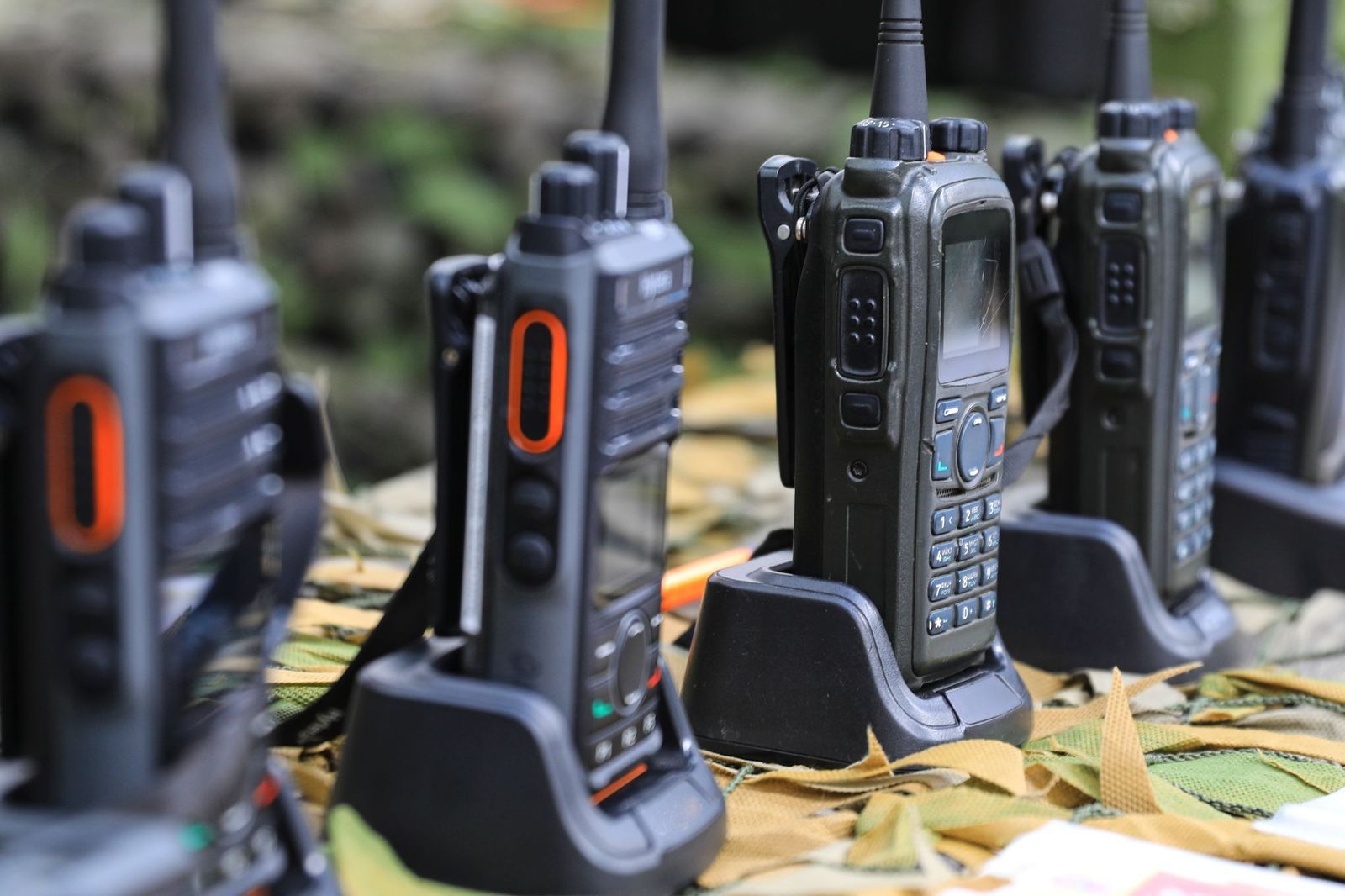
The system was officially adopted by NATO in the 1950s and is now widely used by militaries, airlines, emergency responders, and many police departments worldwide. Using it greatly reduces the chance of misunderstanding important information over radio.

5

Roger

Image: nelikdulatov

Roger dates back to the early days of radio communication, when the letter R stood for "received." Before the adoption of the NATO alphabet, the US military used Roger instead of Romeo to represent that letter_._

Although modern communications systems have changed and the US military has fully embraced the use of the NATO alphabet, Roger remains standard aviation terminology, and it's one of the best-known radio acknowledgments in the world. It conveys a very simple but important meaning: "I have received and understood your message."

6

Wilco

Image: alleks19760526

Although many people assume Roger and Wilco mean the same thing, they actually convey different messages. Wilco is short for "will comply." In other words, it tells the sender not only that the message was received and understood, but that the instruction will be carried out.

Saying both Roger and Wilco is technically redundant in proper radio communication, since complying necessarily implies understanding, but the combination is often heard in movies and television.

7

Tango

Image: Quality Stock Arts

In the NATO phonetic alphabet, Tango simply represents the letter T. However, US military personnel have also adopted it as a shorthand when referring to a target or a hostile.

This secondary meaning became widely known through military operations in the twentieth century and has since appeared in countless books, films, and video games in phrases like "We've got one Tango moving north."

8

Oscar Mike

Image: Dragos Asaftei

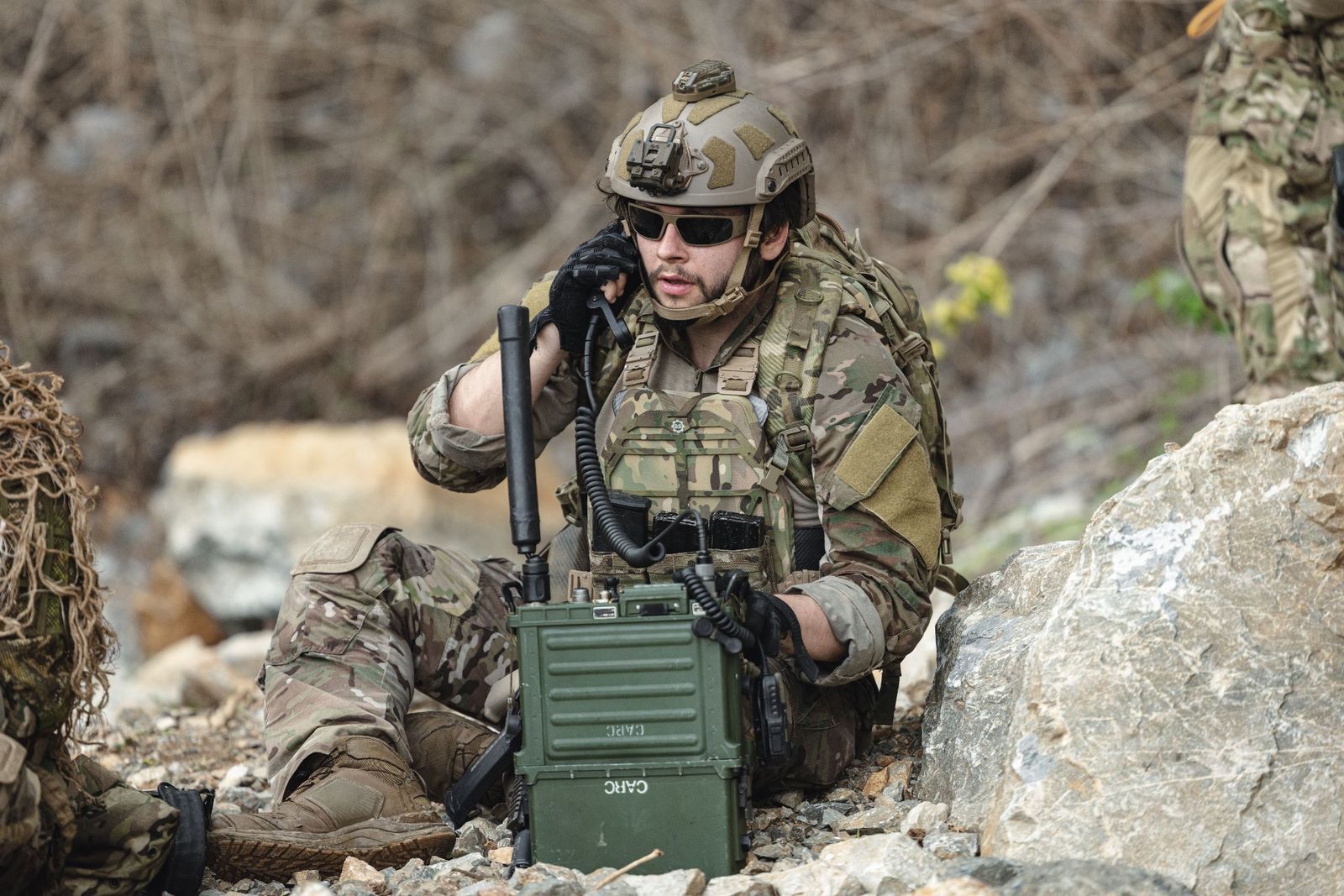
Oscar Mike, NATO for the letters O and M, is military shorthand for "On the Move." It's a quick way of reporting that a unit has begun moving toward its objective.

The expression is especially common in the US military and has become more familiar to the general public through documentaries, memoirs, and films. It's finding its way into civilian life, meaning simply "I'm heading out."

9

10-4

Image: Elliott Cowand Jr

Ten-codes were developed during the 1930s to allow for brevity and standardization of message traffic in radio communications. They were widely adopted by US public safety departments and by radio enthusiasts.

While the system is being slowly phased out in favor of plain language communications, many local police, fire, and sheriff departments keep using it, and it is still strongly associated with radio culture by the general public. One of the most famous ten-codes is 10-4, meaning "received and understood."

10

Code Blue

Image: PeopleImages

Hospitals around the world use color-coded announcements to communicate emergencies without causing unnecessary panic among patients and visitors. Perhaps the best known is Code Blue, indicating that a patient is experiencing cardiac or respiratory arrest and requires immediate medical assistance.

While some hospitals use their own custom color codes, Code Blue has become so widely recognized that it now appears frequently in television dramas and everyday conversation whenever someone refers to a life-threatening medical emergency.

Looking for an extra scoop of literary fun?

Learn more with our Word of the day

foretell

/fɔrˈtɛl/