Why do Americans call it "eggplant" while the British say "aubergine"?


Published on October 9, 2026


Image: 9dream studio

Even though we speak the same language as the Brits, walking into a grocery store across the pond can feel like learning a whole new code. Why do we use completely different terms for the exact same thing? Setting aside cooking and recipes, it all comes down to centuries of history, different language roots, immigration, and old trade roots. Here is the fascinating story behind the word origins that drove these transatlantic food names apart.

1

Spring onion vs. scallion

Image: itor

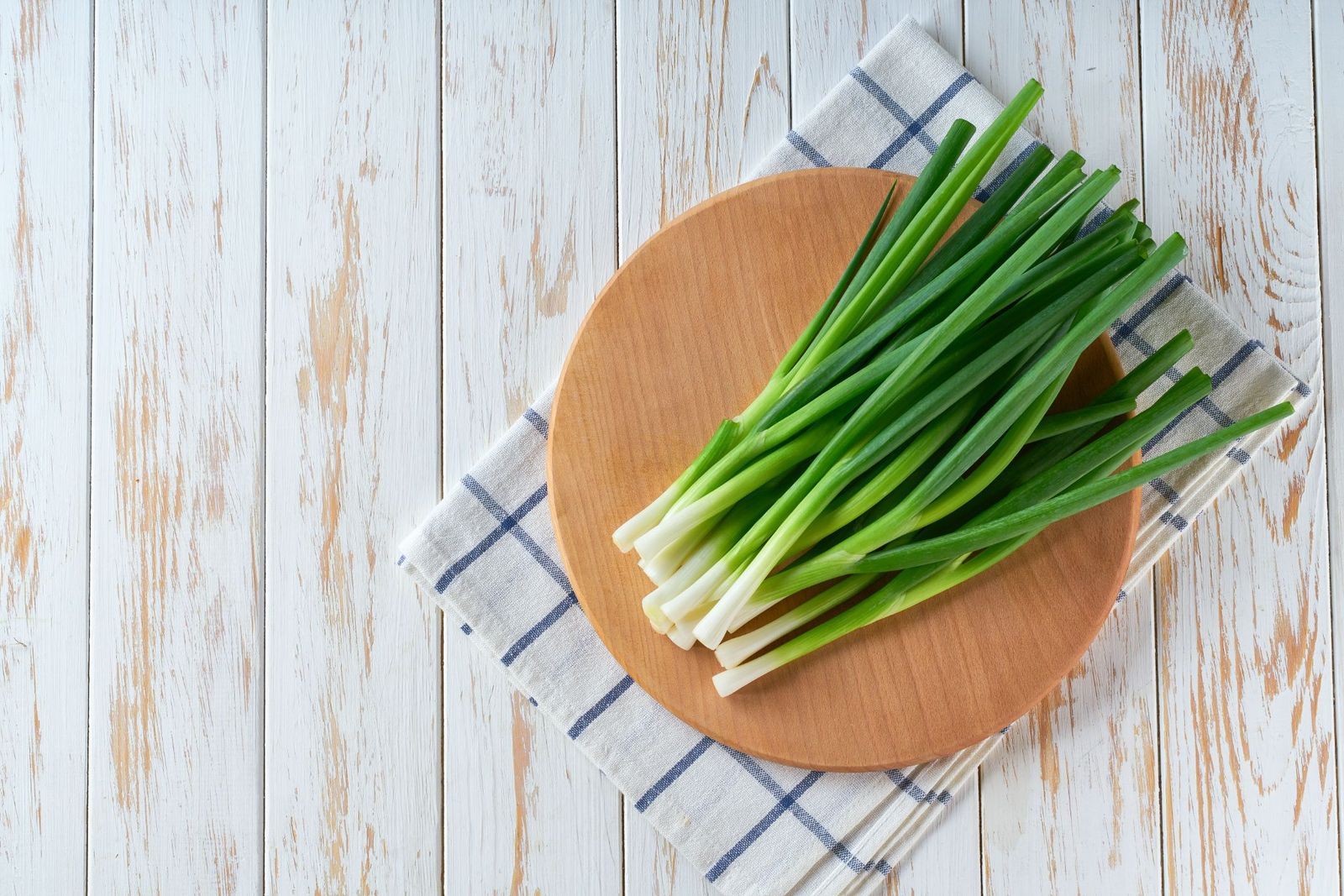
Over centuries of farming trade, these green onions have had different names. In the United States, we use the word scallion, which can be traced back to Old French (escalogne) and Latin (Ascalonius), meaning "onion of Ascalon", an ancient port city in the Levant (modern-day Israel) famous for growing this vegetable.

The preferred British term, in contrast, is a straightforward description based on the time of year (spring) when these young onions are harvested.

2

Banger vs. sausage

Image: Pixel-Shot

The general term sausage is rooted in the Latin salsus ("salted"), entering English via the Old French saucisse to describe minced meat preserved in casings.

The British colloquialism banger, however, is a 20th-century linguistic creation. Originating during the meat shortages of World War I, pork links were stretched with water, cereal, and starches. When placed into a hot frying pan, the trapped internal moisture turned to steam, causing the casings to rupture with a popping sound. The resulting noise gave rise to the moniker "bangers".

3

Biscuit vs. cookie

Image: Marcia Salido

The history of baked goods reflects centuries of trade and travel around the world. The word biscuit comes from the Latin bis cactus (meaning "twice-cooked"). It passed through Old French as the word we use today to describe hard-baked items made to last on long ocean voyages.

The word cookie came to America through early Dutch settlers in New Netherlands (now New York). It stems from the Dutch word koekje, a diminutive version of koek ("cake"). In brief, British English kept the Latin-based term for dry baked snacks, and American English adopted the Dutch word to describe a treat similar to a small cake.

4

Aubergine vs. eggplant

Image: Bowonpat Sakaew

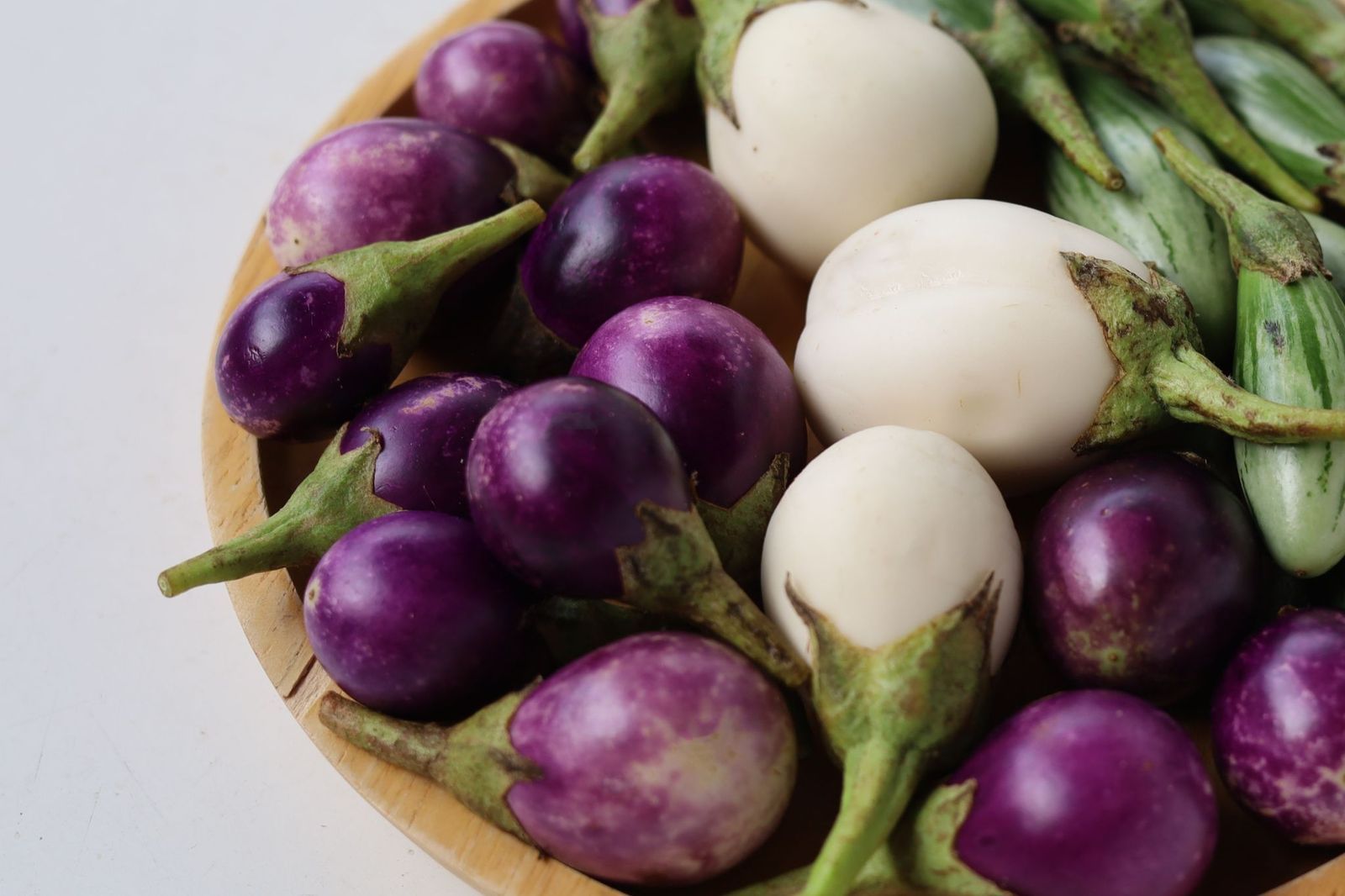
Used in British English, the word aubergine was adopted from French, which inherited the term from the Catalan albergínia. This European form can be traced back through the Arabic al-bāḏinjān, which itself borrows from the ancient Persian bādengān and ultimately the Sanskrit vāti-maṅga. The plant itself is native to southern or eastern Asia, so it’s no surprise that the word has undergone a linguistic journey rooted in the East.

But in the United States, we use the term eggplant instead, which emerged in the 18th century because early European varieties imported to America looked remarkably similar in color, size, and shape to white or yellow goose eggs.

5

Gammon vs. ham

Image: hlphoto

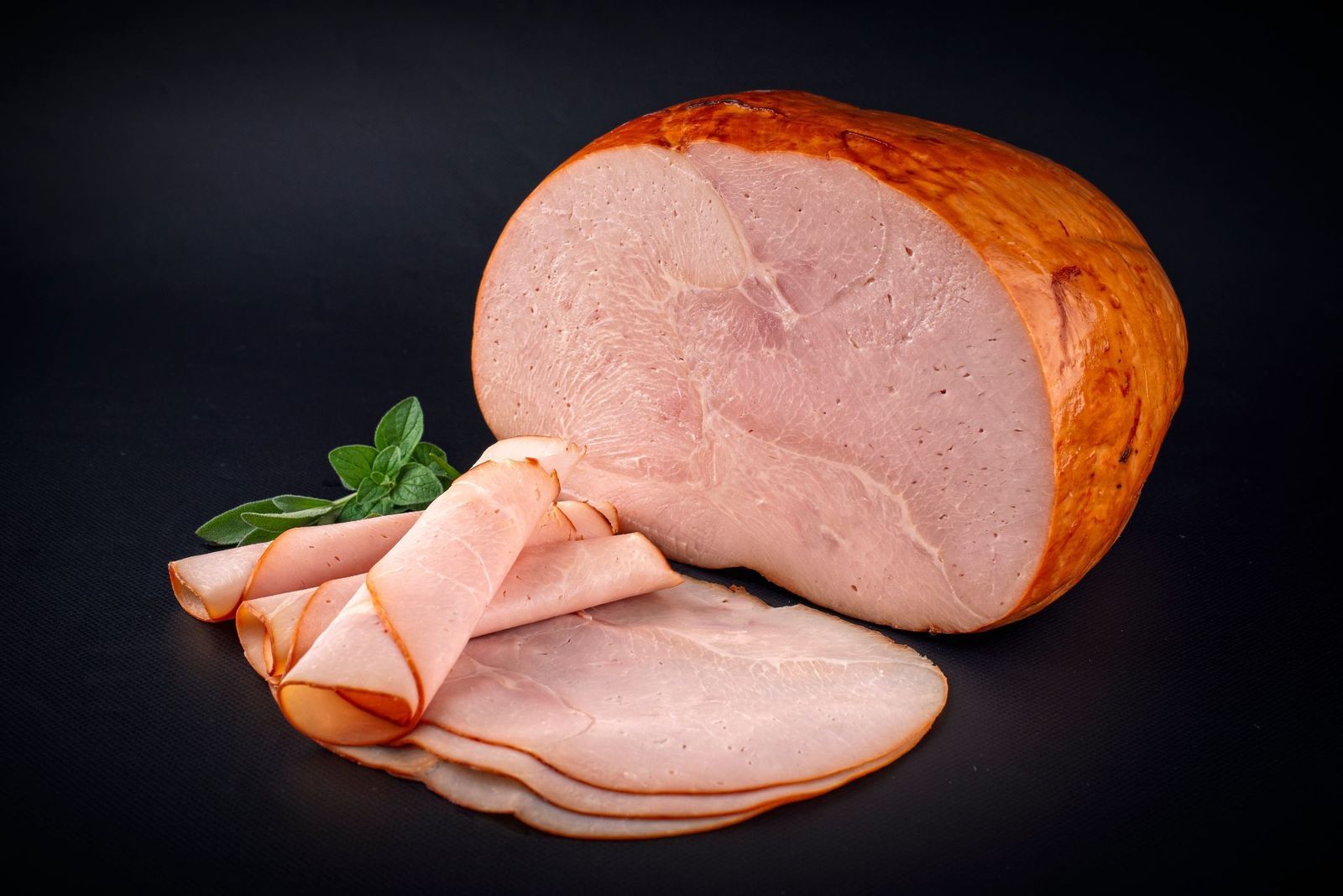
While both words designate cured cuts from the hind leg of a pig, their historical roots reflect different aspects of Germanic and Romance vocabulary development in medieval Europe. Ham is a direct inheritance from Old English hamm, which originally referred not to the meat itself, but to the hollow or bend of the knee or the thigh of an animal.

Gammon, on the other hand, entered English during the Middle English period via Old French (gamon), deriving from jambe (leg), which traces back to the Late Latin gambum. While American English merged these terms under just "ham", British English kept the etymological distinction between the raw cured cut (gammon) and the finished product.

6

Sprinkles vs. hundreds & thousands

Image: Ermak Oksana

These tiny, colorful sugar decorations used on ice cream and baked goods have completely different names on either side of the Atlantic. In American English they are called sprinkles, a name derived from the verb sprinkle, which traces back to Middle English and Germanic roots meaning to scatter small particles or droplets.

Funnily enough, in Britain they are known as hundreds & thousands, a playful descriptive phrase from the 19th century that refers to the sheer multitude of tiny sugar beads packed together on a treat.

7

Courgette vs. zucchini

Image: Matheus Bertelli

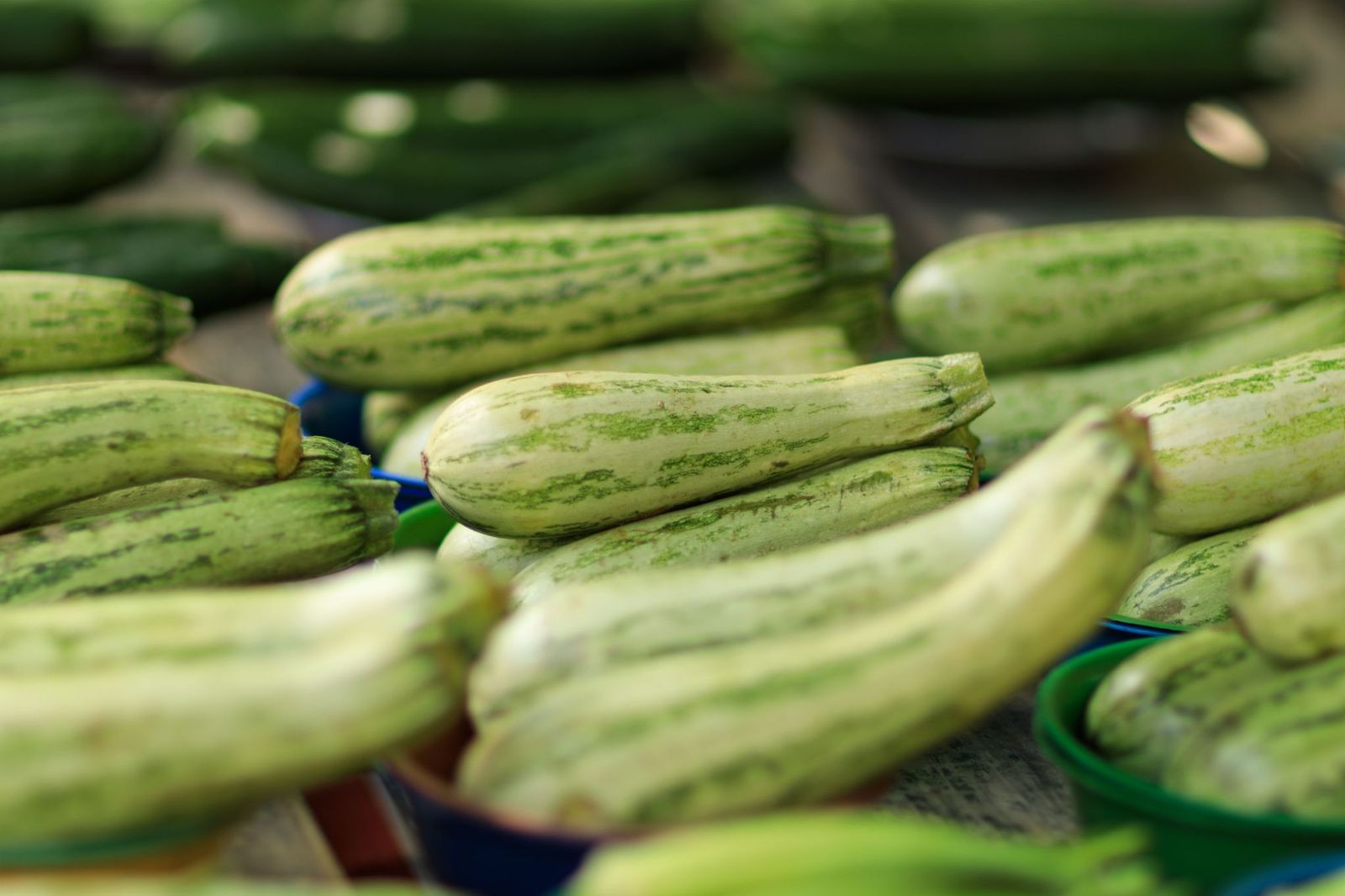
Both terms for this green summer squash share a distant ancestor in the Latin cucurbita ("gourd"), but they took different paths through Romance languages. Americans use zucchini, which comes directly from zucchina, the plural diminutive form of the Italian zucca ("pumpkin or gourd").

The British term courgette arrived via the French language as a diminutive form of courge ("gourd"). Therefore, both words etymologically mean "little gourd", separated only by whether Italian or French traders and loanwords dominated the respective nation’s lexicon.

8

Rocket vs. arugula

Image: Bowonpat Sakaew

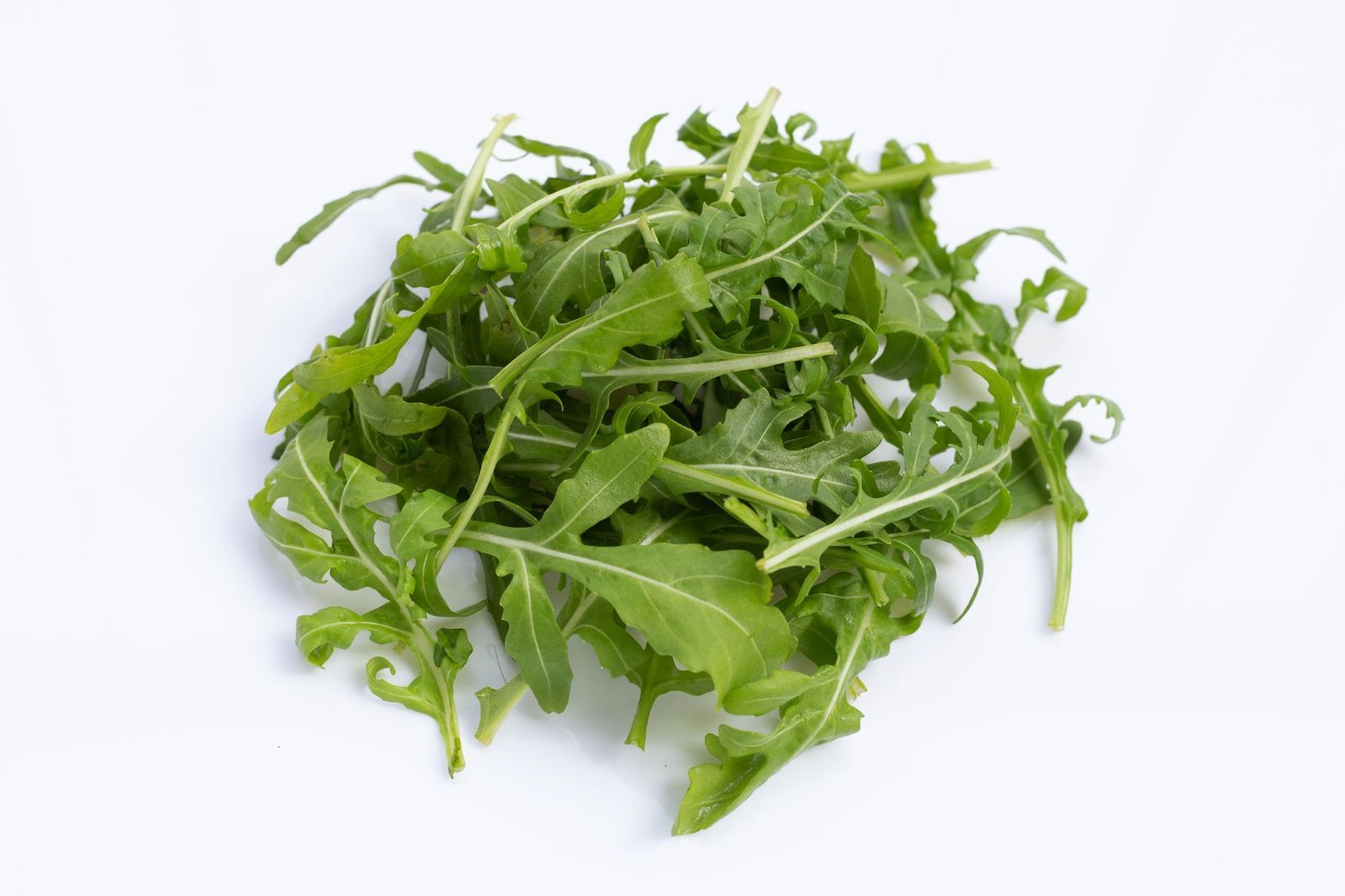
Even though this peppery green has different names today, they both come from the same ancient word. Rocket, used in Britain, Australia, and New Zealand, evolved from the French roquette. This French term is a direct descendant of the Latin noun eruca, the ancient name for the plant.

Arugula, on the other hand, entered American English as a loanword from regional Italian dialects (specifically rucola), which is a corruption of the Latin eruca. In the end, despite of sounding very different, both rocket and arugula are phonetic variations of the same ancient Roman botanical term.

9

Chips, fries, or crisps?

Image: MSPT

The term French fries (often shortened to "fries" in the U.S.) refers to the culinary technique of "Frenching"—cutting vegetables into long, thin strips—popularized in American English during the early 20th century.

In British English, fried potato strips are called simply chips, using an existing English word traditionally used for carved pieces of wood or stone. To distinguish thin, bagged potato slices from hot potato chips, in the 20th century the British coined the term crisps, in reference to the adjective describing their brittle texture.

10

Coriander vs. cilantro

Image: New Africa

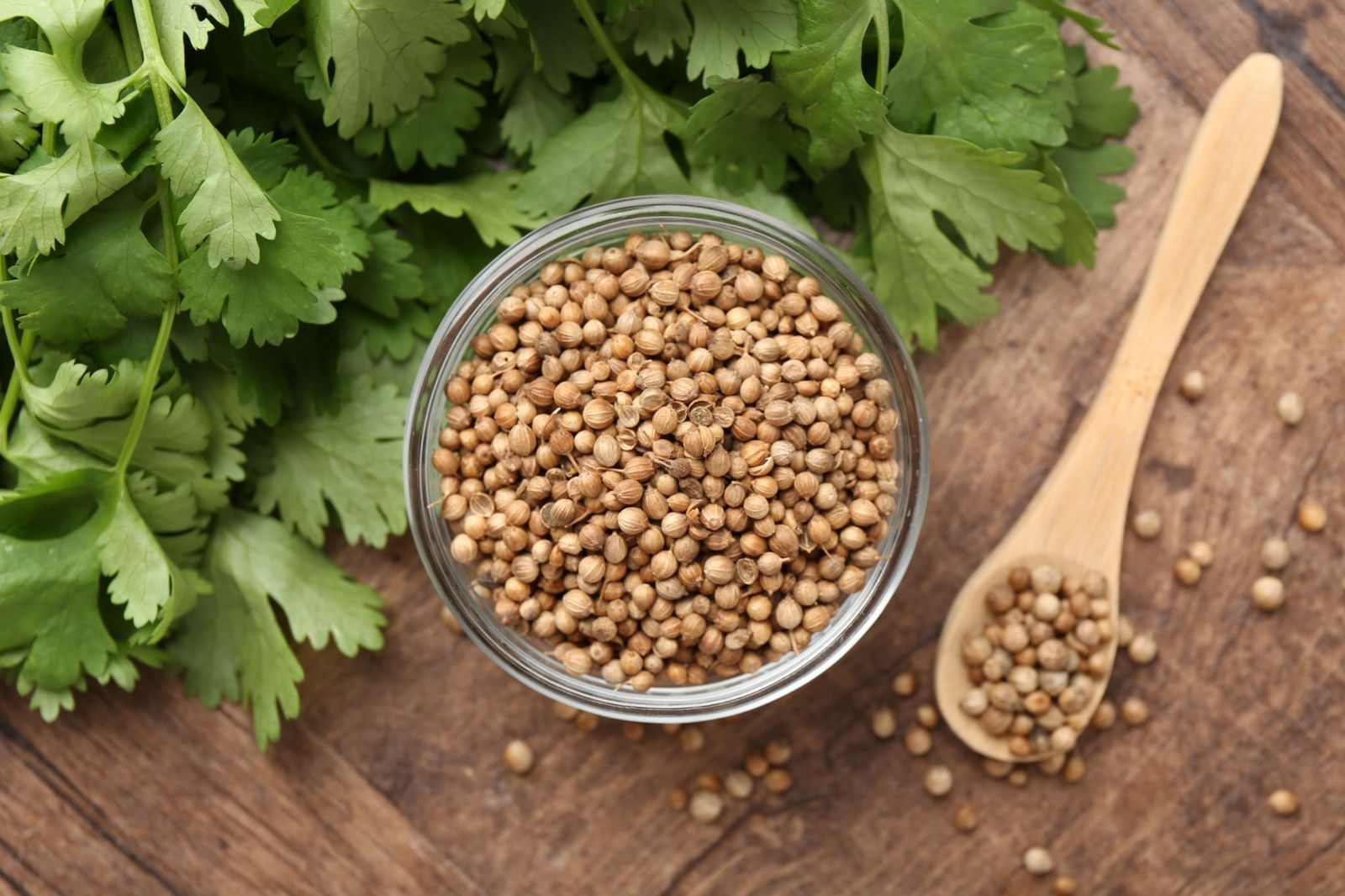
What people call this plant actually depends on whether they mean the seeds or the green leaves. The word coriander has ancient roots, entering English via Old French from the Latin coriandrum, which was borrowed from the Greek koriannon. Interestingly, linguists trace the Greek root back to koris (a bug), likely a reference to the pungent aroma of the fresh leaves.

Cilantro, used in American English specifically for the leaves, is the Spanish word for the plant, derived from the same Latin root (coriandrum).



Odd words, old meanings

These 10 idioms and phrases are still in use, but don’t always make sense


Published on October 9, 2026


Image: Towfiqu barbhuiya

How much is a notch when it comes to volume? Who is Bob, and why is he everyone’s uncle? What is the difference between a spider web and a cobweb? Languages change with time and use, and English is no exception, but some phrases remain frozen in time, and while we still use them, we don’t always know their literal meaning. Here are 10 idioms and words that don’t make sense, but once did.

1

To a T

Image: Tobias Schwindling

We often use the phrase "to a T" (sometimes spelled "to a tee") to indicate something done perfectly, with precision. But is it about the letter "T"? Not really. The original phrase used to be "to a tittle," with tittle being the proper name for the dot of the "i" or the "j," and it conveyed the idea of doing something accurately, down to the smallest detail. Eventually, "tittle" was shortened to "T," but the phrase had already stuck, even if its literal meaning was lost.

2

Fathom

Image: Uliana Semenova

Although "fathom" might sound very formal, we all know that it is synonymous with "understand." But did you know that fathom is actually a nautical unit of measurement? From the Old English fæðm ("the span of the arms" or "embrace"), it represented the distance between the left and right fingertips of outstretched arms. Eventually, a "fathom" was standardized to about six feet or two yards, and was mainly used by sailors to measure water depth. It was this connection with depth that led the word to take on a figurative meaning of "getting to the bottom" of something, or understanding it thoroughly.

3

Red herring

Image: Pixel-Shot

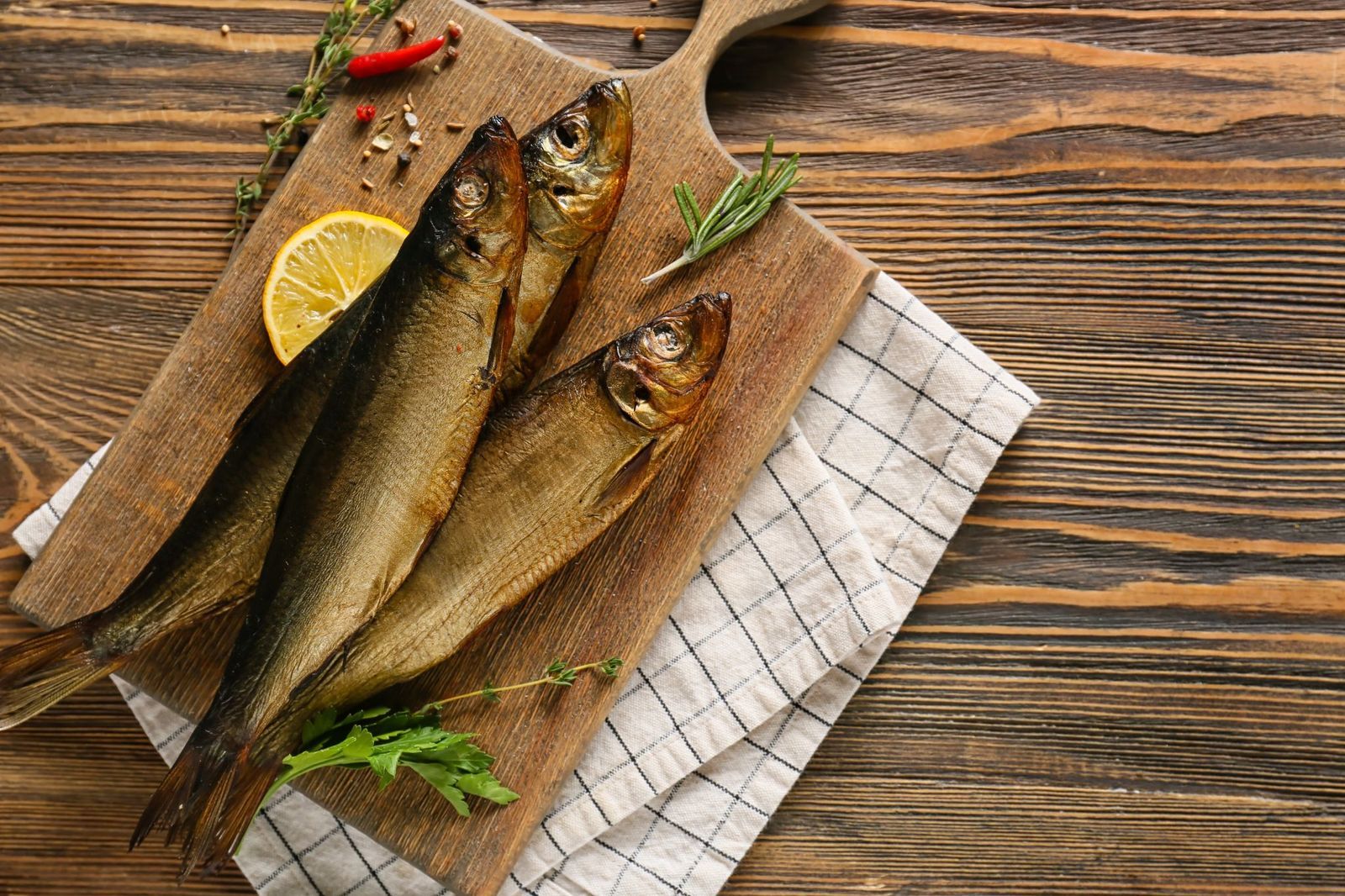
Popularly, we understand that a "red herring" is something meant to give false clues or distract from another pressing issue. But why a herring? Herrings turn red when smoked and also acquire a strong, pungent smell, which made them a great tool for training hunting dogs, as the smell of the fish covered the trail of the prey. As a metaphor, though, it was popularized in the early 19th century by journalist William Cobbett, who used it to describe how the press was easily swayed by false news.

4

Rule of thumb

Image: PeopleImages

If something is a "rule of thumb," it means that it’s a common guideline, usually based on experience rather than science. In its origins, this phrase was quite literal: thumbs served as a rule. Tradesmen often used the width and length of their thumbs to take and remember measurements, a system that, though practical and effective, only worked for the owner of the thumb in question. Its use as an idiom comes from 17th century writers comparing this popular method with more scientific measuring systems.

5

Turn it down a notch

Image: Wahyu TH

If someone asks us to "take it down a notch," how much should we lower our volume? With "notch," this idiom refers to mechanical dials, like the ones used in a radio, where the notches signal the different levels. And while radios only date back to the 20th century, the roots of this idiom go all the way back to the 17th century and to the phrase "take it down a peg," related to wooden pins used for measurements.

6

Cobweb

Image: freestocks

Is there a difference between a cobweb and a spiderweb? Although they are synonymous, most dictionaries will make the distinction that "cobweb" is particularly used for dusty, abandoned spiderwebs. But what does the "cob" part mean? "Cobweb" is derived from the Middle English coppeweb, composed of coppe ("spider") and web ("woven fabric"). If we go one step further, coppe comes from the Old English attorcoppe ("spider"), a mix of attor ("poison") and coppe ("head" or "round thing"). So, despite the slight difference in their actual use, "cobweb" and "spiderweb" mean the same thing.

7

Break the ice

Image: NOAA

It isn’t difficult to see how "breaking the ice" might have originated from people actually breaking ice, but what many ignore is that this custom (and the phrase) is rooted in diplomacy and trade. When large trade vessels were unable to advance due to frozen rivers, canals, or harbors, it was common to send people in a small boat to "break the ice" and allow the ship to continue its course. In some places, however, locals would send "icebreakers" to clear the path for a foreign vessel as a welcome and a sign of goodwill. The metaphorical use of the phrase exists in many languages, but it was first recorded in English in the 16th century.

8

Let one’s hair down

Image: Element5 Digital

The idea of "letting down your hair" is popularly associated with relaxing and letting formalities aside, but the phrase is rooted in an actual Medieval and Renaissance custom. Traditionally, single women would keep their hair loose and uncovered, but would pin it up once they married. It was not proper for a married woman to be seen in public with their hair down, something they would only do in the comfort of their home, foregoing elaborate hairstyles and uncomfortable pins. Eventually, loose hair lost its social status meaning, but the connection with relaxation remained.

9

Bob's your uncle

Image: Pablo Arroyo

According to historians, no one knows who Uncle Bob is, or what his connection is with simple and easily accomplished tasks, but popular folklore claims to have the answer. According to this theory, the phrase refers to British Prime Minister Robert Gascoyne-Cecil (who went by Bob), appointing his nephew Arthur Balfour as Chief Secretary for Ireland, a position he was woefully unqualified for, but that was made possible because "Bob’s your uncle".

10

Midwife

Image: Juice Flair

Have you ever wondered why midwives have that name? After all, there is nothing "mid" nor necessarily "wifely" in helping someone give birth. The answer takes us back to Old English, where mid meant "with" or "together with," and wif (the origin of "wife") meant "woman," "female," or "lady," and not necessarily a married female. First recorded around the year 1300, "midwife" was an accompanying person (typically a woman) who assisted mothers during labor. Although the literal meaning of the term is lost to us, the importance of the role was surely the reason this word survived through the centuries.

Looking for an extra scoop of literary fun?

Learn more with our Word of the day

opalescent

/ˌoʊpəˈlɛs(ə)nt/