Furry instincts
When crickets stop chirping, it’s time to run: 10 animal early warnings
Published on August 21, 2025
 Image: Zoltan Fekeshazy
Long before radar and satellites, animals have relied on their sensory superpowers to detect natural disasters. From elephants hearing through the ground to ants reacting to tremors and storms in advance, many creatures exhibit behaviors that hint at impending doom—often hours or even days before it hits. Here's a list of 10 real ways animals are believed to detect and respond to natural disasters.
Elephants and earthquakes
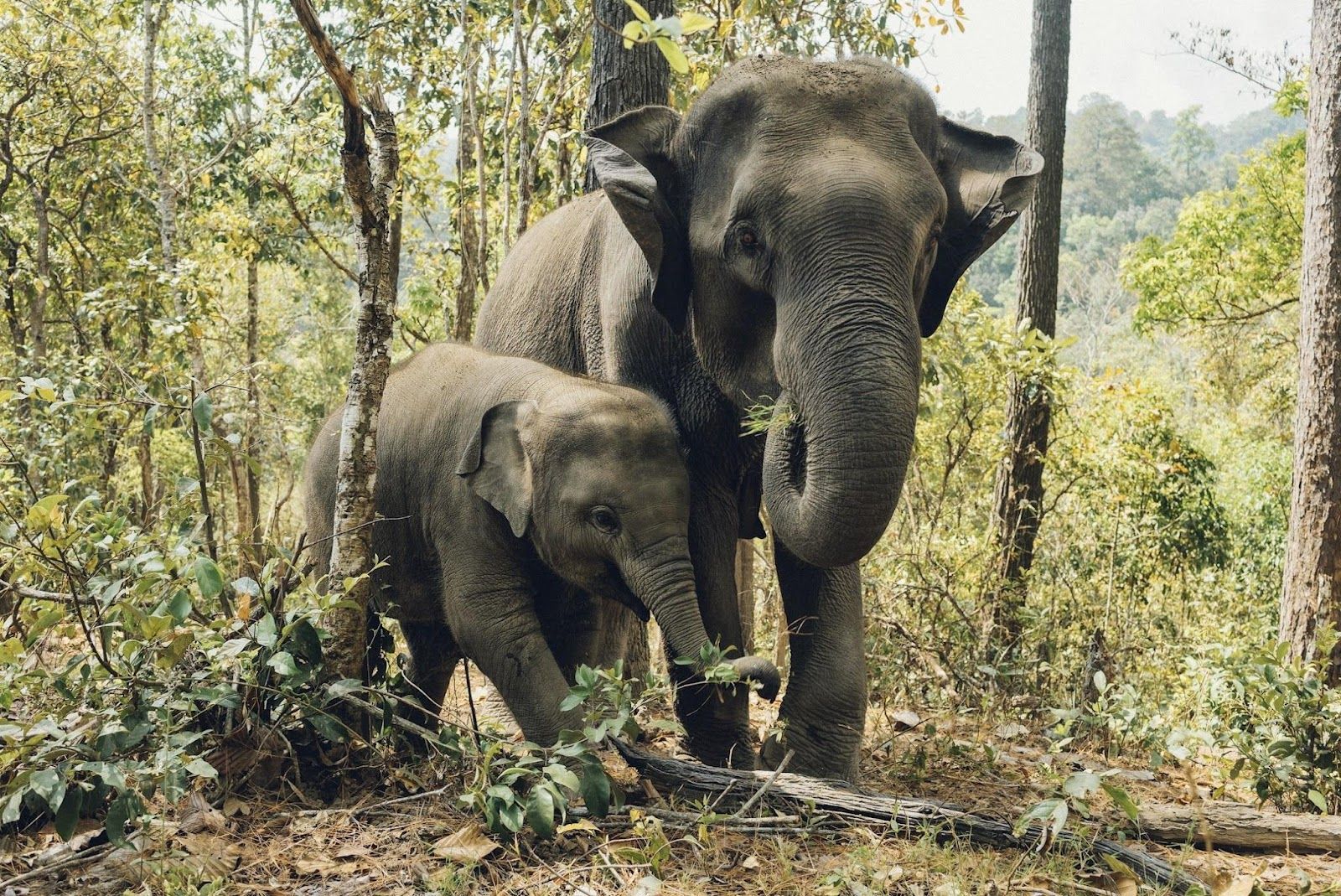 Image: paweldotio
Elephants can detect low-frequency seismic vibrations through their feet, known as infrasound. These sounds travel great distances through the ground, giving elephants an early warning system for earthquakes.
Field studies in Sri Lanka and Thailand have recorded elephants moving to higher ground hours before tsunamis and quakes.
Dogs sensing seizures and storms
 Image: Chewy
Dogs often display signs of anxiety—pacing, whining, hiding—before storms or earthquakes. In some cases, they have even alerted owners to seizures or cardiac events.
Their acute sense of smell and hearing allows them to detect subtle changes in barometric pressure and even the scent of ozone that precedes a thunderstorm. In quake-prone areas, dogs have been reported barking frantically seconds before tremors strike.
Sharks avoiding hurricanes
 Image: Alexandre Boucey
Sharks can detect shifts in barometric pressure, allowing them to dive deeper before hurricanes strike.
In 2001, tagged bonnethead sharks in Florida were observed diving rapidly in response to Hurricane Gabrielle’s approach. Their pressure-sensitive lateral lines function like an early-warning system for dangerous storms.
Ants and micro tremors
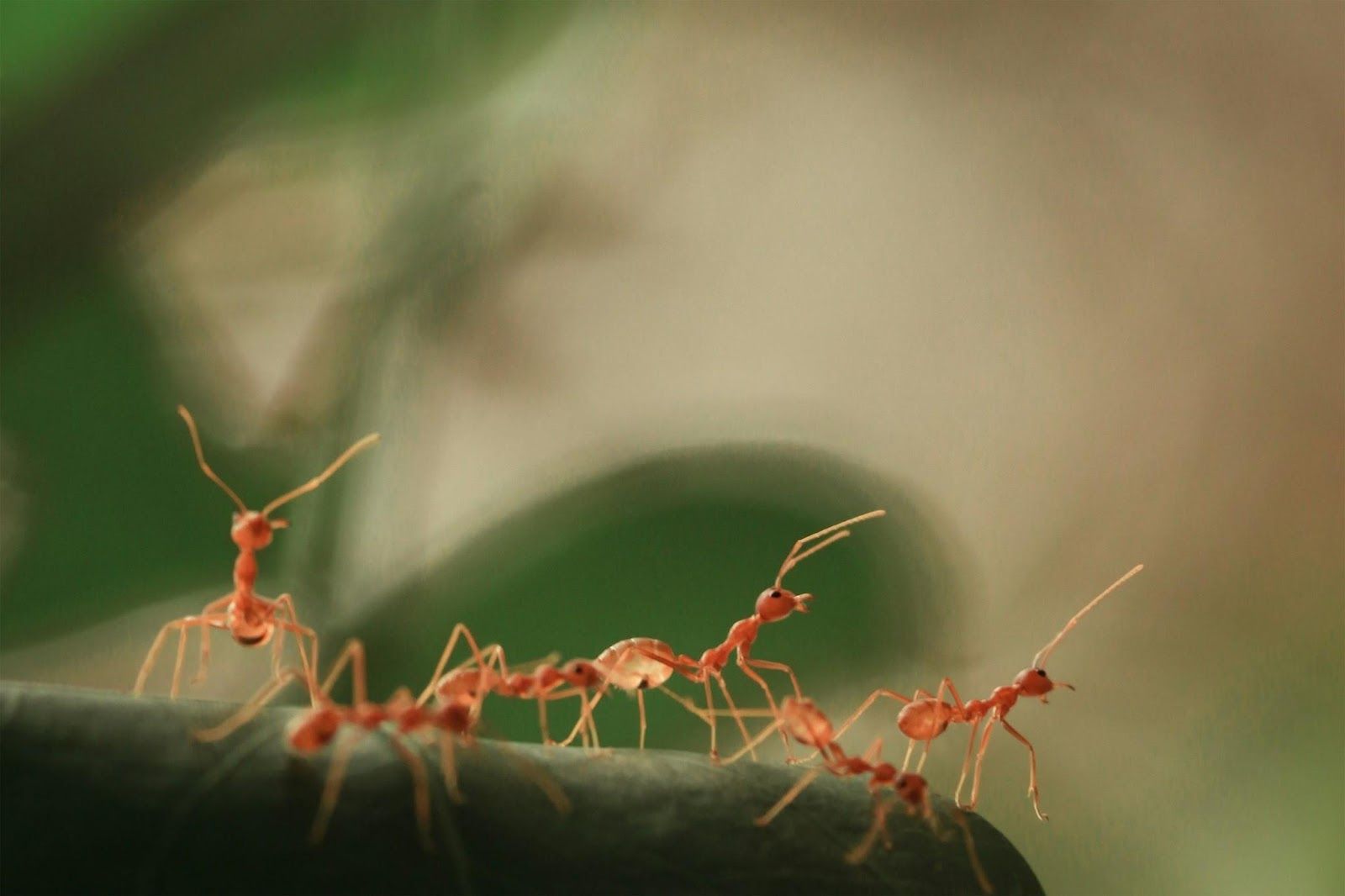 Image: Prince Patel
Ants have been observed to alter their foraging behavior and nest structure before earthquakes. Scientists believe they react to changes in soil gases and vibrations.
In addition to earthquakes, ants can also detect approaching storms. Changes in barometric pressure and humidity can cause ants to become more active or retreat deeper into their nests.
Birds and barometric shifts
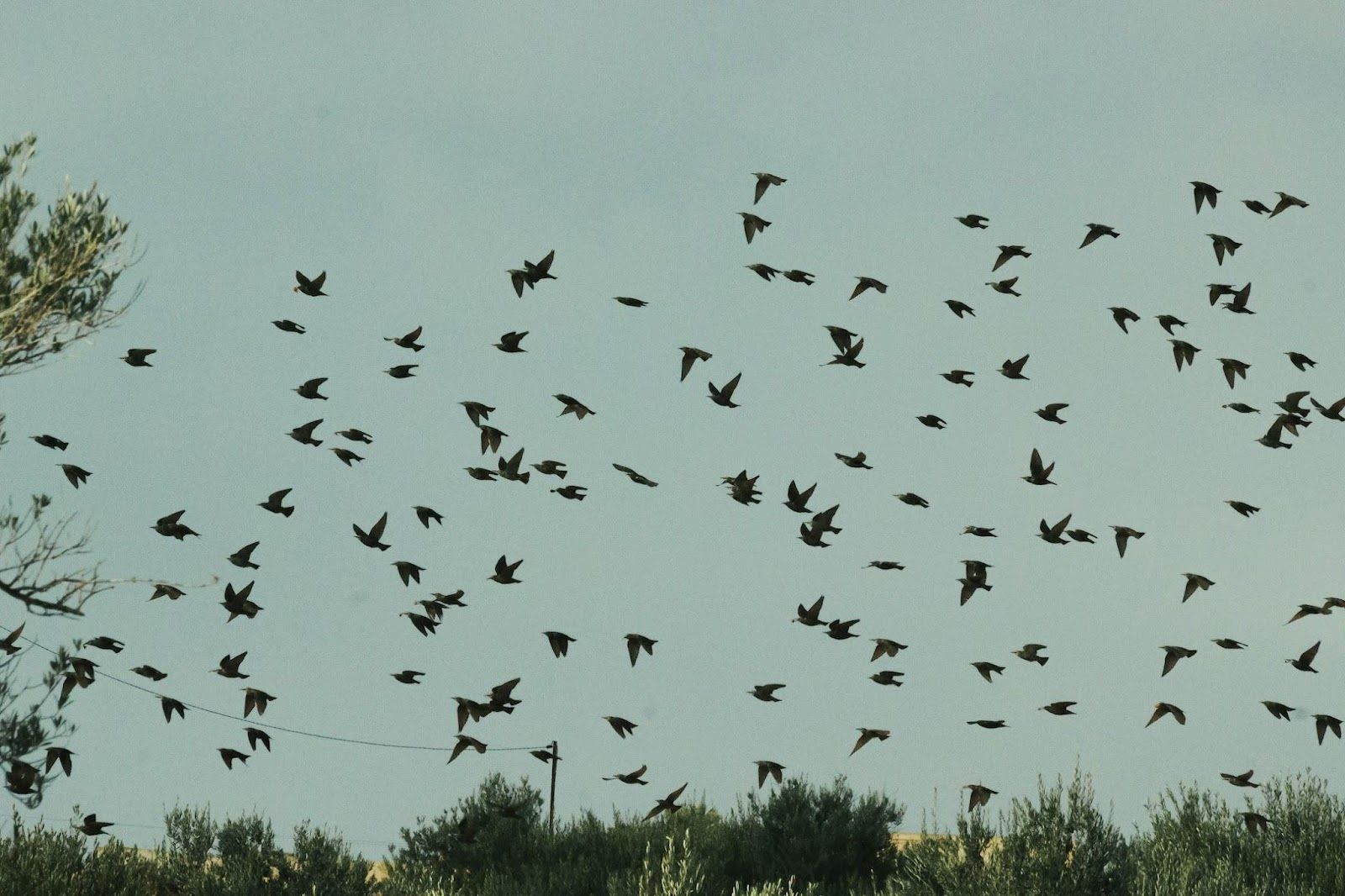 Image: Mohamed Fsili
As one would expect, birds are highly responsive to changes in air pressure. Many species change flight paths or stop migrating if a storm is coming.
In 2014, golden-winged warblers abruptly left Tennessee days before a deadly tornado outbreak, only returning after the threat passed. GPS trackers on some of the birds confirmed the sudden 900-mile round-trip escape.
Fish leaping from water
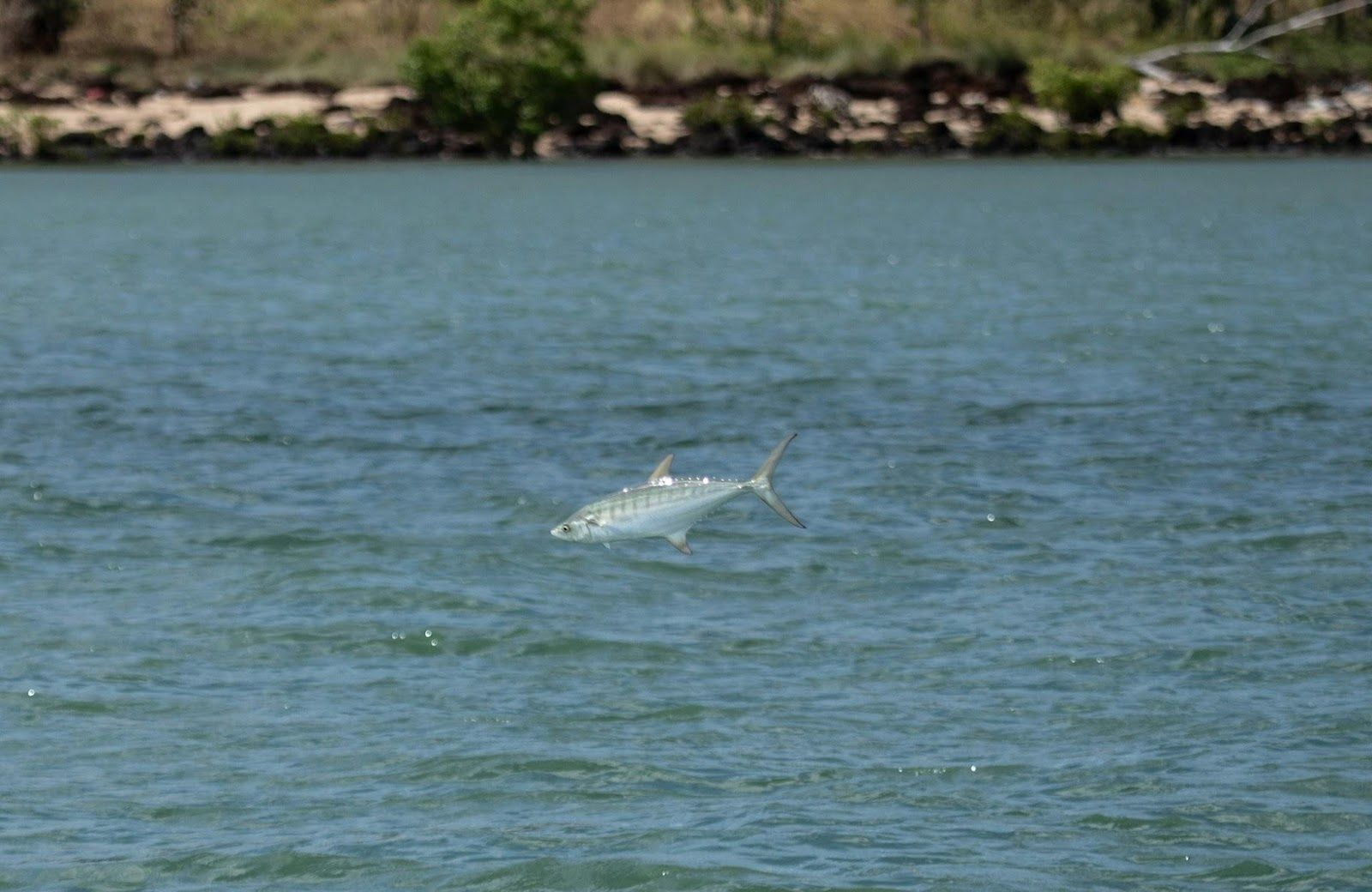 Image: Geoff Brooks
Fish have been recorded jumping out of the water just before earthquakes, possibly reacting to pressure or specific chemical changes.
In Japan, koi and eels exhibited panic-like thrashing and leaping before the 2011 Tōhoku quake. Researchers suggest their specialized senses can detect subtle pressure waves or dissolved gas anomalies in water.
Rats fleeing before floods
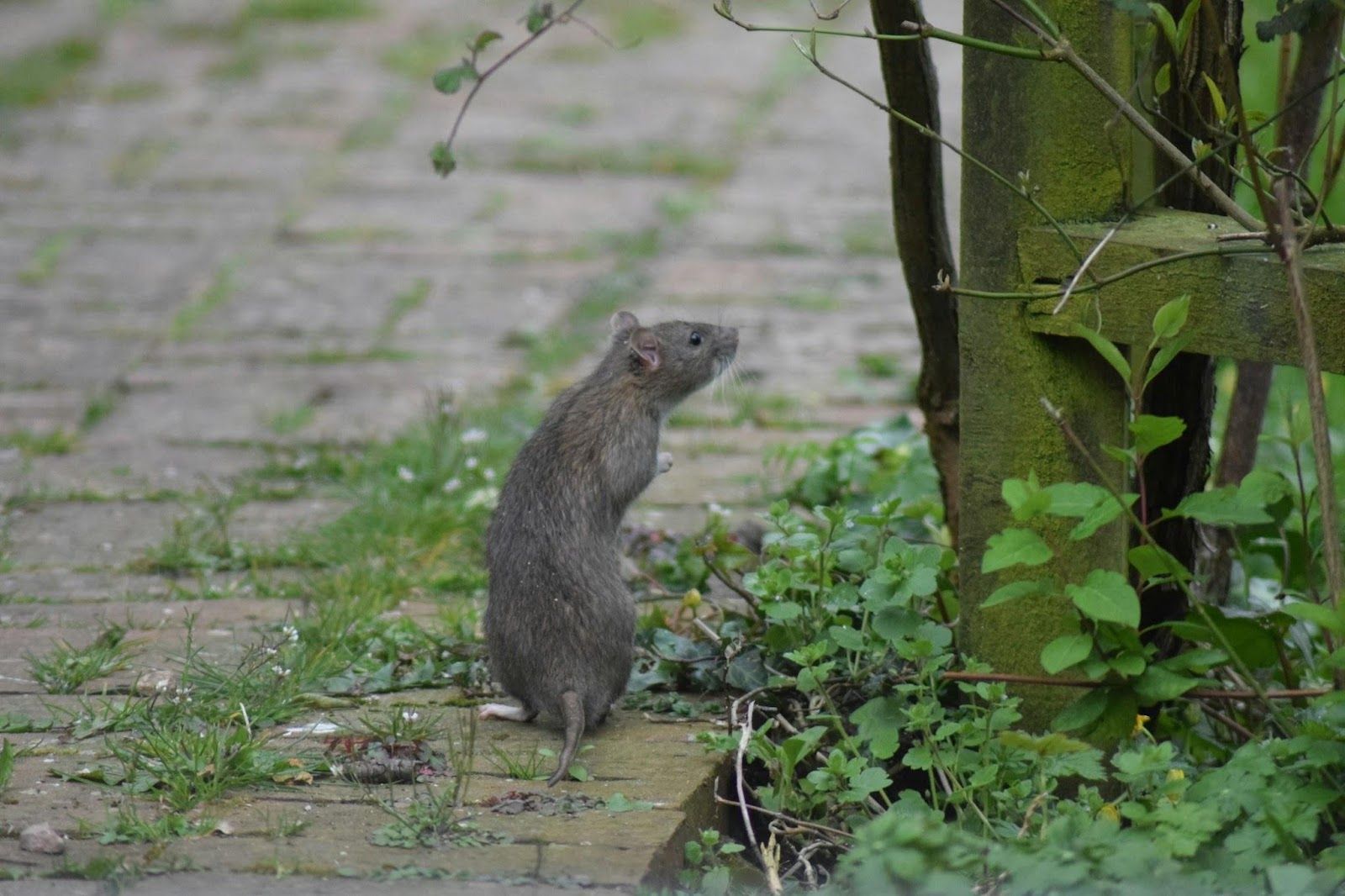 Image: Michelle Gordon
Rats often leave urban areas en masse before major flooding events. Sewer vibrations or scent cues may warn them of the incoming danger.
In India and Bangladesh, mass rat migration has historically preceded flash floods. Their survival relies on quickly identifying danger zones, and some believe their whiskers help detect water movement and even vibrations deep underground.
Dolphins avoiding red tides
 Image: Peter Fogden
Dolphins may be able to detect algal blooms (red tides) from miles away and often swim clear of affected areas.
Scientists believe their acute echolocation could help them sense chemical changes or detect developing dead zones. In Florida, dolphins have been observed avoiding regions impacted by Karenia brevis blooms long before any visible changes appear in the water.
Frogs croaking differently
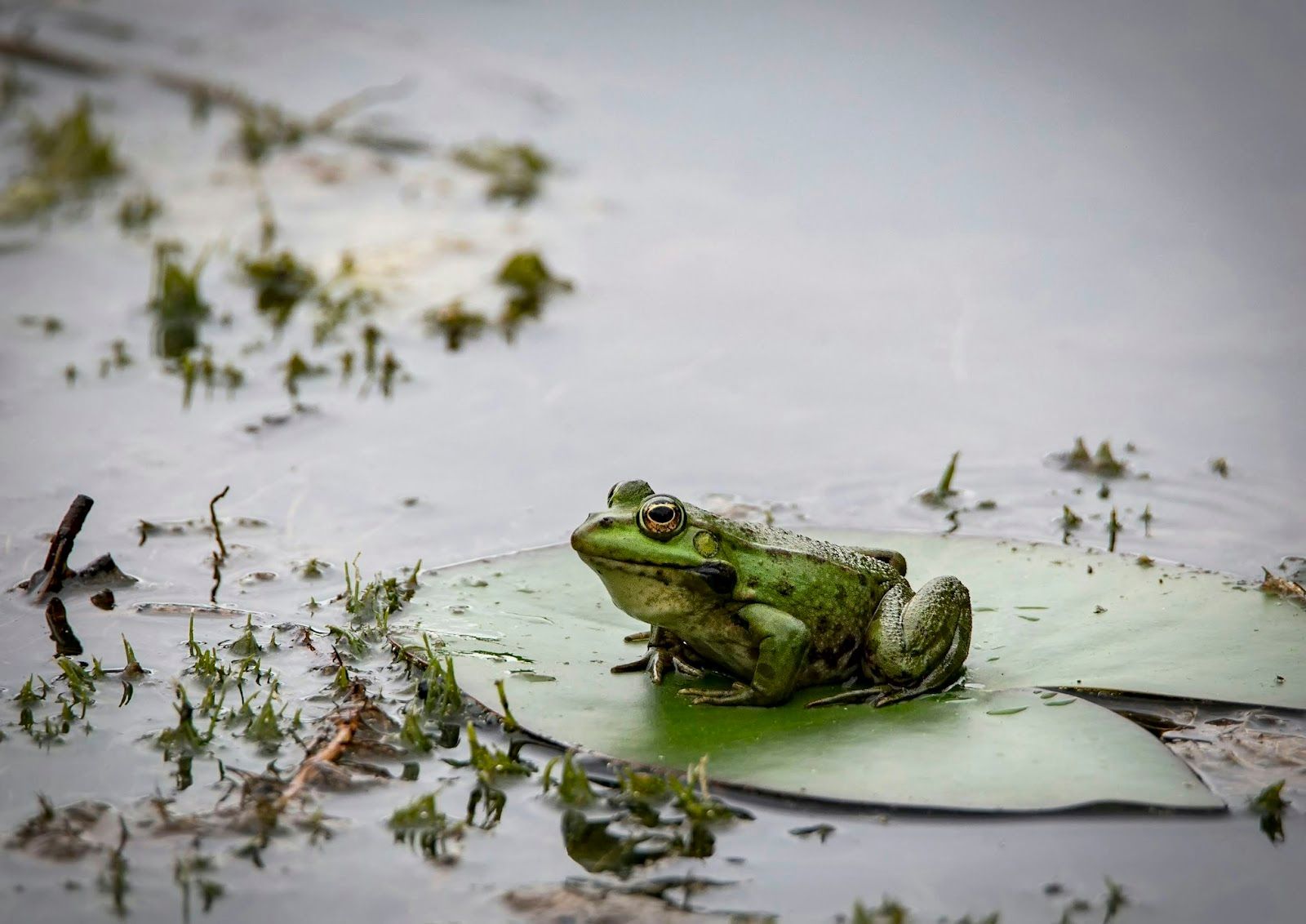 Image: Erzsébet Vehofsics
Frogs may alter their calls ahead of seismic activity, responding to low-frequency vibrations.
Researchers in Japan recorded changes in frog croaking patterns in the days before the 2011 quake. The frogs emitted less frequent and lower-pitched calls, suggesting discomfort from environmental shifts.
Crickets falling silent
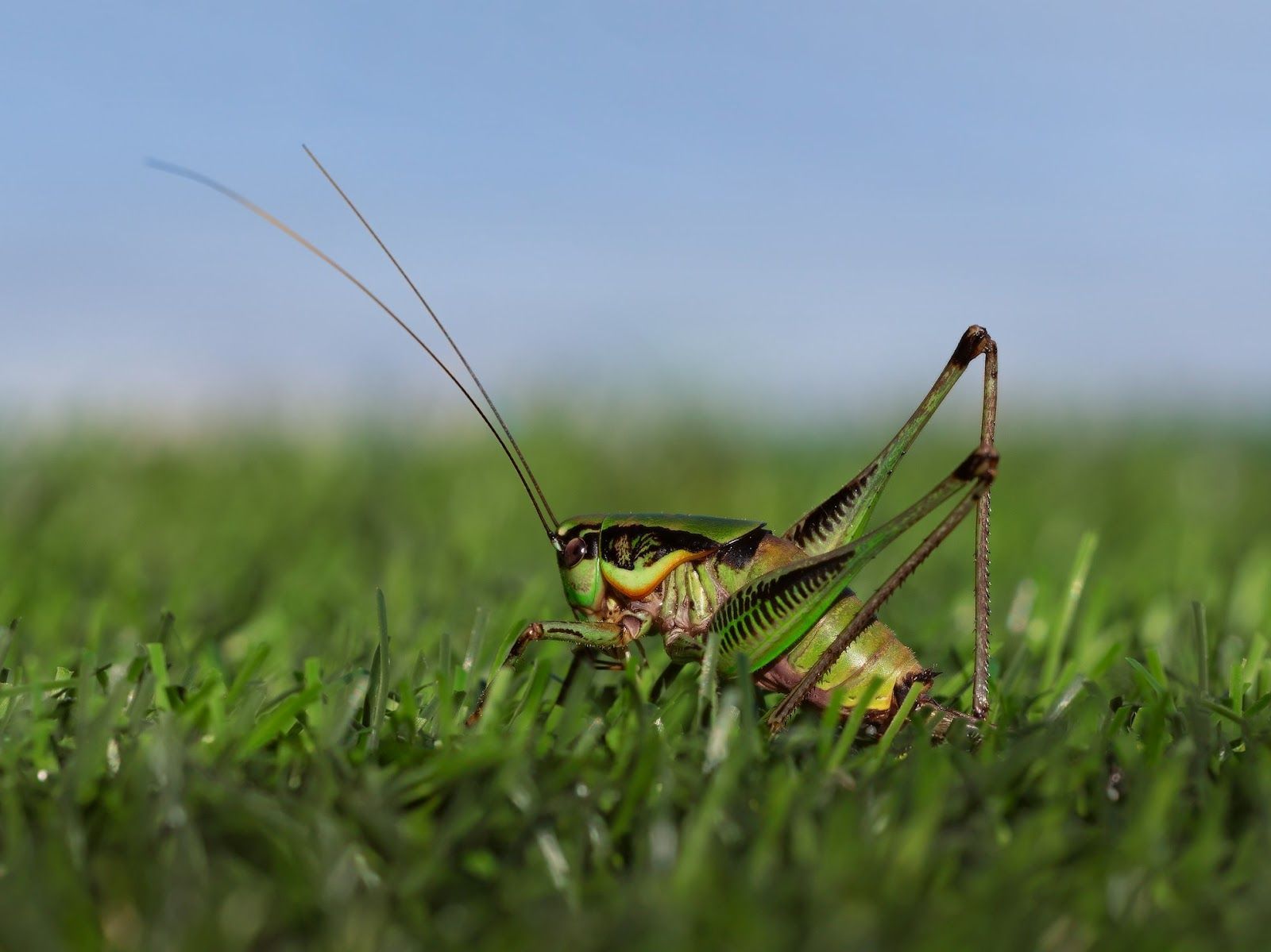 Image: William Warby
Crickets often go silent ahead of disasters. This curious behavior may be linked to their sensitivity to ground vibrations and air pressure changes.
Studies in Indonesia noted decreased cricket chirping before tsunamis. The silence has been proposed as a natural indicator, potentially tied to shifts in humidity or ground tension.