Tongue slips

What did you just say?! VIP people also have a record of malapropisms!


Published on April 4, 2026

Image: Santa Barbara

We’ve all experienced a moment when a word comes out of a word mouth sounding confident, polished… And completely wrong! Maybe no one noticed, maybe everyone did. Whatever the case, that’s called a malapropism, and they happen when a word sounds close enough to the right one. The result can go from charming to catastrophic, especially if it happens in public. Here are some real-life examples of those verbal stumbles.

1

Electrical votes in Texas

Image: appshunter.io

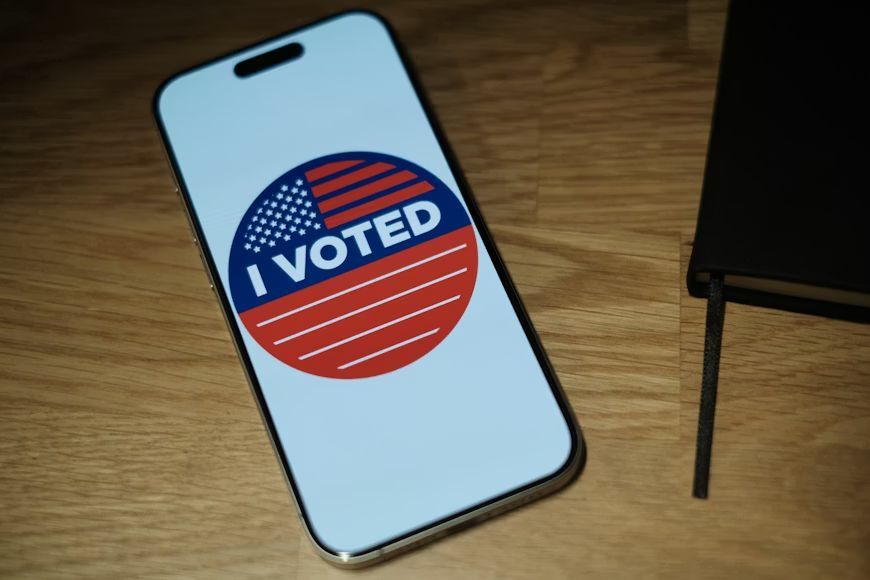
During a conversation about elections, the then Vice President George Bush was chatting with baseball great Yogi Berra. Berra reportedly mentioned that Texas had plenty of "electrical votes." Can you guess what he meant? The correct words would’ve been "electroral," but the slip was classic Yogi.

2

Fading into Bolivian

Image: Kenny Eliason

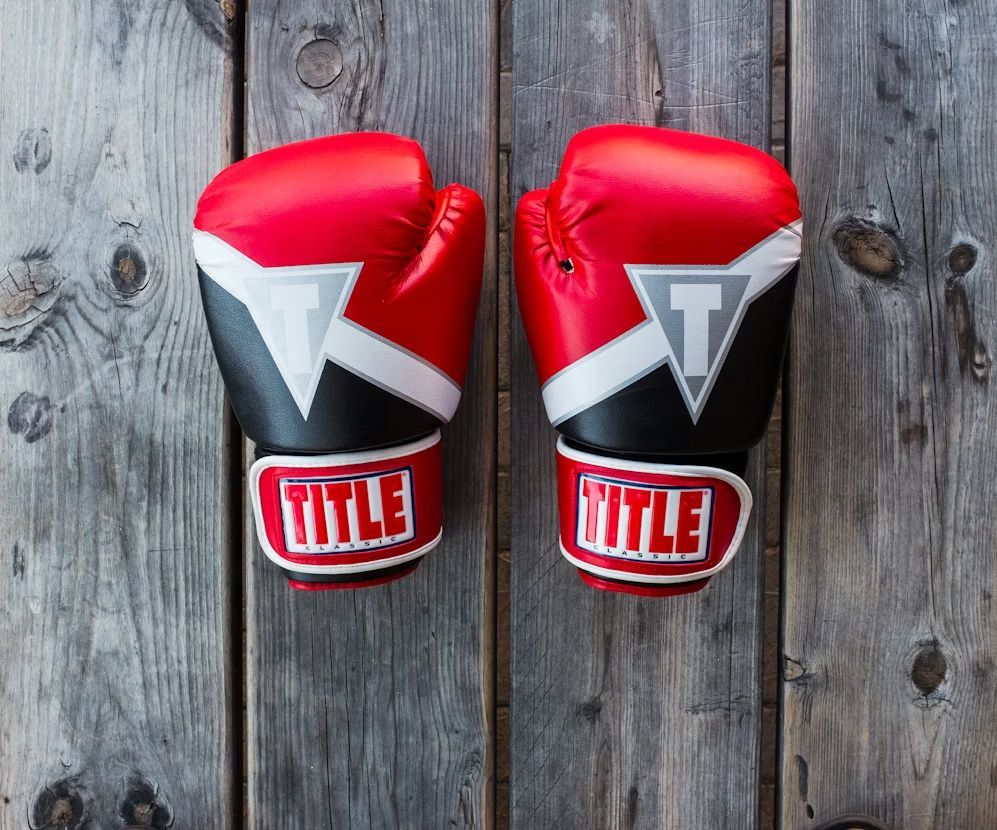
After a tough boxing match in 2002, Mike Tyson was asked what came next for him. His answer? He might just "fade into Bolivian." The word he wanted was oblivion, but his version stole the spotlight. Who can blame him? Any of us who make a mistake after receiving a punch or two!

3

The Sixteenth Chapel

Image: Lorenzo Turroni

David Letterman once teased Justin Bieber by saying that too many tattoos could make him look like the Sistine Chapel. Bieber shot back that he wasn’t aiming for the "Sixteenth Chapel" look. The reply came fast and confident, which made it even funnier. Although Michelangelo, among others, would not agree, right?

4

The master of malaprop

Image: Ben White

Comedian Norm Crosby leaned into malapropisms so hard that it became his signature. He was known as The Master of Malaprop for a reason. One of his lines famously urged listeners to enjoy the "blabbing brook" instead of the babbling one. But in his hands, the wrong word was never an accident: It was the whole joke.

5

Dogberry’s verbal adventures

Image: Taha

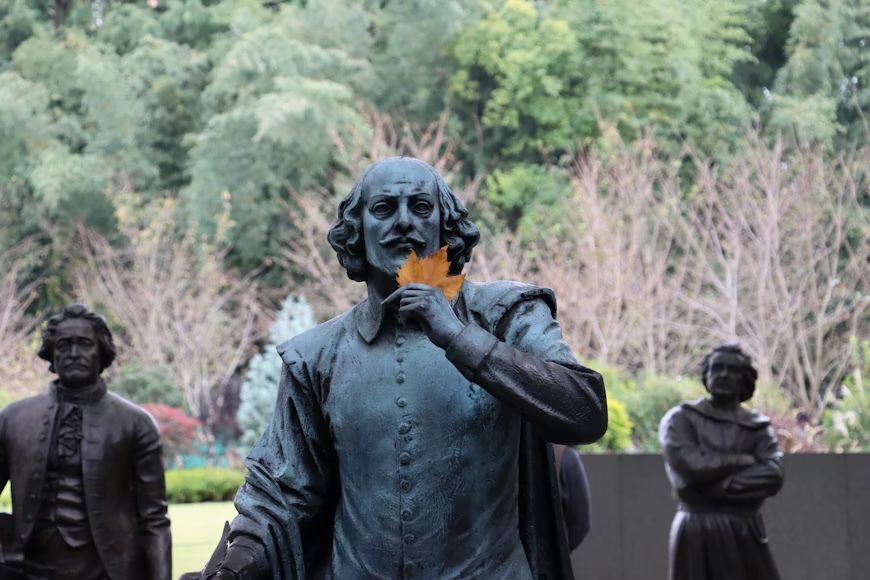
Shakespeare gave us a lot of new words, and some malapropisms too. For example, in Much Ado About Nothing, his character Constable Dogberry was famous for confidently saying the wrong thing. When Dogberry reports that two men were "comprehended" instead of "apprehended," and calls them "auspicious" instead of "suspicious," the comedy writes itself!

6

A coat with installation

Image: Nikolas Noonan

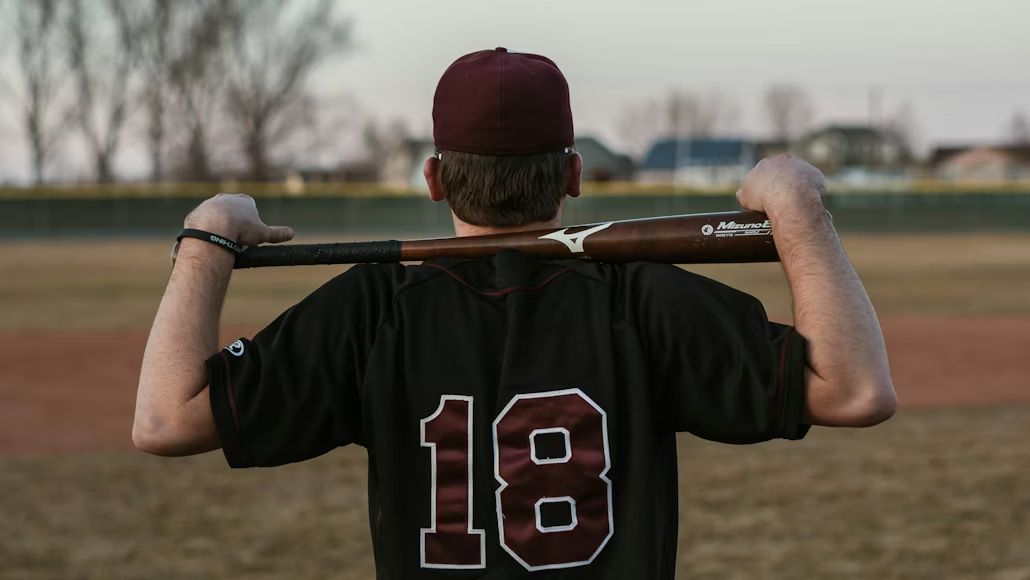
What kind of installation? These malapropism belongs to baseball player Mike Smith, who once praised a new coat by saying it had lots of "installation." He probably just meant "insulation," referring to how warm it was! He meant it as a compliment, besides, he’s a baseball player, what does he know about fashion features!

7

Chicago’s crosswords of the nation

Image: Max Bender

Former Chicago mayor Richard J. Daley had his share of word tangles. He reportedly referred to tandem bicycles as "tantrum" bicycles and called the O’Hare Airport the "crosswords of the nation." The intent was clear, even if the delivery wandered.

8

An unparalyzed moment

Image: Fine Photographics

Gib Lewis, who served as Texas Speaker of the House, once described something as "unparalyzed in the state’s history." The word he wanted was unparalleled, as you can imagine. Still, the statement landed with confidence, which is often half the battle. Moreover, it’s a good thing that whatever he was talking about wasn’t paralyzed, right?

9

Putrified with astonishment

Image: Preston A Larimer

Literature is full of malapropisms, and Mark Twain hasn’t got his record completely clean. In The Adventures of Huckleberry Finn, he gave Aunt Sally a memorable twist. She says she was "putrified with astonishment," and even if we know he meant "petrified," the picture it paints is clear and brilliant. Twain was fully conscious that these humorous words only contributed to the character’s development.

10

Archie Bunker’s verbal gymnastics

Image: Ming De Dong Huang

Archie Bunker from All in the Family was a gold mine for malapropisms. He once asked if he looked like an "inferior decorator" and wrapped things up by saying "Molotov" instead of Mazel tov. His mangled phrases were part of what made the character feel real, stubborn, and unintentionally funny. Did you like him?


Deep roots

11 everyday words with indigenous roots


Published on April 4, 2026


Image: Zoshua Colah

English is a very welcoming language in the sense that it incorporates terms from many other languages from all over the world. And, as it couldn’t be otherwise, Native American languages have lent many of their words and terms to English speakers. Some traveled through Spanish or French before settling into English, and others arrived directly through early contact and trade, helping shape the way we speak today. Did you know about these 11 terms?

1

Canoe

Image: Michael Niessl

The word "canoe" comes from the Taino term canoa, which was first used by Caribbean islanders long before Europeans arrived. Early explorers adopted it to describe the slim, sturdy boats they saw.

Over time, "canoe" became the standard English word for a small paddled craft. Today it still carries that sense of simplicity and closeness to nature.

2

Barbecue

Image: Philipp Kämmerer

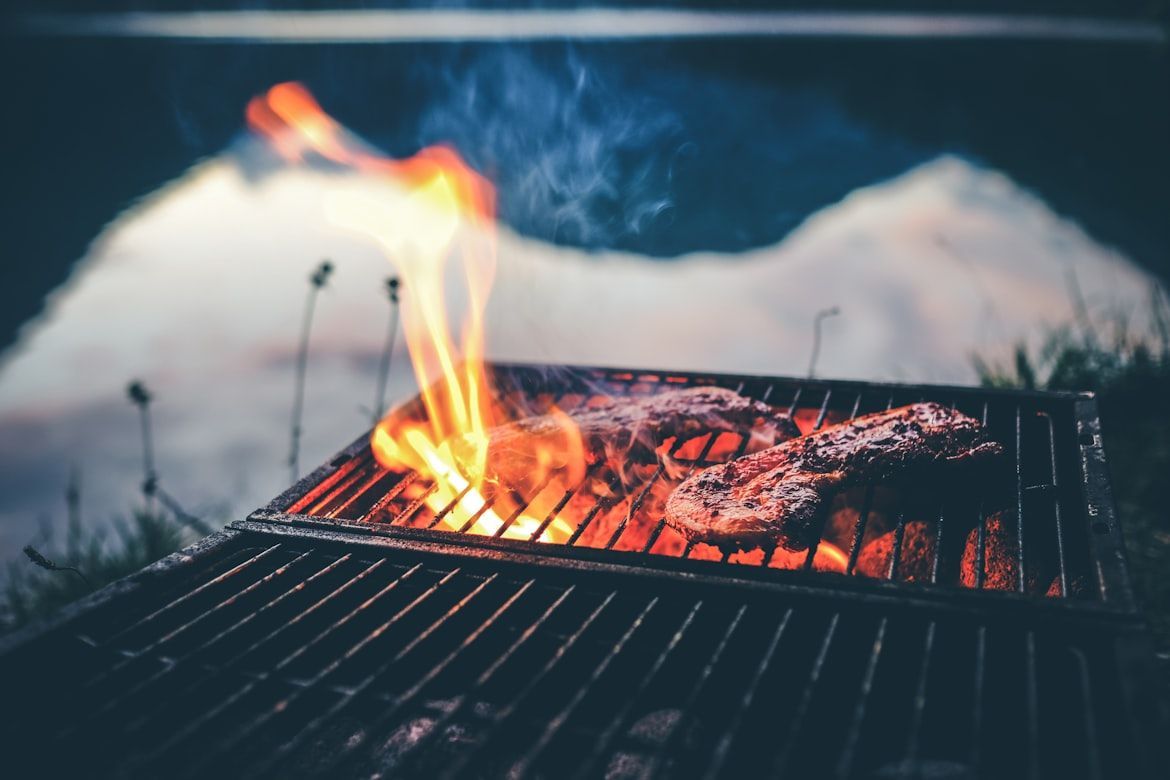
The word "barbecue" comes from barbacoa, another Taino term for a wooden frame used for cooking meat over fire. Europeans adopted it and applied it to both the method and the gathering itself.

Today, "barbecue" means everything from a backyard cookout to a regional cooking style. Its origins highlight the deep culinary influence of Native Americans in the nation's current culture.

3

Skunk

Image: Elisa Stone

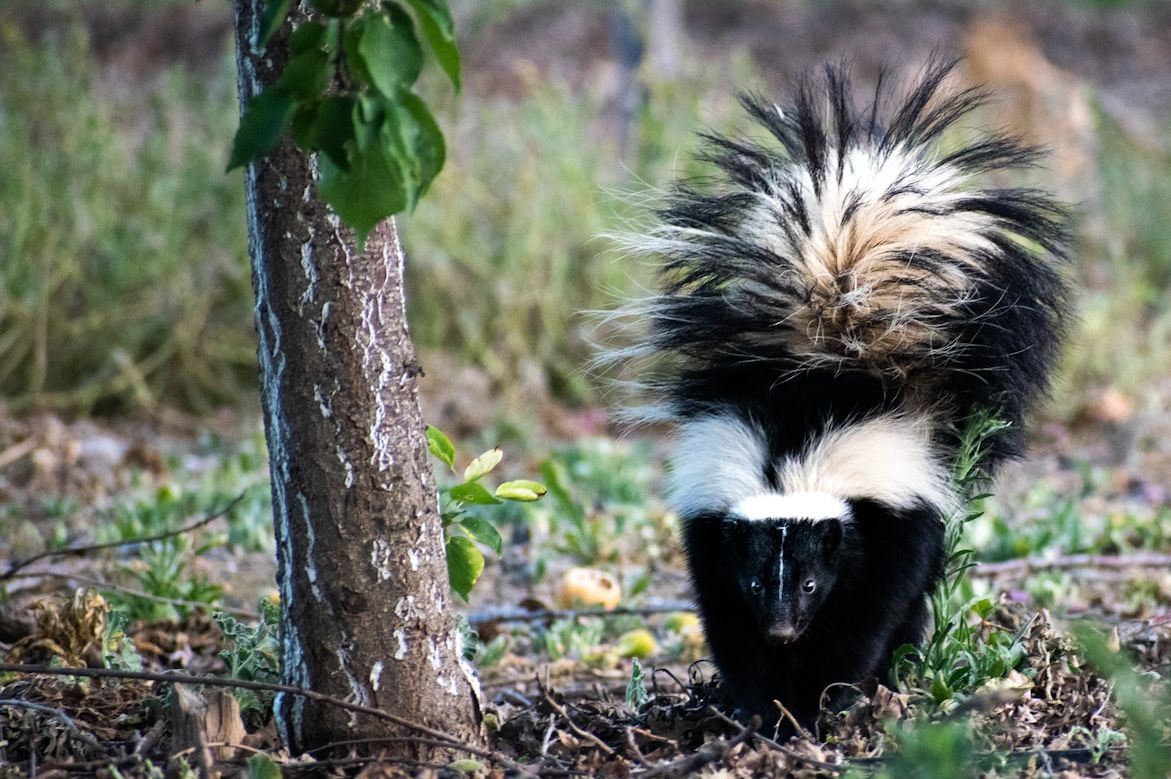
"Skunk" comes from the Algonquian word squnk, which means "urinating fox" (quite a fitting term, indeed). This was an obvious reference to the animal’s strong defensive spray. Early settlers adopted the term directly.

Since English had no better name for the creature, the Native word stuck. Today, the word skunks is also used as playful slang.

4

Moose

Image: Shivam Kumar

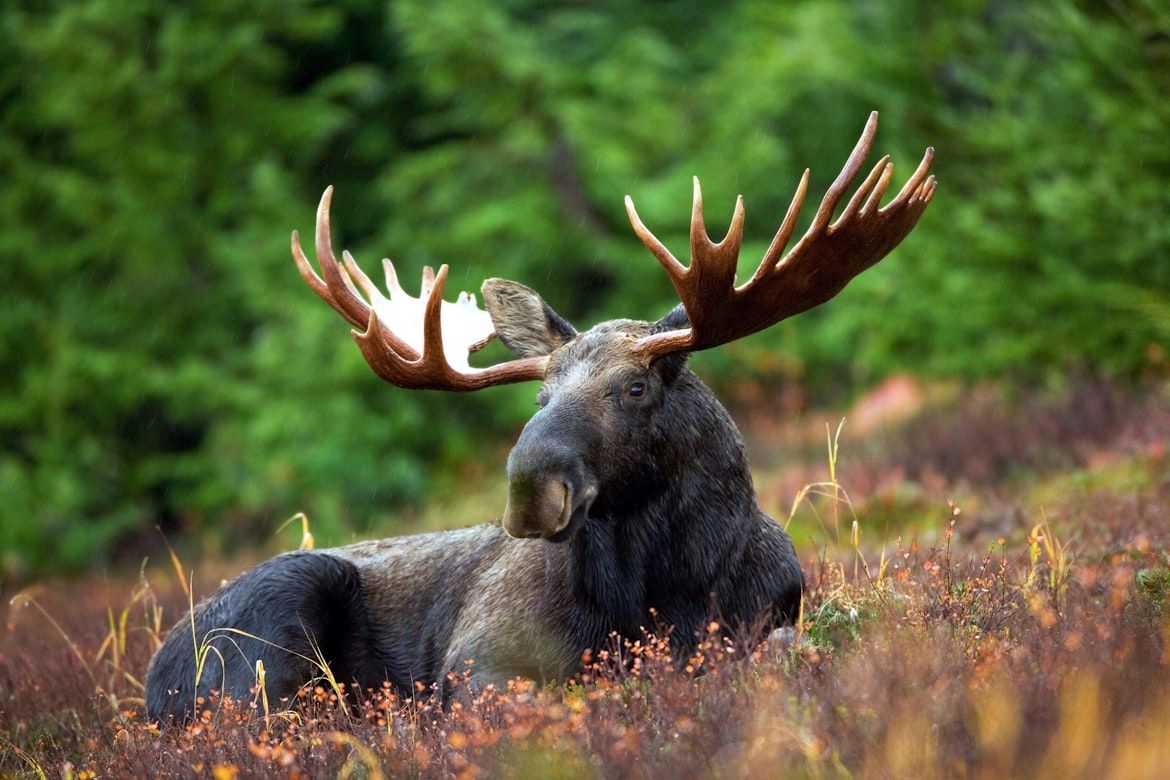
The word "moose" originates from Eastern Abenaki, a part of the Algonquian family, where it meant "he strips off bark." Yes, it described the animal’s habit of tearing bark from trees.

The name entered English quickly because settlers relied on Native knowledge of local fauna. The word remains unchanged because of its accuracy and usefulness.

5

Raccoon

Image: Gary Bendig

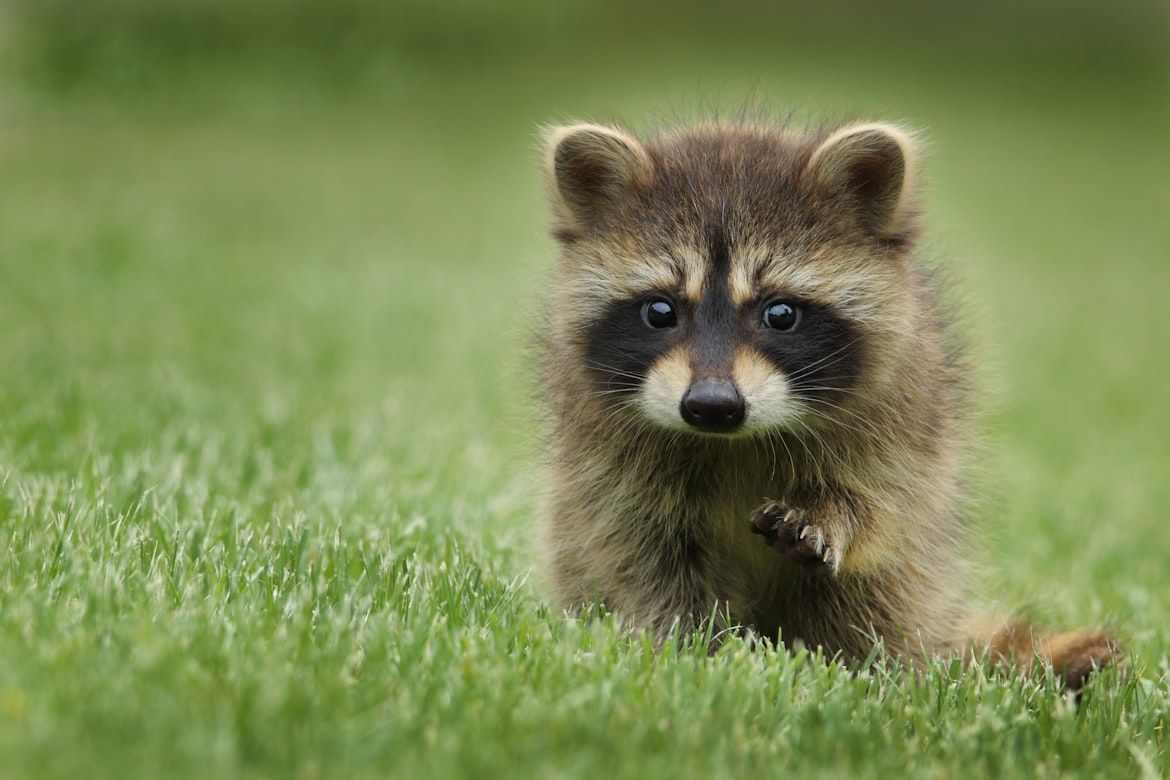
"Raccoon" comes from the Powhatan word arakun, meaning "he scratches with his hands." It described the animal’s clever, humanlike front paws.

Settlers adopted the term because it captured the creature’s behavior beautifully. Today, the raccoon is used as a household symbol of curiosity, not unlike the animal itself.

6

Chipmunk

Image: Annegret Kammer

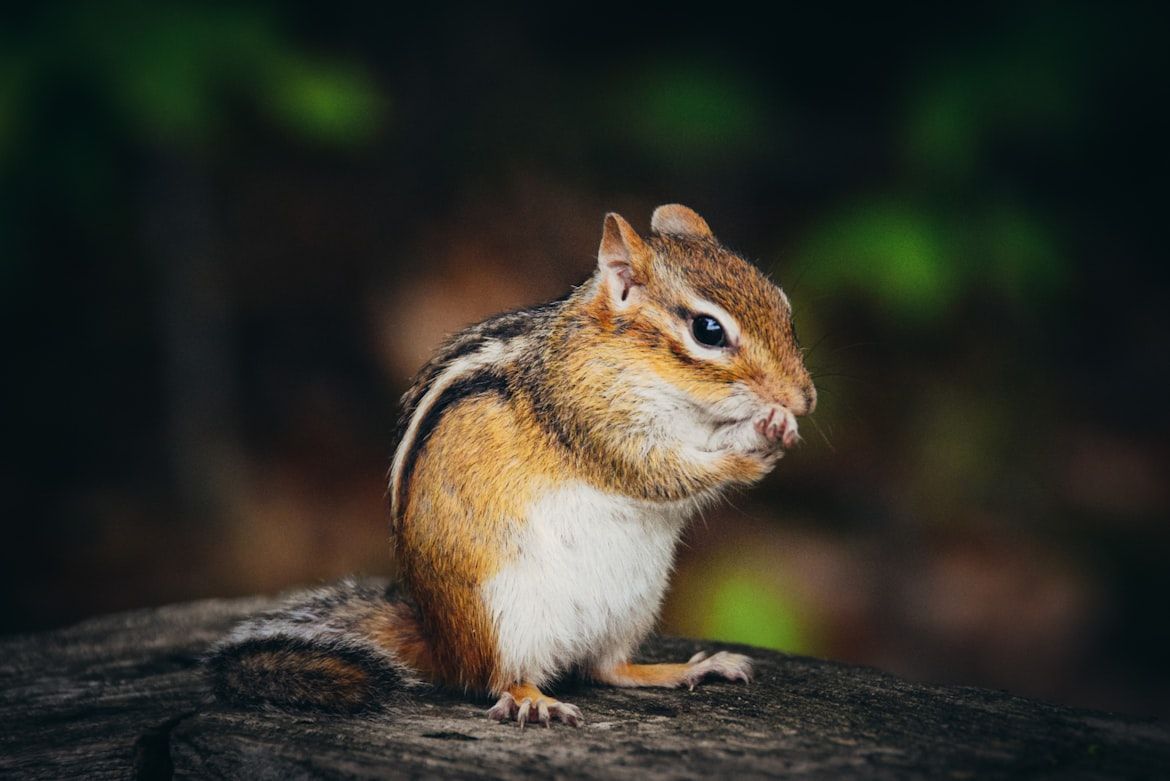
The term "chipmunk" most probably comes from the Ojibwe word ajidamoo, which means "one who descends trees headfirst." Early English settlers adapted the sound into today’s form.

Though the spelling changed over time, the lively image of a chipmunk racing down a tree face-first stayed.

7

Caribou

Image: JD-Photos

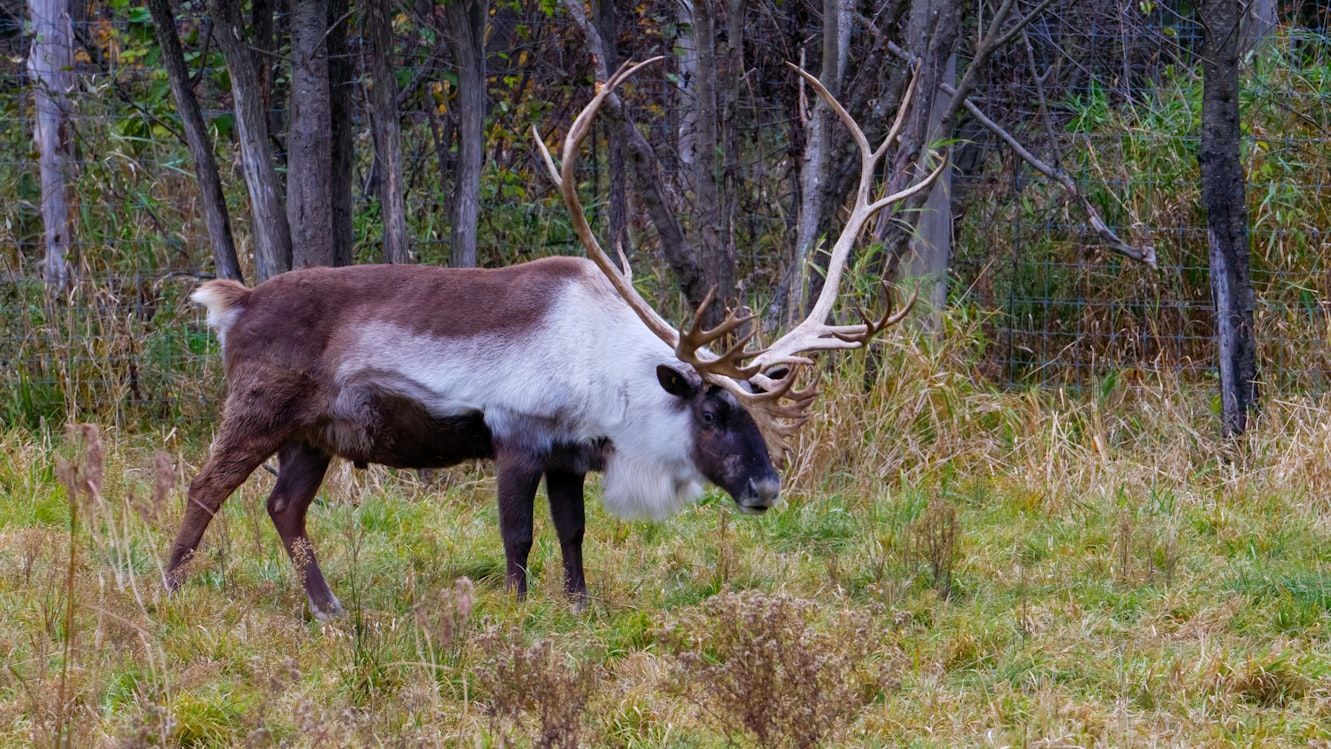
The word "caribou" comes from the Mi’kmaq term qalipu, which means "snow shoveler," referring to the animal’s habit of digging through snow for food.

French settlers brought the word into English, keeping its descriptive nature. The name still connects the modern animal to the winter landscapes it belongs to.

8

Totem

Image: Stéfano Girardelli

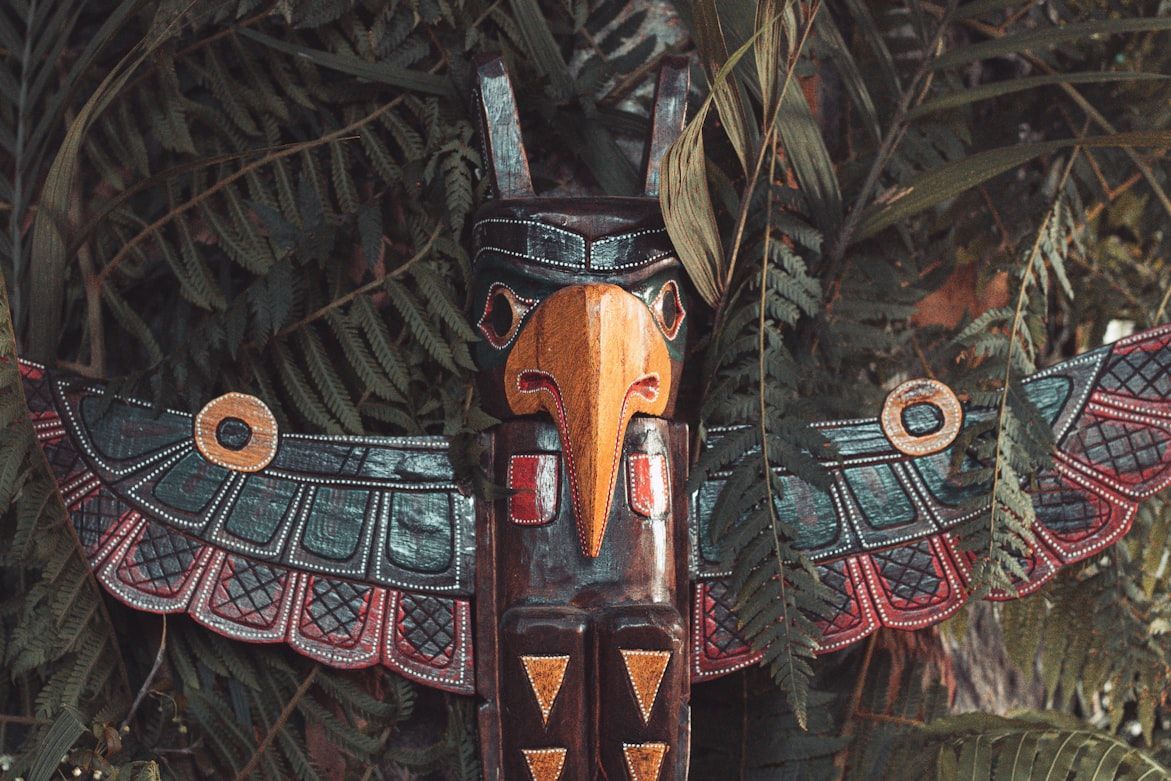
"Totem" comes from the Ojibwe word ototeman, which means "kinship group." It described symbols representing clans and shared roots.

English adopted it to describe carved poles and symbolic elements. Though broader in modern usage, it still hints at the original sense of community, identity, and heritage.

9

Coyote

Image: Dylan Ferreira

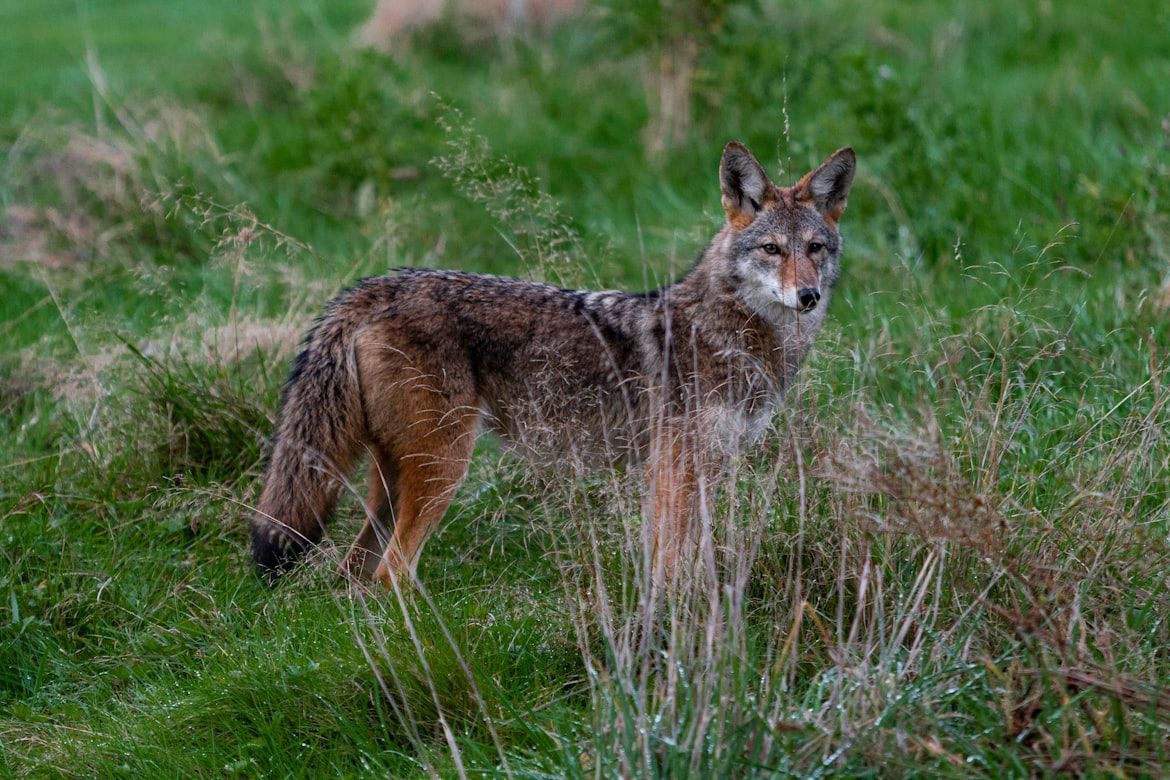
"Coyote" comes from the Nahuatl word coyōtl, which was used by Indigenous tribes of central Mexico. Spanish speakers adopted it, and English borrowed later.

The word kept its meaning, and it remains one of the most direct links between the English language and Nahuatl.

10

Avocado

Image: Gil Ndjouwou

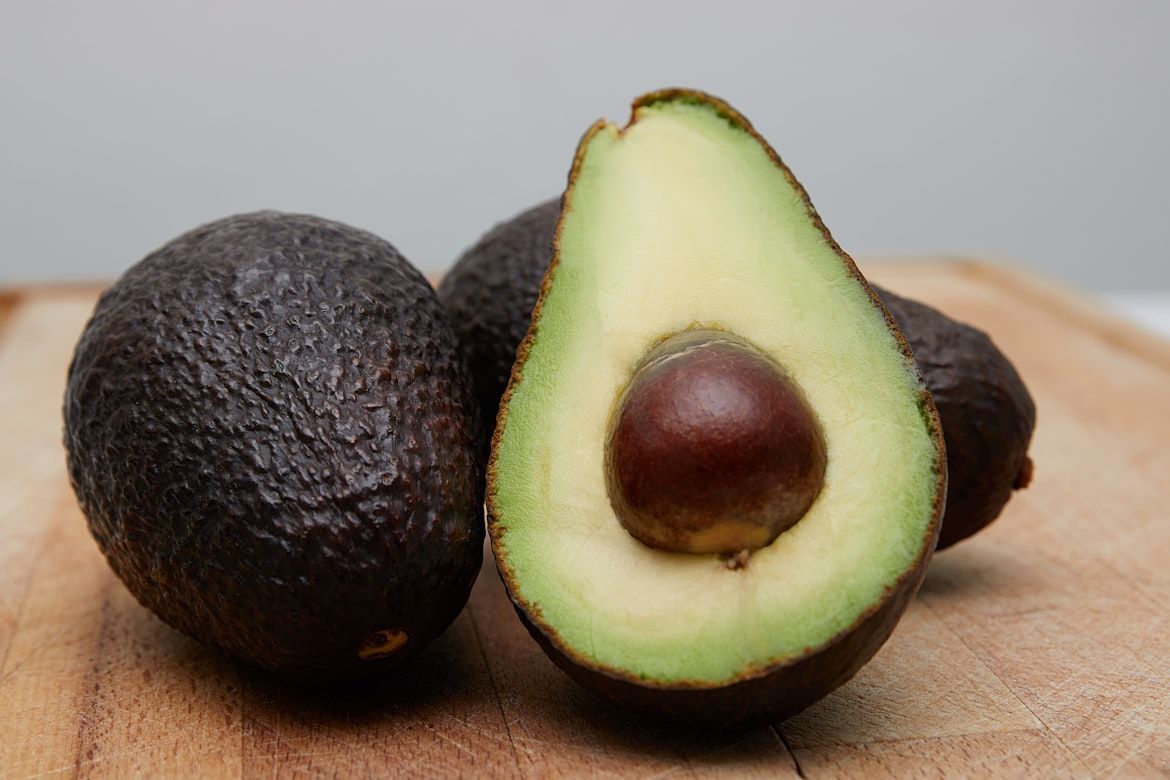
The tasty avocado’s name traces to the Nahuatl word ahacatl, which refers to the fruit and to a body part as well. Spanish speakers transformed it into aguacate.

Later on, English speakers adapted it to avocado. While the name sounds contemporary and culinary, it has ancient Native roots.

11

Chocolate

Image: amirali mirhashemian

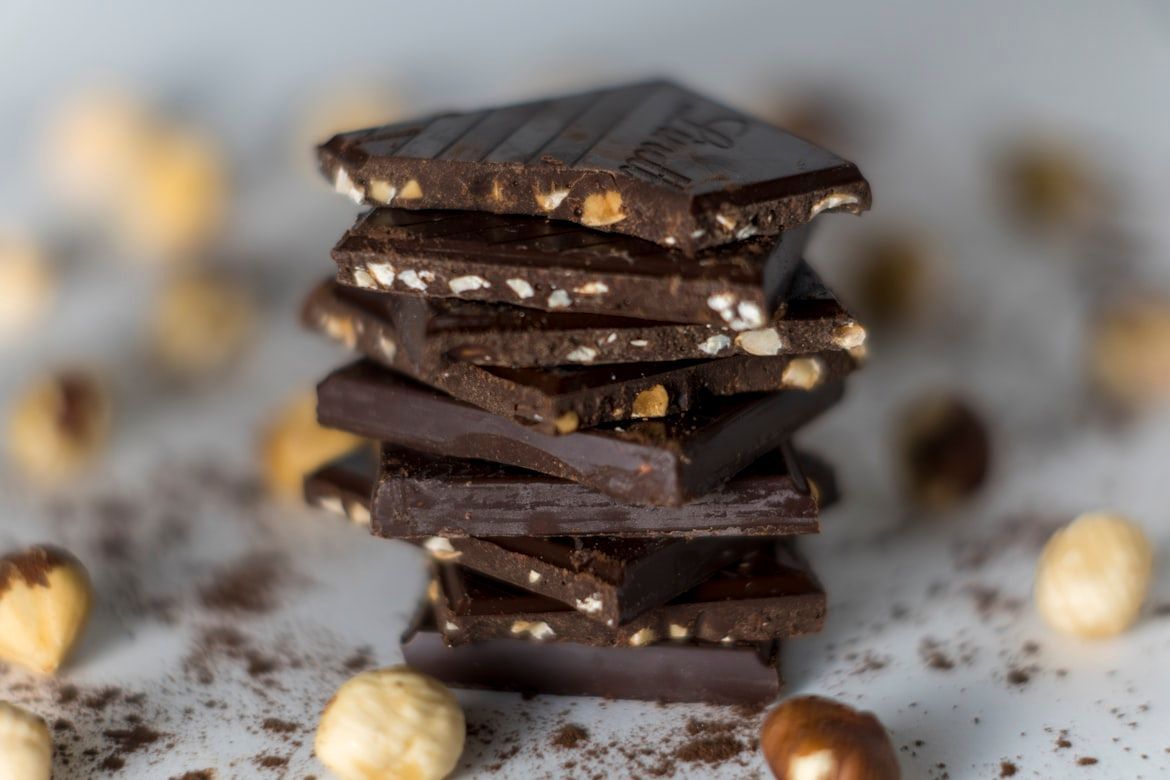
The last Nahuatl word and also the last word on the list comes from the term xocolātl, which describes a bitter cacao drink that was consumed long before Europeans arrived in America. The name traveled from Spanish to English.

Though the product changed dramatically, the word survived. Today, chocolate is a universal symbol of sweetness, with rich and deeply indigenous roots.

Looking for an extra scoop of literary fun?

Learn more with our Word of the day

rigor

/ˈrɪɡər/