Time is of the essence
Shorter words are becoming the norm: These 12 terms used to be longer
Published on February 23, 2026
 Image: Markus Winkler
Blame it on the faster pace of modern life, practicality, or whatever else you can think of, but the tendency to optimize time has seeped into our everyday lives and even into our language. Many formal words have been trimmed into shorter versions of themselves, often starting as slang and then becoming standard speech. Did you ever use any of the following words in their longer form?
Omnibus to bus
 Image: Jonathan Borba
In the nineteenth century, public coaches were called omnibuses, a Latin term suggesting transport "for all." Passengers soon favored the shorter, quicker "bus" in daily talk.
The shortened word spread rapidly across cities and timetables. Today, omnibus survives mainly in legal texts or historical descriptions.
Influenza to flu
 Image: CDC
During early epidemics, newspapers shortened influenza to "flu" for speed and space, helping the clipped form spread rapidly.
Today, flu is the everyday name for the illness, while influenza persists in medical and scientific writing. Both remain correct, but only one feels familiar.
Brassiere to bra
 Image: Kristen Plastique
The French-derived brassiere was common in early 20th-century catalogs, but shoppers quickly favored the brisk, modern "bra."
After mid-century marketing shifts, the clipped form became universal. Today, brassiere sounds dated outside historical writing.
Facsimile to fax
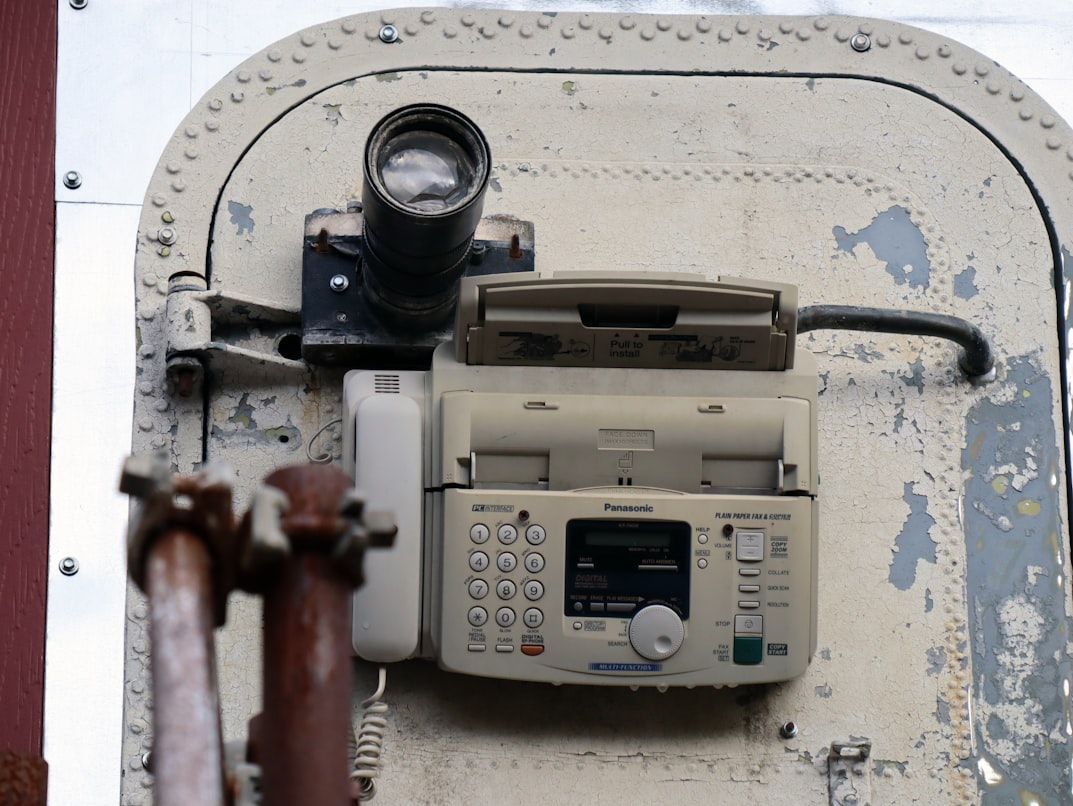 Image: Ann Ann
We might think otherwise today, but a facsimile transmission was once cutting-edge technology. Soon enough, office workers favored the short, punchy "fax."
As machines spread, the clipped form took over press releases and everyday conversation alike. The original term is now largely historical.
Moving Picture to movie
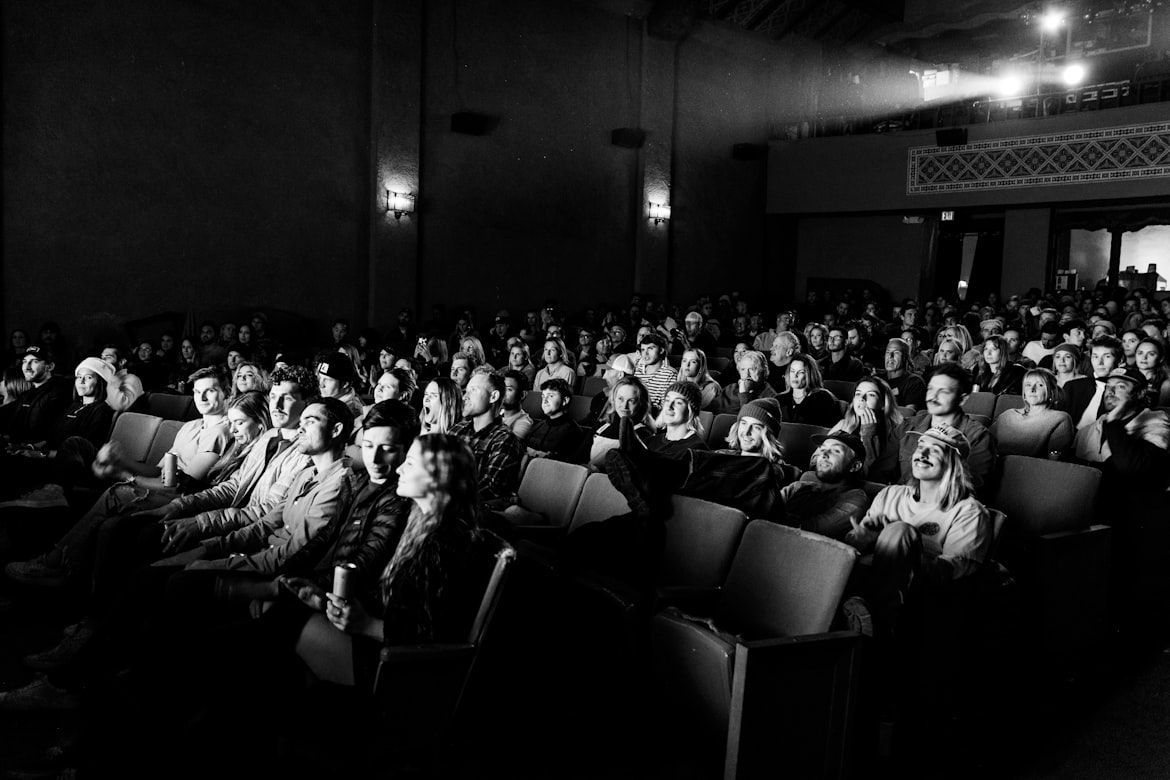 Image: Daniel Guerra
Early films were described as moving pictures, but audiences soon began calling them "movies" because, well, it was shorter and catchier.
Hollywood’s rise helped seal the popularity of the shorter form. Today, the longer phrase survives mainly in historical analysis or nostalgic usage.
Taximeter to taxi
 Image: Waldemar Brandt
Passengers on city streets once hired a taximeter cab, later shortened to taxicab, but everyday speech eventually clipped it to the more convenient and expeditious "taxi."
The shorter word spread globally, becoming the universal name for hired cars. The long form persists mainly in regulations.
Weblog to blog
 Image: Kenny Eliason
Originally coined as weblog, a portmanteau of web and log, the term was later jokingly split as we blog, inspiring the now-standard "blog."
The clipped form quickly overtook its parent. Today, it refers both to the site and to the act of publishing online posts.
Hooded Sweatshirt to hoodie
 Image: Eugene Chystiakov
Retailers once promoted hooded sweatshirts, but youth culture shortened the name to "hoodie," giving it a modern identity.
The clipped form became mainstream across fashion and sportswear. The longer phrase now appears mainly in catalogs or formal product descriptions.
Violoncello to cello
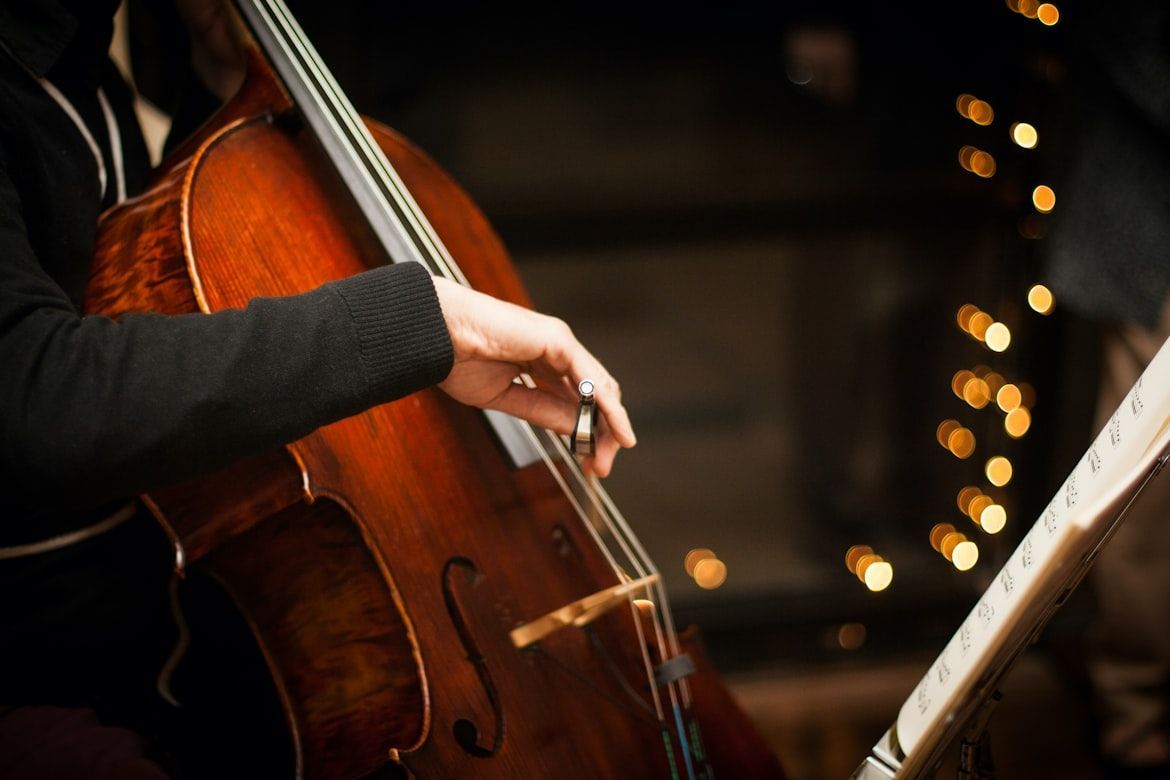 Image: Manny Becerra
The elegant Italian word violoncello entered English intact before musicians clipped it to the smoother, more practical "cello."
The shortened form became the everyday name of the instrument. The longer term survives mostly in formal scores, academic contexts, and archival writing.
Pianoforte to piano
 Image: Ebuen Clemente Jr
The original pianoforte highlighted the instrument’s ability to play softly and loudly, but speakers quickly favored the simpler and more universal "piano."
As the instrument spread through homes and concert halls, the shorter term dominated. Pianoforte remains in scholarly texts and classical sheet music.
Dormitory to dorm
 Image: Nguyen Dang Hoang Nhu
The Latin-derived word dormitory described shared student housing, but campus life quickly adopted the brisker, more casual "dorm."
The clipped form feels friendly and familiar, reflecting college culture. The full term appears mainly in brochures and official policies.
Pantaloons to pants
 Image: BBiDDac
In the nineteenth century, men wore pantaloons, a somewhat funny term that later evolved into "pants" as fashion and language changed.
The shorter form became the everyday American generic term for trousers. Pantaloons now survives almost exclusively in costume history, literature, and theater.