Words that seem immortal
The meanings have vanished, but the words lived on: Meet 12 “ghost” words
Published on June 29, 2026

Language changes constantly, but rarely throws everything away at once. Sometimes a word outlives the object, machine, or technology that gave it meaning in the first place. We continue to use these expressions every day without thinking much about where they came from. From rotary telephones and film reels to carbon paper and floppy disks, these words are linguistic fossils that refuse to go away.
Dial
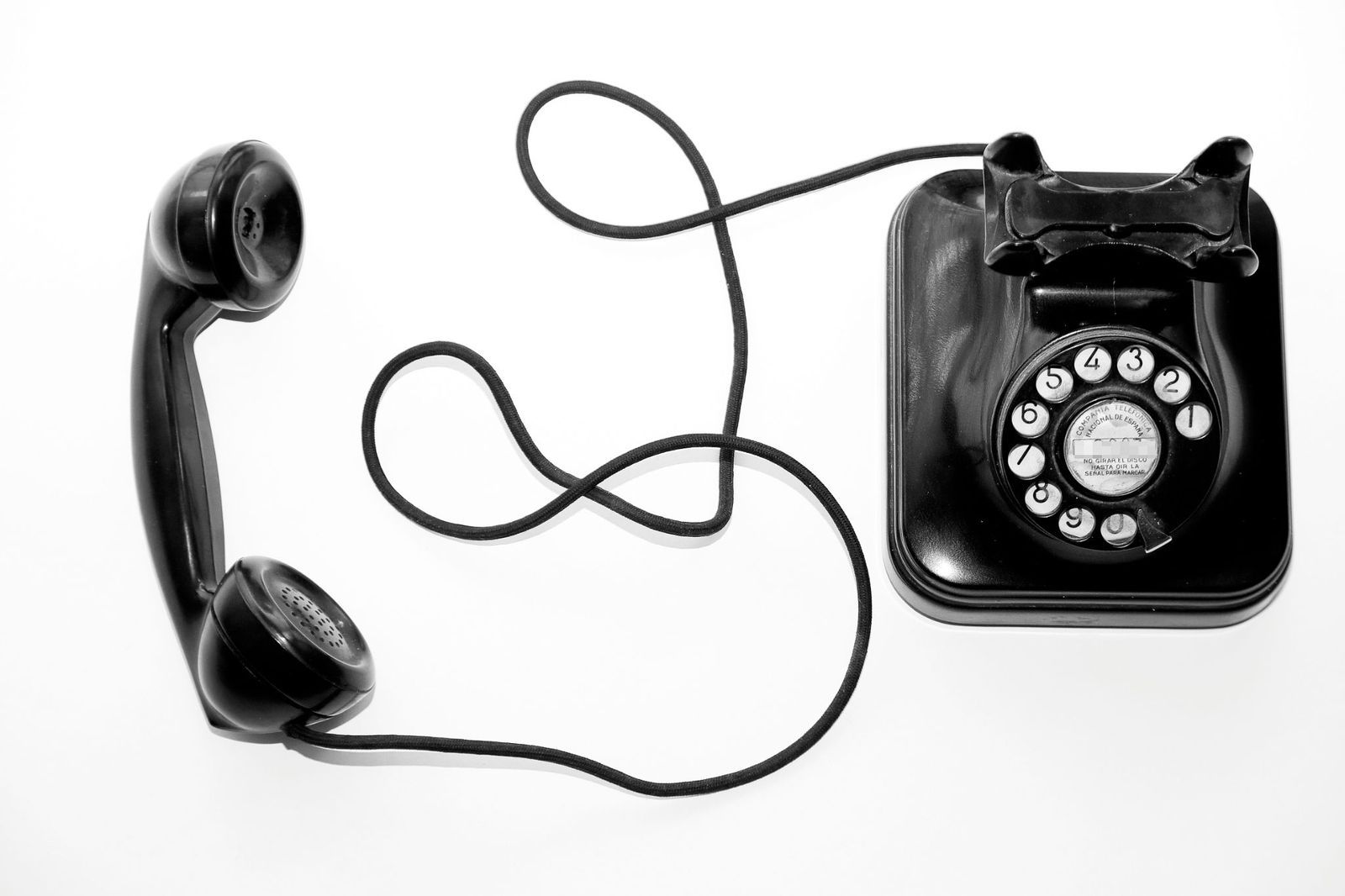
Millions of people dial phone numbers every day, even though most have never touched a rotary telephone. The word comes from a circular dial used on telephones throughout much of the 20th century. Users inserted a finger into a numbered hole and rotated the dial to place a call.
Automatic dialing systems began appearing in the late 1800s, and rotary phones remained common until push-button models spread during the 1960s and 1970s. The dial disappeared, but the verb stayed behind.
Hang up
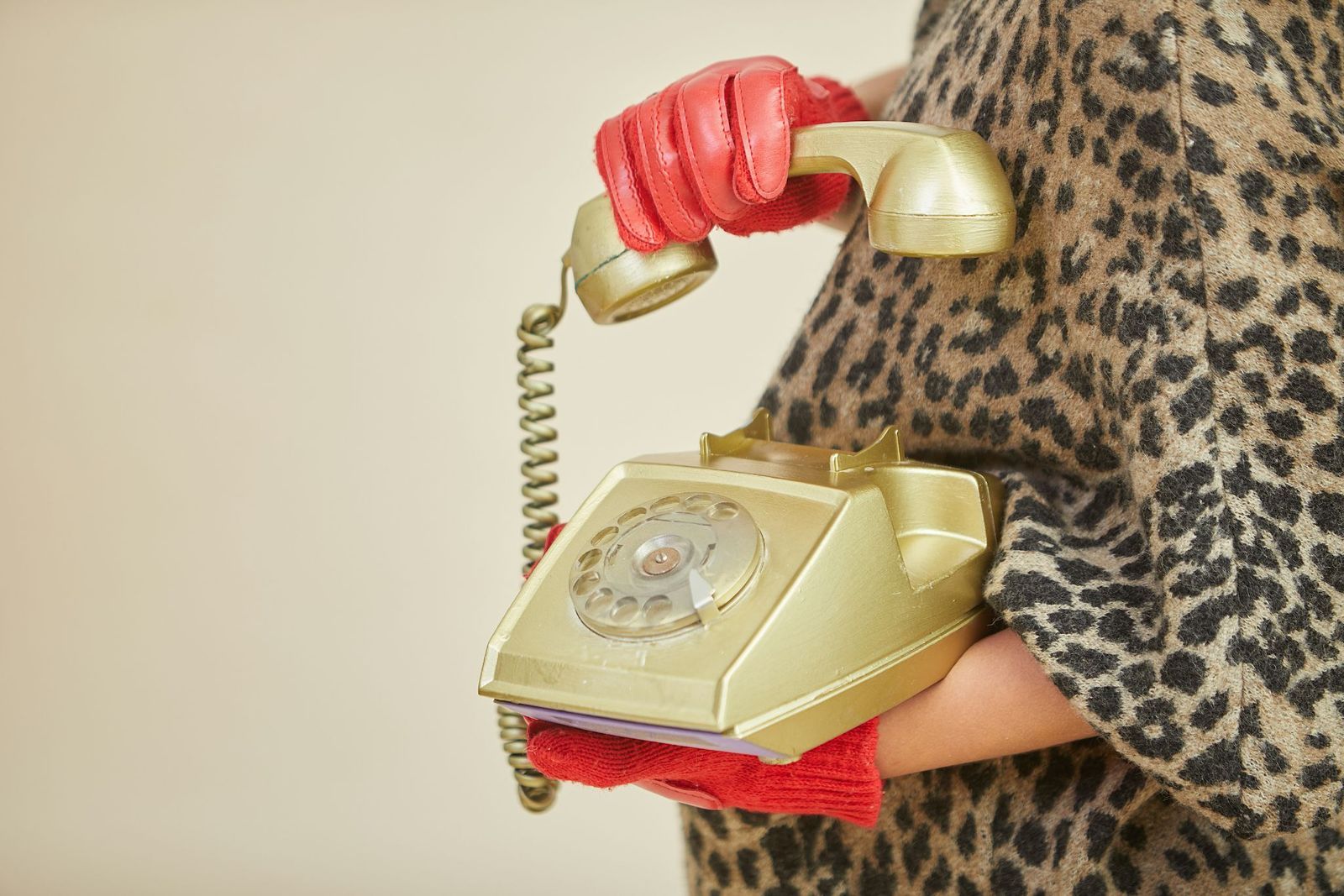
Ending a phone call is still called hanging up, despite the obvious fact that modern smartphones have nothing to hang. The phrase originated when telephone receivers were physically placed on wall-mounted hooks or cradles after a conversation ended.
The action activated a switch that disconnected the line. Telephone engineers still use the related terms "on-hook" and "off-hook," preserving language from a technology that most people no longer see.
Carbon copy (CC)
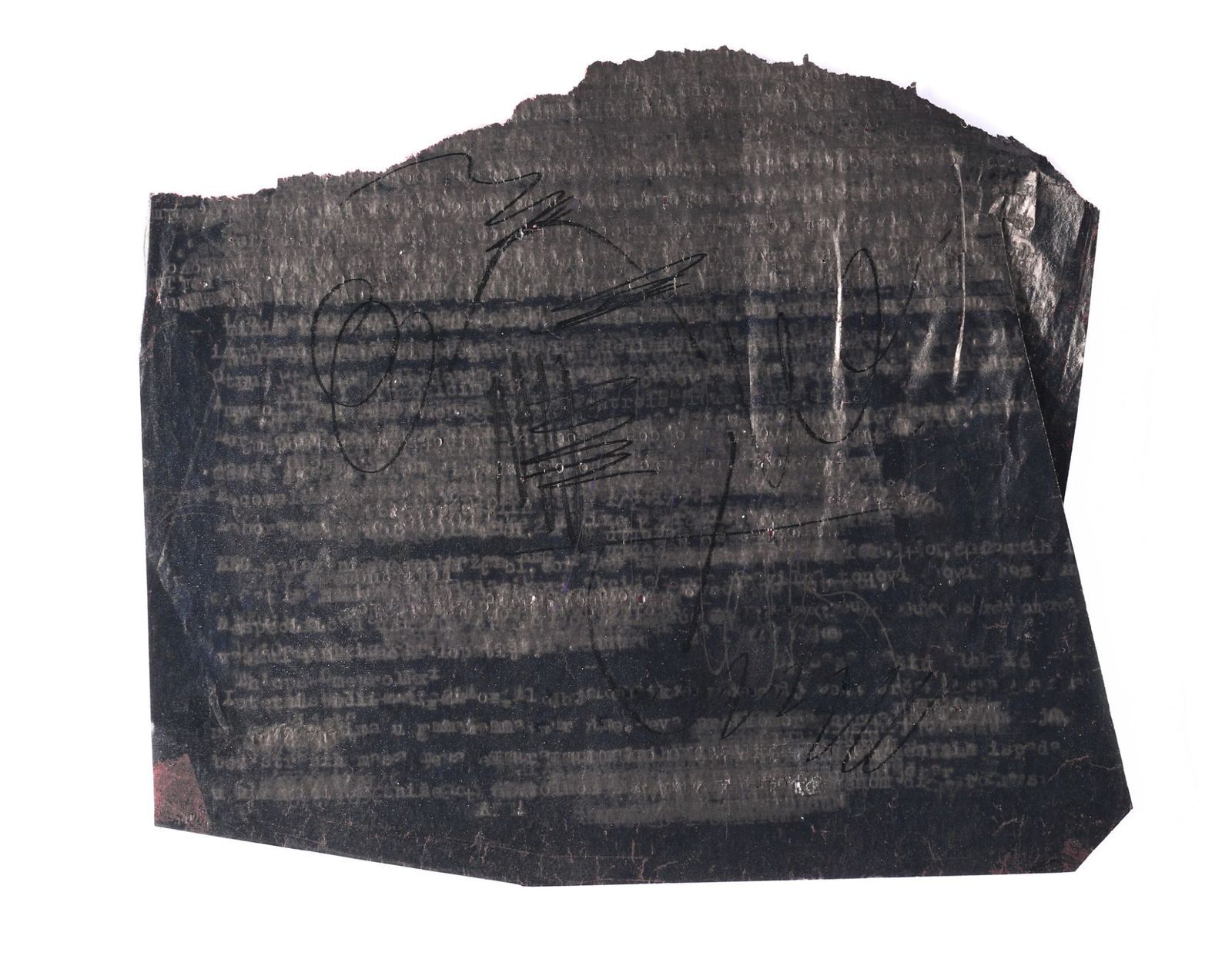
Anyone who sends an email is familiar with CC, short for carbon copy. The term comes from carbon paper, a thin sheet placed between pages to create duplicate copies while typing or writing.
Carbon paper became widely used in offices during the 19th and 20th centuries. Although it has largely disappeared, email systems adopted the familiar abbreviations. Even BCC, or blind carbon copy, preserves a term from the typewriter era.
Footage
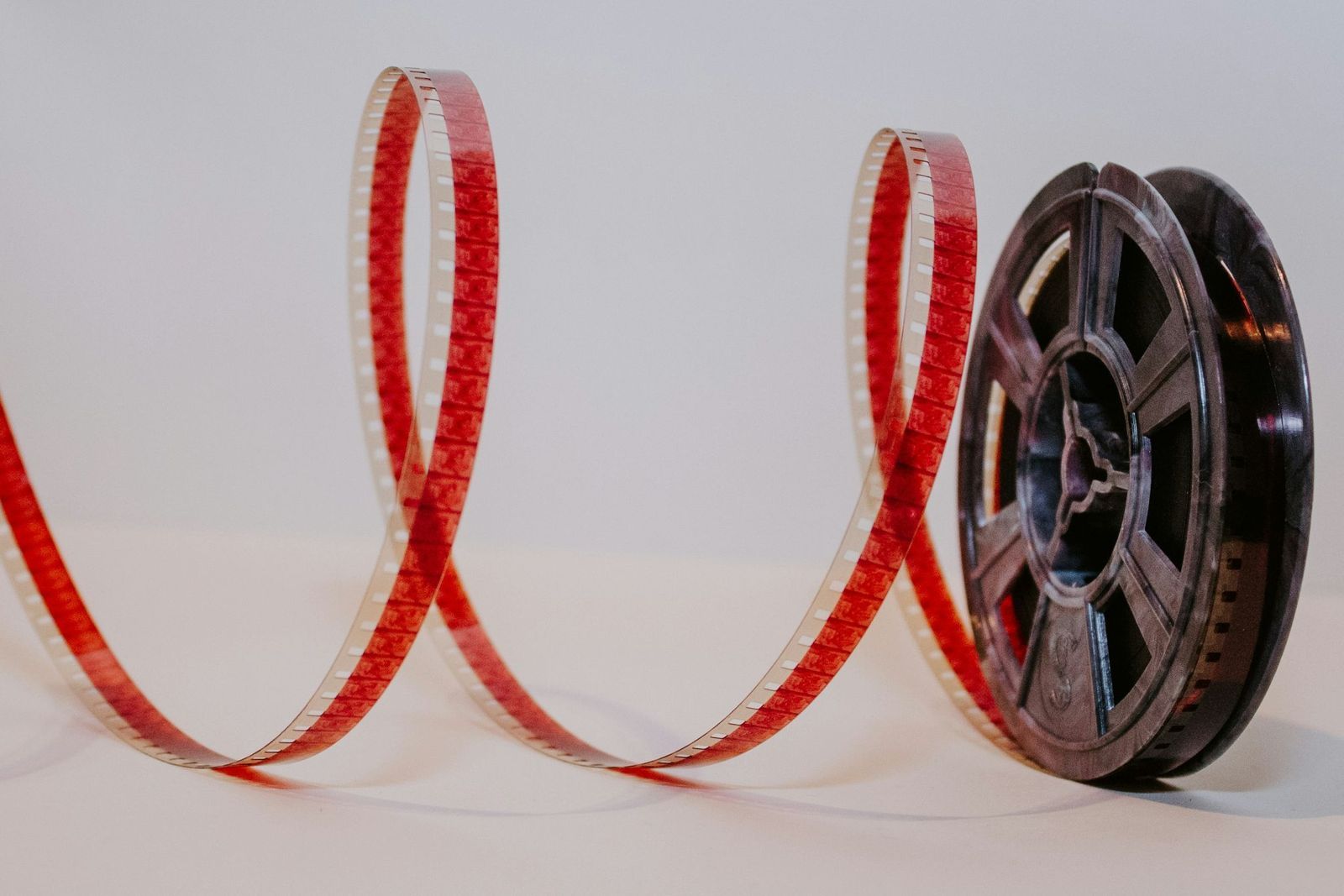
Today, nearly all video is digital, yet people still refer to recorded video as footage. The word originated in the motion-picture industry, where film was measured in physical feet.
Editors and cinematographers literally counted how many feet of film had been shot. In traditional 35mm filmmaking, one foot of film contained 16 frames. The physical measurement vanished, but the vocabulary survived.
Rewind
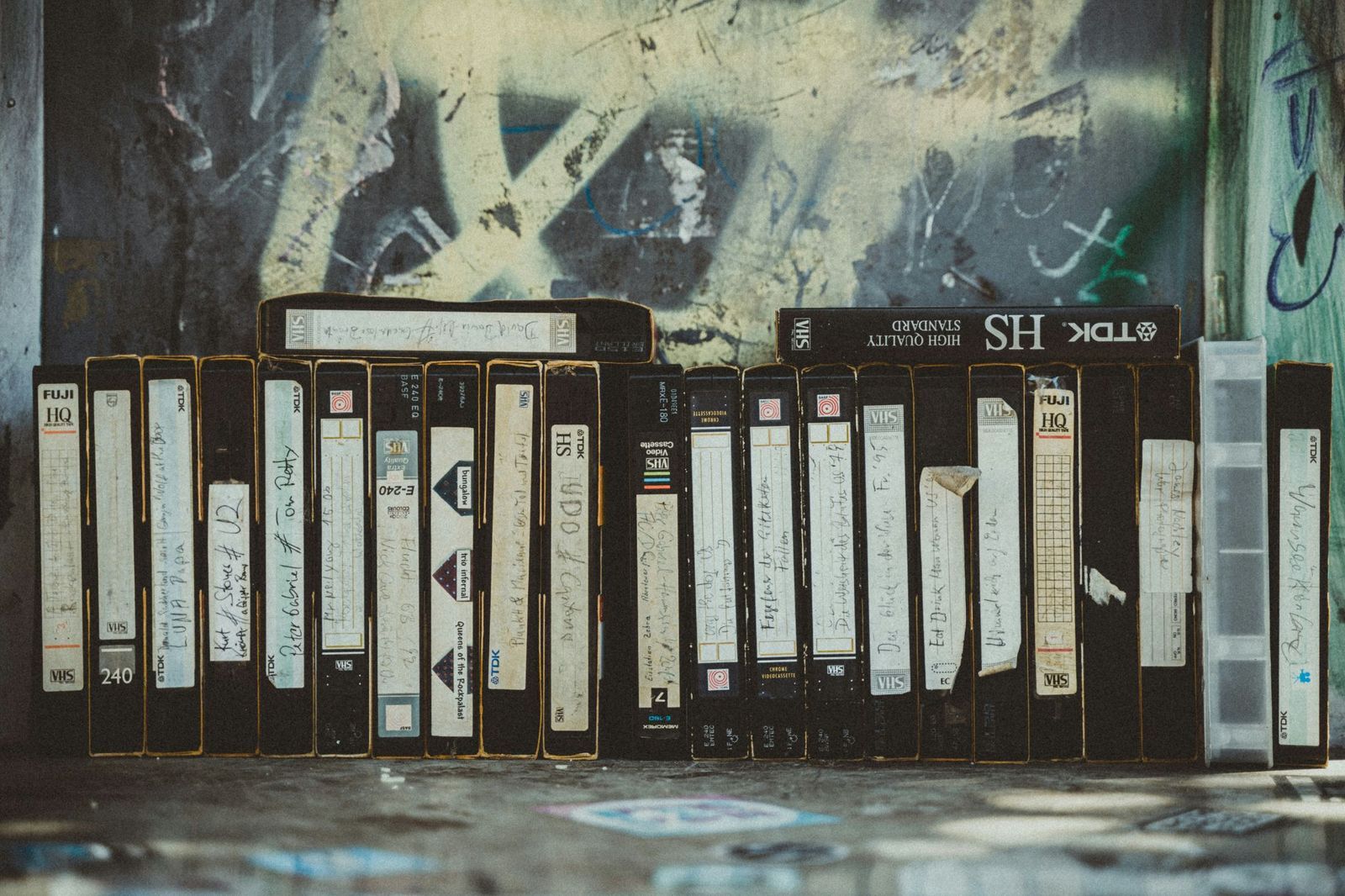
People regularly rewind videos, podcasts, and streaming content if they want to move to an earlier moment in the media. The expression dates to a time when magnetic tape and film reels had to be physically wound backward to revisit an earlier section.
Cassette tapes, VHS tapes, and film projectors all required actual rewinding. Digital files contain no reels or tape, but the word remains the standard way to describe moving backward through media.
Roll down the window
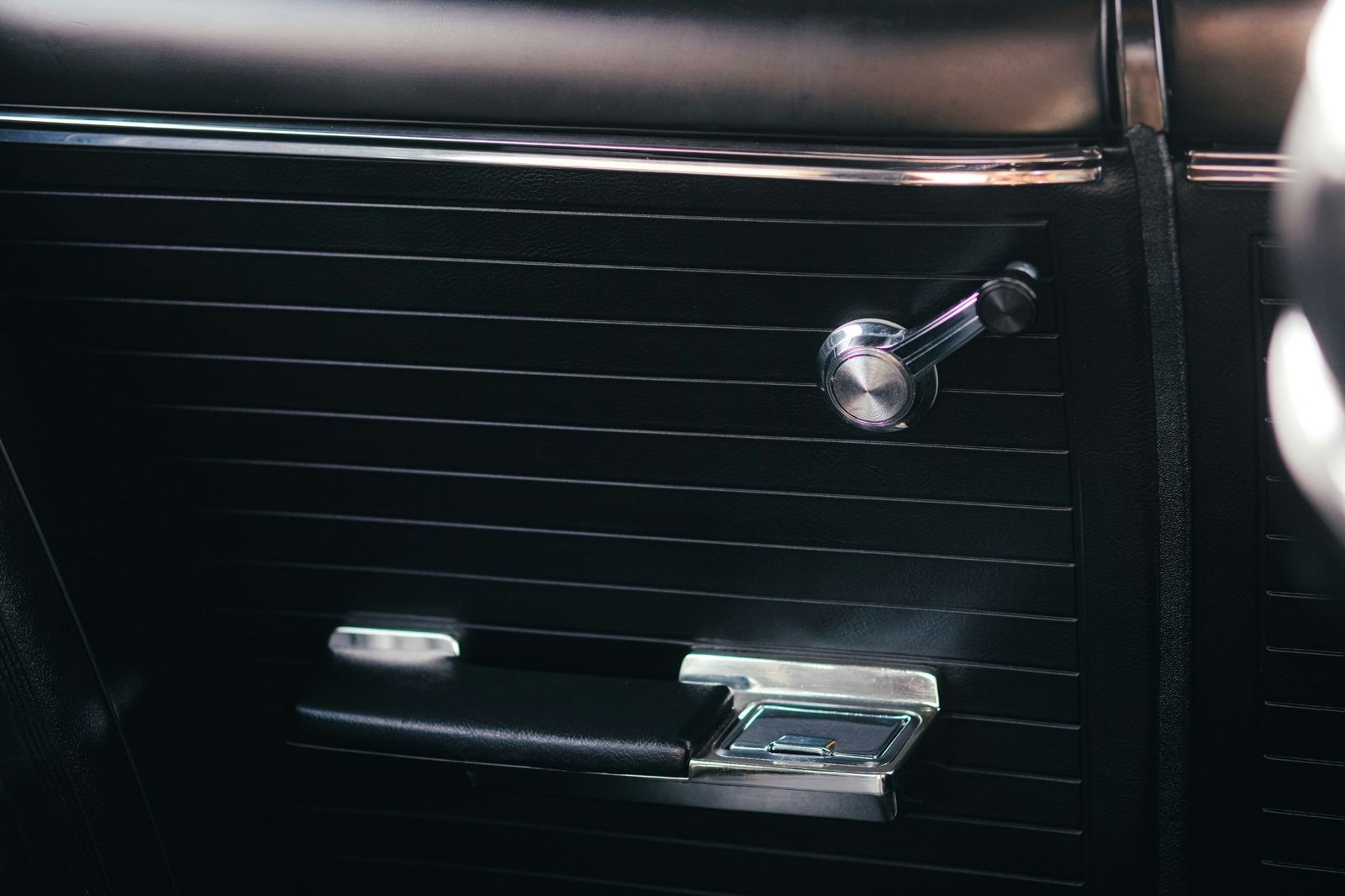
Many drivers still ask passengers to roll down the window. Originally, that instruction was completely literal. Car windows were operated by turning a hand crank connected to a mechanical regulator.
As power windows became widespread during the second half of the 20th century, the rolling action disappeared. Yet the phrase survived the transition from crank handles to electronic switches.
Tape a show
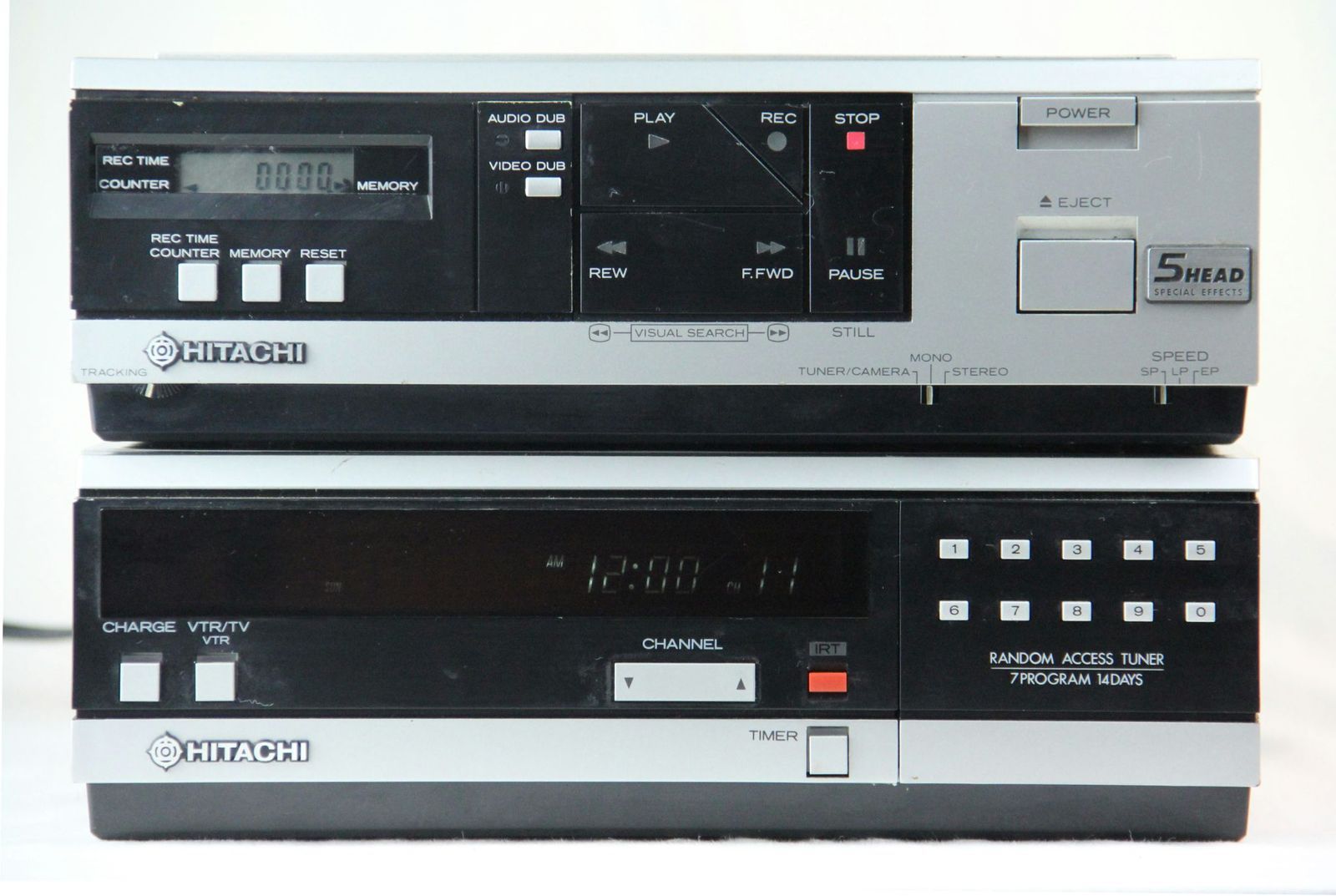
For decades, recording television programs meant using magnetic videotape. Home viewers relied on formats such as VHS and Betamax to capture shows, sporting events, and movies.
Streaming services and digital recorders eventually replaced videotape, but people still talk about taping a program. The tape itself may be gone, but the expression remains surprisingly common.
Stay tuned
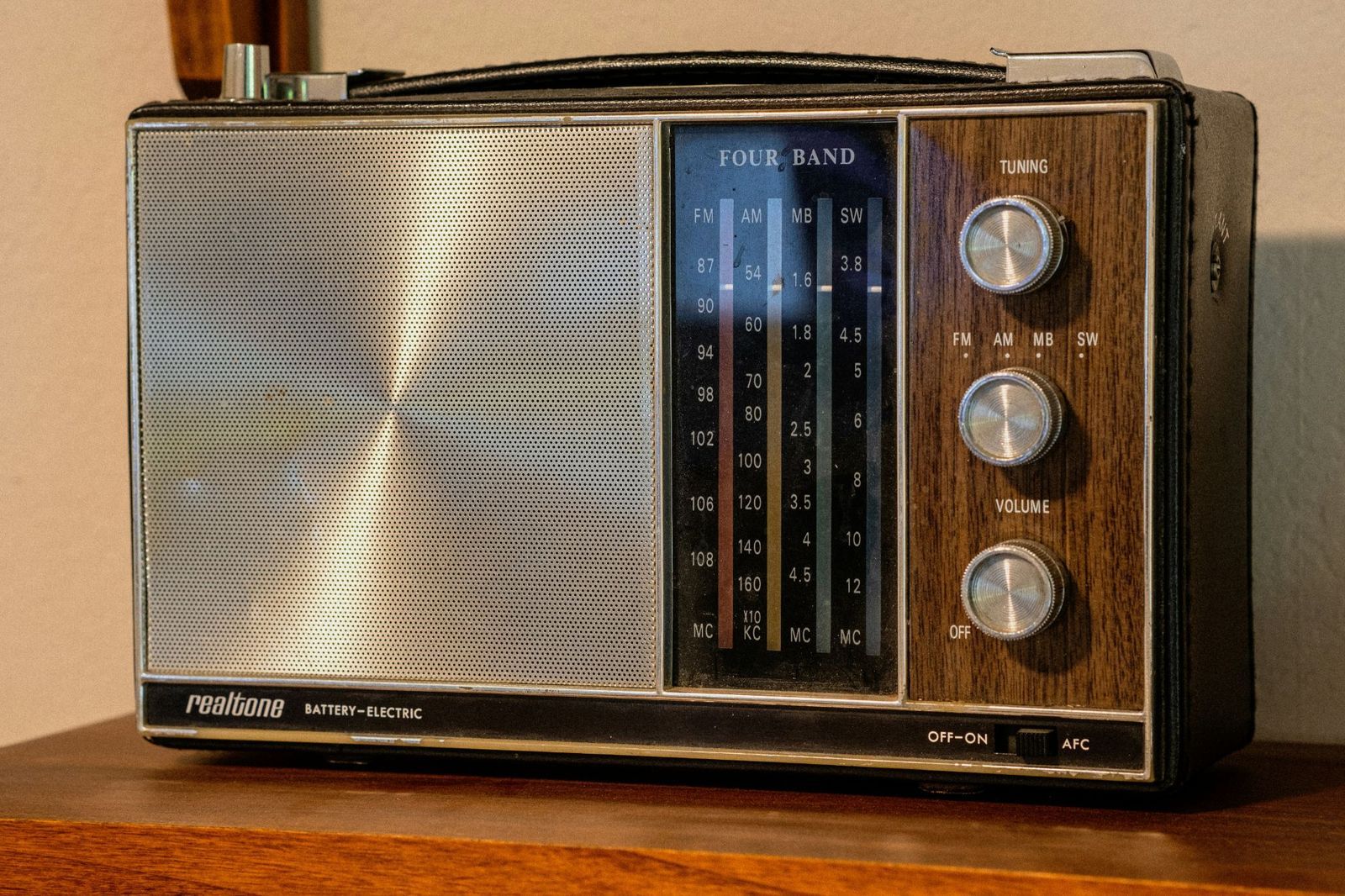
Broadcasters have been telling audiences to stay tuned for generations. The phrase originated during the early days of radio, when listeners adjusted tuning dials to find the correct frequency.
Early television sets worked similarly. Modern devices select channels electronically, yet the old instruction continues to signal that more content is coming.
Film
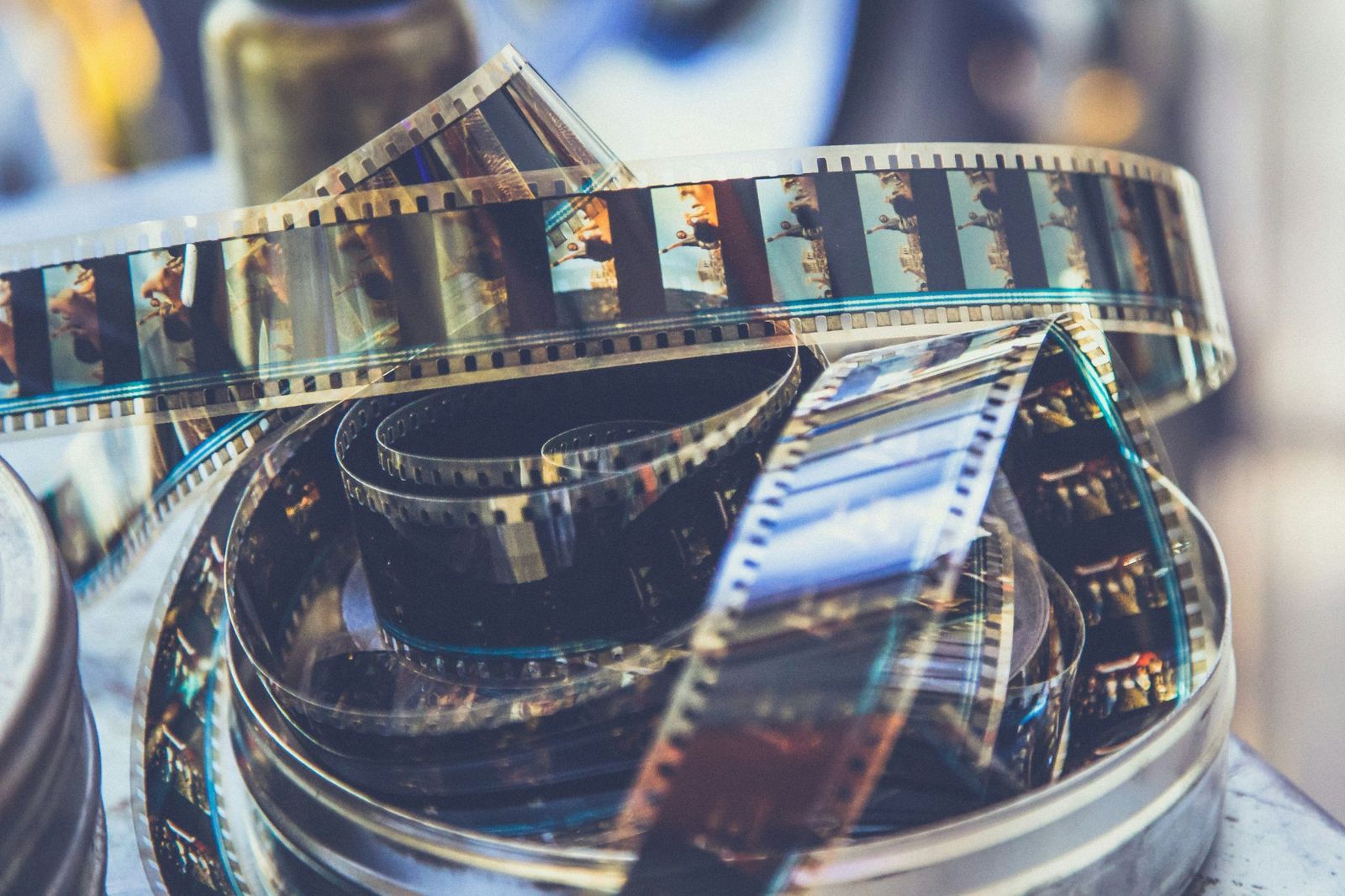
Most movies, television shows, and online videos are now captured digitally. Nevertheless, people still film weddings, documentaries, interviews, and social media clips.
The word comes from photographic film stock, the light-sensitive material that defined cinema for more than a century. Even as digital cameras became dominant, the vocabulary of filmmaking remained largely unchanged.
Ringing a phone
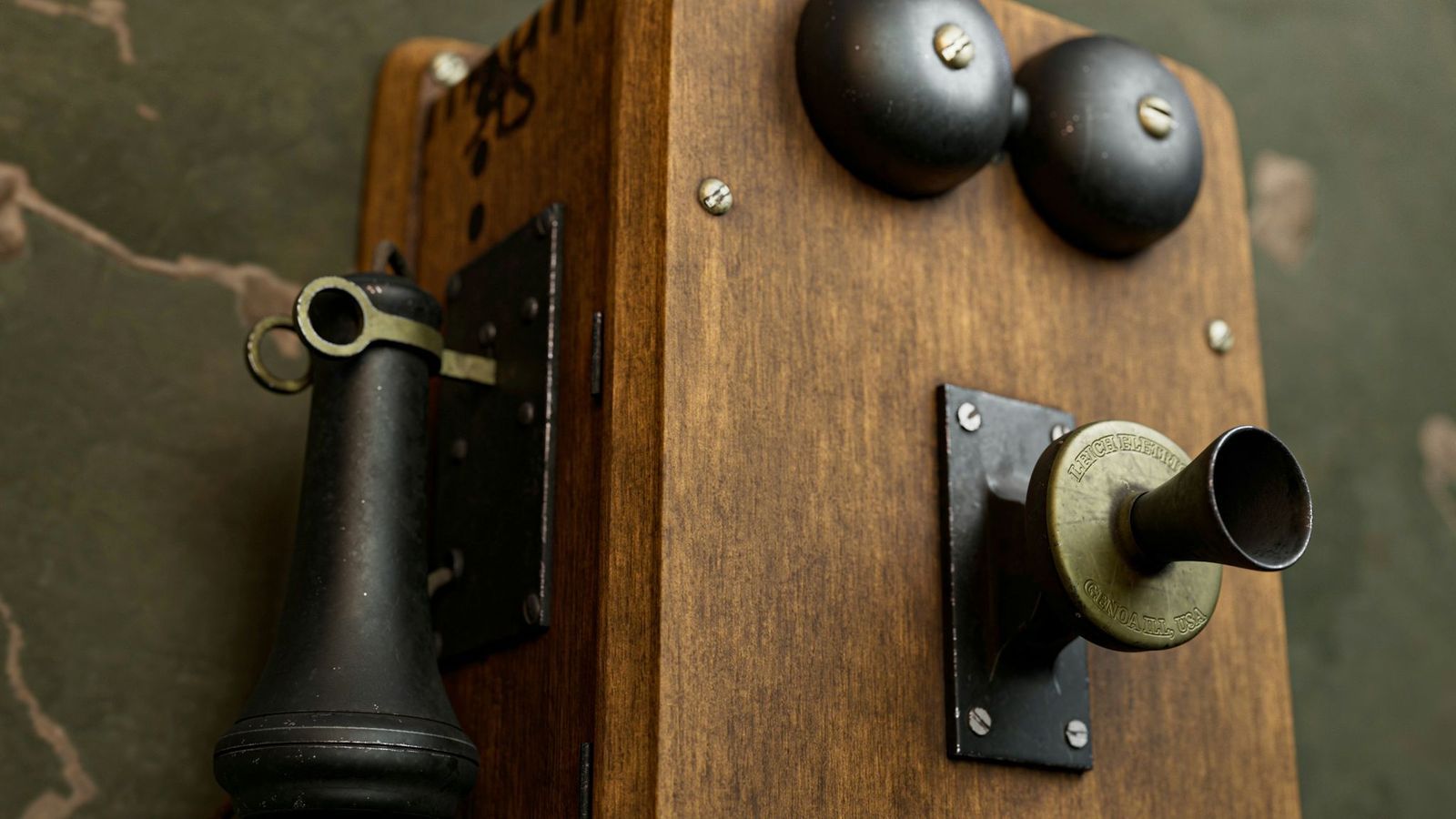
When an incoming call arrives, we still say the phone is ringing. Early phones actually contained mechanical bells that produced a ringing sound whenever someone called.
Modern smartphones use speakers and digital sound files instead of physical bells. Yet, the connection between telephones and ringing remains so strong that few people notice the historical reference.
Save
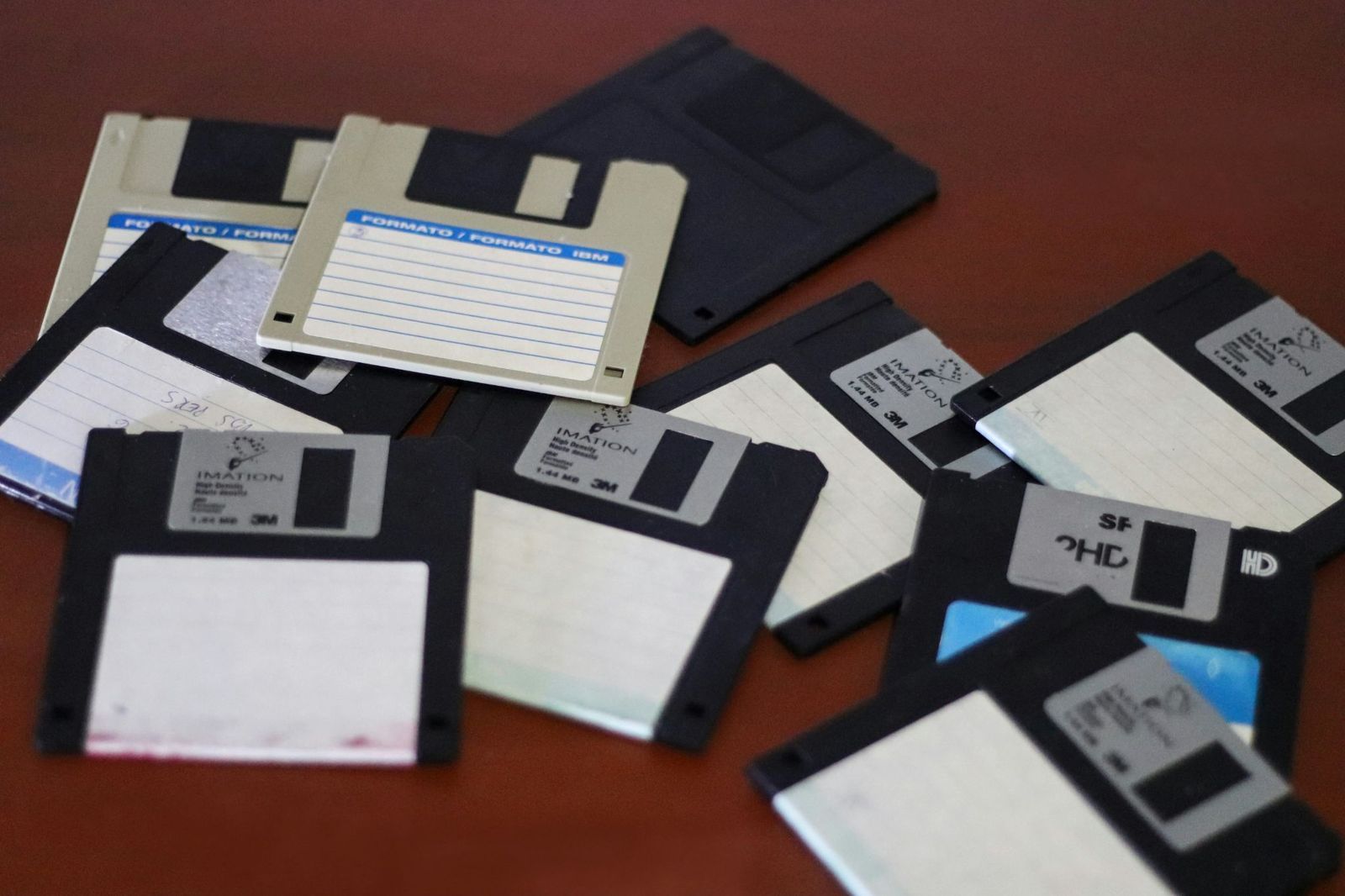
One of the most famous technological fossils appears every time users click the Save icon. On many programs, the symbol resembles a 3.5-inch floppy disk, once a standard method of computer storage.
Floppy disks became widespread during the 1980s and 1990s before largely disappearing in the early 2000s. Many younger users instantly recognize the icon despite never having used the device it represents.
Record
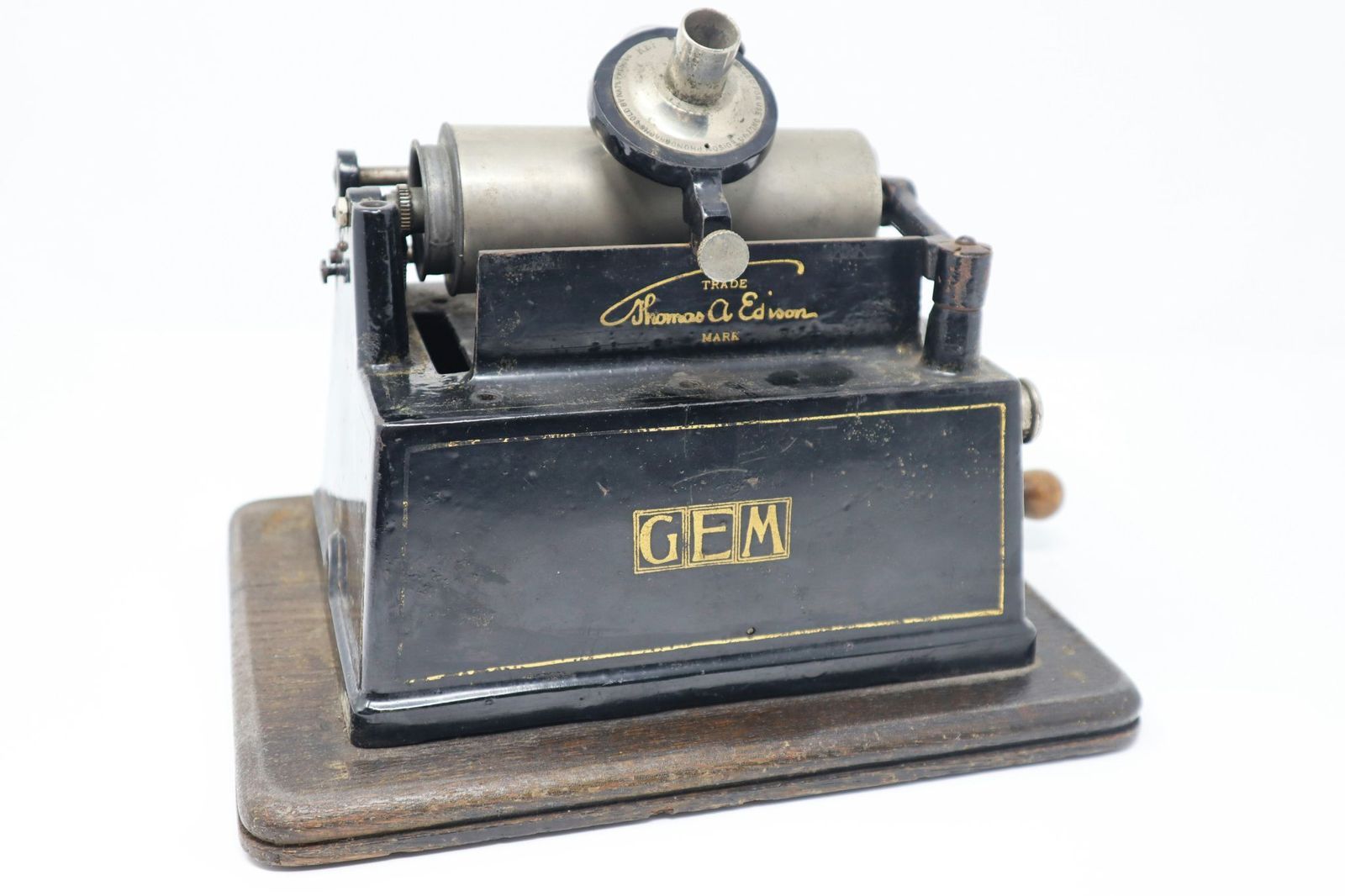
Smartphones, tablets, and computers can record audio and video with a single tap. The term, however, comes from an era when sounds were physically stored on wax cylinders, records, and magnetic media.
Thomas Edison’s phonograph, introduced in 1877, was the first machine capable of recording and reproducing sound. Modern devices store digital data rather than physical grooves, but the original word still does the job.