Eastern influences

10 Asian words that are part of our daily vocabulary


Published on August 18, 2026


Image: JJ Ying

English vocabulary is riddled with words borrowed from other languages, but we often think about those that come from French, Spanish, or other Romance languages, though we are aware of the influence of Germanic and Nordic languages. But how often do we think about the influence of Asian languages in our everyday words? Asian influence might not be as pervasive as that of some European languages, but it’s much more present than you would think. Here are 10 Asian words that everyone has used at least once.

1

Typhoon (Chinese)

Image: Олег Мороз

Several different languages —such as Arabic, Persian, or Greek— have used words with the same roots as ‘typhoon’ to describe strong winds or storms, but the term adopted into English is of Chinese origin.

During the 16th century, Portuguese sailors traveling across China adopted the Mandarin táifēng (in Cantonese, daaihfùng), meaning ‘big wind’, to describe severe storms. They spelled it as tufão, although English adopted it as touffon. Down the line, Greek influences affected the spelling, rendering our modern ‘typhoon’.

2

Tofu (Chinese through Japanese)

Image: Sherman Kwan

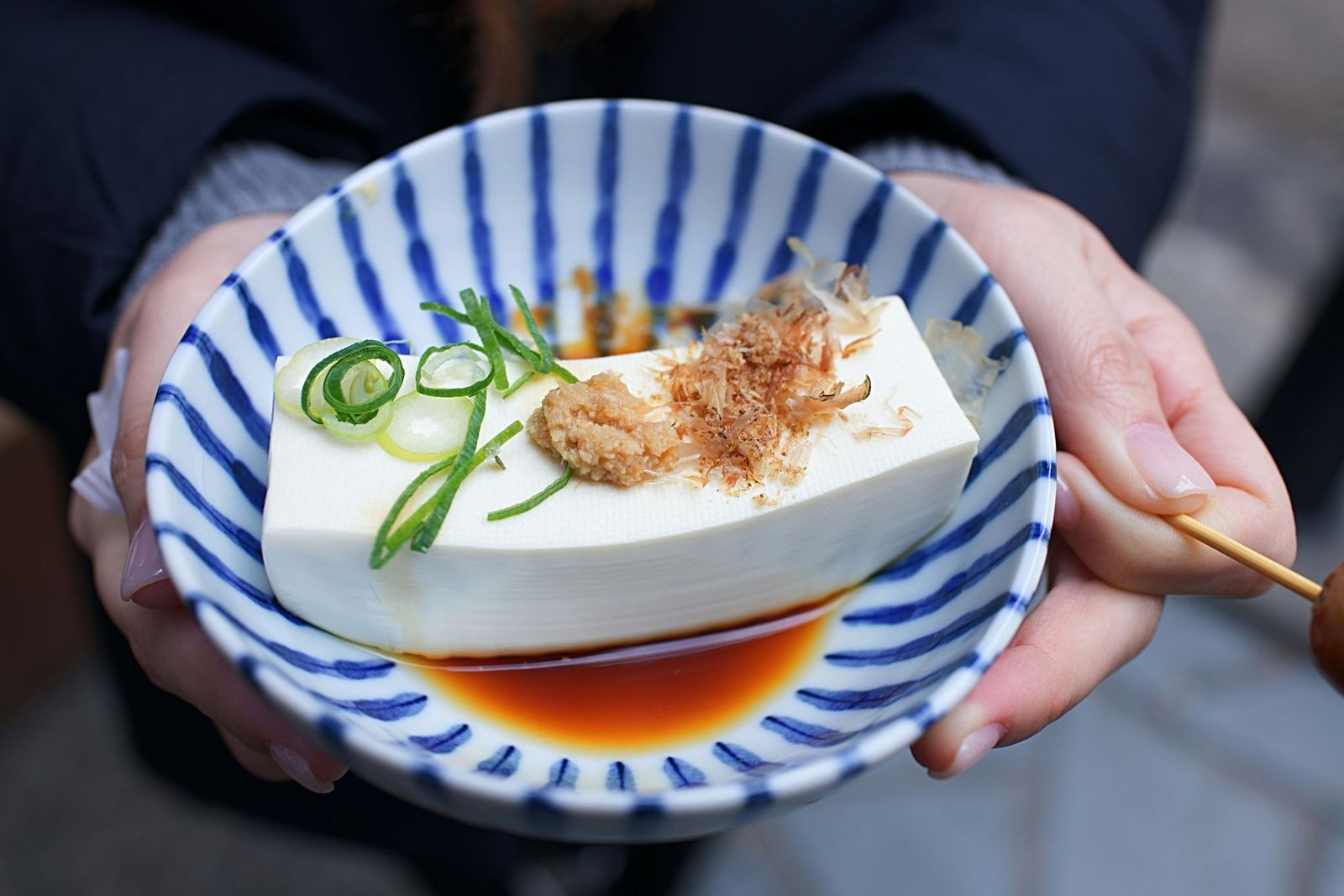
Most people know that tofu is an ingredient of Asian origin, but have you ever wondered what this word means? Although English borrowed it from Japanese, its origins are rooted in China.

The Japanese tōfu is a phonetic copy of the Chinese dòufu, a combination of dòu (‘bean’) and (‘curdled’ or ‘fermented’). However, the Chinese character for is also related to the character for ‘meat’ or ‘flesh’, and some linguists interpret that its use in ‘tofu’ is also a reference to tofu’s texture.

3

Ketchup (Hokkien Chinese)

Image: Erik Mclean

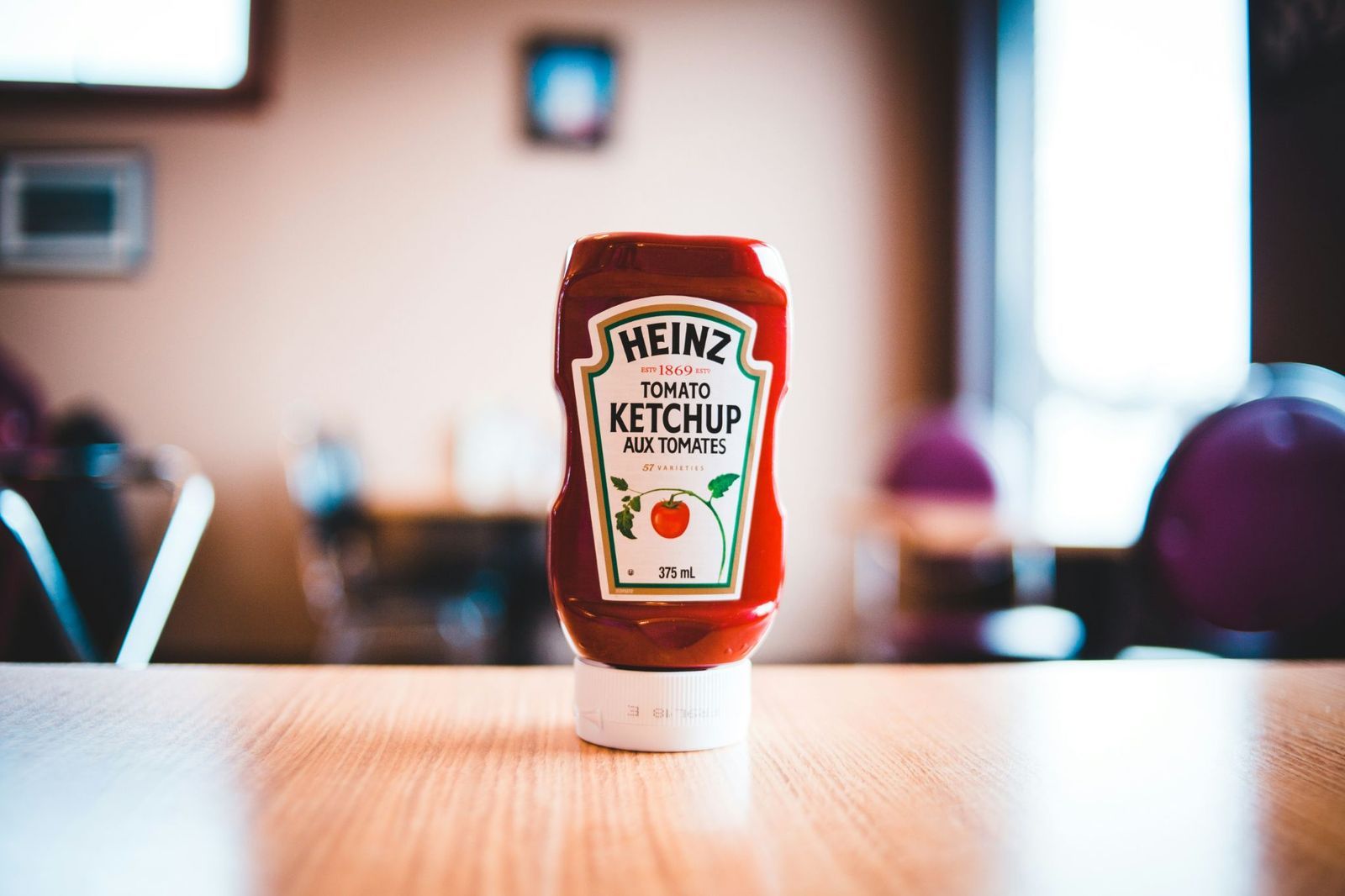
If we tried the original ketchup, we might not find many similarities with the ketchup we know. Originating from the Fujian region of China, kê-chiap or kôe-chiap was used for a pickled fish brine, but neighboring regions adopted the term to refer to savory dark sauces in general.

English and Dutch merchants picked up the term in Malaysia as kicap or kecap, but spelled it such as catchup, catsup, or ketchup. Initial English recipes relied on mushrooms, walnuts, and oysters to replicate the umami flavor of the original ketchup, but it was the addition of tomato in the 19th century that shifted the term ketchup to its current meaning.

4

Emoji (Japanese)

Image: Domingo Alvarez E

A fairly new word, the term emoji was coined in 1999 by Shigetaka Kurita, the creator of the first telephone emojis. The word is a combination of e (‘picture’) and moji (‘character’ or ‘letter’); this last term is related to words like kanji, the Chinese ideograms used in Japanese writing,

Despite what many people think, emoji is not related to the term ‘emoticon’, a portmanteau of ‘emotion’ + ‘icon’. The fact that emojis and emoticons have phonetic similarities and are used for the same purpose is just a coincidence.

5

Tycoon (Japanese)

Image: Rock Staar

We might not use the word ‘tycoon’ daily, but you might have heard it in reference to wealthy and influential businessmen or politicians. Although it can now carry a slightly negative connotation, it was not negative in its origin. In Japanese, taikun (meaning ‘great lord’) was a title given to the shogun, the Japanese military leader, often more powerful than the Emperor.

When Japan opened to foreign trade in the 19th century, the word was adopted by English-speaking diplomats to refer to the shogun and, later, to other powerful politicians. It was not until the early 20th century that its meaning shifted from politics and came to be used for wealthy and highly influential people.

6

Ginger (Sanskrit)

Image: Go to Mockup Graphics's profile Mockup Graphics

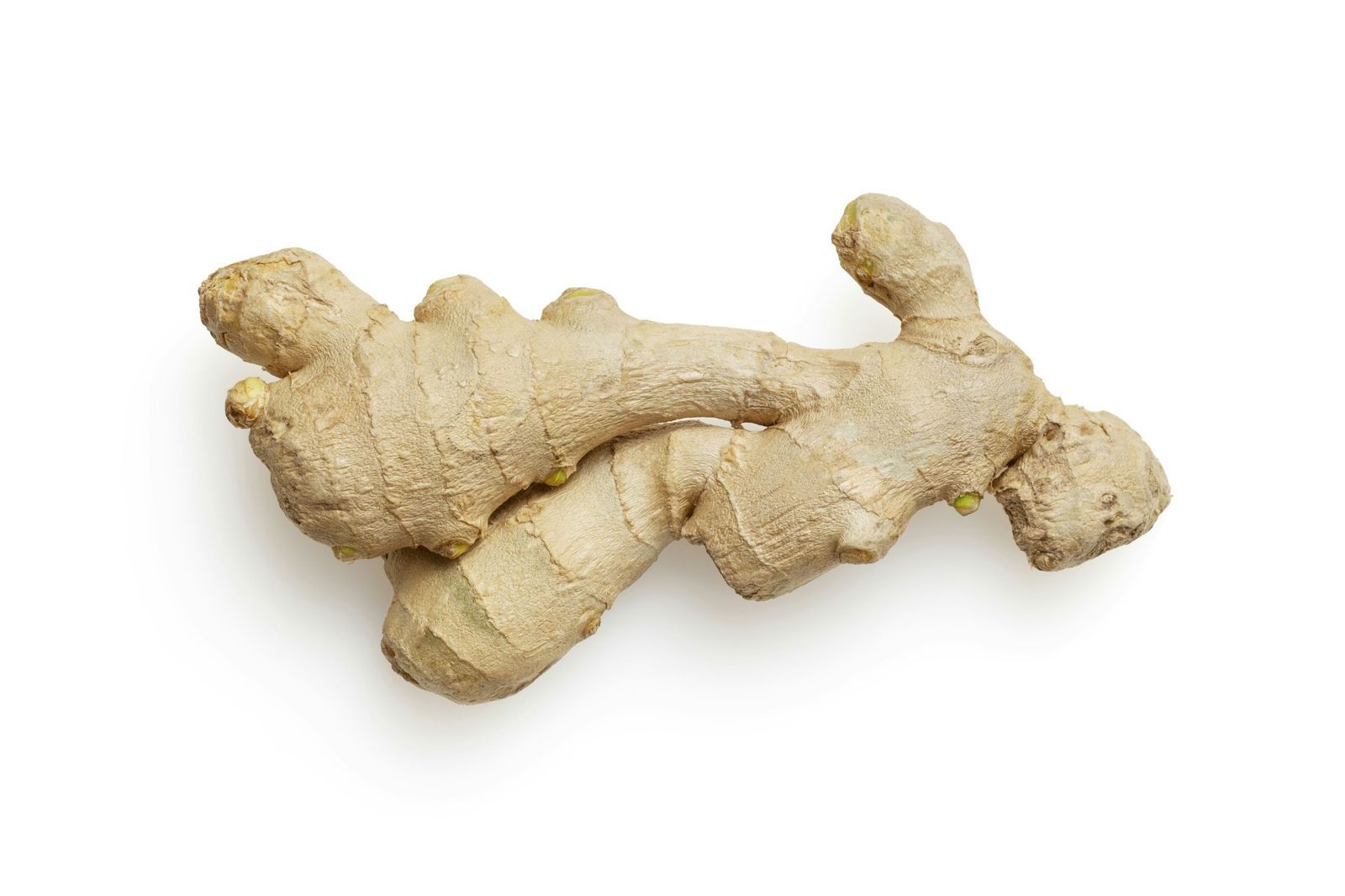
The term ‘ginger’ comes from an Old French word, but this doesn’t mean its origins are not rooted in Asia. We can find them in the Sanskrit śṛṅgavera, meaning ‘horned shaped’, a description of the antler-like shape of the ginger root.

How did śṛṅgavera become ‘ginger’? It first evolved into siṅgabera, a term adopted into Greek as zingiberis and into Medieval Latin as gingiber. Gingiber became the Old French gingibre, from where Old English got gingifer, later shortened to ‘ginger’.

7

Curry (Tamil)

Image: Yubraj Timsina

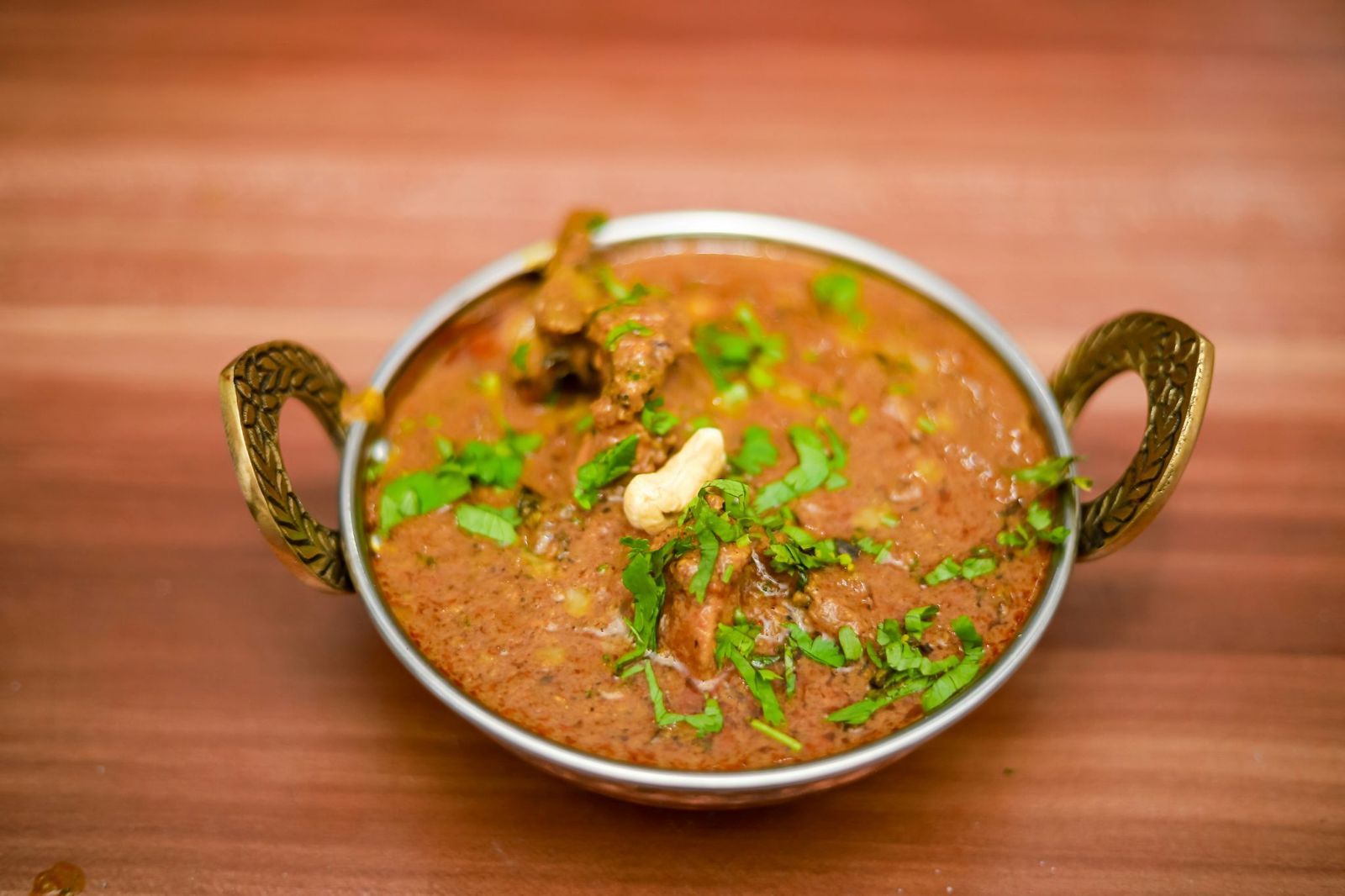
You might associate ‘curry’ with a specific spice mix, typically used for a dish also named curry. This is not wrong, but is also not exactly right. In the Tamil language, kaṟi means ‘sauce’, ‘relish’, or any spiced meat and vegetables that were eaten with rice.

The word was adopted as ‘curry’ by English and as ‘caril’ by Portuguese traders, who used it as an umbrella term for any Indian spiced stew. By association, they also used the term for a mix of spices, called masala (‘mixture’, ‘blend’) in Indian cuisine. This way, hundreds of dishes and several masalas were grouped under the name ‘curry’.

8

Zen (Japanese)

Image: Jay Castor

In Western mentality, the term ‘zen’ is associated with Eastern spiritual practices, or at least with meditation and balance, but its story and meaning are much more complex. ‘Zen’ is a transliteration of the Japanese zen, which in turn comes from the Chinese chán or chánnà, meaning ‘meditation’.

But the roots of zen go deeper. Chánnà is not an original Chinese word, but the phonetic transliteration of the Sanskrit dhyāna, meaning ‘meditation’, ‘contemplation’, or a ‘state of meditative absorption’, a term that originated in ancient India and then travelled to China and Japan as part of Buddhist spirituality.

9

Brainwashing (Chinese)

Image: Milad Fakurian

Neither ‘brain’ nor ‘to wash’ are words of Chinese origin, so how can ‘brainwashing’ be a Chinese term? It is because ‘brainwashing’ is a calque, meaning a word-for-word translation, of the Chinese xǐnǎo, which means ‘to wash the brain’.

The term xǐnǎo became popular in Chinese to describe political re-education policies used by the Chinese Communist Party. How did it enter the English vocabulary? It was translated and adopted by American journalist Edward Hunter to explain the actions of some American prisoners during the Korean War, claiming that they had been ‘brainwashed’ into adopting their captors’ ideologies or into making false statements.

10

Chop chop (Chinese)

Image: Towfiqu barbhuiya

Most Americans will understand ‘chop chop’ as slang for ‘hurry up’, but did you know that it comes from Chinese? The phrase comes from 19th-century Guangzhou (also known as Canton), where English and Cantonese had mixed to form a pidgin or contact language between two distinct languages.

Chinese language often reduplicates words for emphasis; in this case, the word , meaning ‘fast’, is reduplicated to make sù sù, ‘hurry up’. American and British sailors heard this phrase in the Guangzhou ports, and adopted it as the pidgin ‘chop chop’.

The truth about your brain

You won’t believe what happens in your brain while you sleep


Published on August 18, 2026


Image: Milad Fakurian

Your brain is one of the most powerful and mysterious organs in your body. It controls everything from your thoughts to your emotions and even processes information at lightning speed. But how much do you really know about it? Some long-believed myths about the brain have been debunked, while other surprising facts reveal just how incredible this organ truly is. Get ready to be amazed by these fascinating brain facts!

1

Myth: We only use 10% of our brain

Image: Natasha Connell

You’ve probably heard this one before, but it’s completely false! While it’s true that not all parts of the brain fire at the same time, imaging studies show that most regions are active throughout the day, even when we sleep.

Your brain is constantly working, controlling bodily functions and emotions, and processing information. So next time someone says you’re only using 10% of your brain, you can confidently tell them that’s just a myth!

2

The brain itself can’t feel pain

Image: Aarón Blanco Tejedor

Here’s a weird fact: While your brain processes pain signals from the rest of your body, it has no pain receptors of its own. This is why surgeons can perform brain surgery on conscious patients without causing them pain.

However, the membranes and tissues surrounding the brain do have pain receptors, which is why headaches and brain injuries can be so excruciating.

3

Headaches are actually chemical reactions

Image: Usman Yousaf

How come we have headaches if the brain has no pain receptors? Well, that’s because headaches are triggered by chemical activity in the brain, changes in nerves and blood vessels, and even fluctuating serotonin levels.

In some cases, hormones like estrogen can also play a role, which explains why migraines are more common in women.

4

Dreams: Your brain’s midnight movie theater

Image: Go to Johannes Plenio's profile Johannes Plenio

Dreams are proof that your brain never rests! (Warning: this fact can make you feel exhausted.) While you sleep, your limbic system, that is, the part of the brain that deals with emotions, becomes especially active, which is why dreams often feel so intense.

On average, humans experience four to seven dreams per night, even if we don’t always remember them. And what about that scary nightmare about falling? Well, you can thank your amygdala, the brain’s fear center, for that one.

5

Your short-term memory lasts less than 30 seconds

Image: Brett Jordan

Have you ever walked into a room and instantly forgotten what you were after? That’s because short-term memory only lasts about 20-30 seconds! That’s not enough!

Your brain holds a limited amount of information in its active state before deciding whether to store it or discard it. Ironically, we can’t really choose what makes the cut, but we do hope these facts stay with you!

6

Brain freeze is your body’s warning signal

Image: BUDDHI Kumar SHRESTHA

That sharp, icy pain when you eat something too cold? It’s your brain’s way of telling you to slow down! Officially called sphenopalatine ganglioneuralgia, a brain freeze happens when cold food or drinks rapidly chill the blood vessels in your throat, causing them to constrict and then rapidly expand. This sends pain signals to your brain, warning you of the sudden temperature shift. It’s annoying, but it’s actually your body trying to protect itself!

7

Your brain thinks a lot!

Image: Josh Riemer

You didn’t need us to tell you, but let’s look at the details: The average person has between 12,000 and 60,000 thoughts per day. What’s even more interesting? 95% of those thoughts are the same ones you had yesterday. Is that not surprising enough? Hear this out: 80% of them tend to be negative. That’s because our brains are wired for survival, constantly analyzing risks and potential dangers.

8

Your brain uses 20% of your body’s oxygen and blood

Image: Terry Vlisidis

Even though it only makes up about 2% of your body weight, your brain employs a major quantity of energy! It consumes 20% of your oxygen and blood supply, making it one of the most demanding organs in your body.

If your brain goes without oxygen for just five minutes, brain cells start dying, leading to irreversible damage. This is why deep breathing and cardiovascular exercise are great for brain health!

9

Seeing stars? That’s your brain processing vision!

Image: Alexander Andrews

Do you know that feeling when you hit the back of your head and see stars? That’s because your occipital lobe, which controls vision, is located at the back of your brain. If you get hit there, your brain momentarily misfires, causing flashes of light.

Interestingly, your brain processes vision on the opposite side; while your right brain controls your left eye, your left brain controls your right eye. It’s one of the many ways the brain operates in a complex way.

10

Your brain can power a light bulb!

Image: Rodion Kutsaiev

Believe it or not, your brain generates between 12 and 25 watts of electricity when you’re awake. If you can’t really grasp how powerful that is, check this out: It’s enough to power a small light bulb! Your brain’s electrical activity is what allows neurons to send signals at speeds of up to 260 miles per hour.

11

Your brain is mostly fat

Image: Robina Weermeijer

Your brain may be the fattiest organ in your body, consisting of at least 60% fat! This is why consuming healthy fats, like omega-3s and omega-6s present in fish, for example, is essential for brain health.

Healthy fats stabilize brain cell walls, reduce inflammation, and support cognitive function. So go ahead and enjoy that avocado toast, it’s food for your brain!

12

Your brain shrinks as you age

Image: Robina Weermeijer

It’s not just your memory that fades over time; the brain itself physically shrinks as one gets older. It continues developing until your late 40s, but after that, it slowly decreases in size.

Now, size doesn’t equal intelligence, so a smaller brain doesn’t necessarily mean a less capable one. Staying mentally active, exercising, and eating brain-boosting foods can help keep it in top shape!

13

Cholesterol plays a big role in memory

Image: Lisa Yount

We often think of cholesterol as bad, but your brain actually depends on it! In fact, 25% of your body’s cholesterol is stored in your brain, where it helps with learning and memory. However, unlike other organs, the brain can’t absorb cholesterol from the blood, it has to produce its own. So, while too much cholesterol in the body can be harmful, the right amount is vital for brain function. At least you can use that as an excuse to get that burger!

Looking for an extra scoop of literary fun?

Learn more with our Word of the day

ambiguity

/ˌæmbəˈɡjuədi/