Are these in your diet?

Could doctors prescribe popcorn? These foods are healthier than expected


Published on January 23, 2026
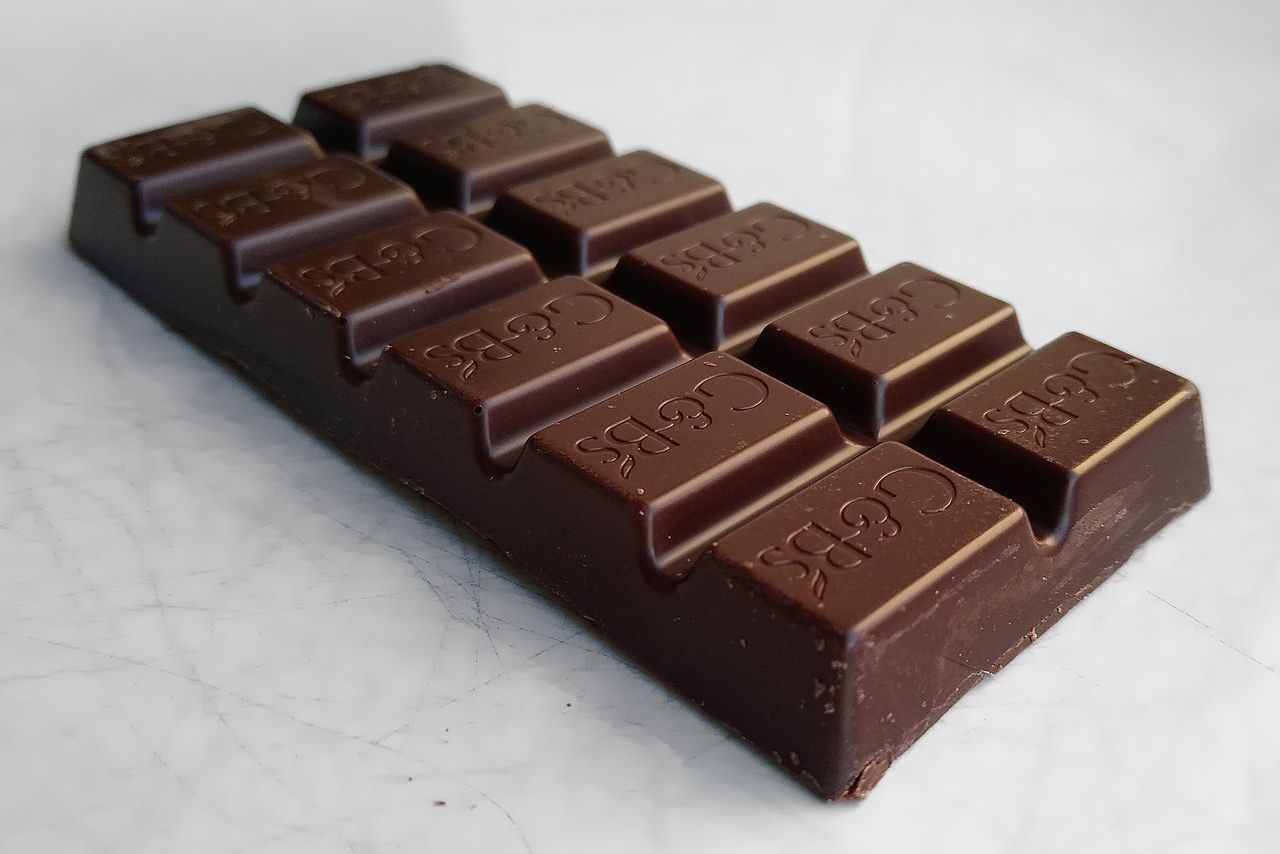

Image: Mx. Granger, CC0, via Wikimedia Commons

No doubt, most of us have the food pyramid etched in our minds. For a long time, we have accepted the fact that tempting treats (like chocolate, pizza, or beer) must be mostly or entirely avoided. But… is that entirely true? As it turns out, there are caveats about some of these so-called guilty pleasures. Wouldn’t you like to learn which snacks are actually pretty healthy for you? Read on!

1

Popcorn

Image: Dejan Krsmanovic, CC BY 2.0, via Wikimedia Commons

Popcorn is a whole grain, high in fiber, and packed with polyphenols (antioxidants). Air-popped popcorn with minimal salt or oil is healthier than many so-called "diet" snacks.

2

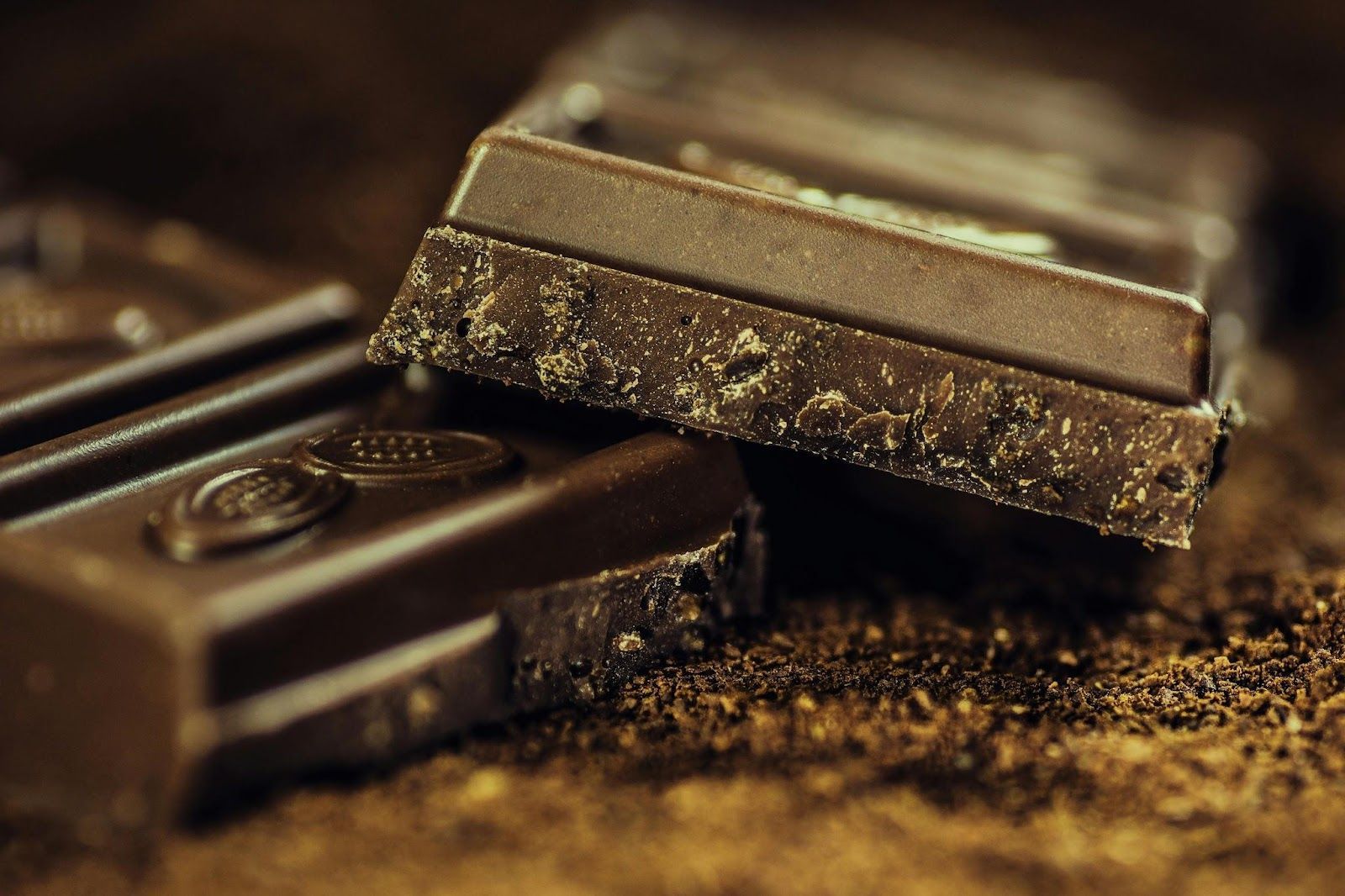
Dark Chocolate

Image: Pixabay

This is very good news for those with a sweet tooth! Dark chocolate (that means, products that have more than 70% cocoa) contains flavonoids that may improve blood flow and help reduce blood pressure. No need to cut it out entirely!

3

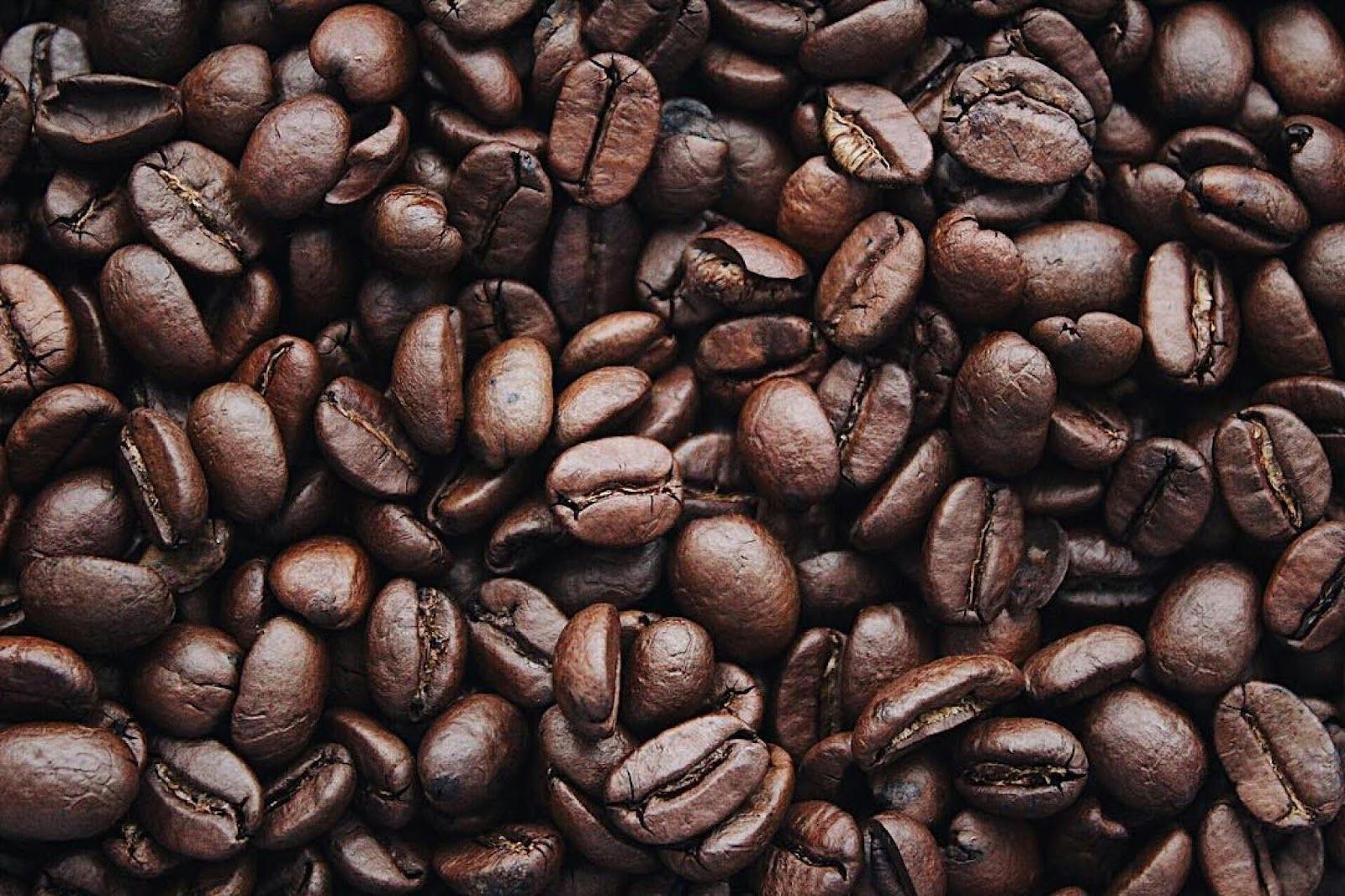
Coffee

Image: Igor Haritanovich

Coffee has long been maligned for "raising blood pressure," but it is now linked to lower risks of heart disease, Parkinson’s disease, and type 2 diabetes, again, thanks largely to its antioxidants. The danger, of course, lies in adding sugar, cream, syrups, and whatnot. Stick to a healthy brew!

4

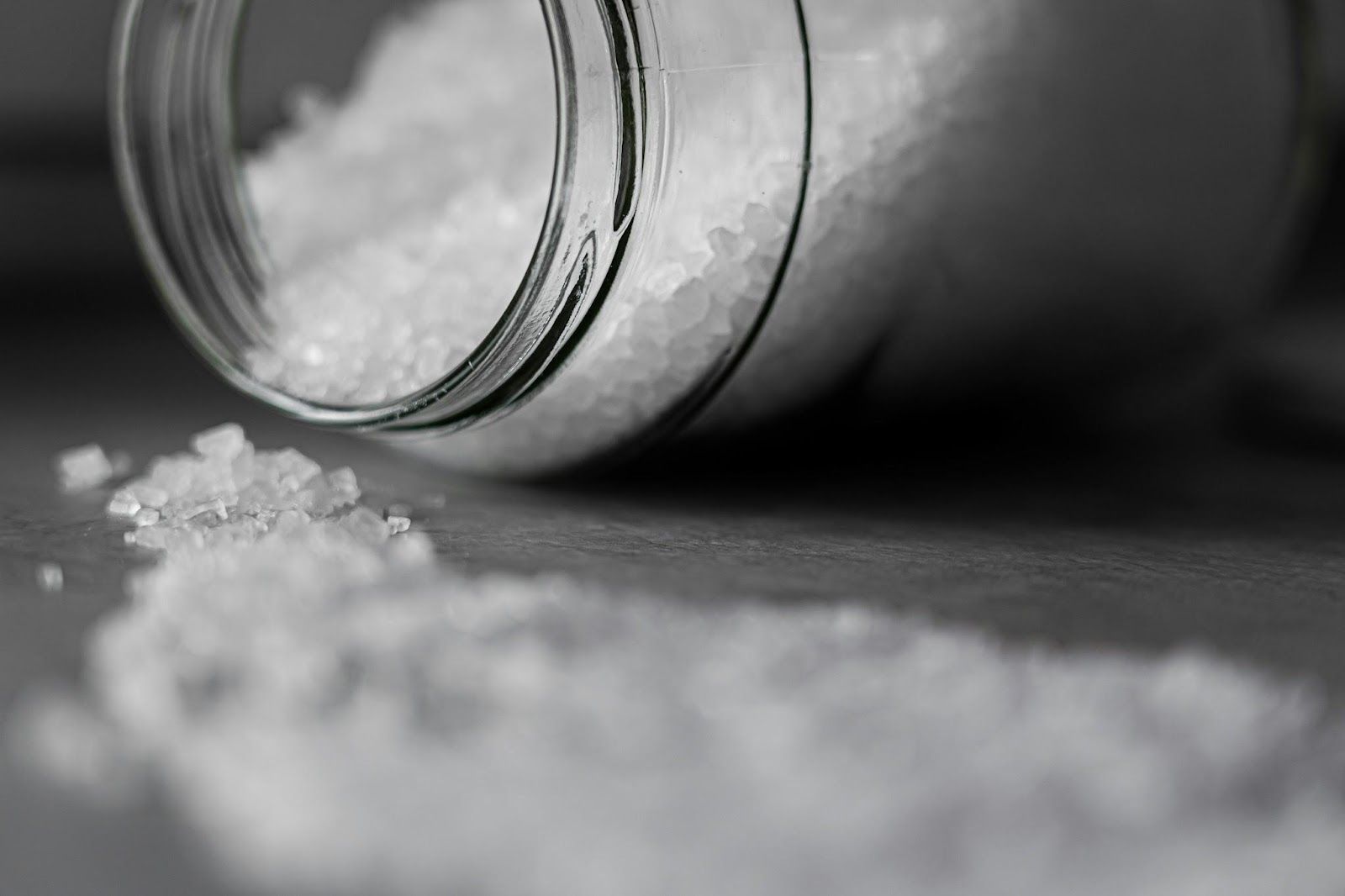
Salt

Image: Castorly Stock

Yes, excess sodium is harmful, but cutting it out completely can also be risky. Sodium helps maintain fluid balance and supports proper nerve and muscle function. Make sure you don’t entirely skip it!

5

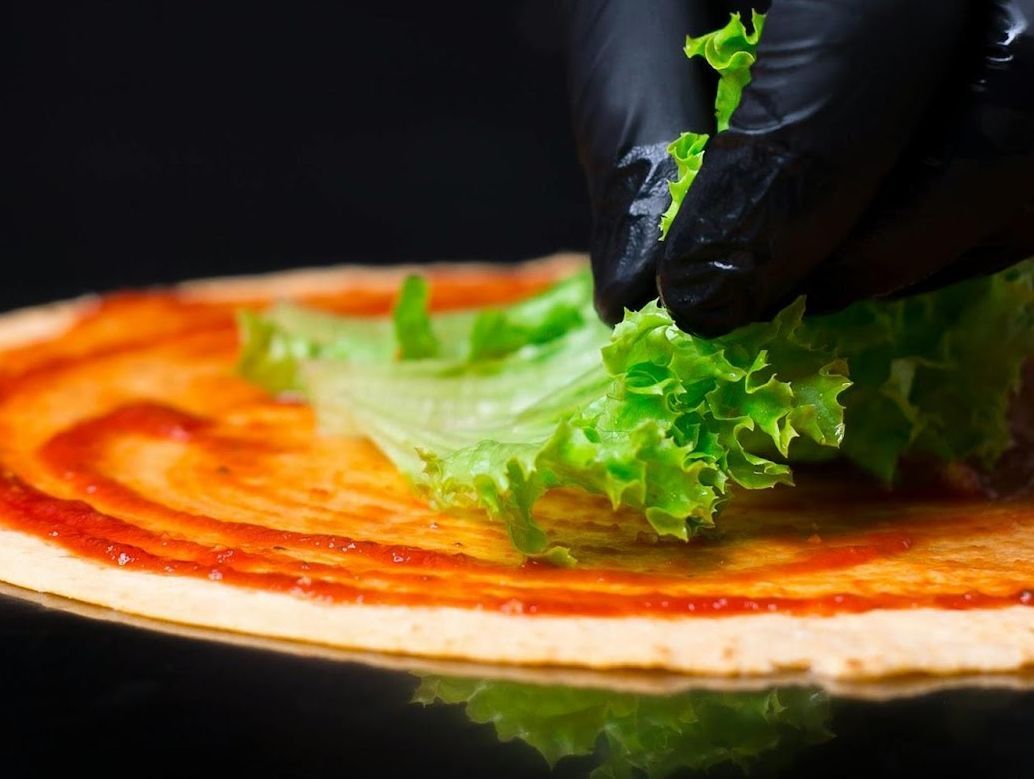
Pizza

Image: Andy Kuzma

Pizza with a caveat, that is. The healthiest pizza you can eat is homemade or thin-crust.

When made with whole-grain dough, real cheese, and veggie toppings, pizza can be a balanced meal, combining carbs, protein, and calcium. It’s the fast-food, oil-dripping, heavily-topped version that’s the real culprit.

6

Beer

Image: Alice Donovan Rouse

"What’s beer doing on this list?" you might wonder. Surprise! Moderate beer consumption (especially darker varieties) can provide antioxidant benefits and contribute B vitamins. Again, moderate is the magic word, not "happy hour every day."

7

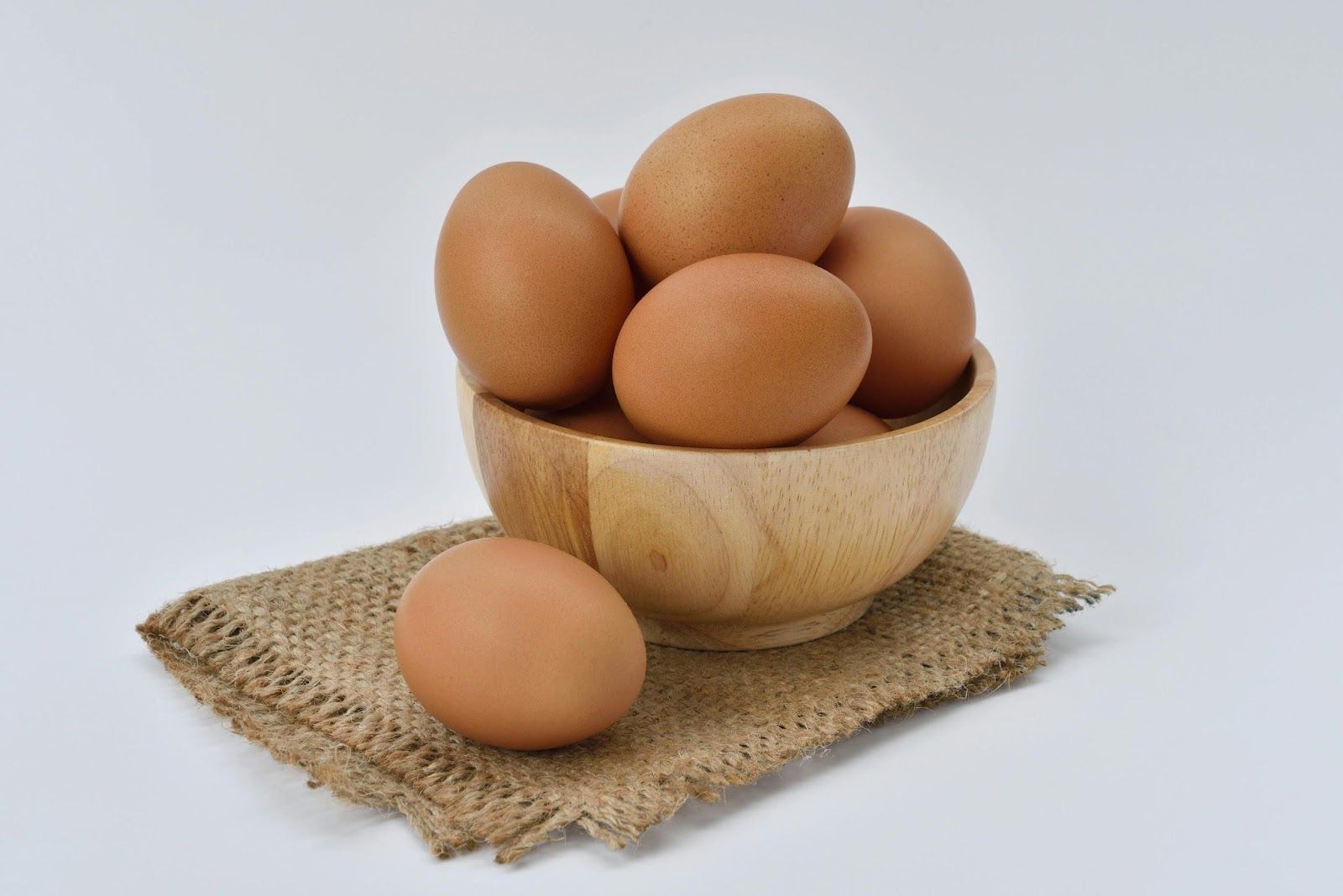
Eggs

Image: Pixabay

Remember when eggs were demonized for cholesterol? Modern studies show dietary cholesterol doesn’t raise blood cholesterol as much as once believed. Eggs are nutrient-dense, packed with choline and protein.

8

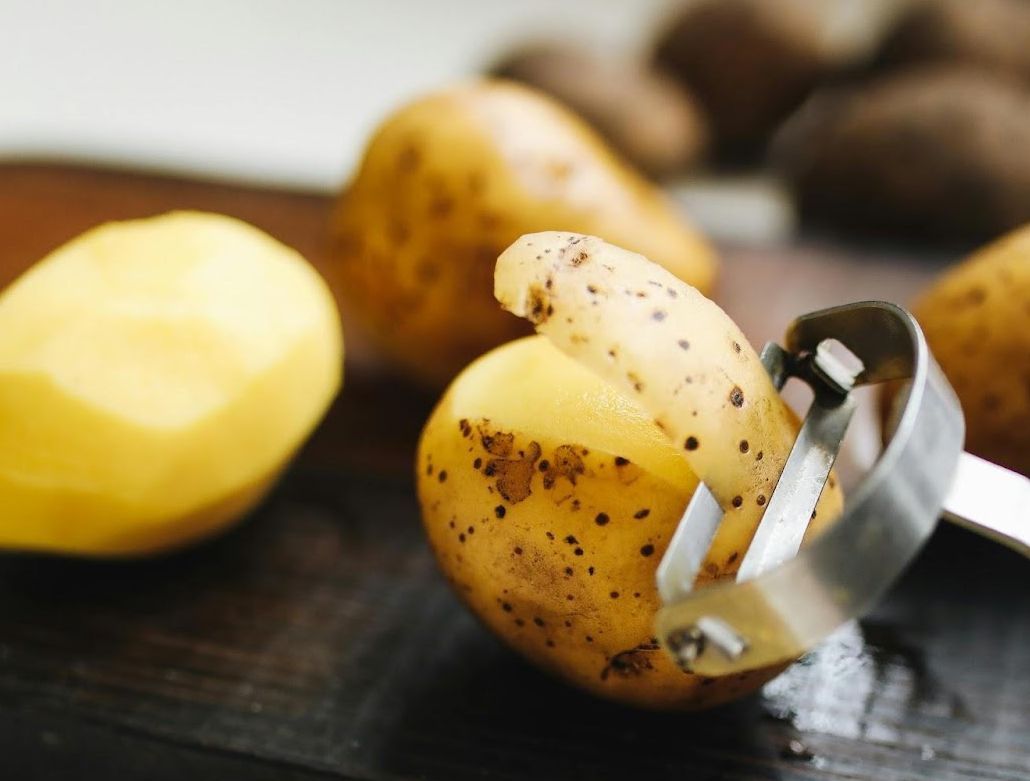
Potatoes

Image: Polina Tankilevitch

Sure, potatoes often rank low on lists of healthy foods when we’re thinking of chips or French fries.

But the tubers themselves are rich in potassium, vitamin C, and resistant starch, which support gut health. When prepared simply, such as by boiling, they can be a nutritious addition to a balanced diet.

9

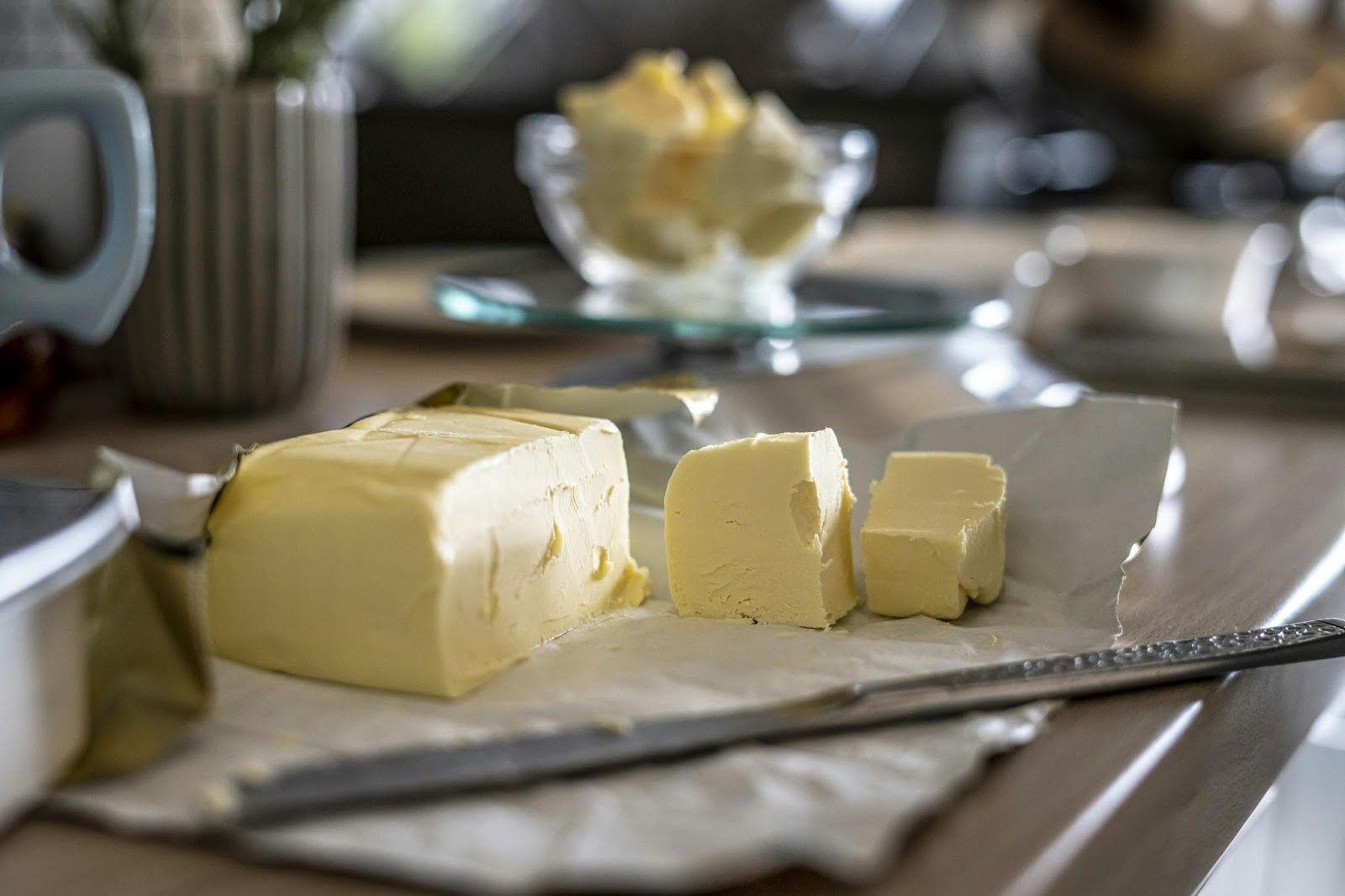
Butter

Image: Sorin Gheorghita

Demonized during the low-fat craze, natural butter, when consumed in small amounts, is often considered less harmful than margarine once was, particularly when margarines were filled with trans fats. Butter contains fat-soluble vitamins and conjugated linoleic acid (CLA), which may have anti-inflammatory effects.

10

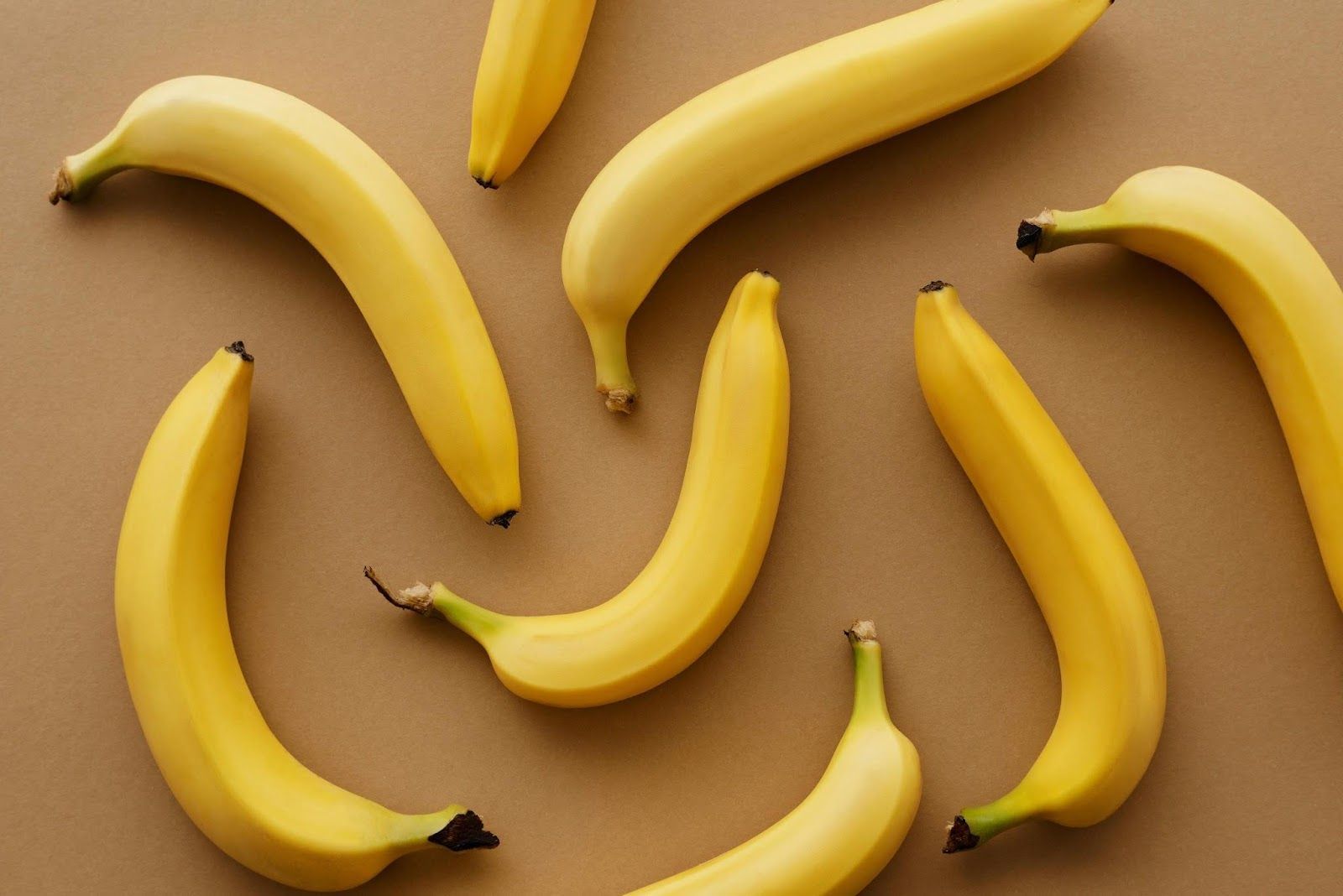
Bananas

Image: Vanessa Loring

They’re often accused of being "too sugary." They might be, compared to other fruits, but they are also loaded with potassium, fiber, and tryptophan. This last one supports serotonin production and plays a role in mood balance.

11

Cheese

Image: Zoe Richardson

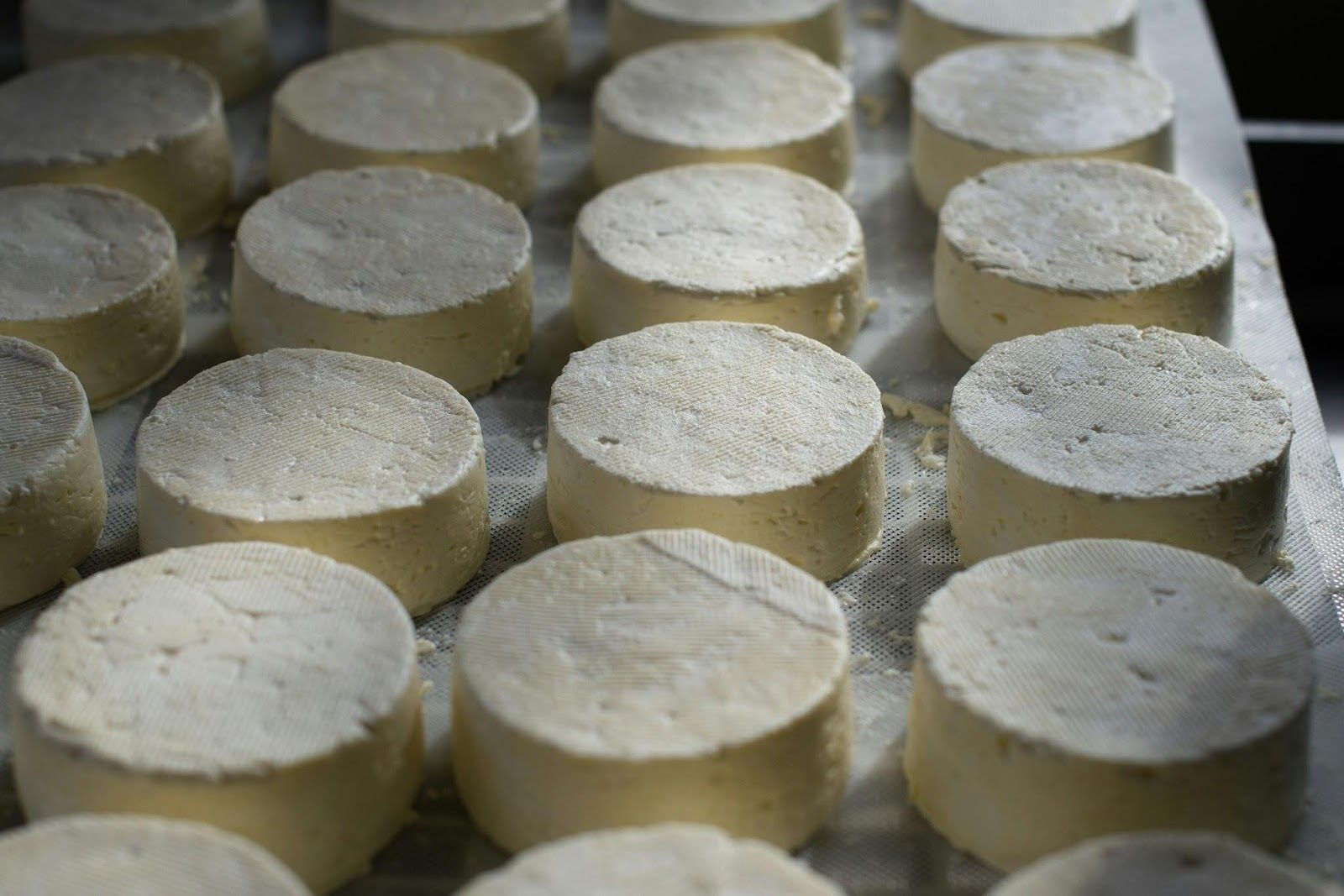
It’s calorie-dense, but also rich in calcium, along with beneficial fats and protein. Some fermented varieties (like aged cheddar or gouda) even contain probiotics that may support gut health.

What’s the healthiest type of cheese? Well, cottage cheese is often cited in that role, thanks to its high protein content and relatively low calorie count.

12

Sourdough Bread

Image: Debbie Widjaja

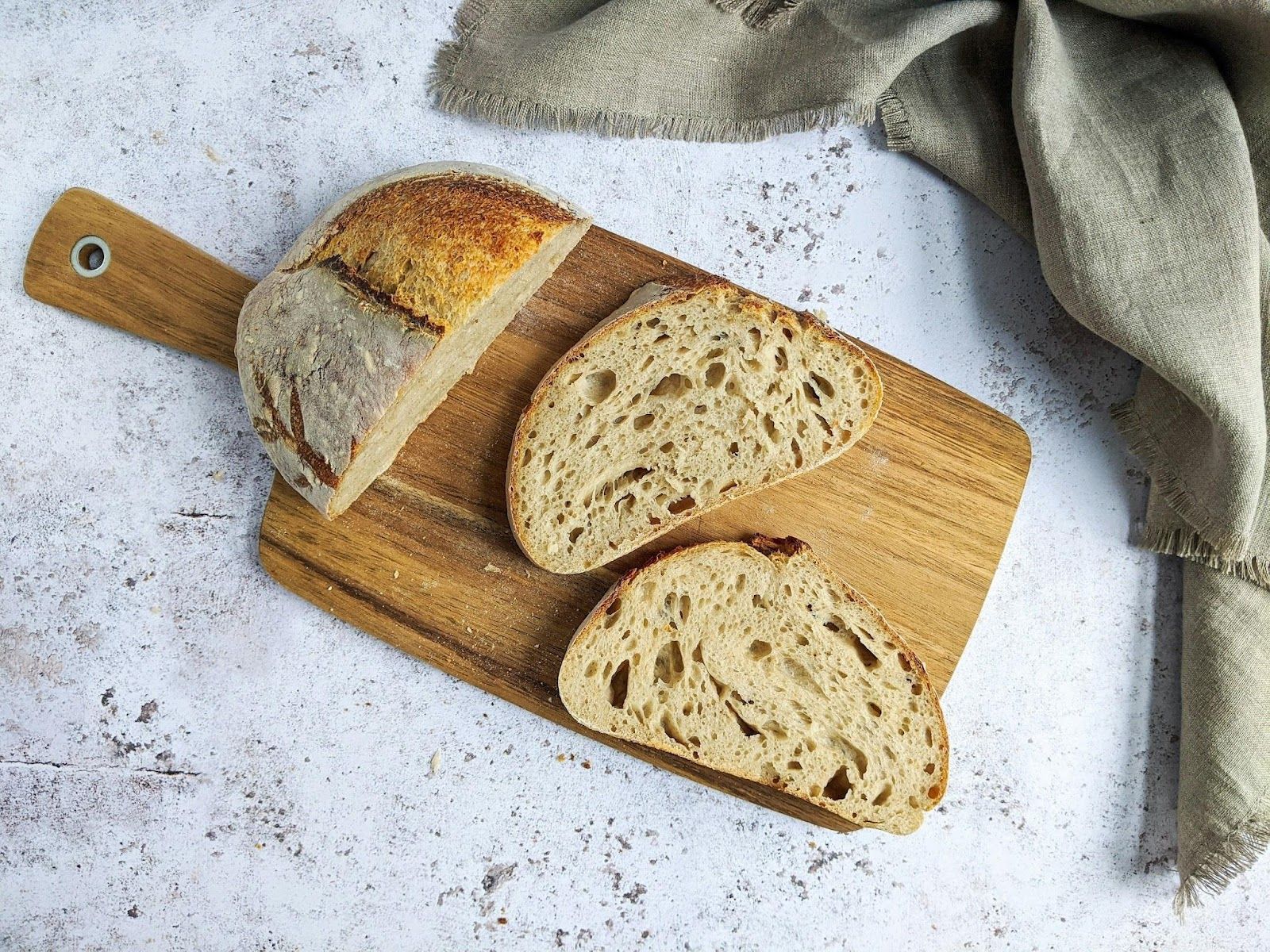
Not all bread is created equal; sourdough’s fermentation process can lower its glycemic index and make some nutrients more bioavailable. Plus, it’s often easier to digest than regular white bread.

13

Peanut Butter

Image: Tetiana Bykovets

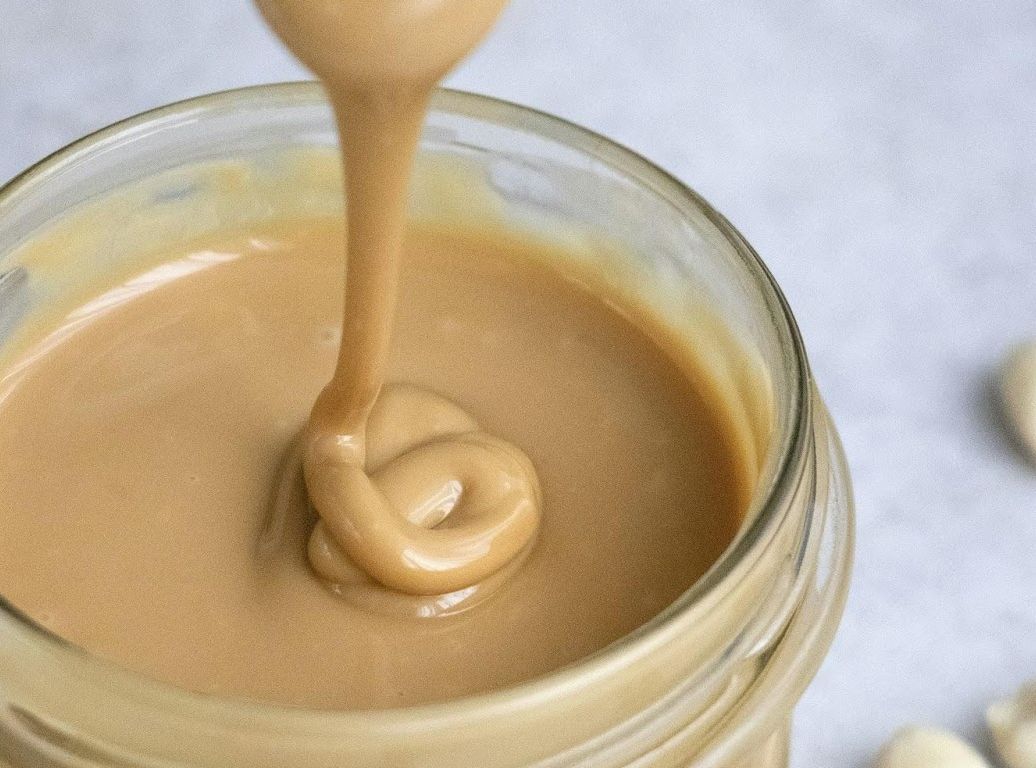
Often considered a "diet killer," but pure peanut butter (just peanuts and salt) is full of protein, healthy fats, and vitamin E. Its bad rap comes from sugary, hydrogenated versions. Avoid those, and you are good to go!

Tango, Bravo

Codewords decoded: How many did you know?


Published on January 23, 2026


Image: orso bianco

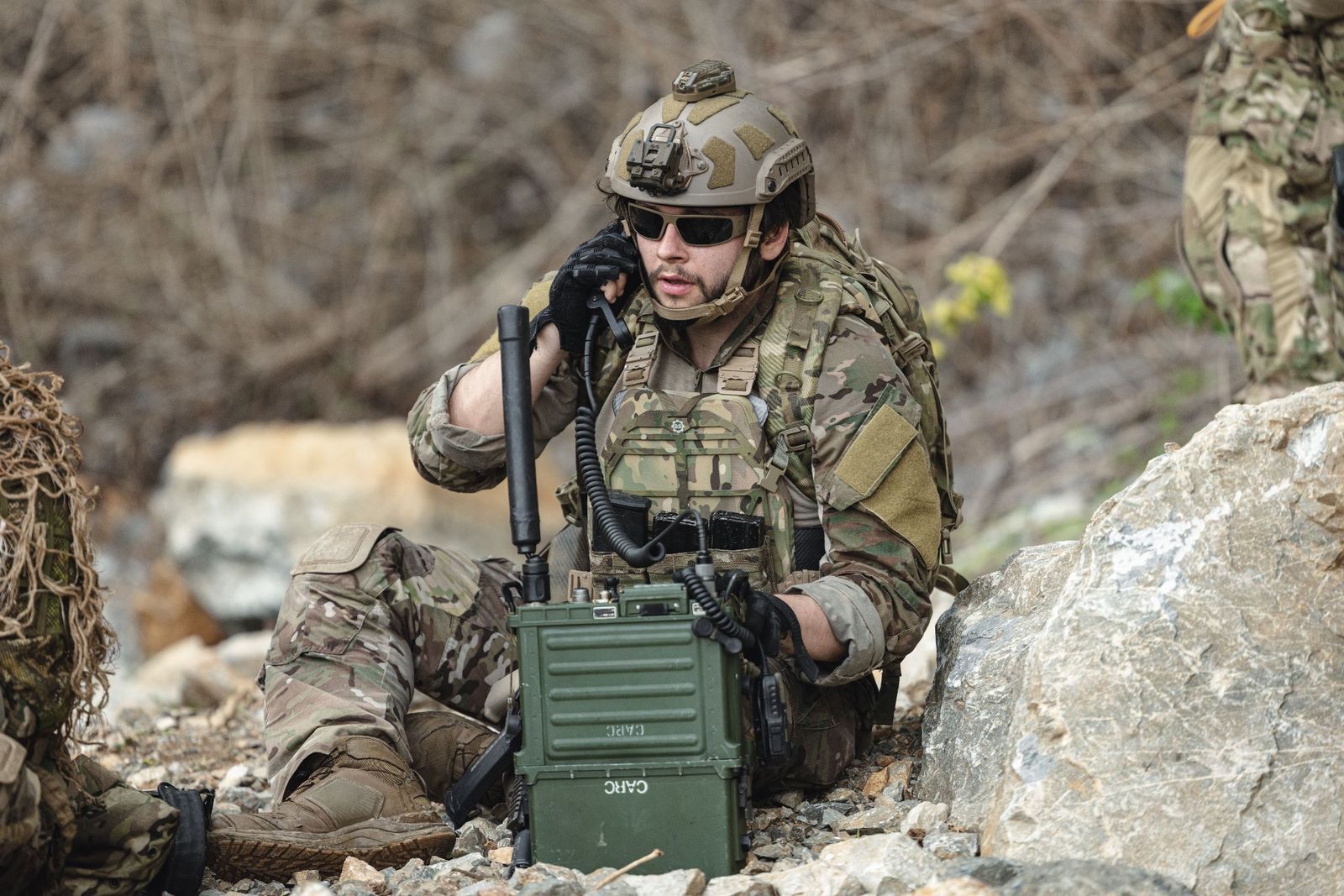
In situations where clear communication is paramount, especially when lives are at stake, professionals often rely on standardized codewords and phonetic alphabets designed to prevent confusion. Either from movies or from personal experience, it's probable that you've heard at least some of these before, and many have found their way into everyday conversation. Let's find out how many of these code expressions you can recognize.

1

Mayday

Image: Zhuravlev Andrey

Mayday is the international distress call used when the sender is in immediate, life-threatening danger. Pilots and mariners use it to signal that they require urgent assistance due to situations such as engine failure, fire, flooding, or medical emergencies.

The word was introduced in 1923 by British radio officer Frederick Stanley Mockford, who based it on the French phrase m'aider, meaning "help me," in an attempt to make it internationally recognizable. Hearing this transmission immediately alerts emergency responders that every second counts.

2

Pan-Pan

Image: DenisProduction.com

Not every emergency is severe enough to warrant a mayday call. When a crew faces a problem that is urgent but not immediately life-threatening, the appropriate codeword is Pan-Pan.

Like mayday, it comes from French: it derives from panne, meaning a breakdown or mechanical failure. A Pan-Pan call might be used if an aircraft loses an engine but can still fly safely, or if a ship experiences equipment problems while remaining under control. It tells responders that assistance is needed, but that the situation has not yet become critical.

3

SOS

Image: Grisha Bruev

Few emergency signals are as universally recognizable as SOS. Contrary to popular belief, the letters do not officially stand for "Save Our Ship" or "Save Our Souls." It was adopted in 1906 because SOS is an extremely simple, easy-to-transmit, and unmistakable pattern in Morse code.

SOS remains one of the world's most enduring distress signals, and it's still recognized by rescue organizations all around the globe.

4

NATO Alphabet

Image: Alexandros Michailidis

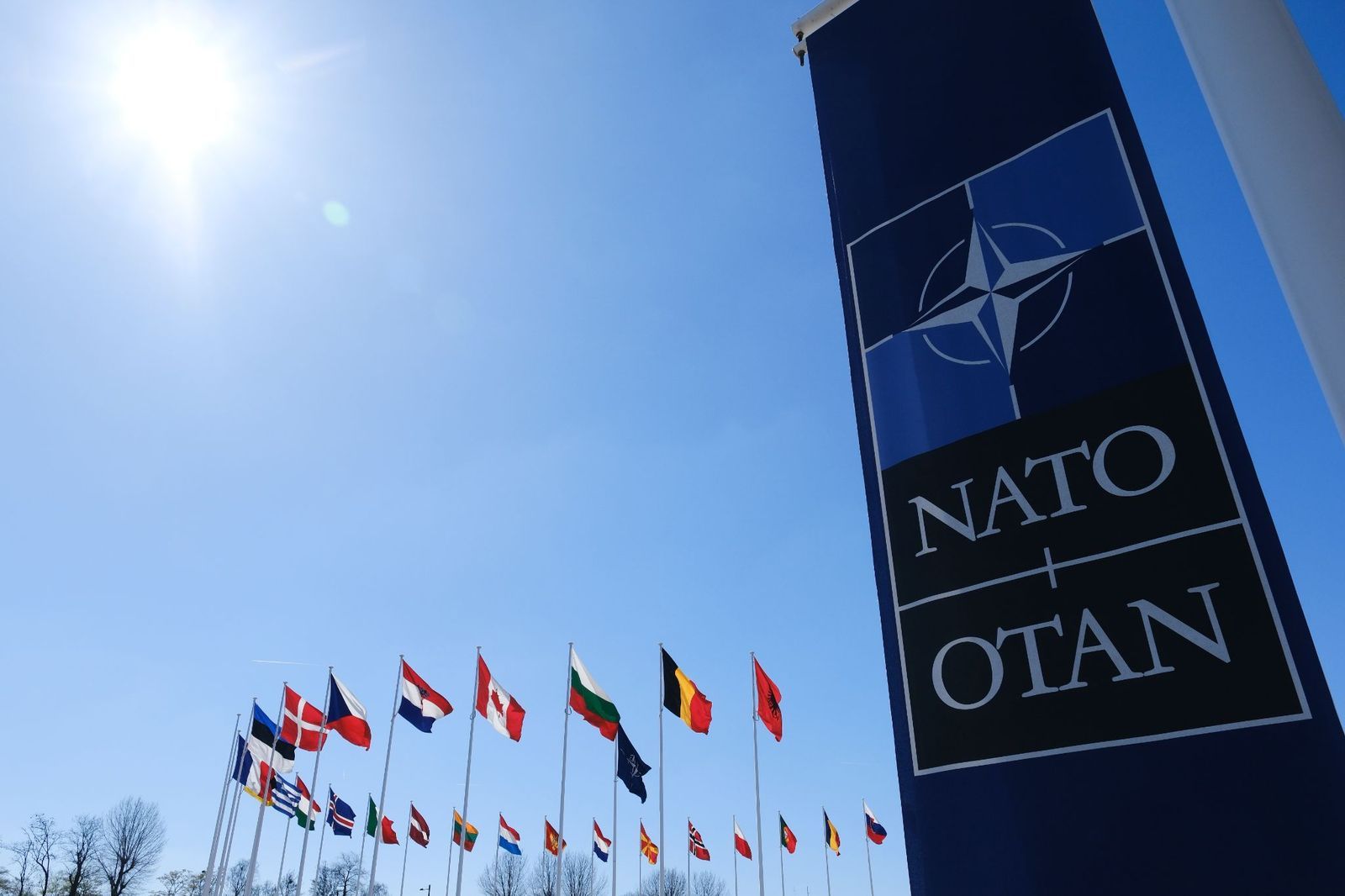
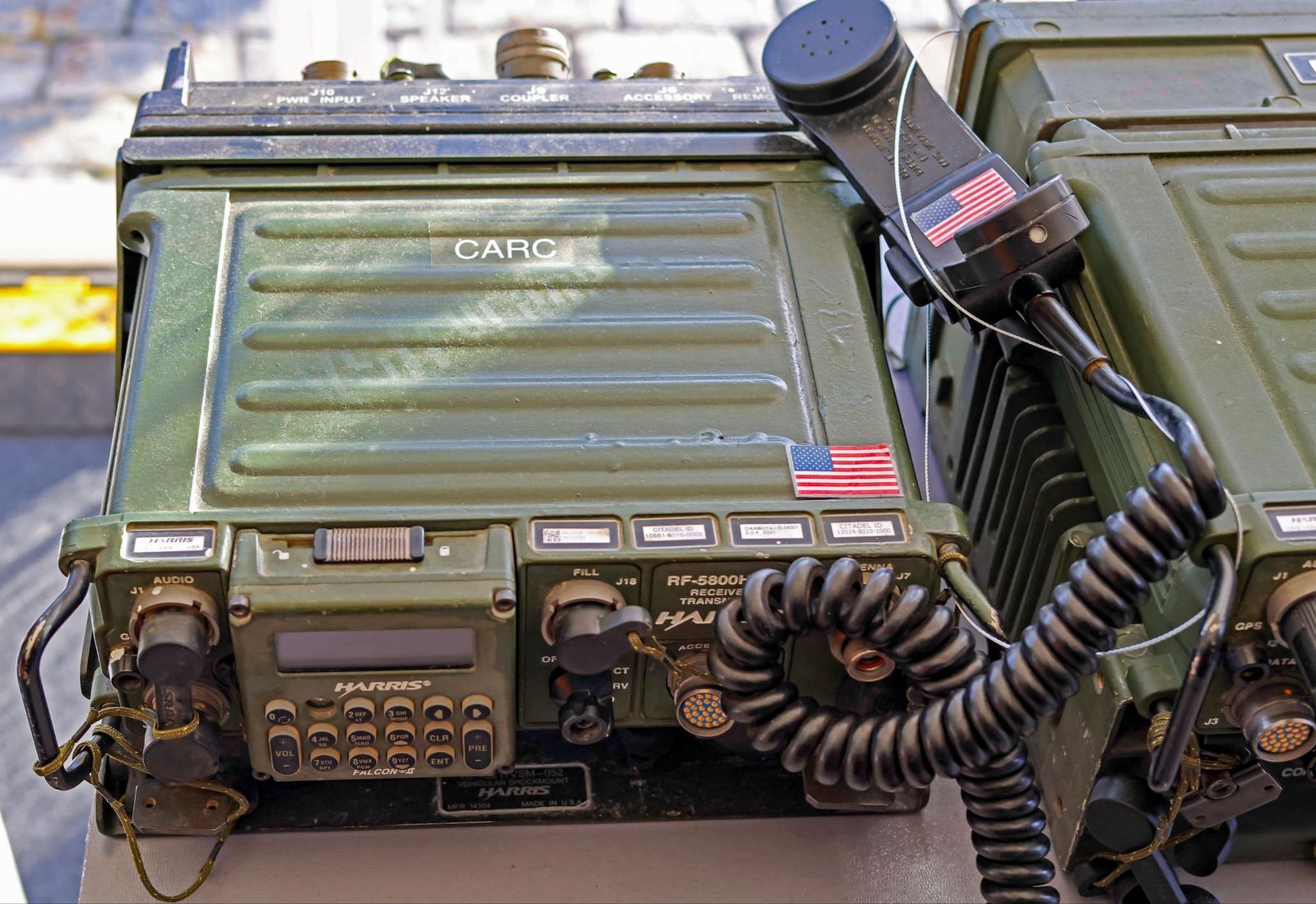
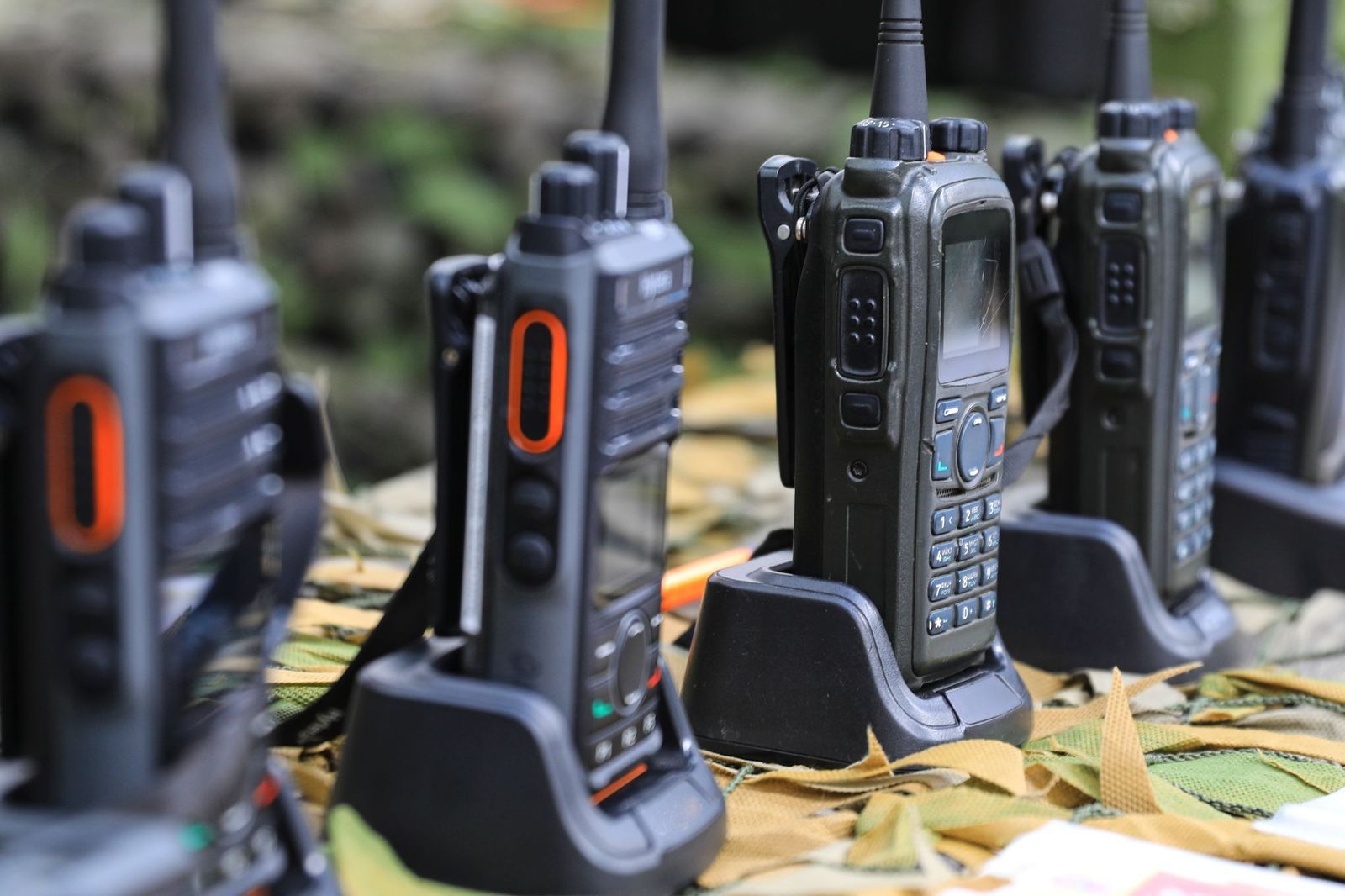
In the NATO phonetic alphabet, each letter is assigned a unique word to eliminate confusion when radio transmissions are distorted by noise or poor reception. If you've ever heard someone spell a name as "Mike Alpha Romeo Yankee," you've encountered the NATO phonetic alphabet.

The system was officially adopted by NATO in the 1950s and is now widely used by militaries, airlines, emergency responders, and many police departments worldwide. Using it greatly reduces the chance of misunderstanding important information over radio.

5

Roger

Image: nelikdulatov

Roger dates back to the early days of radio communication, when the letter R stood for "received." Before the adoption of the NATO alphabet, the US military used Roger instead of Romeo to represent that letter_._

Although modern communications systems have changed and the US military has fully embraced the use of the NATO alphabet, Roger remains standard aviation terminology, and it's one of the best-known radio acknowledgments in the world. It conveys a very simple but important meaning: "I have received and understood your message."

6

Wilco

Image: alleks19760526

Although many people assume Roger and Wilco mean the same thing, they actually convey different messages. Wilco is short for "will comply." In other words, it tells the sender not only that the message was received and understood, but that the instruction will be carried out.

Saying both Roger and Wilco is technically redundant in proper radio communication, since complying necessarily implies understanding, but the combination is often heard in movies and television.

7

Tango

Image: Quality Stock Arts

In the NATO phonetic alphabet, Tango simply represents the letter T. However, US military personnel have also adopted it as a shorthand when referring to a target or a hostile.

This secondary meaning became widely known through military operations in the twentieth century and has since appeared in countless books, films, and video games in phrases like "We've got one Tango moving north."

8

Oscar Mike

Image: Dragos Asaftei

Oscar Mike, NATO for the letters O and M, is military shorthand for "On the Move." It's a quick way of reporting that a unit has begun moving toward its objective.

The expression is especially common in the US military and has become more familiar to the general public through documentaries, memoirs, and films. It's finding its way into civilian life, meaning simply "I'm heading out."

9

10-4

Image: Elliott Cowand Jr

Ten-codes were developed during the 1930s to allow for brevity and standardization of message traffic in radio communications. They were widely adopted by US public safety departments and by radio enthusiasts.

While the system is being slowly phased out in favor of plain language communications, many local police, fire, and sheriff departments keep using it, and it is still strongly associated with radio culture by the general public. One of the most famous ten-codes is 10-4, meaning "received and understood."

10

Code Blue

Image: PeopleImages

Hospitals around the world use color-coded announcements to communicate emergencies without causing unnecessary panic among patients and visitors. Perhaps the best known is Code Blue, indicating that a patient is experiencing cardiac or respiratory arrest and requires immediate medical assistance.

While some hospitals use their own custom color codes, Code Blue has become so widely recognized that it now appears frequently in television dramas and everyday conversation whenever someone refers to a life-threatening medical emergency.

Looking for an extra scoop of literary fun?

Learn more with our Word of the day

aggrandize

/əˈɡrænˌdaɪz/