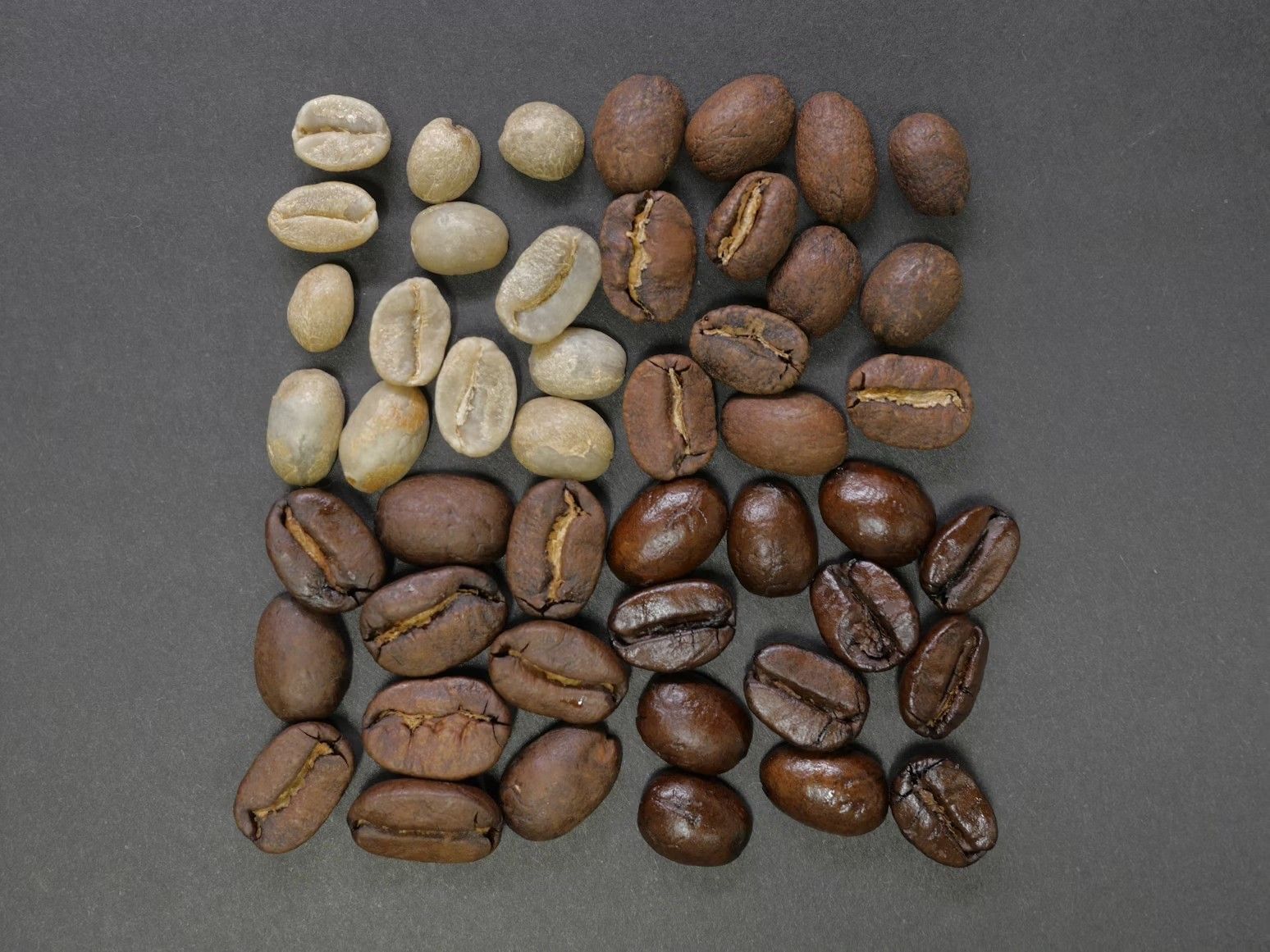
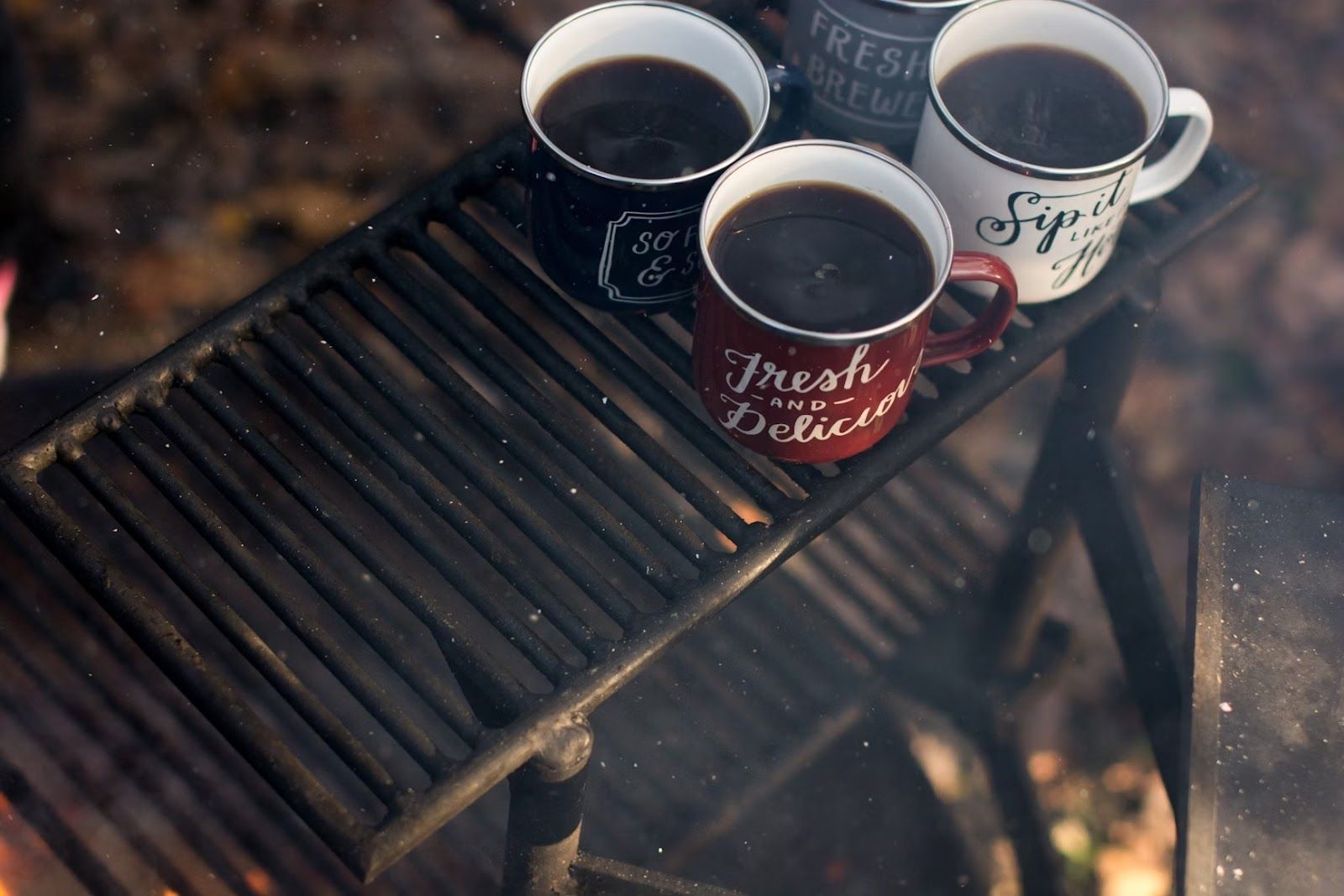
Get a cup of Joe!

After this, you'll never look at your morning coffee the same way again!


Published on March 4, 2026
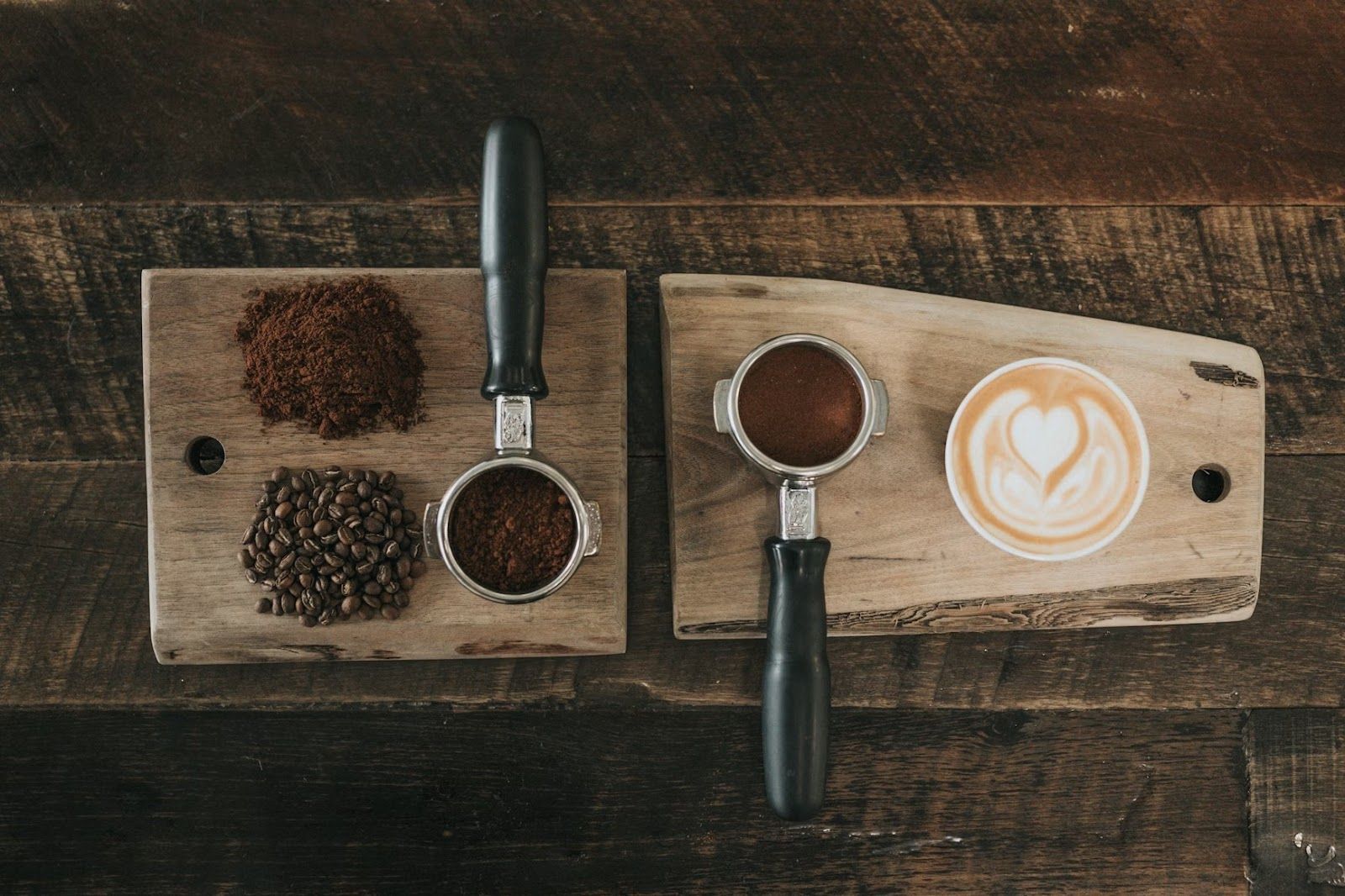

Image: Nathan Dumlao

We all love a good cup of coffee, but how much do you really know about it? From legendary goat herders to coffee brewed in animal intestines (yes, that’s real), coffee has one of the oddest backstories out there. If you're sipping your morning brew right now, hold on tight because these fun, crazy facts might just surprise you.

1

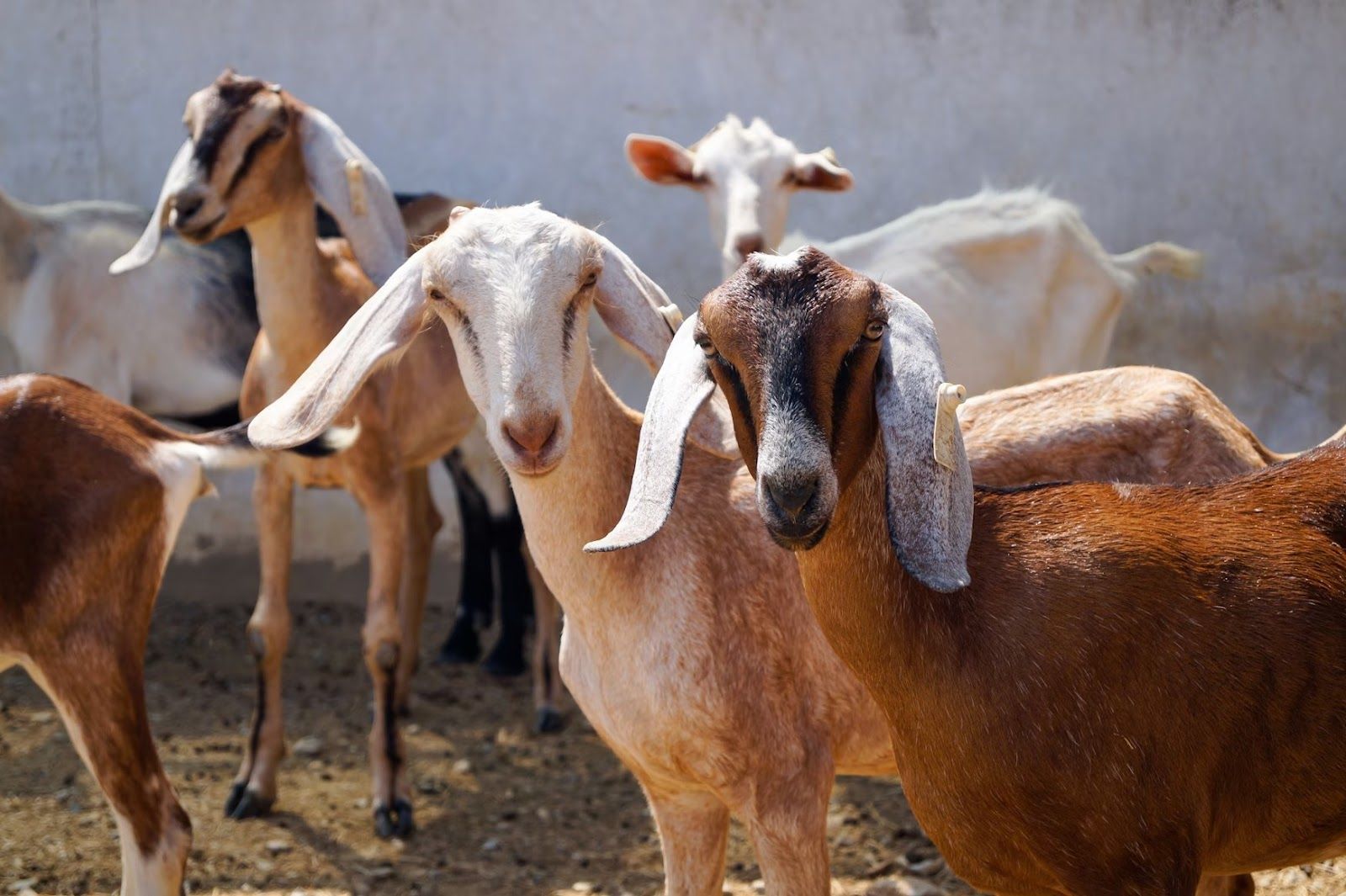
Goats were the first coffee drinkers

Image: Jorge Salvador

Long before baristas and espresso machines, it was goats who discovered coffee… well, sort of. Legend says an Ethiopian herder noticed his goats dancing around after munching on some bright red berries. Curious, he tried them himself and felt more energetic. That "goat energy" was the world’s first caffeine buzz.

2

Coffee was once the devil’s drink

Image: Emre

In the 1500s, some religious leaders in Europe weren’t too thrilled about coffee. They called it "the bitter invention of Satan." But things turned around when Pope Clement VIII took a sip, liked it, and gave it his official blessing. After that, coffee got the green light—and never looked back.

3

England tried to ban coffee shops

Image: Clem Onojeghuo

In 1675, King Charles II thought coffeehouses were troublemakers' headquarters. He banned them, fearing they were stirring up rebellion. The public wasn’t having it. After just 11 days, the ban was lifted. Coffee drinkers: 1. The king: 0.

4

The first webcam watched a coffee pot

Image: Leon Bublitz

Forget cats and sunsets, the very first webcam ever invented was aimed at a coffee pot. In 1991, scientists at the University of Cambridge set it up so they could check whether there was fresh coffee without getting up. If you’ve ever hovered by the coffee maker waiting for it to brew, you can relate.

5

Beethoven was a coffee control freak

Image: nousnou iwasaki

Composer Ludwig van Beethoven didn’t just write symphonies; he also approached coffee brewing with scientific precision. He reportedly insisted on using exactly 60 coffee beans per cup. No more, no less. It’s unclear how he counted them, but one thing’s certain: he took his caffeine seriously.

6

Coffee houses sparked paranoia

Image: Petr Sevcovic

Back in the day, coffeehouses weren’t just places for casual conversation. They were buzzing with ideas, politics, and a fair amount of gossip. Authorities thought all that discussion could lead to unrest. As it turned out, people just needed a place to vent and sip.

7

The strongest coffee on earth isn’t for the faint of heart
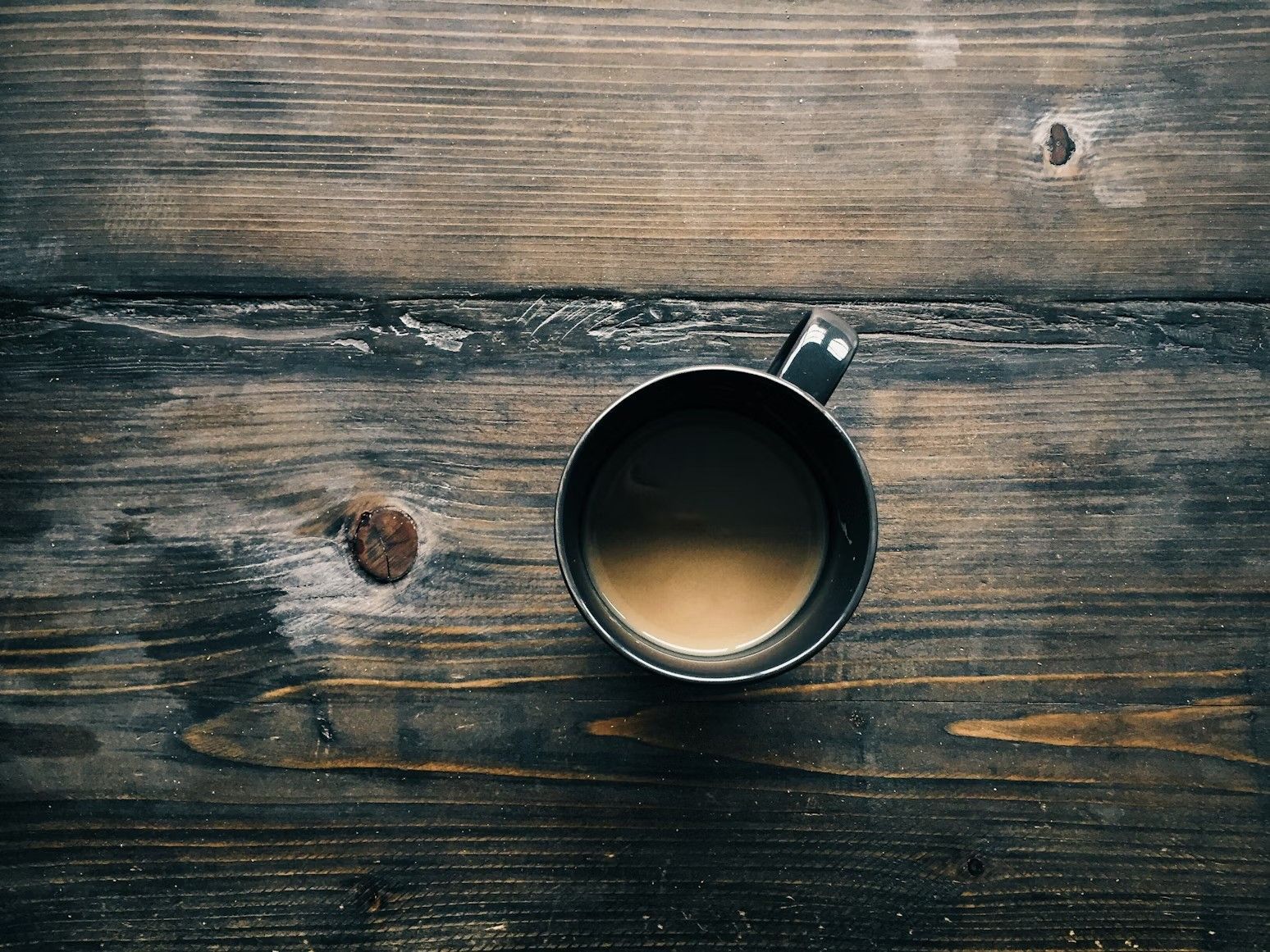
Image: Mikesh Kaos

Have you ever heard of Black Insomnia? It’s not a punk band, it’s a coffee with an extremely high amount of caffeine per cup. Some servings contain over 700 milligrams of caffeine! That’s more than three regular coffees combined. If your heart flutters after one cup, this brew is probably not for you.

8

A coffee cup big enough for a swimming pool
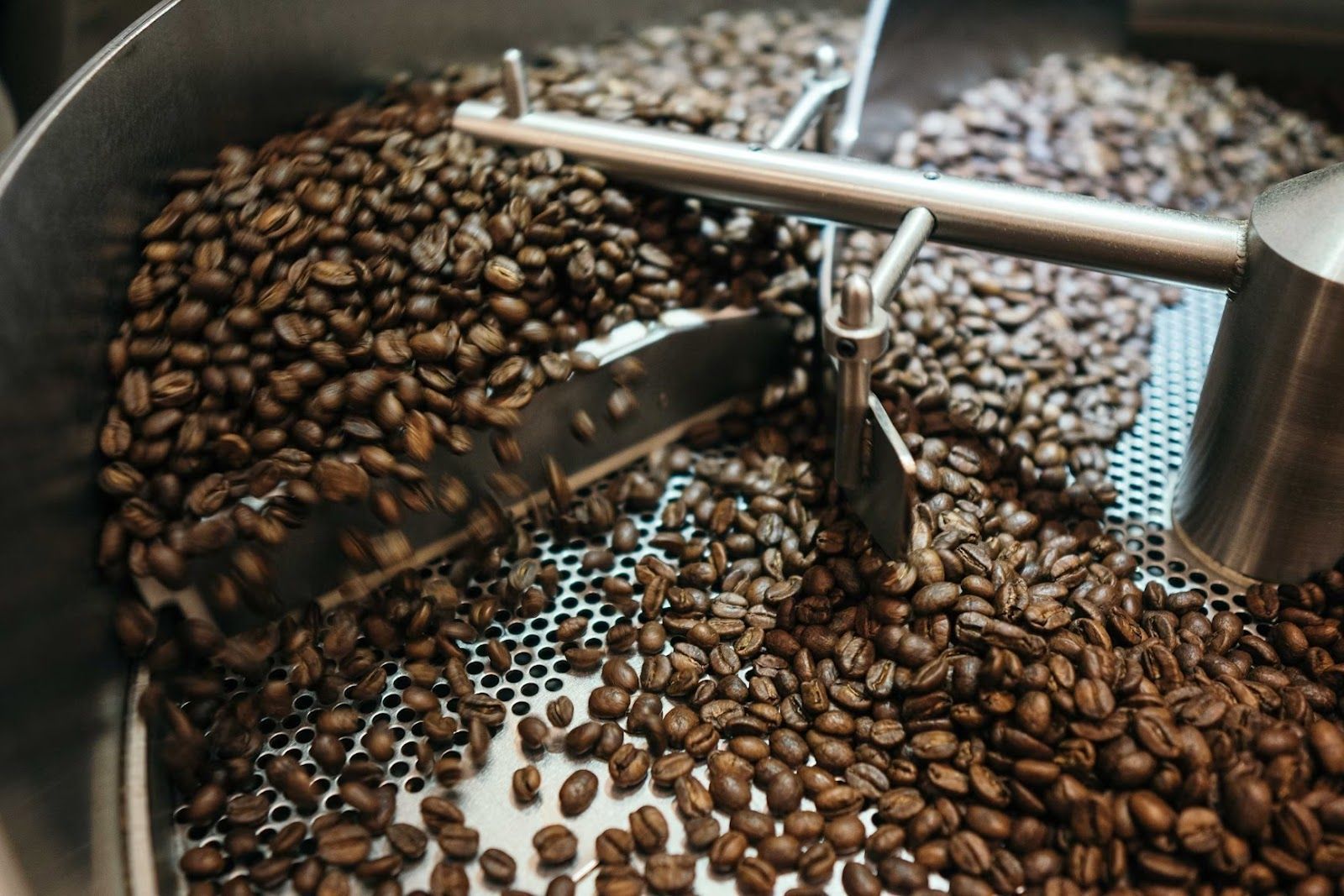
Image: Battlecreek Coffee Roasters

In 2019, coffee lovers in South Korea brewed the world’s largest cup of coffee—more than 3,700 gallons. It reportedly took around 1,000 people to help drink it. No comment on how many bathroom breaks were needed afterward.

9

"Cup of Joe" has military roots

Image: Lexi Anderson

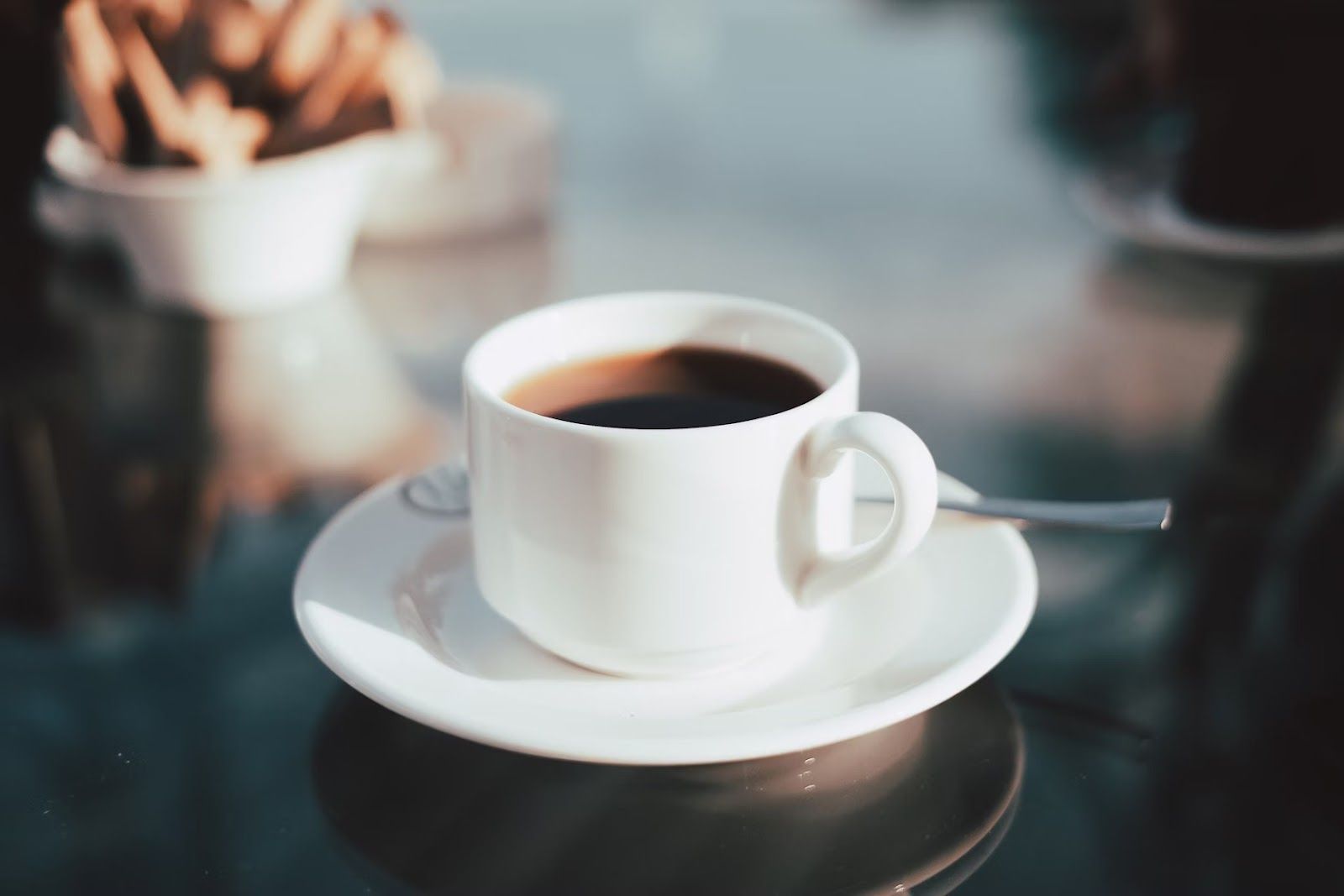
Have you ever wondered why we call it a "cup of Joe"? It’s likely thanks to Josephus Daniels, the US Secretary of the Navy, who banned booze on naval ships in 1914. With alcohol off-limits, sailors turned to coffee instead, and the nickname stuck.

10

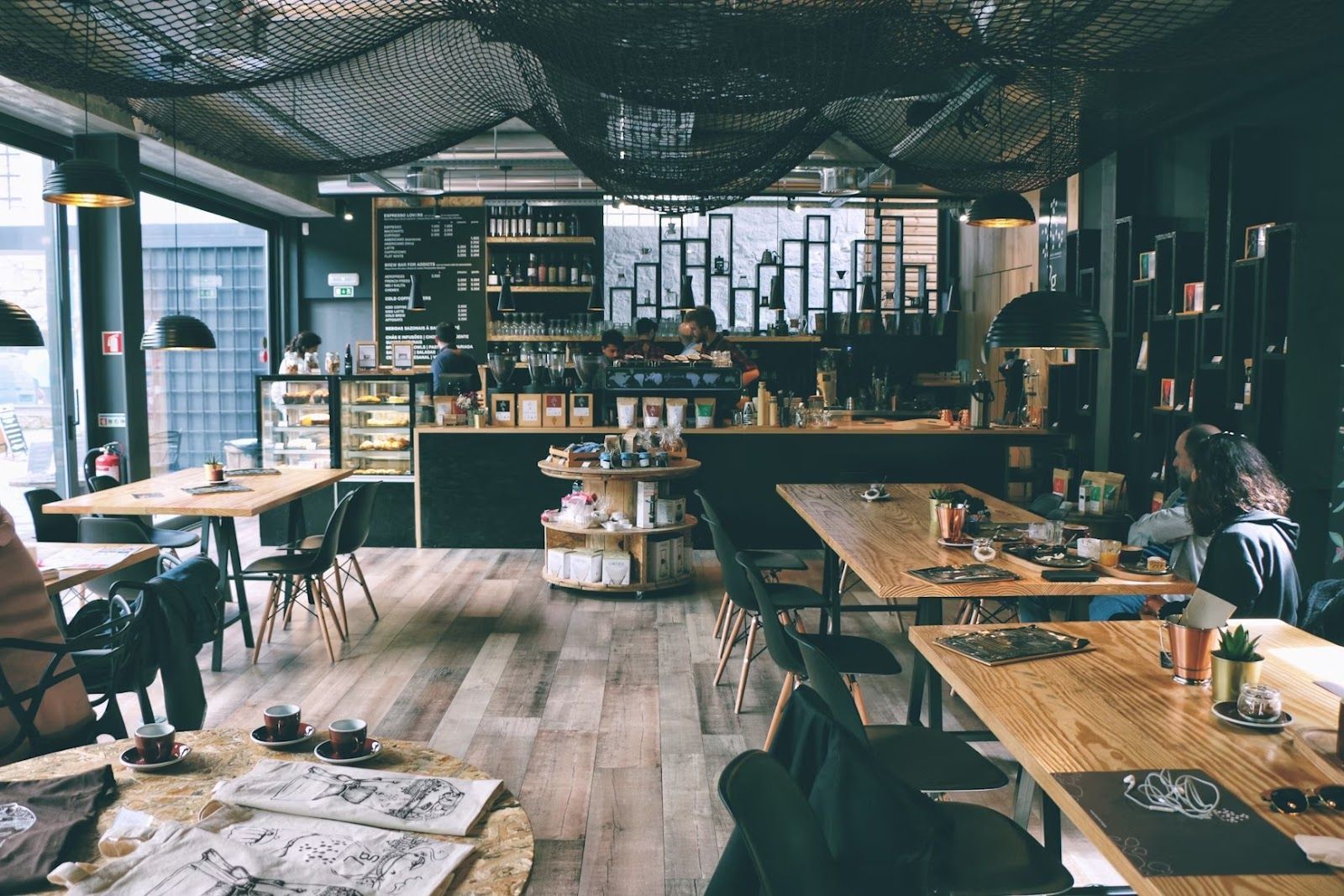
The first coffee shop opened over 500 years ago
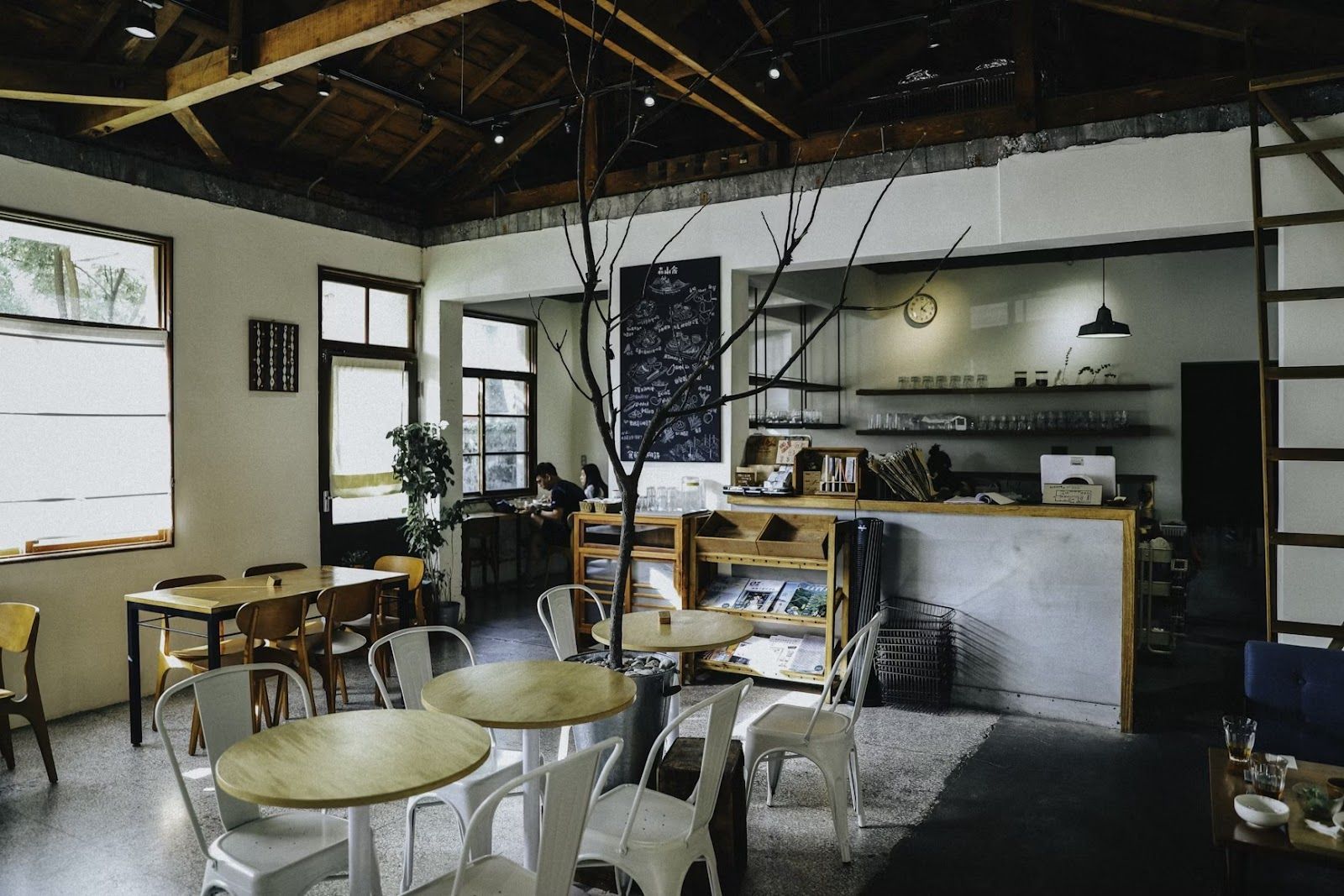
Image: Anledry Cobos

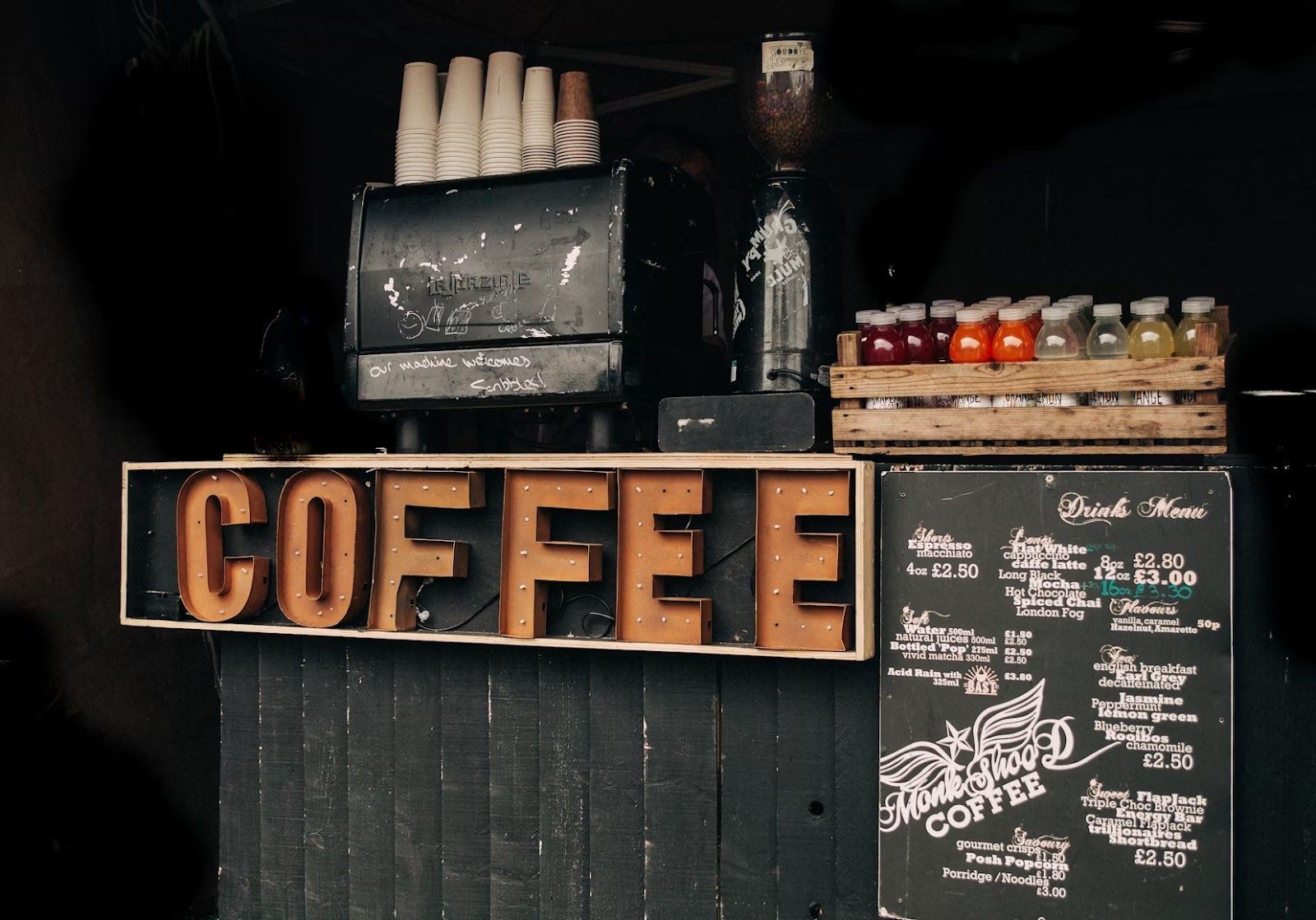
The world’s first official coffeehouse popped up in 15th-century Constantinople (modern-day Istanbul). It wasn’t just a place to grab a drink; it was a hub for news, chess games, and lively debate. The modern café owes a lot to these early trailblazers.

11

Instant coffee is older than you think
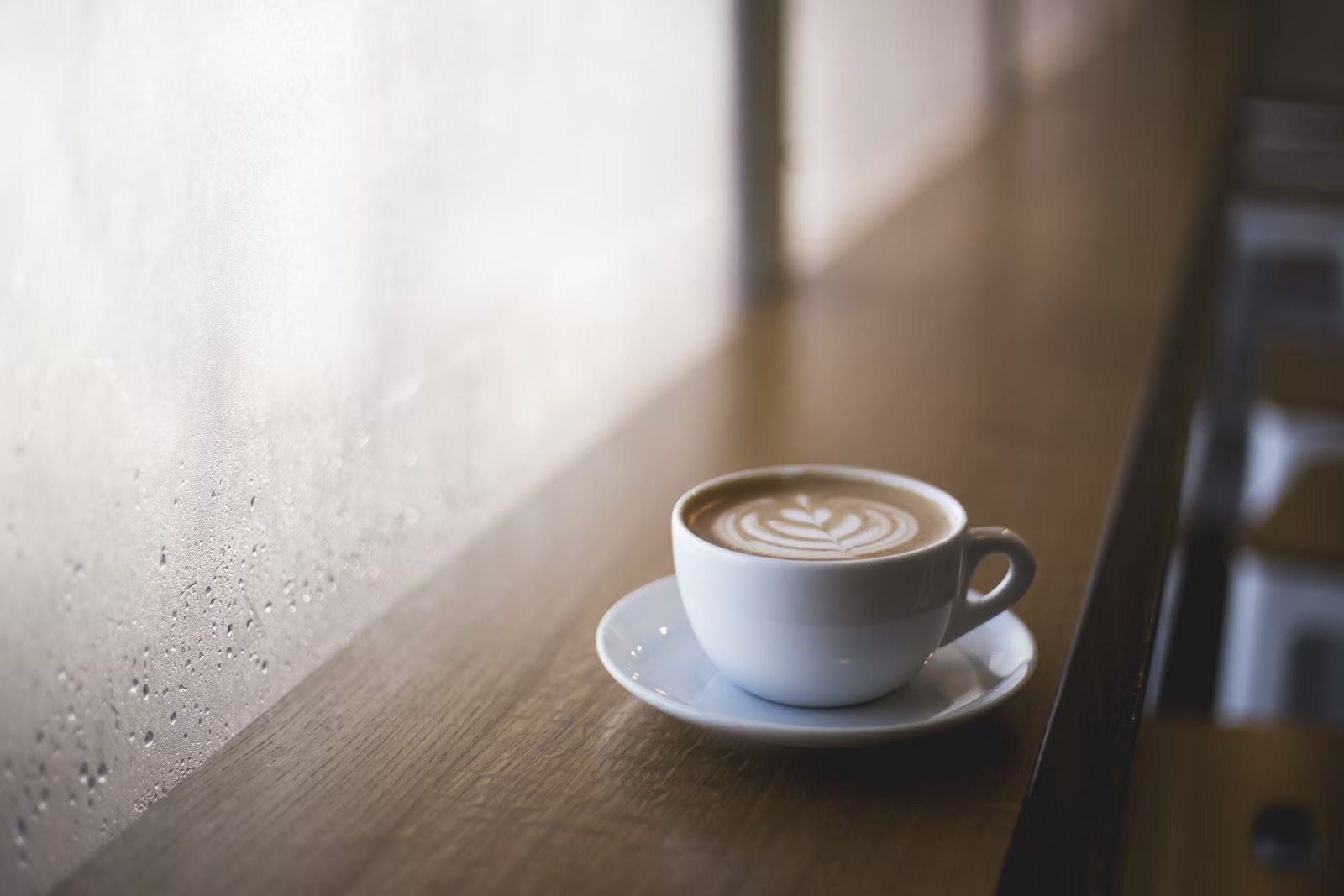
Image: Kari Shea

Instant coffee may scream "1970s convenience," but it actually dates back to 1901. A Japanese chemist named Satori Kato created an early version of it, though it didn’t become a hit until the 1930s, when Nestlé got involved. Fast, easy, and just right for a quick cup.

12

The flat white started a friendly feud
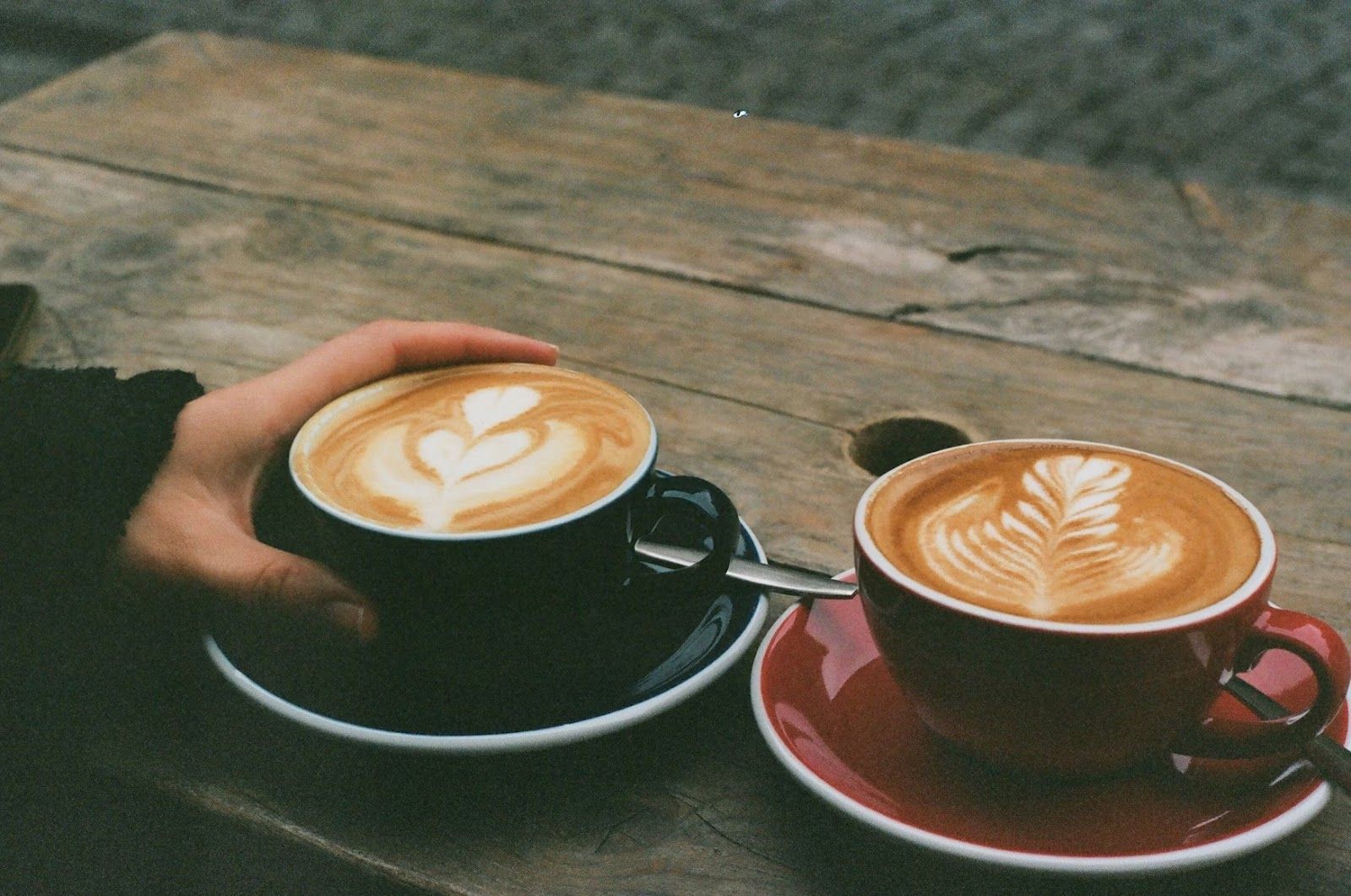
Image: Dorien Monnens

Who invented the flat white, a creamy espresso favorite, Australia or New Zealand? Both countries claim it. The answer is still up for debate, but either way, the drink is a staple at coffee shops everywhere. No referee has stepped in yet.

13

Cappuccino and monks? Yep!

Image: Jez Timms

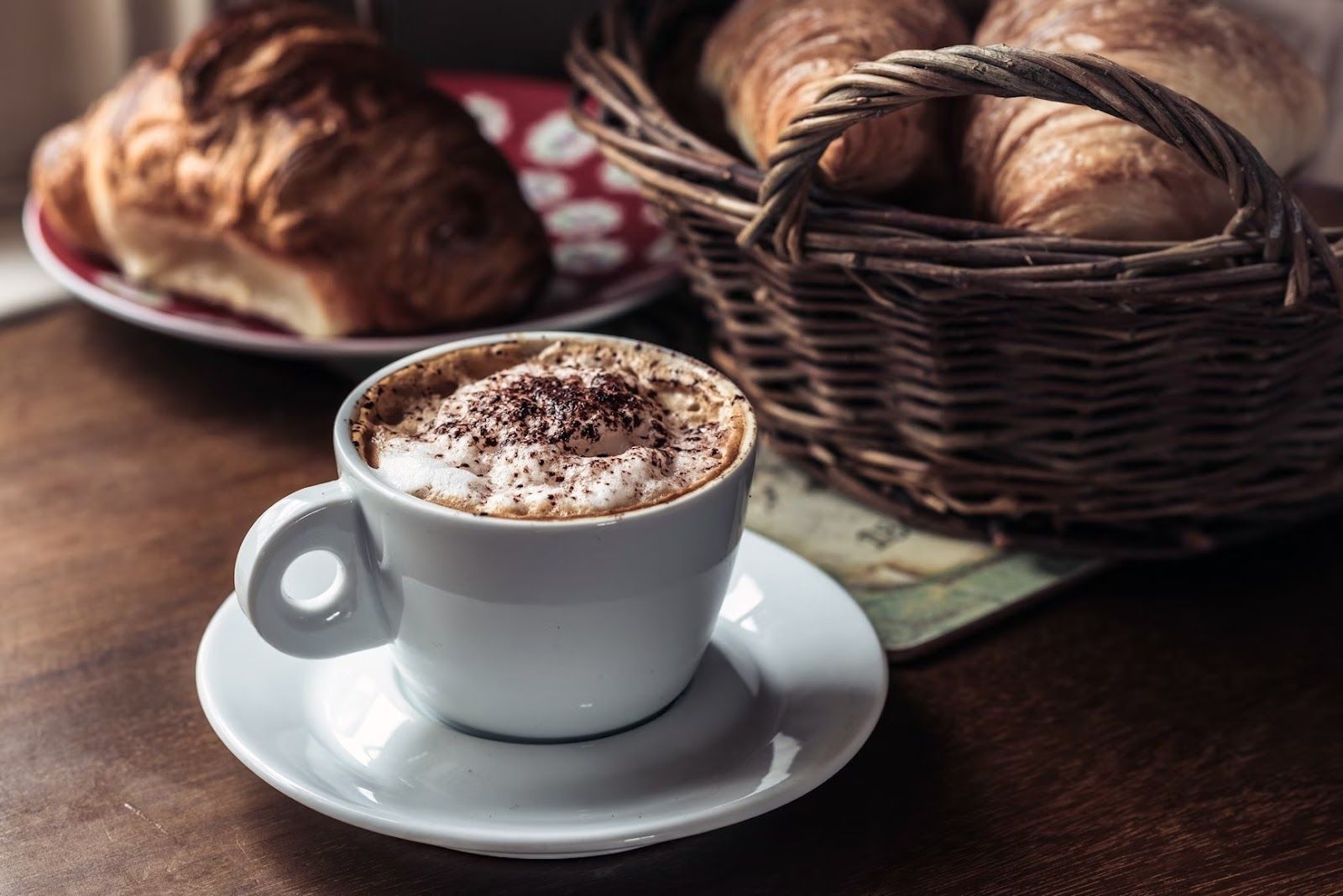
The word "cappuccino" is inspired by the Capuchin monks of Italy, whose robes were a similar warm brown hue. Their name lives on every time someone orders a foamy espresso with milk.
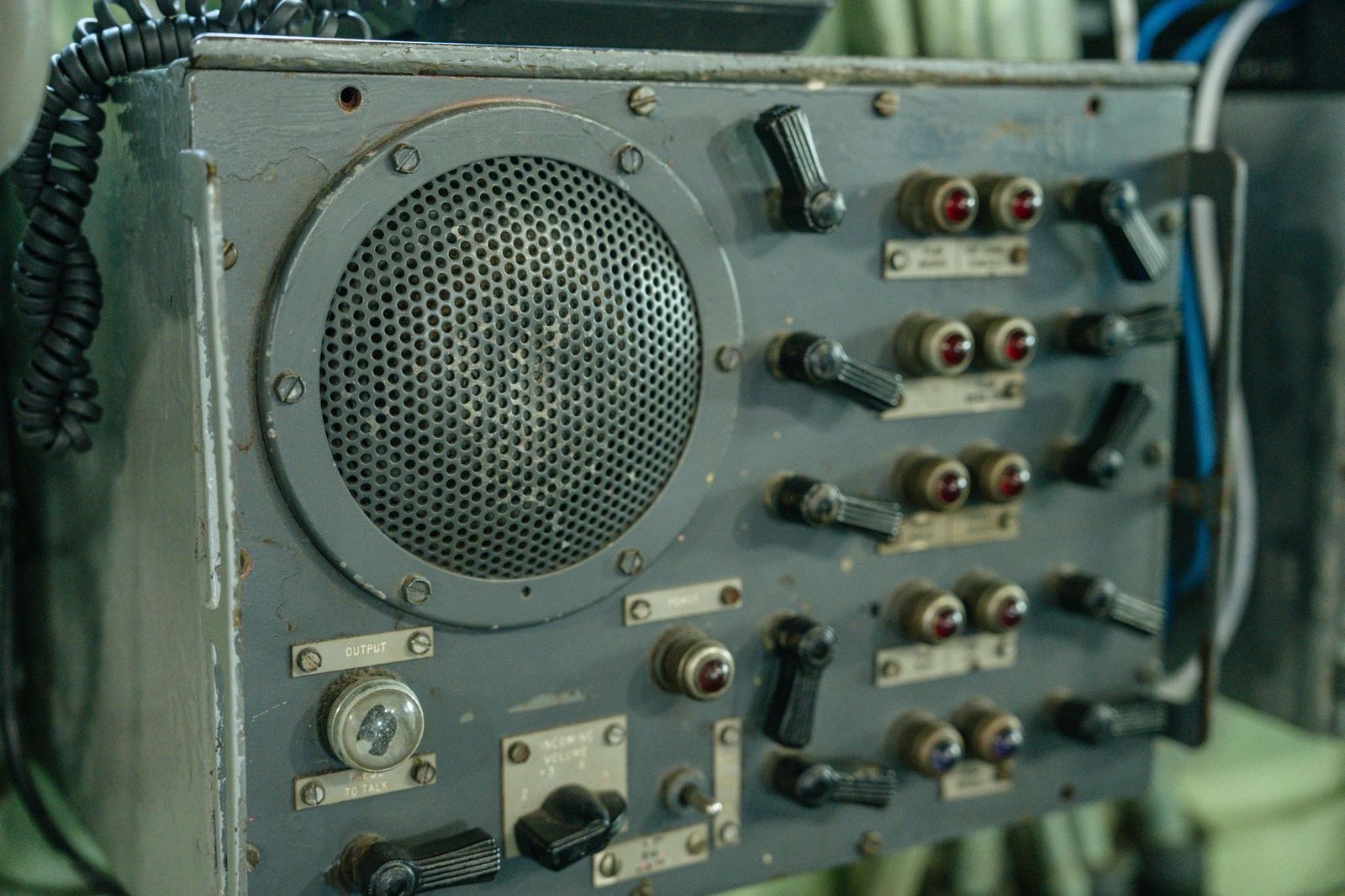
Tango, Bravo

Codewords decoded: How many did you know?


Published on March 4, 2026


Image: orso bianco

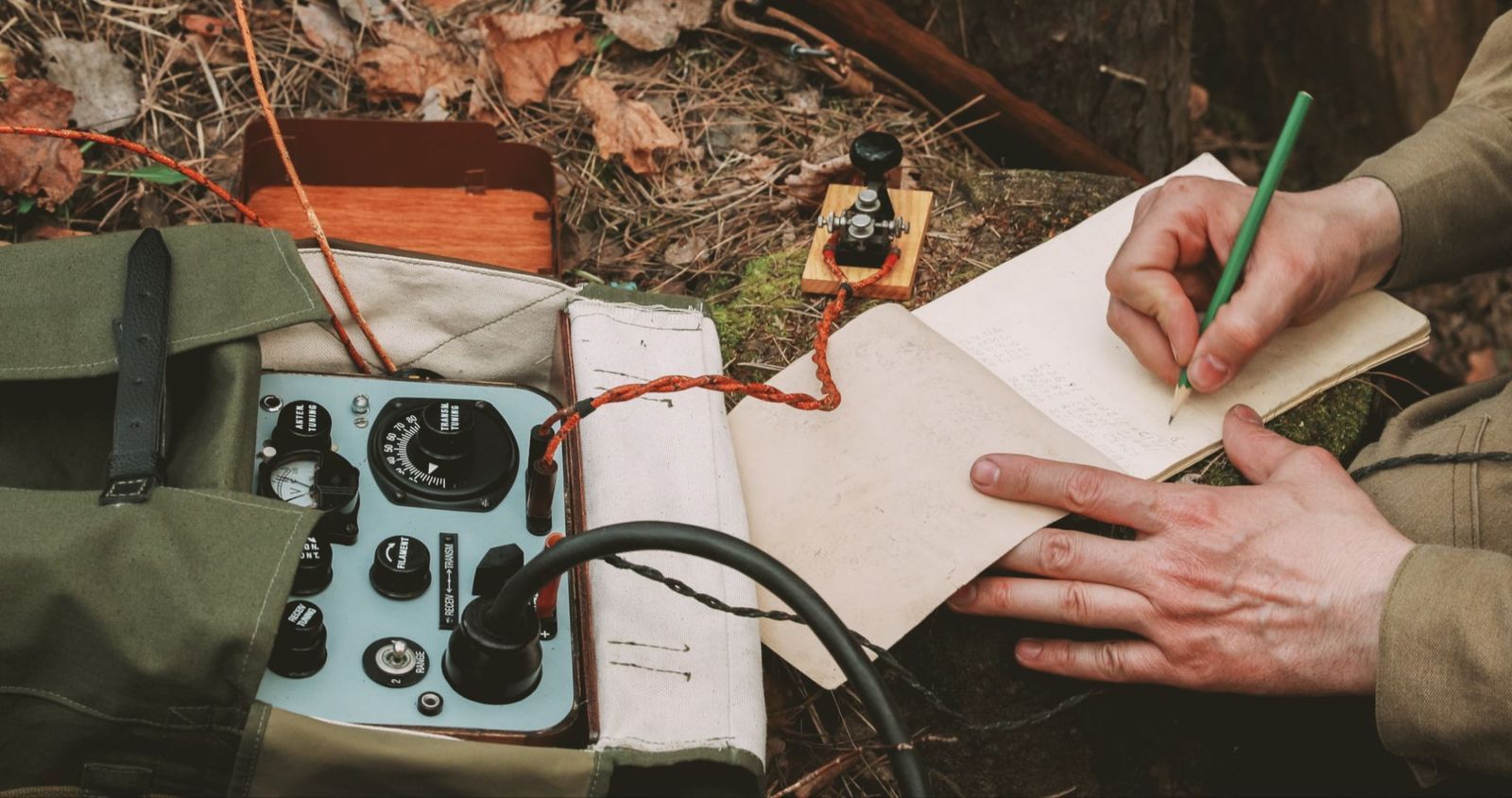
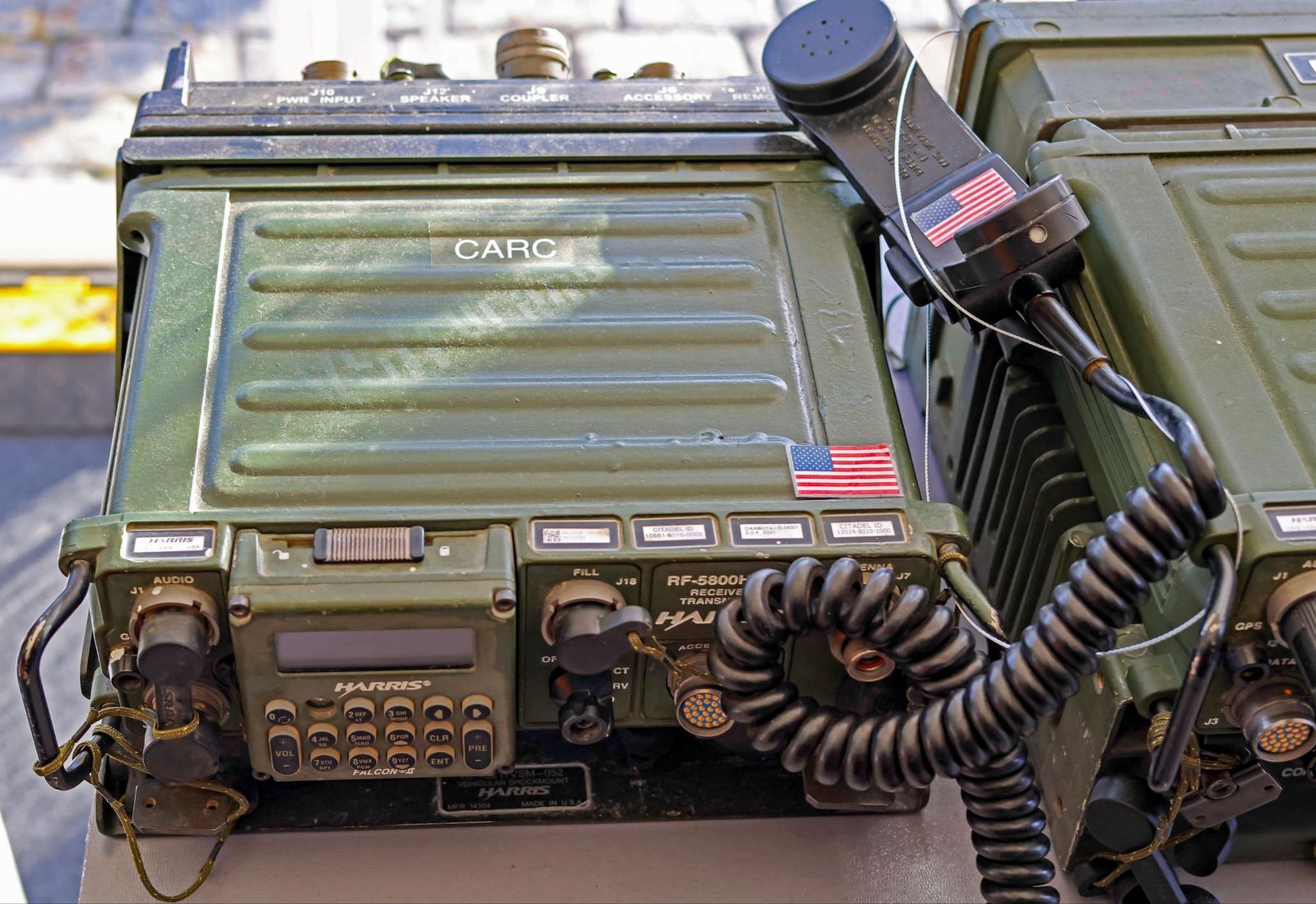
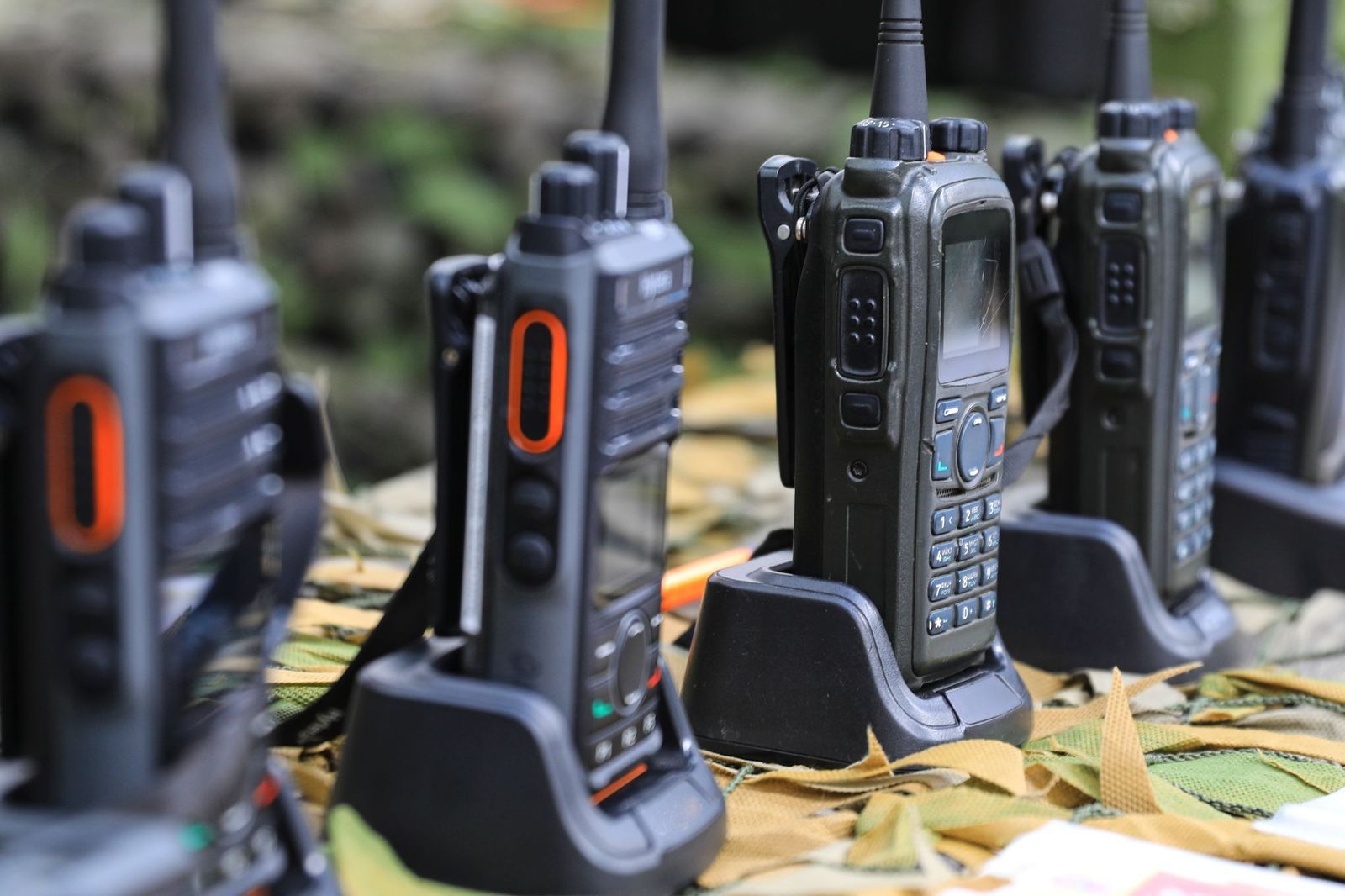
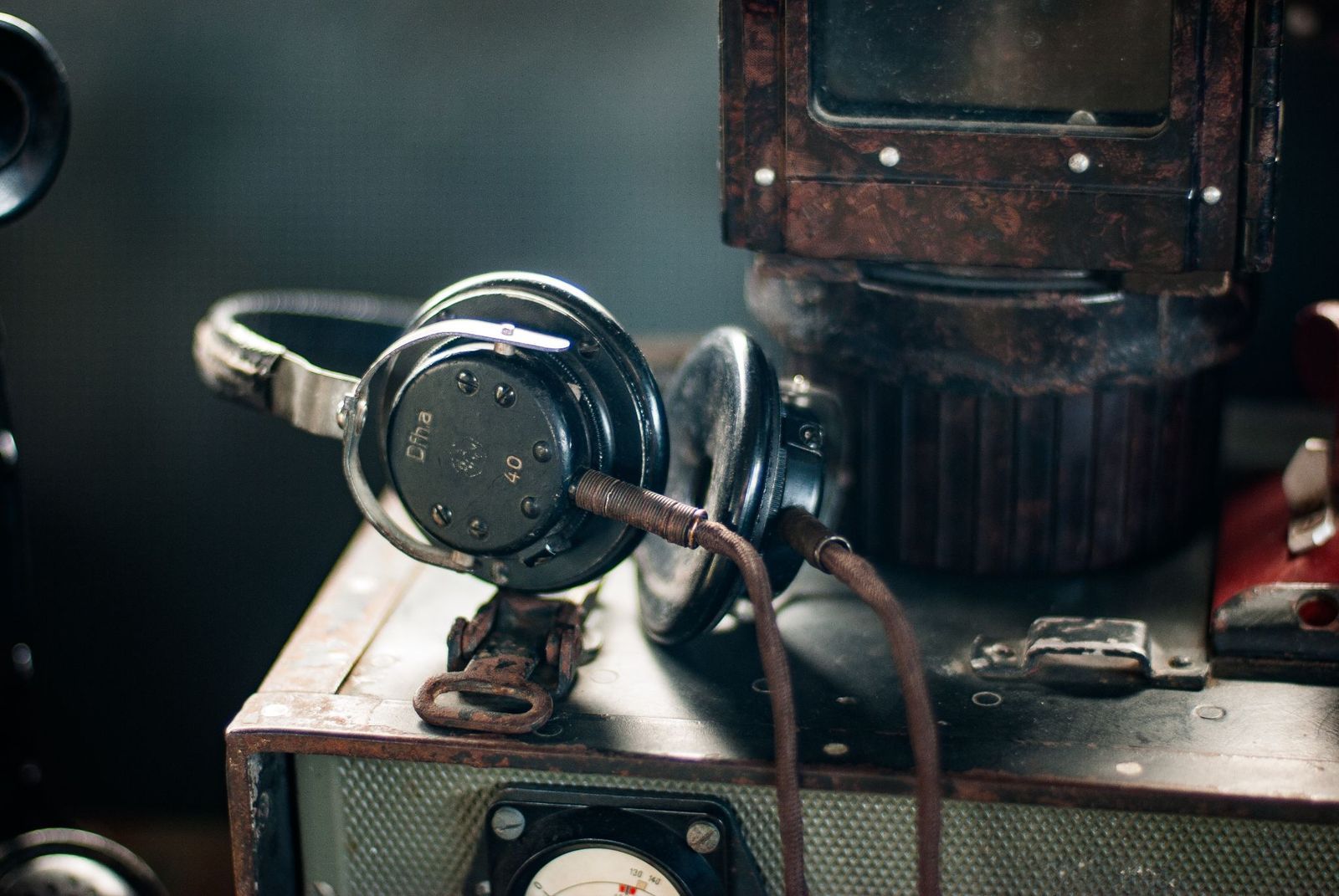
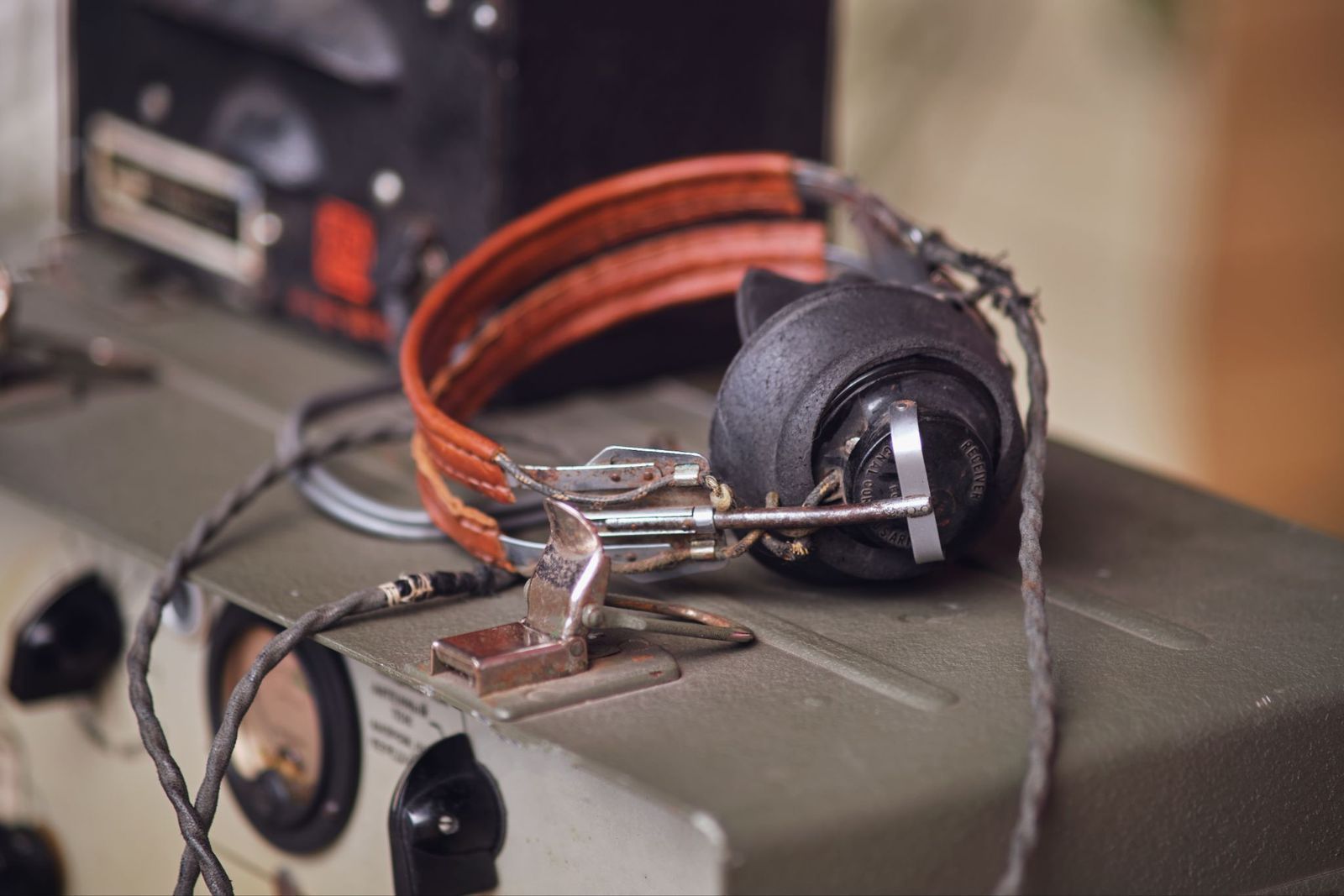
In situations where clear communication is paramount, especially when lives are at stake, professionals often rely on standardized codewords and phonetic alphabets designed to prevent confusion. Either from movies or from personal experience, it's probable that you've heard at least some of these before, and many have found their way into everyday conversation. Let's find out how many of these code expressions you can recognize.

1

Mayday

Image: Zhuravlev Andrey

Mayday is the international distress call used when the sender is in immediate, life-threatening danger. Pilots and mariners use it to signal that they require urgent assistance due to situations such as engine failure, fire, flooding, or medical emergencies.

The word was introduced in 1923 by British radio officer Frederick Stanley Mockford, who based it on the French phrase m'aider, meaning "help me," in an attempt to make it internationally recognizable. Hearing this transmission immediately alerts emergency responders that every second counts.

2

Pan-Pan

Image: DenisProduction.com

Not every emergency is severe enough to warrant a mayday call. When a crew faces a problem that is urgent but not immediately life-threatening, the appropriate codeword is Pan-Pan.

Like mayday, it comes from French: it derives from panne, meaning a breakdown or mechanical failure. A Pan-Pan call might be used if an aircraft loses an engine but can still fly safely, or if a ship experiences equipment problems while remaining under control. It tells responders that assistance is needed, but that the situation has not yet become critical.

3

SOS

Image: Grisha Bruev

Few emergency signals are as universally recognizable as SOS. Contrary to popular belief, the letters do not officially stand for "Save Our Ship" or "Save Our Souls." It was adopted in 1906 because SOS is an extremely simple, easy-to-transmit, and unmistakable pattern in Morse code.

SOS remains one of the world's most enduring distress signals, and it's still recognized by rescue organizations all around the globe.

4

NATO Alphabet

Image: Alexandros Michailidis

In the NATO phonetic alphabet, each letter is assigned a unique word to eliminate confusion when radio transmissions are distorted by noise or poor reception. If you've ever heard someone spell a name as "Mike Alpha Romeo Yankee," you've encountered the NATO phonetic alphabet.

The system was officially adopted by NATO in the 1950s and is now widely used by militaries, airlines, emergency responders, and many police departments worldwide. Using it greatly reduces the chance of misunderstanding important information over radio.

5

Roger

Image: nelikdulatov

Roger dates back to the early days of radio communication, when the letter R stood for "received." Before the adoption of the NATO alphabet, the US military used Roger instead of Romeo to represent that letter_._

Although modern communications systems have changed and the US military has fully embraced the use of the NATO alphabet, Roger remains standard aviation terminology, and it's one of the best-known radio acknowledgments in the world. It conveys a very simple but important meaning: "I have received and understood your message."

6

Wilco

Image: alleks19760526

Although many people assume Roger and Wilco mean the same thing, they actually convey different messages. Wilco is short for "will comply." In other words, it tells the sender not only that the message was received and understood, but that the instruction will be carried out.

Saying both Roger and Wilco is technically redundant in proper radio communication, since complying necessarily implies understanding, but the combination is often heard in movies and television.

7

Tango

Image: Quality Stock Arts

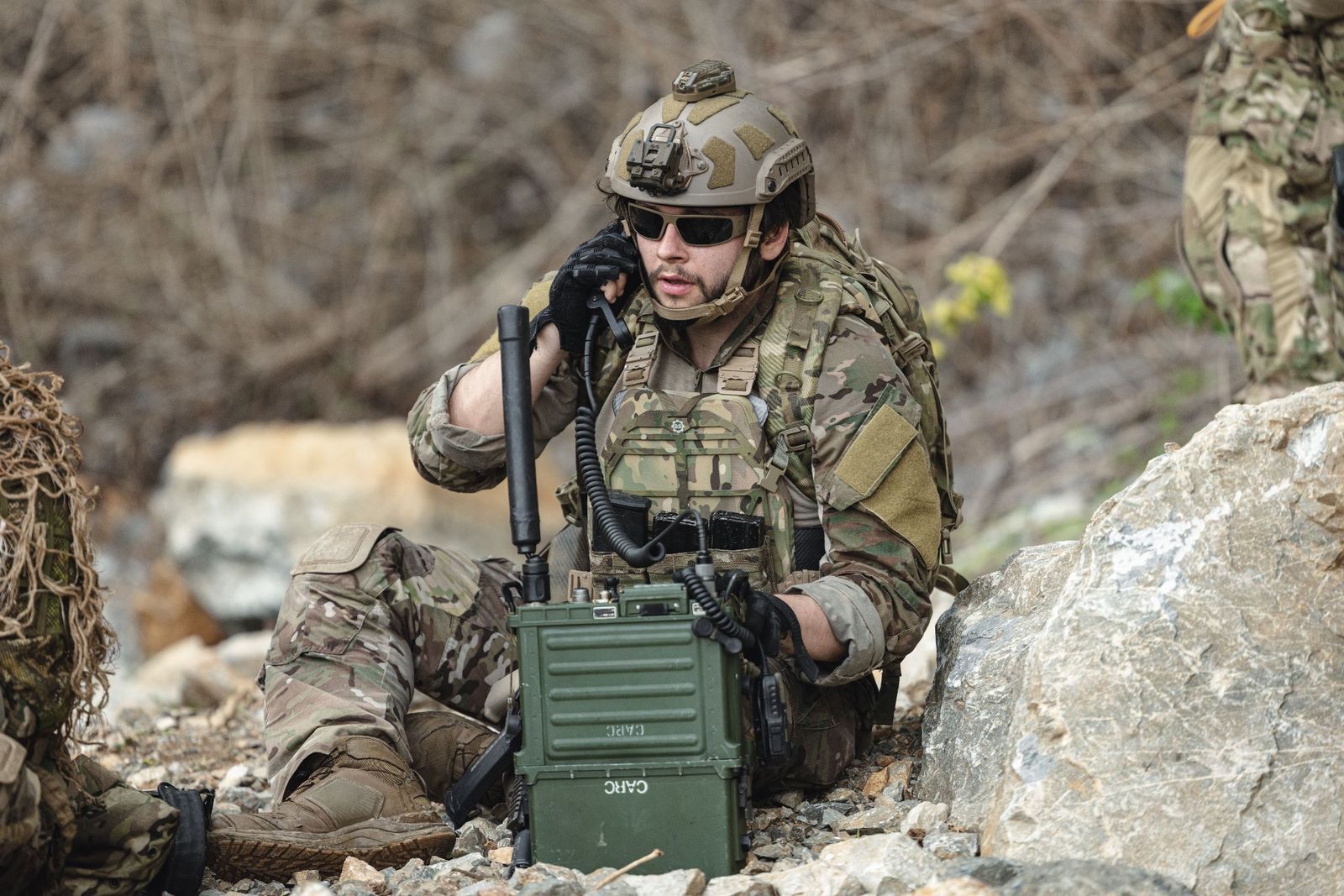
In the NATO phonetic alphabet, Tango simply represents the letter T. However, US military personnel have also adopted it as a shorthand when referring to a target or a hostile.

This secondary meaning became widely known through military operations in the twentieth century and has since appeared in countless books, films, and video games in phrases like "We've got one Tango moving north."

8

Oscar Mike

Image: Dragos Asaftei

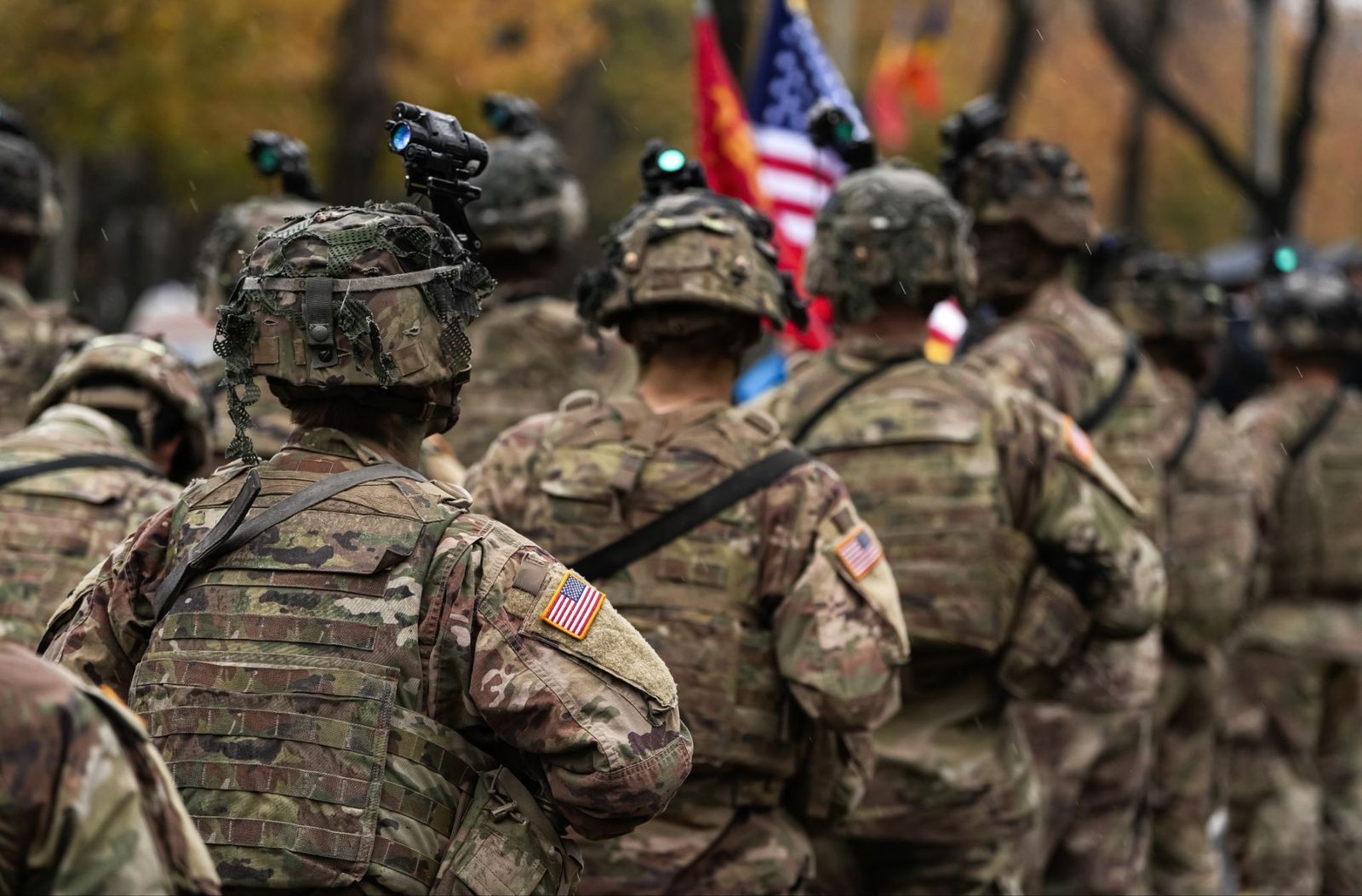
Oscar Mike, NATO for the letters O and M, is military shorthand for "On the Move." It's a quick way of reporting that a unit has begun moving toward its objective.

The expression is especially common in the US military and has become more familiar to the general public through documentaries, memoirs, and films. It's finding its way into civilian life, meaning simply "I'm heading out."

9

10-4

Image: Elliott Cowand Jr

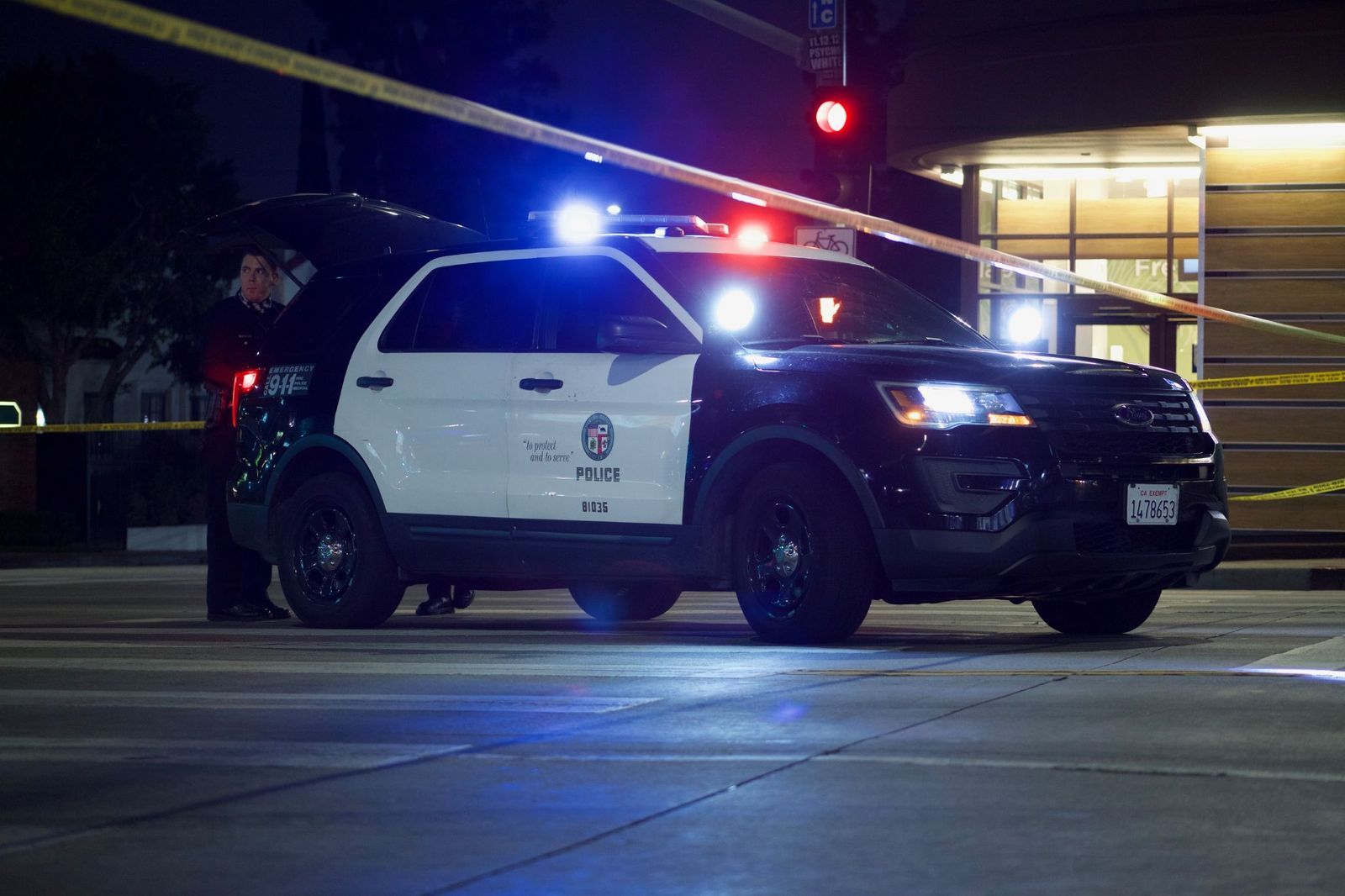
Ten-codes were developed during the 1930s to allow for brevity and standardization of message traffic in radio communications. They were widely adopted by US public safety departments and by radio enthusiasts.

While the system is being slowly phased out in favor of plain language communications, many local police, fire, and sheriff departments keep using it, and it is still strongly associated with radio culture by the general public. One of the most famous ten-codes is 10-4, meaning "received and understood."

10

Code Blue

Image: PeopleImages

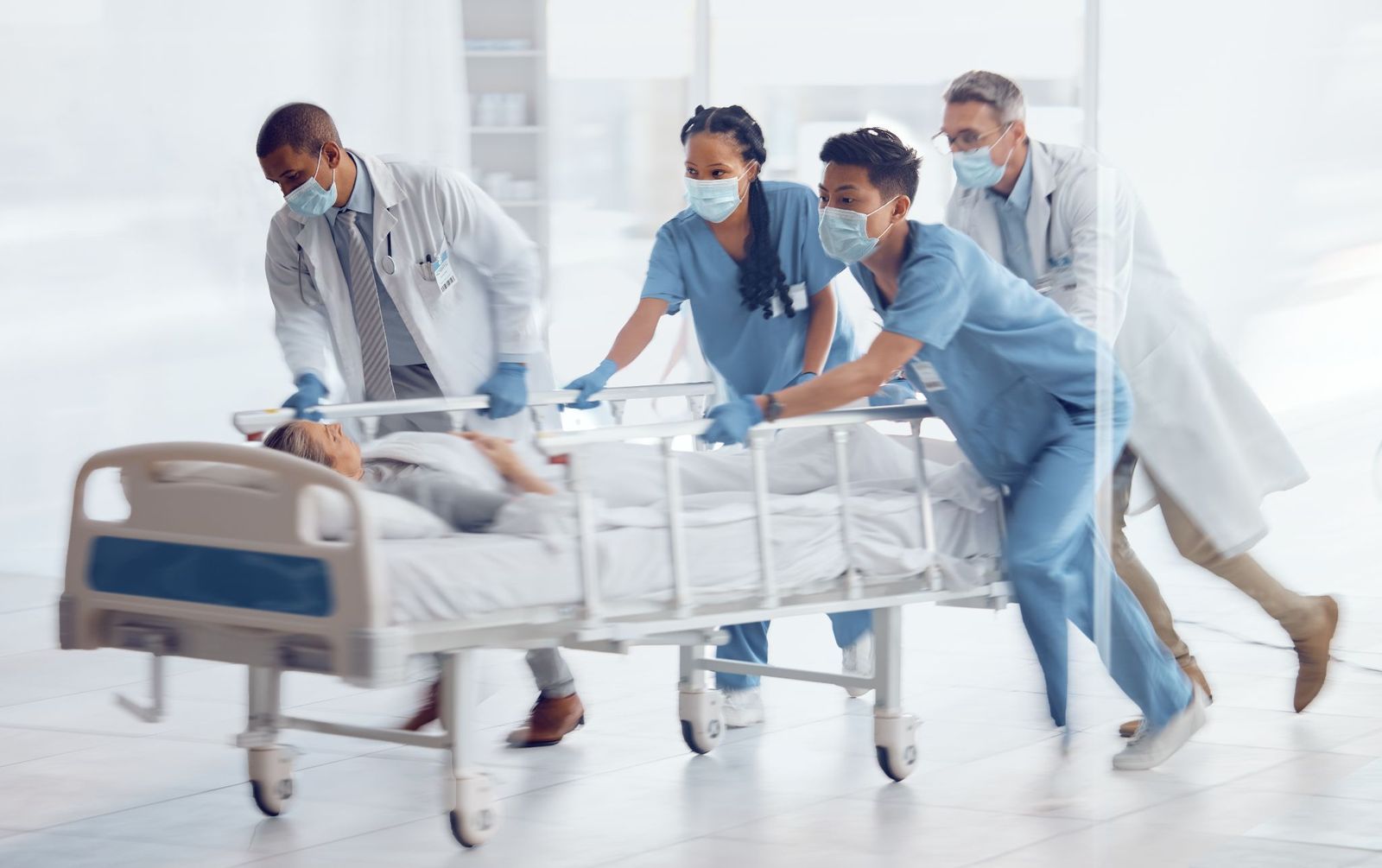
Hospitals around the world use color-coded announcements to communicate emergencies without causing unnecessary panic among patients and visitors. Perhaps the best known is Code Blue, indicating that a patient is experiencing cardiac or respiratory arrest and requires immediate medical assistance.

While some hospitals use their own custom color codes, Code Blue has become so widely recognized that it now appears frequently in television dramas and everyday conversation whenever someone refers to a life-threatening medical emergency.

Looking for an extra scoop of literary fun?

Learn more with our Word of the day

portentous

/pɔrˈtɛn(t)əs/